





Fi1m: film and series reviews, one score per title, and where to watch

Good evening.

Tell us what you’re in the mood for, or ask about any film, series, actor or director. We’ll give you a straight answer.

New releases

All films

Free account

Know what to watch tonight

Two lists that know where things are streaming, collections you can share, your own score beside ours, and Discover that remembers what you have seen.

  • Want to see, sorted by what is streaming now
  • Seen, with your score out of ten
  • No adverts, ever

Out now, reviews soon

Released where you are; our review lands once the critics have had their say, usually within two days.

Series worth your time

All series
Don’t listen to the critics

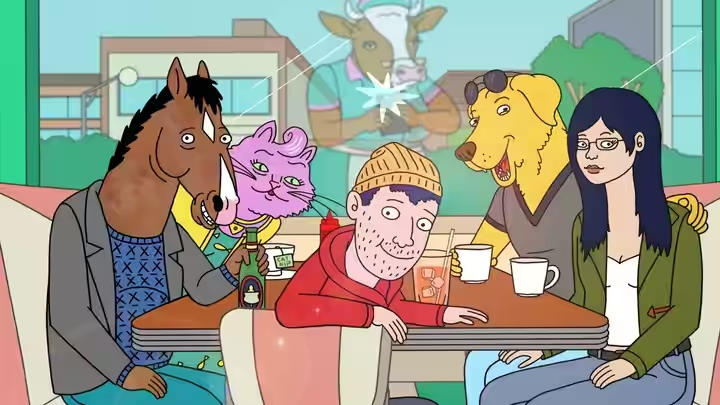
BoJack Horseman is as good as any live-action series. The critics watched six episodes.

A horse in a jumper, a glass house above Los Angeles, and six seasons that became as honest about depression, self-sabotage and the slow business of growing up as anything made with actors. The reviews that fixed its reputation were written on the first six episodes, which are the only ordinary ones.

Incredible storytelling

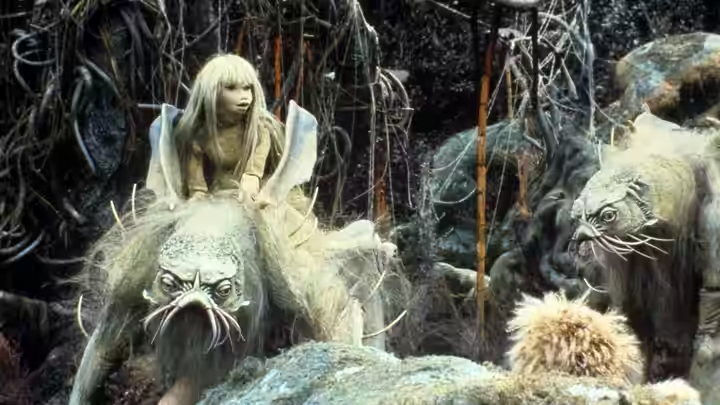
The Dark Crystal built a world with no people in it, and told its story through the bodies of the creatures

In 1982 Jim Henson and Frank Oz made the first feature film in which not one living thing on screen is human. Every character is a puppet with a person inside it, every landscape was built, and the story of a cracked crystal and a race split in two is told almost entirely by how things look and move. The second in our series about films that tell a story the way only a film can.

Don’t listen to the critics

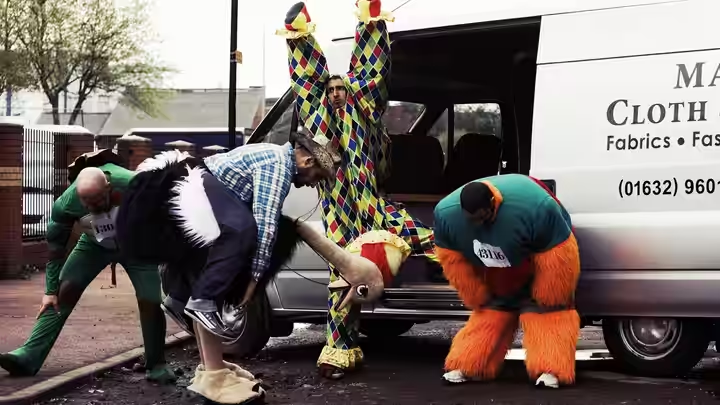
Four Lions is the best British comedy ever made. The critics called it patchy.

Chris Morris spent three years finding out how young men talk themselves into murder, then made a farce about it that is funnier than anything the Pythons or Ealing produced and a great deal braver. The critics gave it a polite 74. We gave it 94, and we are not sure that was high enough. The second in an occasional series about films the critics got wrong.

The decade

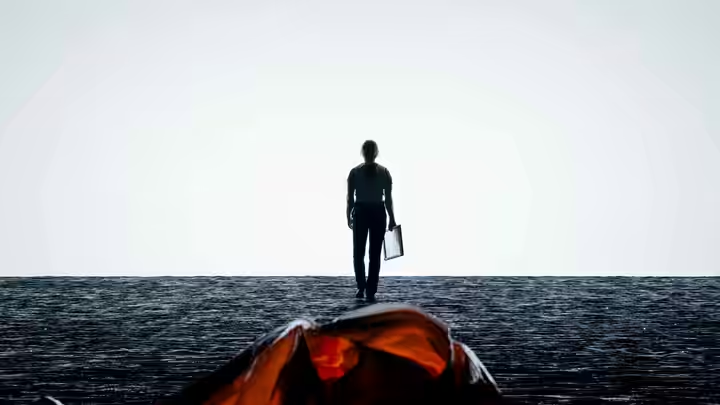
The 2010s were a golden age for science fiction. Twenty films say why

Between Inception and Annihilation, the studios kept paying for original, adult science fiction at a mid-range budget, a generation of British and European directors took the genre seriously, and the spectacle got legible again. Twenty films from the decade, average Fi1m score 80, and the argument they add up to.

Theatre on film

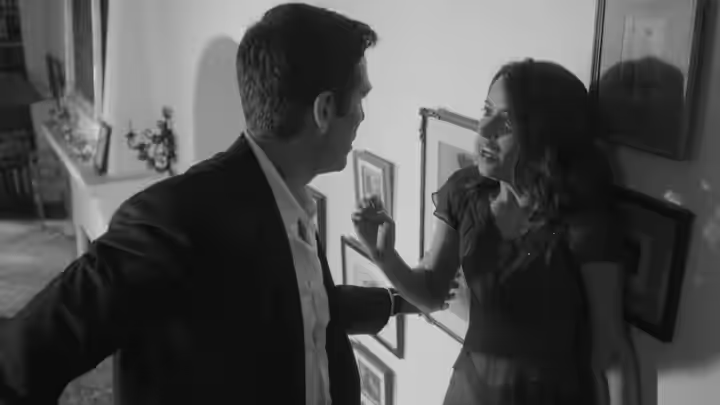
Joss Whedon shot Much Ado in his kitchen, and found a fourth way to film Shakespeare

Twelve days, one house, black and white, the text as written and actors who had been reading the play together for years. The 2013 Much Ado About Nothing is neither filmed theatre nor a costume pageant nor a remix. It is the play as a house party, and it changes what a Shakespeare film can cost, look like and feel like. The first in a series about what happens when the stage meets the camera honestly.