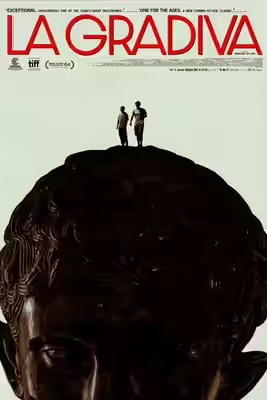
Marine Atlan’s adolescent drama earns our recommendation through its attentive ensemble and Colas Quignard’s quietly affecting Toni. The symbolism sometimes presses too hard, but the young people remain complicated enough to resist being reduced to a lesson.
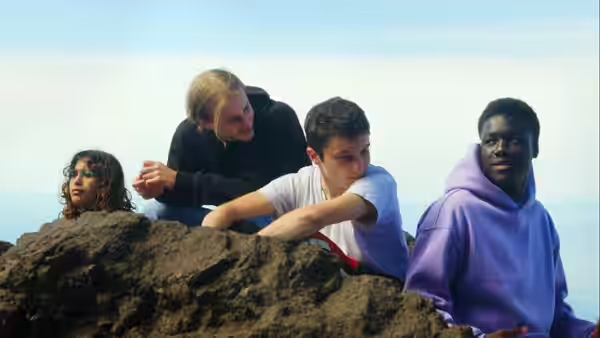
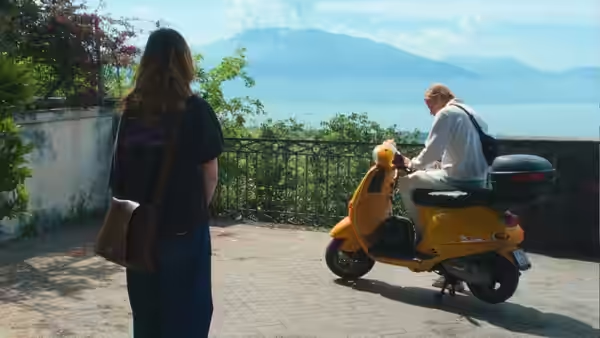
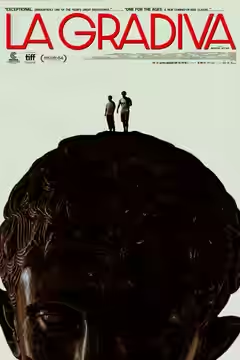
La Gradiva is a good, patient film about teenagers whose feelings exceed their ability to explain them. Marine Atlan gives their embarrassment and confusion serious attention without treating every youthful mistake as a revelation. An Italian school trip provides the occasion, with Naples and Pompeii bringing a long historical perspective to immediate personal worries. We recommend it for the performances, with a reservation about symbolism that sometimes makes those worries carry more significance than they need.
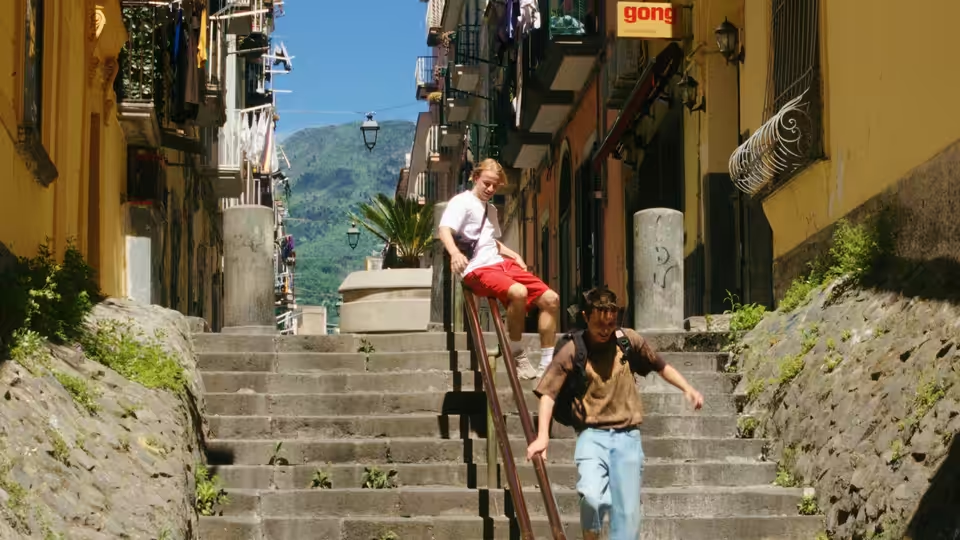
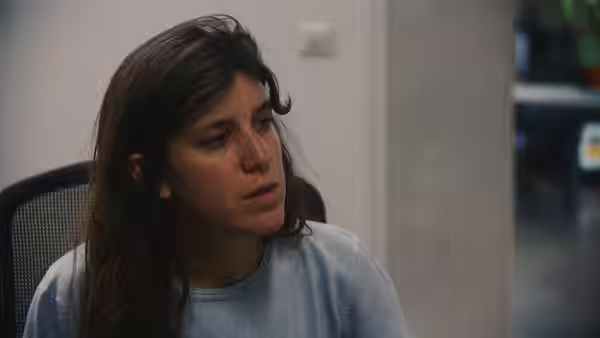
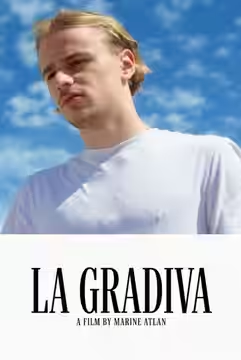
Colas Quignard’s Toni gives the film its most persuasive reason to keep watching. His body language conveys heartbreak without demanding that every feeling be put into words, and the restraint leaves room for uncertainty about what another person can understand. We found Toni’s hurt affecting because Quignard lets physical awkwardness communicate what speech cannot comfortably accommodate. The performance also avoids the precocious self-knowledge that can make screen teenagers sound as though they have already spent years discussing their childhoods.
Antonia Buresi brings sympathy to Madame Mercier, the teacher overwhelmed by the young people in her charge. Her performance matters because an adult in this sort of story can so easily become a convenient obstacle, present chiefly to misunderstand everyone. Buresi allows the difficulty of looking after the group to register alongside the pupils’ own difficulties. The classroom scenes give Atlan a useful setting for observing how little people understand about one another even when they spend time together, and the ensemble keeps that uncertainty alive.
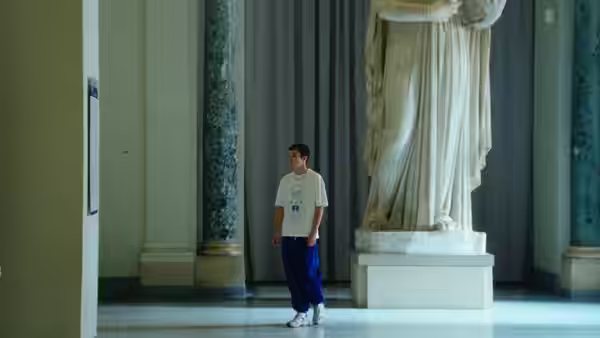
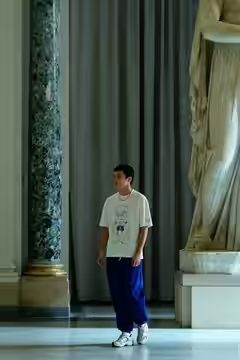
The cinematography, credited to Pierre W. Mazoyer and Marine Atlan, gives the images grain and a tangible sense of surfaces. That approach suits a film interested in the physical discomfort of adolescence: bodies matter here, as does the effort of occupying them in company. The detailed imagery also gives the historical surroundings a presence beyond their usefulness as a destination. Guillaume Lillo is the editor and Anna Le Mouël the production designer; the film’s strongest visual achievement is the sustained attention given to the young people within those surroundings.
The reservation concerns how insistently the ancient places are asked to illuminate the teenagers’ lives. Connecting adolescent desire and anxiety to Naples and Pompeii offers plenty to consider, but some of the symbolism feels too emphatic. We need little encouragement to take these young people seriously once the actors have established their vulnerability. At 145 minutes, the film asks for considerable patience, and the moments that underline its themes are less rewarding than the quieter work of watching someone struggle to make themselves understood.
Within the coming-of-age drama, Atlan’s particular strength is her willingness to let several people remain difficult to read at once. Anne Brouillet and Marine Atlan’s writing gives the ensemble room for conflicting feelings, while the performances prevent adolescent shame from becoming a general condition without individual faces. The film is sombre enough to require the right evening, and its length deserves consideration before settling down. Choose it when there is time to pay attention to an actor who is saying little.