Harold P. Warren’s horror film has one disquieting presence in John Reynolds’s Torgo, but little else to justify its 74 minutes. The technical failures become tiring long before they become entertaining.
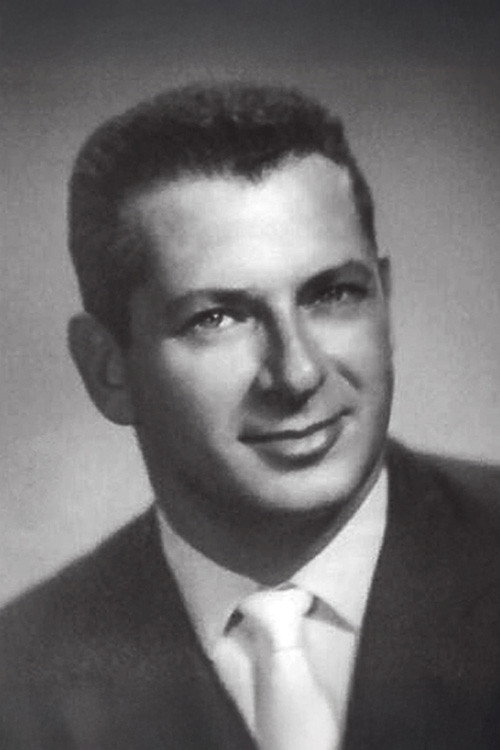
Manos: The Hands of Fate is a punishingly dull horror film with an oddly memorable performance, and the performance is no reason to endure the rest. Harold P. Warren writes, directs and plays Michael, giving him plenty of responsibility for a film that struggles to make anything matter. At 74 minutes, it has little excuse for making us so conscious of the time. Anyone hoping its mistakes will supply a dependable evening of laughter should lower those expectations too.
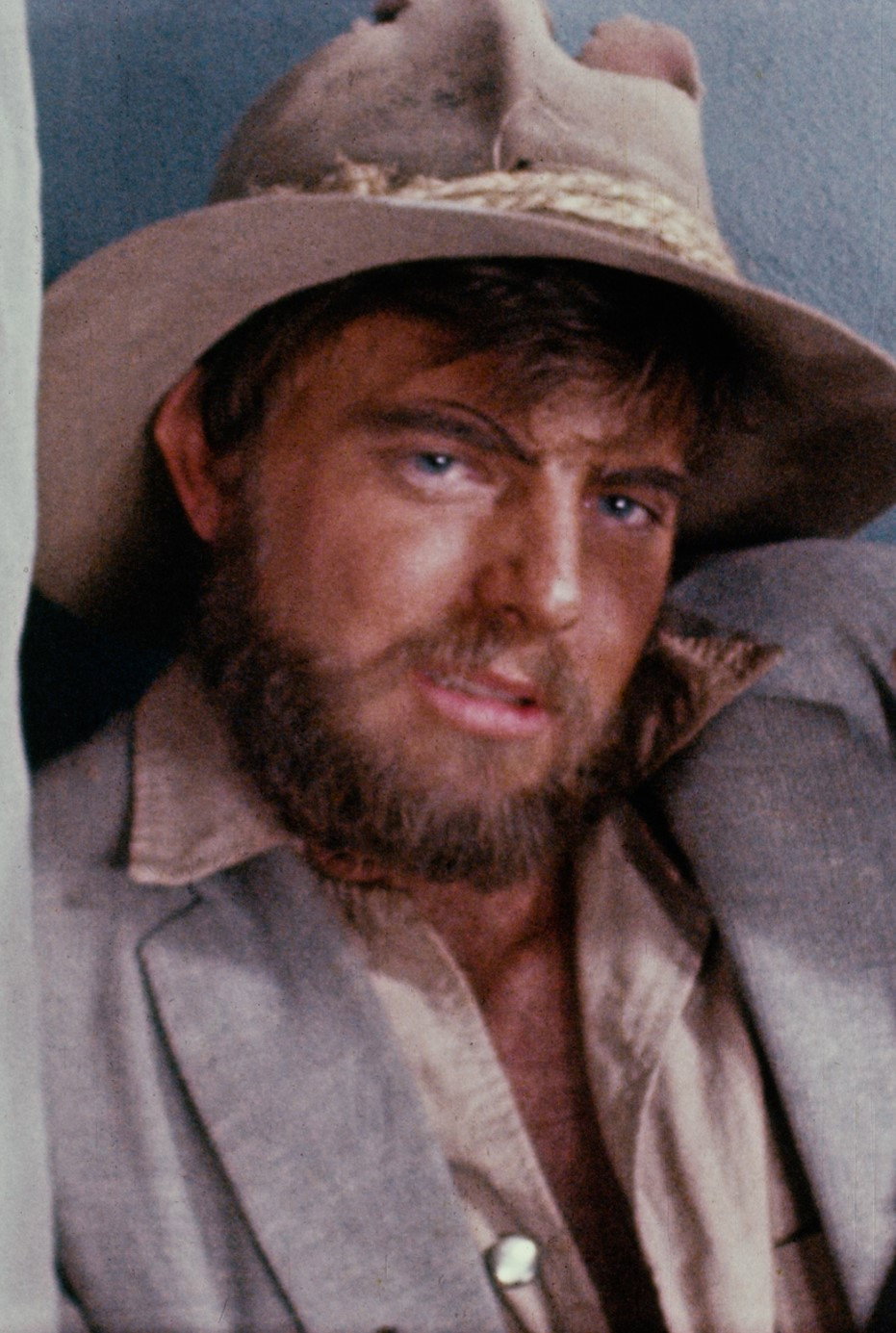
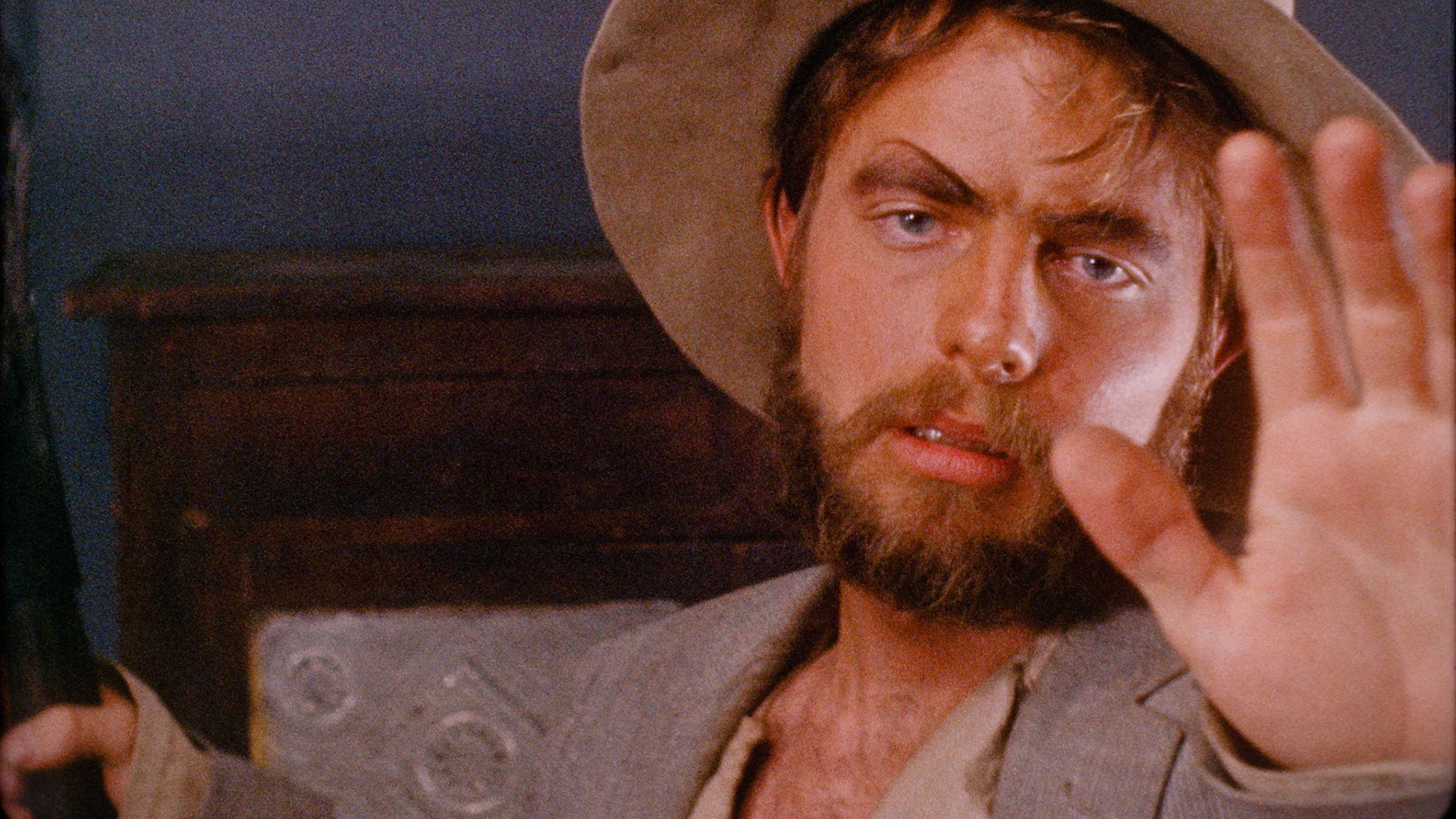
John Reynolds, playing Torgo, provides the strongest reason to stay curious. His performance has an awkwardness that is difficult to dismiss, because it never quite settles into anything we can comfortably recognise. We were briefly unsettled by him; the uncertainty in his acting makes the character seem capable of behaving in ways we cannot anticipate. That is useful in horror, where strange behaviour can hold our attention without much explanation. Warren rarely finds anything comparably interesting elsewhere, and Reynolds cannot keep the film going on his own.
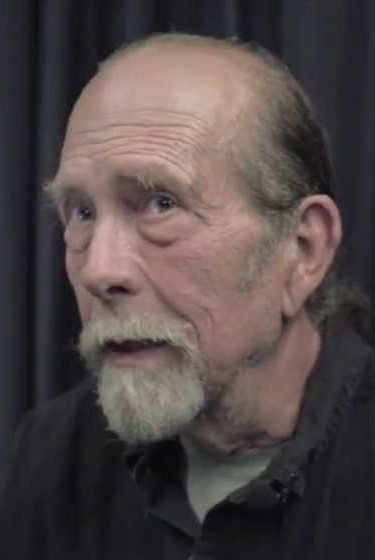
Robert Guidry’s cinematography offers little help. The images seldom establish a convincing threat, while the editing by Ernie Smith and James A. Sullivan makes the material feel stretched beyond what it can sustain. We were bored because the scenes kept taking longer to get through than their dramatic interest justified. The difficulty is cumulative: each passage needs the next to give us a reason to remain attentive, and the cutting cannot make those connections persuasive enough to build suspense.
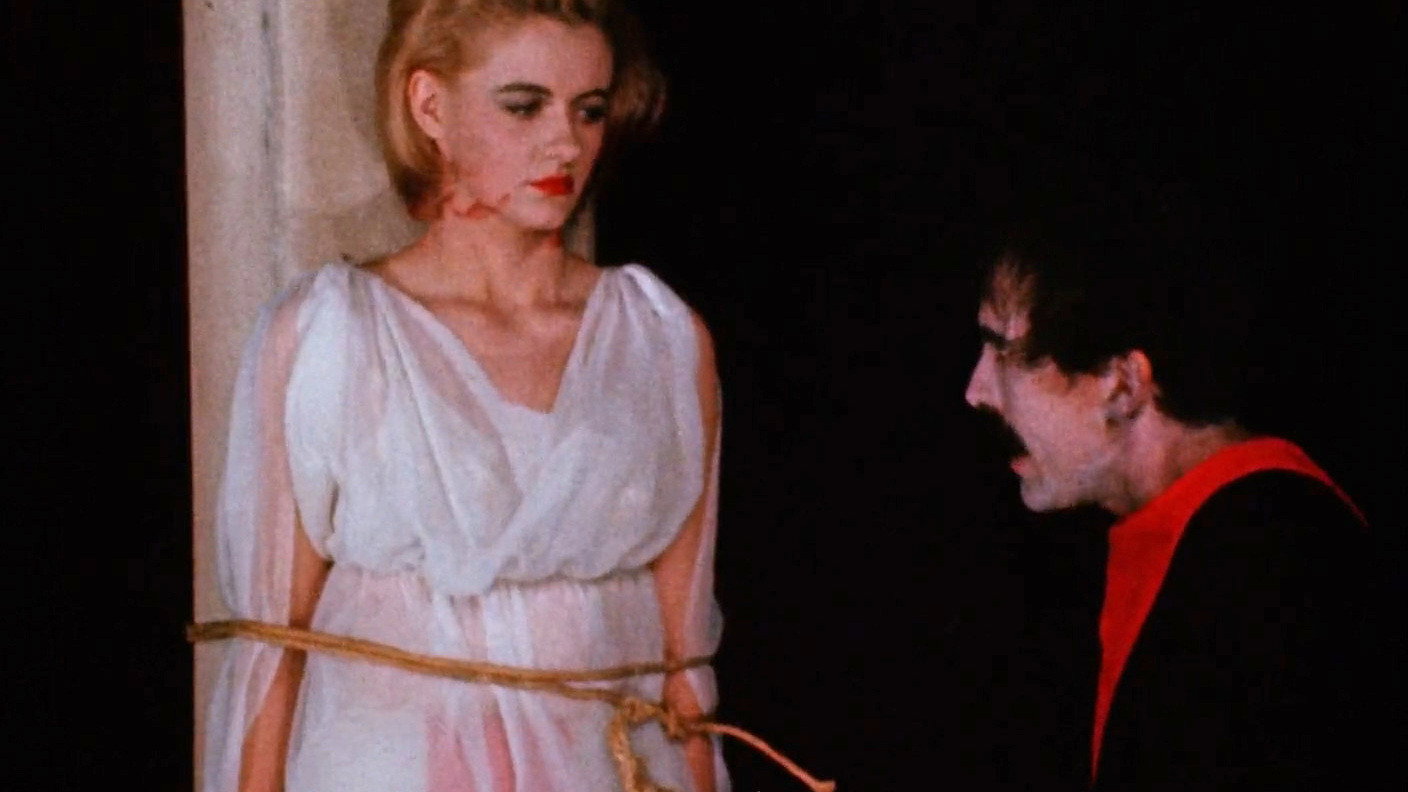
The music, credited to Russ Huddleston and Robert Smith Jr., cannot give the film the urgency it lacks. Its efforts to encourage a response become another reminder that the drama is failing to produce one. Thomas Ivy’s costume design at least seems committed to the peculiar character of the film, and that willingness to look strange counts in its favour. There is effort here, which deserves acknowledgement. It does not make the people convincing enough for their troubles to concern us.
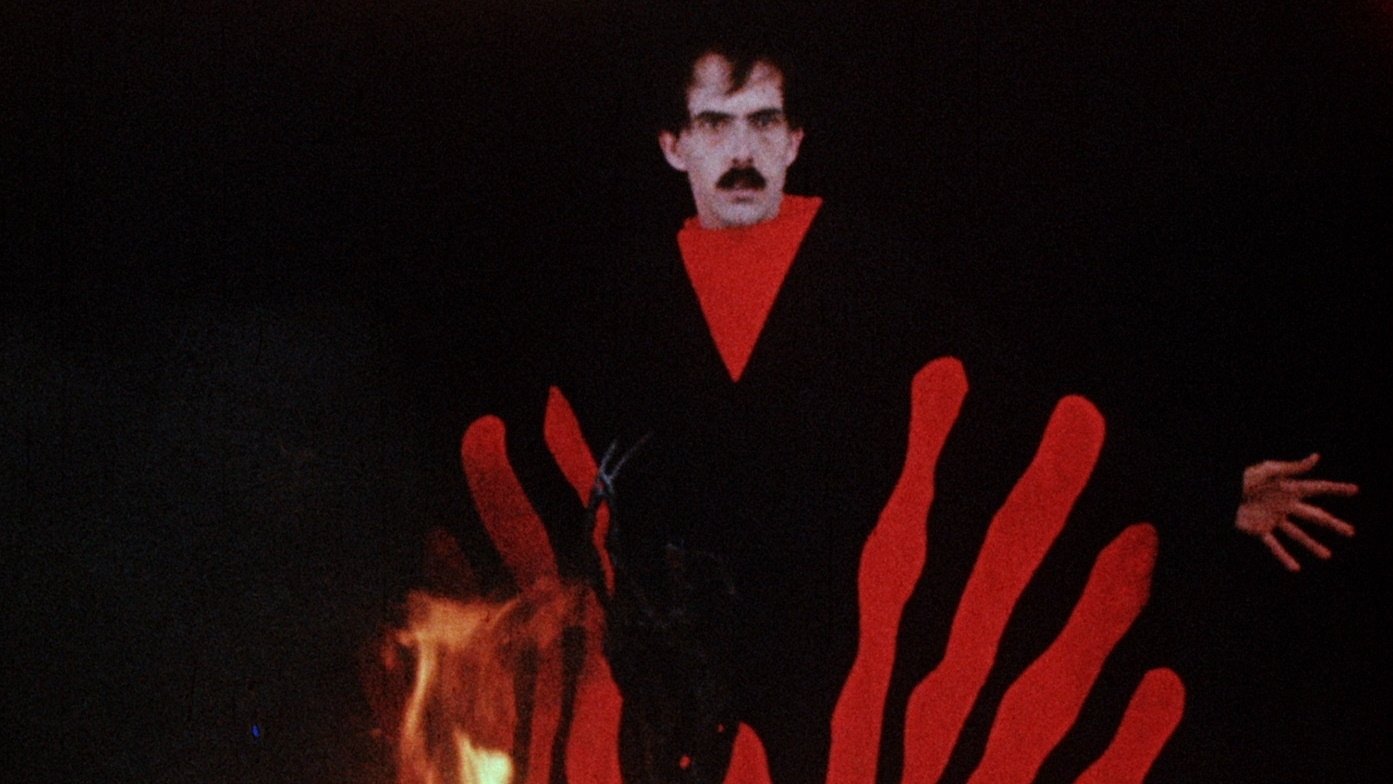
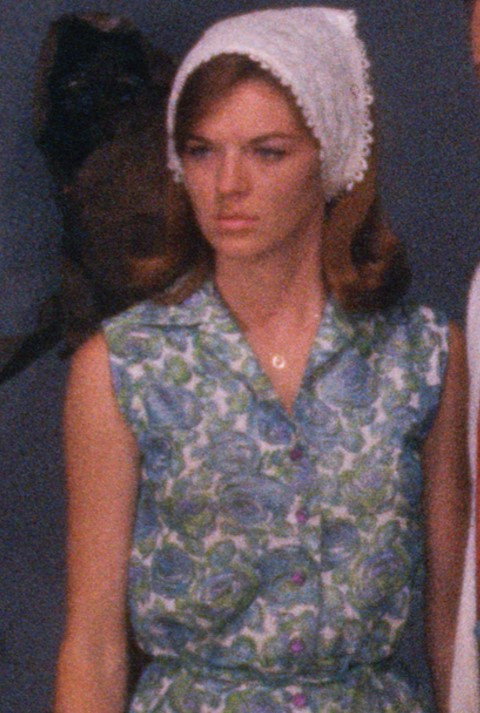
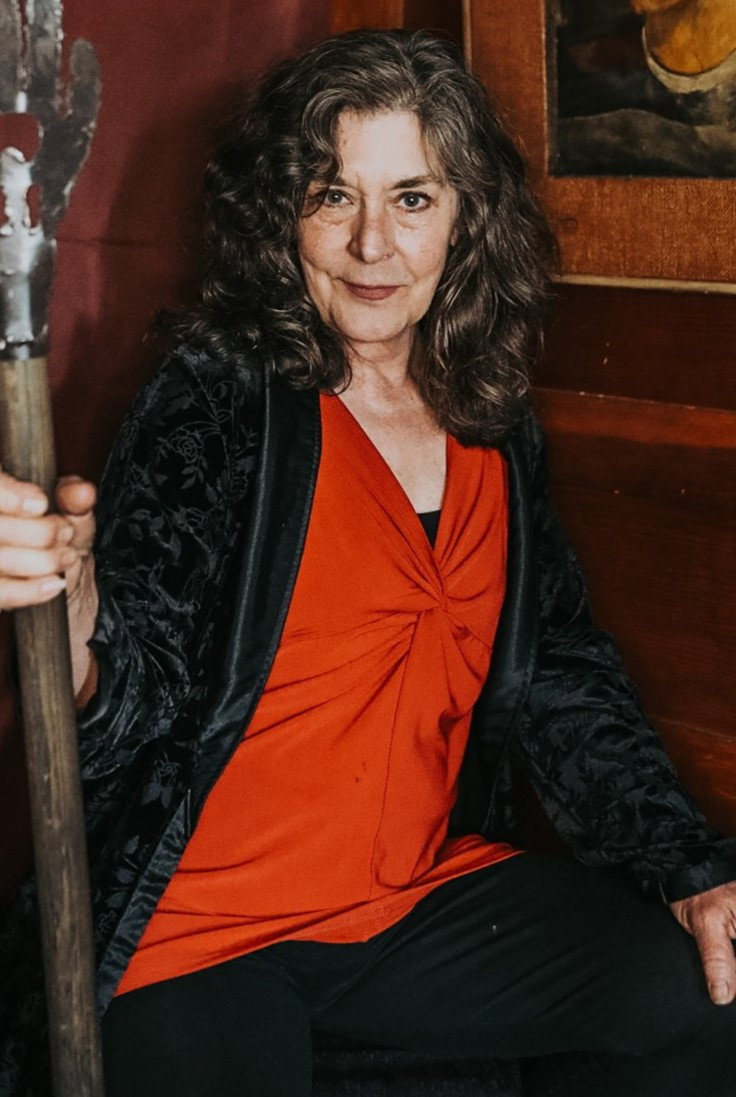
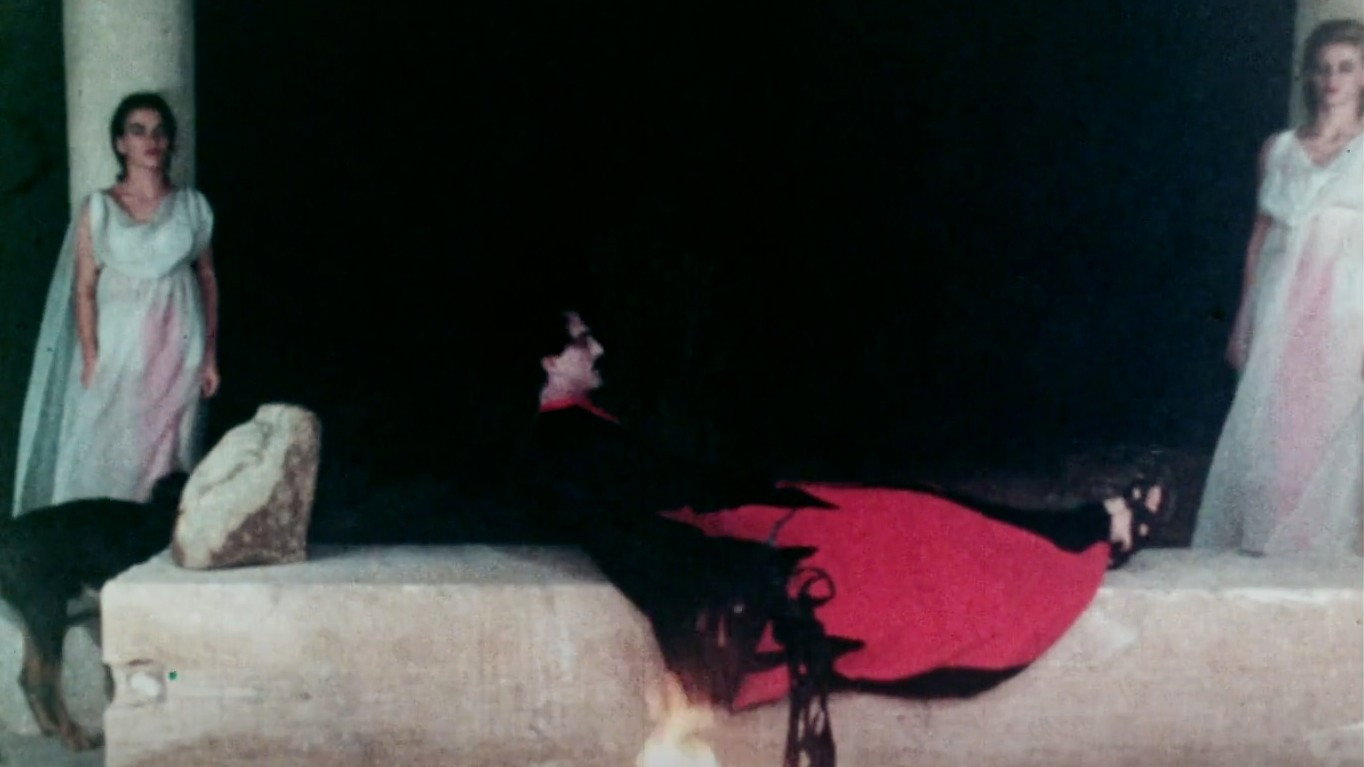
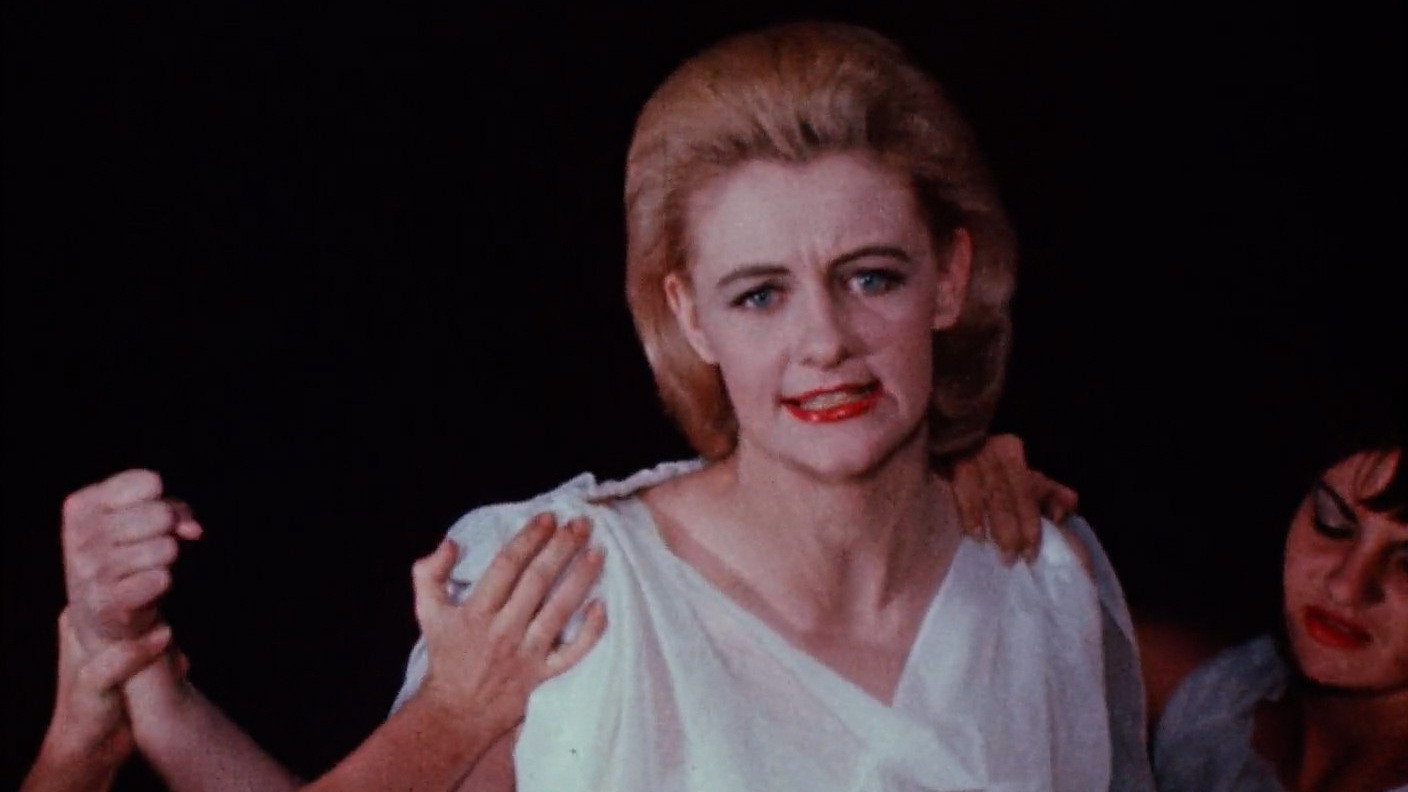
Tom Neyman plays The Master, a name that promises an authority the film badly needs someone to possess. His presence does not provide enough of it. Diane Mahree, as Margaret, and Jackey Neyman, as Debbie, are similarly unable to make the drama involving. Warren’s writing gives the performers too little help, and his direction does not turn their unease into a sustained source of fear. Against the basic expectations of horror, the failure to make us care matters more than the technical shortcomings, however conspicuous those become.
There is an audience for horror whose mistakes provide their own entertainment, and we can understand the curiosity about this one. Its awkward, dream-like quality occasionally produces something worth looking at, particularly when Reynolds has our attention. But the amusement is too intermittent to justify recommending it as a comedy by accident, and the fear is less reliable still. Finding a performance peculiar does not oblige us to spend an evening with everything surrounding it. For an evening’s horror, choose something that gives its oddities more to do.