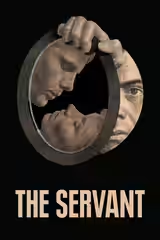
The reviews lean firmly positive: eight of ten recommend the film and none dismiss it. Most critics describe it as a cold, unsettling study of class and power that has not softened with age, and the praise clusters around Dirk Bogarde’s performance as Barrett, which The Guardian ranks among his greatest. Douglas Slocombe’s black-and-white photography is the other recurring compliment, several reviews noting how the shadows and spaces of the house track who holds the upper hand. Harold Pinter’s dialogue and James Fox’s louche employer also draw approving mention.
The reservations are mild but real. Variety, reviewing on release, finds the atmosphere fades and the ending less convincing than what precedes it. Empire, decades later, admires the film but calls it a museum piece, its treatment of class and desire too deliberately inscrutable. Slant Magazine, otherwise a rave, flags a troubling portrayal of queerness. The spread of scores is wide, from the mid-fifties to full marks, though the warmest notices come from the restoration-era reviews.