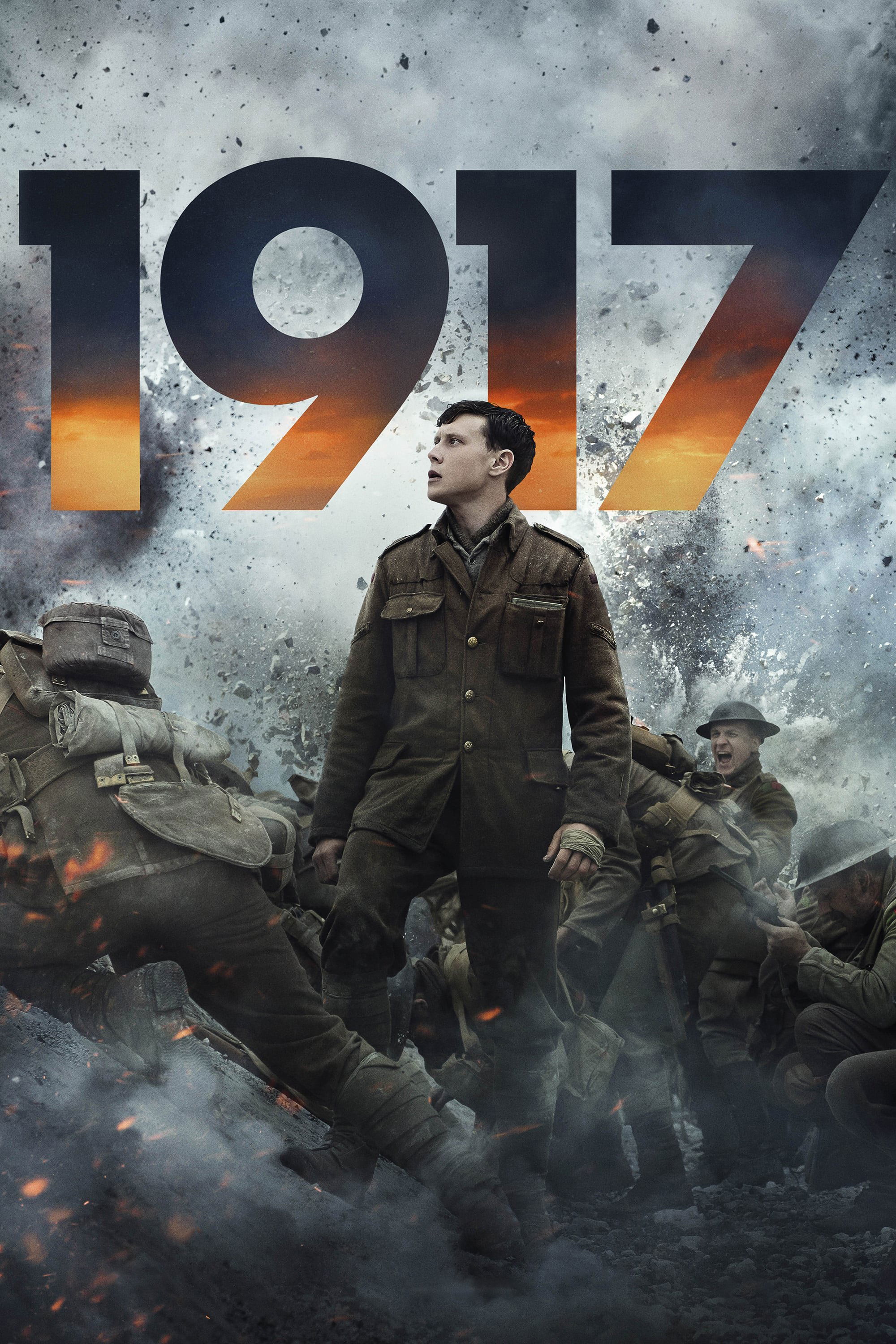
Most critics respond warmly to 1917, with praise concentrated on Roger Deakins’ cinematography and the illusion of a continuous take. The favourable reviews find that Sam Mendes uses the technique to sustain tension and bring the pressures of the battlefield close, rather than merely demonstrate his control of the camera. George MacKay’s performance also earns repeated praise for giving the action a human centre, while several critics find room for tenderness amid the horror.
The disagreement is over how much feeling survives the technical precision, and the spread of opinion is wide. Reservations include thin characterisation, contrived plotting and a limited examination of war. The Telegraph admires the filmmaking but finds little emotional impact; Vulture argues that the single-take approach exposes the mechanics instead of creating intimacy. The New Yorker goes further, objecting to patriotic bombast and a visual treatment that prettifies violence.
T
Time Out
26 November 2019 · ★★★★★ · Phil de Semlyen
100
Mendes reinvents the Great War movie with technical virtuosity, jittery thrills, and an emotional core, making it possibly his best film. The single-take device and Deakins’ camerawork are highlighted as creating an immersive, nerve-fraying experience.
Highlights the sensational technical achievement of the long-take style and Deakins' cinematography, grounded by MacKay's performance, though noting some script shortcomings and star cameos.
Mendes’ film is light on plot but displays plenty of technical panache, delivering a visceral and effective war epic through its sound and vision. The critic praises the synergy between sound and vision and the immersive action.
This ambitious and thrilling First World War odyssey from Sam Mendes features excellent performances and is shot to give the illusion of one long take. The critic praises the vivid portrayal of battlefront pressures and the emotional punches from cameos.
The critic praises the film's technical bravado and immersive camerawork as a stylistic exercise but notes it feels contrived and lacks emotional depth or complexity.
Mendes is lauded for his boldness in applying a Saving Private Ryan treatment to WWI as a single-shot action thriller. The audacity and honor paid to those who lost their lives are singled out positively, though some structural issues are noted.
The critic finds 1917 an audacious technical achievement but notes that the impeccable craftsmanship creates a distancing effect, making it hard to fully invest in the drama. They single out Roger Deakins’ cinematography for praise as the real star of the film.
The review finds the film technically brilliant with meticulous direction and astonishing cinematography but emotionally inert, with little fear, sadness or excitement beyond the filmmaking itself.
The review criticizes the film as a bombastic filmmaking stunt that draws attention to its technical achievements rather than immersing the viewer in the story or characters' experiences. It singles out the single-take approach for failing to convey intimacy and instead highlighting the mechanics.
The critic calls the film a work of patriotic bombast with an imagination-free script full of melodramatic coincidences that trivialize the action. He faults the gimmicky long-take style and superficial direction for prettifying violence and failing to explore the characters' inner lives.
The critic praises the film's technical triumph in simulating a continuous take and its immersive realism but finds it only a half-successful experiment that keeps a cool distance from gut-level impact. He singles out the visual choreography and argument against the futility of war for praise while noting the limitations of the formal conceit.
The critic praises the film as an audacious, immersive single-take war drama that blends excitement and horror in its depiction of two soldiers' perilous journey. The single-take technique and Deakins' cinematography are singled out as creating a bold, thrilling effect.
The critic praises the film's virtuoso filmmaking and immersive style as a visual knockout but notes minor historical inaccuracies like soldiers' teeth. It excels in technical execution and immersion in WWI horrors.
The critic sees the film as a sanitized and preening exercise in showmanship that turns World War I into a technical spectacle rather than engaging with its historical complexities. She notes the immersive camerawork draws attention to the filmmaking over the lightly sketched characters.
The critic hails the audacious real-time approach and George MacKay's performance as making the film one of the year's most impressive achievements, with attention to character outweighing the technique. He singles out the immersive depiction of WWI horrors and beauty, and the relatable heroism of ordinary soldiers, for praise.
The one-take approach immerses viewers in the unrelenting march of war and highlights ordinary humanity amid horror, resulting in one of the greatest war movies ever made. Mendes and Deakins craft an experiential anti-war statement that contrasts technical precision with the grotesque futility of WWI.
Mendes delivers a powerful meditation on sacrifice and courage that succeeds both as story and technical achievement. The one-take conceit and Deakins' cinematography are singled out as miraculous and immersive.
The critic calls it a magnificent achievement and hauntingly evocative work that is likely to change how war stories are filmed. They single out the intimate, painterly photography by Roger Deakins that makes desolation beautiful while following the soldiers through nightmarish vignettes.
The critic deems it tense, powerful and breathtaking, the first must-see movie of the year and a true big-screen experience rivalling Dunkirk. They single out the flawless one-take editing and stunning imagery by Roger Deakins that heightens the against-the-clock tension.
The critic calls it a technical marvel loaded with emotional resonance, praising the one-take technique that enhances the narrative, Deakins' cinematography, and the humane moments amid the horror.
The critic praises the film as transcending the one-shot gimmick with urgent action and strong performances, especially George MacKay's. Singles out the night-time village sequence for praise.
The critic praises the believably human film about men in an inhuman conflict, with strong performances and technical excellence that leaves viewers breathless. They single out the empathy generated by the lead actors and the way the one-take technique serves the story, while noting a lack of narrative originality.
The film succeeds more as a thriller than a thoughtful examination of war, relying on Hitchcockian suspense over deeper ideas. The one-shot camerawork and strong lead performances are praised as technical marvels.
Ordered by the weight we give each publication, then by score. Scores are normalised to 100; * means inferred from an unrated review. Summaries are ours, not quotations; follow the links for the reviews themselves. How we rate