Film review

1917

2019 · Directed by Sam Mendes · 1h 59m · MPA R

In a sentenceA war film that makes a simple cut to another scene feel like a civilian luxury

WarDramaHistory

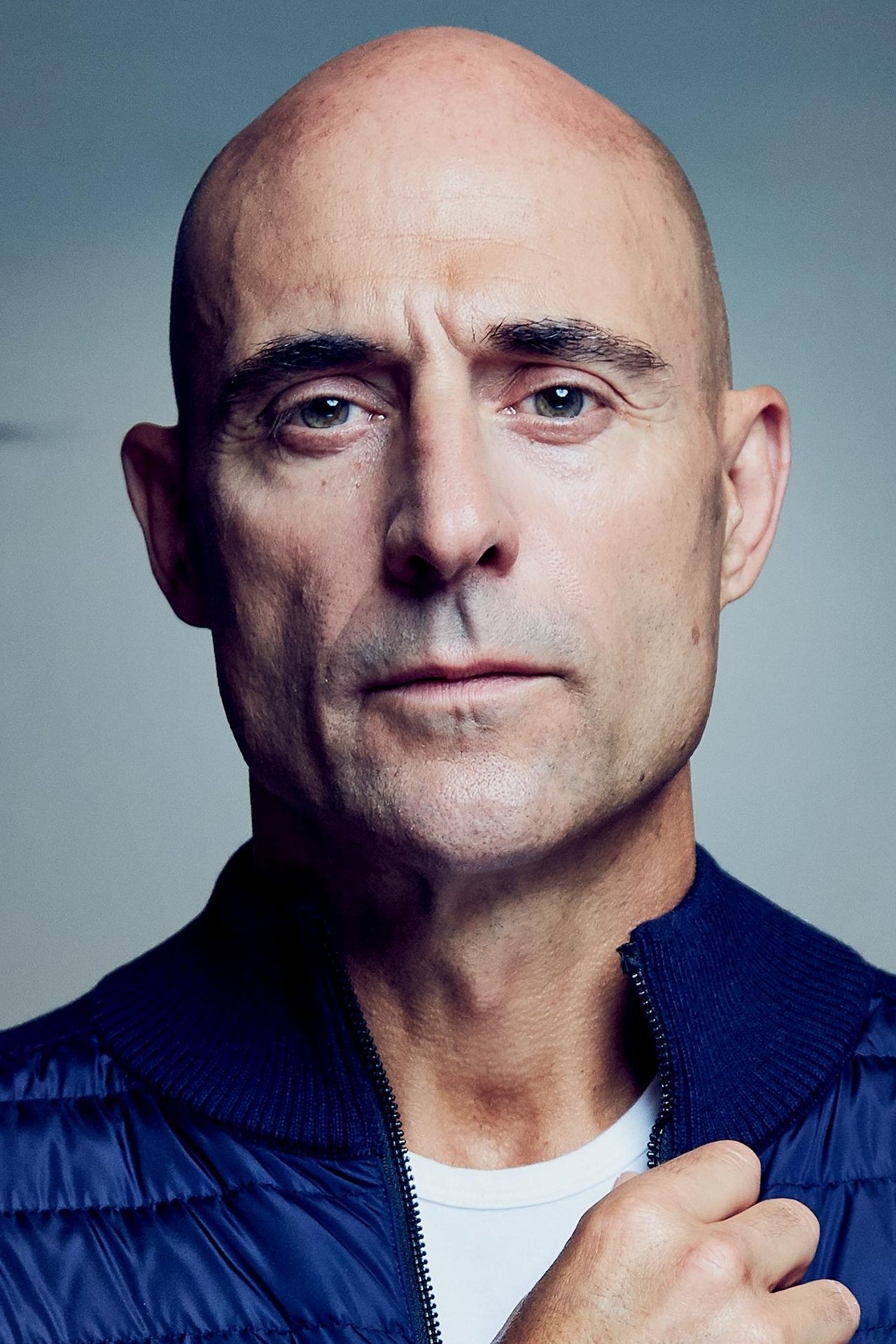
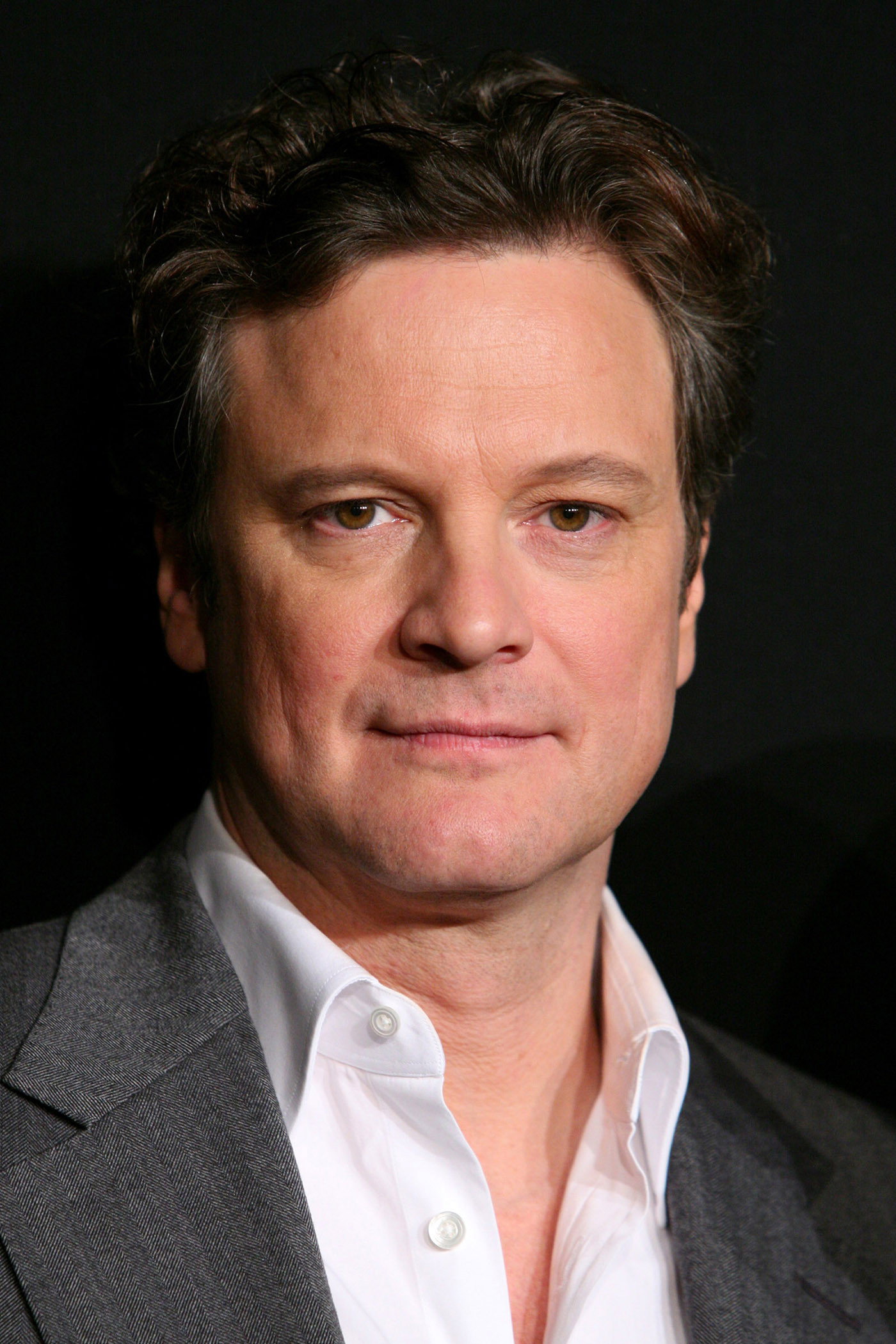
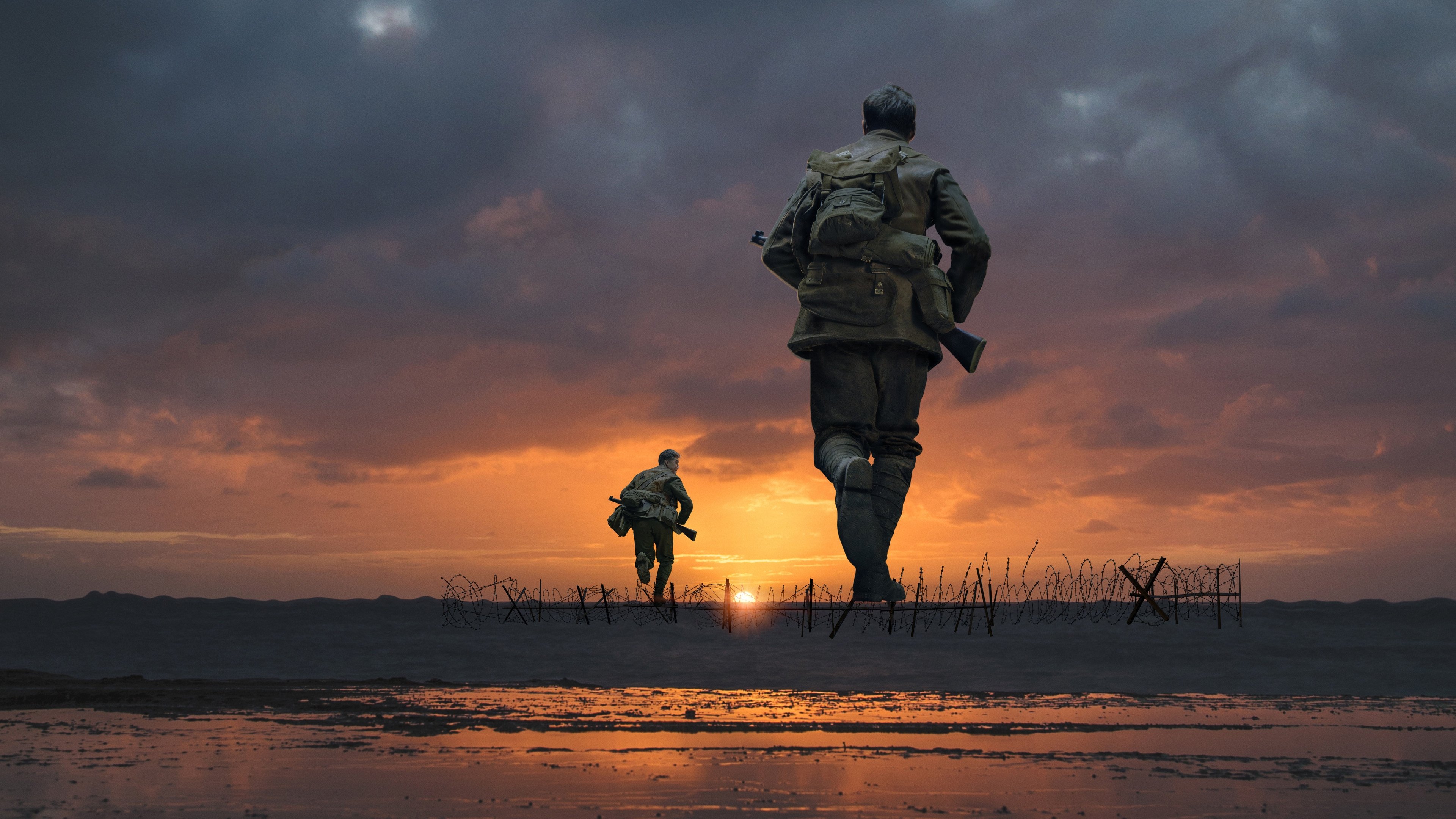
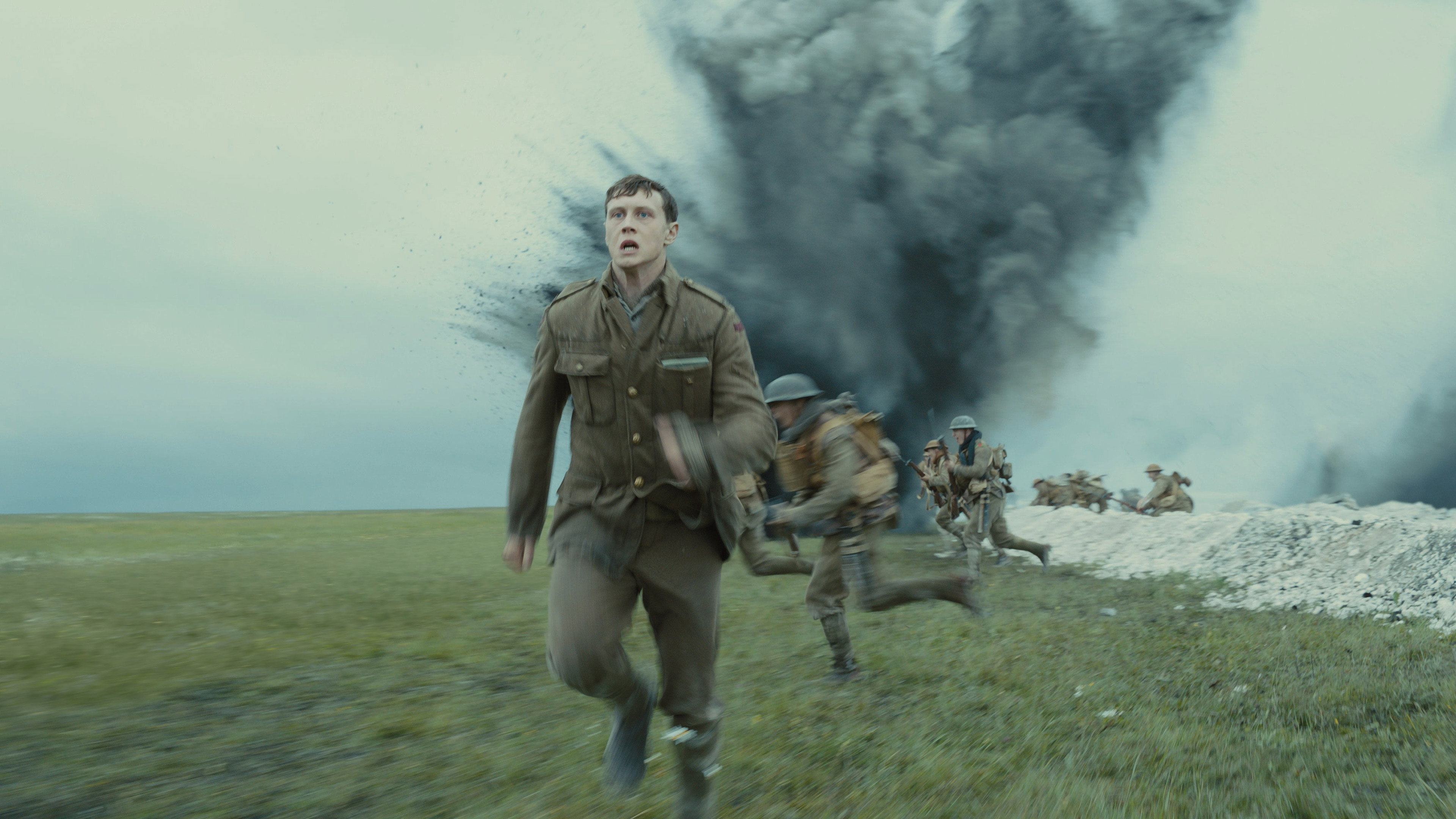
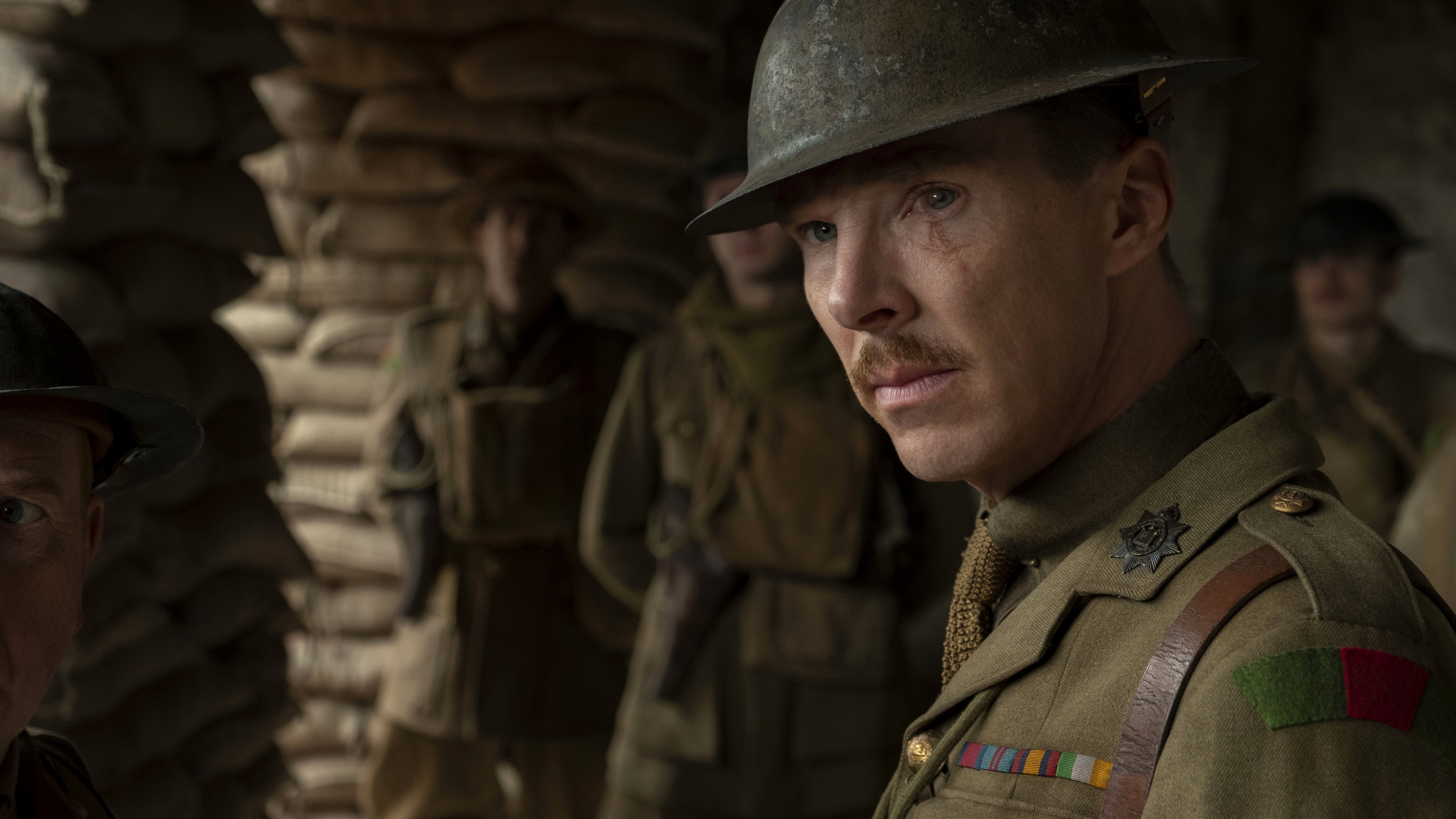
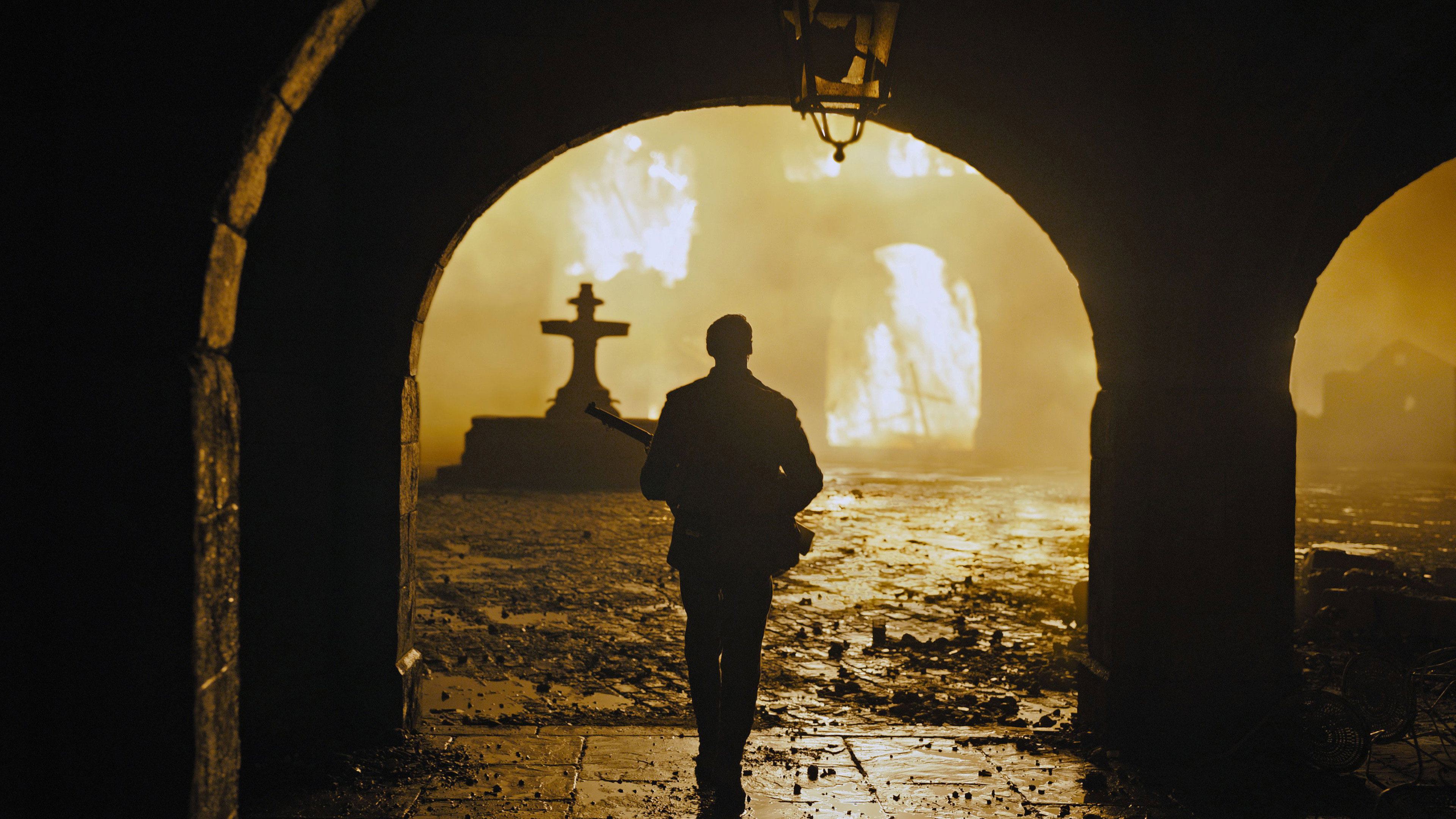
During the First World War, Lance Corporals Schofield (George MacKay) and Blake (Dean-Charles Chapman) face a journey through the battlefront with time working against them. Sam Mendes presents their progress as one apparently unbroken shot, staying alongside the soldiers as they encounter the dangers of the fighting. Colin Firth plays General Erinmore, Andrew Scott plays Lieutenant Leslie and Mark Strong plays Captain Smith. The story remains with the men on the ground, following their immediate struggle to keep moving and the pressures that the journey places on them.

Plays from YouTube when you press play; nothing loads from them until then.

Fi1m review

Sam Mendes makes a gripping war thriller, though the camera movement sometimes holds our attention more firmly than the soldiers do. George MacKay gives us someone to worry about.

1917 is a good war thriller whose most persuasive idea also causes problems: the camera appears to stay with its soldiers for the whole journey. Sam Mendes wants us to experience the effort of getting across the battlefront, with no reassuring cut to somewhere else. The apparent continuity makes waiting uncomfortable and movement exhausting. We recommend it for that sustained pressure, although we wish the soldiers had been given more to say for themselves.

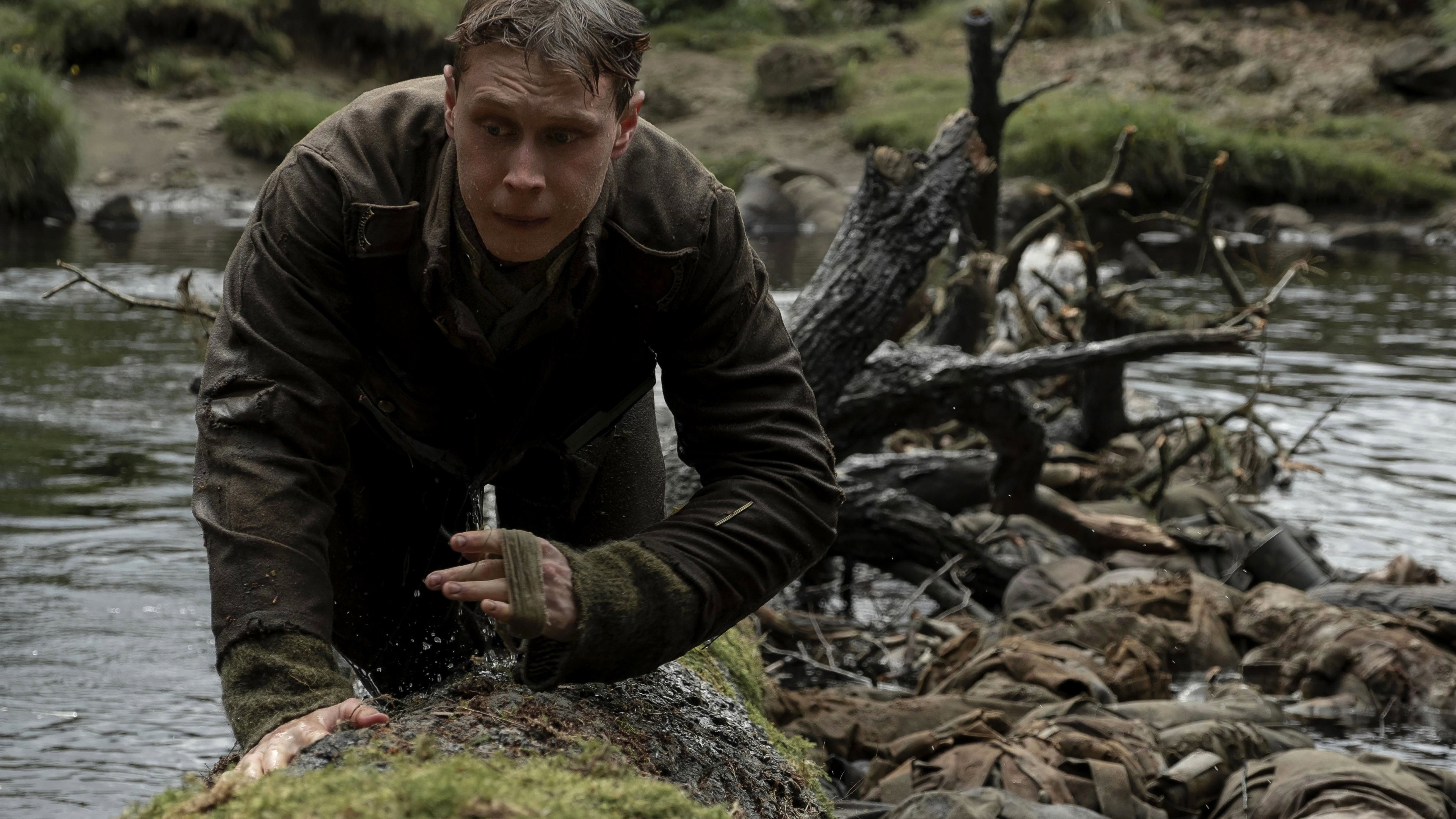
George MacKay, as Lance Corporal Schofield, gives Mendes the human presence the method needs. There is a watchfulness to his performance that makes the continued movement feel like work, and he holds our attention without appearing to ask for it. Dean-Charles Chapman’s Lance Corporal Blake supplies a more open emotional response, helping to keep the central pairing from becoming merely a way of moving the camera. Their performances make the thin characterisation easier to forgive.

Roger Deakins makes the camera’s proximity count: it follows the men closely enough that moving forward never looks easy. We found ourselves holding our breath because the shot would not give us the relief of looking elsewhere. That is an effective use of the long-take approach, and it explains why the film can be gripping with so little plot. Occasionally, though, we start watching the camera’s progress as intently as the men’s, wondering how the next movement has been arranged.

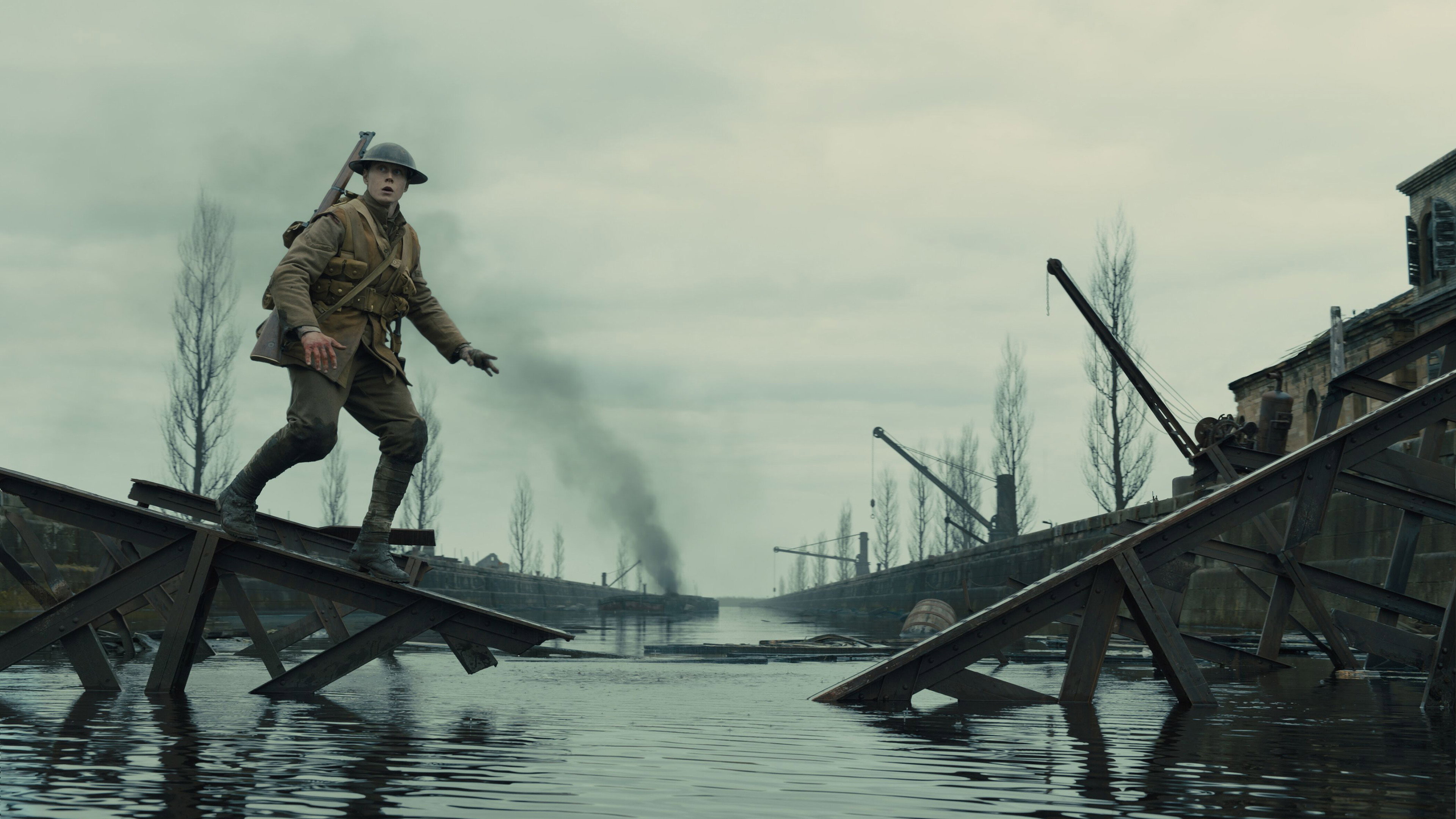
That movement depends on Dennis Gassner’s production design, which makes the battlefront feel like a place the actors must negotiate. The spaces have to hold up to prolonged attention, and they do; we get a useful sense of the ground the men must cover. Lee Smith’s editing preserves the impression of continuity without constantly advertising where the joins might be. His work is essential to the suspense, even if the insistence on an apparently uninterrupted shot eventually becomes distracting.

The screenplay, by Mendes and Krysty Wilson-Cairns, is less consistently convincing. Its urgency keeps us engaged, but some encounters feel placed at convenient intervals to provide a fresh shock or a brief dose of feeling. The recognisable supporting cast can add to that sense of arrangement: Colin Firth as General Erinmore and Andrew Scott as Lieutenant Leslie bring authority, but also the small interruption of recognising an actor. Both performances work, though we sometimes notice the casting when we should be watching the soldiers.

Thomas Newman’s score helps sustain the strain, but it sometimes presses harder than the images need. We are already alert to danger; extra musical insistence can make the suspense feel managed. The war-thriller tradition allows for this narrow view of combat, and Mendes makes a strong case for sticking close to ordinary soldiers. Even so, the script needs more detail about them to make the quieter passages as absorbing. Give it your evening if war thrillers are your sort of film, and put the telephone away.

Critical consensus AI synthesised

74
Positive
13
Mixed
3
Negative
2

Most critics respond warmly to 1917, with praise concentrated on Roger Deakins’ cinematography and the illusion of a continuous take. The favourable reviews find that Sam Mendes uses the technique to sustain tension and bring the pressures of the battlefield close, rather than merely demonstrate his control of the camera. George MacKay’s performance also earns repeated praise for giving the action a human centre, while several critics find room for tenderness amid the horror.

The disagreement is over how much feeling survives the technical precision, and the spread of opinion is wide. Reservations include thin characterisation, contrived plotting and a limited examination of war. The Telegraph admires the filmmaking but finds little emotional impact; Vulture argues that the single-take approach exposes the mechanics instead of creating intimacy. The New Yorker goes further, objecting to patriotic bombast and a visual treatment that prettifies violence.

Time Out
26 November 2019 · ★★★★★ · Phil de Semlyen
100

Mendes reinvents the Great War movie with technical virtuosity, jittery thrills, and an emotional core, making it possibly his best film. The single-take device and Deakins’ camerawork are highlighted as creating an immersive, nerve-fraying experience.

Read the full review →
Total Film
26 November 2019 · Matt Maytum
85*

Highlights the sensational technical achievement of the long-take style and Deakins' cinematography, grounded by MacKay's performance, though noting some script shortcomings and star cameos.

Read the full review →
Little White Lies
7 January 2020 · 3/4/4 · Greg Wetherall
80

Mendes’ film is light on plot but displays plenty of technical panache, delivering a visceral and effective war epic through its sound and vision. The critic praises the synergy between sound and vision and the immersive action.

Read the full review →
Radio Times
★★★★ · Alan Jones
80

This ambitious and thrilling First World War odyssey from Sam Mendes features excellent performances and is shot to give the illusion of one long take. The critic praises the vivid portrayal of battlefront pressures and the emotional punches from cameos.

Read the full review →
Empire
26 November 2019 · Alex Godfrey
75*

The critic praises the film's technical bravado and immersive camerawork as a stylistic exercise but notes it feels contrived and lacks emotional depth or complexity.

Read the full review →
Screen Daily
1 January 2020
75*

Mendes is lauded for his boldness in applying a Saving Private Ryan treatment to WWI as a single-shot action thriller. The audacity and honor paid to those who lost their lives are singled out positively, though some structural issues are noted.

Read the full review →

Cast

Stills

Awards

Academy Awards, 2020

Nominated
Best Picture
Won
Best Cinematography
Won
Best Sound
Won
Best Visual Effects

Golden Globes, 2020

Won
Best Director
Won
Best Motion Picture – Drama

Dallas-Fort Worth Film Critics Association Award for Best Film, 2019

Won
Dallas-Fort Worth Film Critics Association Award for Best Film

If you liked this, try…

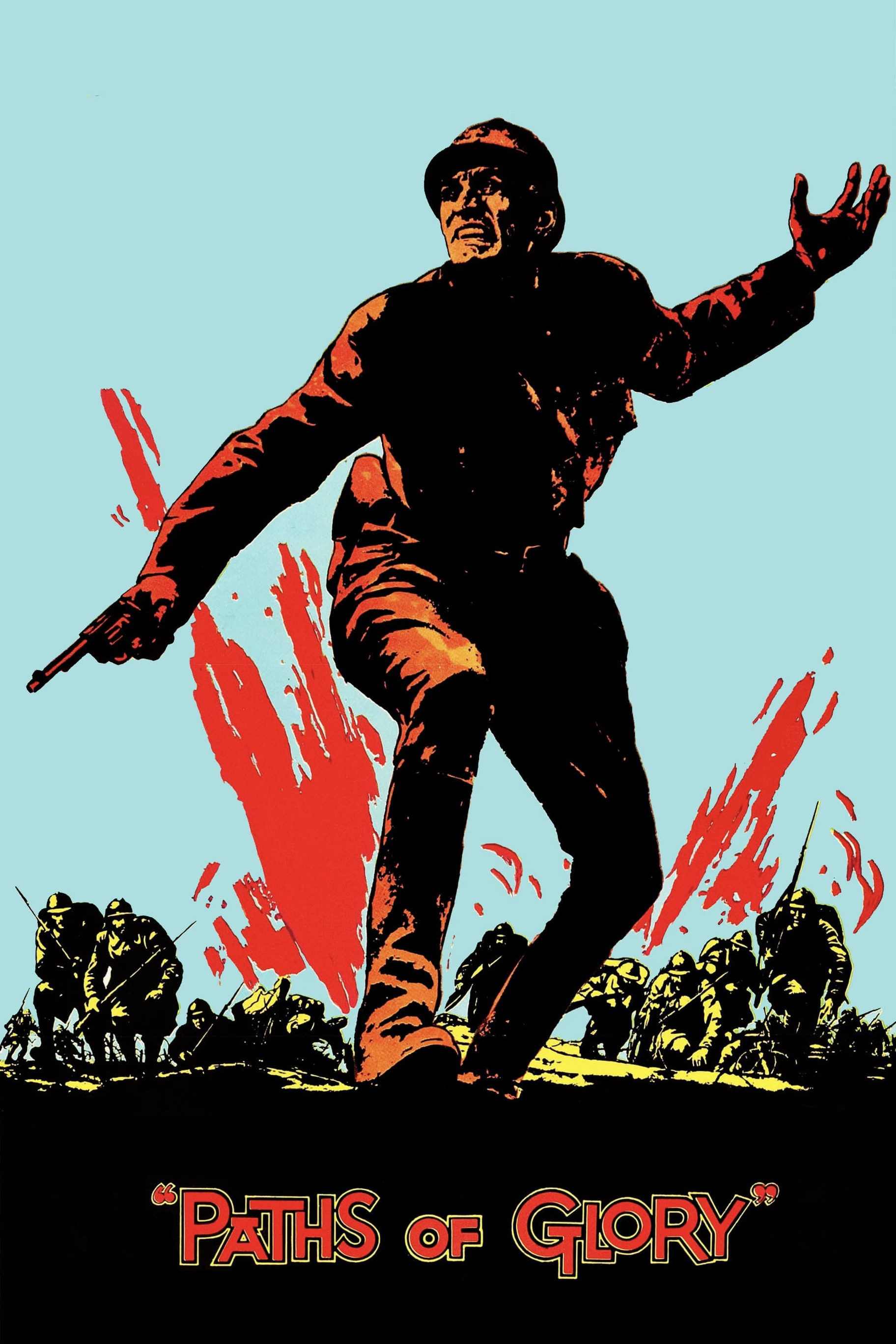
Paths of Glory poster93

Paths of Glory

1957 · Another close view of soldiers whose lives depend on decisions made above them.

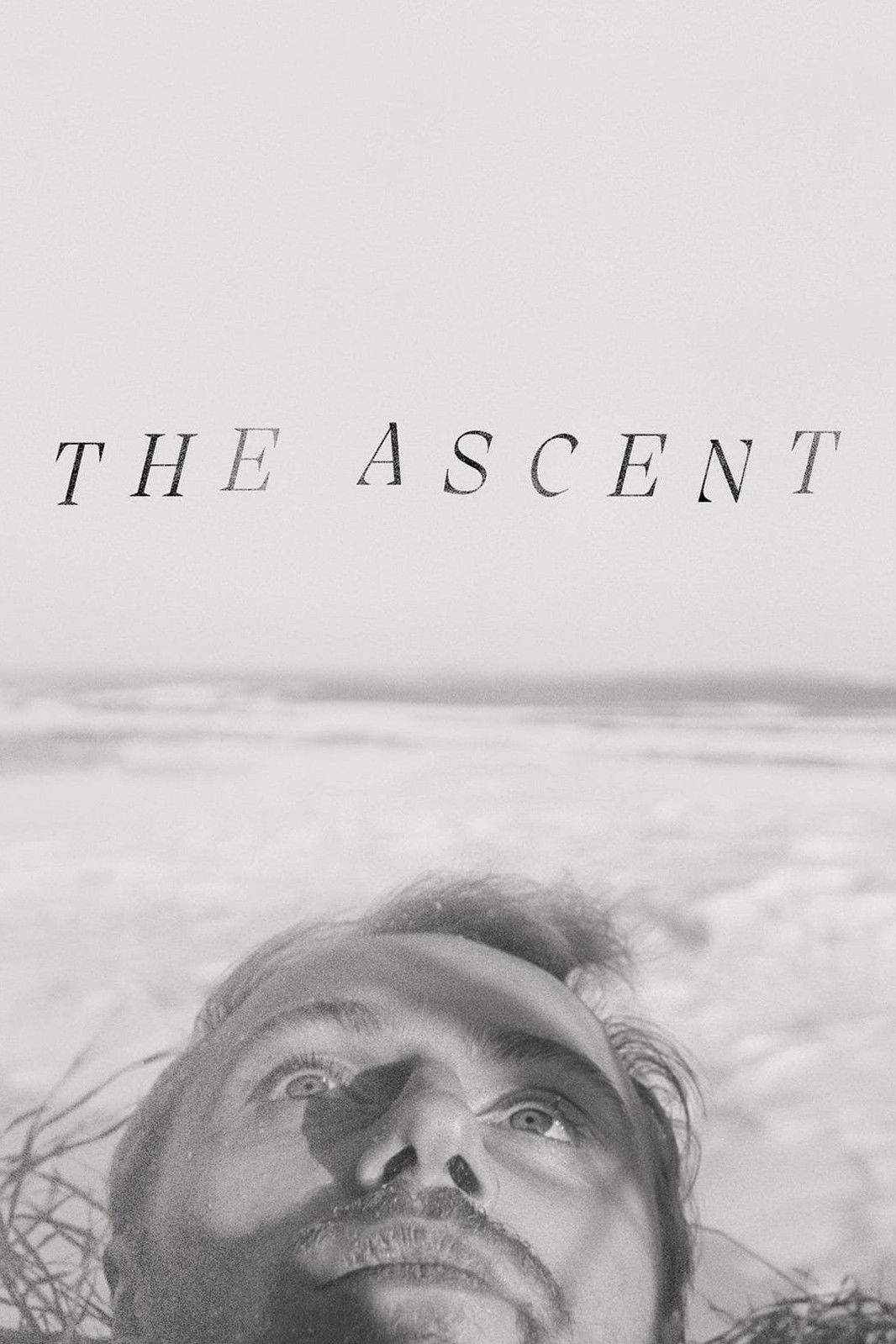
The Ascent poster

The Ascent

1977 · For a harsher wartime ordeal, with more room for doubt and moral fear.

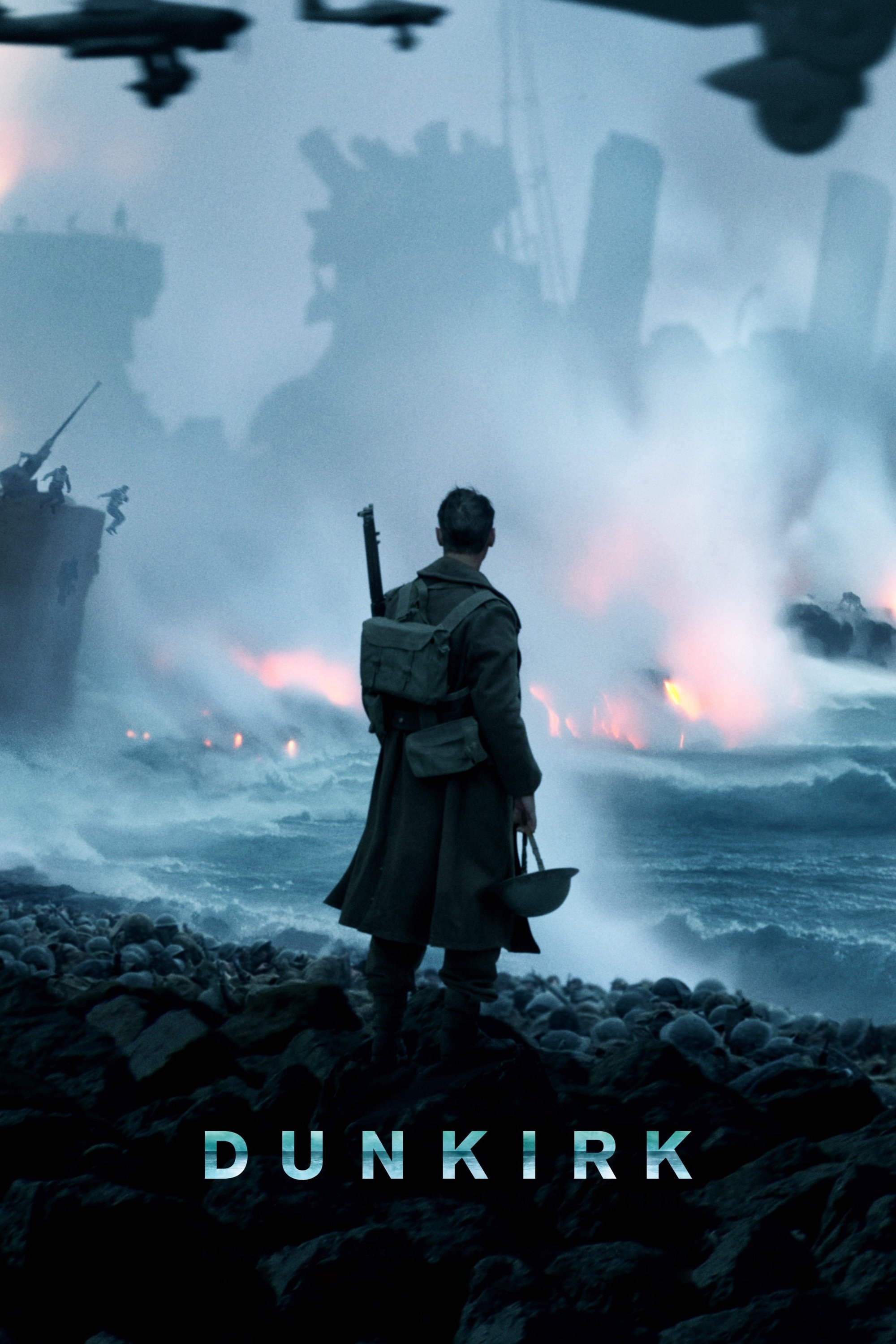
Dunkirk poster

Dunkirk

2017 · For sustained wartime suspense built from movement, sound and the pressure of time.

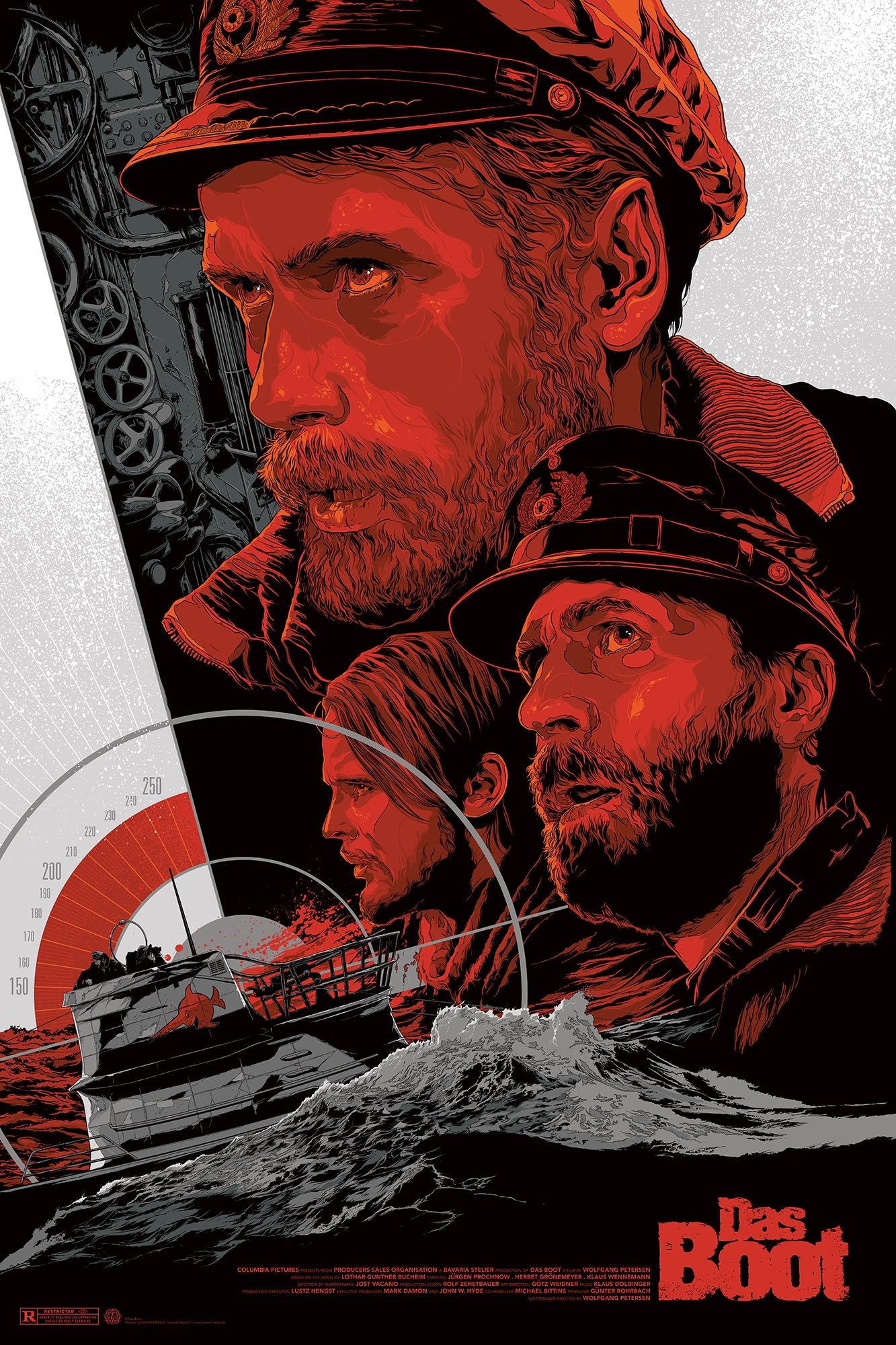
Das Boot poster89

Das Boot

1981 · A confined wartime journey that gives its exhausted men more time to become people.

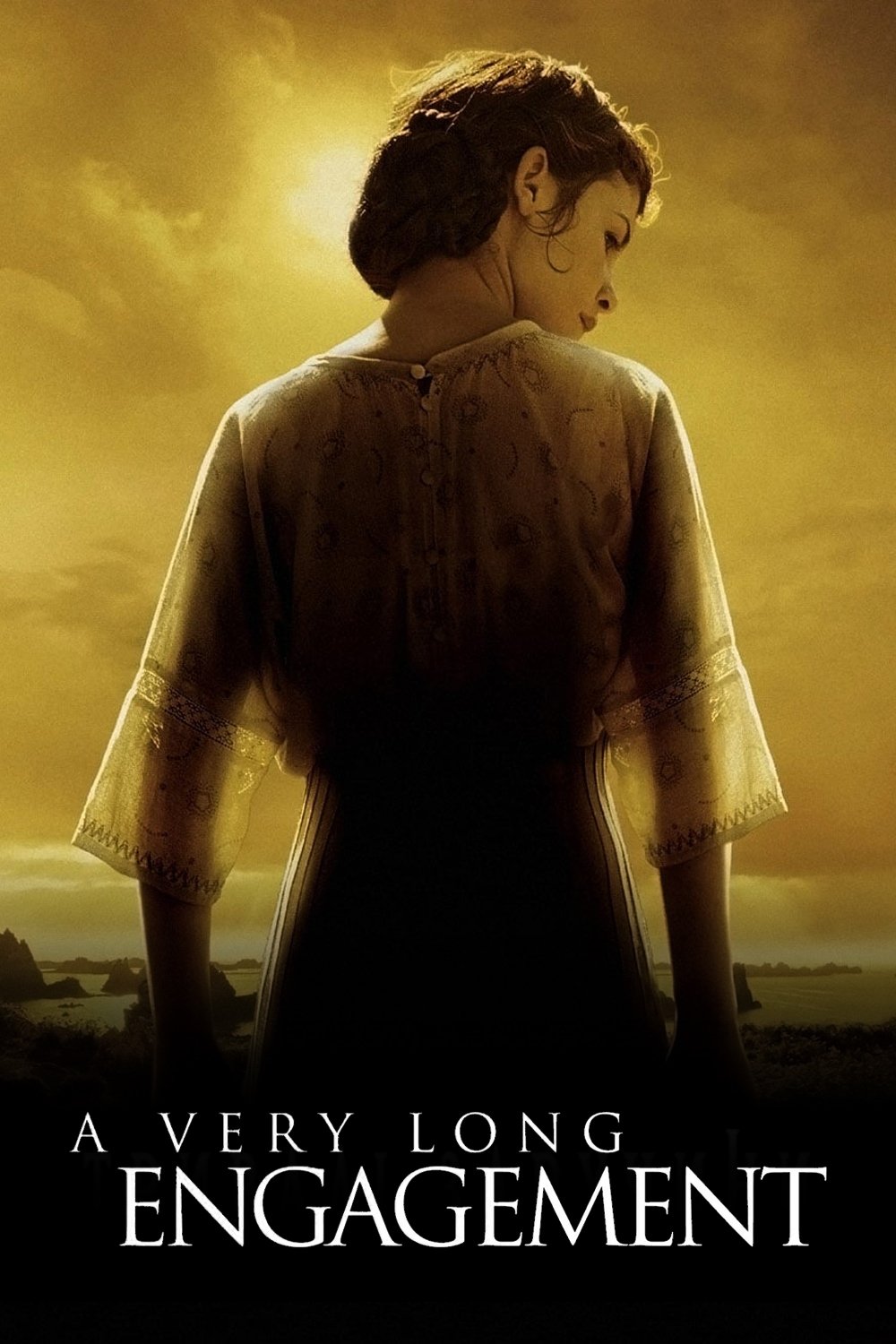
A Very Long Engagement poster

A Very Long Engagement

2004 · Returns to the First World War with mystery, grief and more unruly feeling.