Film review

Dunkirk

2017 · Directed by Christopher Nolan · 1h 47m · MPA PG-13

In a sentenceThe beach is enormous; we still spent the film looking for somewhere to hide

WarActionDrama

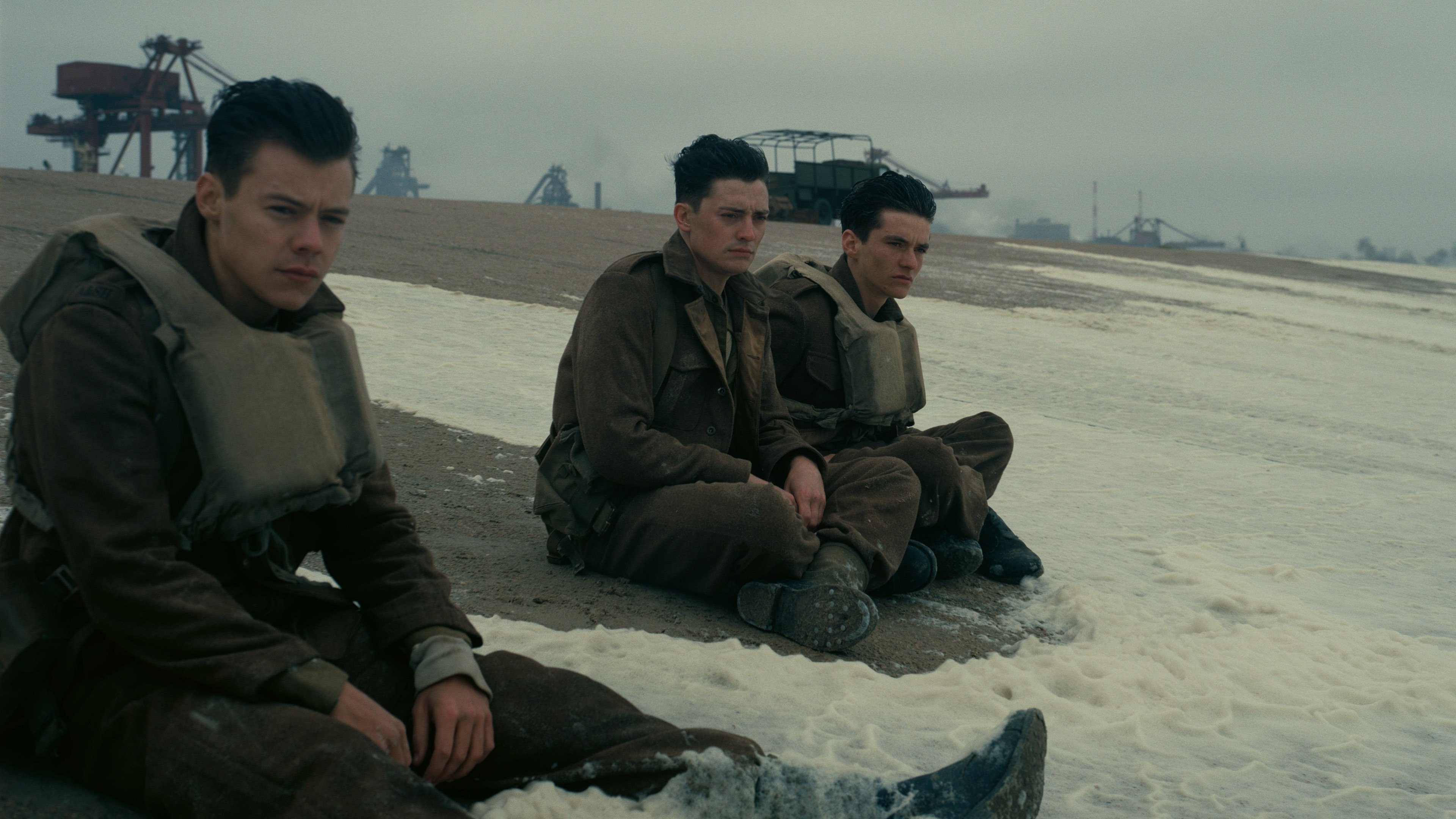
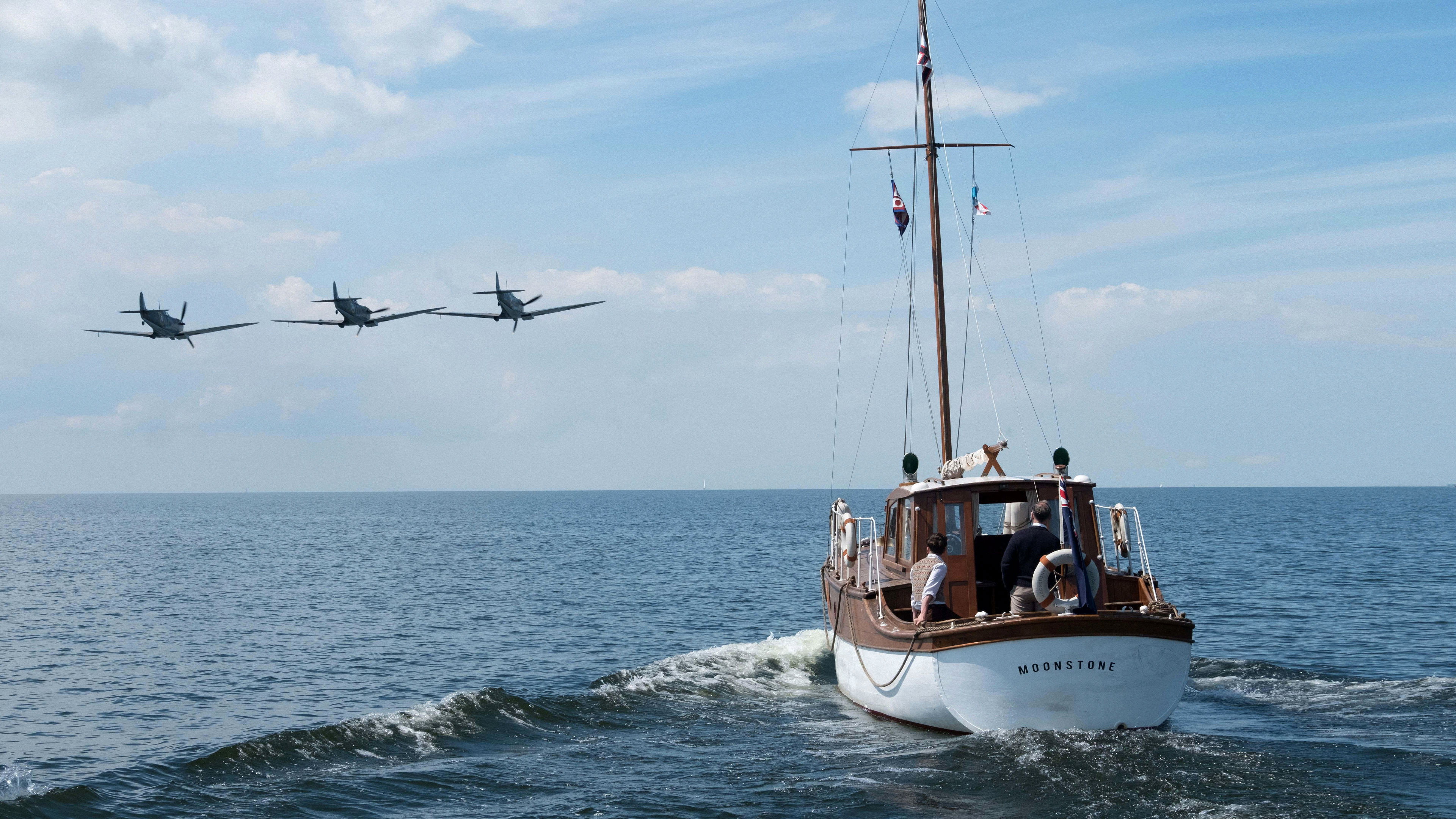
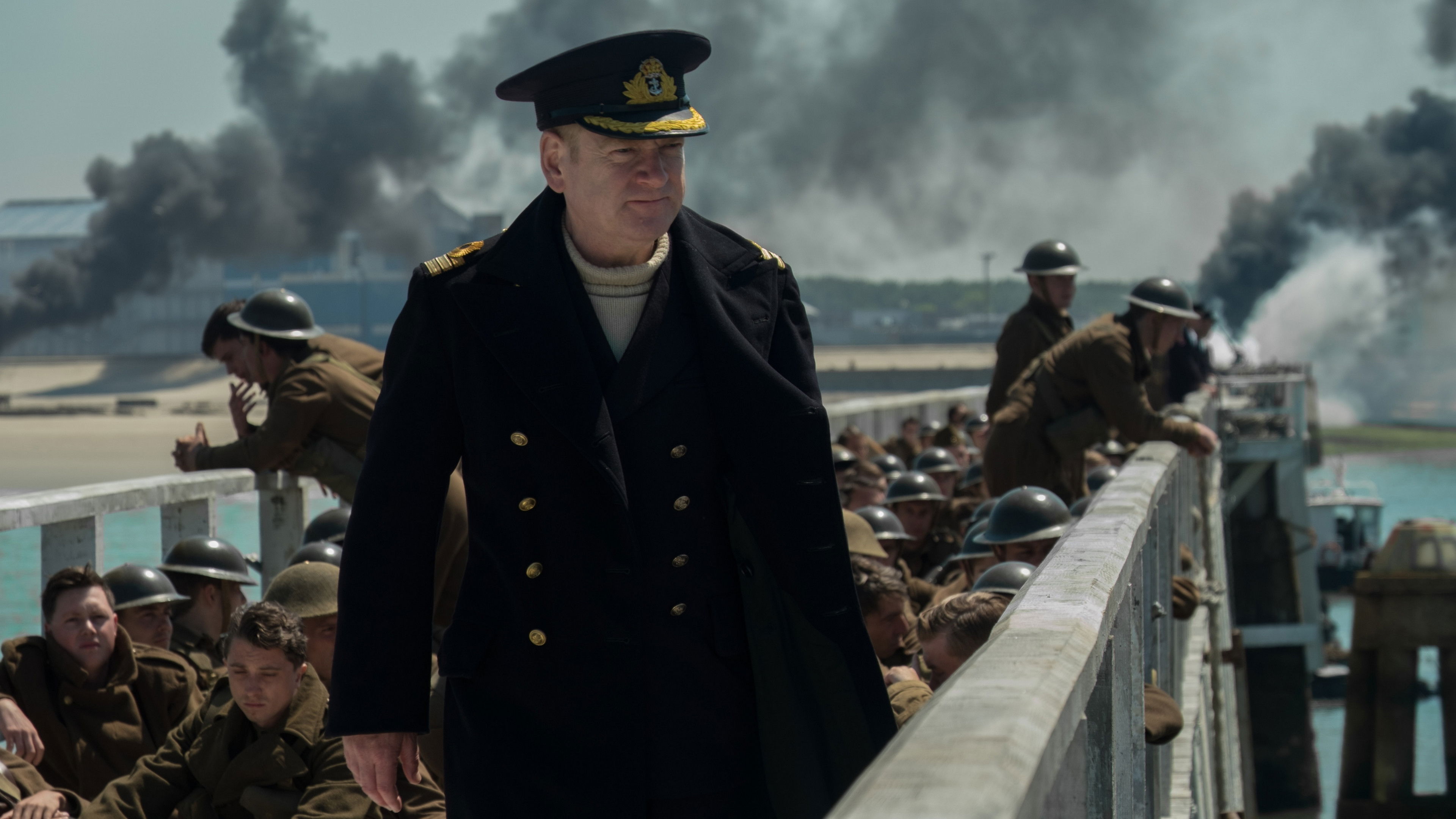
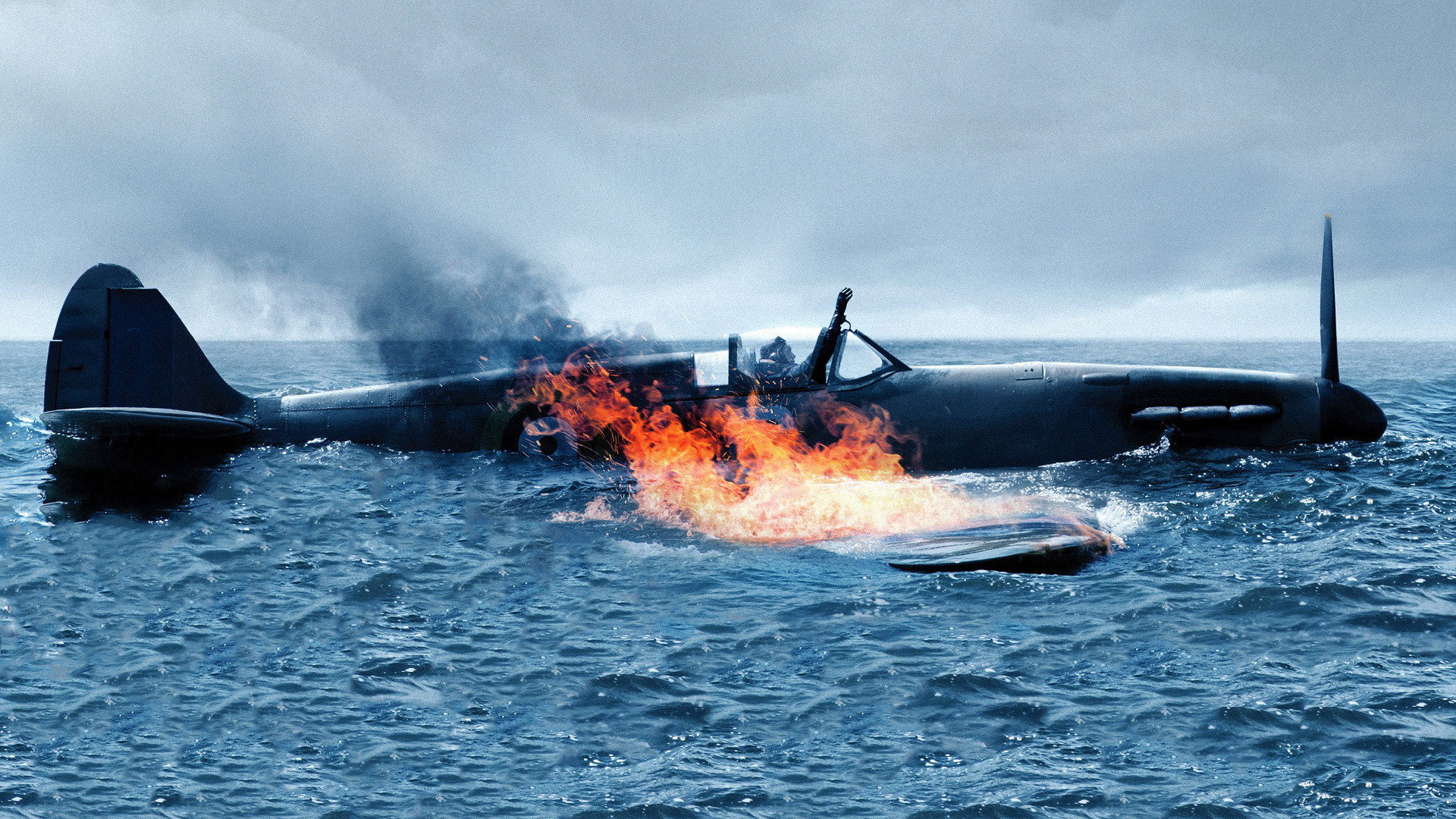
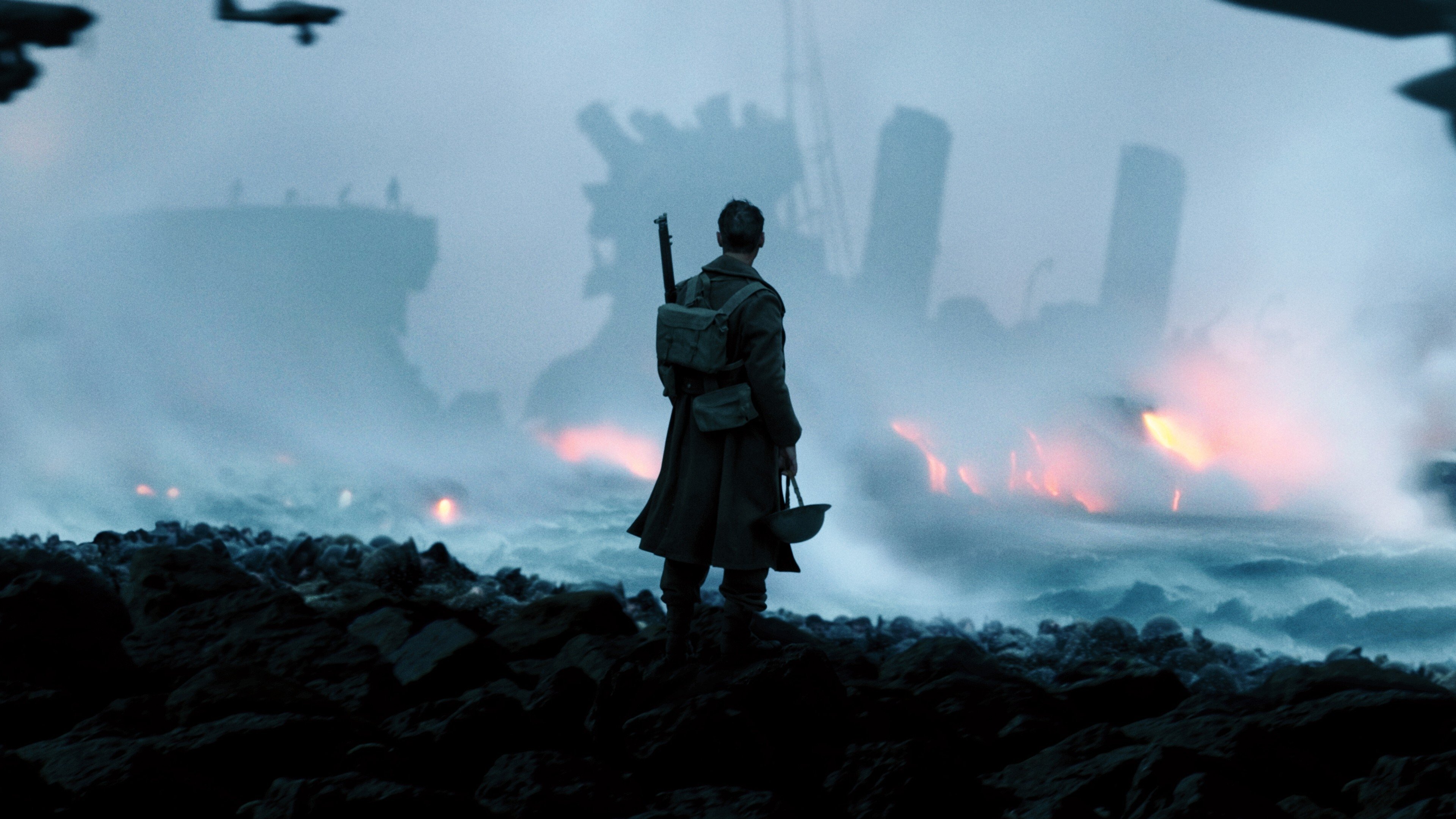
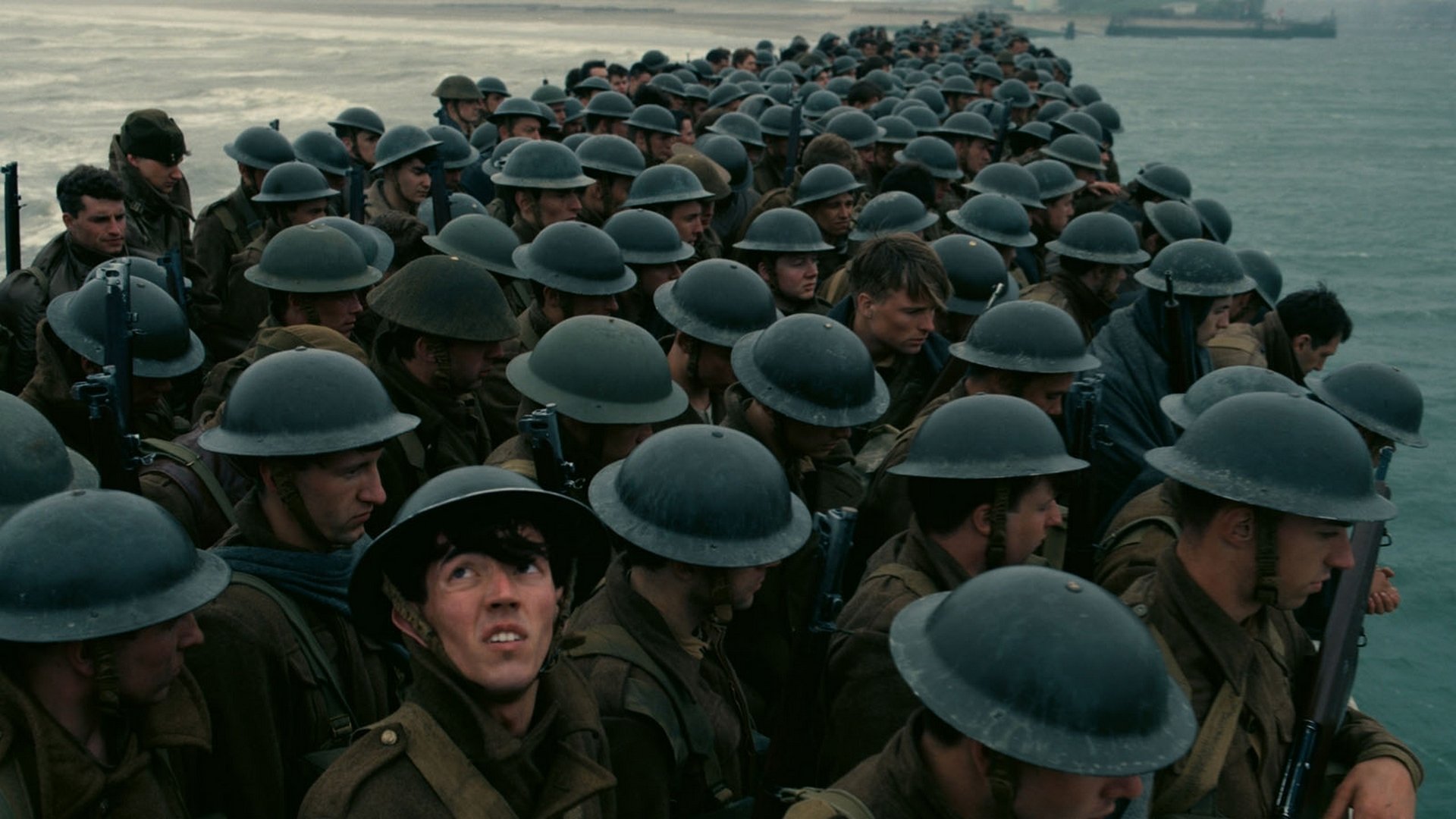
At Dunkirk in 1940, Tommy (Fionn Whitehead) is among the soldiers trying to get home as an evacuation takes place under attack. Leaflets fall, men crowd the beach, and the fighting extends across land, sea and air. The evacuation also draws in Commander Bolton (Kenneth Branagh), Farrier (Tom Hardy) and Mr. Dawson (Mark Rylance), with civilians joining the military effort. The film follows the evacuation across three different time frames. For Tommy, the immediate task is staying alive long enough to get away from the shore.

Plays from YouTube when you press play; nothing loads from them until then.

Fi1m review

Christopher Nolan makes the Dunkirk evacuation a gripping exercise in survival, carried by exposed landscapes, exact cutting and an insistent score. The characters can feel underwritten, but the fear is hard to shake.

Dunkirk is a gripping survival thriller, with less room for individual character than we would like. Christopher Nolan turns the evacuation into a succession of immediate problems: survive the next danger, then find a way home. We were frightened by the men waiting on the beach, with so little around them that could offer protection. The opening fall of leaflets establishes how little control those below have over what comes towards them.

Lee Smith cuts between land, sea and air, working with three strands that run across different spans of time. The cutting keeps one danger active while moving to another, so a new location seldom offers a rest. This is elaborate storytelling, but its immediate effect is easy to understand: somebody needs help and time is running short. A few shifts make us notice the construction, briefly interrupting the fear, though the editing usually gives us enough to follow the immediate action.

Hoyte van Hoytema gives the men so much space around them that they seem horribly exposed. The beach views let us take in the scale without offering the pleasure usually attached to a large image. Nathan Crowley’s production design makes the evacuation feel physically awkward, with men crowded onto ground that cannot protect them. The figures are small enough to be overlooked, and the framing makes us look harder at their predicament.

Fionn Whitehead makes Tommy’s fear legible without overplaying his distress. Mark Rylance gives Mr. Dawson a steadiness that the film needs amid so much alarm. Cillian Murphy’s Shivering Soldier makes the damage done by fear uncomfortable to watch. These performances work within the sparse dialogue, making duty and exhaustion readable without histories to explain them. The screenplay leaves the actors to establish much of what distinguishes one man from another.

The lack of backstory is mostly a relief in a genre that can stop a battle to explain a childhood. Yet some of the young men remain difficult to distinguish as personalities, even when their predicament is clear. We do not need a speech about home for everyone, but a few more individual habits would help. Christopher Nolan leaves too much of that work to the cast, particularly when the action gives them so little time to establish themselves.

Hans Zimmer’s score applies pressure almost continuously, often making the wait for danger as punishing as its arrival. Its insistence gives even the pauses a sense that something is about to happen. We also wished it would ease off more often: the beach and the faces already supply plenty to worry about. The force of the sound is central to the film’s hold on us, though the quieter passages suggest it could sometimes manage with less music.

Allow the film its full 107 minutes without interruption. Its tension depends on carrying one stretch of fear into the next, and a pause does more damage here than it would to a talkier war drama. A large screen helps us read the vulnerable figures within the wider view, but attention matters more than size. The 12A certificate should not be mistaken for an easy evening.

Critical consensus AI synthesised

84
Positive
12
Mixed
1
Negative
1

Most critics praise Dunkirk as an unusually tense survival film, with Christopher Nolan’s handling of land, sea and air keeping the evacuation immediate and comprehensible. Praise centres on the large-format photography, forceful sound design and Hans Zimmer’s insistent score. The intercut timelines are widely admired for building suspense without lengthy explanations or character backstories. Several reviews also find considerable feeling in the restrained performances and small acts of solidarity.

The main disagreement concerns how much emotional depth survives that stripped-down approach. The Evening Standard admires the technical achievement but finds the emotional range limited, while The New Yorker argues that the spectacle and structure flatten the people caught within them. Collider likewise praises the craft but finds the experience frustratingly remote. The spread is wide, though strongly weighted towards approval: most critics find the focus on immediate survival moving rather than distancing.

Radio Times
17 July 2017 · ★★★★★ · Jeremy Aspinall
100

The review calls it a glorious, breathtakingly vivid triumph from a director at the top of his game. They single out the utterly immersive experience created by IMAX and 65mm filming, nerve-shredding suspense, authentic visuals, elemental spectacle, superb sound and Hans Zimmer's score.

Read the full review →
The i Paper
19 July 2017 · ★★★★★ · Matthew Turner
100

The critic declares it a visceral, nerve-shredding pulse-pounder and the most immersive war movie ever made that needs to be experienced on the biggest screen. The one thing singled out for praise is the phenomenal score from Hans Zimmer that drives the action with forceful insistence.

Read the full review →
The Telegraph
21 July 2017 · ★★★★★
100

Nolan's retelling of the 1940 evacuation is a work of heart-hammering intensity and grandeur that demands to be seen on the biggest screen. The multi-stranded narrative and recreation of combat sequences create an astonishing, immersive experience focused on young soldiers and civilian heroism.

Read the full review →
IndieWire
17 July 2017 · A · David Ehrlich
95

The critic hails Dunkirk as Christopher Nolan's best film to date, a monumental and unnerving sensory assault that finds order amid chaos. It singles out the film's technical mastery in IMAX and 70mm for conveying the scale and isolation of the event.

Read the full review →
The Independent
21 July 2017
90*

The critic calls it an intensely dramatic and moving film that combines the epic and the intimate and must surely already be an Oscar frontrunner. The one thing singled out for praise is the hyper-realistic fashion and intensity that leaves most other recent Second World War movies looking insipid by comparison.

Read the full review →
Empire
17 July 2017 · Nick de Semlyen
85*

The critic praises Nolan's film as a spare, propulsive combat thriller that is both a rousing celebration of solidarity and the tensest beach-set film since Jaws. The one thing singled out for praise is the meticulous and mesmerising structure intercutting three timelines from land, sea and air.

Read the full review →

Cast

Stills

Awards

Academy Awards, 2018

Nominated
Best Cinematography
Nominated
Best Director
Nominated
Best Original Score
Nominated
Best Picture
Nominated
Best Production Design
Won
Best Film Editing
Won
Best Sound
Won
Best Sound Editing

European Film Award – People's Choice Award for Best European Film, 2018

Nominated
European Film Award – People's Choice Award for Best European Film

If you liked this, try…

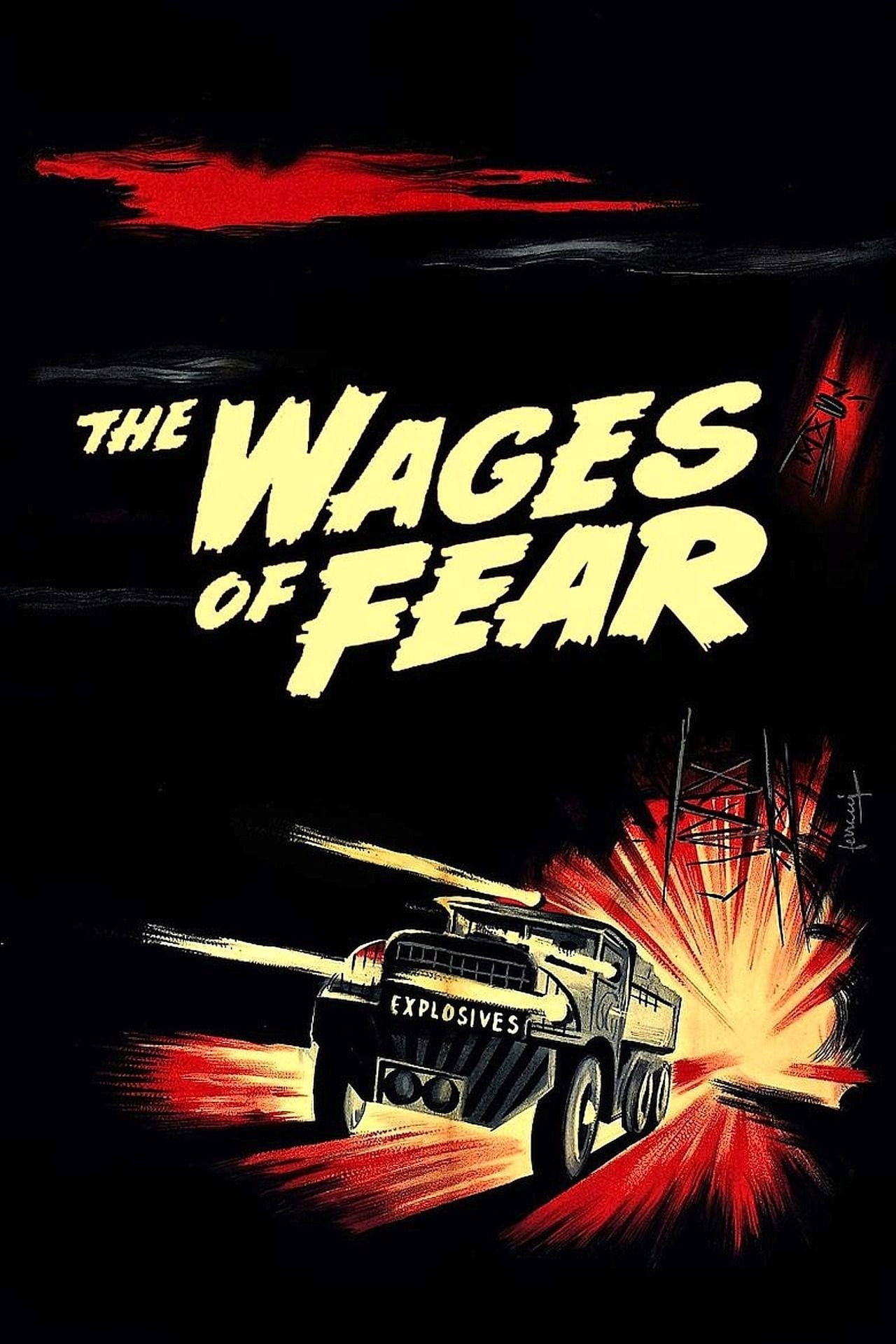
The Wages of Fear poster

The Wages of Fear

1953 · Another journey where practical problems become almost unbearable sources of suspense.

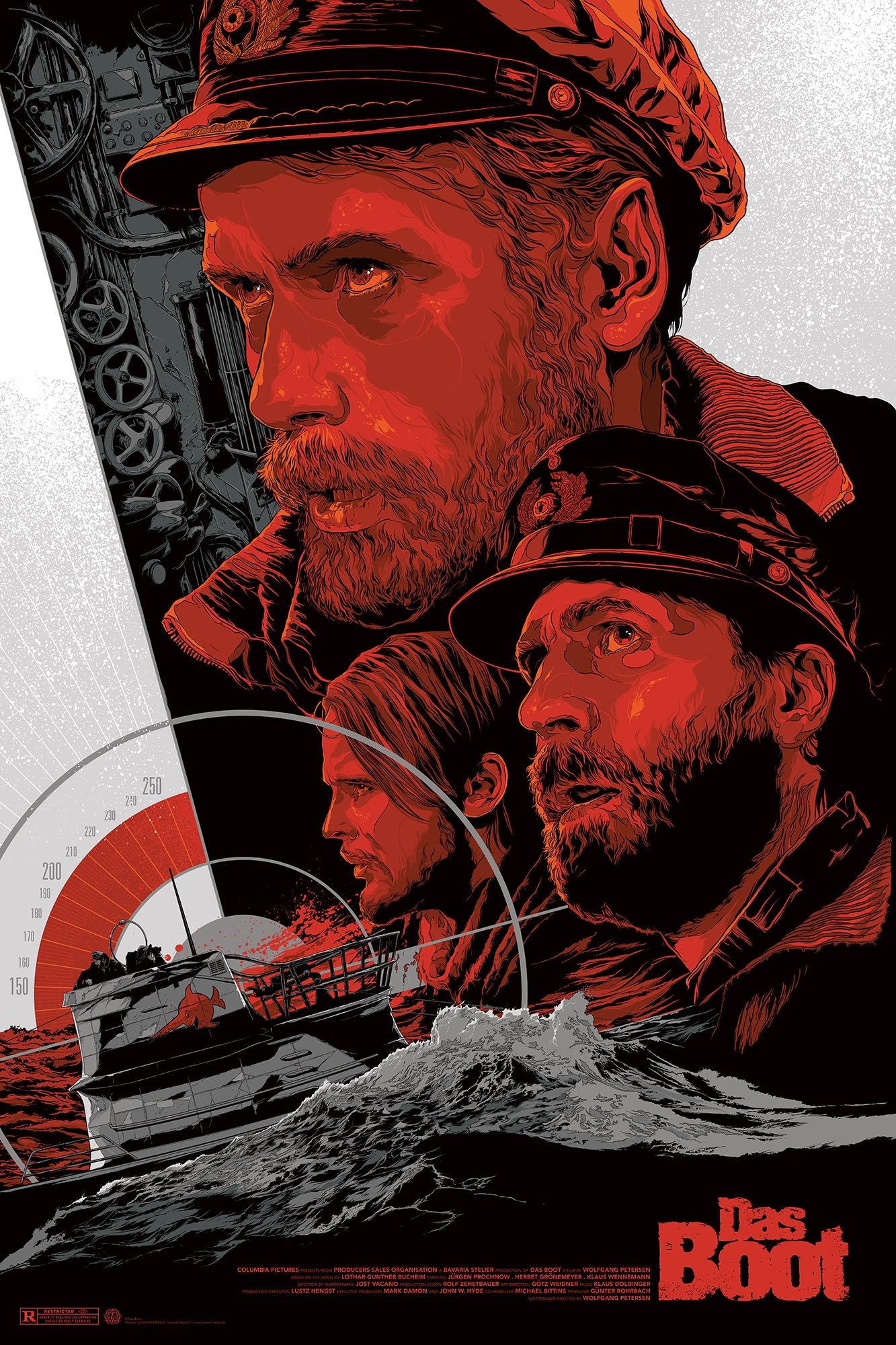
Das Boot poster89

Das Boot

1981 · Confined spaces and procedural detail make survival feel exhausting and uncertain.

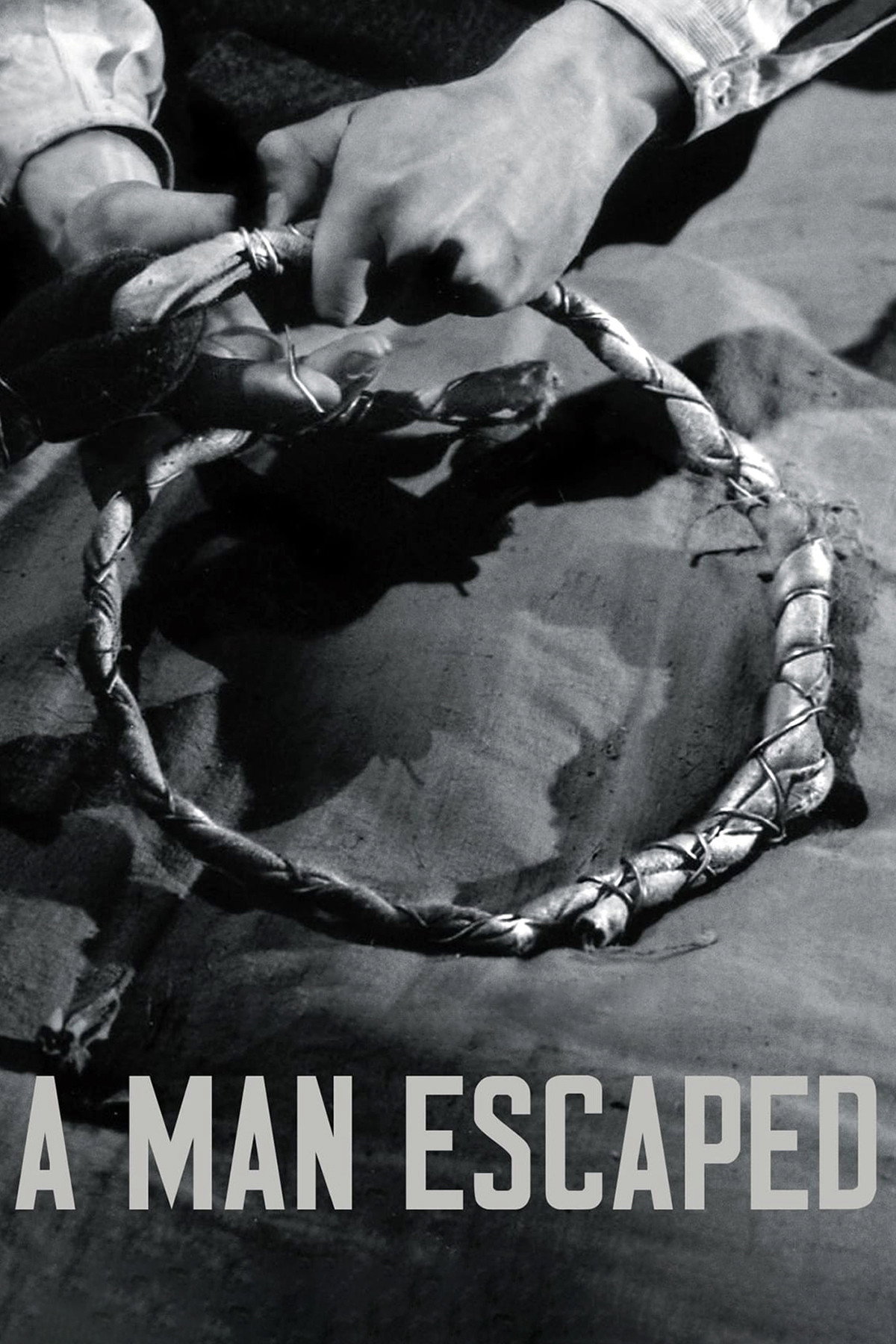
A Man Escaped poster

A Man Escaped

1956 · Patient attention to small tasks gives a wartime escape extraordinary tension.

The Thin Red Line poster84

The Thin Red Line

1998 · For the private thoughts and emotional range kept outside this evacuation.

The Ascent poster

The Ascent

1977 · A harsher wartime ordeal, with fear complicated by difficult moral choices.