Film review

The Thin Red Line

1998 · Directed by Terrence Malick · 2h 51m · MPA R

In a sentenceA war film with time for every leaf, but not quite every soldier

DramaHistoryWar

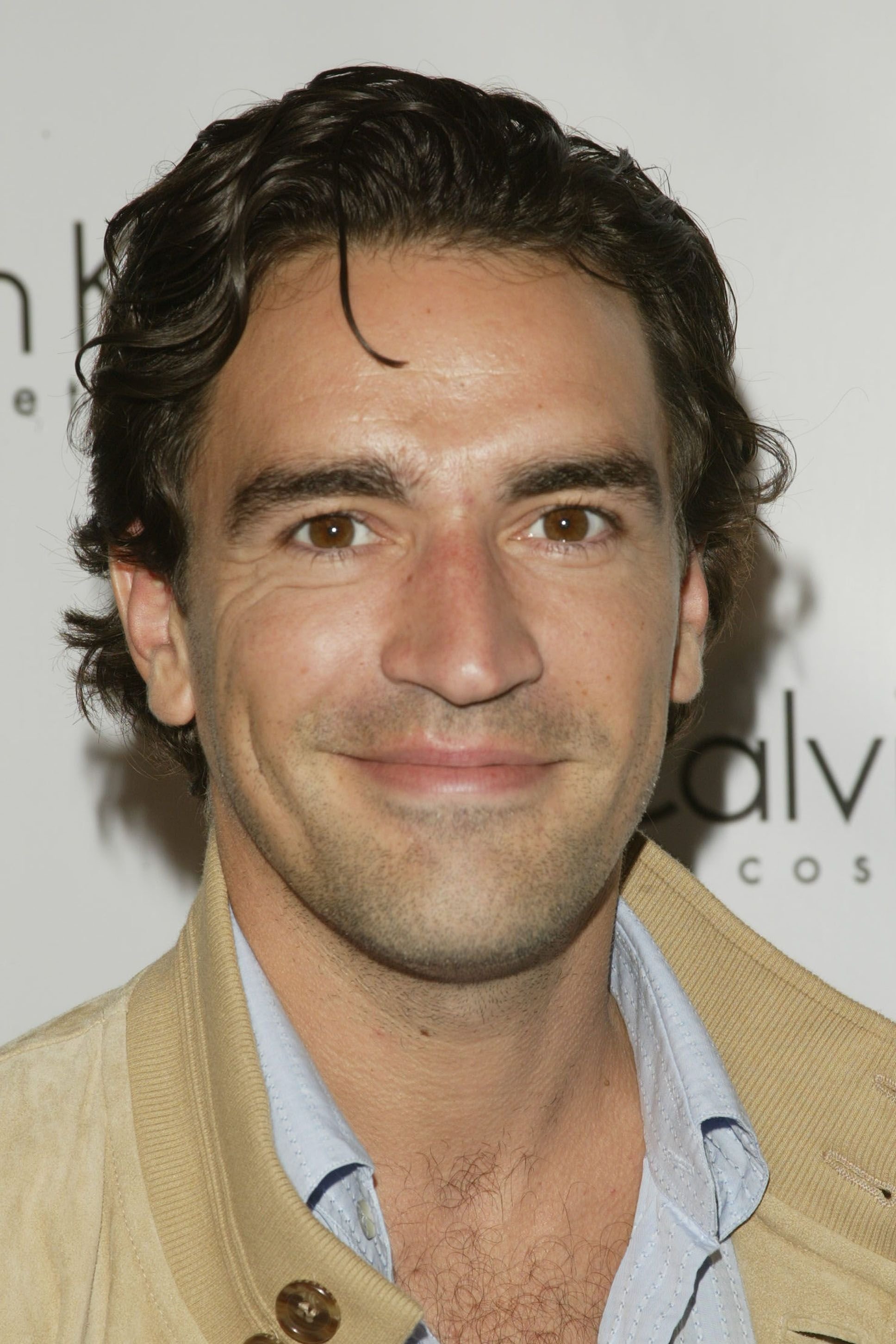
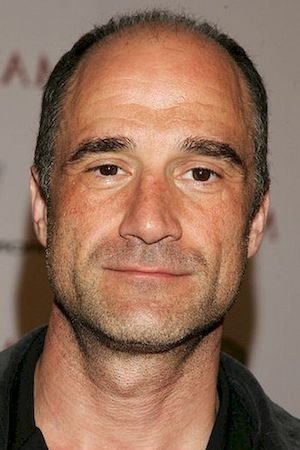
Private Robert Witt (Jim Caviezel), First Sergeant Edward Welsh (Sean Penn) and Private Jack Bell (Ben Chaplin) face a war that each understands differently. Around them are officers including Lieutenant Colonel Gordon Tall (Nick Nolte) and Captain James Staros (Elias Koteas). Terrence Malick adapts James Jones’s novel, moving between the soldiers’ experiences and their private thoughts rather than following a single man’s account. As violence intrudes on the natural world, their voices consider what draws people towards destruction and what might survive it. The film places the men’s questions beside images of plants, animals and light.

Plays from YouTube when you press play; nothing loads from them until then.

Fi1m review

Terrence Malick’s war film is moving, patient and occasionally too fond of its own questions. John Toll’s photography and the performances make its wandering worthwhile, though some soldiers barely emerge as people.

The Thin Red Line is a moving, absorbing war film, though its soldiers sometimes speak as if they have been asked to explain all human suffering. Terrence Malick, adapting James Jones’s novel, wants to hear what goes through their minds as well as watch what happens to them. He keeps making room for thoughts that have no practical use to a soldier trying to stay alive. At 171 minutes, it asks for patience, but we recommend giving it that time.

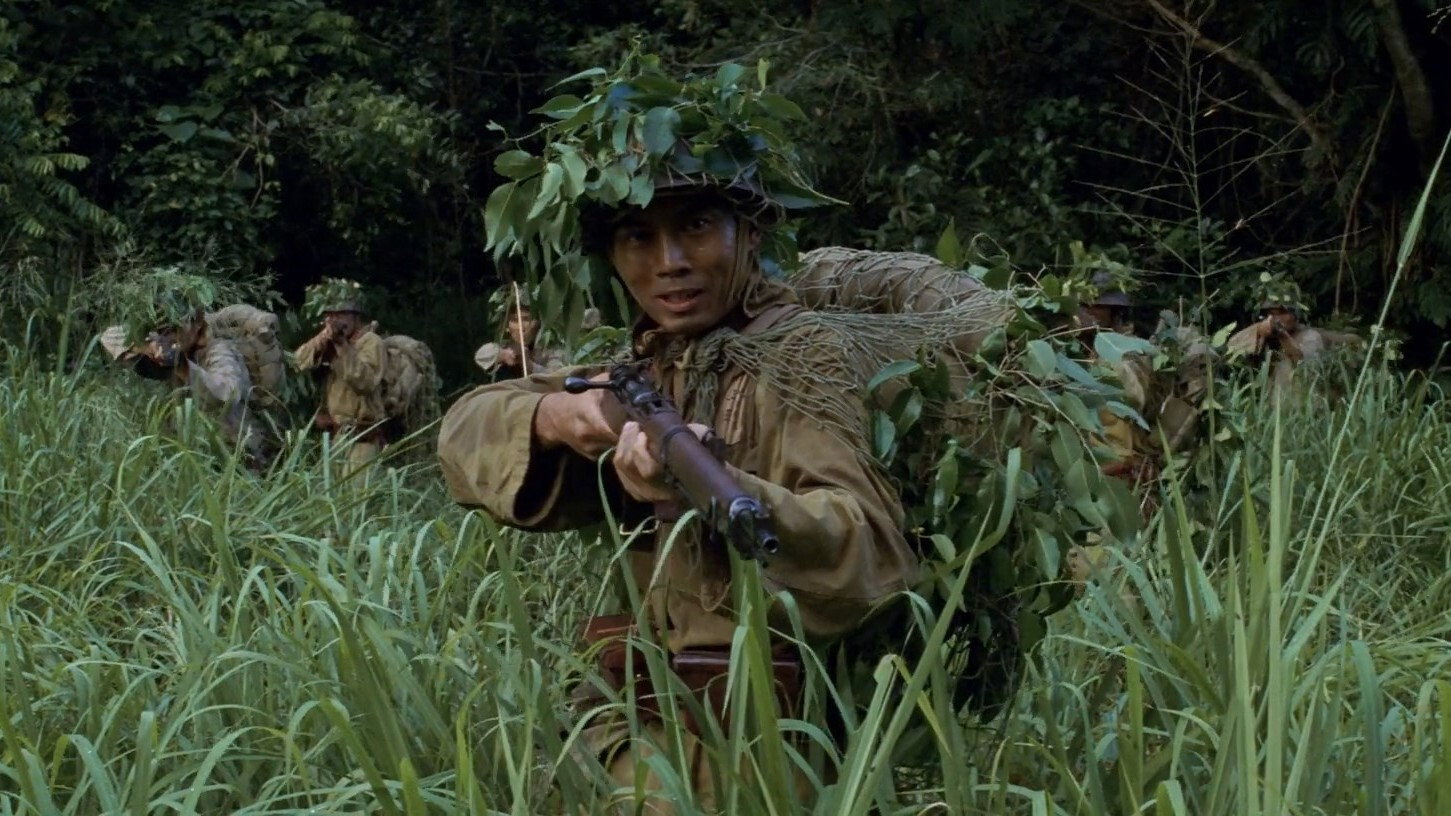
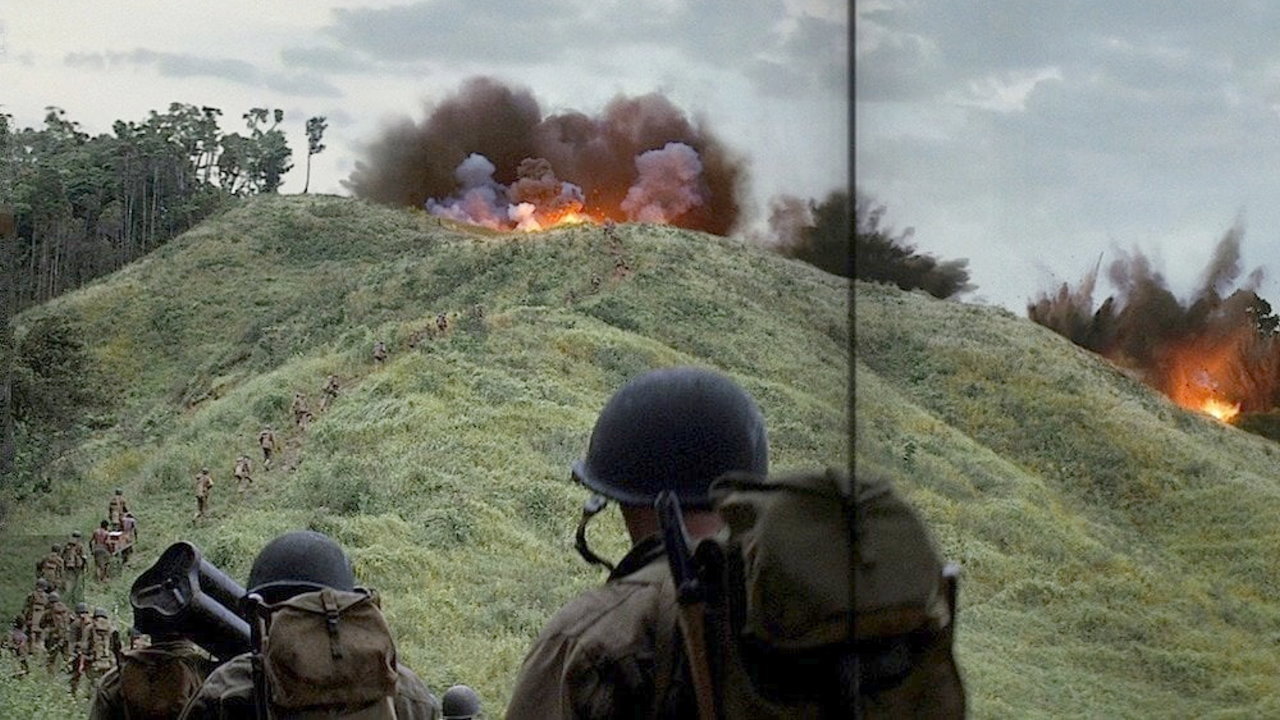
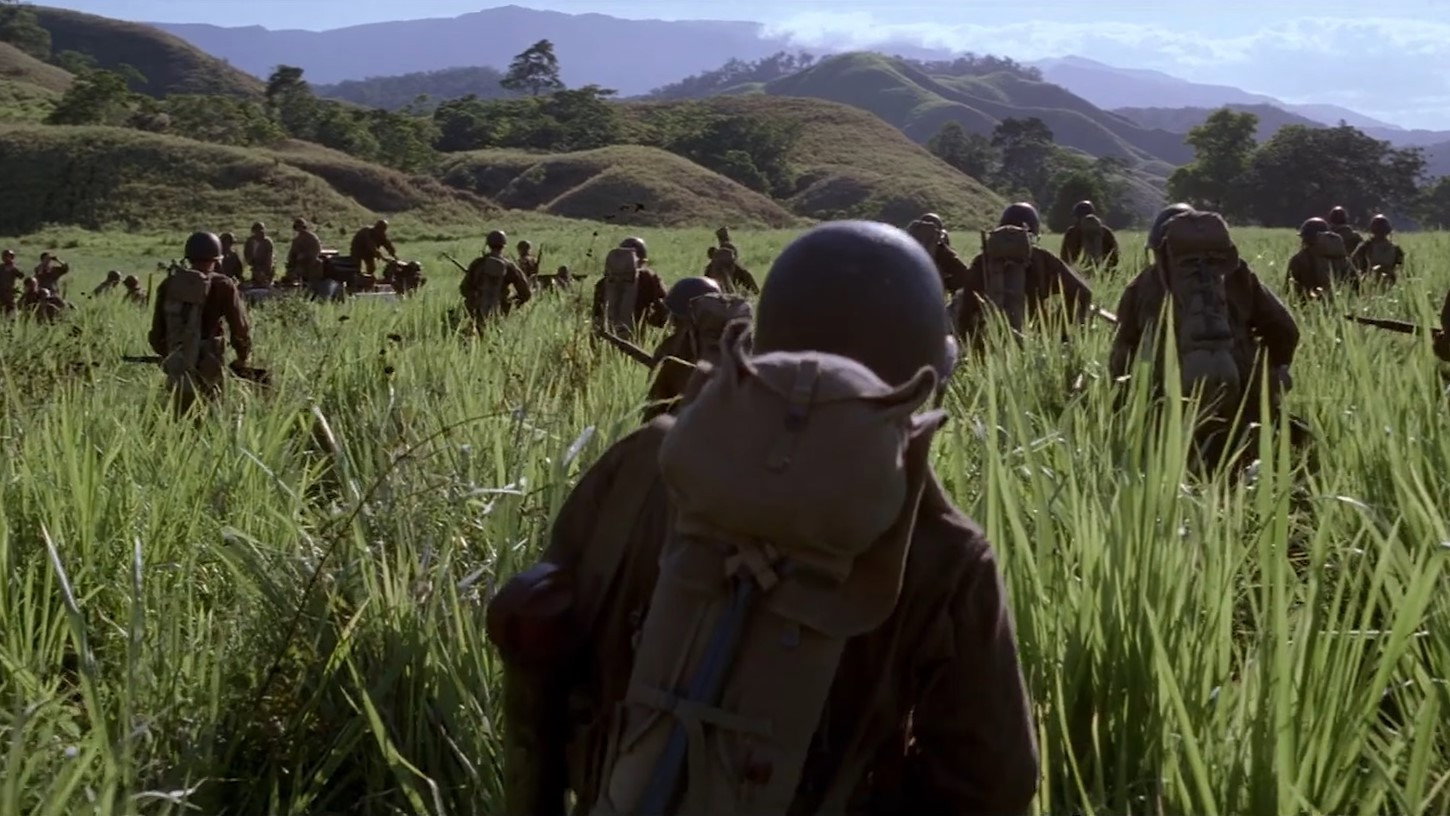
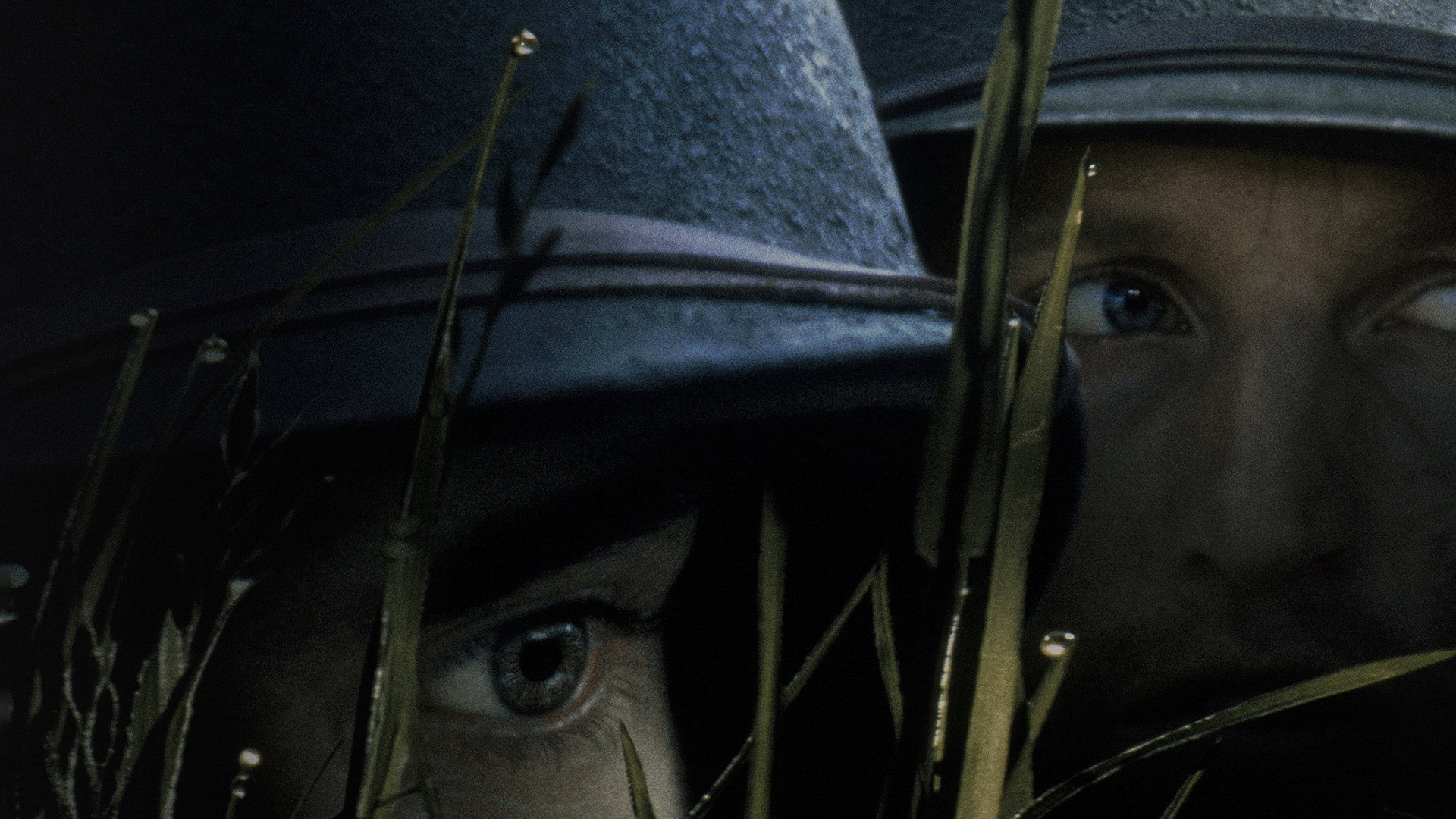
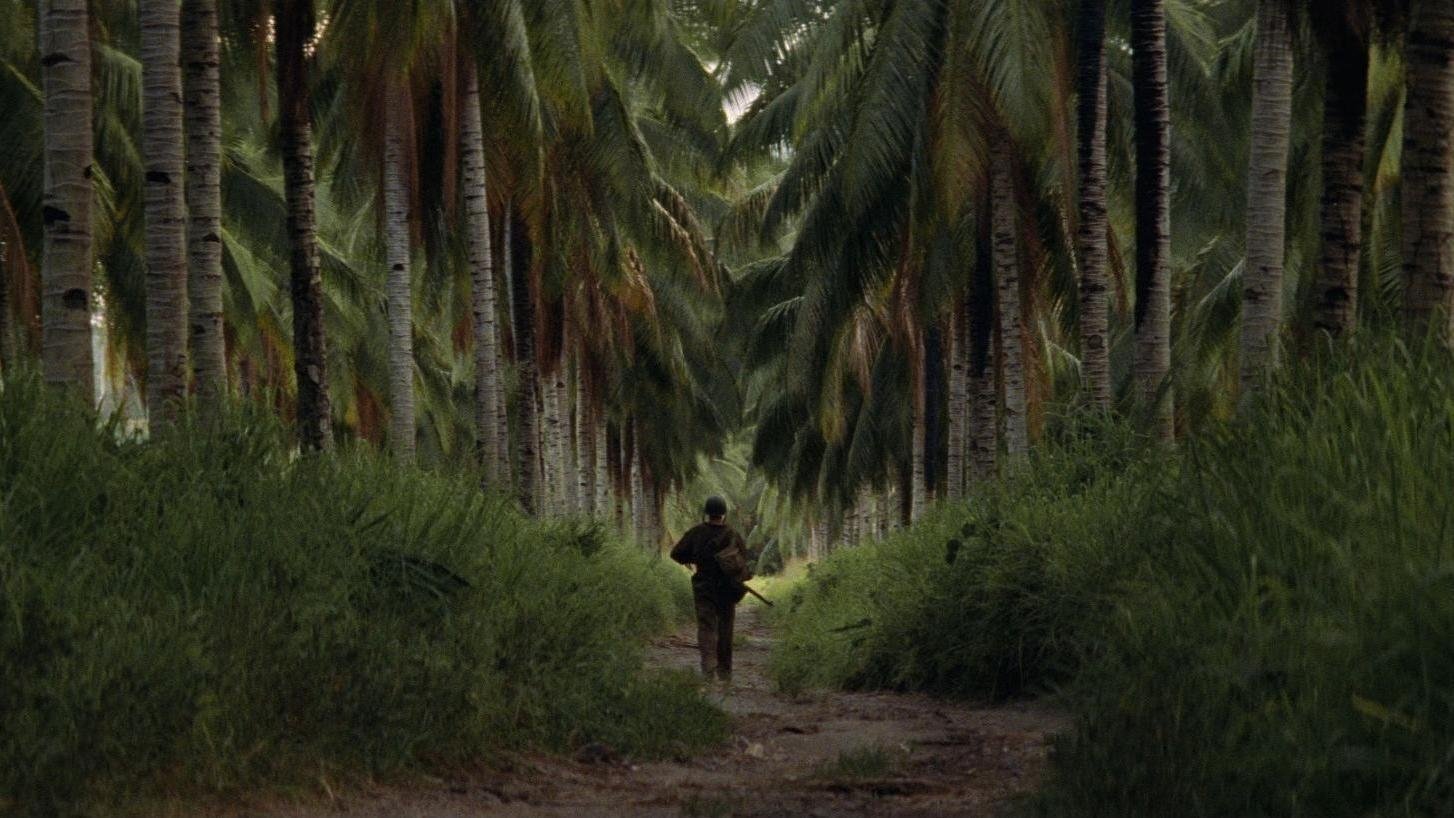
John Toll photographs the natural world with enough care that it becomes difficult to treat the landscape as somewhere for a battle to happen. The light makes us want to keep looking, while the attention to plants and animals makes the soldiers seem less entitled to occupy every frame. We found those images unexpectedly upsetting, because they made the men’s impulse to destroy seem worse. Malick spends time looking at living things that cannot explain themselves in a voiceover.

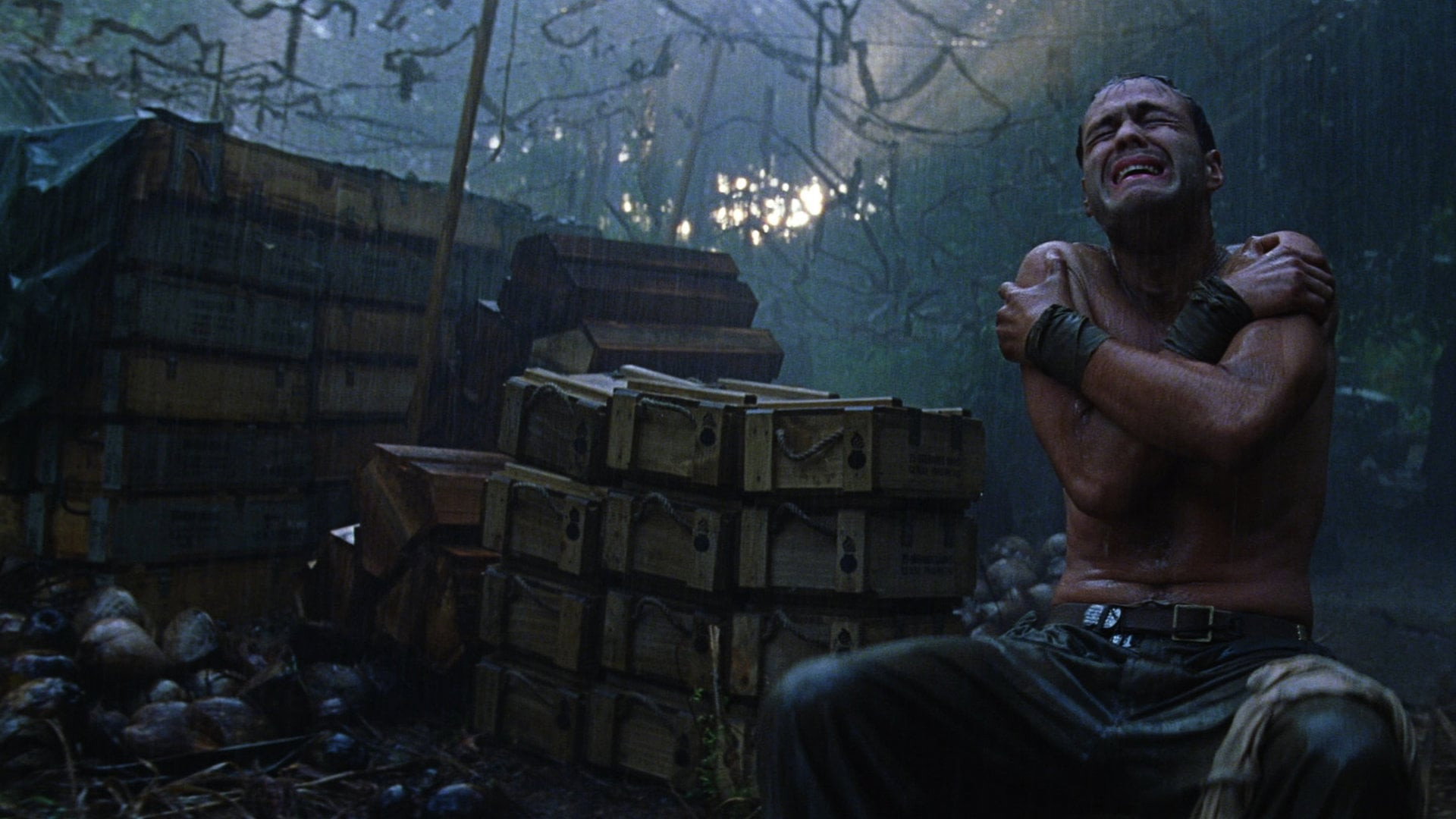
Jim Caviezel’s Private Robert Witt gives the wandering film someone worth staying with. Caviezel makes Witt’s search for meaning feel sincere, and that sincerity is essential when the writing risks sounding pleased with its own seriousness. Sean Penn as First Sergeant Edward Welsh and Elias Koteas as Captain James Staros help keep the questions attached to recognisable people. Their performances make us want to know more about the men, even when Malick seems ready to move on to another speaker.

Editors Leslie Jones, Billy Weber and Saar Klein let the film pass between voices without making one soldier the permanent centre. Their cutting gives the thoughts room to wander, but it does not always give the people speaking them enough time to become distinct. Some characters remain sketches, and the familiar faces cannot supply histories that the film has not given them. This is the caveat we would put first: if following a group of soldiers means learning exactly who everyone is, the interruptions may become wearing.

Jack Fisk’s production design helps keep the soldiers’ surroundings convincing when the talk becomes lofty, allowing the men to belong to the landscape Toll photographs. Hans Zimmer’s music sustains the feeling across changes of speaker, so a move away from someone need not mean losing our concern for him. It can lend too much importance to an already solemn passage, particularly when the voiceovers are also reaching for profundity. But the music helps us stay with a film that repeatedly interrupts its own story to listen to somebody think.

Malick’s voiceovers do sometimes keep asking questions after the images have made us think of them for ourselves. We wanted him to leave more of those questions unspoken, particularly when the words began to make different men sound alike. But his willingness to let soldiers remain bewildered, without hurrying them towards a useful lesson about courage, is one reason this war film stays with us. Give it an uninterrupted evening, and accept that getting to know every man is not part of the offer.
Critical consensus AI synthesised

4 of 6
Positive
2
Mixed
2
Negative
0
Empire
1 January 2003 · William Thomas
90*

A major work from a major artist that reaches beyond entertainment to touch the profound; a glorious return for Malick after 20 years.

Read the full review →
Total Film
5 March 1999
85*

A totally engrossing film, a near free-form essay in texture and ideas that grips despite being narrative-free; Malick's return will go down as one of the finest films of the year.

Read the full review →
The Guardian
26 February 1999
60*

The critic describes Malick's poetic adaptation as a singular war film that defies simple appraisal, being in equal parts earthy and high-flown. It is touched by brilliance but sometimes feels like a pious, wishy-washy folly.

Read the full review →
The Independent
25 February 1999
60*

The film is rambling and incoherent in places but luminously beautiful and ambitious; Malick has created an introspective war movie unlike any other.

Read the full review →
Film Comment
· Gavin Smith

The critic praises the film as a unique lyric epic poem on war that balances romanticism and dispassion while evading mythic spectacle, unlike Saving Private Ryan. It singles out the film's use of light, voiceover, and Witt's transcendent perspective for conveying the duality of horror and rapture in existence.

Read the full review →
Sight and Sound
· Geoffrey Macnab

Malick's first film in 20 years is a personal, poetic vision of war as messy and absurd, with random shifts in mood, breathtaking beauty and metaphysical inquiry. It succeeds as an utterly personal big-budget war film thanks to its imagery and voiceovers, though some characters are reduced to sketches.

Read the full review →

Cast

Stills

Awards

Academy Awards, 1999

Nominated
Best Cinematography
Nominated
Best Director
Nominated
Best Film Editing
Nominated
Best Original Dramatic Score
Nominated
Best Picture
Nominated
Best Sound

Berlin International Film Festival, 1999

Won
Golden Bear

If you liked this, try…

The Burmese Harp poster

The Burmese Harp

1956 · A soldier’s spiritual questions take shape through music and the work of mourning.

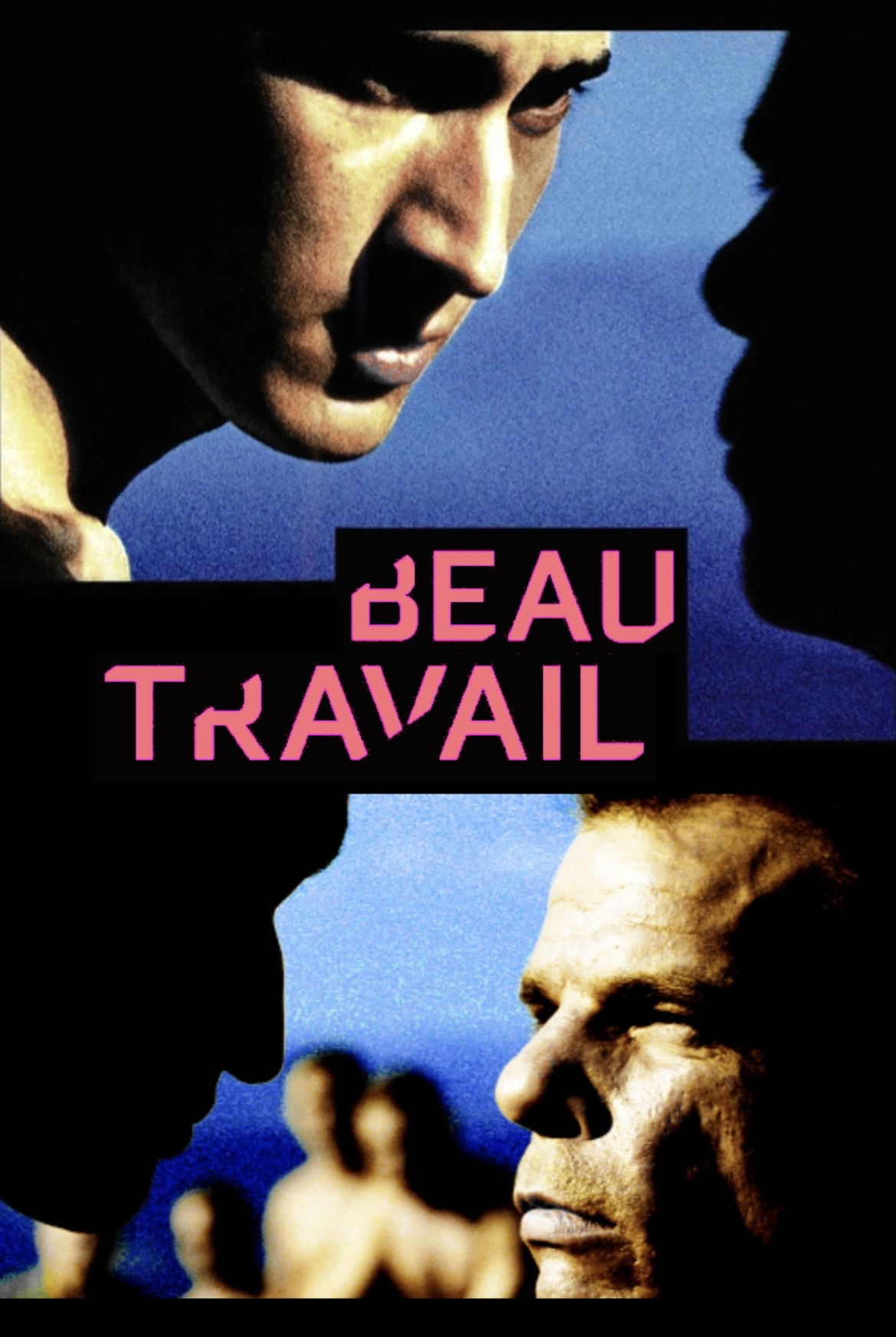
Beau Travail poster

Beau Travail

1999 · Military discipline and desire play out through bodies, landscape and sparse dialogue.

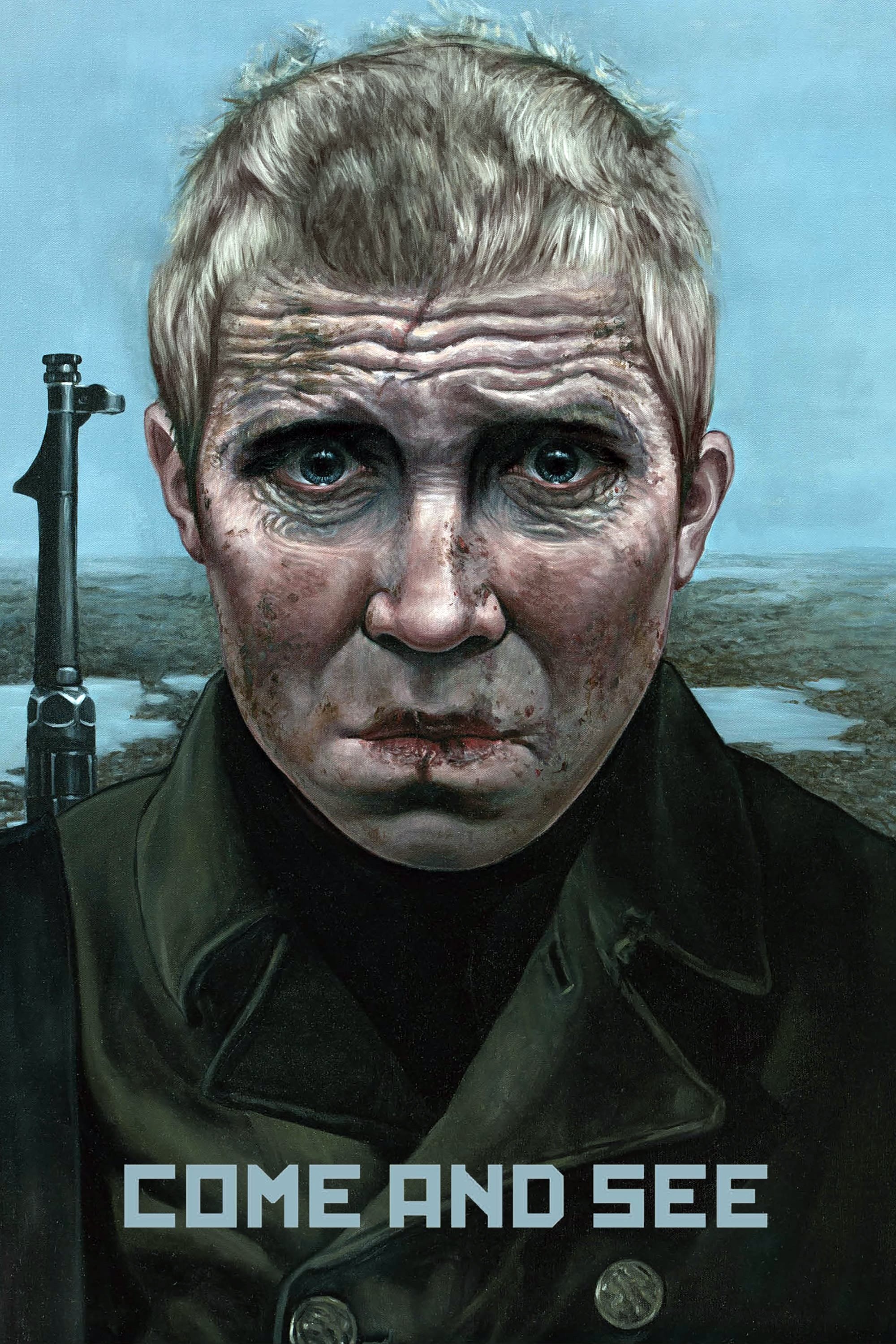
Come and See poster

Come and See

1985 · The natural world offers little comfort in this harrowing account of war.

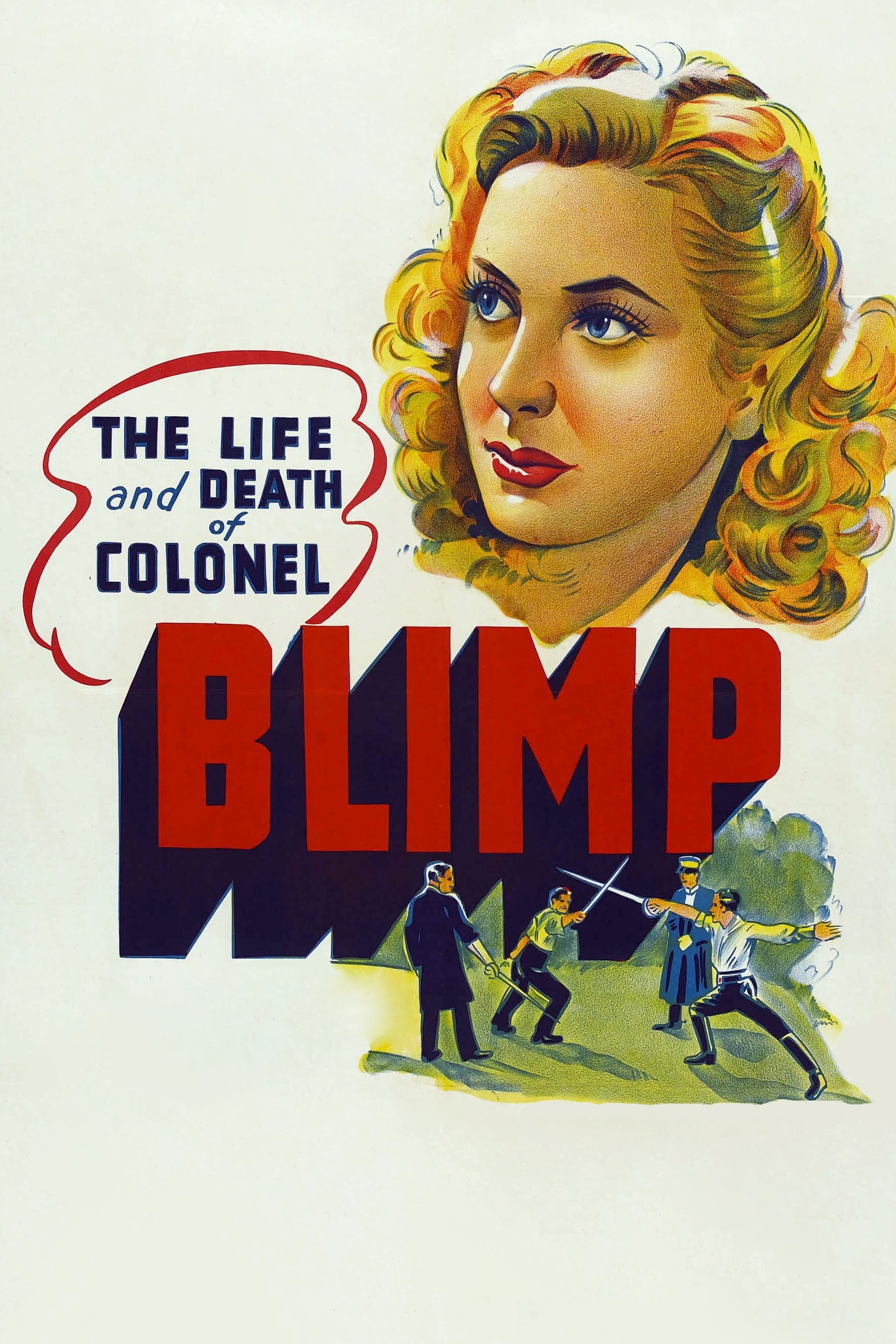
The Life and Death of Colonel Blimp poster

The Life and Death of Colonel Blimp

1943 · British military honour receives an affectionate examination that does not spare its failures.

A Hidden Life poster

A Hidden Life

2019 · A quieter Malick film about the daily cost of refusing to obey.