Film review

The Life and Death of Colonel Blimp

1943 · Directed by Michael Powell, Emeric Pressburger · 2h 43m · MPA NR

In a sentenceWe came to laugh at the old soldier and ended up wanting to sit beside him

WarDramaRomanceComedy

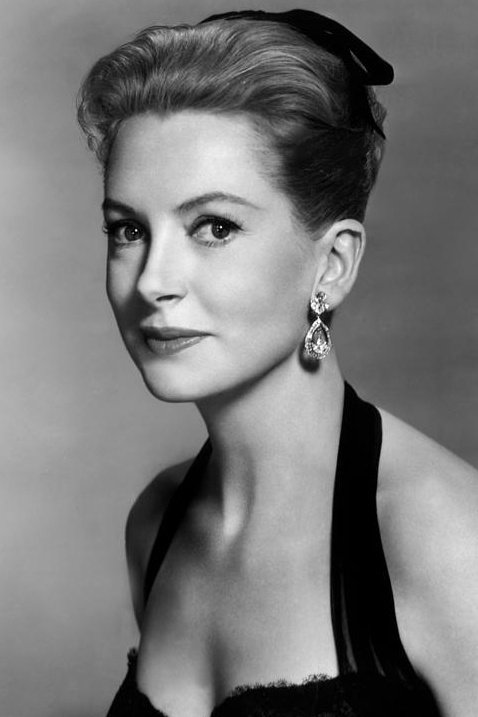
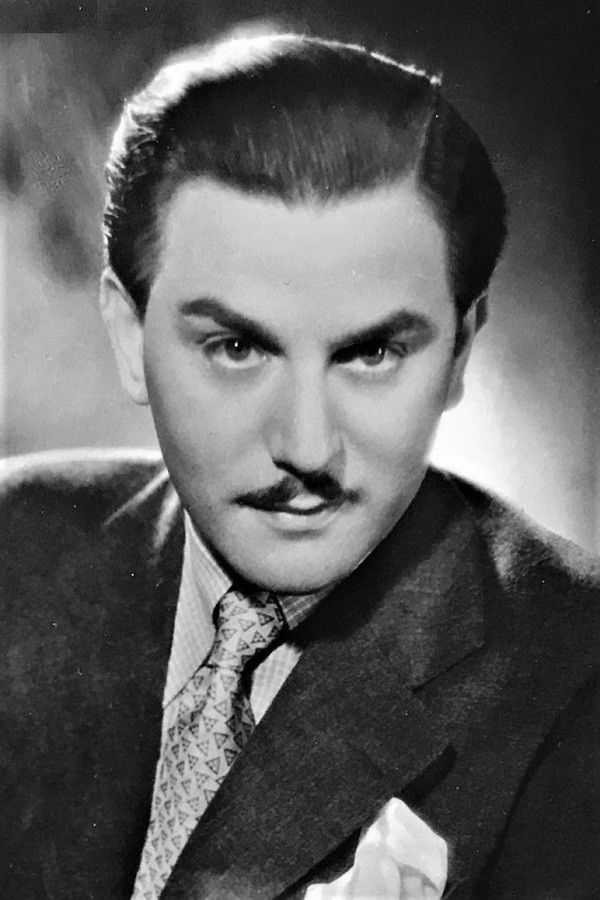
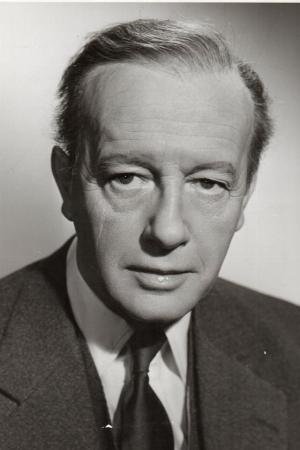
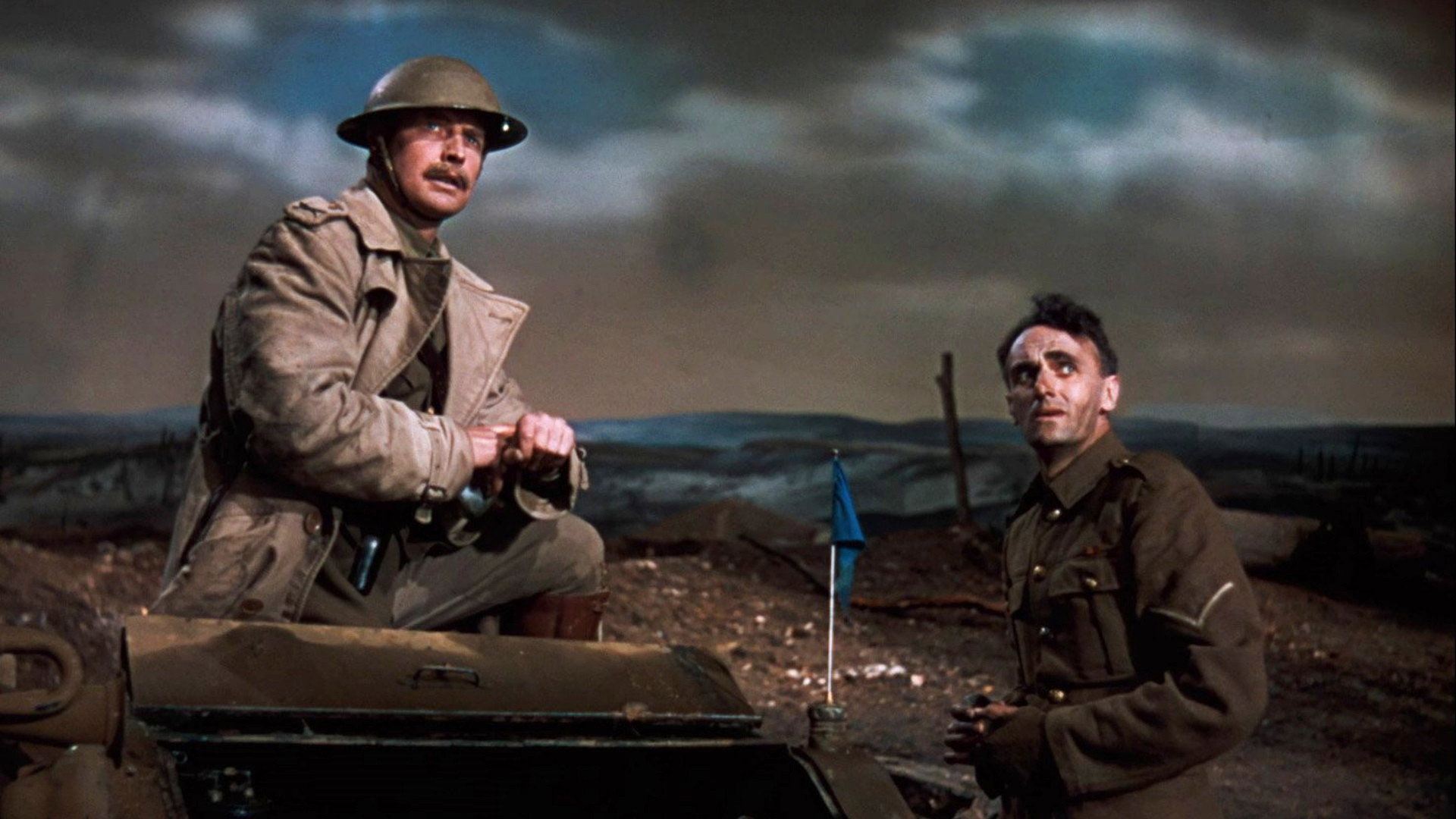
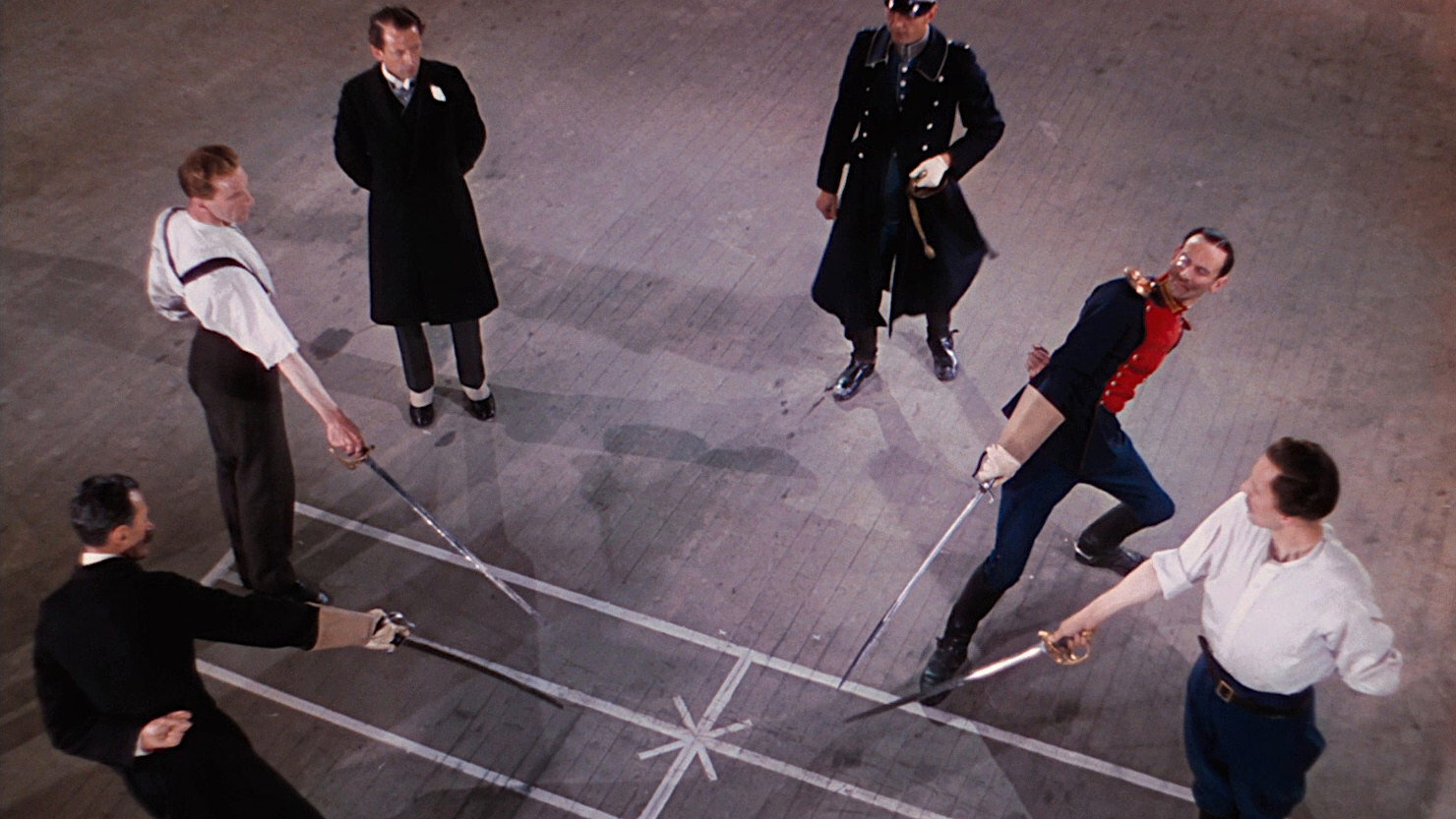
Major General Clive Wynne-Candy (Roger Livesey) believes a soldier should fight honourably and expect the same from his opponent. The story turns back to his younger years around the Boer War, when his ideas about military conduct and romance are taking shape. Edith Hunter (Deborah Kerr) and German officer Theo Kretschmar-Schuldorff (Anton Walbrook) enter the account of a British officer whose professional pride is bound up with his private hopes. Clive wants to behave decently and serve his country, but war is changing in ways that challenge the rules he trusts.

Fi1m review

Michael Powell and Emeric Pressburger turn a blustering soldier into someone worth understanding, without excusing his mistakes. A funny, moving film about friendship and ageing, with Roger Livesey giving its debates about honour a stubborn human warmth.

Michael Powell and Emeric Pressburger’s The Life and Death of Colonel Blimp is funny, generous and unusually clear-eyed about the trouble a decent man can cause by refusing to change. This 1943 film asks us to care about a British soldier and his German friend without pretending that honour will solve the problems of war. That is a difficult undertaking, and the film earns our affection for both men. Its 163 minutes are worth making room for.

The long flashback matters because the older Candy could so easily remain a joke. John Seabourne Sr.’s editing takes us through the years with transitions that make the distance between youth and age feel startlingly short. The montages are pleasurable in themselves, but they also keep us conscious of how much a life contains that a film must pass over. We are allowed to understand how he became this man before being asked to decide what is wrong with him.

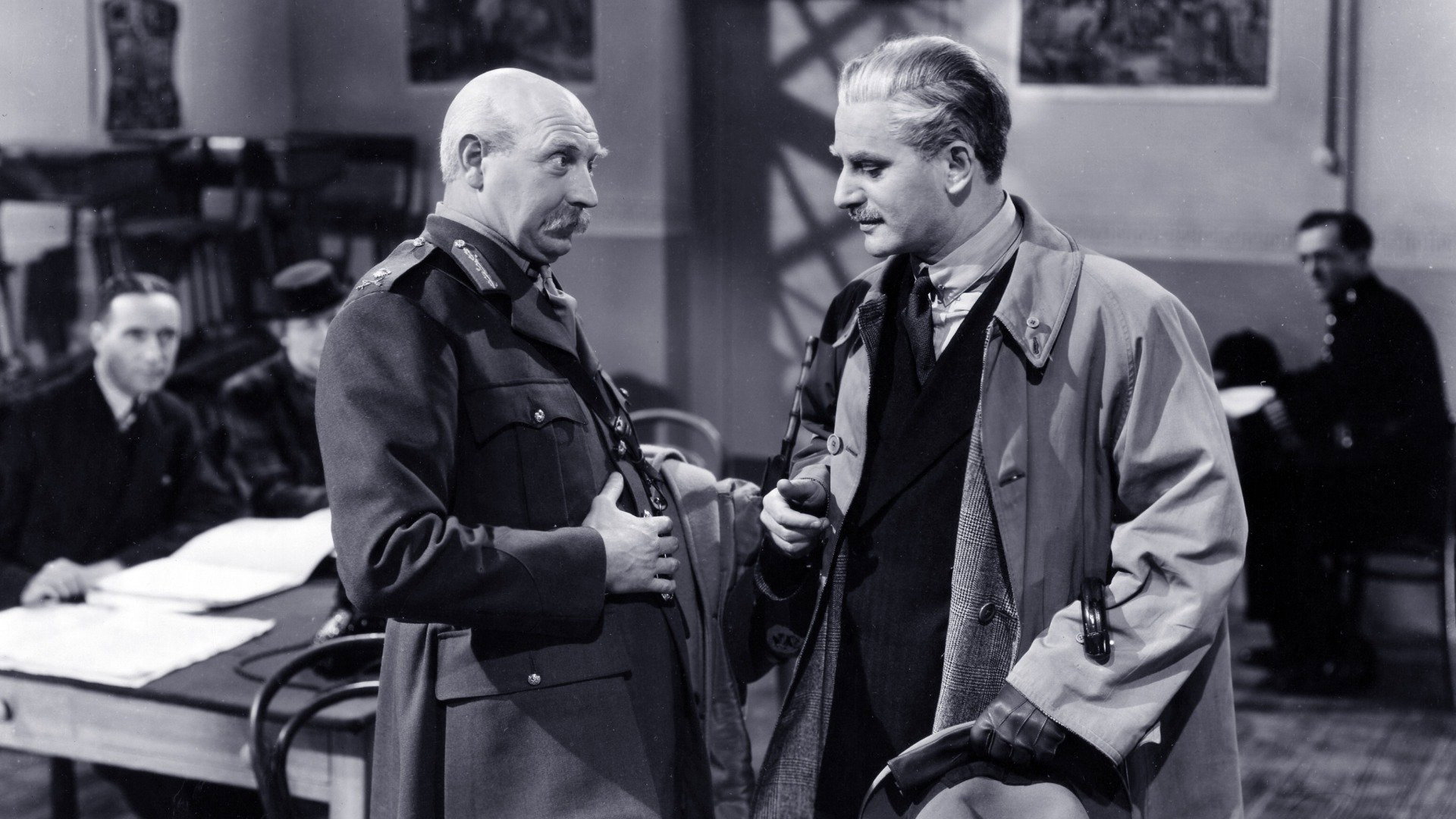
Roger Livesey gives Major General Clive Wynne-Candy enough bluster to justify the comedy without making stupidity his defining quality. We were moved by his stubborn faith in fair play, because the performance makes that faith seem hopeful even when it has become dangerous. He is brave, vain, romantic and capable of being absurd, sometimes within the same stretch of the performance. His warmth keeps the comedy from becoming a succession of jokes at an old man’s expense.

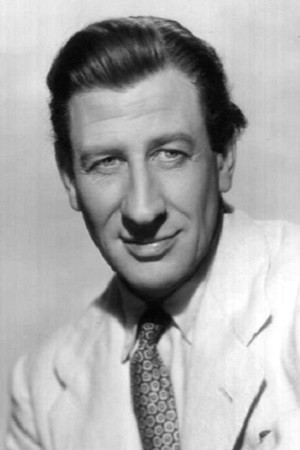
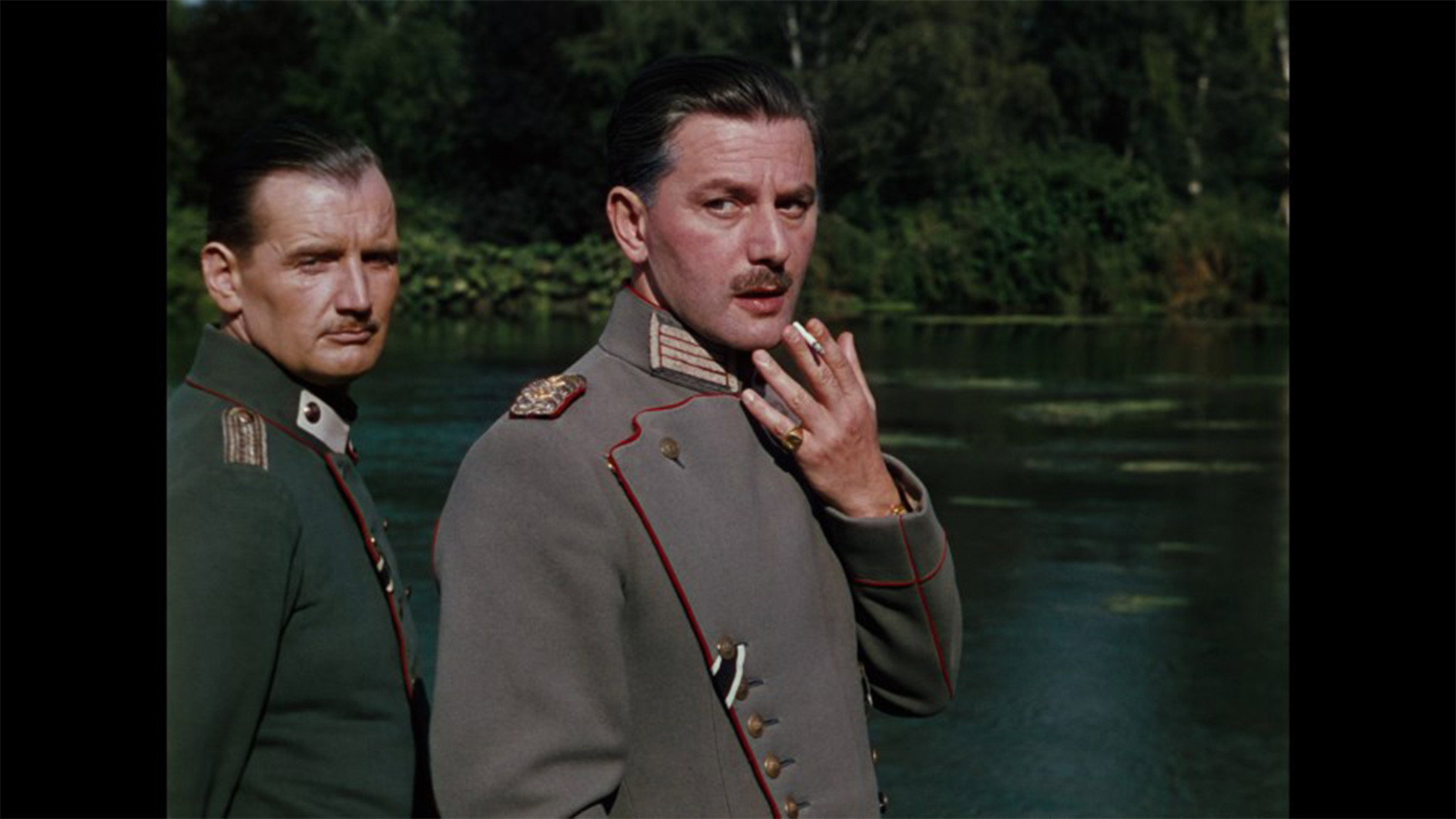
Anton Walbrook, as Theo Kretschmar-Schuldorff, makes the friendship equally important from the other side. A sympathetic German officer in a British wartime film is a striking enough choice, but the performance deserves more credit than that historical distinction alone. He makes Theo worth listening to, and gives the men’s affection a seriousness that the comedy needs. For a war film, it pays an unusual amount of attention to the difficult business of remaining friends.

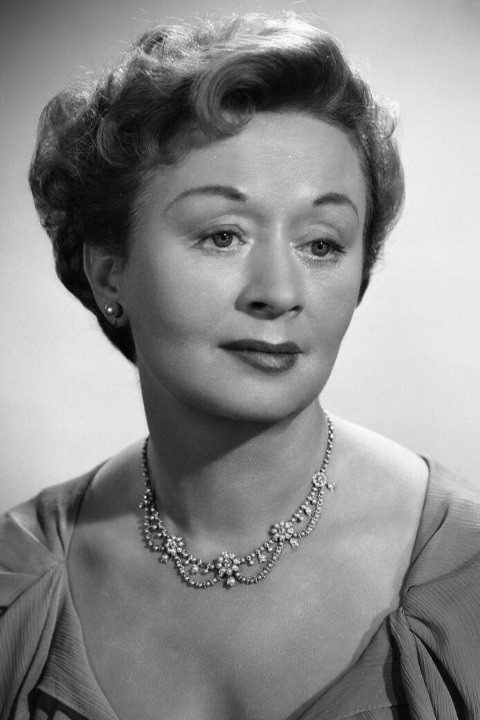
Deborah Kerr plays Edith Hunter, Barbara Wynne and Angela “Johnny” Cannon, and the repeated casting is both affecting and a limitation. It encourages us to look for what Candy keeps wanting from women, when we might rather learn what each woman wants for herself. Her performances have enough independence to resist being treated simply as parts of his romantic history. Even so, the film gives the friendship between its men more room to develop than it gives its women.

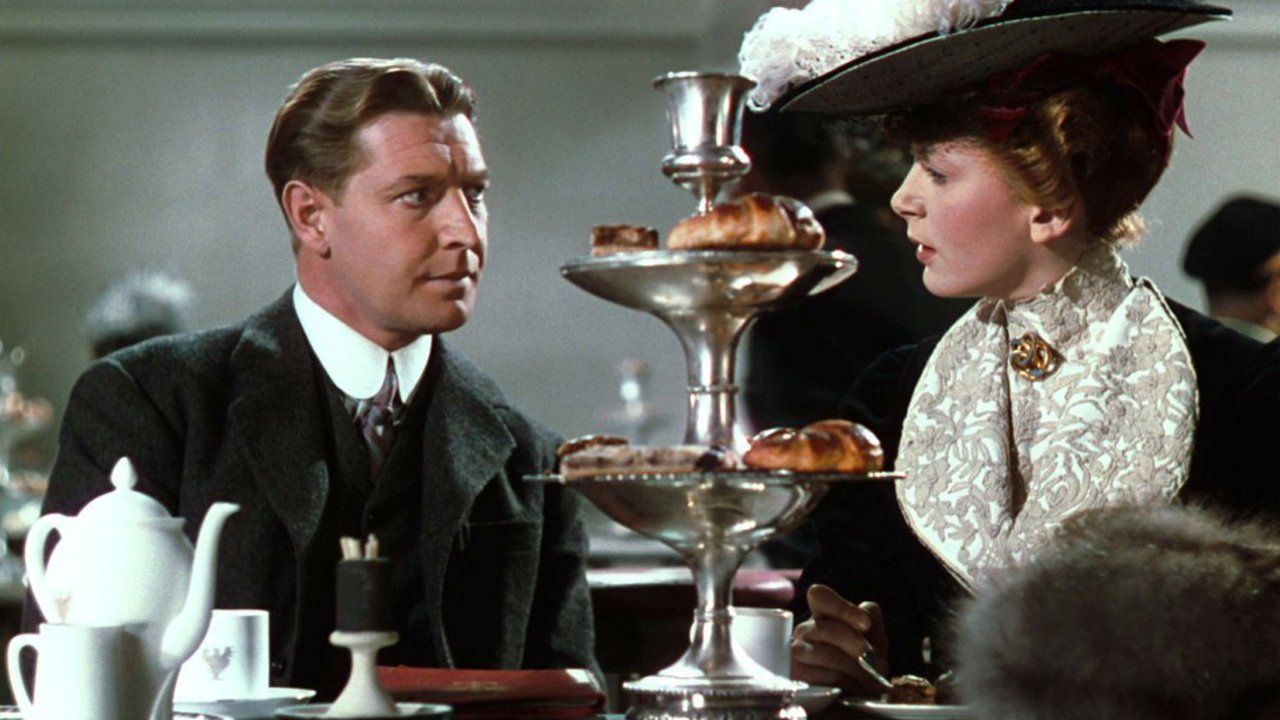
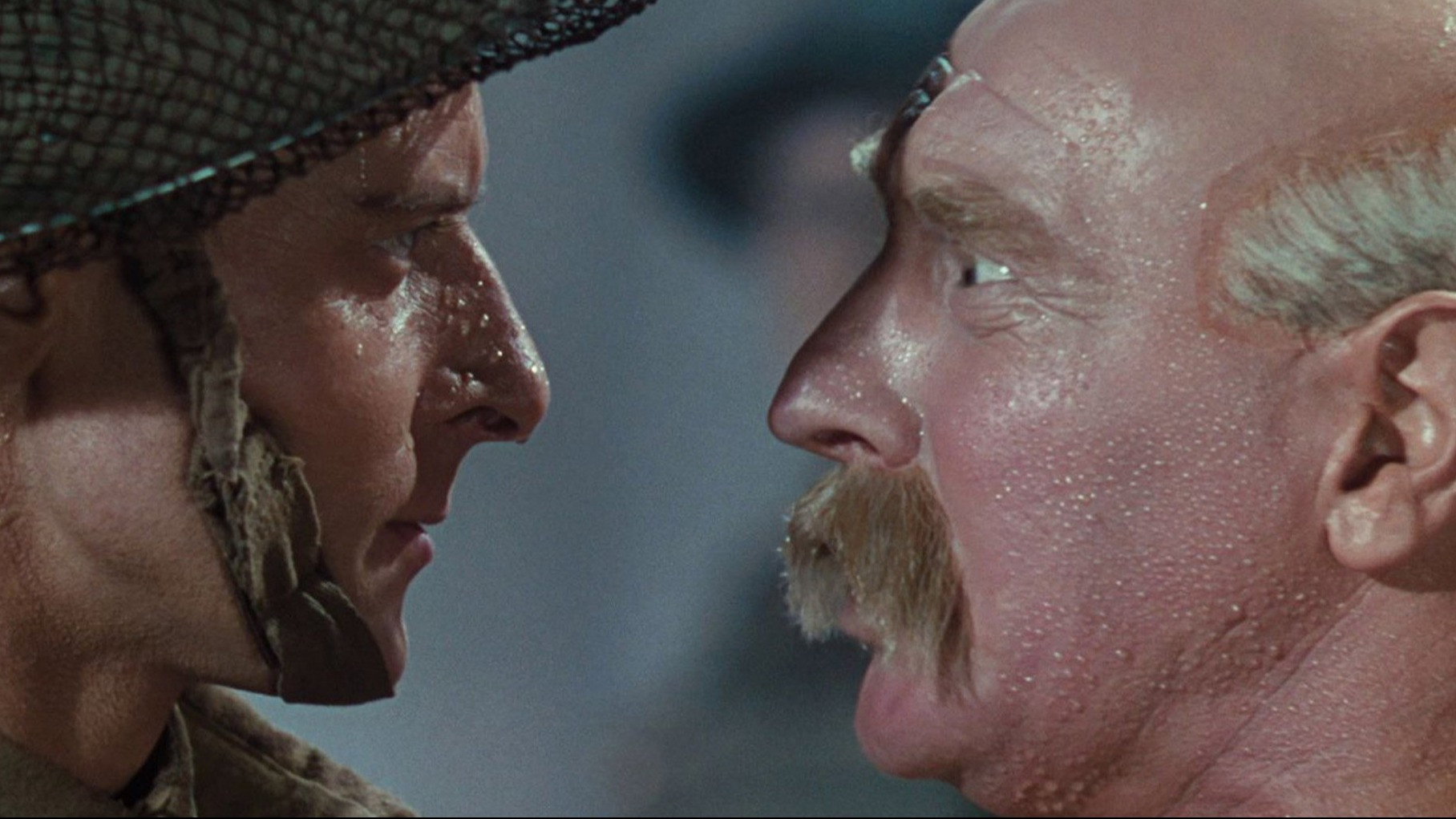
Georges Périnal’s Technicolor photography makes the past inviting, with carefully composed images that reward attention beyond the actors. Alfred Junge’s production design shares that fondness for a handsomely ordered world. At times the polish makes us a little too comfortable with the life being questioned, though that pleasure helps explain why Candy has trouble letting it go. Allan Gray’s music supports the tenderness without making the friendship feel like an excuse to forget the war.

We would take this over a war film that settles every disagreement by handing the decent man a victory. The directors give Candy’s beliefs a fair hearing before showing why they will not do, and never make him a fool simply for holding them. The length asks for an uninterrupted evening, and the women deserve more of it than they get. We would recommend it even to someone who usually rules out war films.
Critical consensus AI synthesised

86
Positive
11
Mixed
0
Negative
0

The consensus is firmly positive, with praise centred on the film’s compassion for Clive Candy as his ideas of honour become harder to reconcile with modern war. Critics repeatedly value the friendship between Clive and Theo, and the way Powell and Pressburger give a potentially pompous caricature dignity without overlooking his failings. The performances draw strong approval, particularly Roger Livesey’s balance of absurdity and decency, while the Technicolor images, editing and transitions also attract praise.

The differences concern the degree of enthusiasm rather than any outright rejection: all eleven reviews are positive. The two reviews from 1945 are more measured than the later assessments. The New York Times finds the entertainment impressive but sometimes inconsistent; The New Yorker stresses the touching contradictions of a soldier who is absurd, brave and honest. Elsewhere, the reviews largely treat the tension between affection and criticism as a strength.

Time Out
10 September 2012 · ★★★★★ · Dave Calhoun
100

The critic hails the restored 1943 epic as glorious and moving, praising its compassionate portrayal of Clive Candy across decades as a masterclass in defying caricature. The restoration highlights striking tableaux and the film's sad yet empathetic view of ageing and loss.

Read the full review →
Empire
1 January 2012 · Alan Morrison
90*

The critic praises the film's broad-canvas storytelling and its study of a man whose notions of honour and chivalry are challenged by modern war. It singles out the warm portrayal of an enduring cross-national friendship and the human spirit for particular acclaim.

Read the full review →
RogerEbert.com
27 October 2002 · Roger Ebert
90*

Transforms a blustering caricature into one of the most loved movie characters, revealing an idealist and romantic inside. It is a civilized film about war that defends the old against the young and celebrates decency and fair play even in wartime.

Read the full review →
Slant Magazine
15 November 2011 · Jaime N. Christley
90*

The film elevates every jingoistic or period-specific moment to a mythic perspective on Englishness, loyalty, and the passage of time. It singles out the enduring friendship between Clive and Theo, and Deborah Kerr's multiple roles, as the emotional core amid sweeping historical change.

Read the full review →
The Guardian
17 May 2012 · Peter Bradshaw
90*

The re-released Powell and Pressburger film is a quietly amazing wartime drama that grows more fascinating and moving with each viewing. It explores how people age and change through the story of a British officer and his German friend, with standout performances and themes of friendship, censorship, and time.

Read the full review →
The Telegraph
12 August 2005 · Marc Lee
90*

Powell and Pressburger's most ambitious and controversial work spans 40 years of a British soldier's life and friendship with a German officer, featuring great performances and epic storytelling in Technicolor. It remains engrossing despite its length and was ahead of its time in portraying a sympathetic German character during WWII.

Read the full review →

Cast

If you liked this, try…