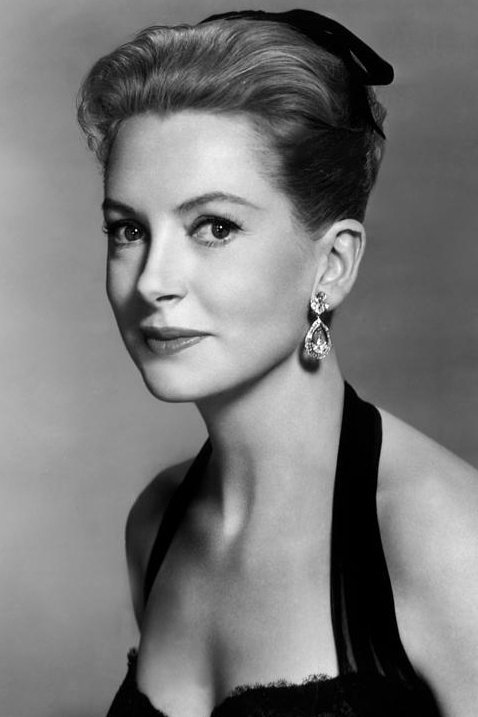
Deborah Kerr makes self-control look like hard work. We value her most when a part tests her composure, rather than simply asking her to look respectable, as too many of her early Hollywood roles did.
Fi1m perspective
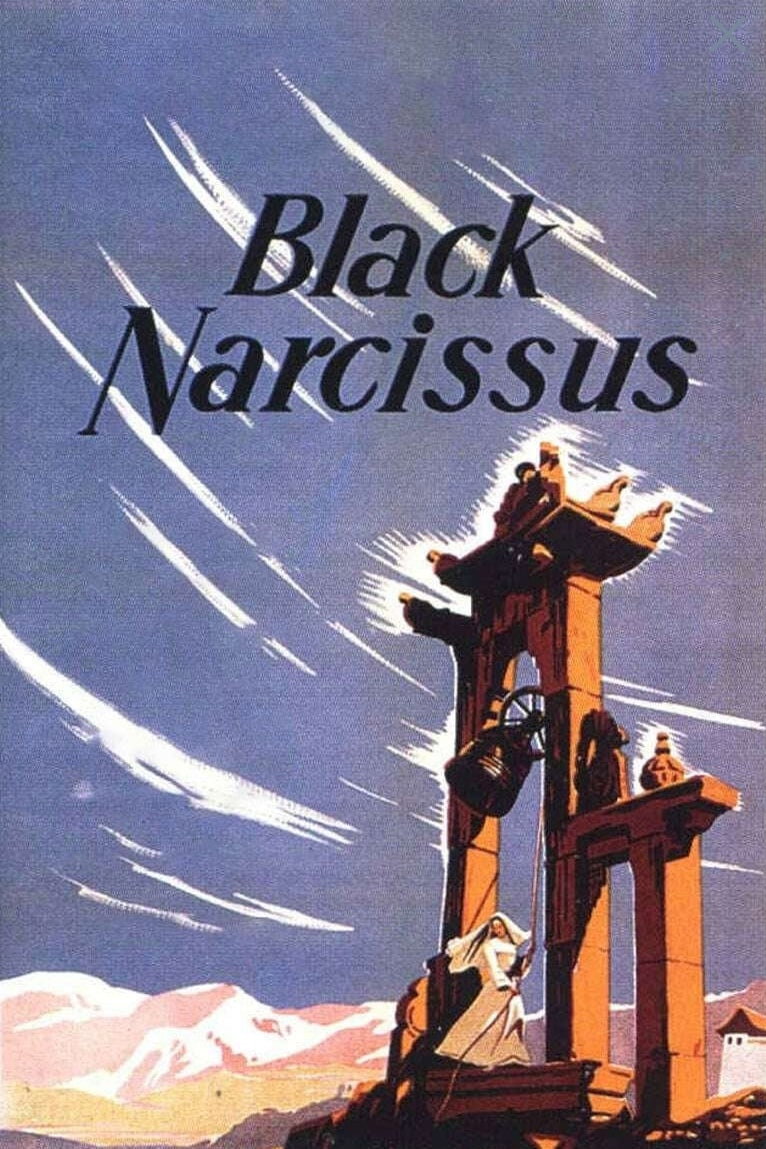
In Black Narcissus (1947), Deborah Kerr’s Sister Clodagh keeps her composure around David Farrar’s Mr Dean, but we can see what it costs her. Her authority remains convincing because she works to maintain it. We were unsettled by their scenes: Kerr makes the attention she pays him feel dangerously intimate without either performer needing to do anything explicit. Michael Powell and Emeric Pressburger give her restraint a practical test. There is another person to deal with, and he is difficult to ignore.
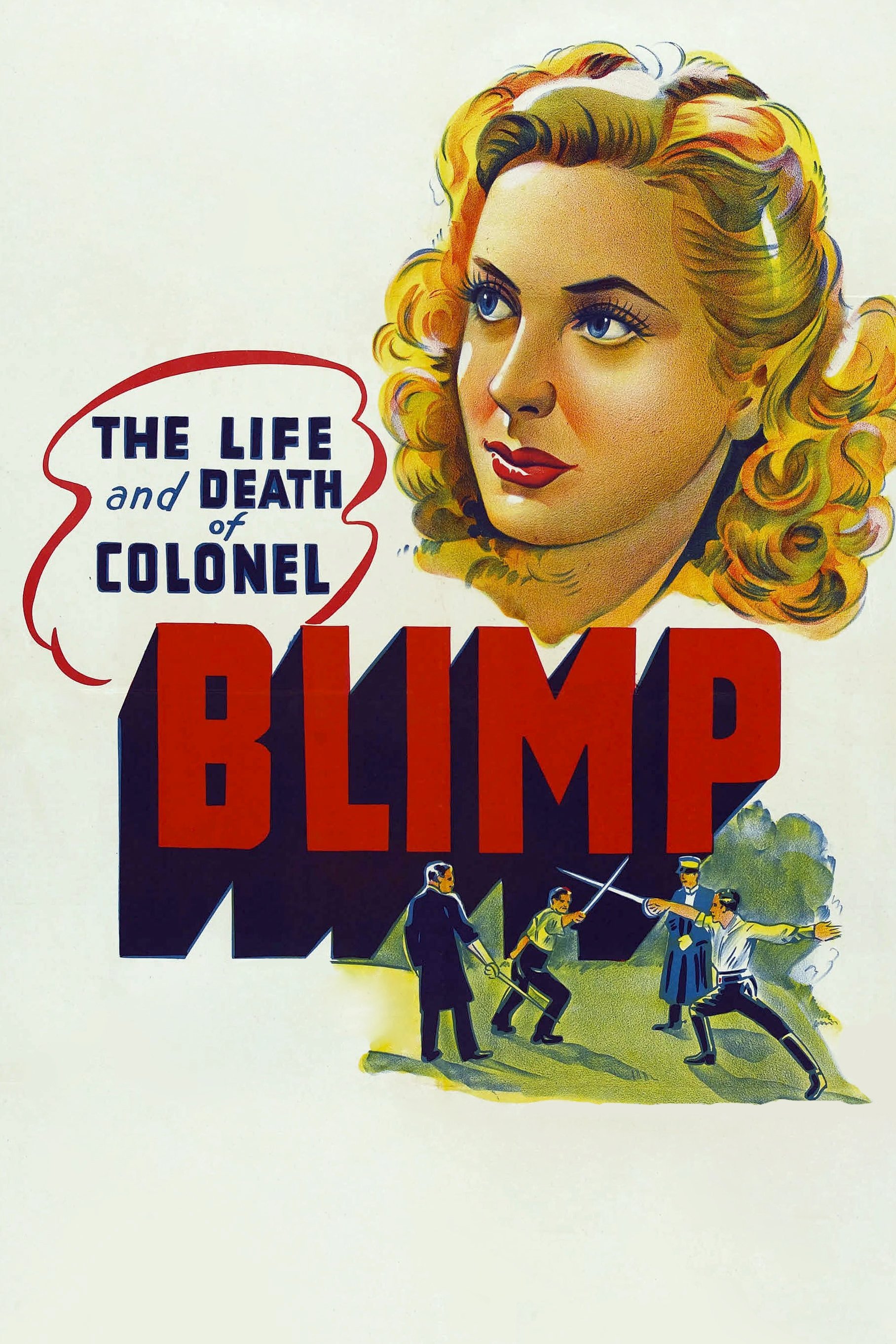
The British films had already given her more to do than her later ladylike reputation might suggest. In Powell and Pressburger’s The Life and Death of Colonel Blimp (1943), she played Edith Hunter, Barbara Wynne and Angela ‘Johnny’ Cannon. Her move to Hollywood under an MGM contract in 1947 brought repeated assignments as decorative, high-minded women. That casting made use of her poise while limiting what she could express. We have less interest in Kerr being respectable when the writing gives her nothing else to do.
From Here to Eternity (1953), in which she played Karen Holmes, broke that pattern, requiring a change of voice and manner for an American role. The shift matters because propriety had become an expectation, not simply one of her skills. Anna Leonowens opposite Yul Brynner in The King and I (1956) and Miss Giddens in The Innocents (1961) followed. The musical lead and the psychologically intense Henry James adaptation are useful reminders of how much that narrow casting had left unused.
None of this means that dignity alone makes a performance interesting. Black Narcissus works because Sister Clodagh has authority to preserve and Farrar gives her a persuasive reason to lose concentration. Powell and Pressburger let Kerr show the difficulty rather than simply cast her for the correct bearing. We have reservations about the film’s outsider view of its Himalayan setting, but her performance is a substantial reason to see it. Start there, and do not expect the good manners to make for a quiet evening.
Biography
Deborah Kerr was a British actress. Born Deborah Jane Trimmer on 30 September 1921 in Scotland, she died on 16 October 2007 in Suffolk, England. She trained as a dancer before moving into stage work and making her film debut in Major Barbara (1941).
Kerr rose to prominence in British cinema with her triple role as Edith Hunter, Barbara Wynne and Angela 'Johnny' Cannon in The Life and Death of Colonel Blimp (1943). She received widespread attention for her performance as Sister Clodagh in Black Narcissus (1947), which led to a Hollywood contract with MGM.
She earned six Academy Award nominations for Best Actress and received an honorary Oscar in 1994. Among her other notable films are From Here to Eternity (1953), The King and I (1956), for which she won a Golden Globe, An Affair to Remember (1957) and The Innocents (1961). She was appointed CBE in 1998.