Film review

Casino Royale

1967 · Directed by Robert Parrish, Val Guest, Ken Hughes, John Huston, Joseph McGrath · 2h 11m · MPA PG

In a sentenceFive directors, more Bonds than plot and a Burt Bacharach score that deserved a film

AdventureActionComedy

Sir James Bond (David Niven), long retired to a country house, is visited by four spy chiefs who want him back: McTarry of the British service (John Huston), Ransome of the CIA (William Holden), Le Grand of the French (Charles Boyer) and Smernov of the Soviets (Kurt Kasznar). Agents on every side are being murdered. Bond refuses, his house is blown up, and he is back in the trade. In Scotland, Agent Mimi (Deborah Kerr) plays a widow in a castle full of young women sent to compromise him. Taking charge of the service, he renames every agent James Bond to confuse the enemy and recruits baccarat expert Evelyn Tremble (Peter Sellers), via Vesper Lynd (Ursula Andress), to break Le Chiffre (Orson Welles) at the tables of Casino Royale.

Fi1m review

Five credited directors, three credited writers, most of the famous faces of the decade, and nobody in charge. David Niven’s first half-hour is dry and funny and Burt Bacharach’s score is better than anything it accompanies; the rest is expensive noise.

Casino Royale is a James Bond film made outside the official series, and it decides that the safest thing to do with a character it cannot play straight is to laugh at him for 131 minutes. It credits five directors and three screenwriters, and takes its title and villain from Ian Fleming’s first novel and little else. The film has a good half-hour up front, a good tune underneath, and no idea what to do with most of the people in it. We cannot recommend the whole of it to anyone.

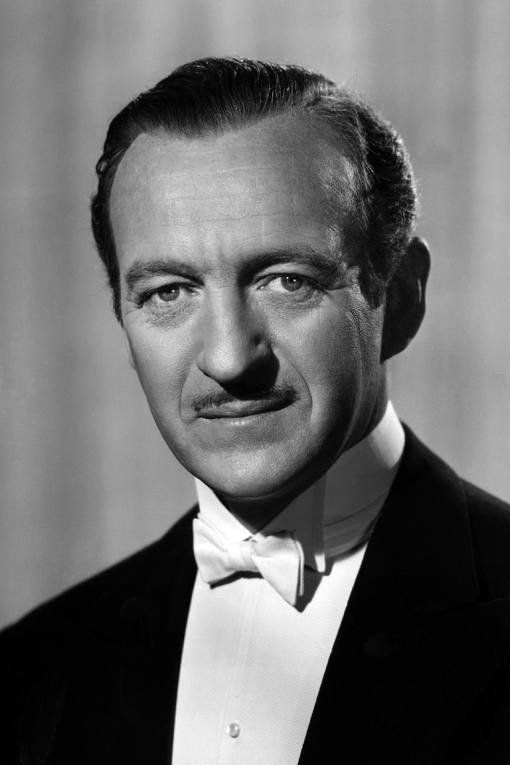
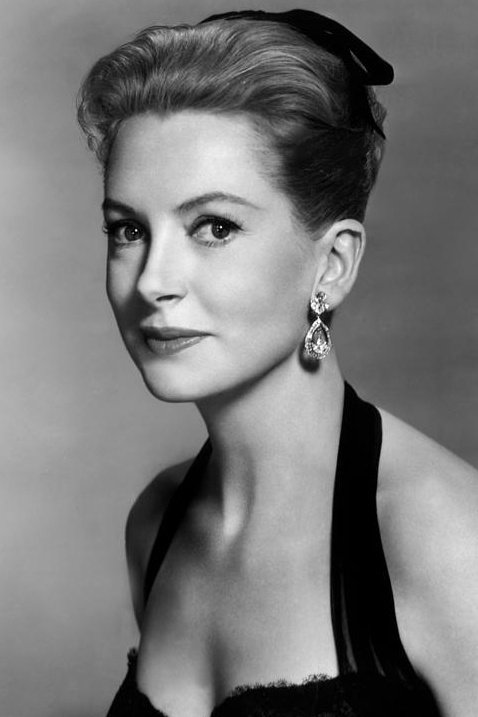
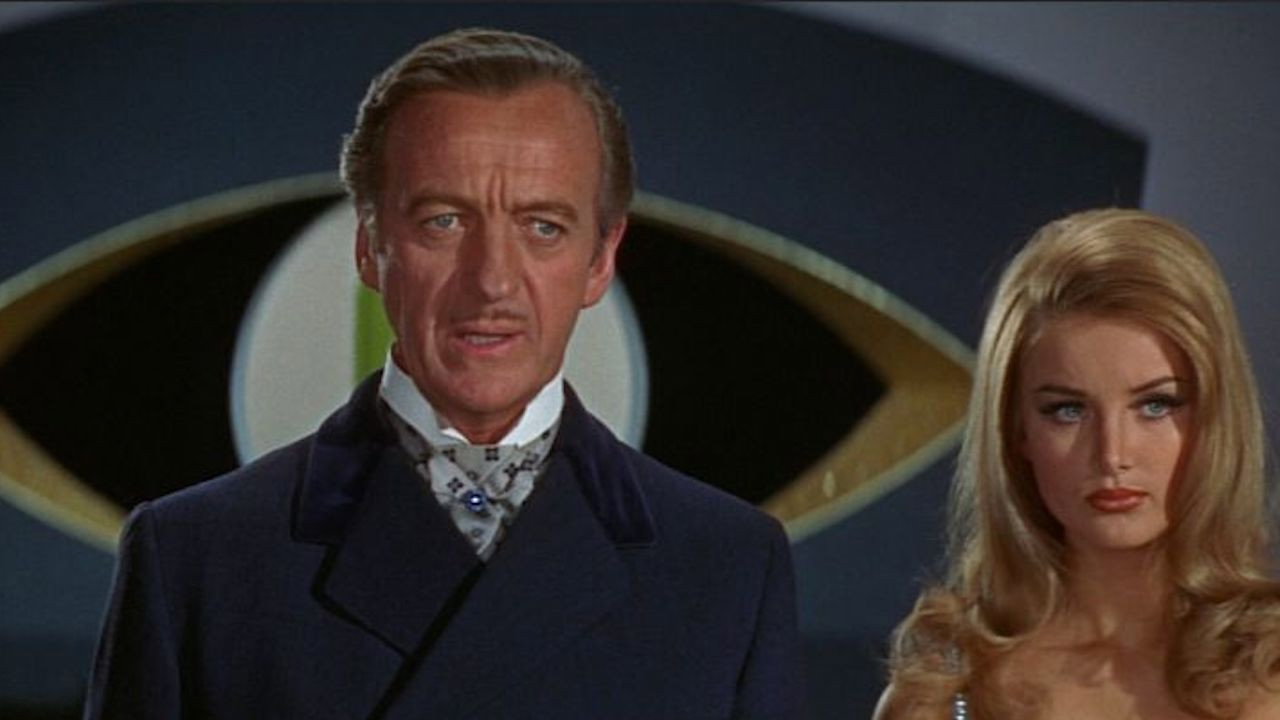
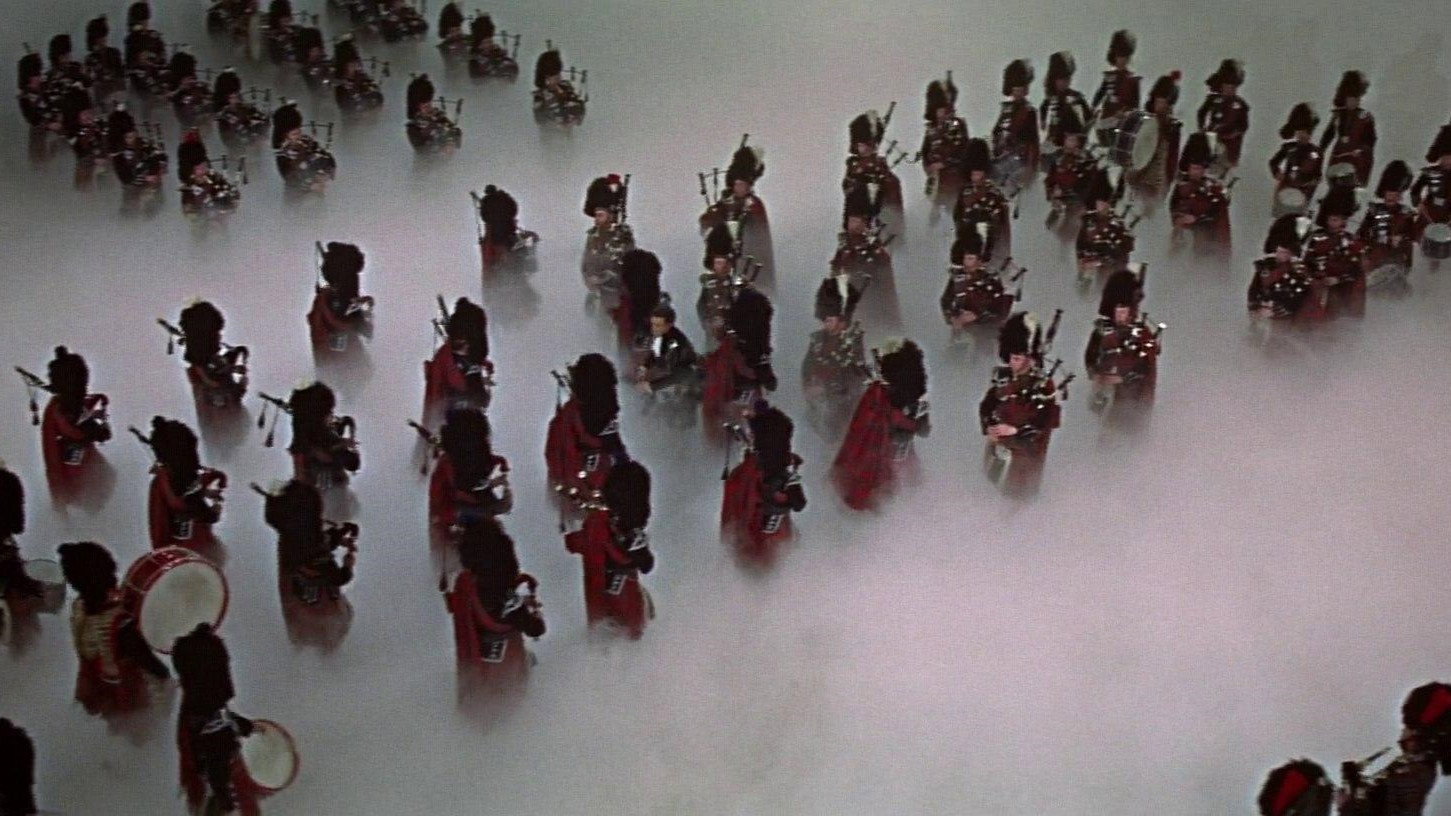
The first stretch belongs to Niven, and it is the reason to sit down. His Sir James is retired and celibate and regards the state of the service with polite horror. Four spy chiefs, John Huston’s McTarry, William Holden’s Ransome, Charles Boyer’s Le Grand and Kurt Kasznar’s Smernov, arrive at his country house to beg him back, and Niven treats them like tradesmen who have come on the wrong day. We laughed, properly, at how little he was doing: a pause before a word, a small correction of someone else’s manners. The film moves to a castle in Scotland, where Deborah Kerr, as Agent Mimi posing as a Highland widow, sets about seducing him with an accent she enjoys more than the script does. Niven fends her off with the same courteous stillness, and for half an hour this is a comedy with a plan.

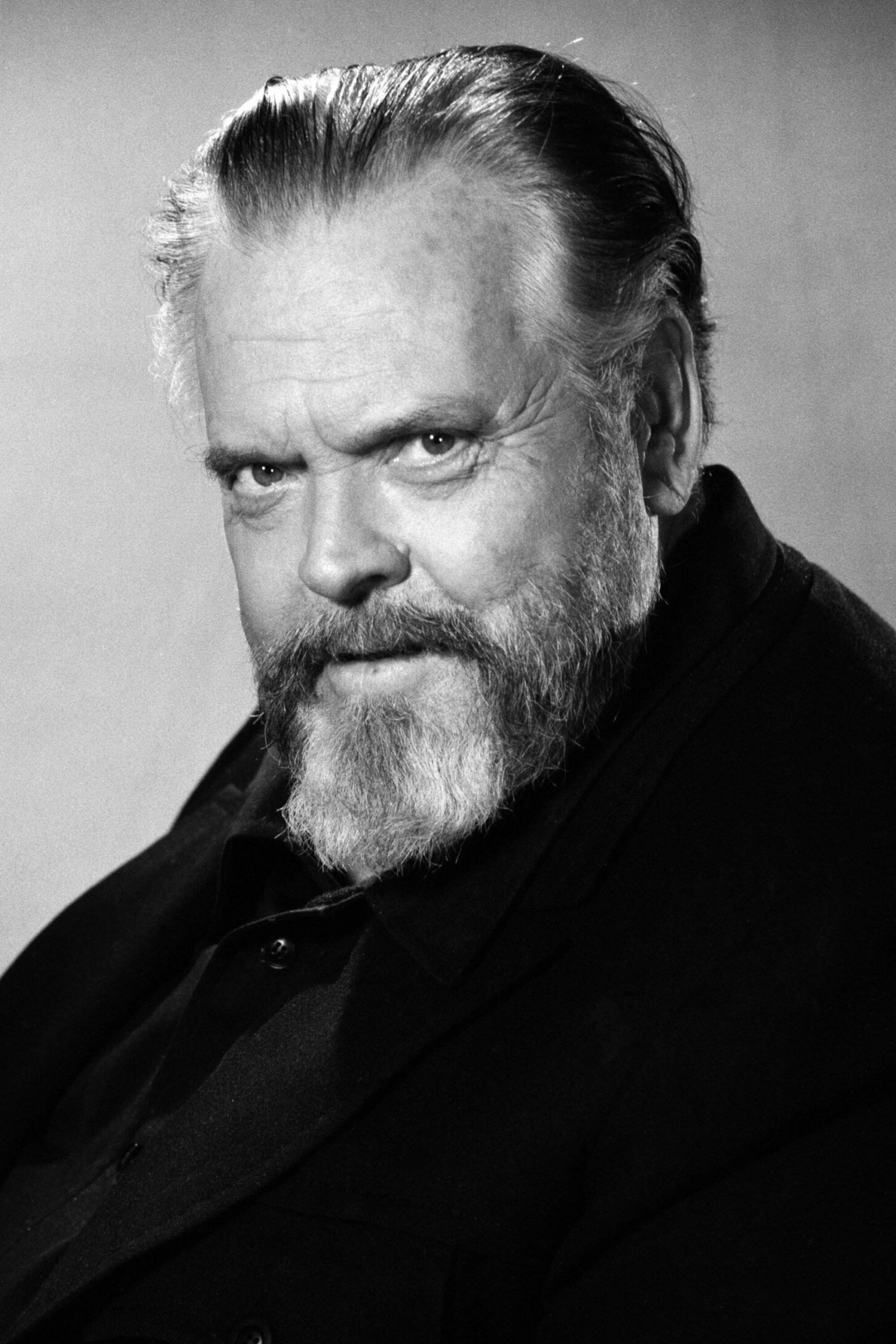
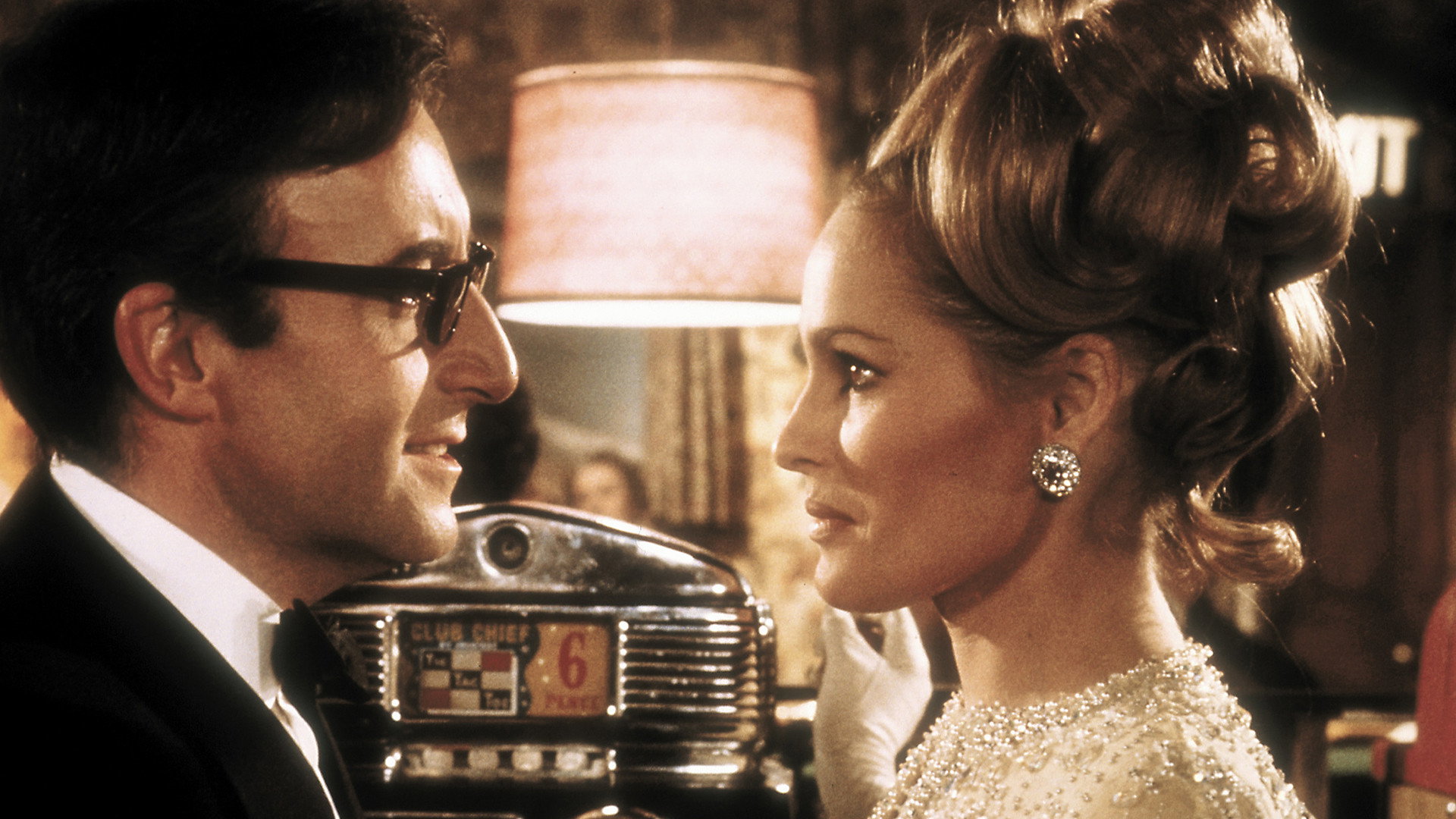
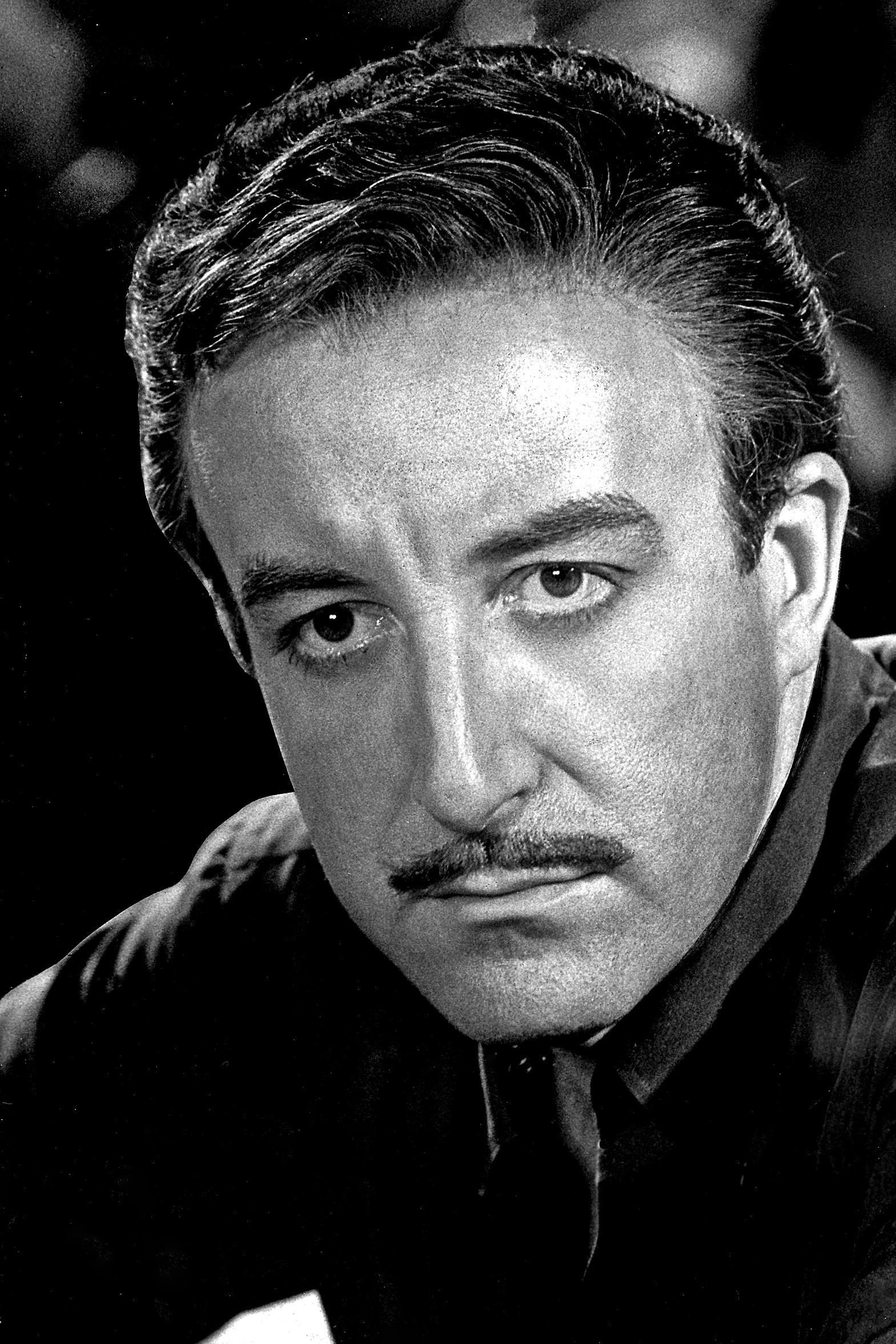
Sellers arrives as Evelyn Tremble, a baccarat expert hired to break Le Chiffre at the tables, and he is funny as he usually is: small, exact, a man trying on voices. The film takes this as permission to keep changing his clothes, and Tremble spends much of his time in disguises the story never asks for. Welles plays Le Chiffre as a card sharp who would rather be doing conjuring tricks, and does several at the table. The two men are seldom in the same shot. Bill Lenny cuts their duel back and forth like a tennis match filmed from two courts, and the scene that should hold the picture together has no tension.

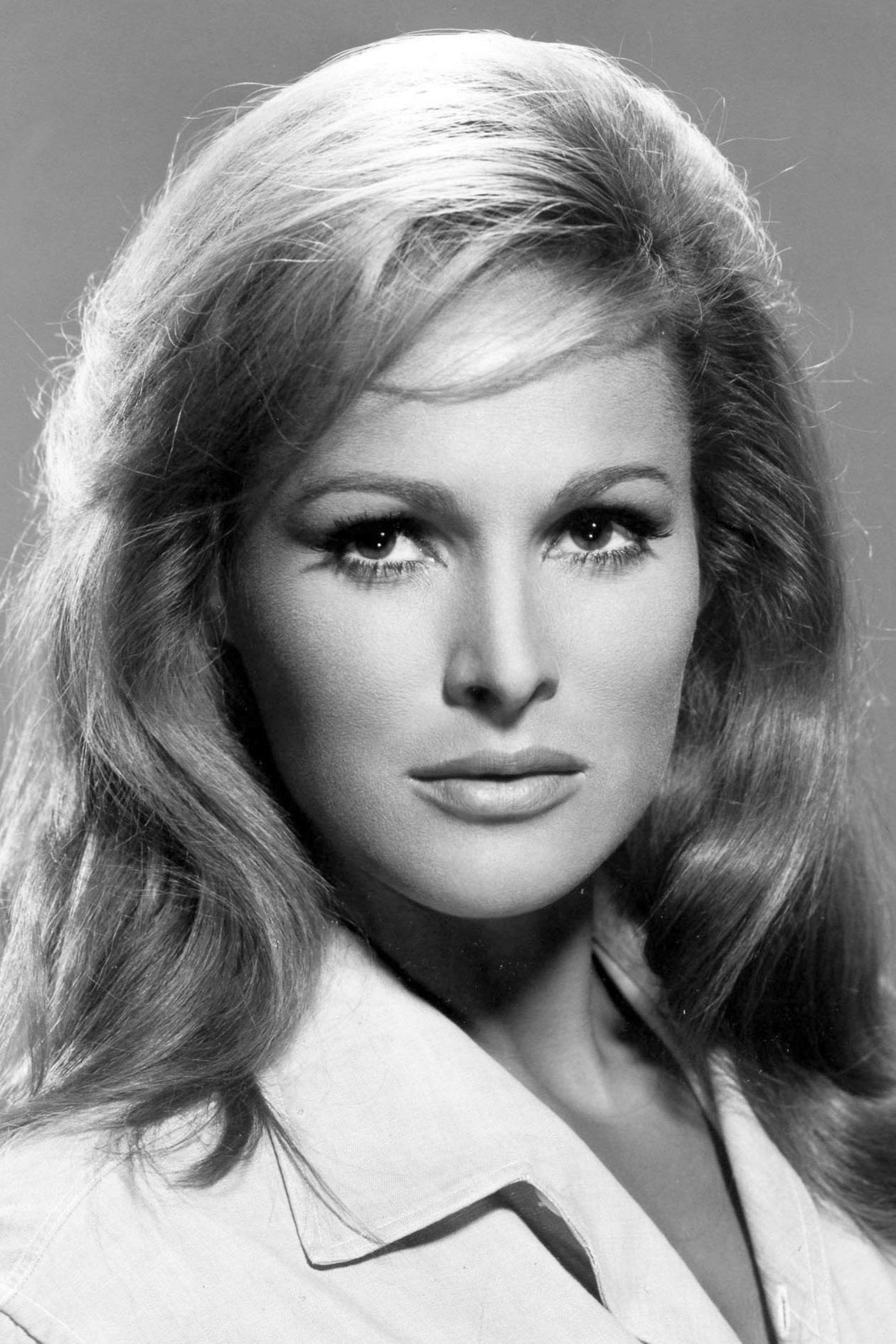
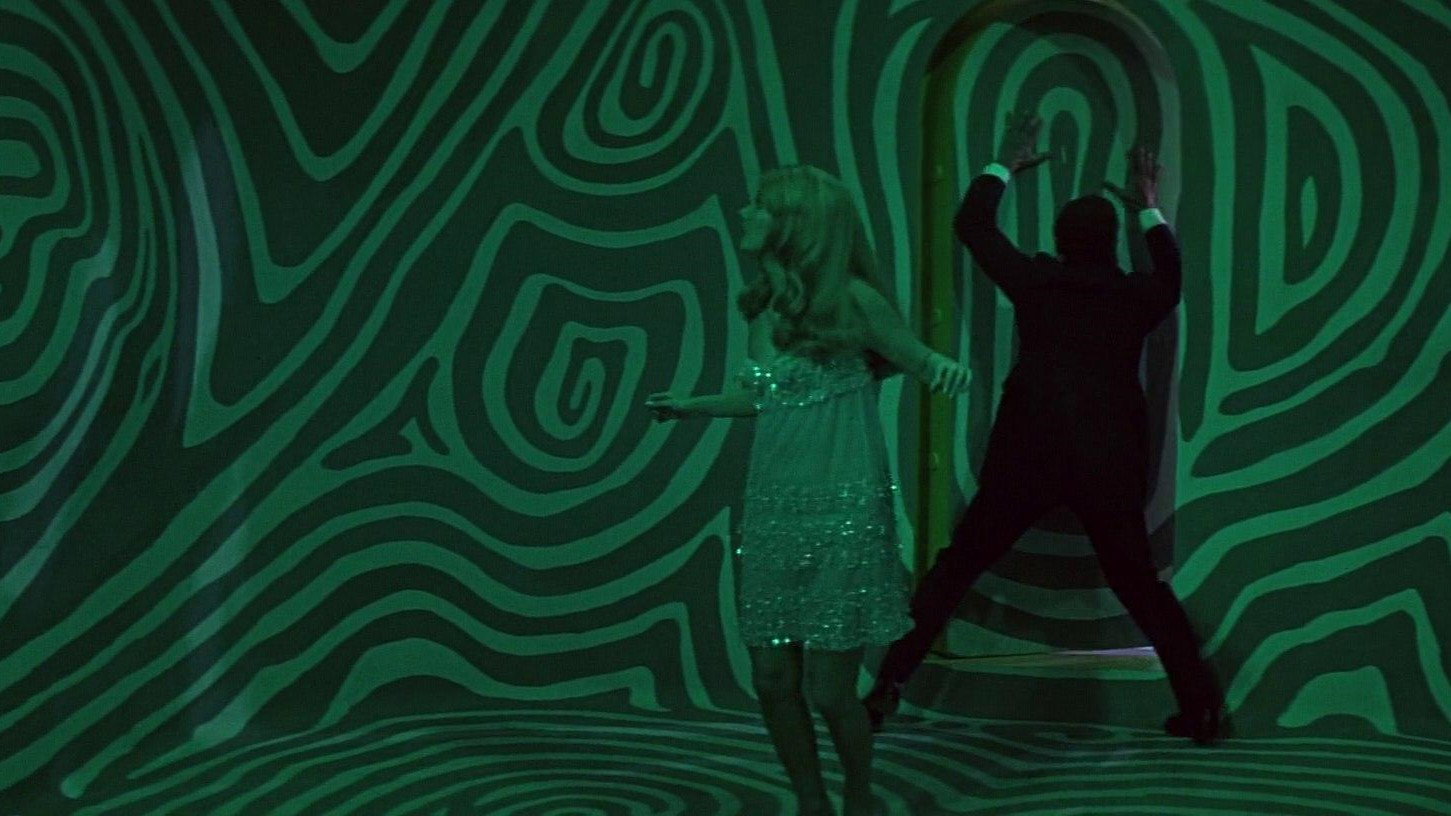
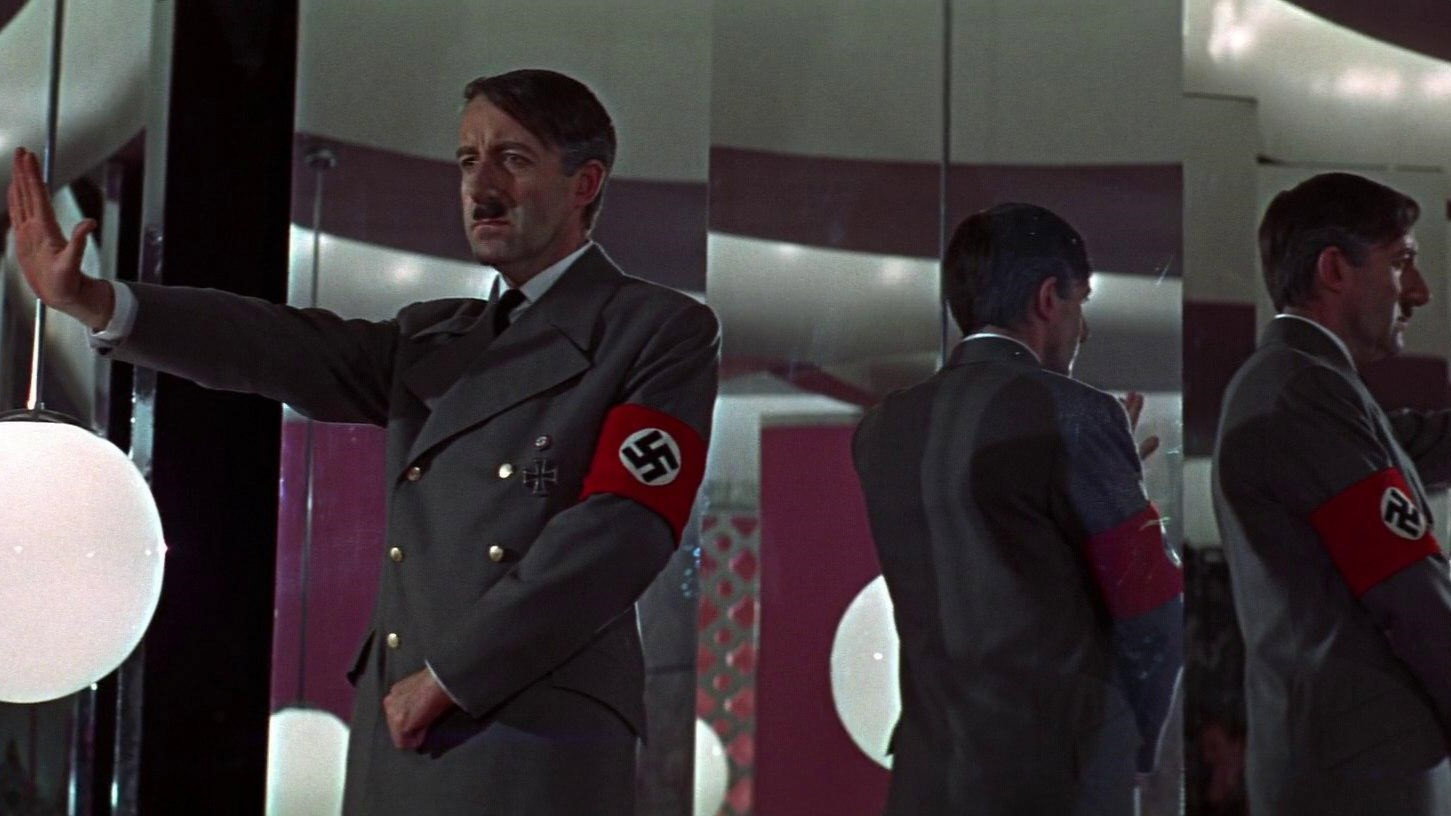
The money is on the screen, and some of it is well spent. Jack Hildyard shoots in flat, saturated colour, pinks and acid greens, and holds the wide frame steady while the actors fall over in it. Michael Stringer’s sets are the film’s best jokes: a spy school in Berlin built from tilted walls and painted shadows, and a villain’s headquarters of white plastic and coloured lights that looks like a department store the morning after a sale. Julie Harris and Anna Duse put Joanna Pettet and Ursula Andress in sequins from collar to hem. Under it runs Burt Bacharach, whose score is the one thing here that was finished. ‘The Look of Love’ arrives about halfway through, over the Sellers and Andress seduction scene, and for three minutes the film is calm, adult and rather lovely.

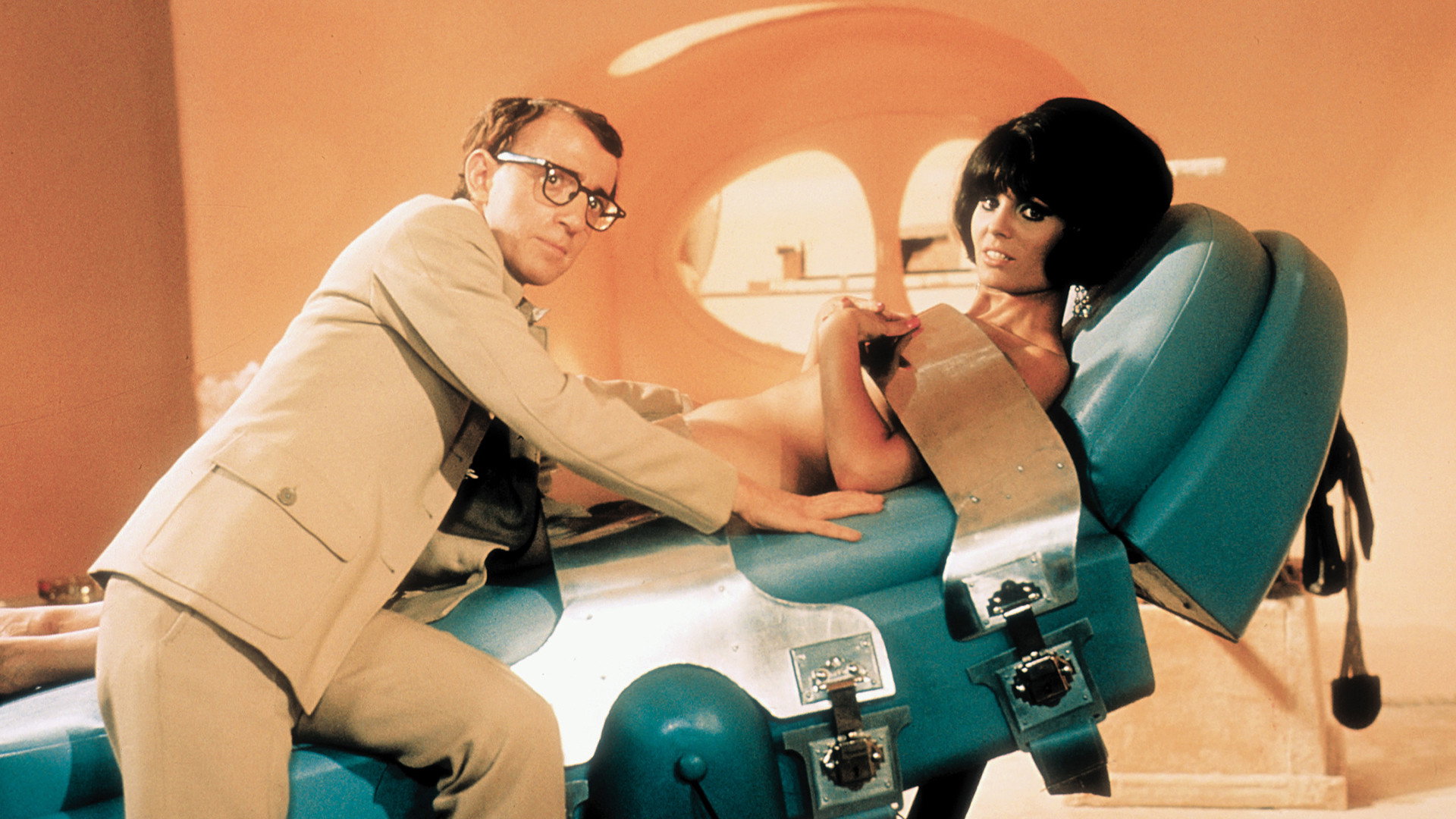
What is missing is anyone joining these pieces up. Joanna Pettet’s Mata Bond is sent to Berlin for an episode with a beginning, a middle and no consequence. Woody Allen’s Jimmy Bond is funny in his first two scenes and then parked for an hour. Daliah Lavi’s The Detainer is a name on the poster and a body on the set. Each director seems to have made his own picture with whichever actors were in the building. The second half takes a turn we will not describe, except that the last quarter of an hour throws in everyone within reach of the studio. We were bored by it, and then cross about being bored, because an hour earlier we had been laughing.

The official Bond films were already halfway to parody by 1967, and this one has nothing sharper to say about the character; it says the same things louder, with more people and larger sets. Nobody in it is bad and almost everybody is underused. Most critics have called it a mess, and it is one. But it has a first act that works and a score you will want to own. Watch until Niven leaves Scotland, and leave the rest to people who enjoy watching money being spent.
Critical consensus AI synthesised

44
Positive
2
Mixed
2
Negative
4

Almost every critic agrees that Casino Royale is a mess, and most blame the same thing: too many directors, too many writers, and a cast of stars each pulling in a different direction. Overstuffed, disorganised and incoherent are the words that recur, and even the reviews that enjoy the film concede that nothing in it holds together. Praise lands in the margins: Burt Bacharach’s score, the psychedelic sets, and the turns from Peter Sellers, Orson Welles and Woody Allen are picked out again and again.

The disagreement is over whether the chaos is a fault or the point, and the spread is wide. The New Yorker finds the film funny in spite of itself, Empire rates it above most of the official Bond films, and Collider recommends it as a fever dream of sixties excess. The harshest verdicts run the other way: Film Comment and Den of Geek call it unfunny and barely watchable, and RogerEbert.com counts it among the most excessive films ever made. The two lowest scores are the most recent.

The New Yorker
29 April 1967 · Brendan Gill
85*

The critic declares the film very funny despite its wildly disorganized plot full of sight gags and anfractuosities. He praises the producers for brilliantly cracking the challenge of making a Bond spoof without Connery and highlights the charming performances and clever casting.

Read the full review →
Empire
28 April 2006 · Kim Newman
65*

The critic describes the 1967 spoof as overpopulated, overstuffed, wildly inconsistent and a total mess, yet finds it expensively insane and entertaining thanks to its terrific Burt Bacharach score, psychedelic sets, inspired lunacy and cameos. It is deemed more engaging and appealing than 75 per cent of the official Bond films despite its flaws.

Read the full review →
Variety
1 January 1967 · Variety Staff
50*

The review describes the film as a wacky comedy extravaganza attempting to spoof Bond but lacking discipline and cohesion overall. It notes some very funny situations and amusing gags from the cast including Niven and Sellers, though many elements feel strained.

Read the full review →
The New York Times
29 April 1967 · Bosley Crowther
35*

The critic views the film as an overpopulated, extravagant burlesque that piles on stars, jokes, and gags to the point of becoming repetitious and tedious. While acknowledging some lively sequences, he finds the slapstick approach and sprawling length make it wearying rather than satisfying.

Read the full review →
RogerEbert.com
1 May 1967 · Roger Ebert
25*

The critic finds the film a chaotic mess resulting from too many cooks improvising without discipline or a coherent script. He notes some amusing moments from Woody Allen and the presence of Orson Welles but concludes the overall indulgence and lack of organization make it one of the most excessive films ever made.

Read the full review →
Film Comment
1 May 2017 · Mark Harris
10*

The critic describes the film as a fascinatingly awful, unfunny, and incoherent hodgepodge resulting from its troubled production with multiple directors and writers. It singles out the over-the-top parody elements and lack of coherence as major flaws while noting its impact on the Bond franchise at the time.

Read the full review →

Cast

If you liked this, try…

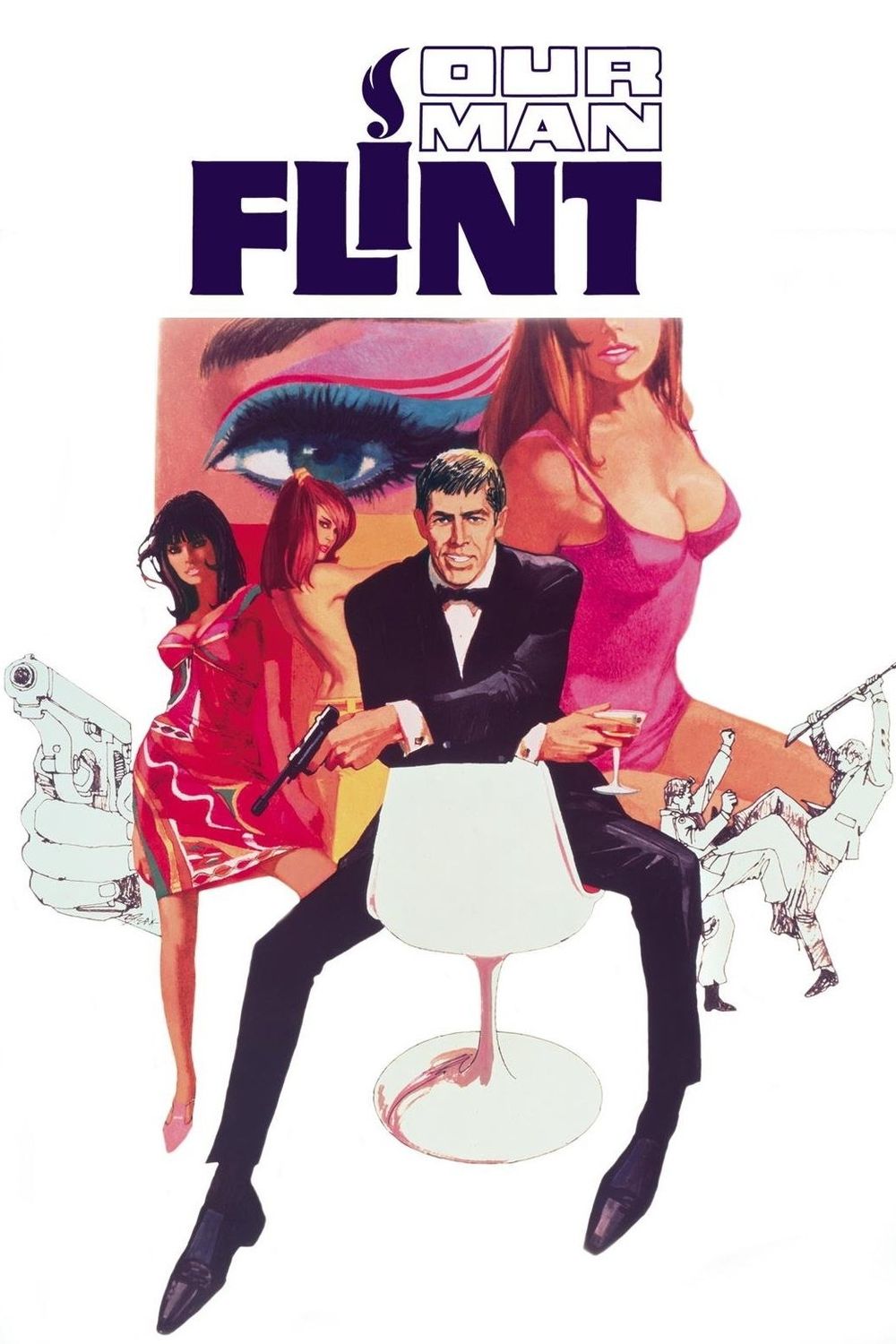
Our Man Flint poster

Our Man Flint

1966 · The American spoof that keeps its jokes in one place and its hero in one suit

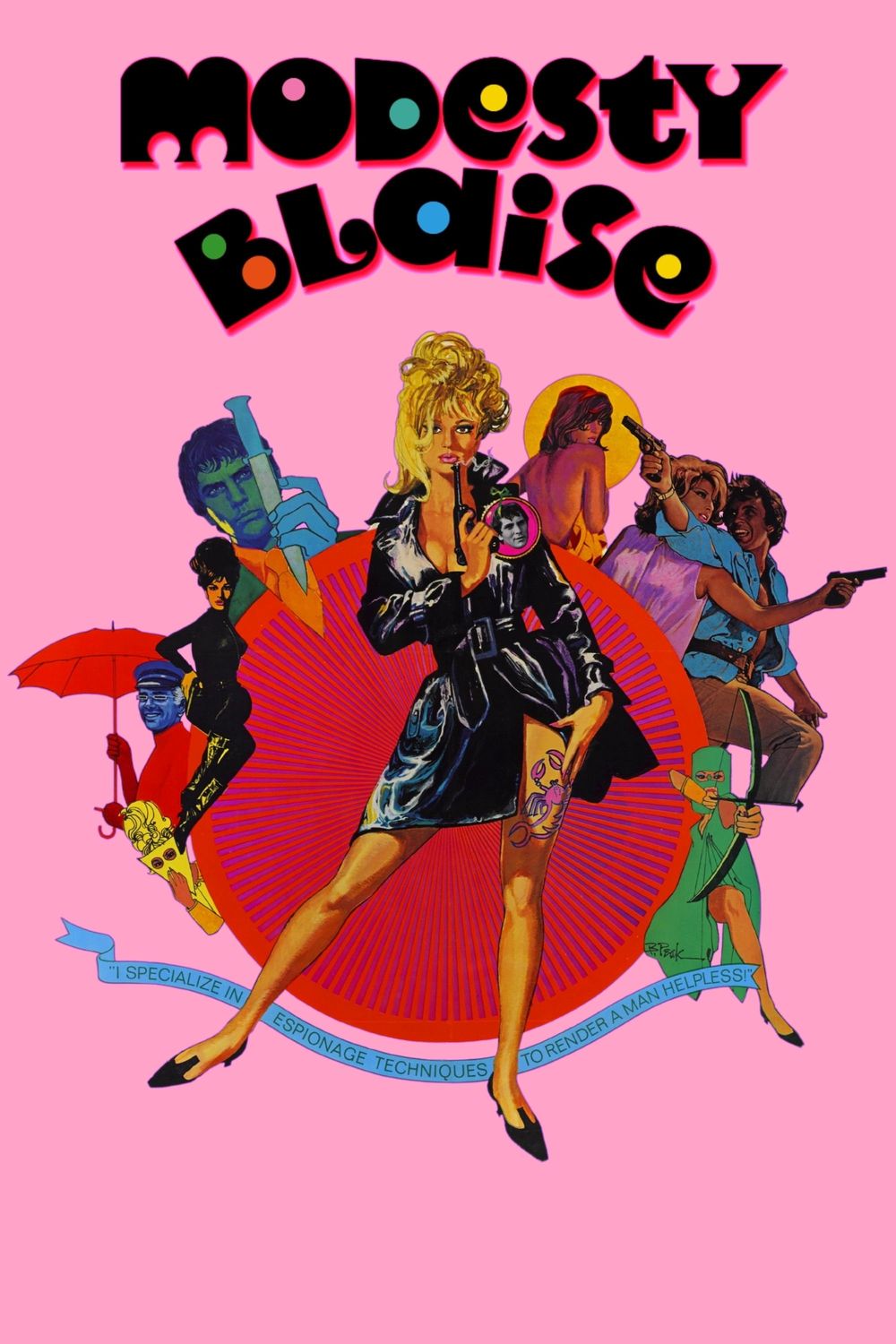
Modesty Blaise poster

Modesty Blaise

1966 · Joseph Losey’s pop-art spy comedy, just as garish and rather more in control

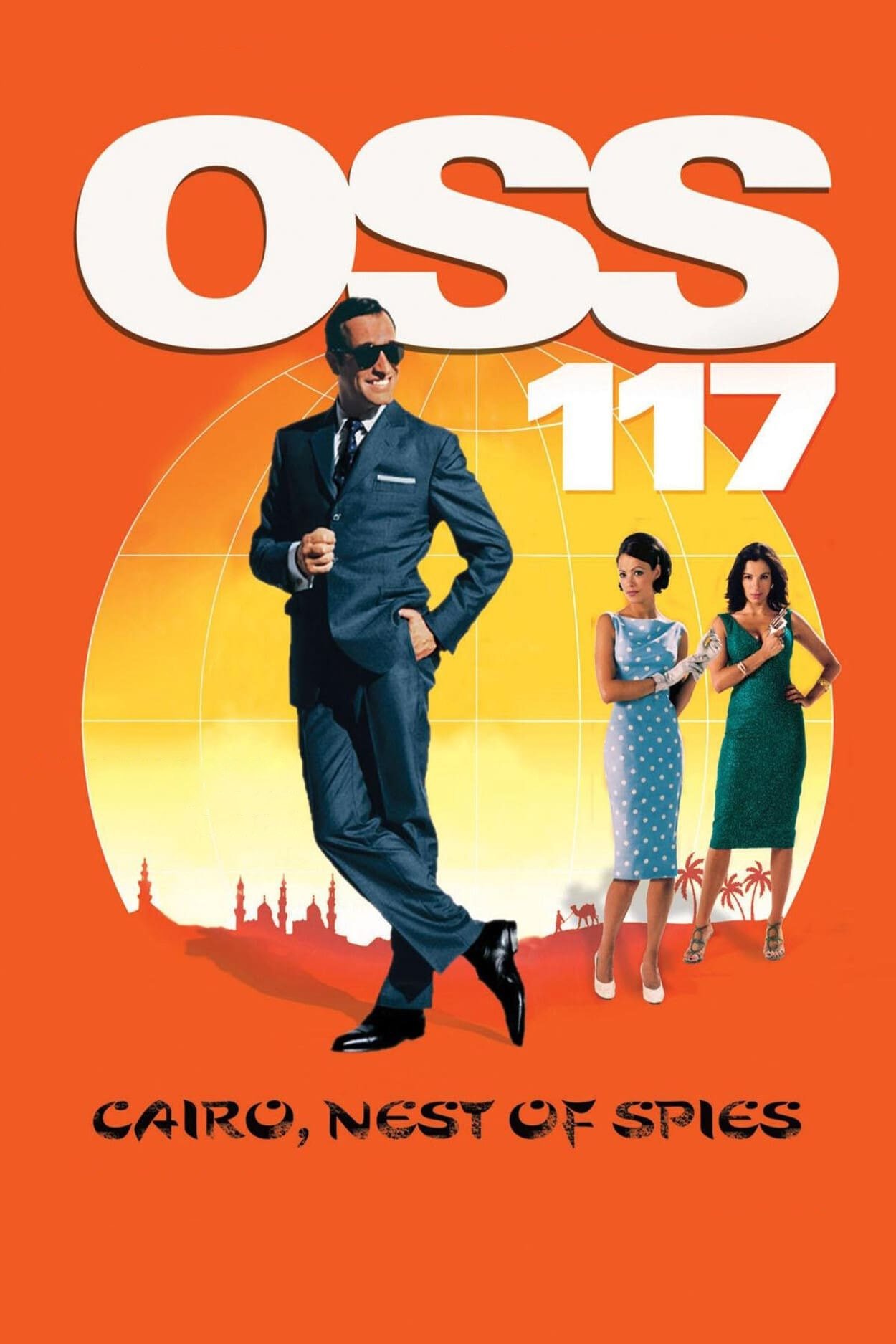
OSS 117: Cairo, Nest of Spies poster

OSS 117: Cairo, Nest of Spies

2006 · The French do the sixties spy send-up with discipline and a straighter face

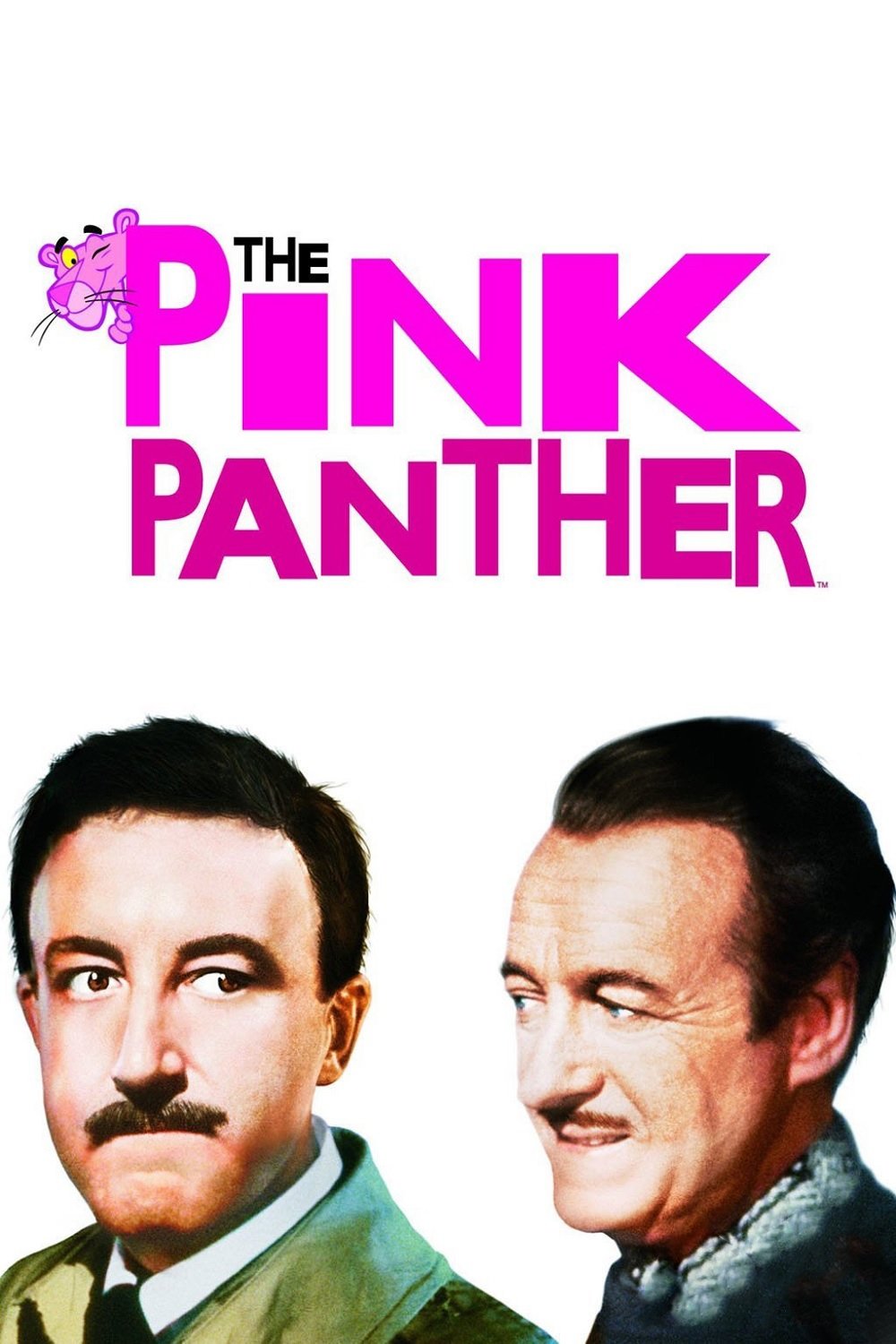
The Pink Panther poster

The Pink Panther

1963 · Sellers given a character rather than a wardrobe, and one director throughout

Austin Powers: International Man of Mystery poster

Austin Powers: International Man of Mystery

1997 · The same target thirty years on, with fewer stars and a firmer grip