Film review

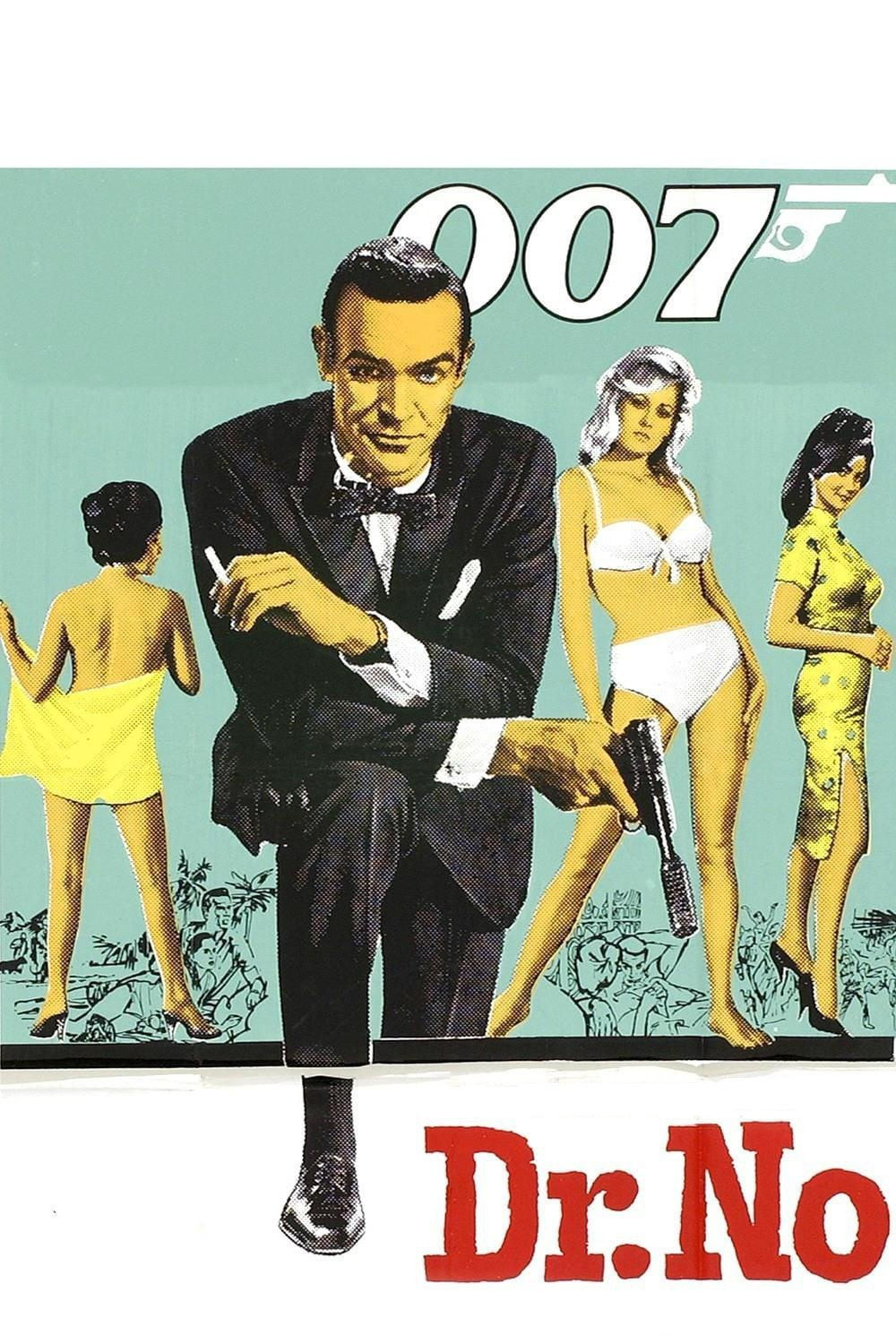
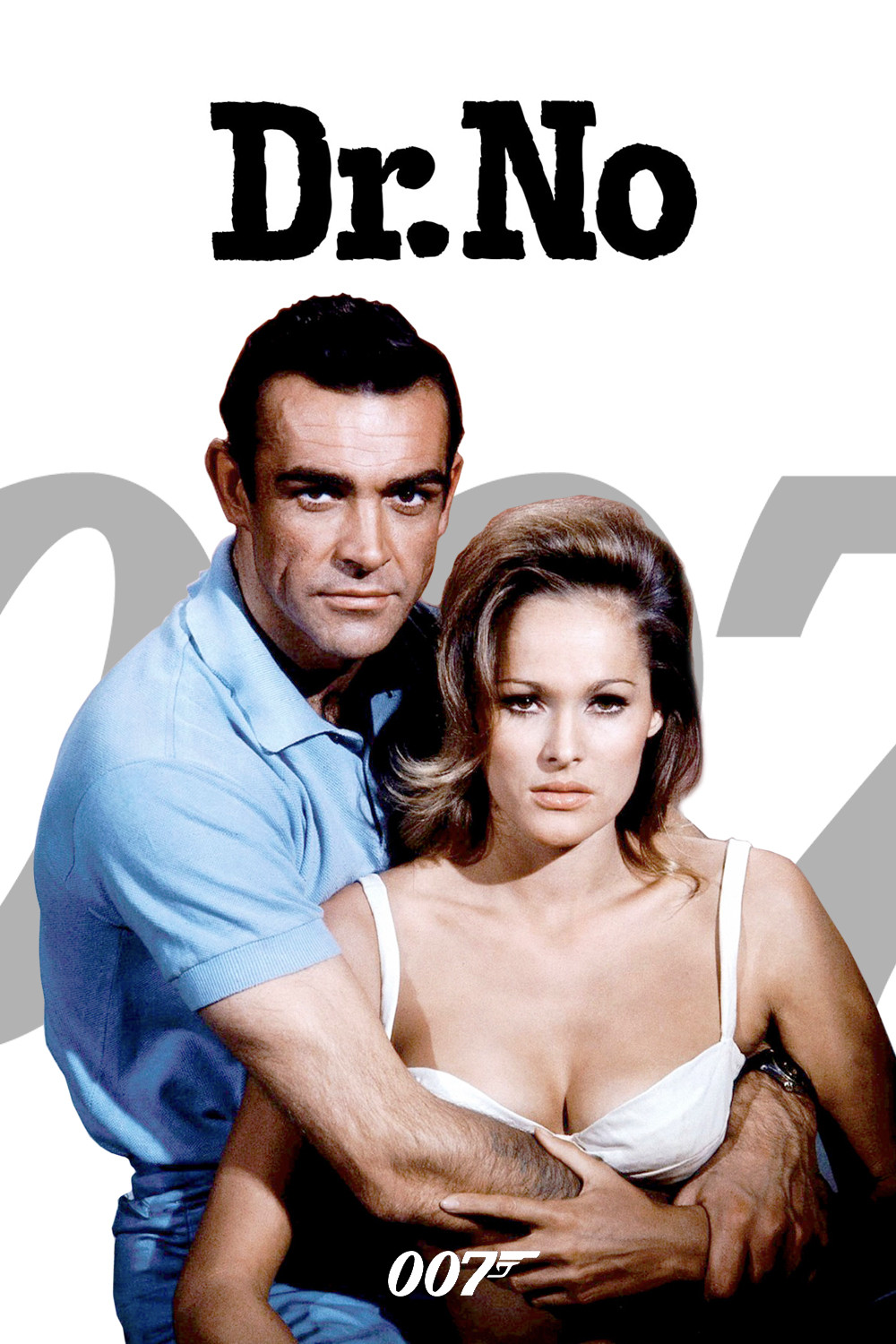
Dr. No

1962 · Directed by Terence Young · 1h 50m · MPA PG

In a sentenceBritain sends one man in a dinner jacket to sort out the atomic age, and the jacket holds up

AdventureActionThriller

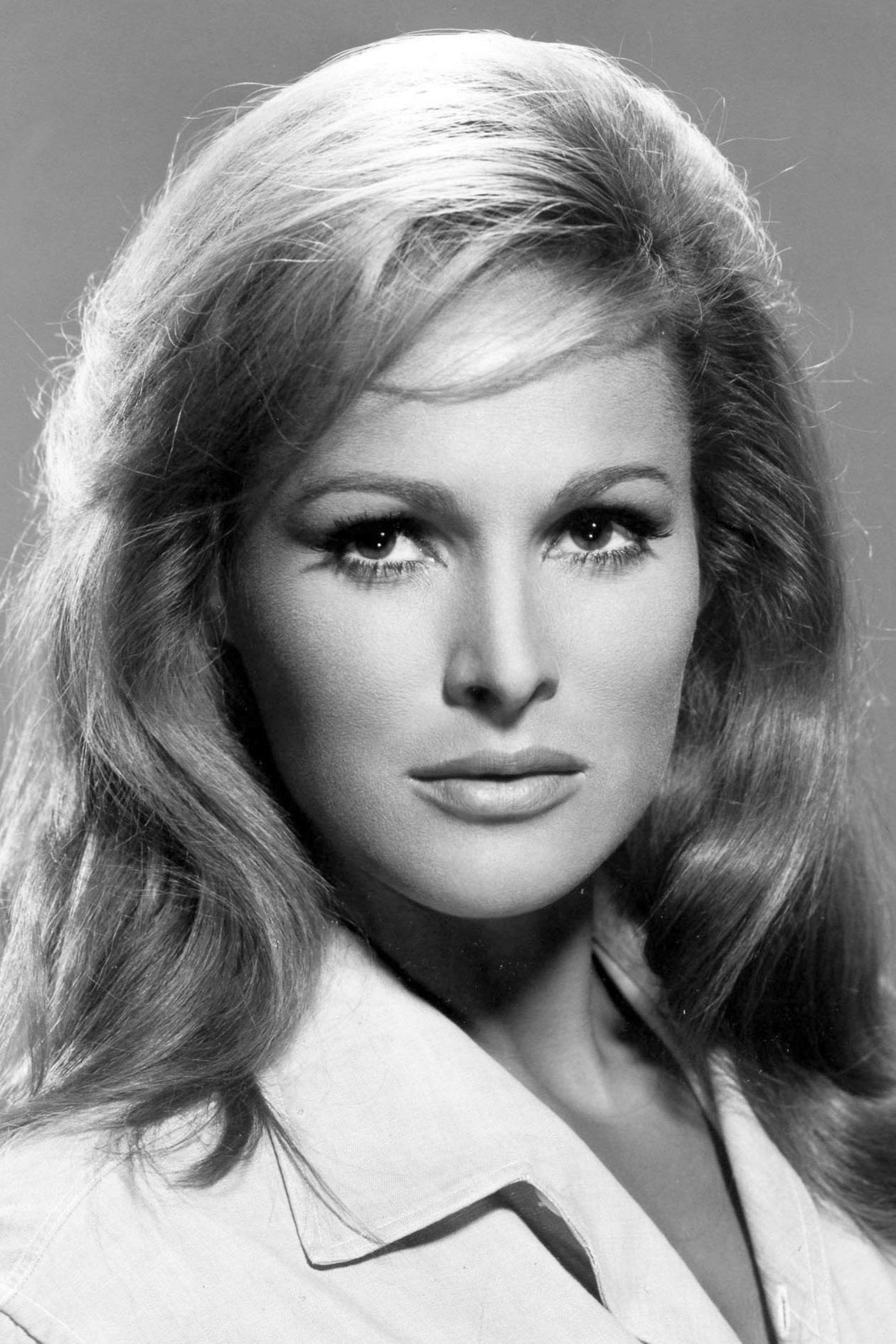
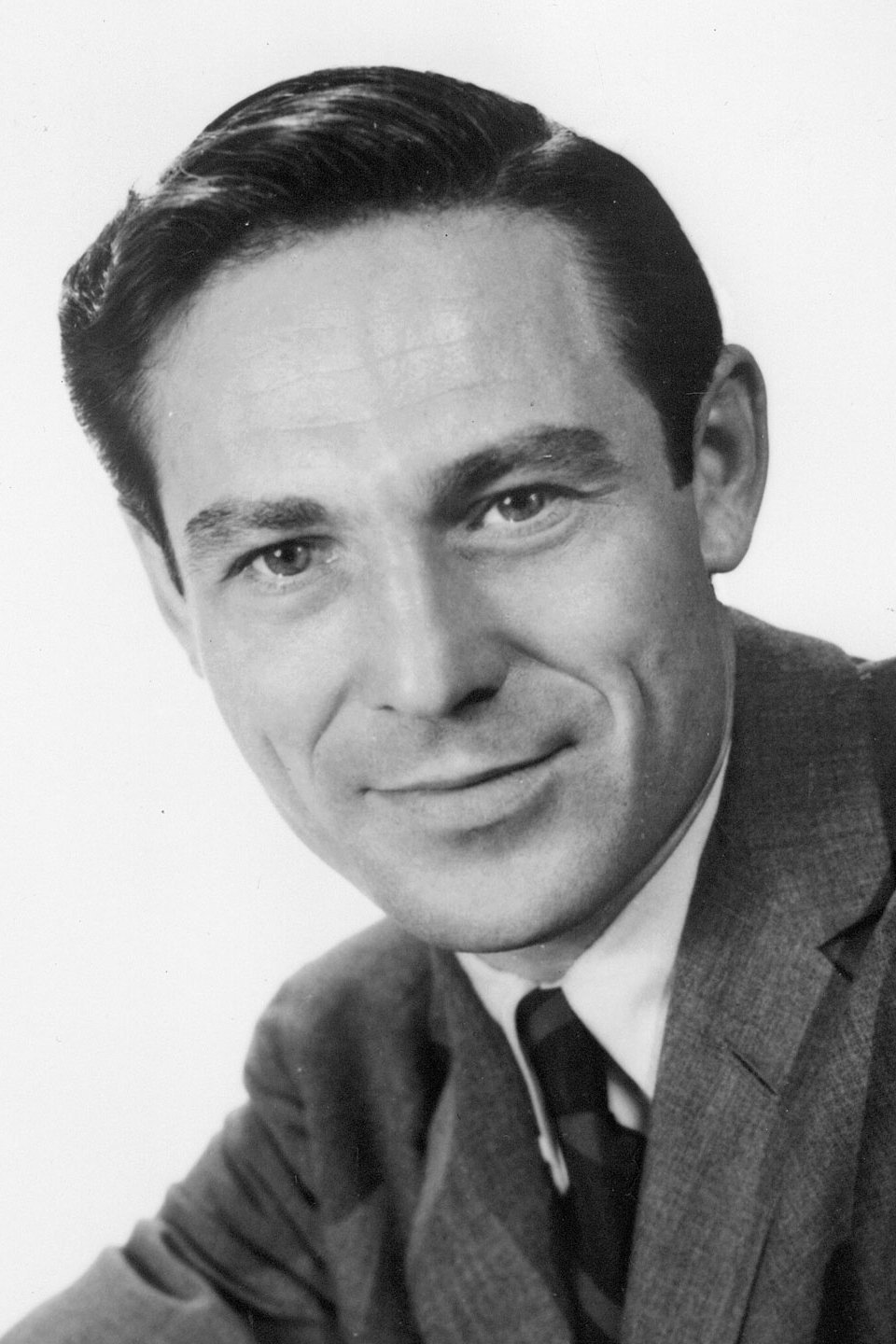
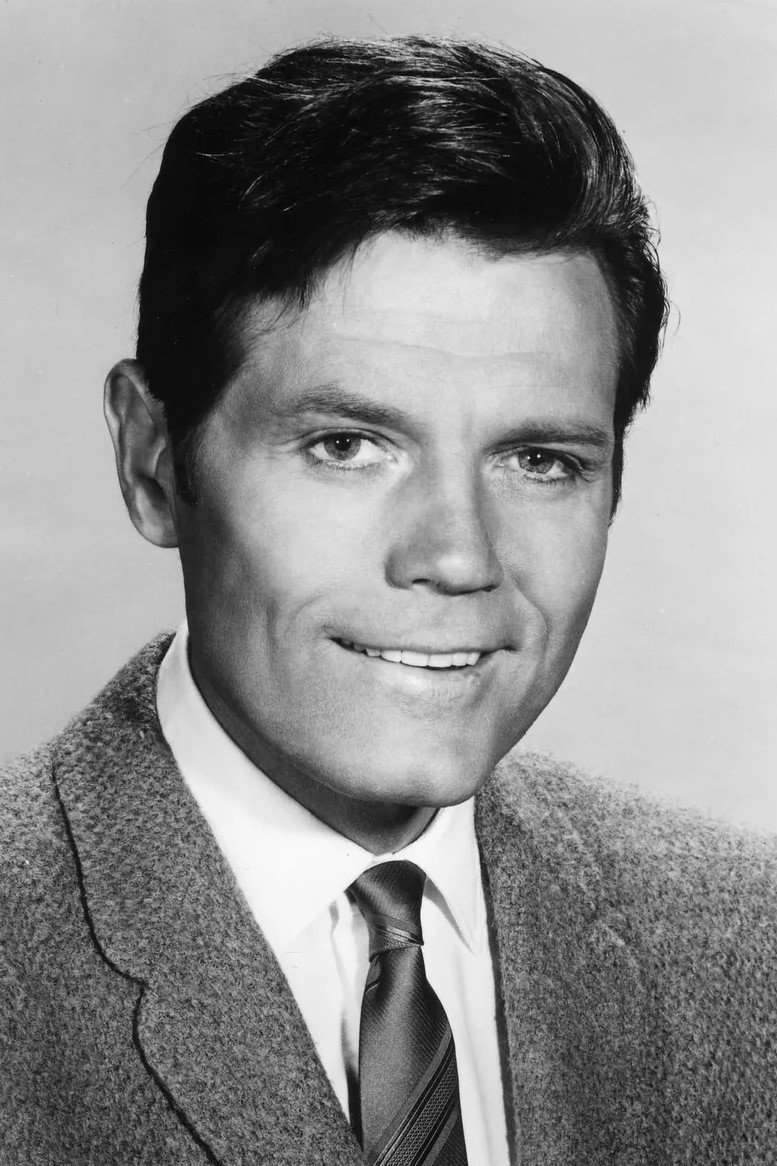
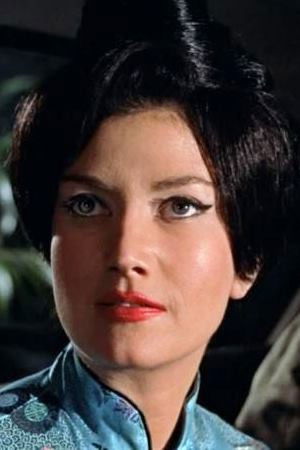
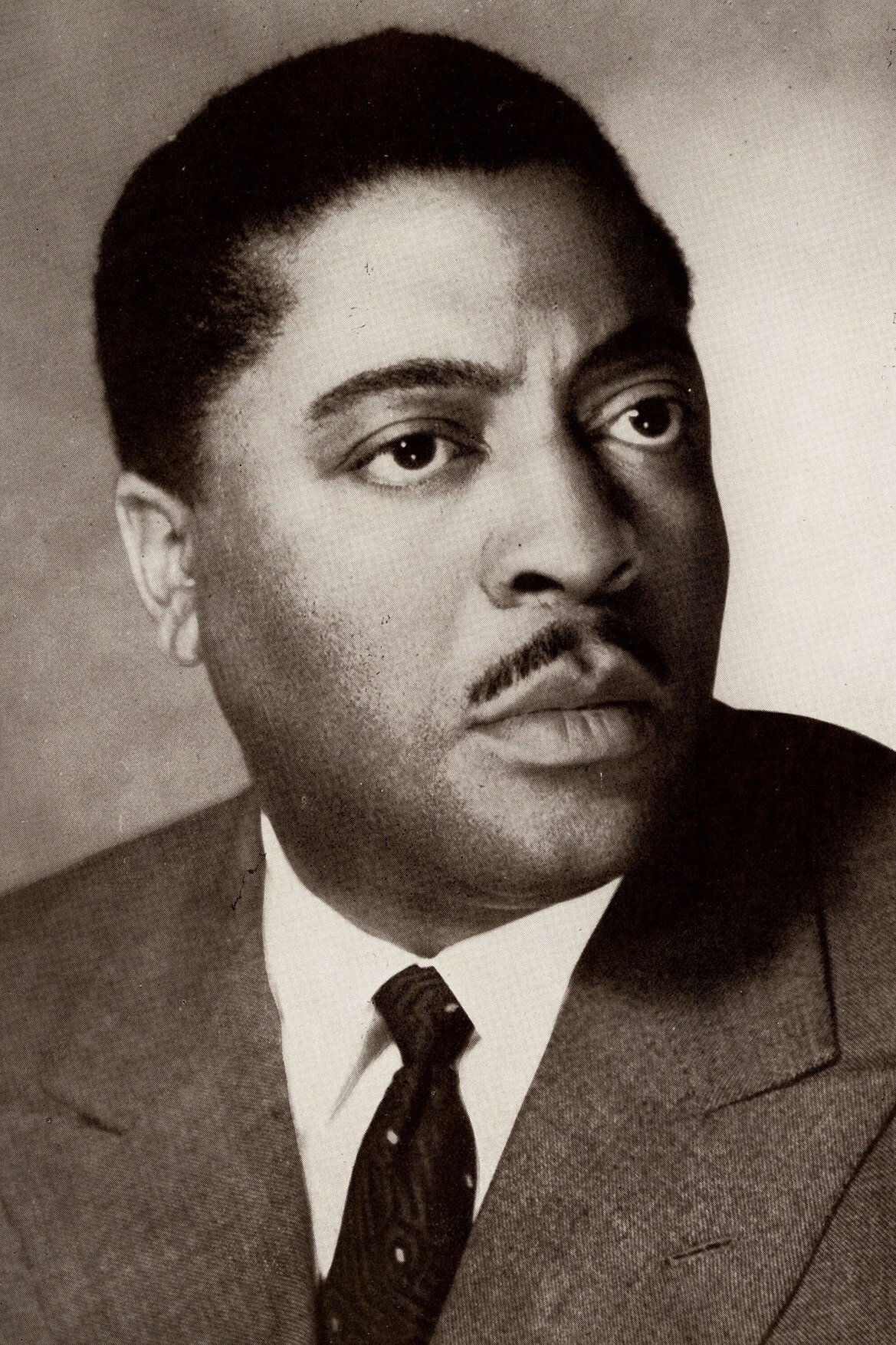
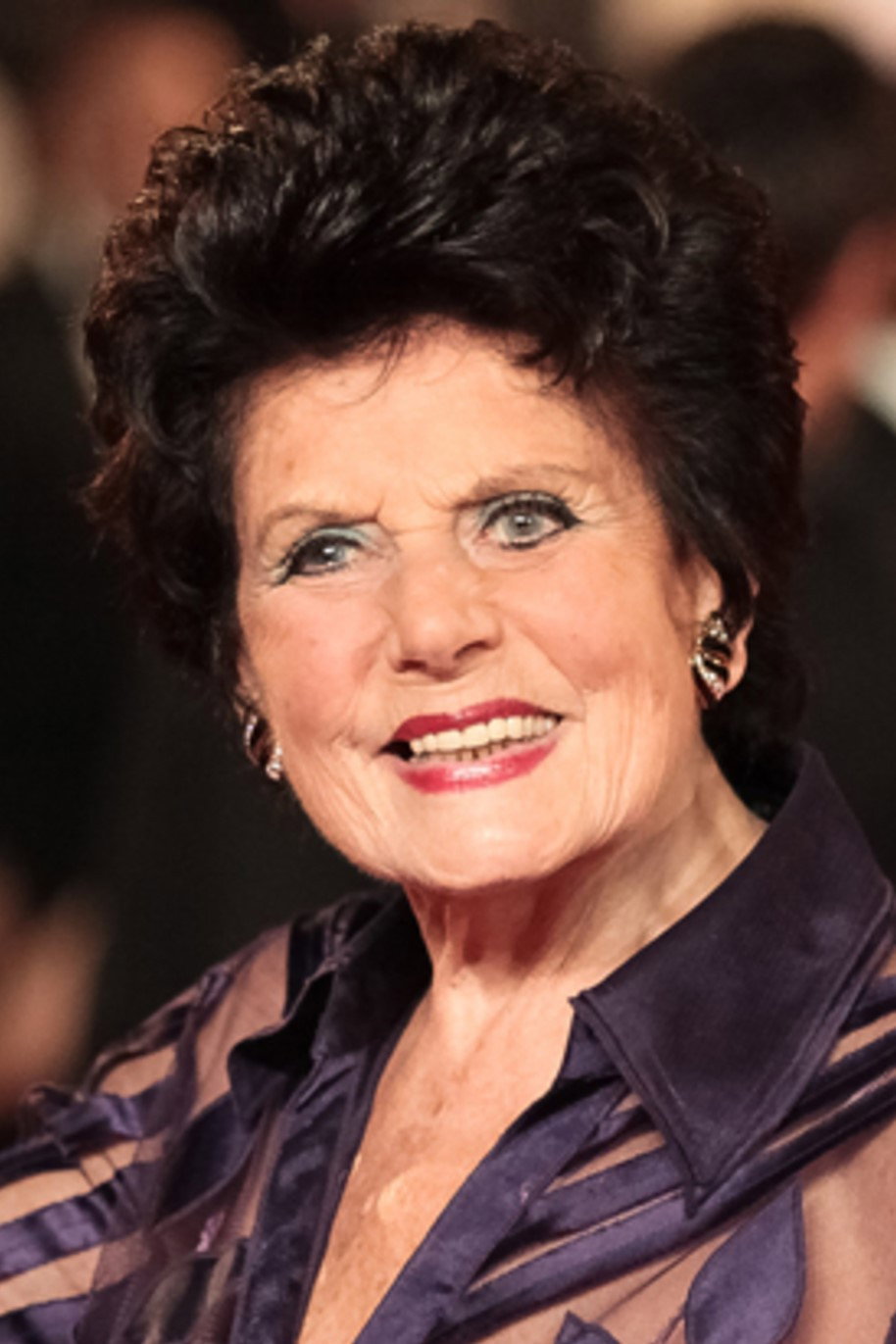
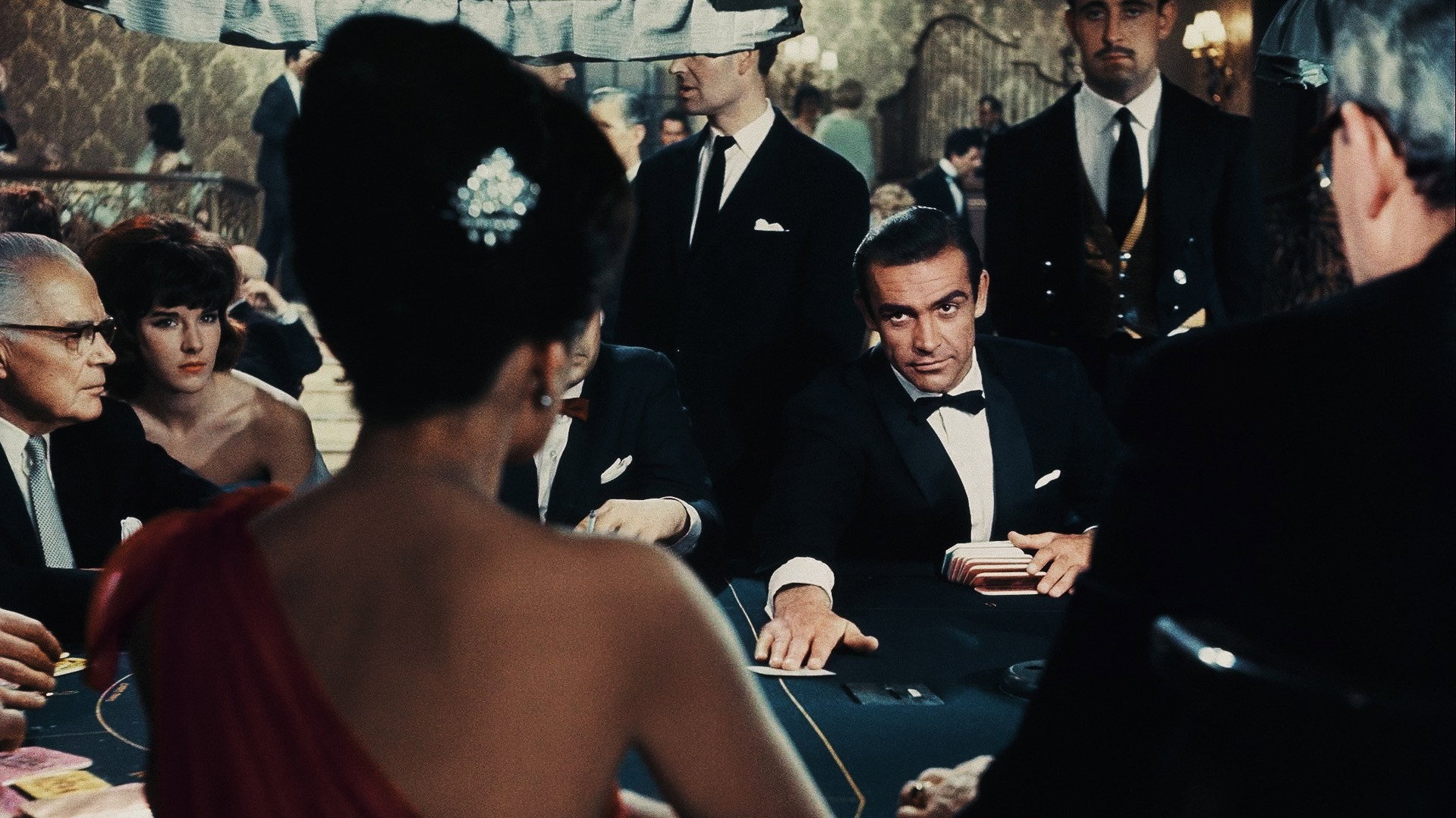
Kingston, Jamaica. The head of the British secret service station there is shot dead outside a club by three men posing as blind beggars, and his secretary is killed minutes later. In London, James Bond (Sean Connery) is called away from a chemin de fer table, and from Sylvia Trench (Eunice Gayson), to be sent out by M (Bernard Lee) to find out what happened. Major Boothroyd (Peter Burton) swaps his Beretta for a Walther PPK on the way. In Jamaica, Bond is met by a chauffeur who is not the one the Governor sent, followed by CIA man Felix Leiter (Jack Lord) and the boatman Quarrel (John Kitzmiller), and introduced to Professor R. J. Dent (Anthony Dawson), who examined some rock samples from a nearby island called Crab Key. Nobody who goes there comes back.

Fi1m review

The first Bond is smaller, quicker and odder than the series it started, and Connery’s introduction still lands. Half a dozen things in it have dated badly and the middle third dawdles, but the good parts hold.

Terence Young’s Dr. No is the first of the Bond films, and it is smaller than anything that came after: one island, one villain, one gadget, and that a handgun. Watching it now, with sixty years of the series behind it, what strikes us is how little it needs. Harry Saltzman and Albert R. Broccoli’s production has no volcano and no space station. It has Jamaica, a few good sets and Sean Connery, and that is enough for a good evening, if not the great one its admirers remember.

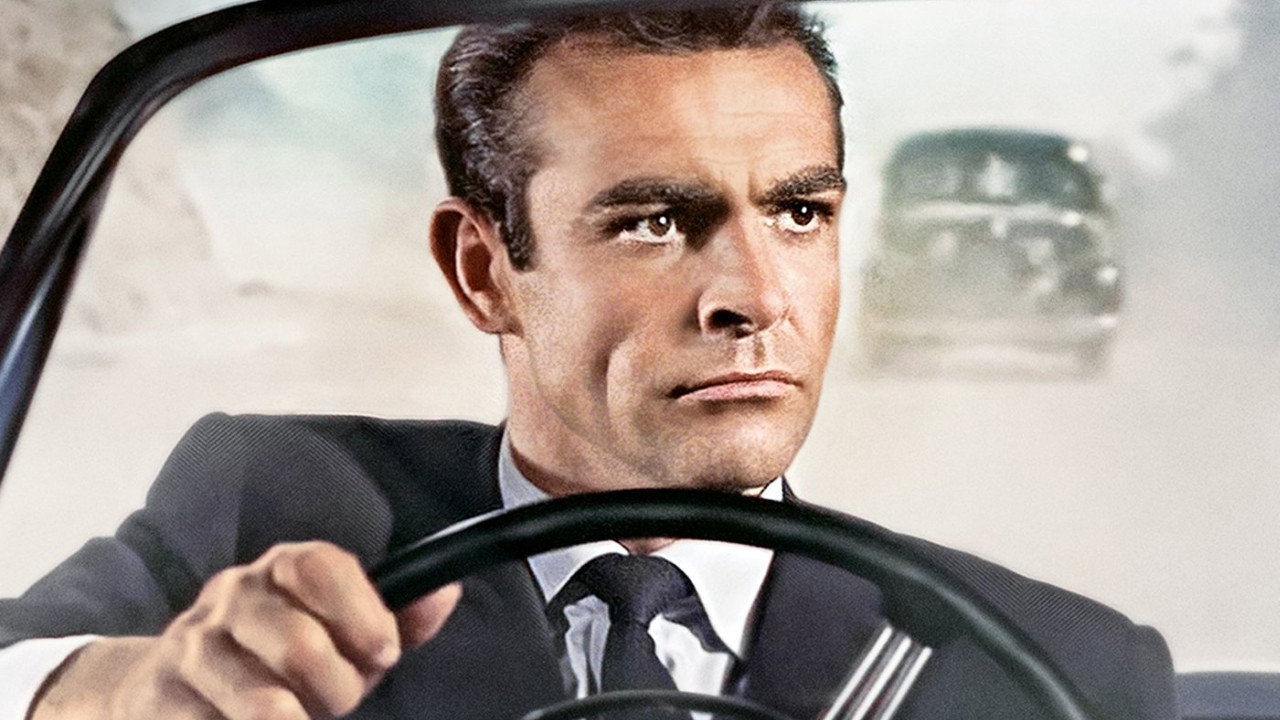
Connery’s introduction is the best thing in it, and everyone says so, and everyone is right. Young keeps the camera on the back of his head at the chemin de fer table while Eunice Gayson’s Sylvia Trench loses and doubles, and only shows us his face when he lights a cigarette and gives his name. It is a trick, and a cheap one, and it works completely. Connery plays Bond as a man who finds most things slightly funny and nothing frightening. The scenes at M’s office, with Bernard Lee sour behind the desk and Lois Maxwell’s Moneypenny flirting in the outer room, sketch a whole civil service in about four minutes.

Ted Moore shoots Jamaica in colours the British screen was not used to: hard blue water, white roads, red flowers in the foreground of a shot about a murder. Ken Adam, whose sets became the series’ signature, gets his first go here on a budget that shows and does not matter. Professor Dent’s briefing room is a chair, a table and a circular grille in the ceiling throwing a shadow across the floor, and it is more frightening than any of the later lairs with their monorails. Dr. No’s dining room, with a wall of glass onto the sea bed and fish drifting past the cutlery, is where the film decides it is allowed to be absurd.

The scene we still flinch at is the tarantula. Bond wakes to find one walking up his arm under the sheet, and Young and editor Peter R. Hunt hold on Connery’s face, sweating, not breathing, with Monty Norman’s music gone entirely. We went rigid on the sofa, and we have seen the film several times. Hunt cuts the fights hard and short, a punch and a fall and out, and it is his pace more than the script’s that keeps the Kingston section moving. Without it, the middle third, with its back-projected car chase and its rounds of who-is-the-real-chauffeur, would sag. It sags a little anyway.

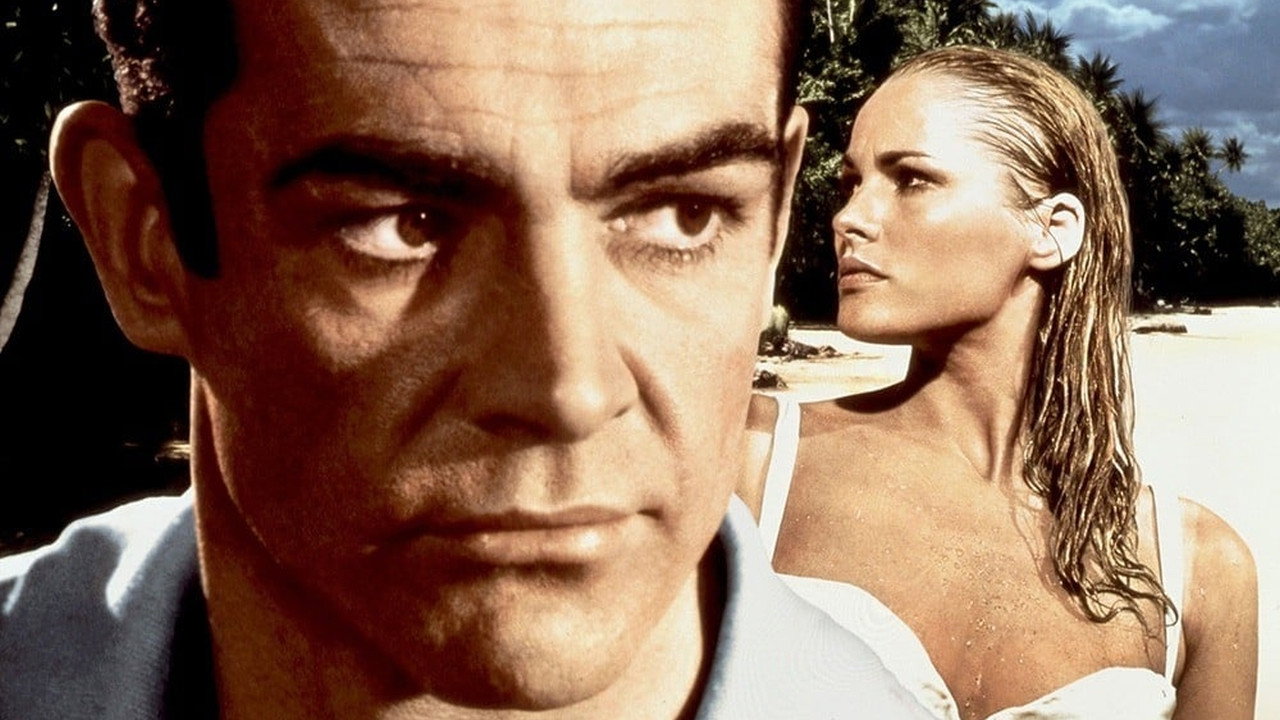
Then there is Honey Ryder. Ursula Andress walks out of the sea in a white bikini with a knife on her hip, singing, and the film has one of the images it will be remembered by. It is also the point at which the script, by Richard Maibaum, Johanna Harwood and Berkely Mather from Ian Fleming’s novel, stops knowing what to do with her. Andress is given a sad past in one speech and thereafter mostly told to run. Joseph Wiseman’s Dr. No arrives late, talks quietly, wears metal hands, and is the better for keeping his voice down. The casting of a white actor in make-up as a half-Chinese villain is the sort of thing the film does without a thought, and we noticed. So is the moment Bond tells Quarrel, played with real warmth by John Kitzmiller, to fetch his shoes.

The plot, when it arrives, is about knocking American rockets off course by radio beam, and it is explained over dinner rather than shown. It does not matter much. The film is a travelogue with a pistol in it, and its pleasures are all in the manner: Connery straightening his tie before a fight, Norman’s twanging guitar theme arriving fully formed over the titles, the confidence with which a modest British production behaves like a large American one.

Young made two more Bonds and the next is better, but this one has a plainness the series lost quickly and never got back. Start here if you have never seen one, and watch it knowing that everything added over the following fifty years was optional. At 110 minutes it is done before dinner.
Critical consensus AI synthesised

78
Positive
10
Mixed
0
Negative
0

Every one of the ten reviews comes down in the film’s favour, and the praise gathers in the same places. Critics agree that Sean Connery arrives fully formed, with the casino introduction repeatedly named as the moment the character is fixed. Ursula Andress’s walk out of the sea is mentioned almost as often, and Joseph Wiseman’s villain is credited with real menace. Terence Young’s pacing and the tongue-in-cheek blend of sex, violence and wit are held to set the pattern the series follows.

The spread is narrow, running from cheerfully approving to outright enthusiastic, with nobody dissenting. The 1960s notices from The Times, The New York Times and The New Yorker enjoy it as expert, lurid hokum rather than anything more, while later writers rate it higher, valuing its modest scale and Ken Adam’s sets against the bloat of later entries. The Playlist alone dwells on dated elements. Radio Times sits at the top with unqualified praise.

Radio Times
★★★★★ · Alan Jones
100

The James Bond series launched in great style as cleverly conceived escapism true to Fleming's novels, with terrific action, exotic atmosphere, witty humour and Ursula Andress's star-making entrance. Sean Connery is perfect as the dashing, debonair agent.

Read the full review →
Empire
1 January 2000 · Kim Newman
90*

The critic calls it one of the most satisfying Bond films and the strong start to the franchise. They single out Connery's suave introduction as Bond, Wiseman's chilling villain performance, Andress's iconic entrance, and the film's establishment of the series' signature elements like the theme music and titles sequence.

Read the full review →
The AV Club
6 April 2020 · Mike D'Angelo
80*

The critic praises Dr. No as a modest, realistic spy film focused on routine espionage and clever spycraft rather than later franchise bloat, noting how it established many Bond conventions while feeling fresh and assured. The small-scale approach, including Ken Adam’s set design and Ursula Andress’s iconic entrance, is singled out for praise as a palate-cleanser.

Read the full review →
The New Yorker
25 May 1963 · Brendan Gill
70*

The critic judges the movie a trashy success even though the source novel is a trashy failure, thanks to its nonstop action, brilliant color, and marzipan-like fantasy world. Sean Connery makes an admirable Bond, supported by strong turns from Joseph Wiseman and Ursula Andress.

Read the full review →
The New York Times
30 May 1963 · Bosley Crowther
70*

The critic finds the film a lively, amusing tinseled action-thriller and effective spoof of science-fiction and sex rather than serious drama. It entertains through its exaggerated adventures, stunts, and encounters rather than plot credibility.

Read the full review →
The Times
4 October 1962
70*

The critic describes Dr. No as a carefully and expertly made exercise in violence and sadism, presenting it as the last word in sophisticated thrills with modern trimmings of sex. The villain's atomic station setup and the leads' experiences in Jamaica are highlighted amid the film's up-to-date pattern.

Read the full review →

Cast

Awards

Golden Globes, 1963

Won
New Star of the Year – Actress

If you liked this, try…

From Russia with Love poster

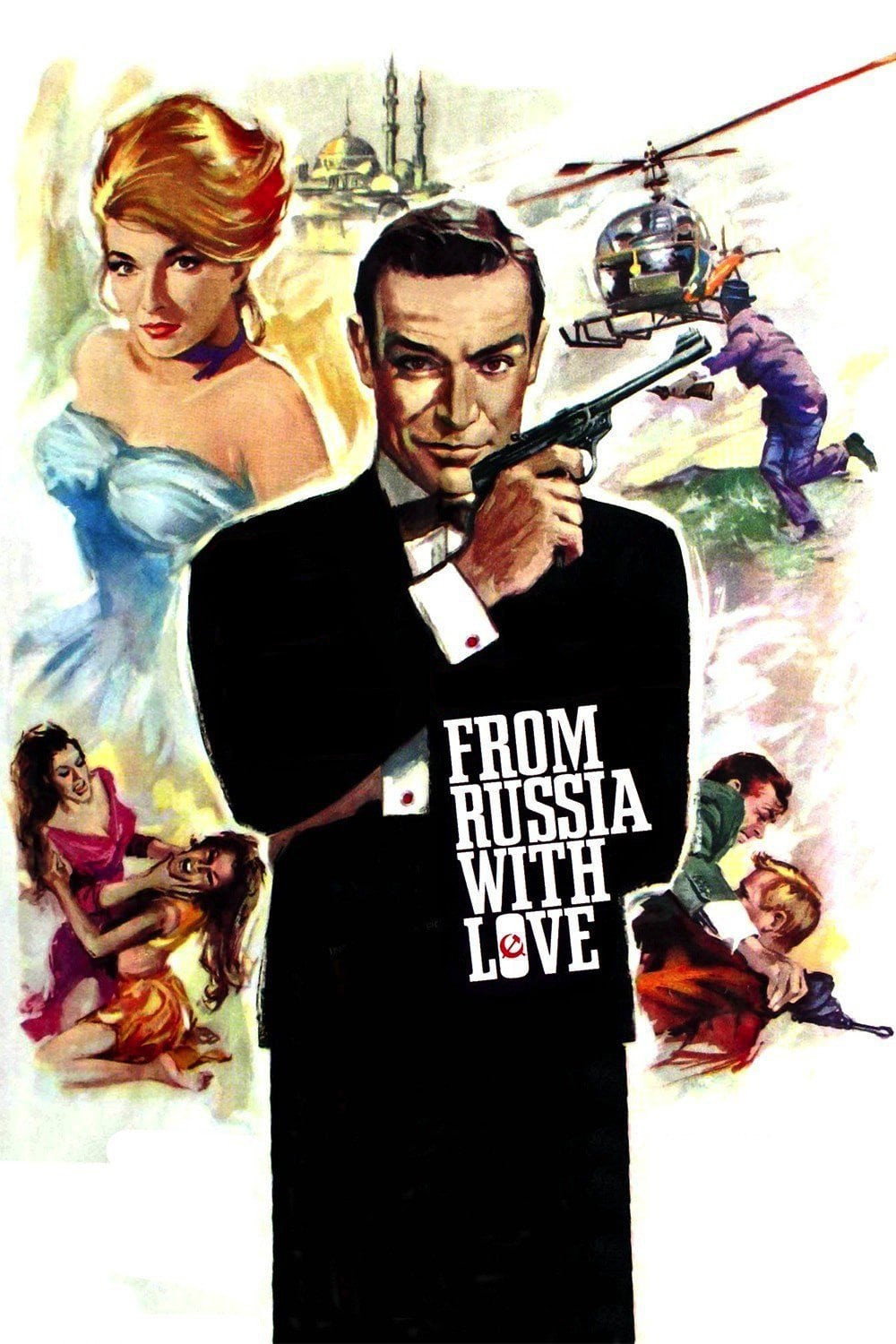
From Russia with Love

1963 · Young’s second Bond, tighter and nastier, with a train fight the series never bettered

North by Northwest poster89

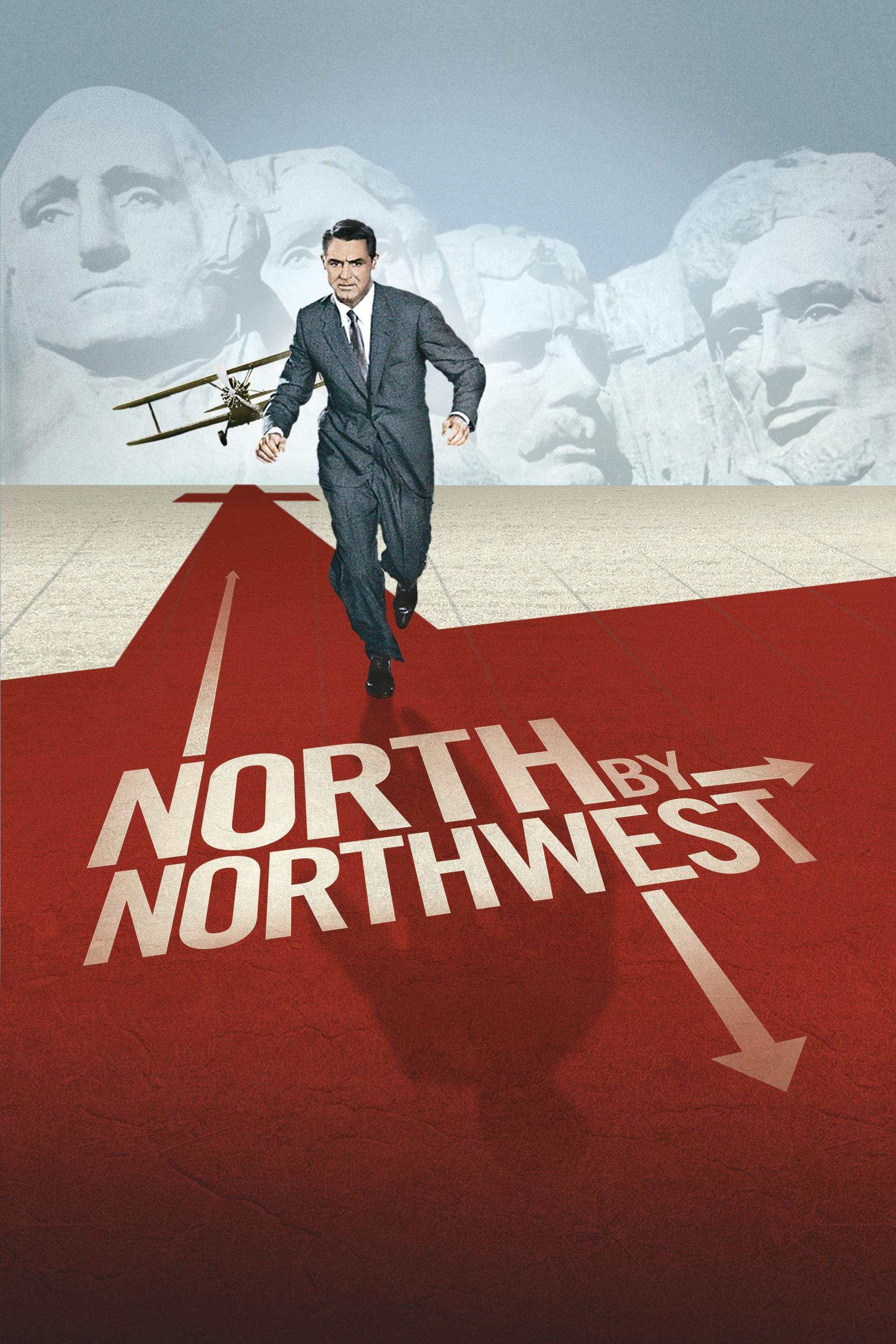
North by Northwest

1959 · Hitchcock’s suave man on the run, the model for every later spy in a good suit

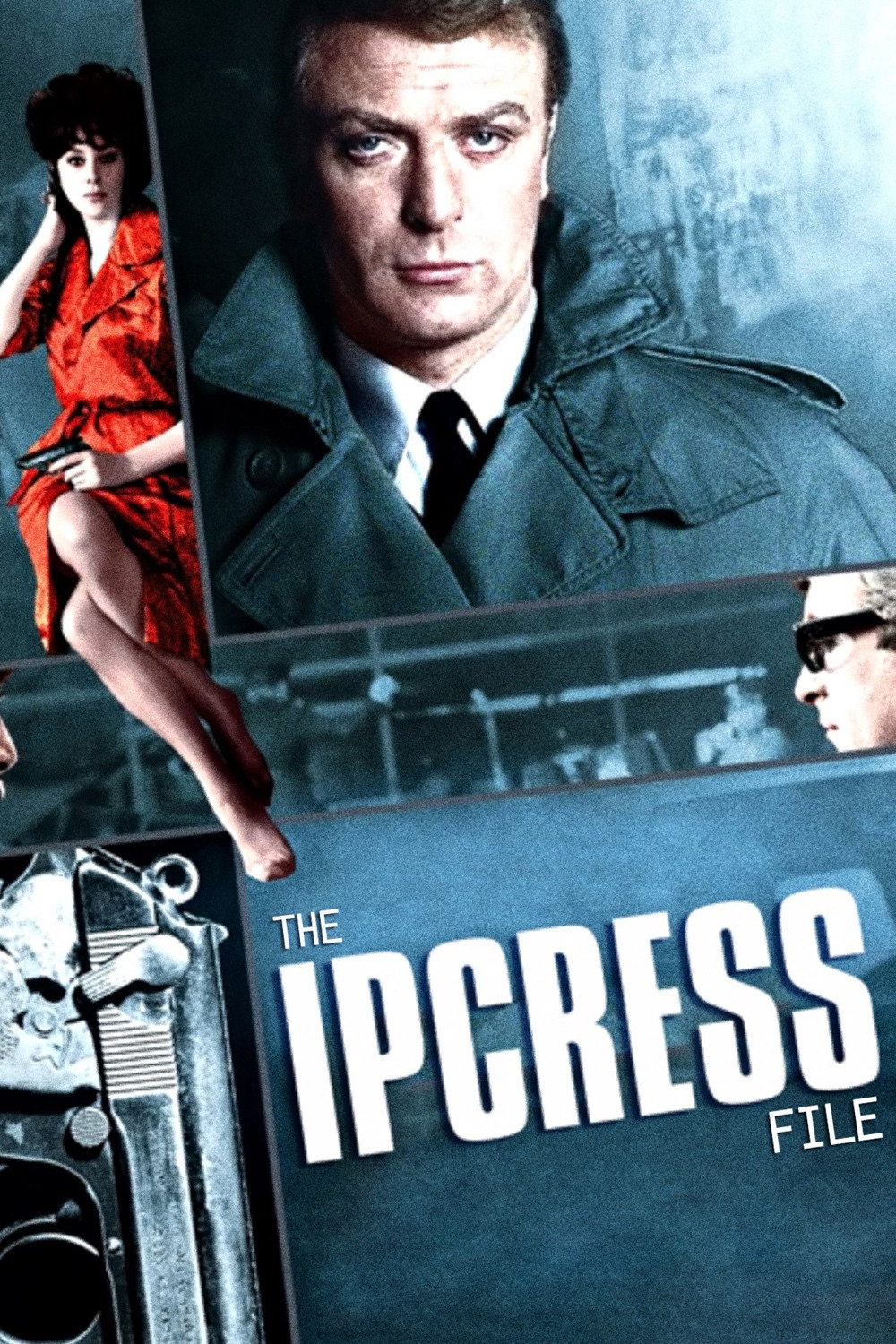
The Ipcress File poster

The Ipcress File

1965 · The same producer’s answer to Bond: glasses, groceries and a spy who fills in forms

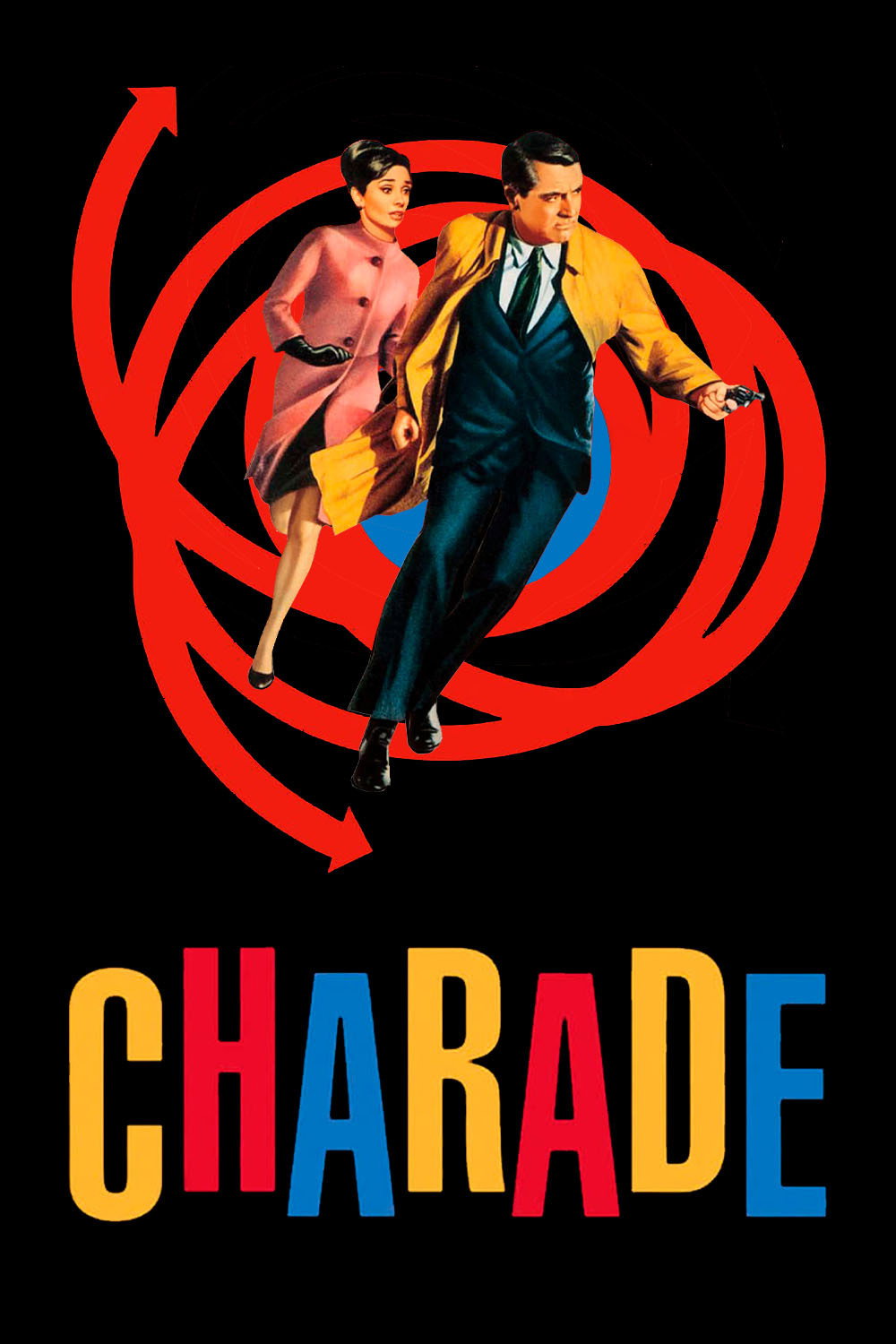
Charade poster

Charade

1963 · Paris, Hepburn and Grant, and the light-fingered tone Bond only sometimes manages

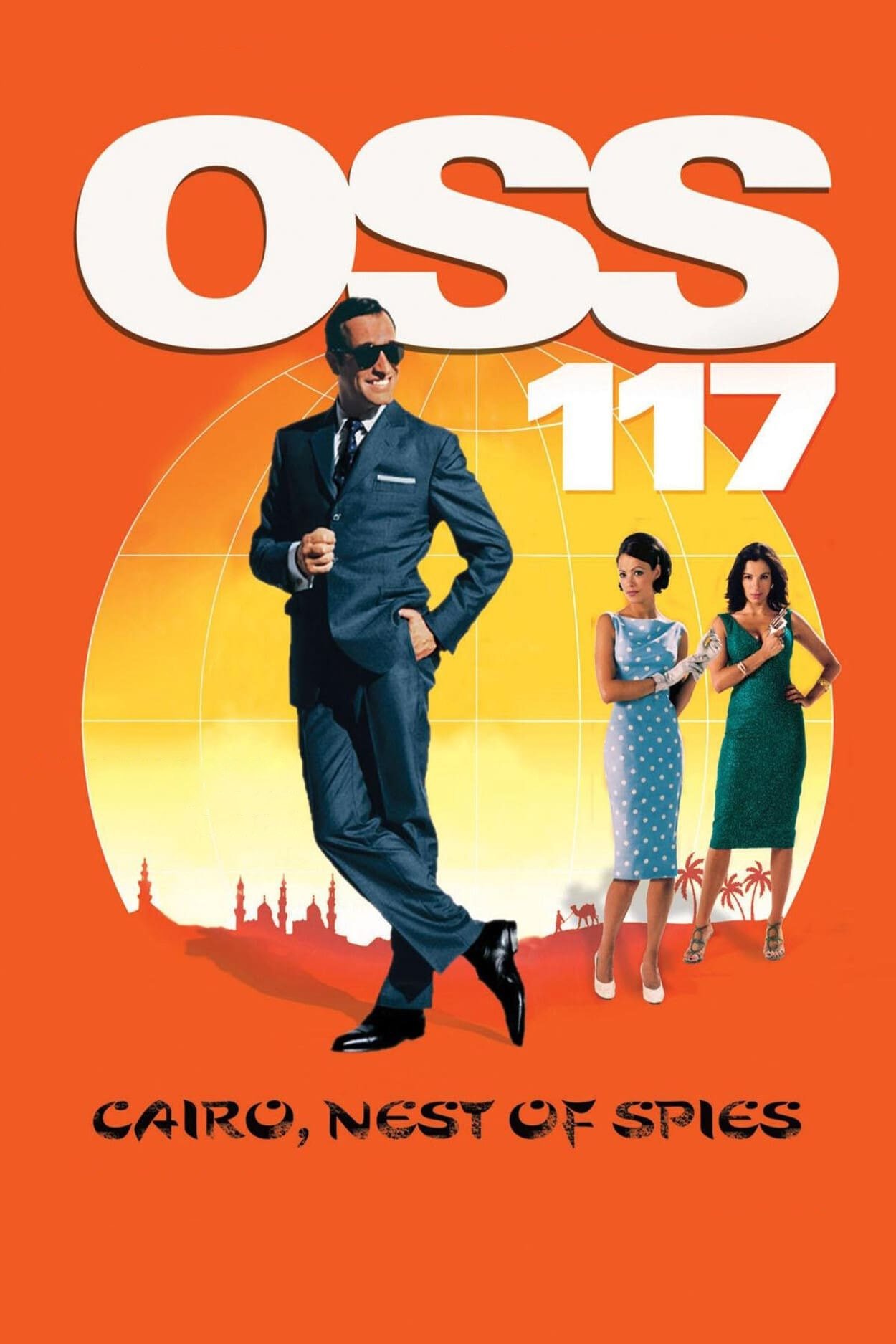
OSS 117: Cairo, Nest of Spies poster

OSS 117: Cairo, Nest of Spies

2006 · A French send-up of exactly this era, and fonder of it than it pretends