Terence Young's three Bond films gave the series its manners: violence taken lightly, glamour taken seriously, and a leading man he had walked round tailors and restaurants until the suit fitted. Outside them, he directed for forty years and left almost no fingerprints.
Fi1m perspective
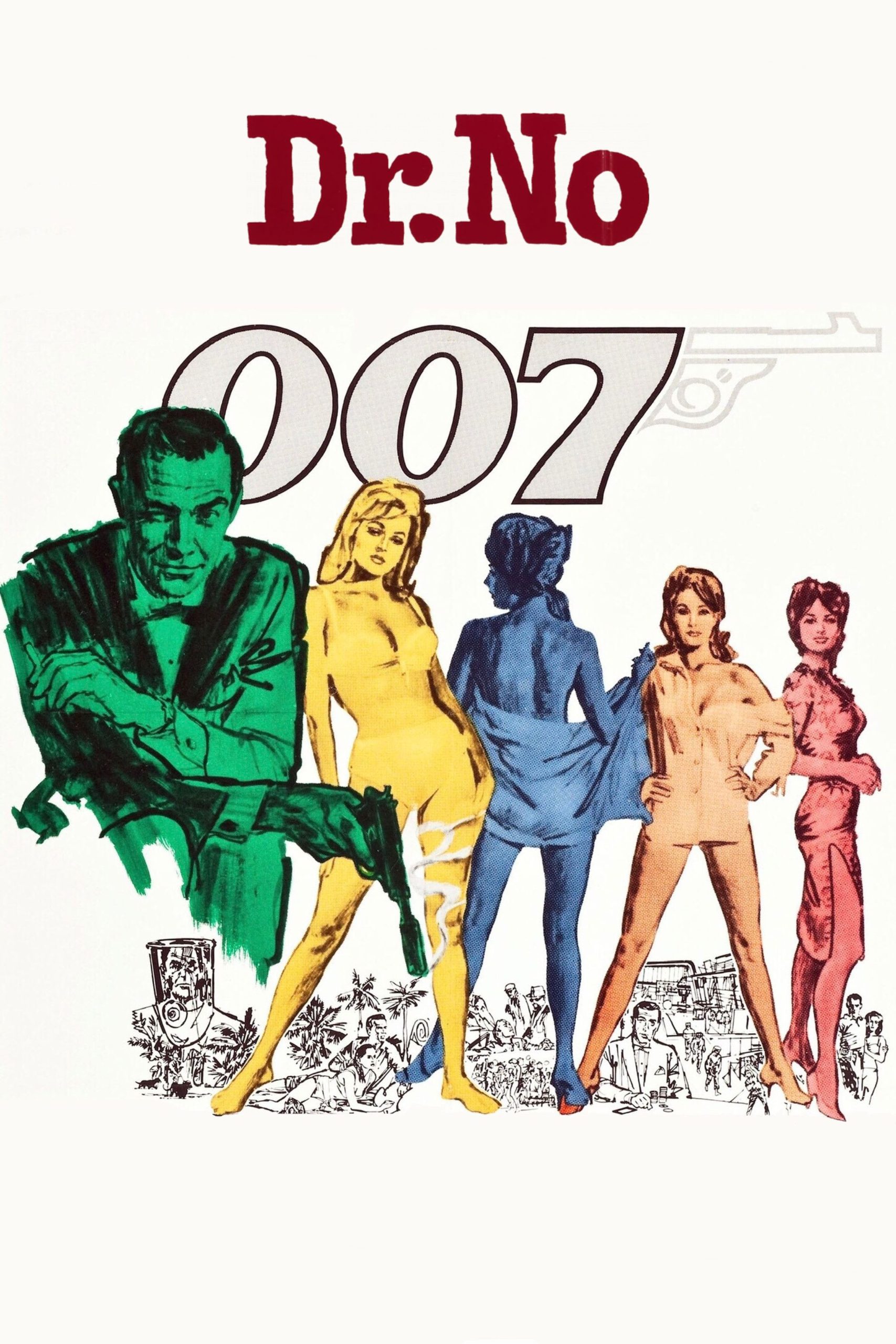
A man sits with his back to us at a chemin de fer table while a woman loses and doubles. Young keeps the camera there, on the back of his head, and only turns it round when he lights a cigarette and gives his name. The trick in Dr. No (1962) is cheap and it works completely, and it is Young's method in miniature: hold off, let the other actor do the work, then land the line.
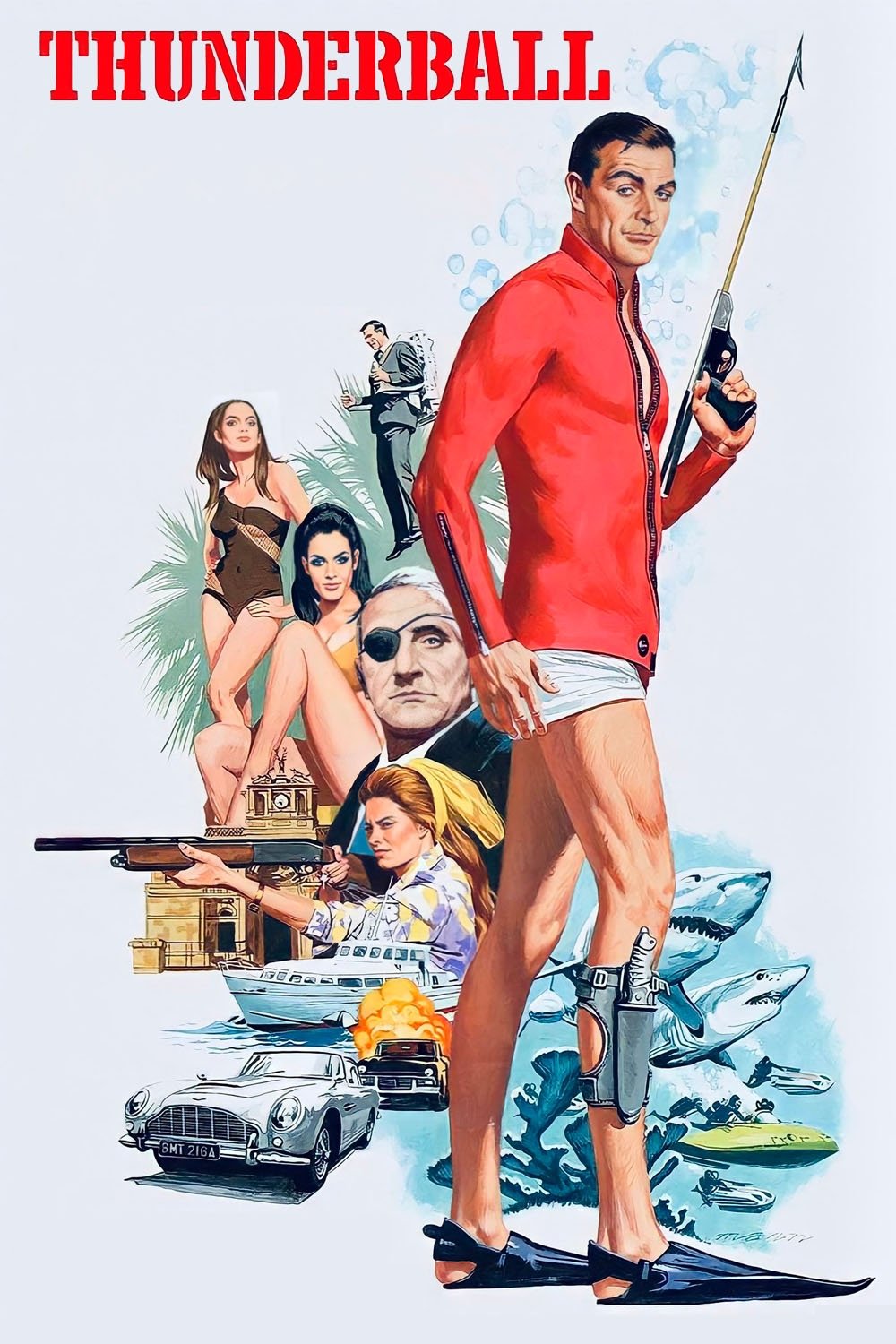
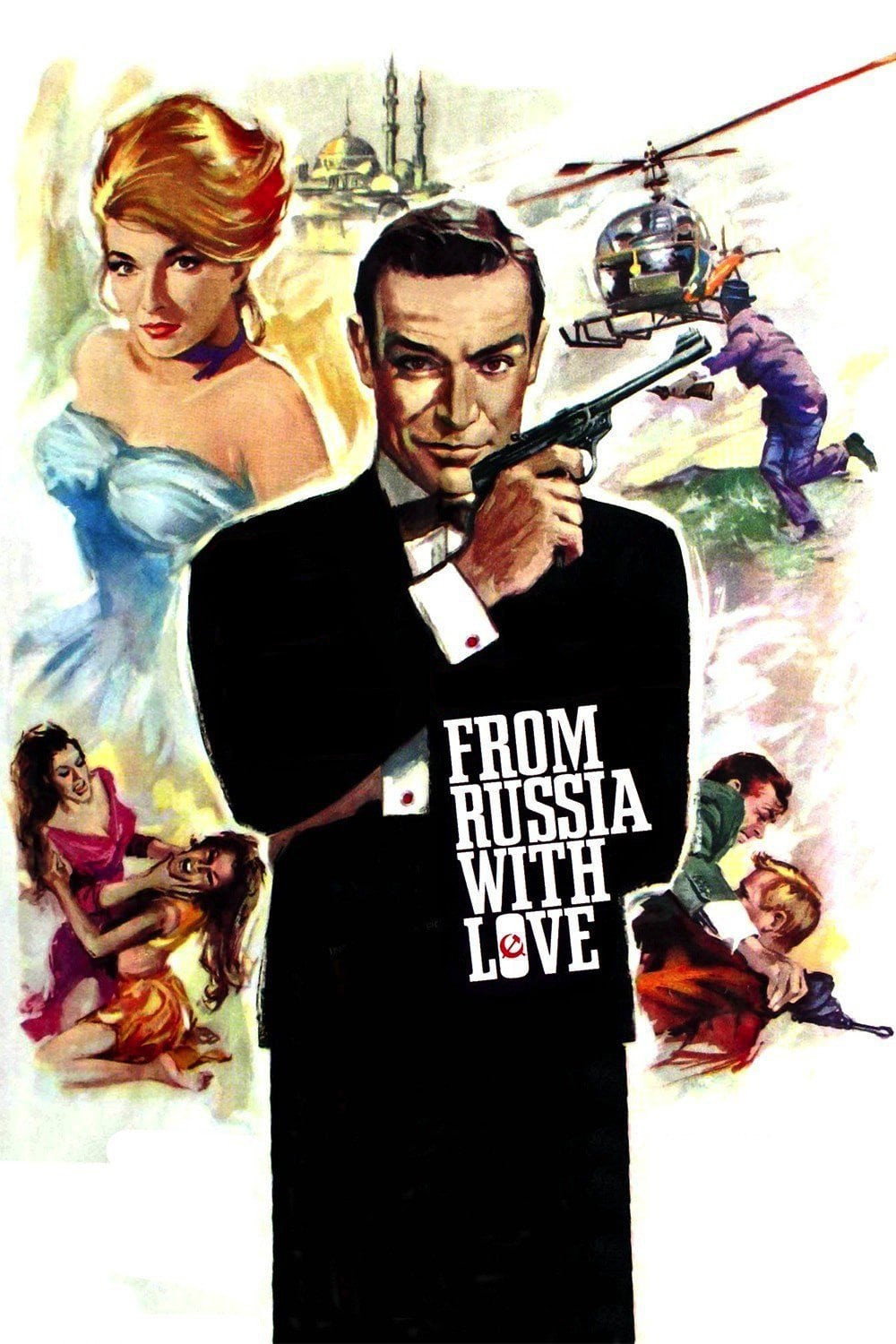
He had been at it a long time by then. He started as a screenwriter in the late 1930s, served in the British Army through the war, and made his first film as director, Corridor of Mirrors, in 1948. They Were Not Divided (1950) took its material from his own war. Through the 1950s he made action pictures for Warwick Films, three with Victor Mature, and that is the trade he brought to Harry Saltzman and Albert R. Broccoli. He made Dr. No, From Russia with Love (1963) and Thunderball (1965), and then he left.
What he brought was tone. He said of Dr. No that the sex and violence, played straight, would never get past the censors, but "the moment you take the mickey out, put the tongue out in the cheek, it seems to disarm". He also took Connery in hand, to tailors and restaurants. Connery's Bond, who finds most things slightly funny and nothing frightening, is Young's as much as anyone's. The tarantula in Dr. No still makes us go rigid, several viewings on, because Young and his editor Peter R. Hunt hold on Connery's sweating face and take Monty Norman's music away entirely. Hunt's hard, short cutting of the fights is the other half of the style.
The rest is thinner. Our review of Dr. No says the middle third sags and the next film is better; Young thought so too, calling From Russia with Love the best of the series and crediting the subject rather than himself. Wait Until Dark (1967), with Audrey Hepburn, was noticed on its own account. After that come European co-productions and Hollywood jobs, The Klansman (1974), Inchon (1981), and it is hard to find Young in any of them. The usual complaint, that he took the work for the money and had no style to call his own, is largely fair. His style was the series' style, and once he stopped making Bonds it had nowhere else to go.
Start with Dr. No, go on to From Russia with Love, and stop there unless Wait Until Dark tempts you. Young is remembered as the man who set Bond going, and on the evidence that is about right, and it is not a small thing to be.
Biography
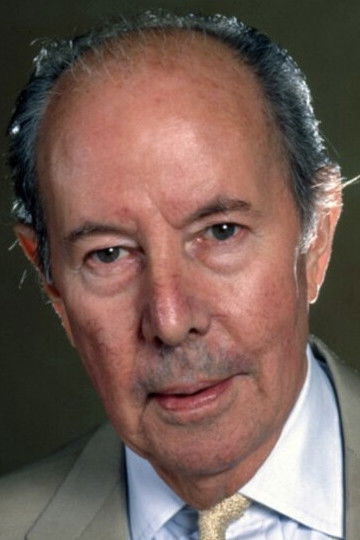
Terence Young was a British film director and screenwriter. Born in Shanghai in 1915, he was educated at Harrow School and St Catharine's College, Cambridge. He began his career as a scriptwriter in the late 1930s and made his directorial debut with Corridor of Mirrors (1948).
Young is best known for directing the first two James Bond films, Dr. No (1962) and From Russia with Love (1963), and the later entry Thunderball (1965). He also directed Wait Until Dark (1967), Mayerling (1968) and several international co-productions featuring stars such as Charles Bronson. He died in Cannes in 1994.