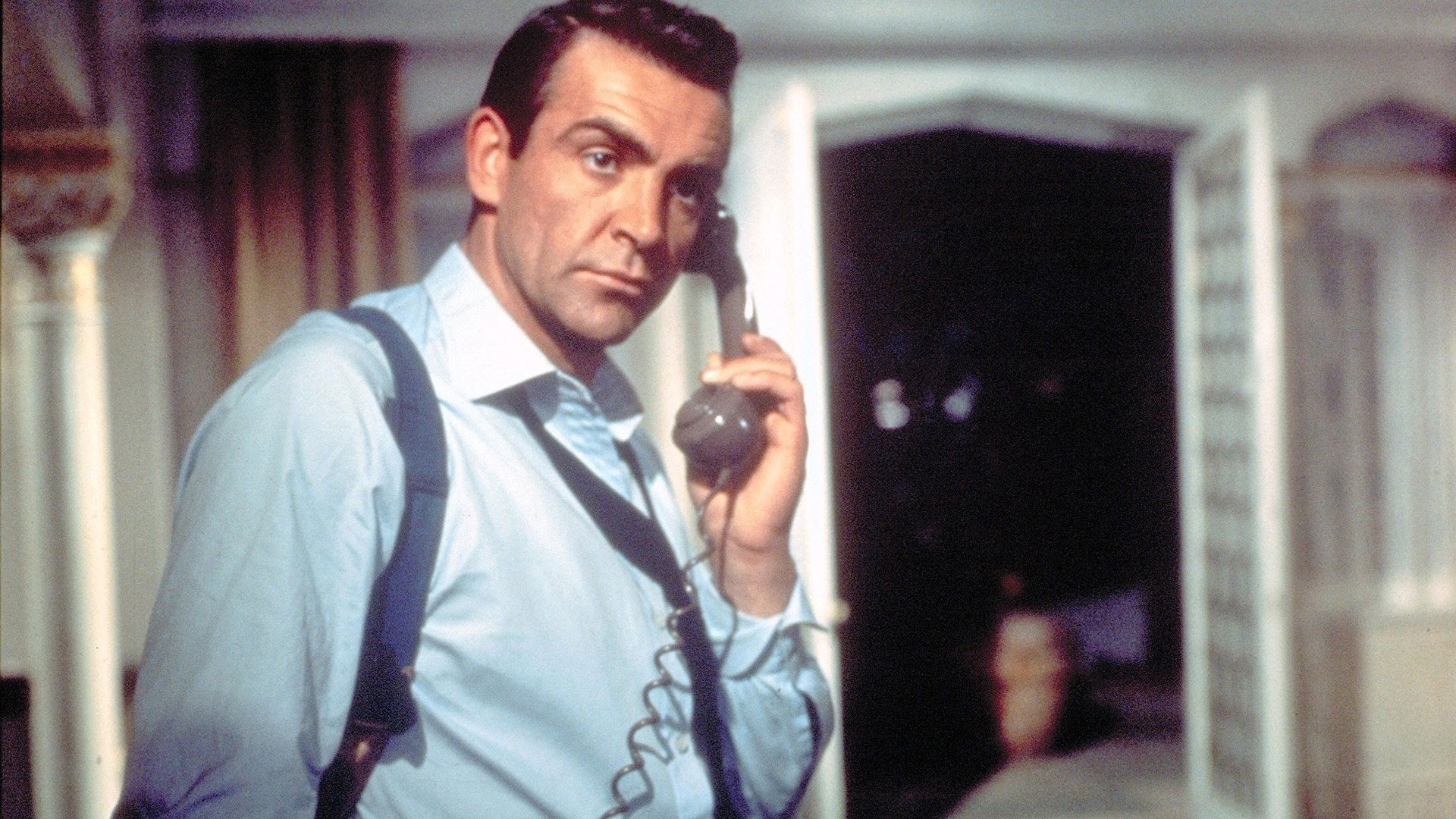
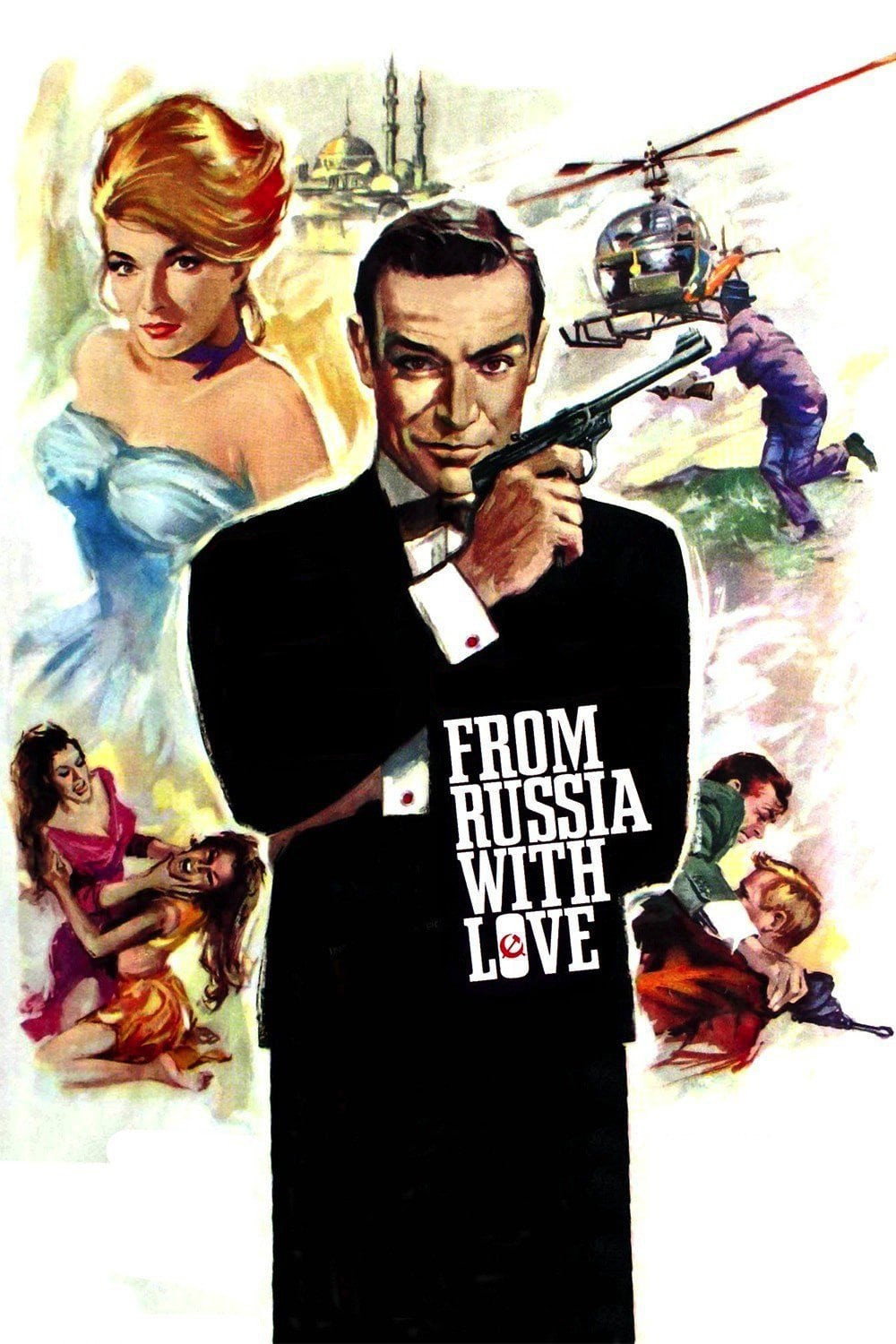
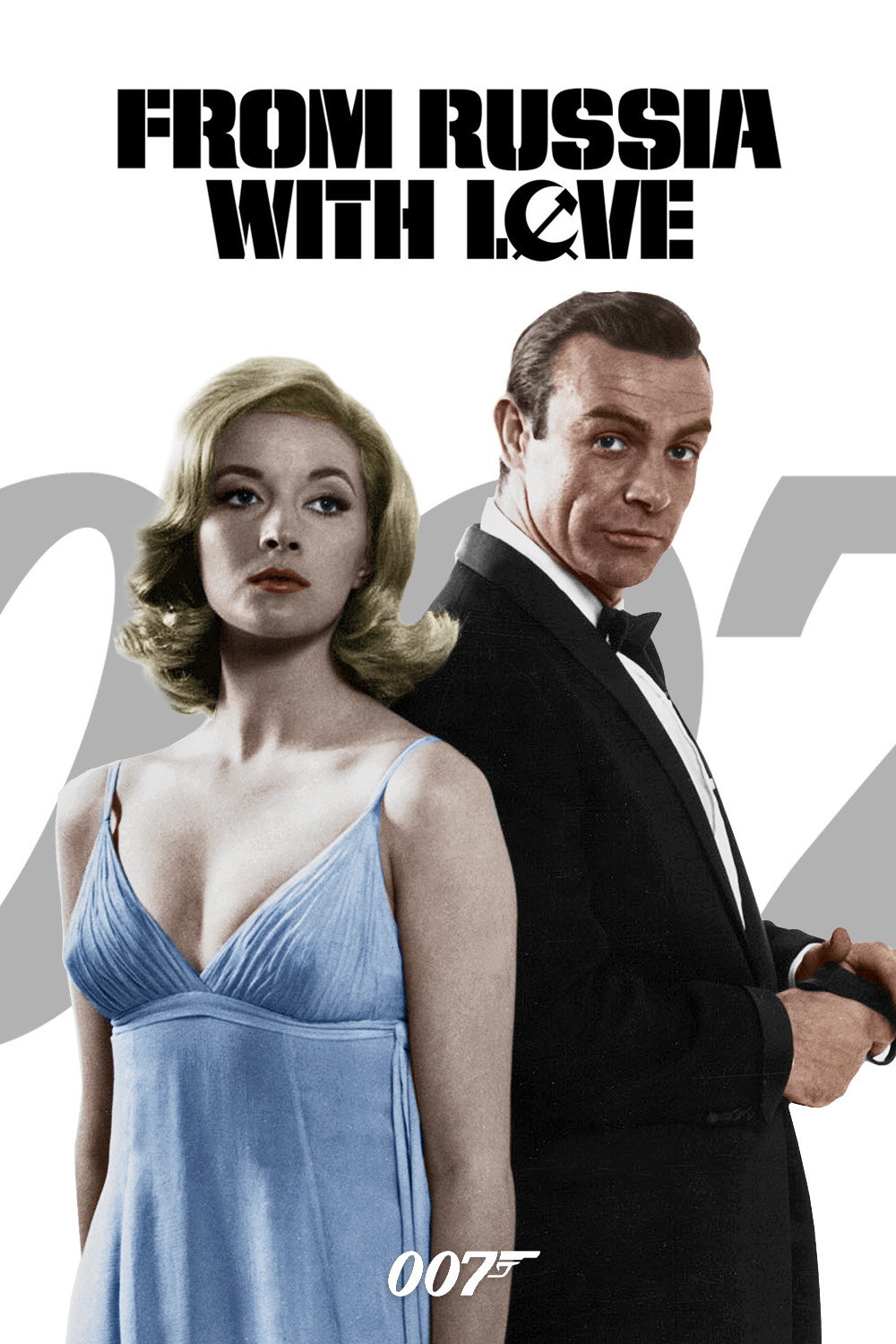
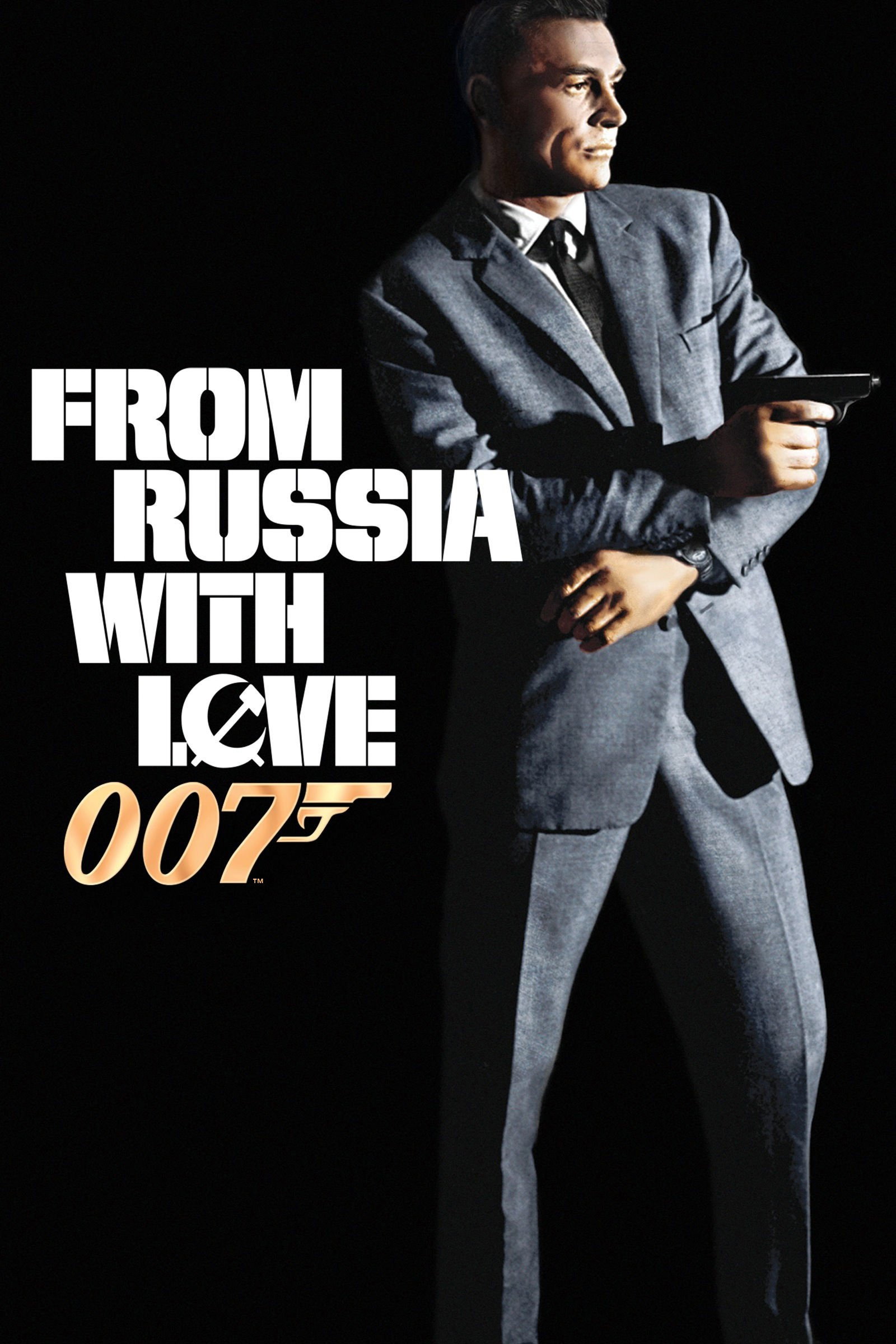
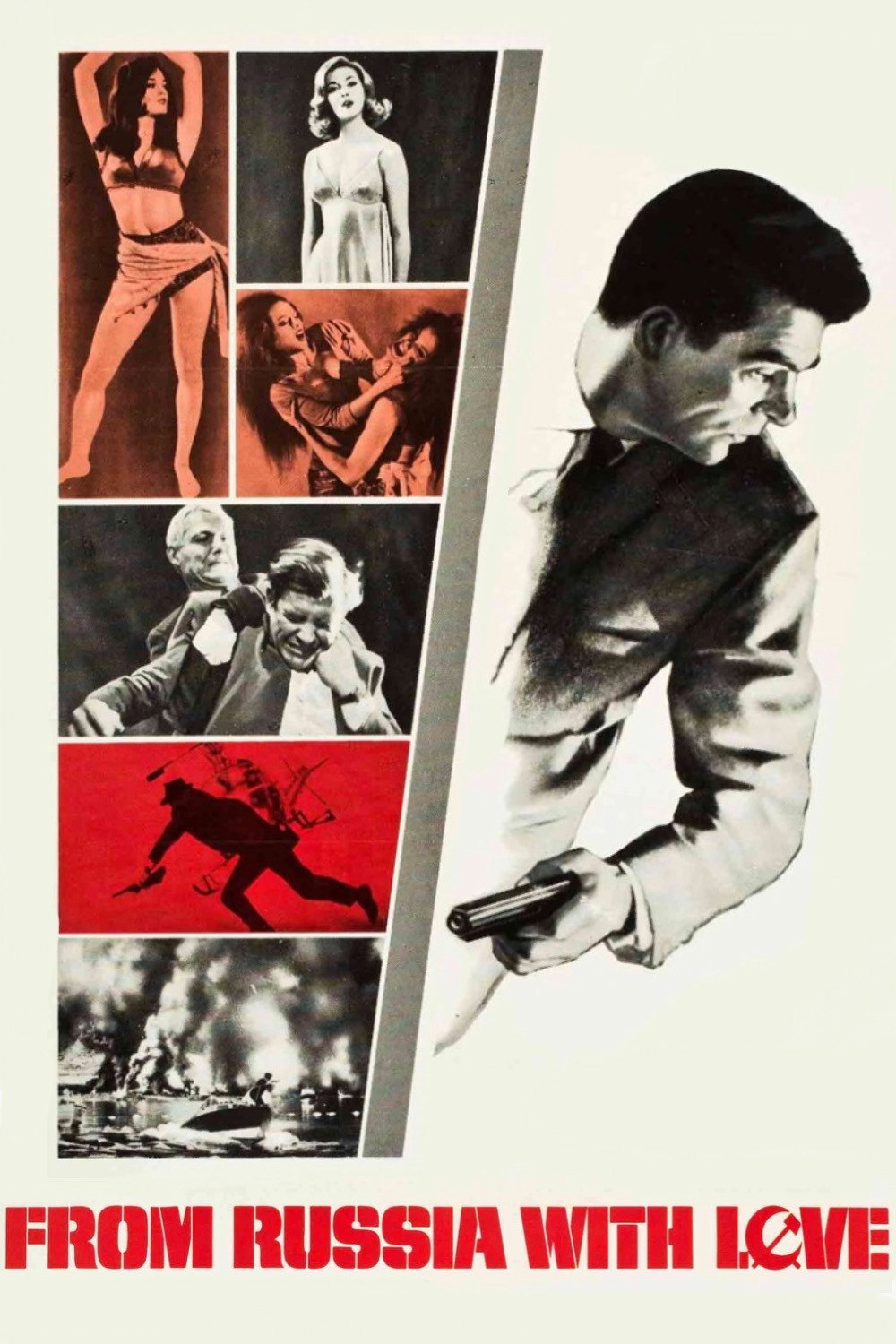
Terence Young’s second Bond film is the leanest the series has made: Istanbul in daylight, a train across Europe and Robert Shaw as a killer Bond cannot talk his way past. The women are short-changed and the last reel is padding; the rest holds.
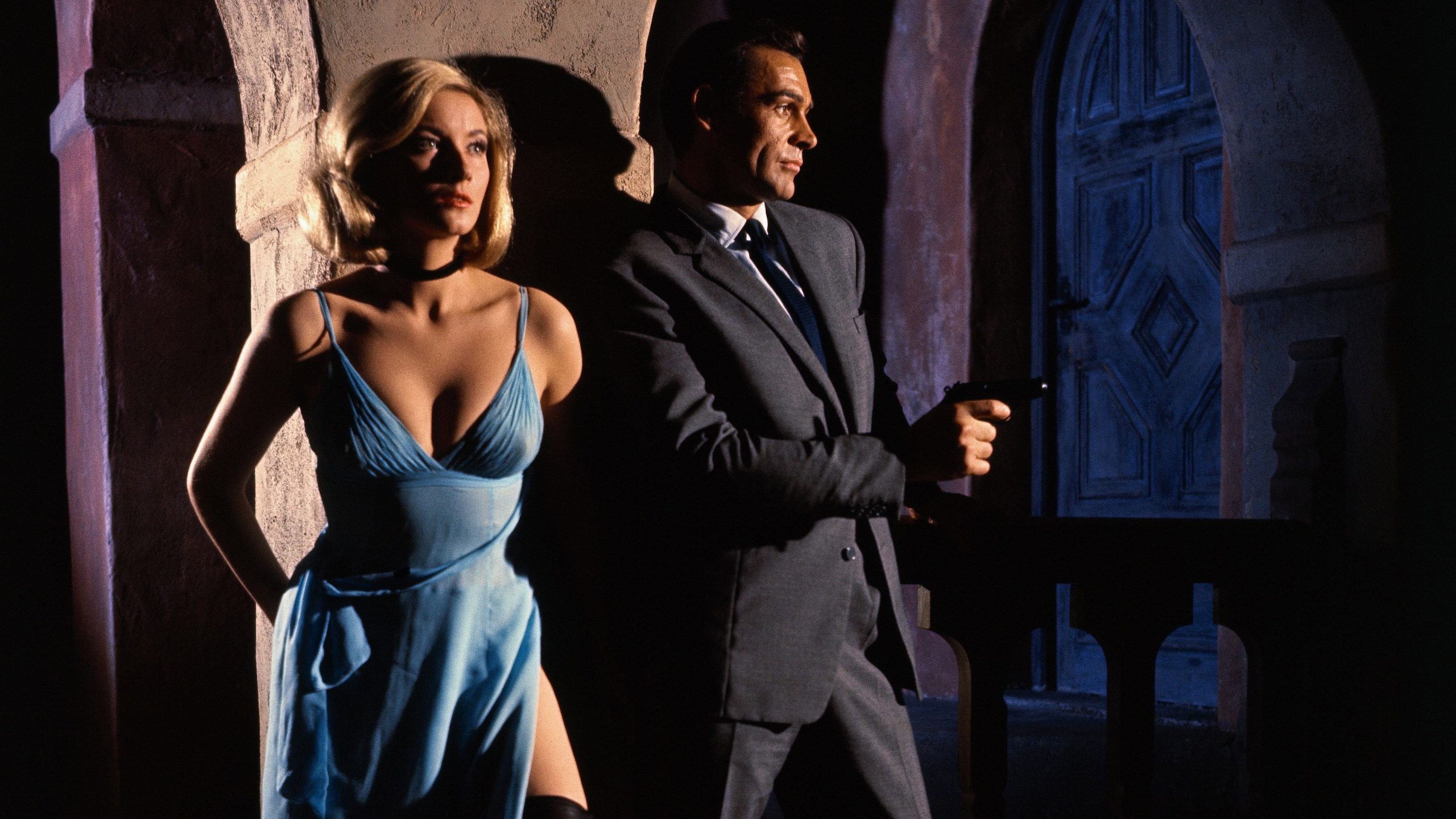
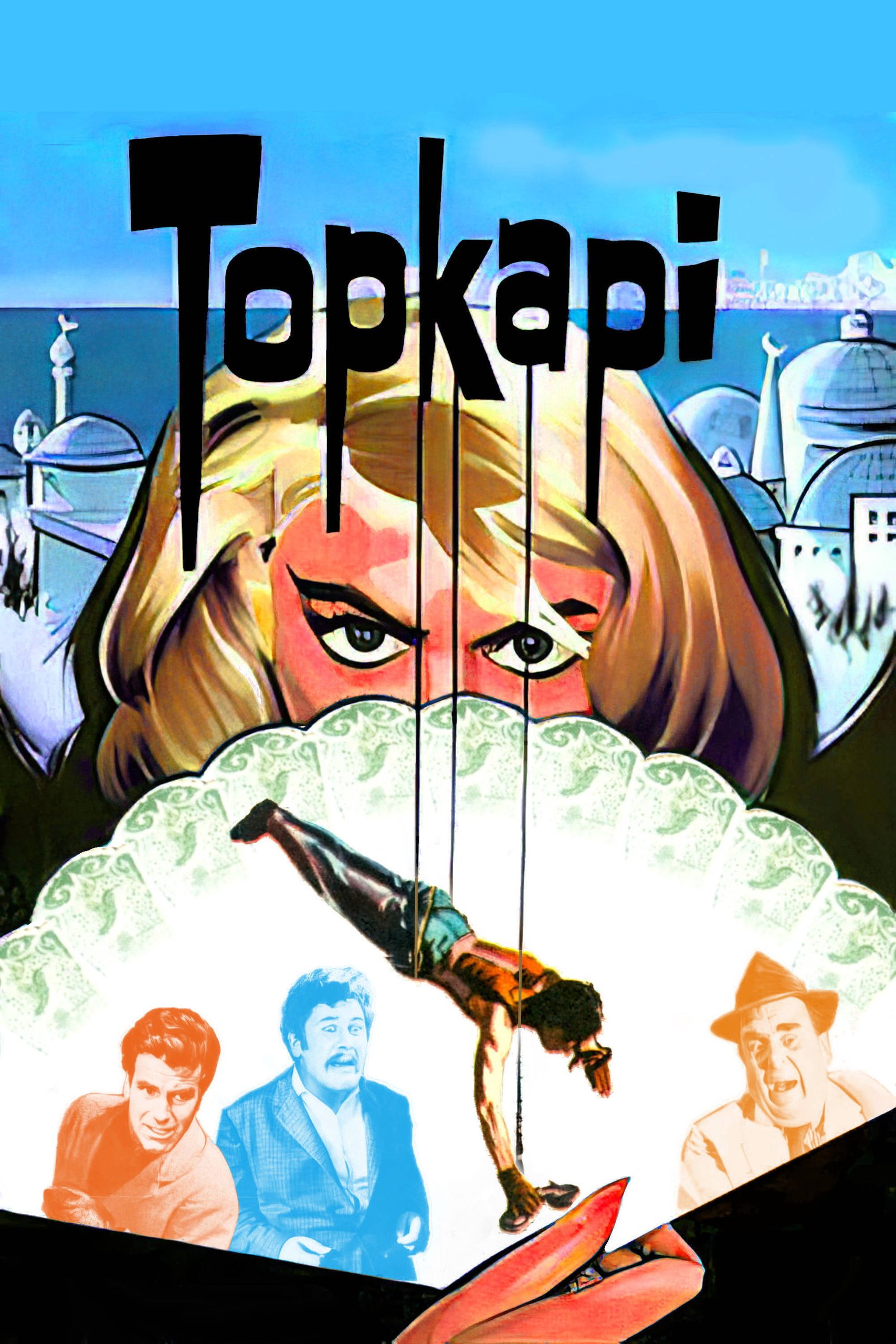
The second Bond film reached British cinemas on 11 October 1963, and it is the one the series has been trying to get back to ever since. Terence Young directs again and Richard Maibaum adapts Ian Fleming’s novel. SPECTRE wants a Soviet decoding machine and wants Bond dead, and arranges both by dangling a cipher clerk in Istanbul who claims to have fallen for his photograph. There is no volcano and no laser; there is a city, a train and a man who could actually kill him. It is the best-made film of the Connery run, and we would send almost anyone to it.
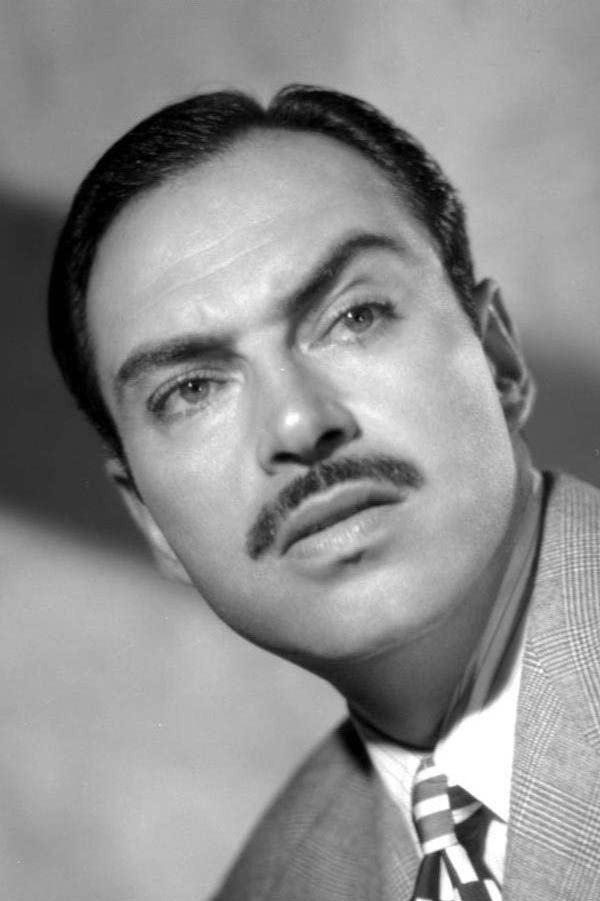
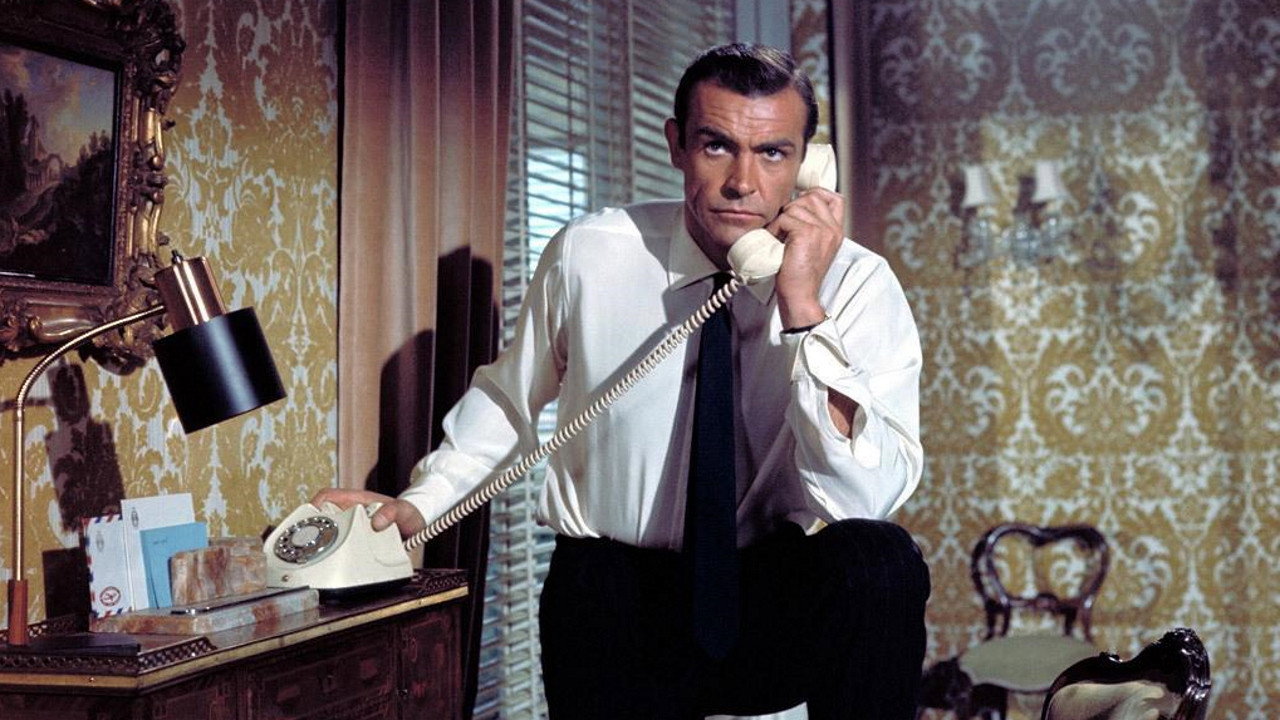
Ted Moore shoots Istanbul as a working city rather than a postcard. The mosques are there, but so are ferries, back streets and a flooded cistern under the Soviet consulate where the British station keeps a periscope. Pedro Armendáriz plays Ali Kerim Bey, who runs that station, as a man who treats espionage as a family business, and his scenes with Sean Connery are the warmest the series has produced between two men. They drink, they compare notes on women in a way that has not aged well, and they seem to like each other. When the film leaves the city we missed it.
The other reason it works is Robert Shaw. Red Grant is introduced before the titles, stalking a man in a Bond mask through a garden at night and strangling him with a wire pulled from his wristwatch, and for the next hour he follows Bond across Istanbul without saying a word. Blond, blank, in a pale suit, he stands on a station platform and watches. We were more frightened of him than we remembered being. It is the silence that does it: Bond talks his way through every room, and here is a man with no use for talk. When Grant finally opens his mouth, it is worse.
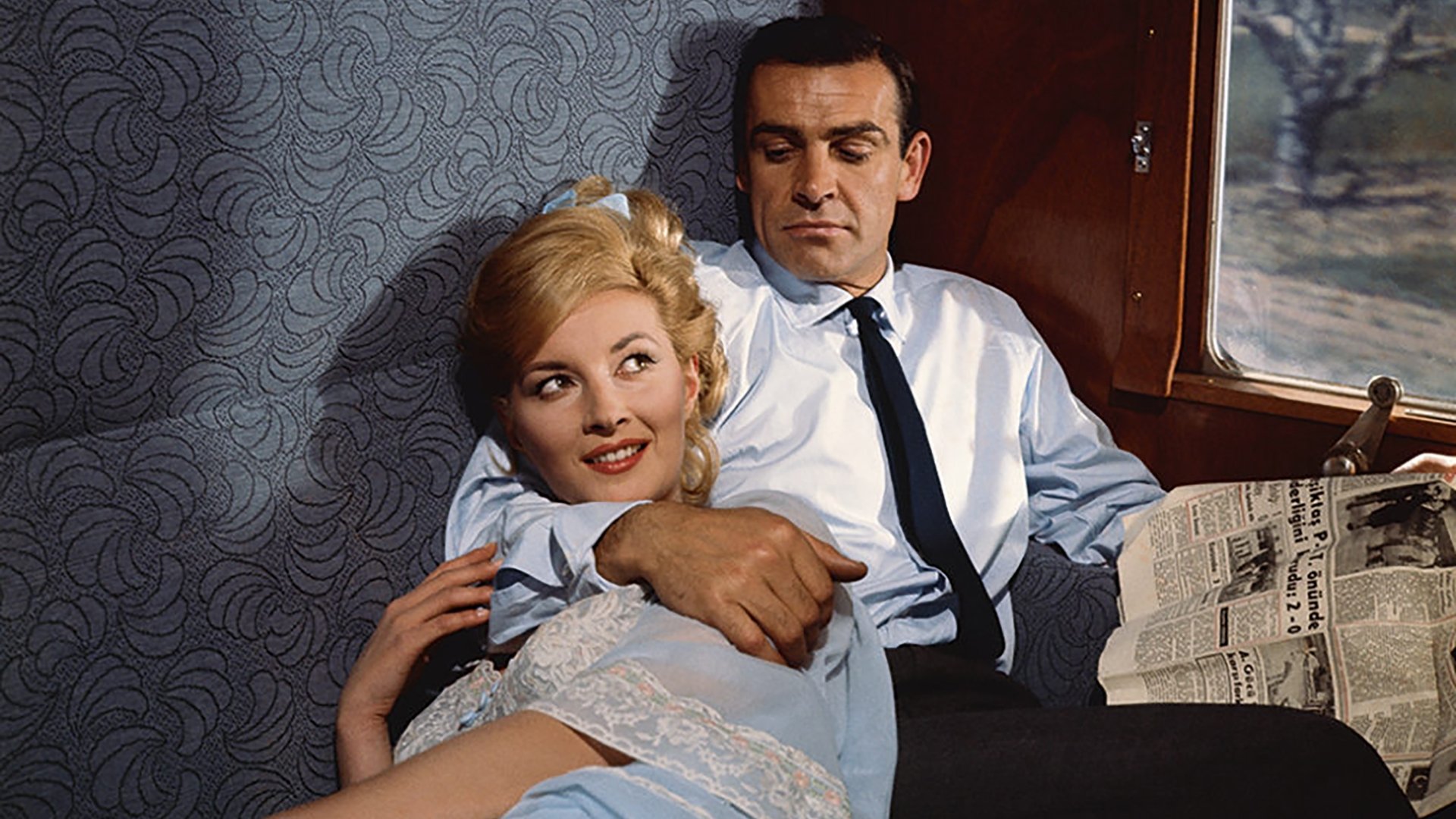
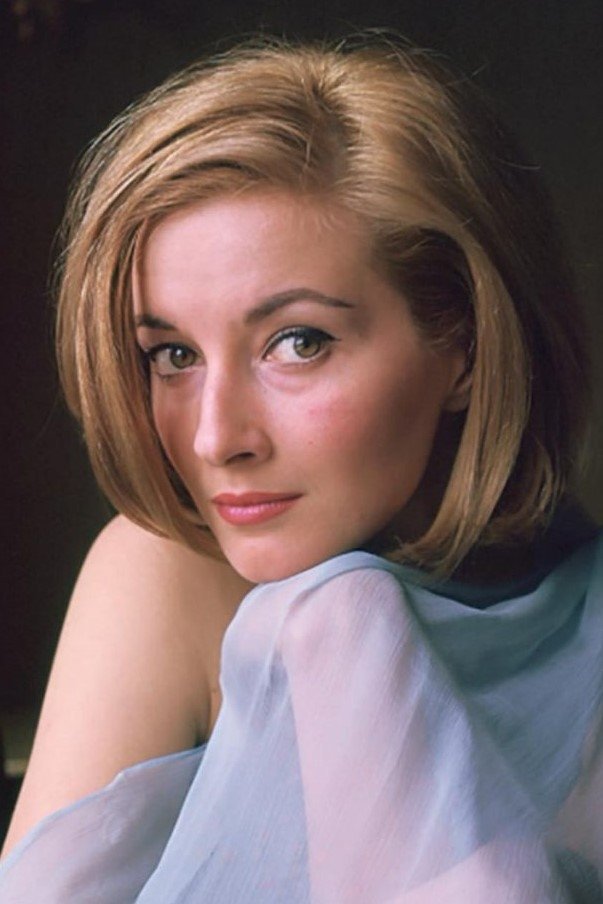
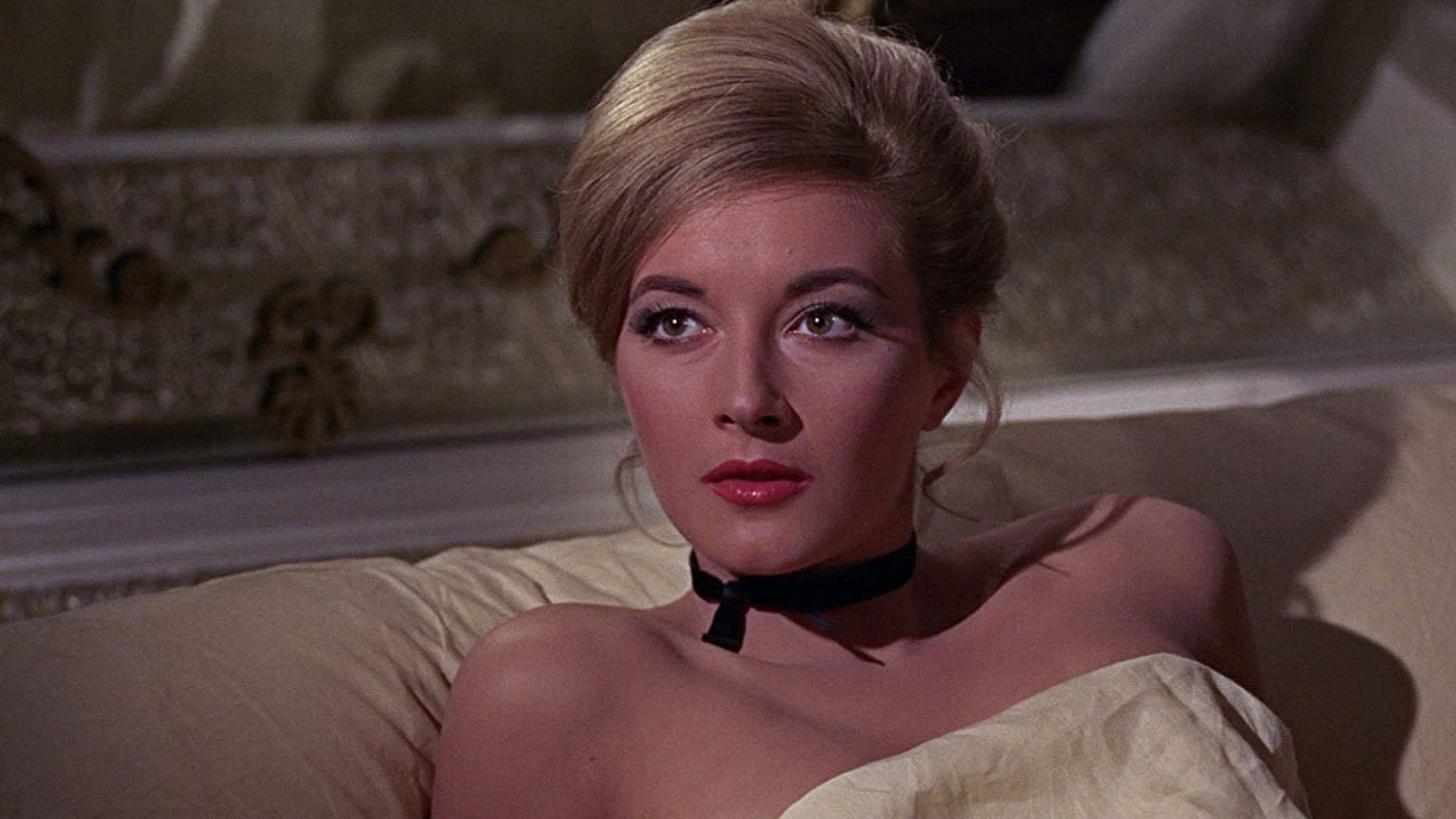
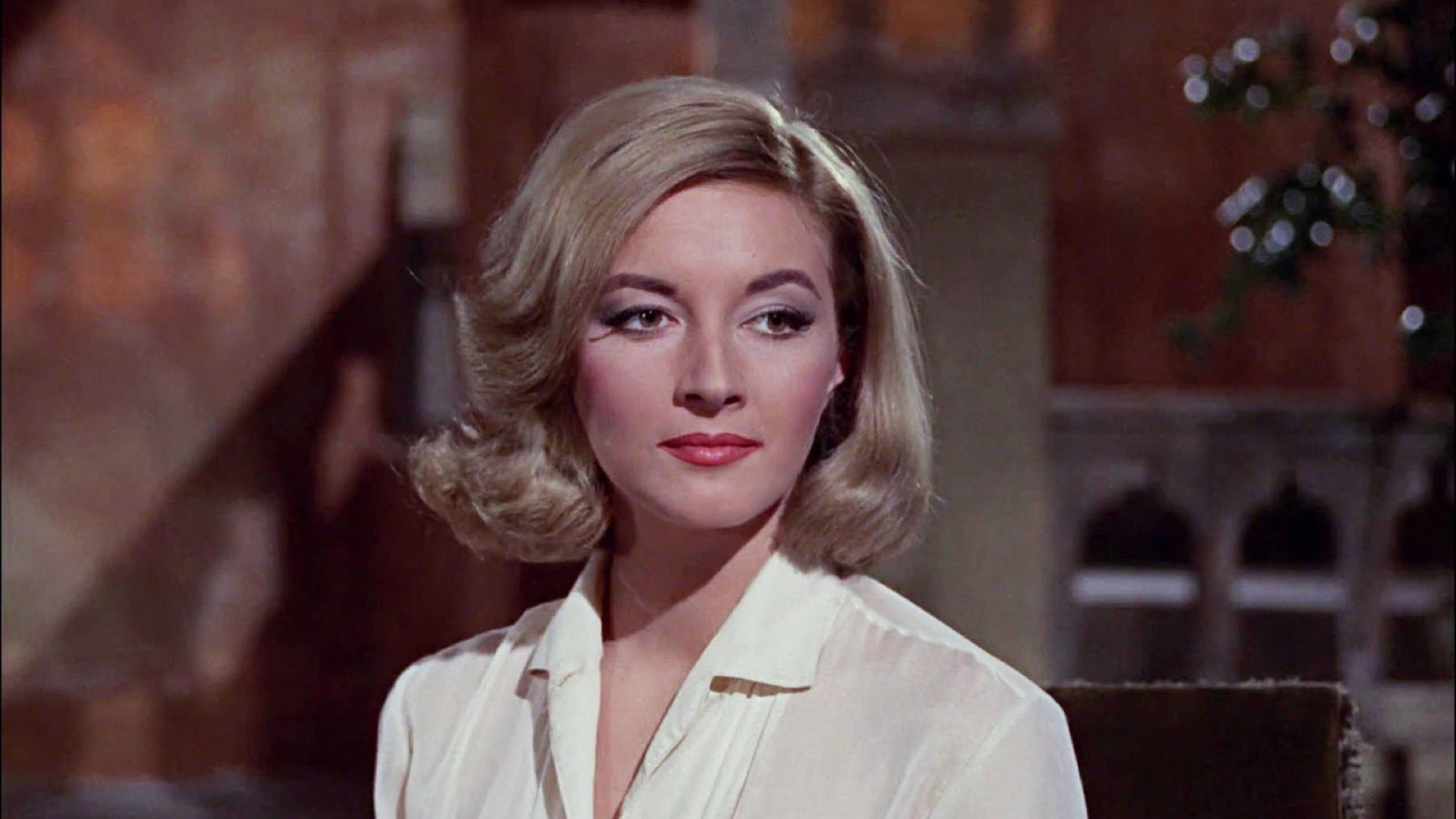
Lotte Lenya’s Rosa Klebb is a small woman in a uniform who inspects Daniela Bianchi’s Tatiana as if buying a horse, and Lenya plays her without a flicker of camp. Connery has stopped demonstrating that he is Bond and simply is. Tatiana is written as bait and stays bait, and the script’s idea of her inner life is that she likes Bond’s mouth. Jocelyn Rickards dresses her in a ribbon and not much else for her first scene, which tells you where Maibaum’s interest lay. Lois Maxwell and Bernard Lee do what they will go on doing for a decade.
John Barry’s first full score gives it a pulse the first film did not have, brass over a walking bass, and he holds Matt Monro’s title song back for the end credits. Peter R. Hunt cuts hard and short, and nowhere harder than in the compartment on the Orient Express where Bond and Grant finally meet. It is two men in a space the size of a wardrobe, and Hunt slices it so fine that you feel every blow without quite seeing one. It lasts perhaps two minutes and has been copied for sixty years.
The flaws are real. After the train, Maibaum has a reel to fill and fills it with chases, one in the air and one on the water, and the film’s grip loosens with each. The plan requires Bond to do exactly what he does at every turn, and the chess champion who devises it is presented as a genius and is nothing of the kind. A fight between two women at a Romany camp is staged for Bond to watch, and we found ourselves looking at our shoes.
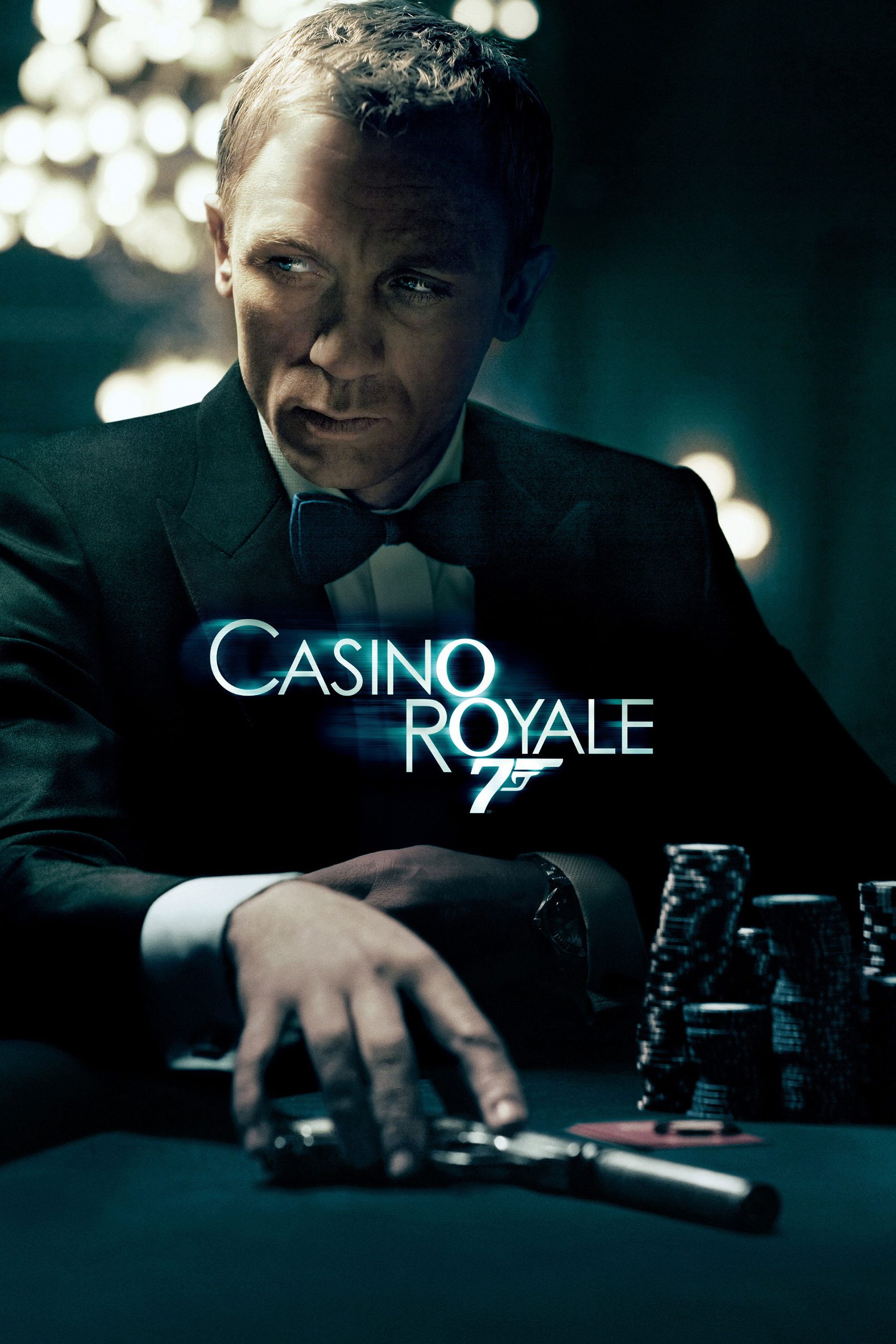
Against the series’ own standards it sits at the top with Goldfinger and Casino Royale, and it is leaner than either: 115 minutes, most of them in daylight, and one explosion of note. Most critics agree with us. Time Out found it less memorable than the louder entries that followed; we think the noise is what it is better off without. Watch it in the evening with the curtains drawn, and watch Shaw whenever he is in frame. He is doing more than anyone else while appearing to do nothing at all.