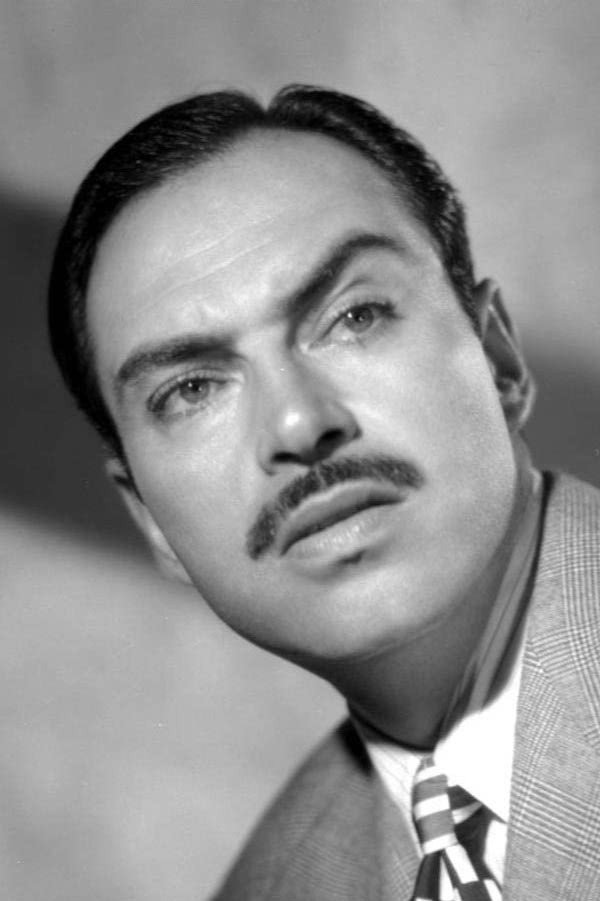
A big, unhurried presence who could make a spy or a general look like a man with a home to go back to. The Mexican films made his name; Hollywood mostly asked him to stand at the side of someone else's picture, and he stood there very well.
Fi1m perspective
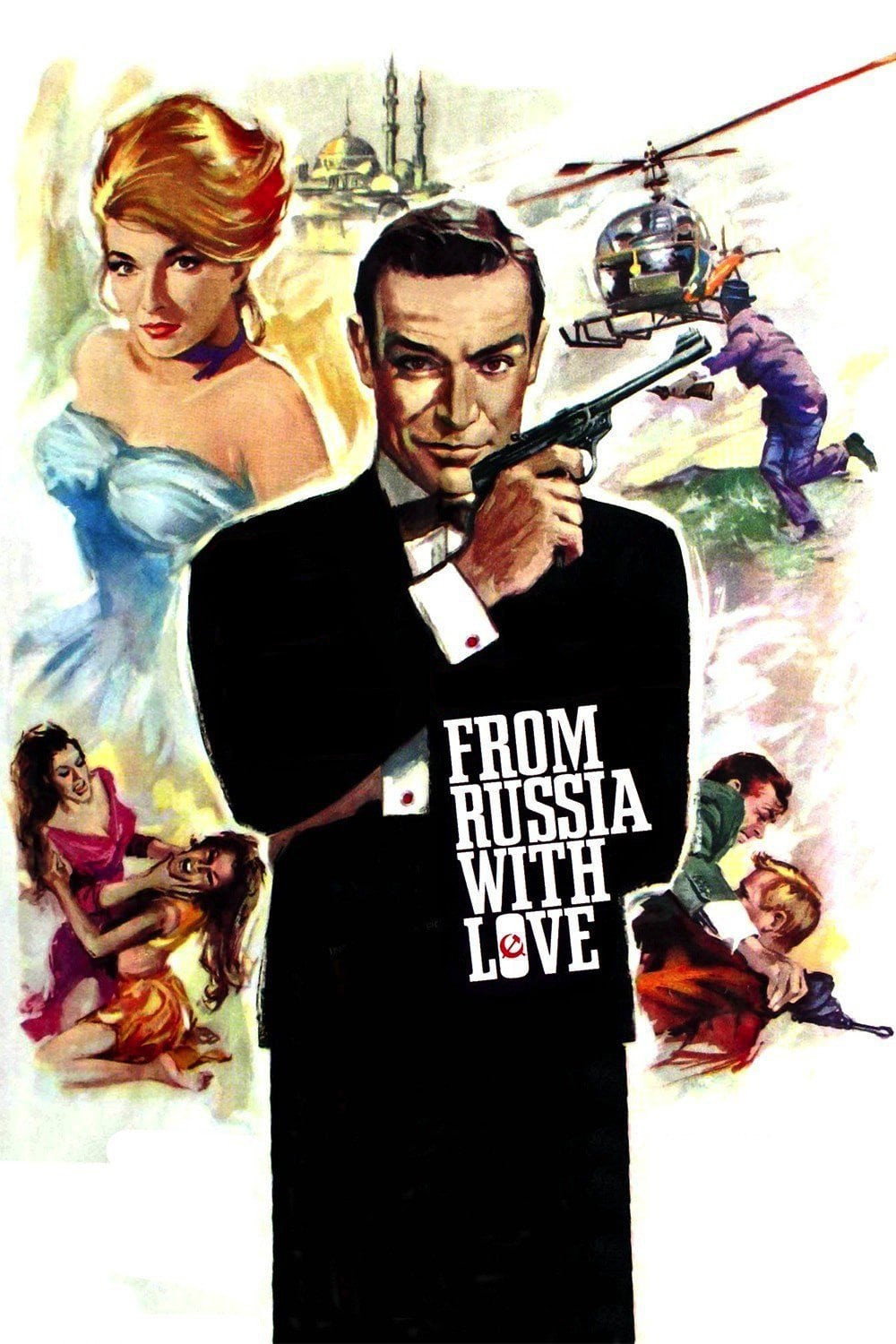
Ali Kerim Bey in From Russia with Love (1963) runs the British station in Istanbul from above a flooded cistern under the Soviet consulate, where his people keep a periscope. Armendáriz plays him as a man for whom espionage is the family trade, about as glamorous as shipping, and his scenes with Sean Connery are the warmest the series has produced between two men. They drink, they compare notes on women in a way that has not aged well, and they plainly like each other. We missed him when the film left the city, and the reason is simple: everyone else in it is at work and he is at home.
It was his last part, and the rest of the career happened mostly somewhere else. He began in Mexican cinema in 1935 and by the 1940s was one of the faces of its Golden Age, in eight films with the director Emilio Fernández and repeatedly opposite Dolores del Río and María Félix: María Candelaria (1944), Enamorada (1946), The Pearl (1947). The parts were peasants, revolutionaries, generals, indigenous men, in films about what Mexico was and had been, and Fernández used him as the country's picture of itself, strong and rooted. Not everyone at home liked the picture; the treatment of Indians in María Candelaria was called idealised by Mexican intellectuals at the time. We have not reviewed those films and will not judge them here, but they are the reason the name still carries weight.
John Ford brought him north for The Fugitive (1947) and used him twice more the following year, as Sergeant Beaufort in Fort Apache (1948) and as Pedro Roca Fuerte in 3 Godfathers (1948), alongside John Wayne. He is well thought of in them. He was also, in all of them, the supporting part, the sergeant, the friend, the man whose accent explained his presence. Through the 1950s he went back and forth between Mexico, America and Europe, including El Bruto (1953) for Luis Buñuel, and his reputation still rests on the Mexican work rather than anything he did for the studios.
What Kerim Bey shows in one film is what the whole career traded on: size without strain. He fills a frame by sitting in it, and he never seems to be asking for the attention he gets. Hollywood borrowed that and gave him roles smaller than the man. If you know him only as the station chief in Istanbul, go and find the Fernández films, where the frame was built around him.
Biography
Pedro Armendáriz (also credited as Pedro Armendariz and Pedro Gregorio Armendáriz Hastings) was a Mexican and American actor. Born in Mexico City on 9 May 1912, he began his career on the stage there before entering films in 1935. He became one of the leading stars of Mexico’s Golden Age of cinema, appearing in dozens of Spanish-language productions alongside figures such as Dolores del Río and María Félix.
Armendáriz also worked extensively in Hollywood and Europe, with credits including Fort Apache (1948), 3 Godfathers (1948), The Fugitive (1947) and The Wonderful Country (1959). His final role was as Ali Kerim Bey in the James Bond film From Russia with Love (1963). He died in Los Angeles on 18 June 1963, aged 51. His son, Pedro Armendáriz Jr., also became an actor and appeared in a later Bond film.