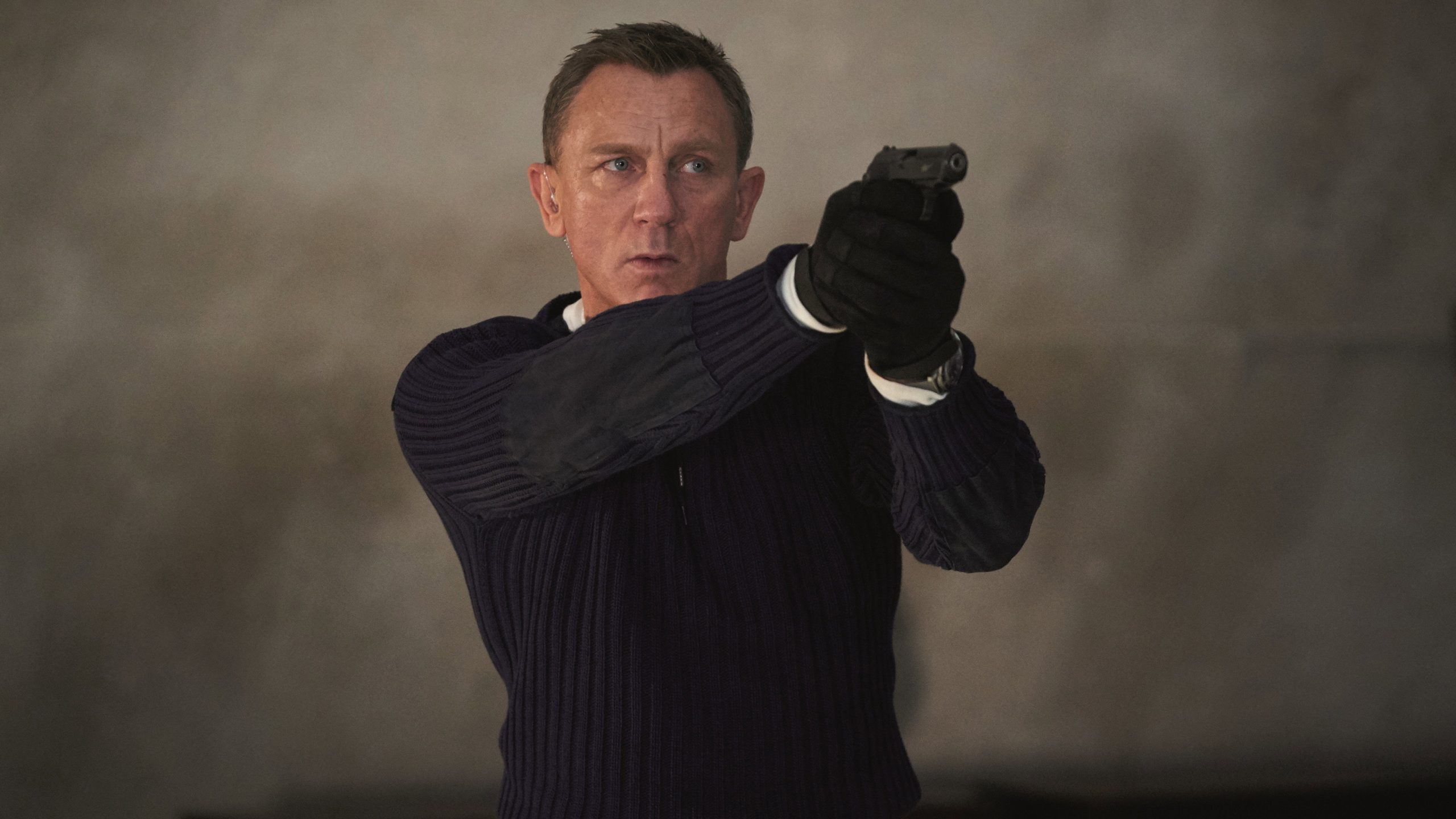
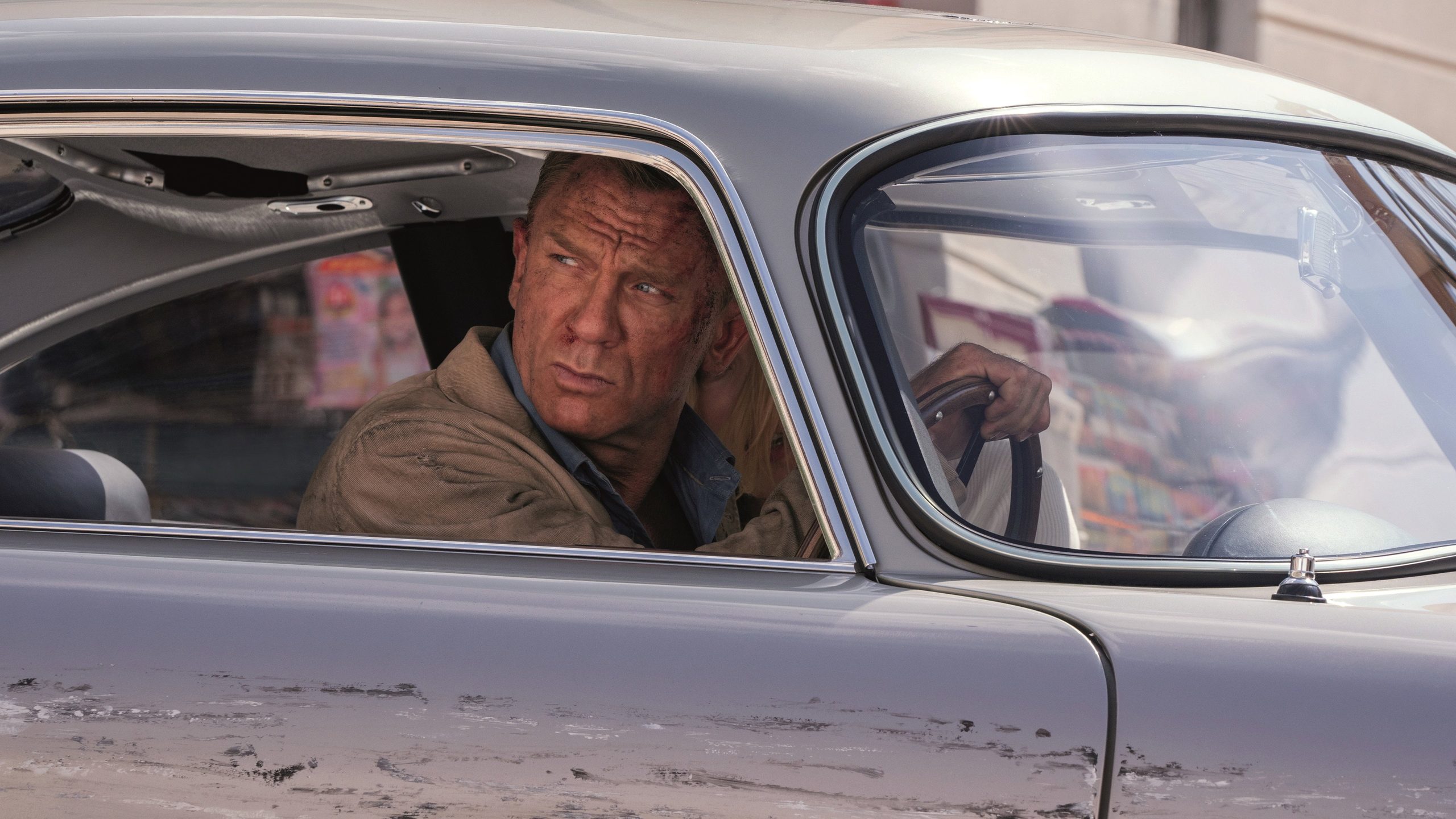
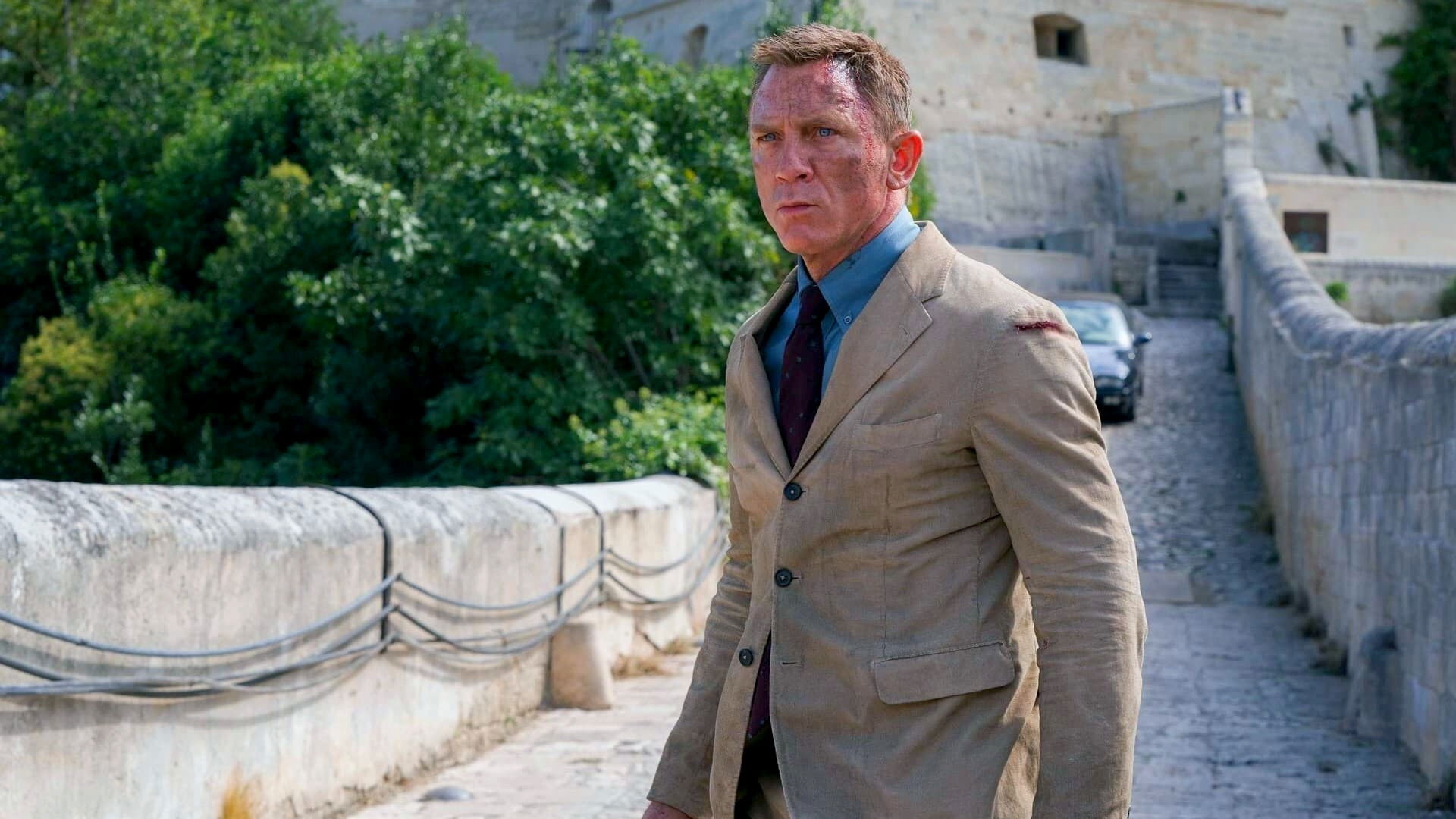
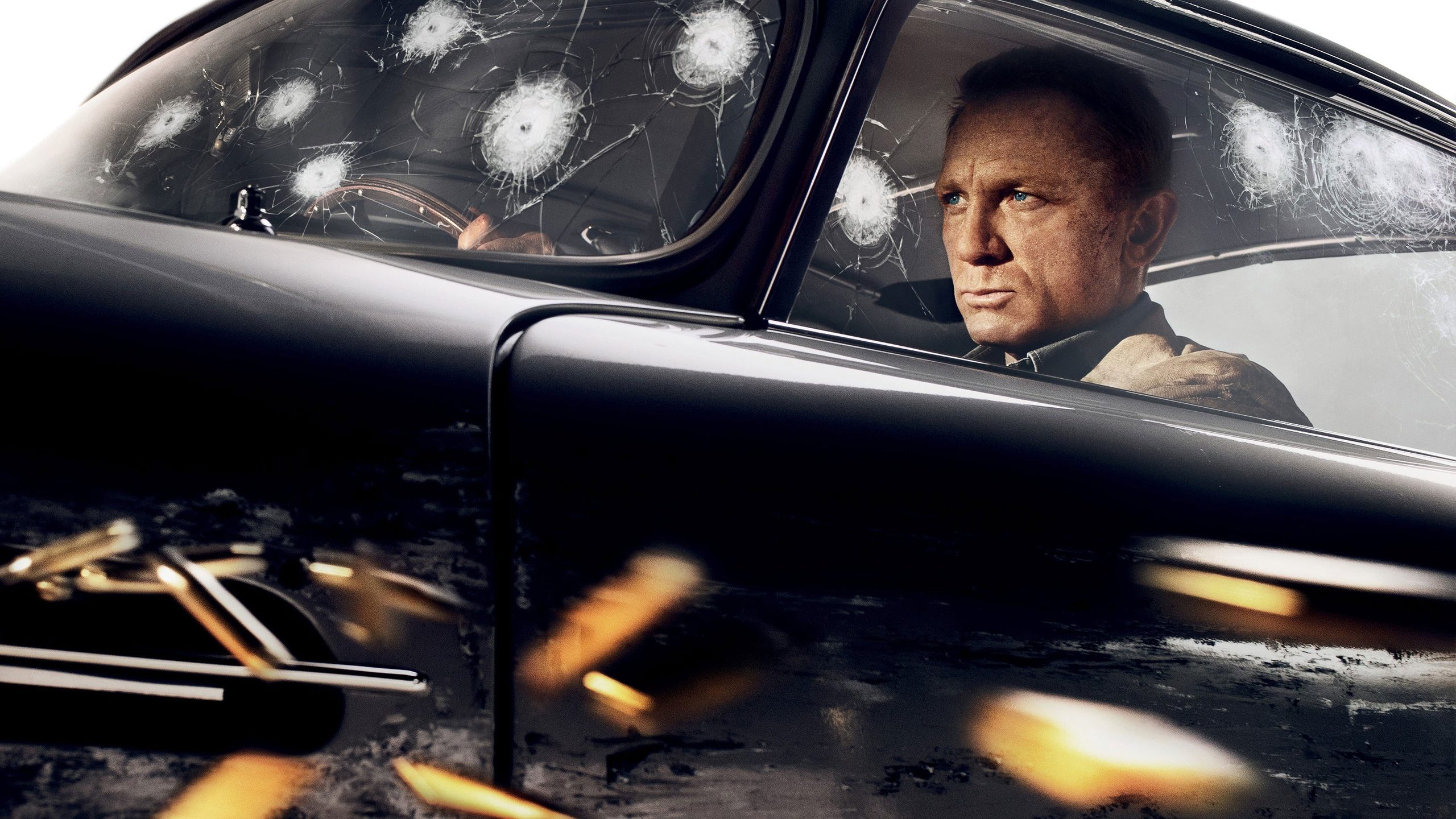
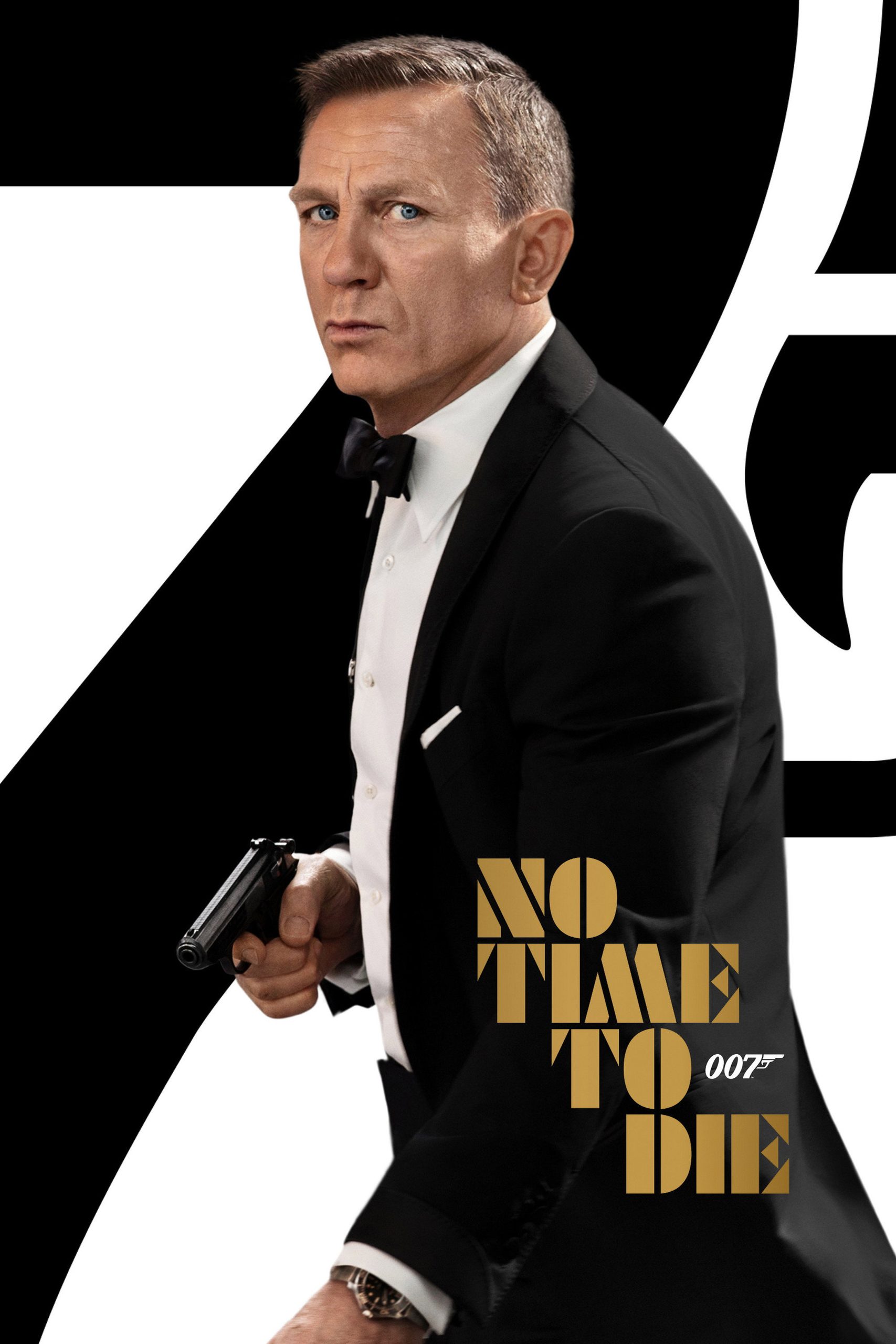
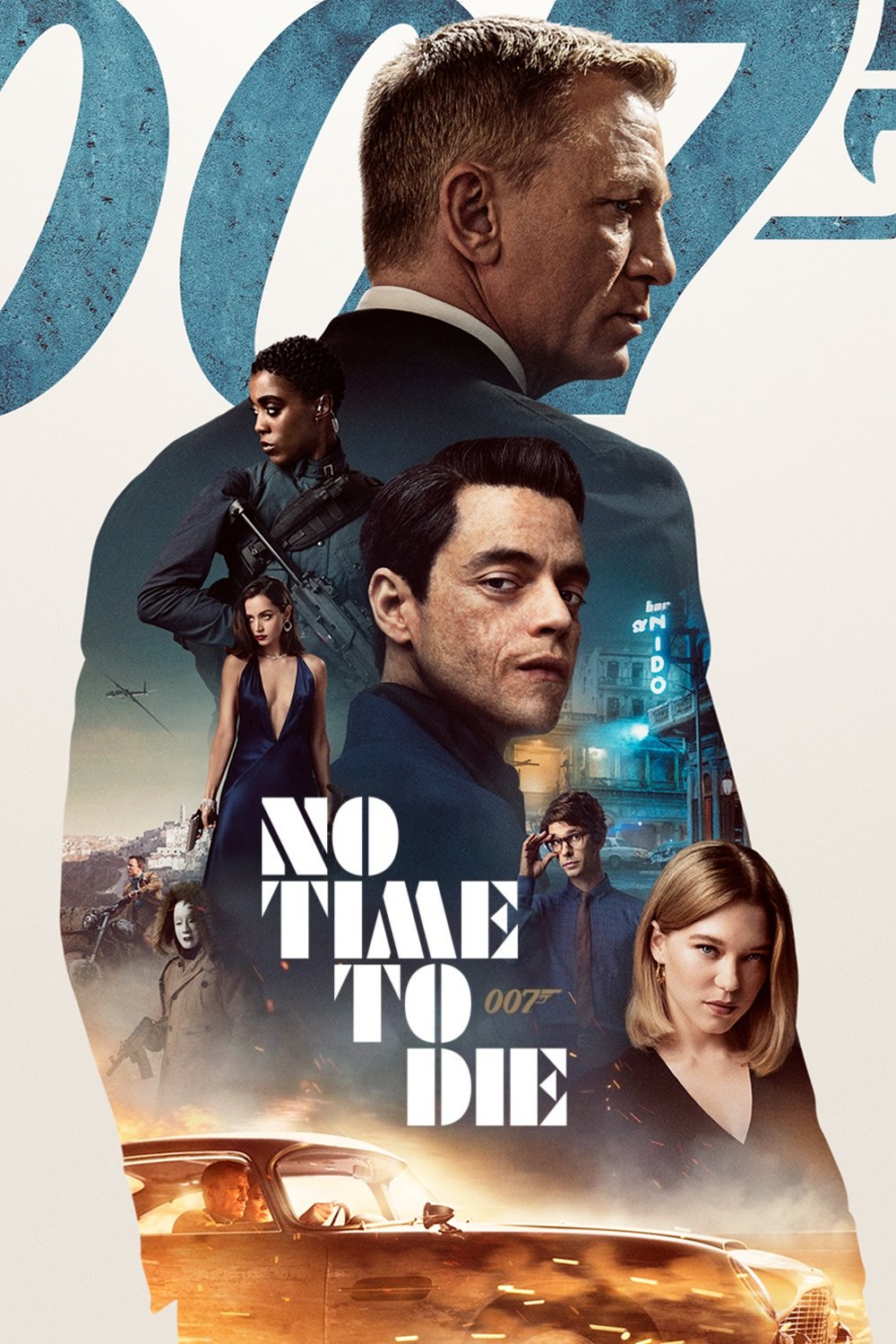
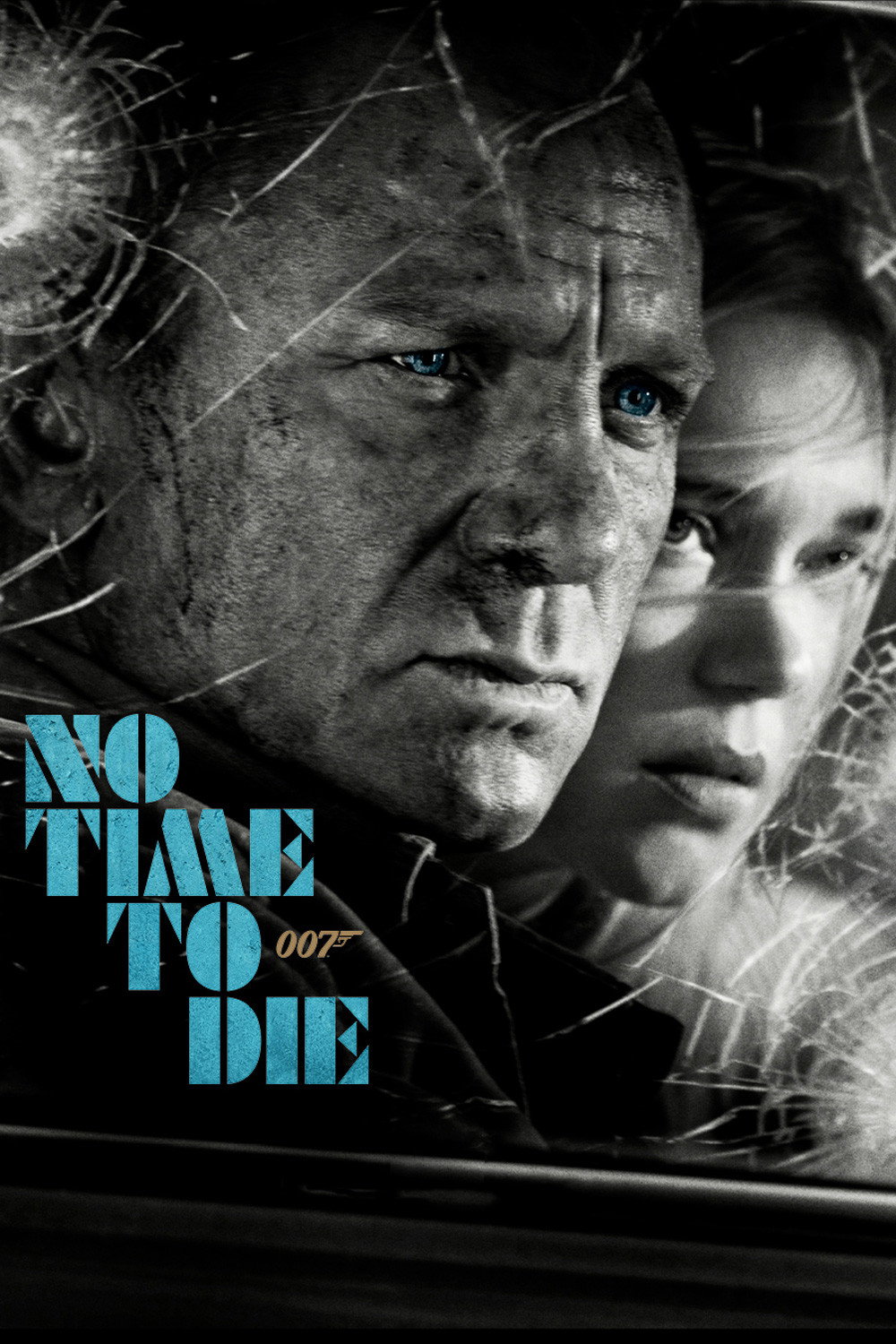
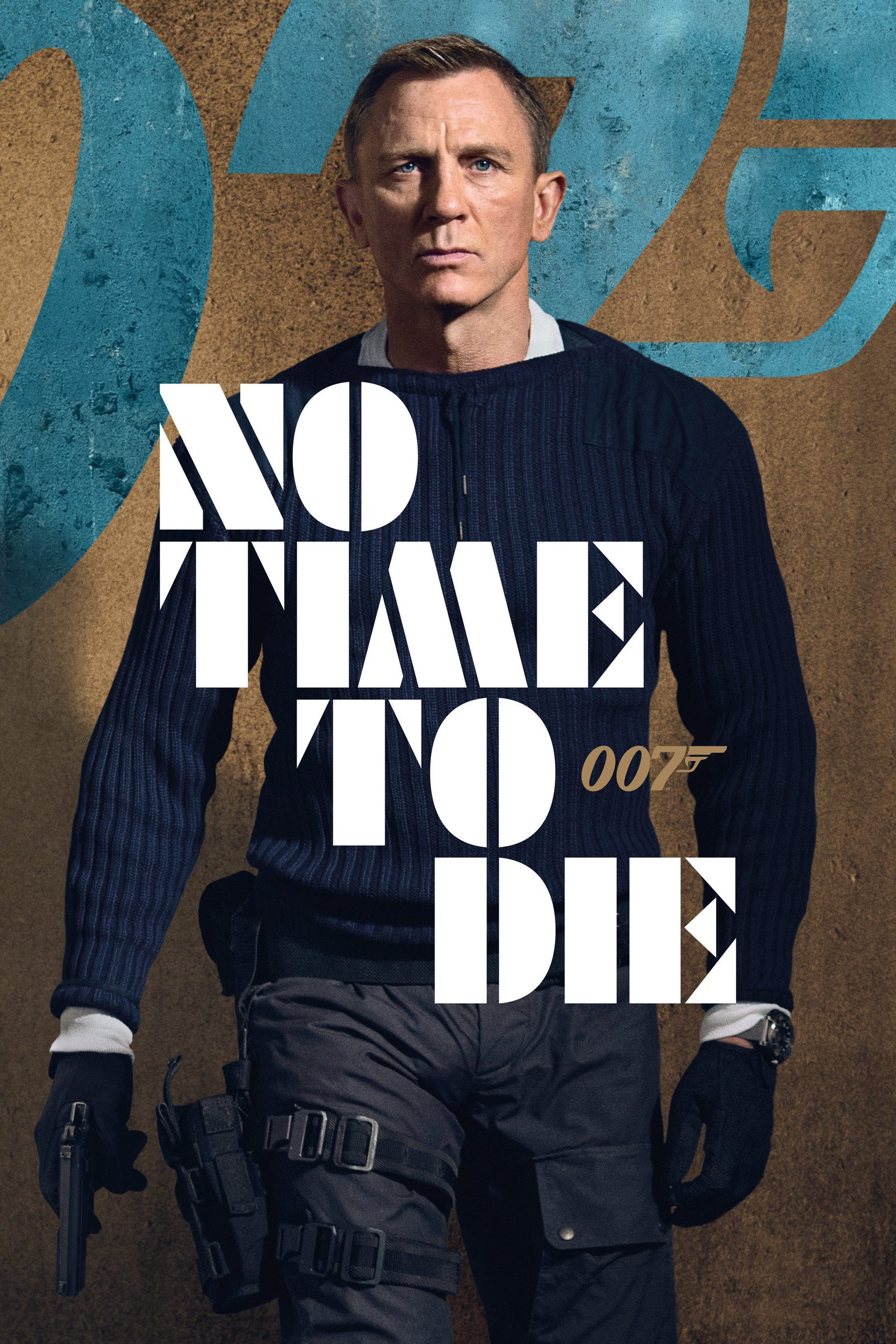
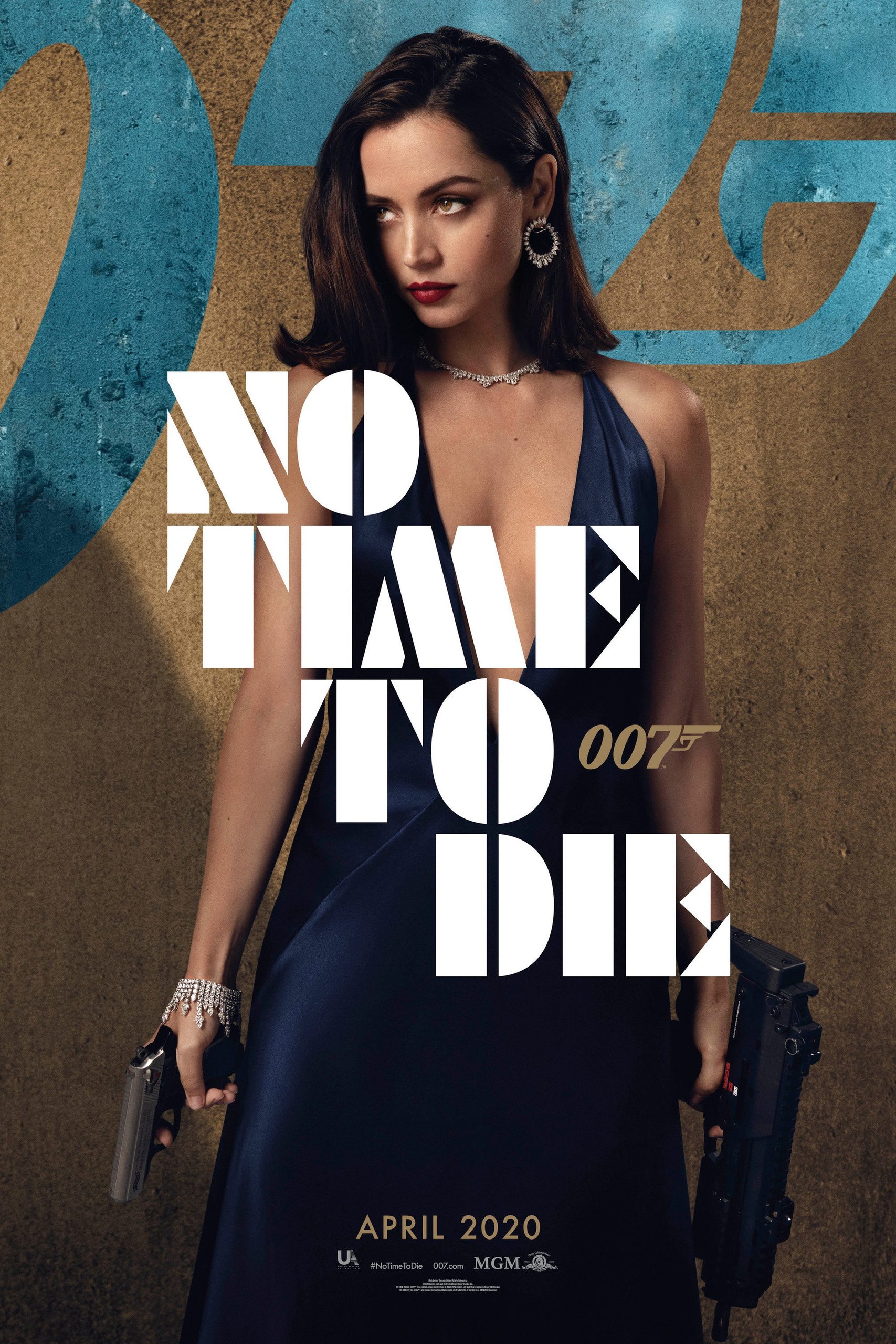
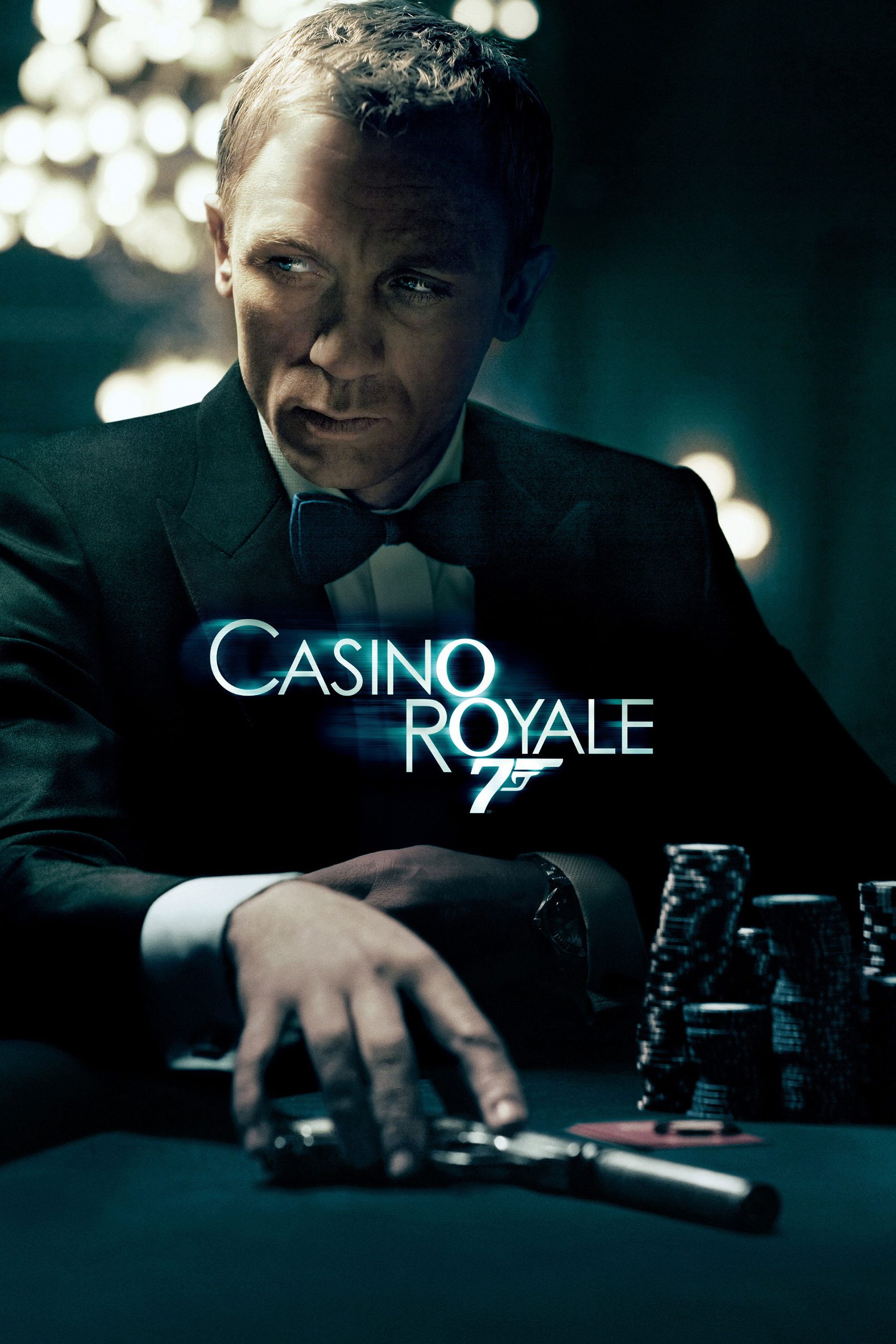
Daniel Craig’s fifth and final Bond is the most heartfelt of the run and the longest, and the two facts are related. The Matera and Havana sequences are as good as the series has been in years; the villain and the last hour are not.
Daniel Craig’s fifth Bond film is also his last, and everybody involved knows it. Cary Joji Fukunaga has been handed a job no Bond director has had before: not to set up the next one but to finish this one, fifteen years after Casino Royale (2006) started it. He takes 163 minutes, the longest the series has ever run, and uses them to give Bond a past, a woman he trusts and a reason to stop. About two thirds of that is done well. The rest is a villain who never comes into focus and a last hour that keeps announcing the end and then putting it off.
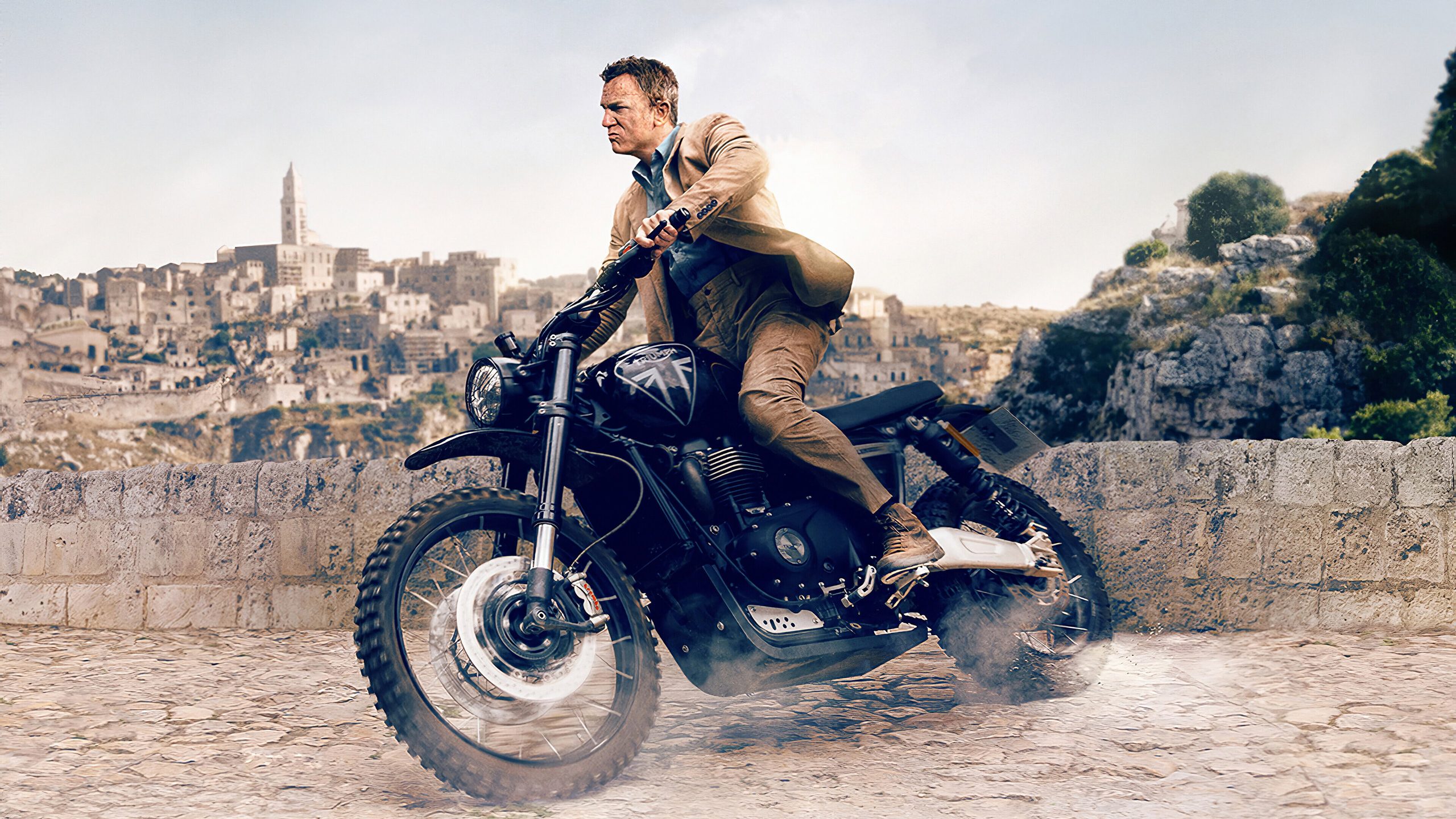
The opening in Matera is the best sustained stretch of action the Craig films have managed since Casino Royale. Linus Sandgren shoots the town in cream stone and late gold, brighter than anything in the Craig run before it, and keeps the camera far enough back that we can see the geometry: a bridge, a piazza, a car that will not start. Tom Cross and Elliot Graham cut it so that we always know where Bond is, where the gunmen are and how many bullets the Aston Martin has left. We were gripped in the plain old way, leaning forward, and glad of it.
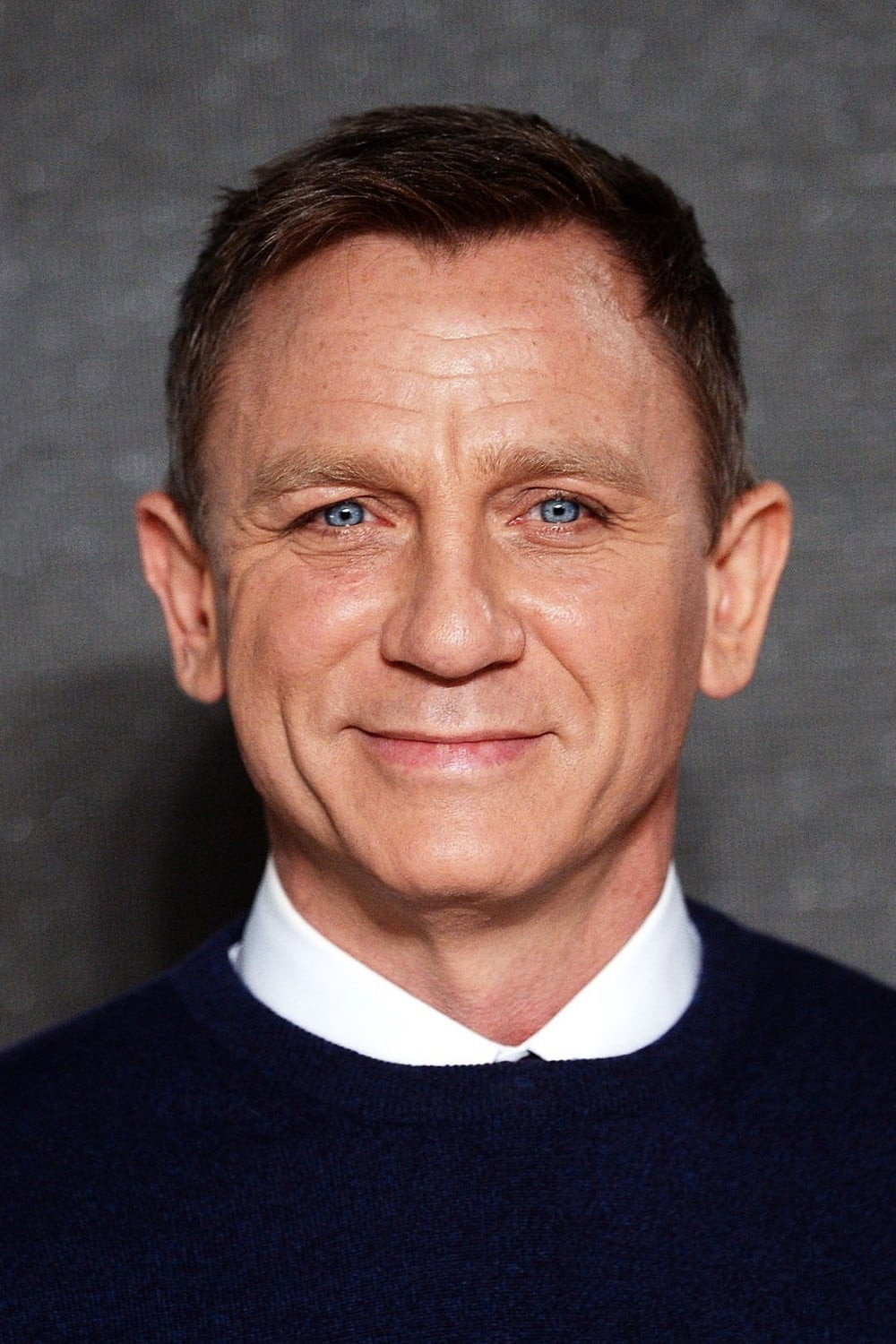
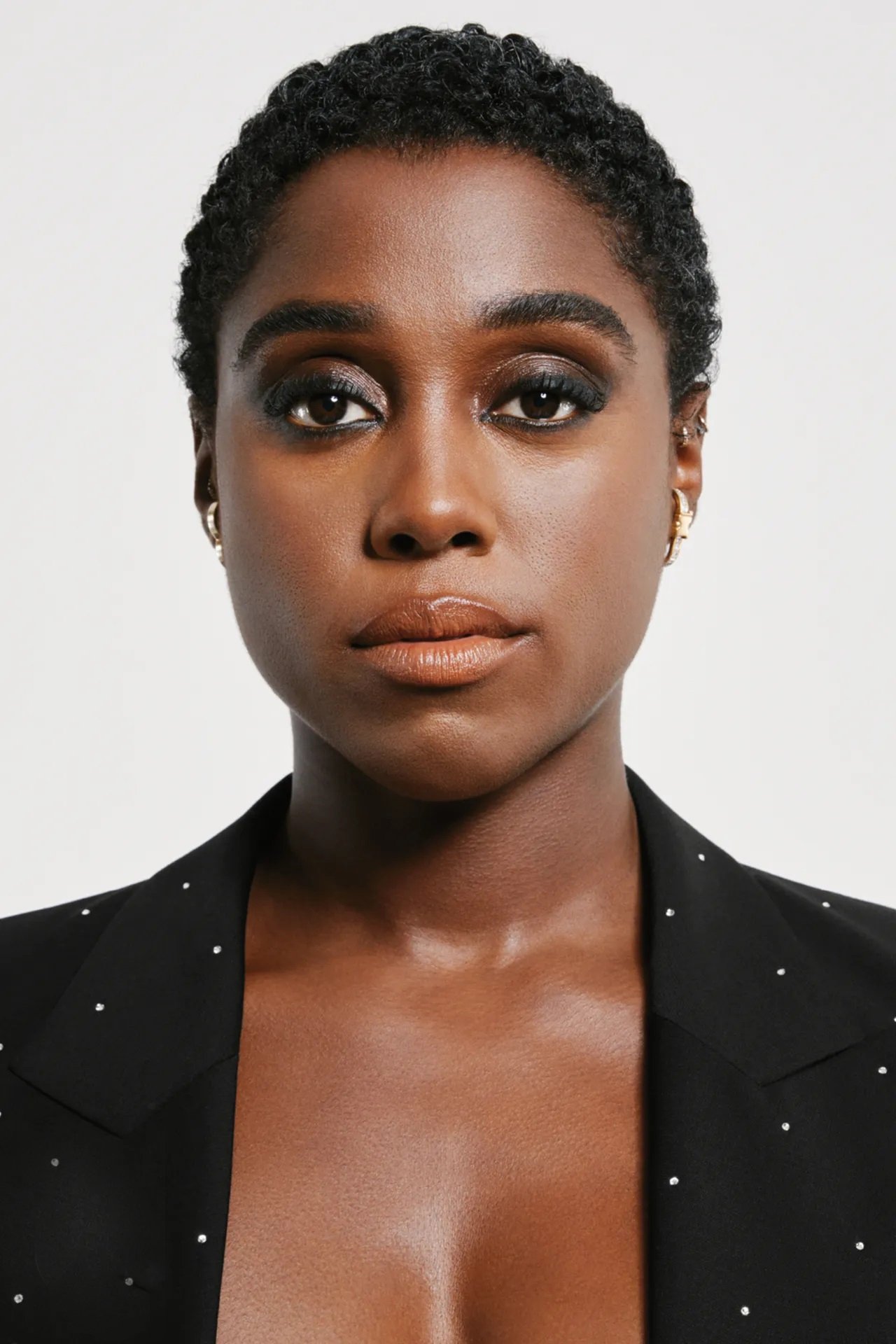
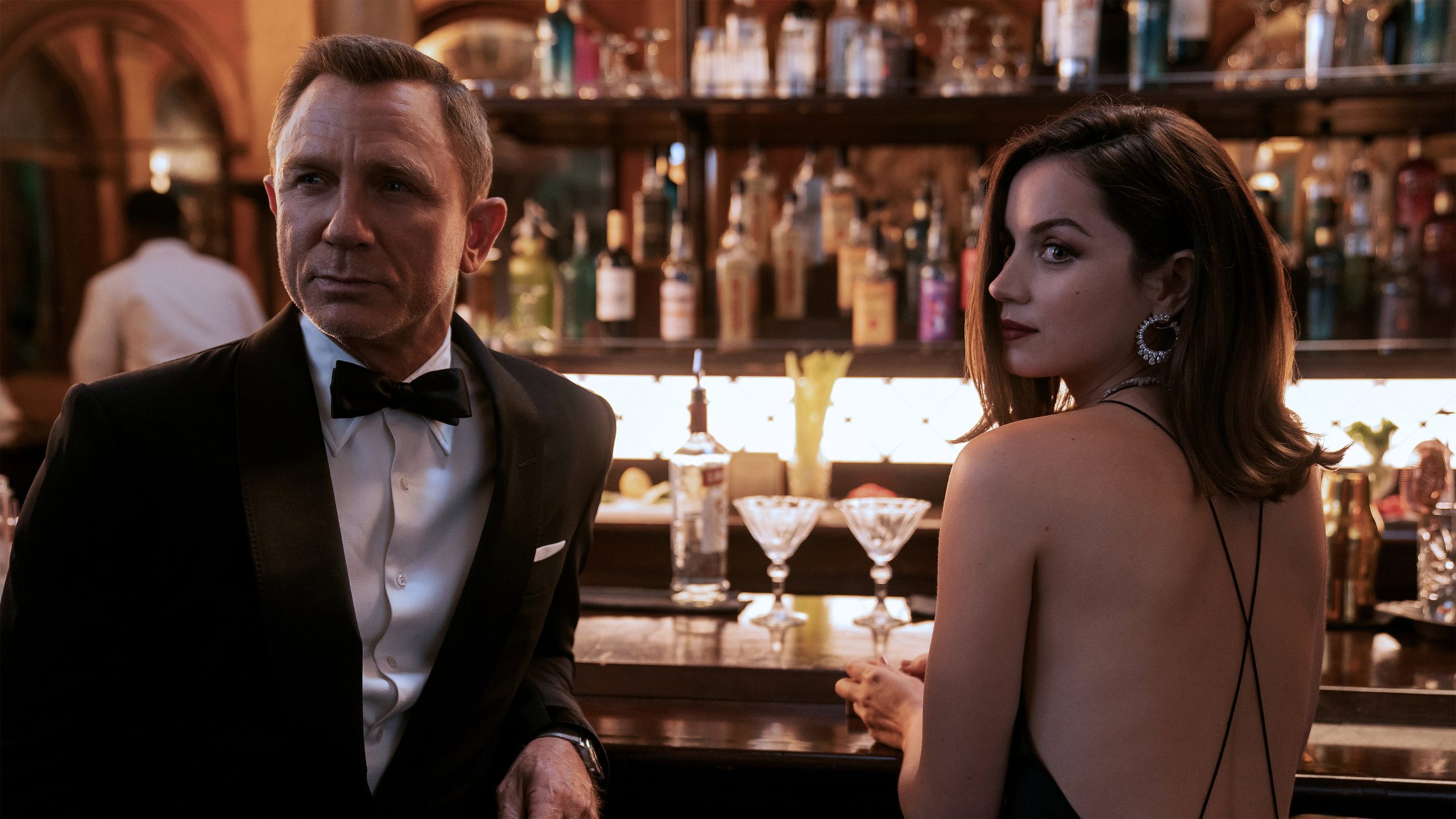
Craig is better here than he has ever been in the part. He is heavier and slower and has at last been allowed to be funny, which we put down to Phoebe Waller-Bridge on the script alongside Neal Purvis, Robert Wade and Fukunaga. His retired Bond in Jamaica, in a crumpled shirt and a bad mood, is a man who has read about himself and not enjoyed it. Lashana Lynch’s Nomi, who has inherited his number and is not sorry, gives him someone to be prickly with, and their scenes have a bounce the series usually lacks. The Havana party, lit by Sandgren in teal and candle gold, is the film’s happiest half hour: a new CIA contact with three weeks of training, a room full of Spectre in evening dress, and Craig grinning for the first time in about three films. It is the writing rather than the stunts that gets the laughs.
Then the film has to be about something, and it chooses love. Léa Seydoux’s Madeleine is asked to carry more than any Bond woman in decades, and she does it with a stillness the camera likes. Whether we believe the two of them as a couple is another matter; Craig plays devotion as a kind of wariness, and they are more convincing apart than together. Hans Zimmer’s score keeps returning to the love theme from On Her Majesty’s Secret Service (1969), and the quotation does a good deal of the work the scenes do not.
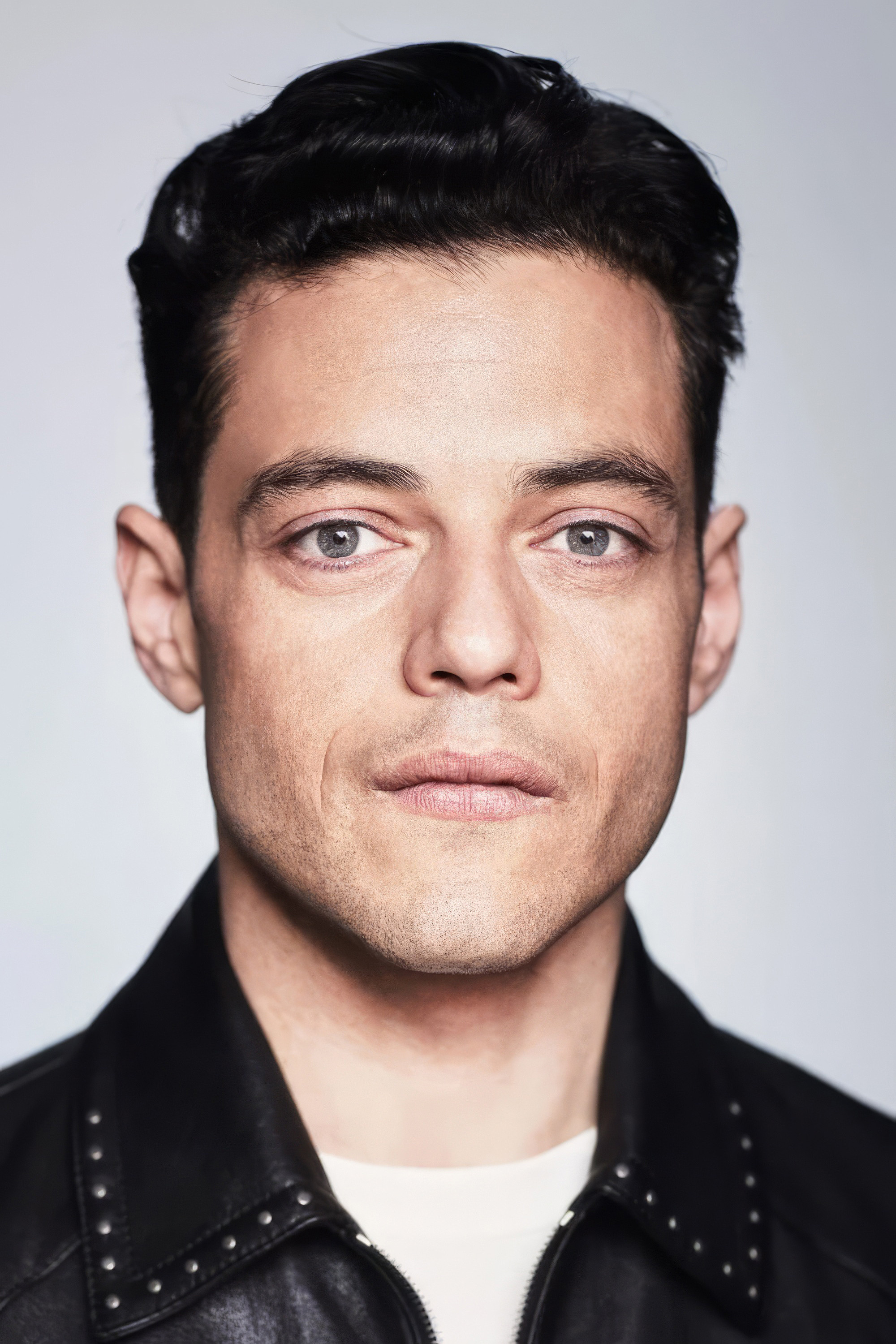
The villain does none of it. Rami Malek’s Lyutsifer Safin speaks in a whisper, wears a scar and a porcelain mask, and wants something the script explains three times without once making clear. Mark Tildesley’s design for his island, a concrete bunker with a poison garden and paper screens, is handsome, and the plot arrives there and sits down. The weapon, a virus that kills by DNA, is described in a laboratory, then a car, then a boat. Christoph Waltz’s Blofeld gets one scene behind glass. Jeffrey Wright’s Felix Leiter, back after two films away, is given about as much to do as the boat.
We felt the length at around the two-hour mark, in a Norwegian forest, when the film stopped for a chase it did not need. Then the last twenty minutes did something we had not expected: we were moved, properly, and not for reasons of nostalgia. We will not say what happens. We will say that the film wants those tears badly and turns the music up to get them, and that it earns most of them anyway, because Craig has spent five films building a man who could be mourned.
Against the run it sits below Casino Royale and Skyfall (2012) and well above Spectre (2015) and Quantum of Solace (2008). Suttirat Anne Larlarb dresses Craig in corduroy for Jamaica and midnight blue for London, and both fit the man rather than the poster. See it on a large screen if you can; at home the Matera sequence loses half its size, and the last hour is easier to sit through with the remote to hand. It carries a 12A, and it is the first Bond film we would call sad.