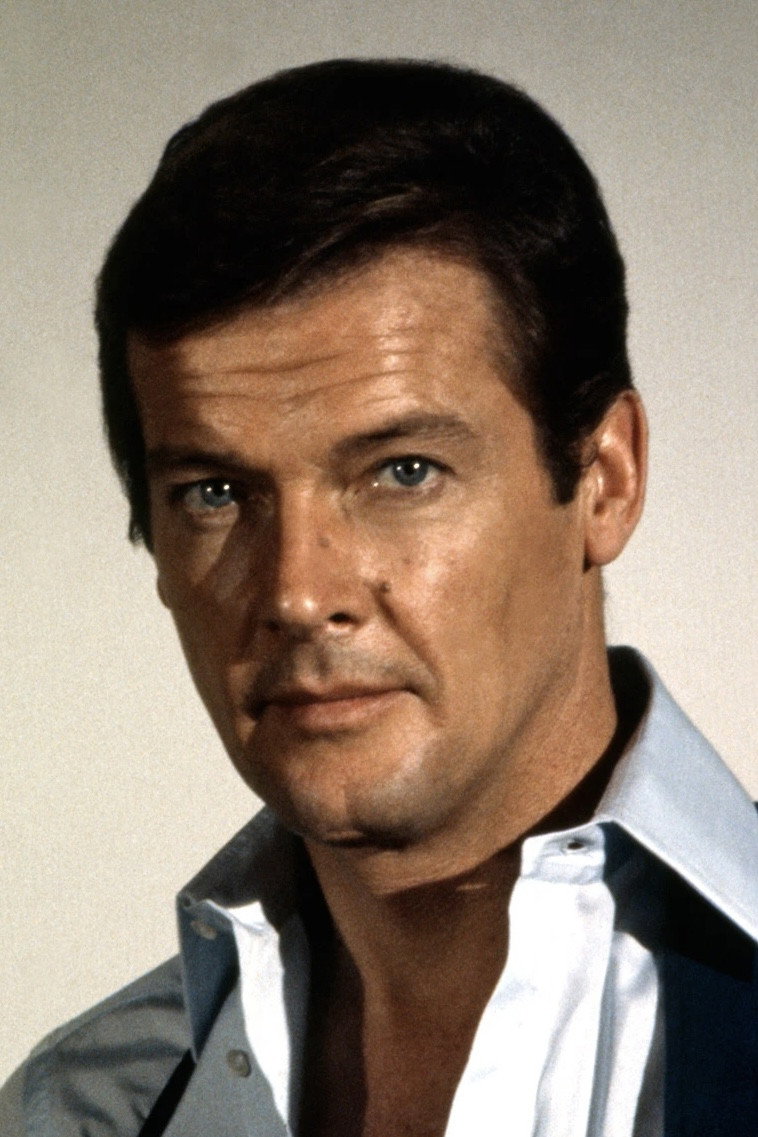
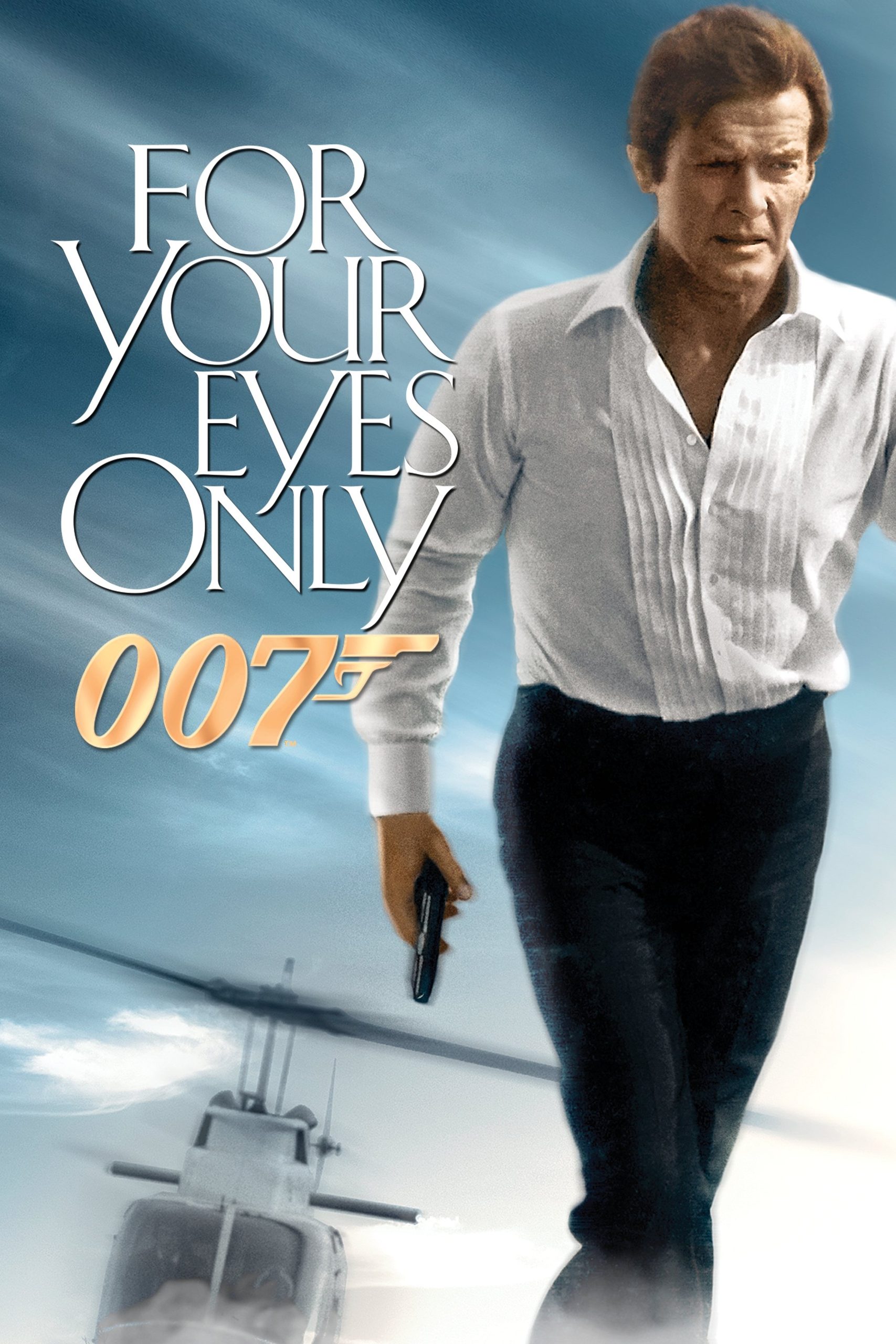
John Glen’s first Bond puts away the space station and sends Roger Moore back to earth, with a heroine who carries a crossbow and villains who bleed. The stunts are among the best in the series; the jokes and the score are not.
Two years after Moonraker put James Bond in orbit, the series came back down. For Your Eyes Only is John Glen’s first film as director, and it is built as a correction: fewer gadgets, a heroine with a grievance, a villain who wears a suit and means it. Richard Maibaum and Michael G. Wilson assemble the script from two Ian Fleming short stories. For long stretches it is the most soberly made Bond film of the Roger Moore years. It is also 128 minutes long, and perhaps a third of them are marking time.
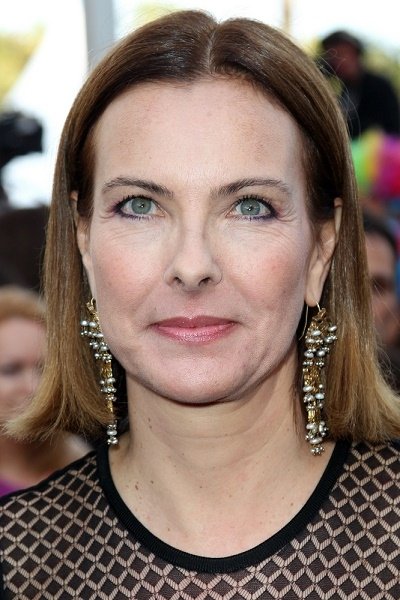
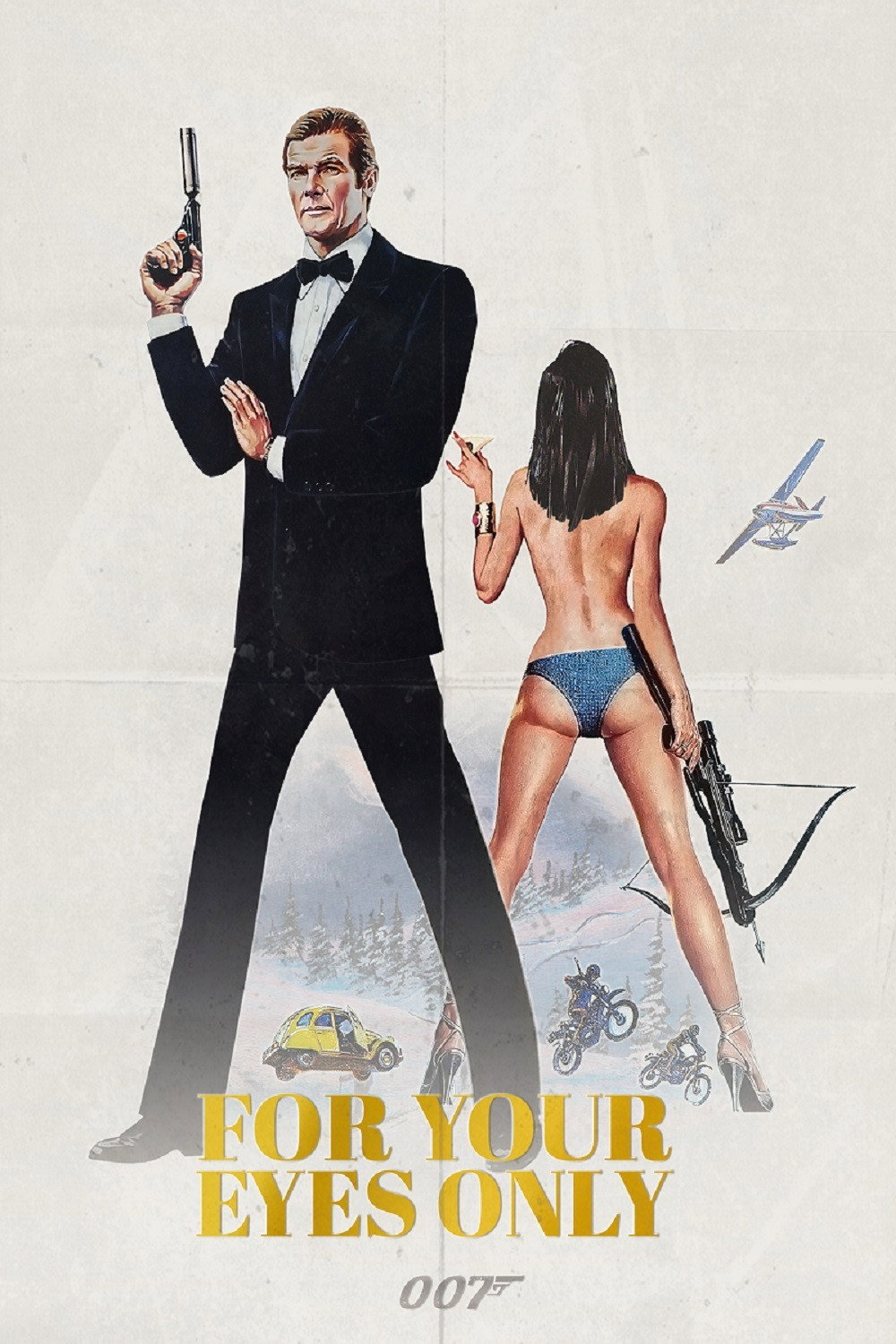
A British spy ship goes down off Albania with a device aboard that can order the Polaris fleet to fire, and in Corfu the marine archaeologist Sir Timothy Havelock (Jack Hedley), who has been looking for the wreck, is shot dead on his boat with his wife. Their daughter Melina (Carole Bouquet) picks up a crossbow and goes hunting. Bouquet plays her without a smile for most of the film, which is right for a woman burying her parents and awkward beside Moore, who cannot stop being pleasant. The script seems to know it and keeps them apart for much of the middle.
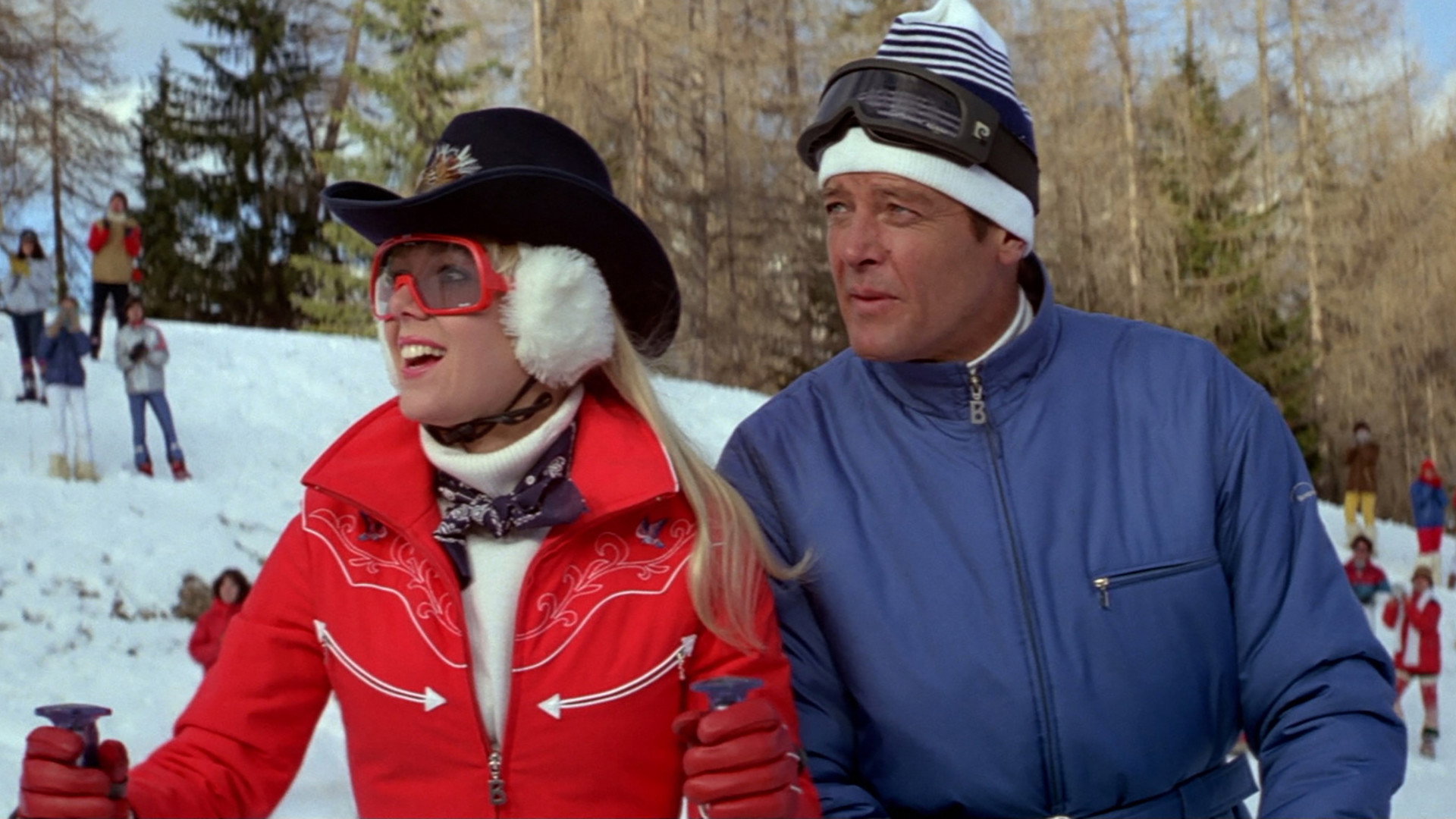
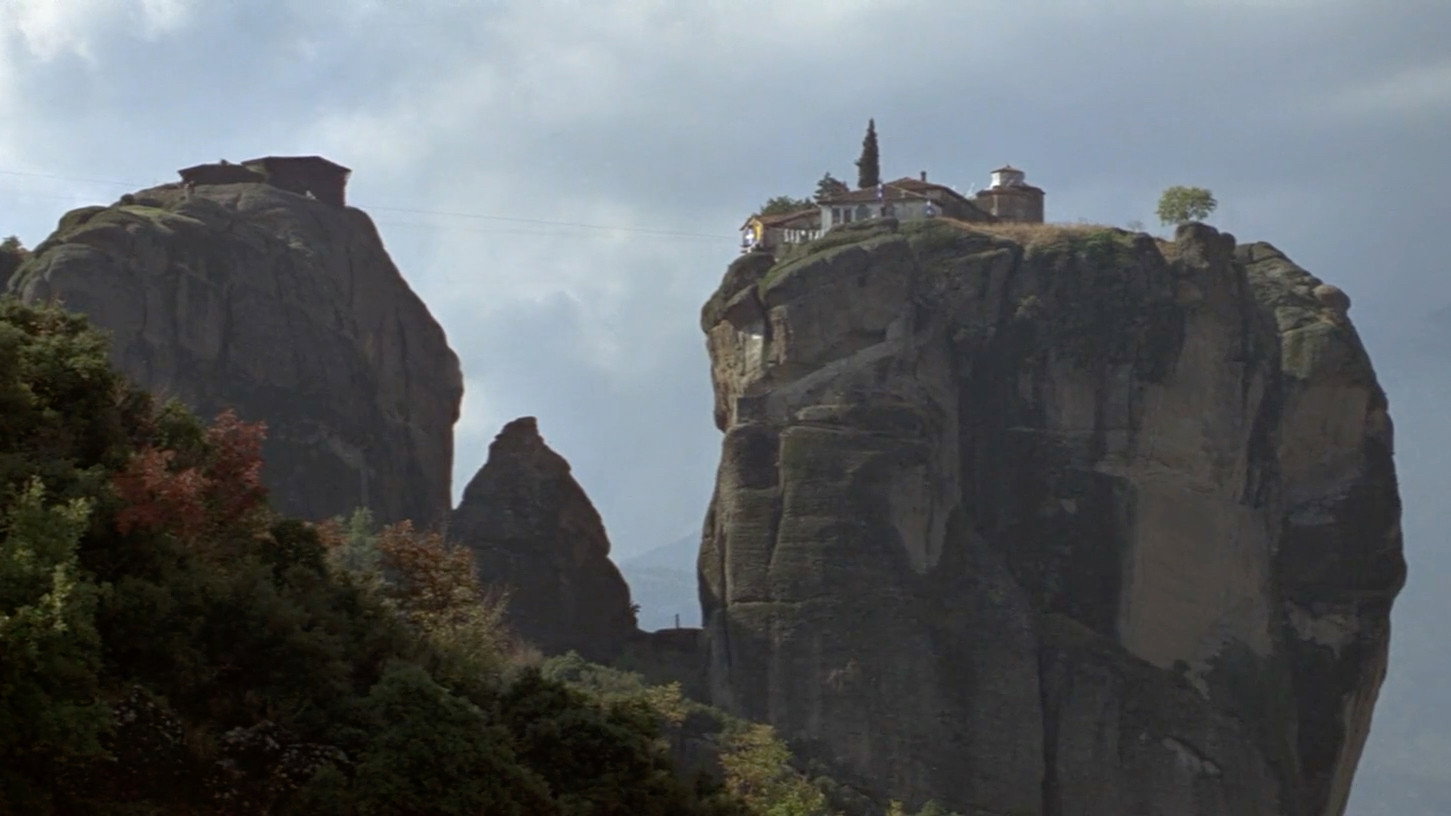
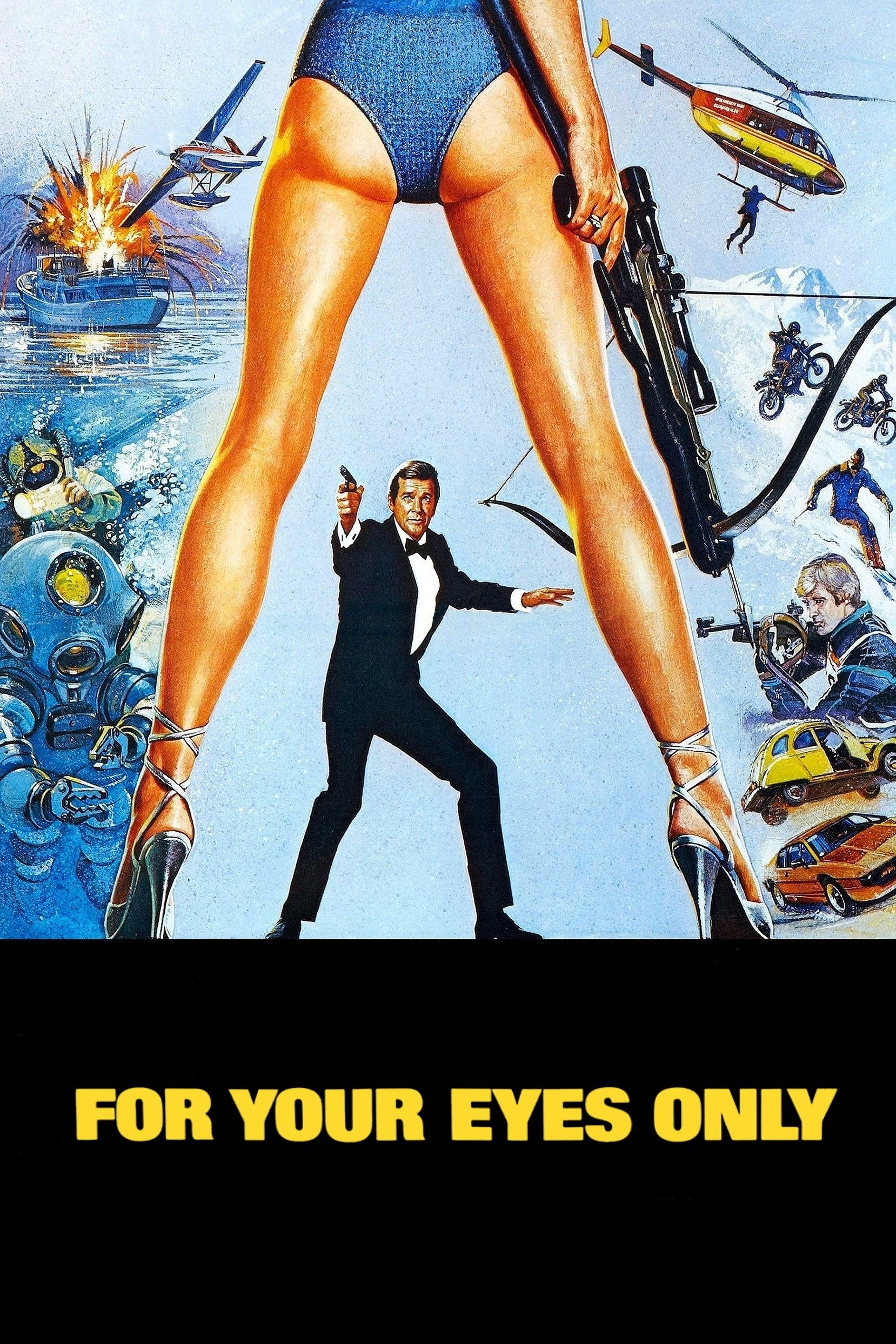
Glen’s gift is the set piece, and he has two here that stand with anything in the series. In Spain, Bond and Melina escape in a yellow Citroën 2CV down a hillside of olive trees, the little car rolling, righting itself and carrying on, and John Grover cuts it so we always know which way it is pointing. In Cortina, Bond on skis is chased by motorcyclists into a bobsleigh run, and the camera goes down the ice with him. Alan Hume shoots the snow so bright that the killers in black leathers are the only dark things in the frame, and Corfu in a hard white light that makes the sea look solid. In Peter Lamont’s drowned spy ship the only light is the divers’ lamps.
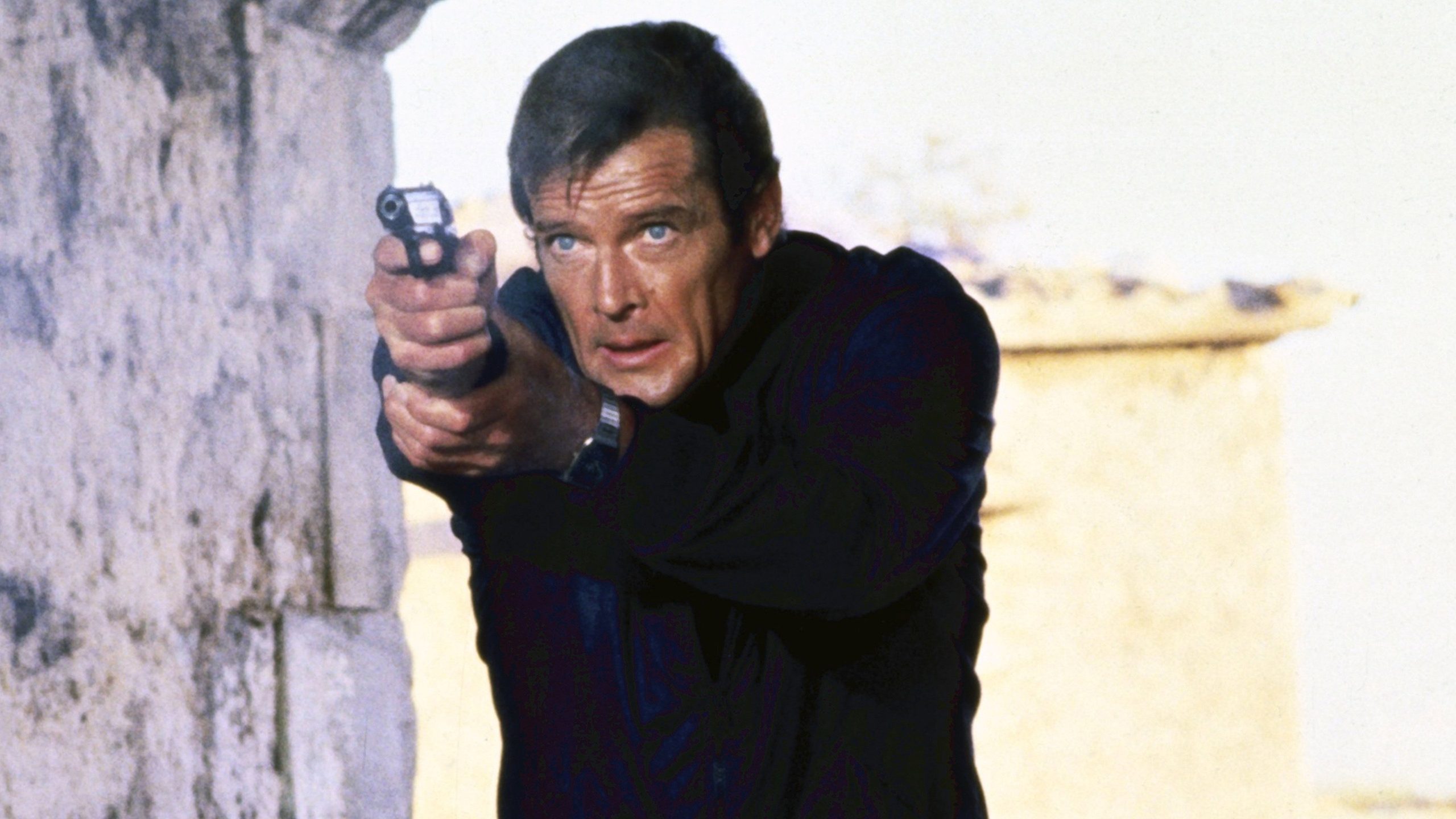
Then there is the cliff. Midway through, Moore stands over a car balanced on the edge of a drop with a man inside it, and we will not describe what he does. We will say it is done without a joke, that his face goes flat and rather frightening, and that we sat up. It is the coldest thing his Bond does and the best acting he does in the part. A later sequence at sea, with a rope, a boat and a reef, had us watching with our shoulders up.
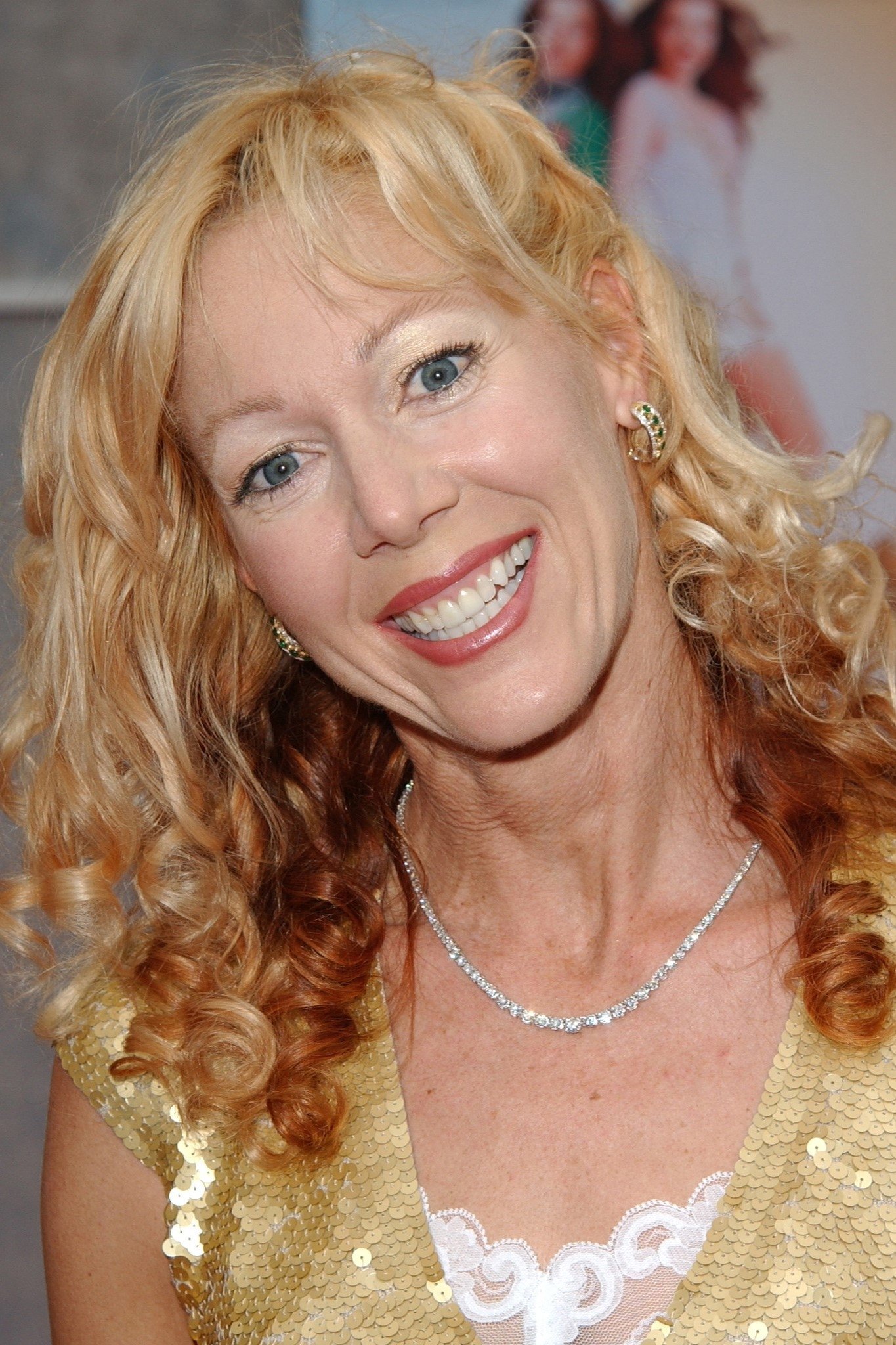
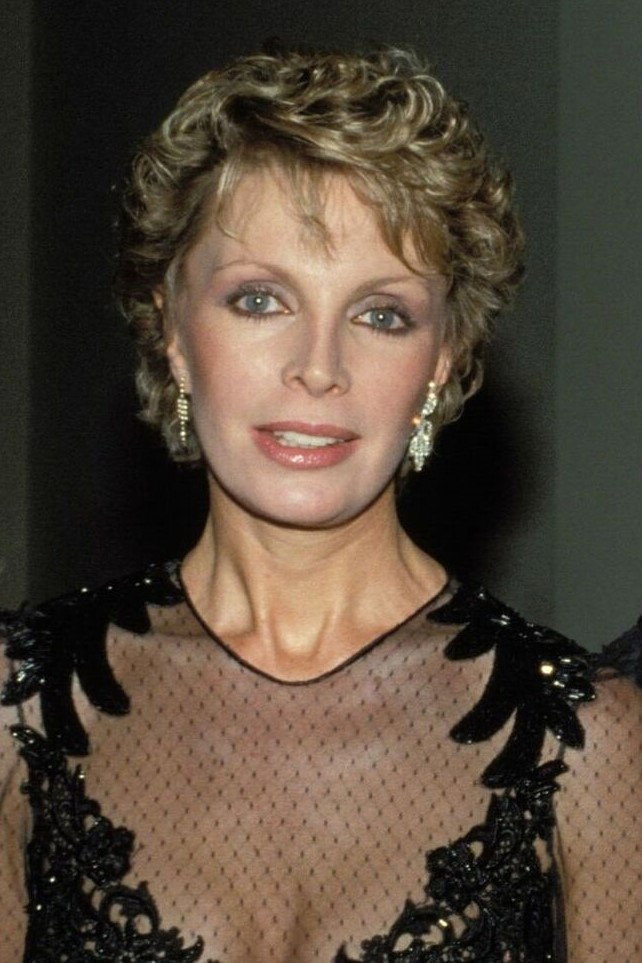
Lynn-Holly Johnson plays Bibi Dahl, a figure skater who keeps climbing into the bed of a Bond visibly in his fifties, and the film treats this as comedy, with Jill Bennett as her coach standing by looking cross. We laughed once, and by Bibi’s third appearance we were checking our watches. Bill Conti’s score is the other trouble: slapped bass and synthesised brass under every chase, so that the ski run sounds like a game show theme. Sheena Easton’s title song has worn better than anything under the pictures.
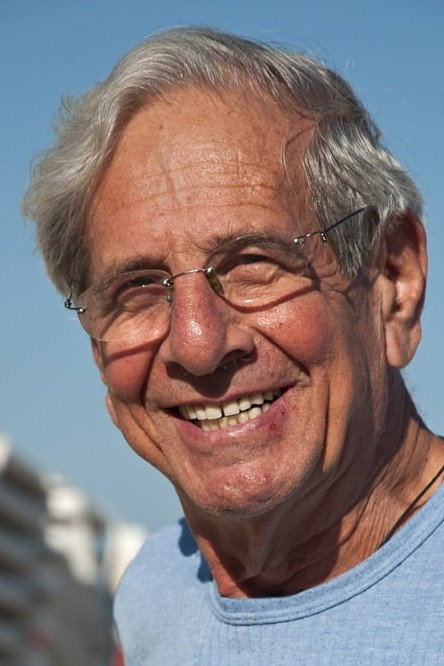
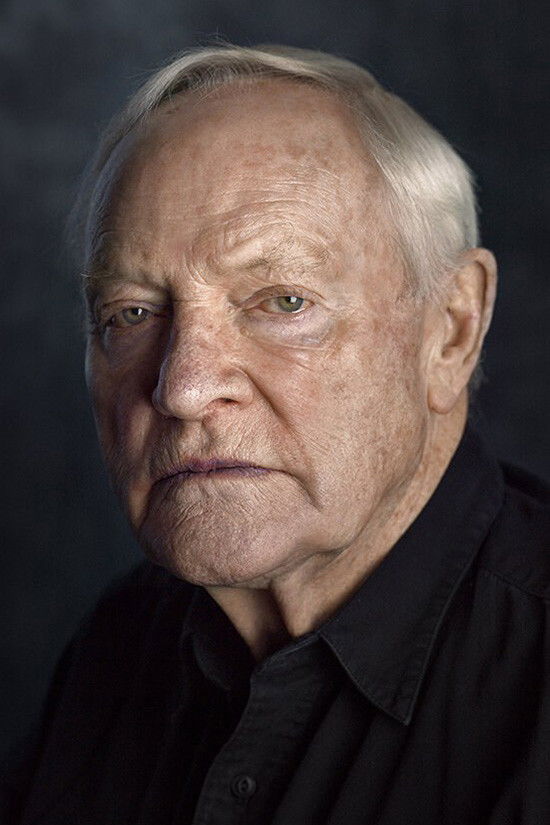
The villains are quieter than the series usually allows, which suits the film and costs it something. Julian Glover’s Aristotle Kristatos is a well-tailored shipping man who talks softly and never raises a hand himself; after the men with steel teeth the restraint is welcome, and it means there is nobody for Bond to be afraid of. Michael Gothard’s Emile Leopold Locque, who says nothing and watches from behind octagonal glasses, is the more unsettling presence. Chaim Topol’s Milos Columbo, a smuggler who cracks pistachios and laughs at his own danger, is the best of the supporting cast, and the film lifts whenever he is aboard his boat. Elizabeth Waller dresses Bouquet in black and white and Moore in cream, so you can tell at a glance who is grieving.
Glen went on to direct the next four, and the pattern was set here: real stunts, real heights, a Bond who bleeds a little, and comic relief bolted on in case anyone missed the jokes. Set against Moonraker it is a relief. Set against the Connery films it is imitating, it is a competent one.
See it for the olive grove, the bobsleigh run and the cliff, and give yourself permission to make the tea during the skating. It carries a PG and is the Moore film to show someone who says they do not like Roger Moore.