Timothy Dalton’s second and last Bond sacks him early and lets him spend the rest on a grudge, and it is the toughest the series had been in years. It also looks like television, the score is thin, and the jokes keep wandering back in.
John Glen’s fifth Bond film begins with a wedding in Key West and has the groom lowered into a shark tank before the honeymoon. We flinched at it. Glen cuts away before the worst and the film is nastier for the restraint. Michael G. Wilson and Richard Maibaum’s script does something the series had never done: it takes Bond’s job away. His superiors tell him the drug baron Franz Sanchez is an American problem; he refuses and spends the remaining two hours as a private citizen with a grudge. It is a Bond film built like an American cop picture, and for long stretches it works.
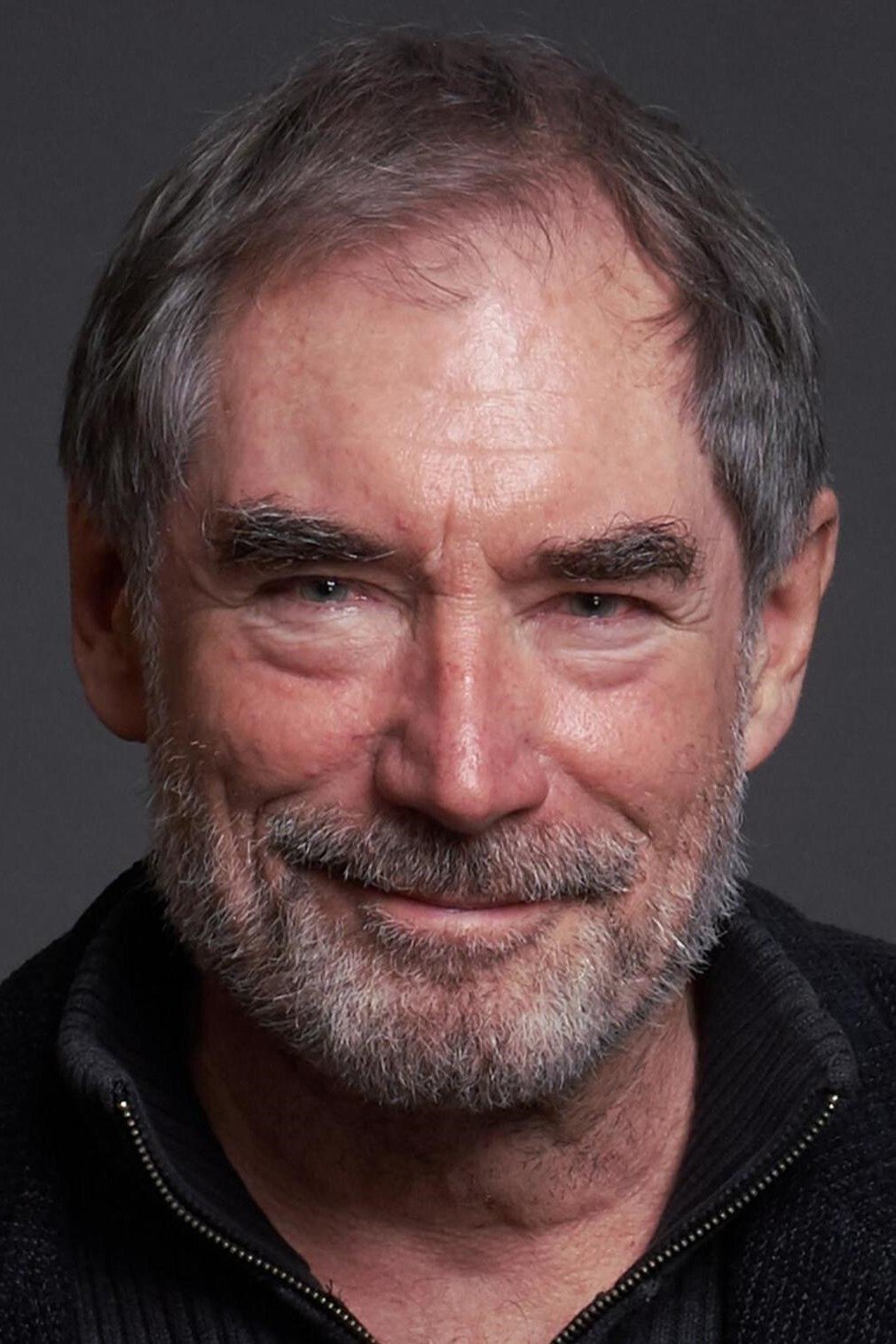
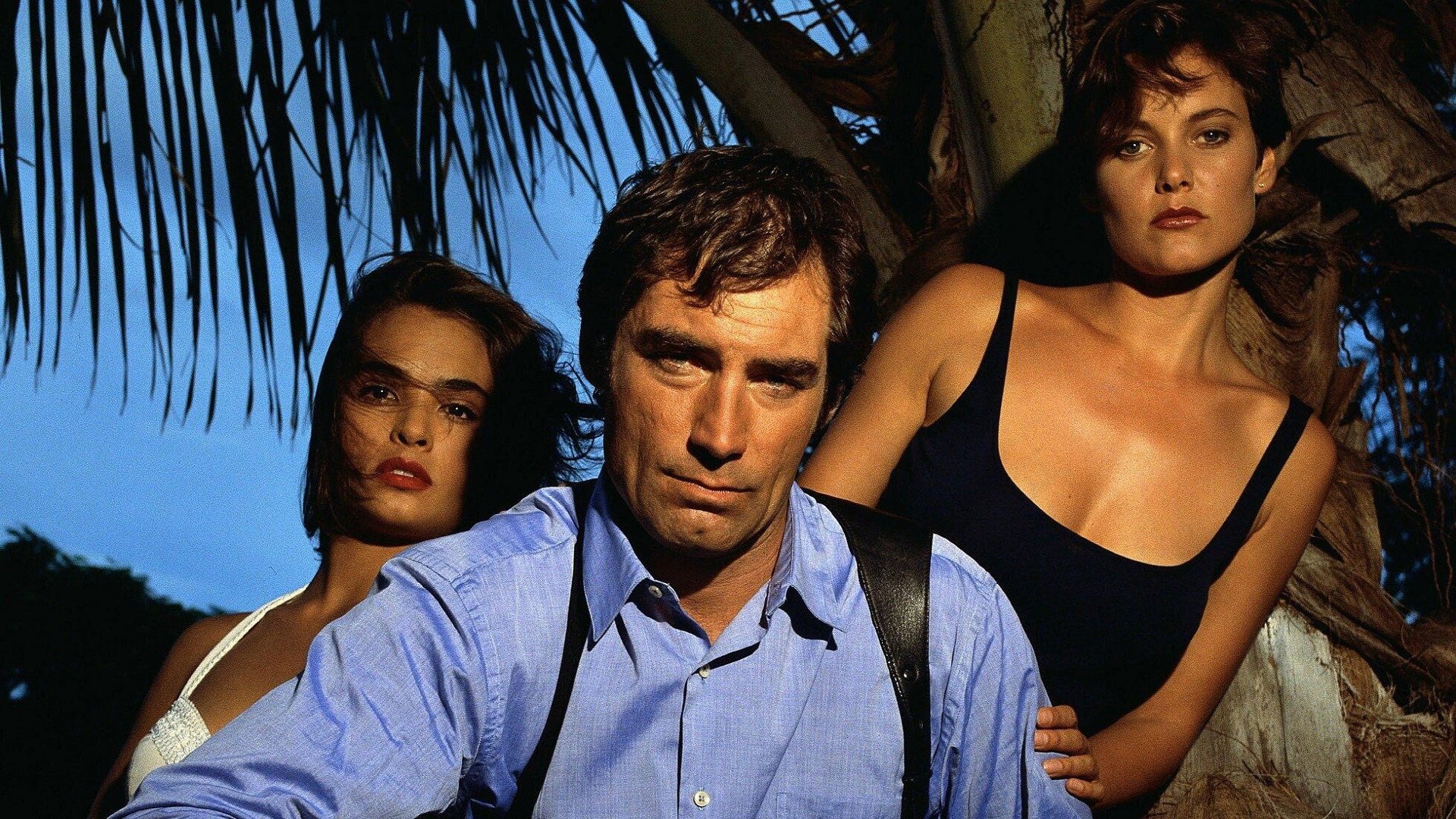
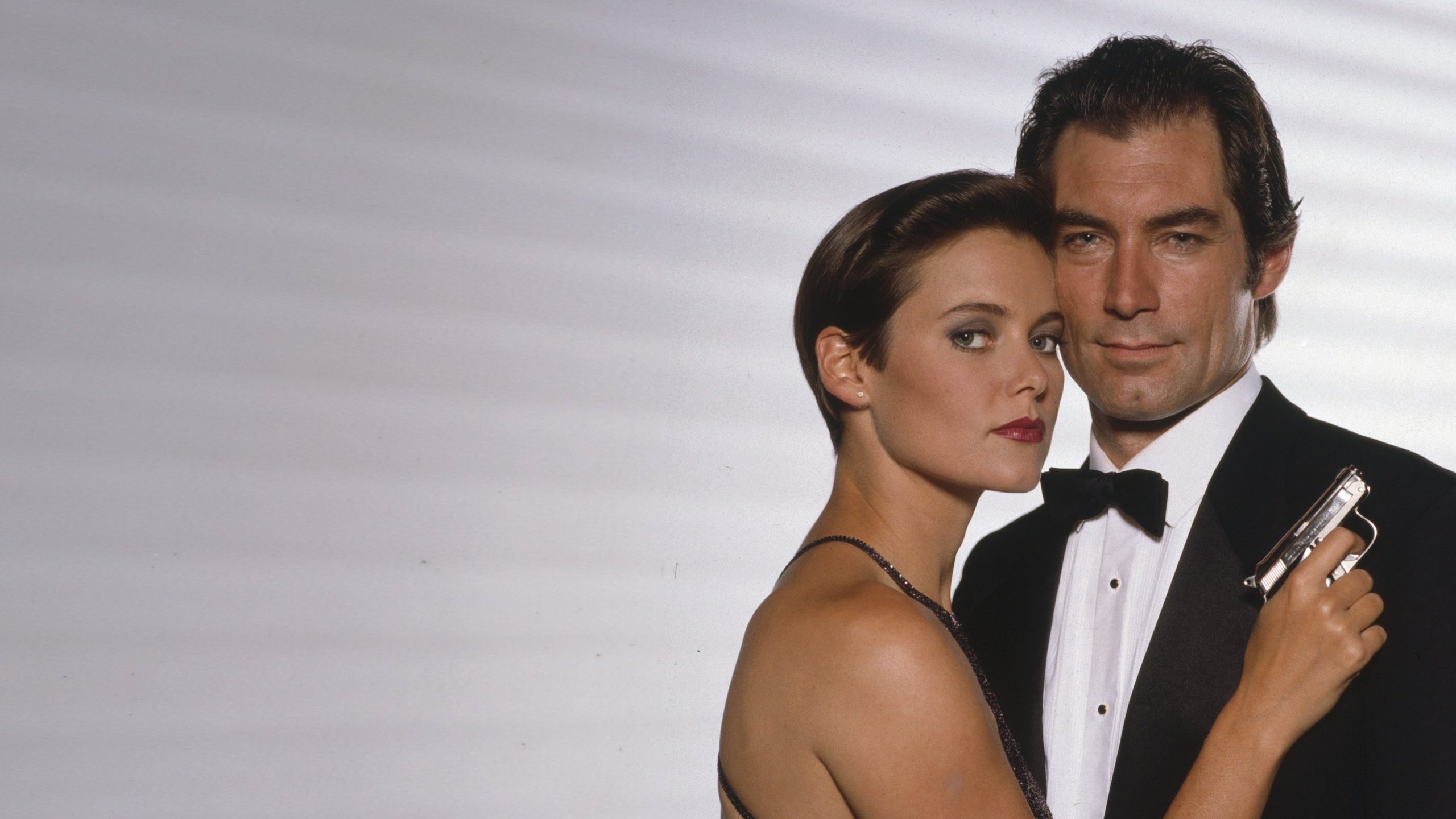
Dalton is the reason to watch. He plays Bond as a man barely holding his temper, jaw set, eyes wet, saying as little as he can get away with, and the film gives him proper grief to carry rather than a quip to hide behind. When he walks out on his own service he does it quietly, and we believe the man would never have been let back in. What he is instead is frightening, and Bond had not been that for a long time.
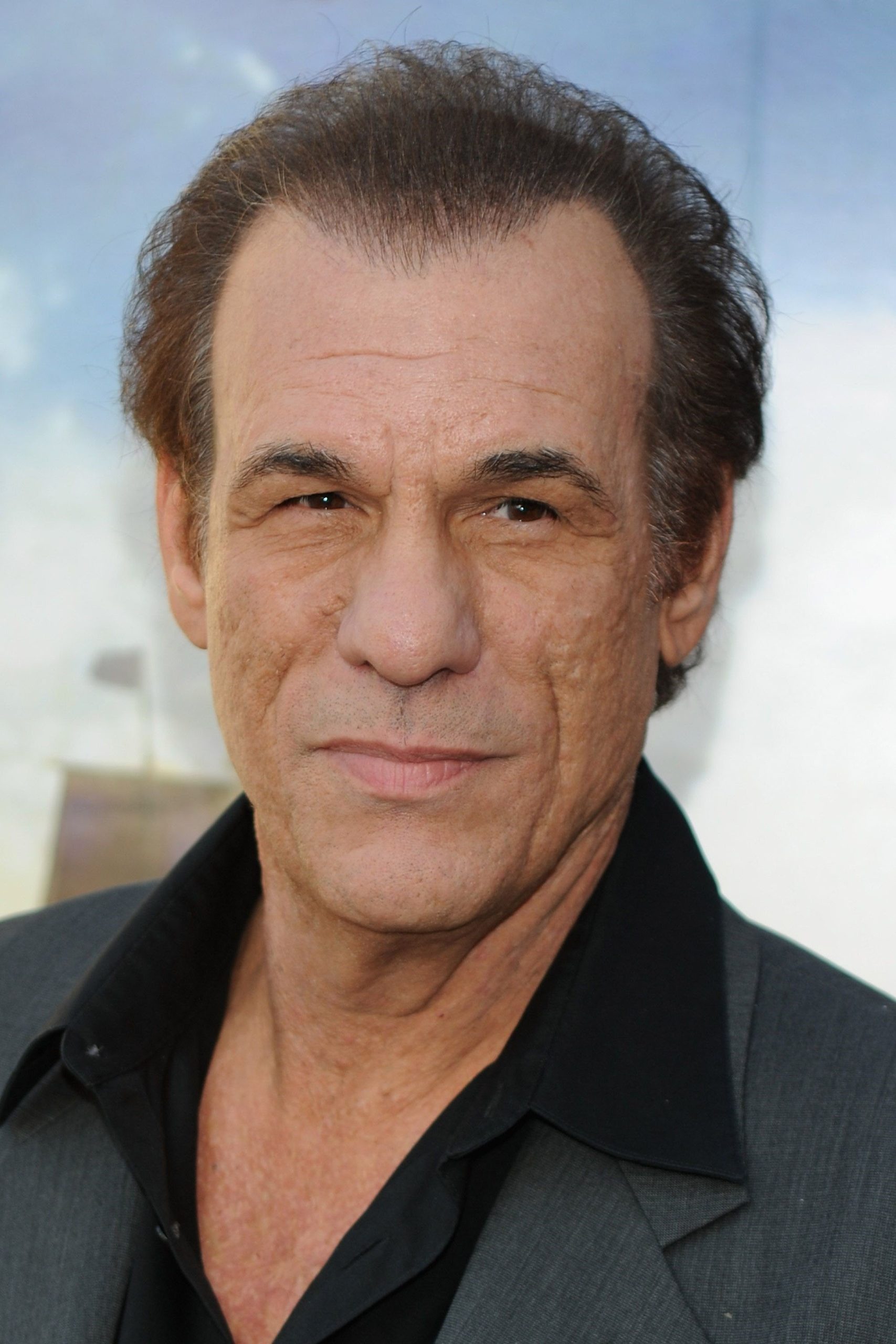
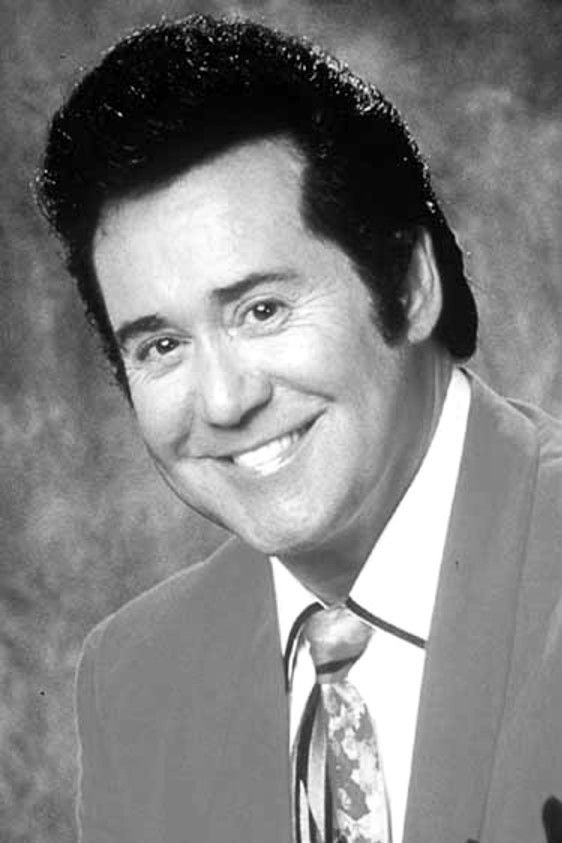
Robert Davi’s Sanchez is a fair match for him: a drug lord who talks about loyalty the way other men talk about God, played as calm, courteous and not quite sane. The script’s best idea is to let Bond get inside Sanchez’s household and turn that loyalty into suspicion, so the middle hour is less about shooting than about a man being talked into wrecking his own organisation. Benicio del Toro gives the henchman Dario a knife and a grin and little else, and is memorable anyway. Wayne Newton turns up as a television preacher, Professor Joe Butcher, fronting Sanchez’s operation, and we could have done without him.
The craft is uneven. Alec Mills lights Florida and the Latin American locations in flat, hard sunshine, and the result too often looks like a well-funded episode of American television: everything is visible and none of it has been arranged as a picture. Peter Lamont’s sets are better, particularly Sanchez’s headquarters dressed up as a meditation retreat, stone temple at the front and laboratory behind. Michael Kamen’s score is the film’s real weakness, thin and anonymous where John Barry’s had been rich, and it makes the film sound cheaper than it looks. John Grover cuts the action cleanly and the conversations less so; dinners and briefings run a beat too long.
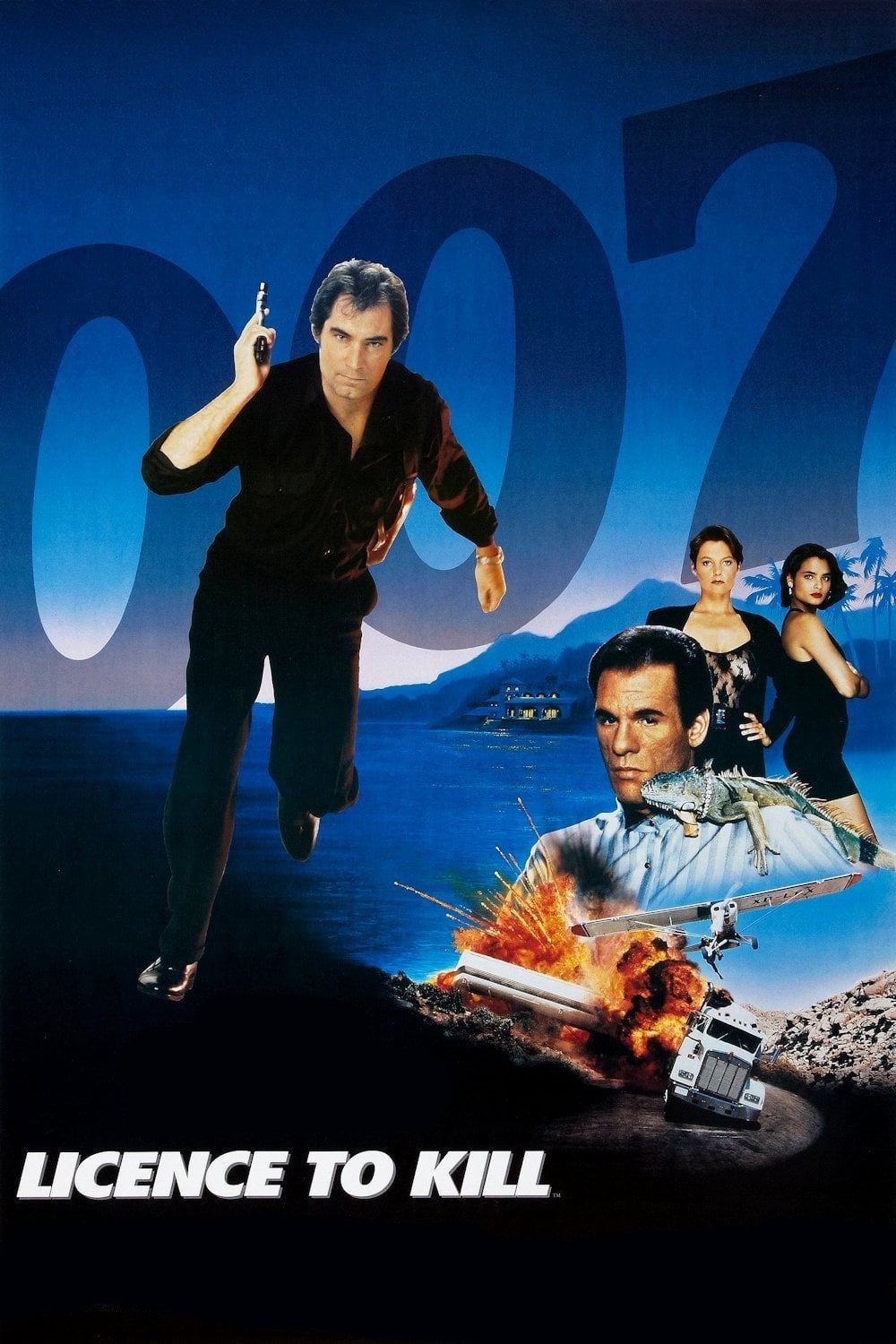
And then there is the last twenty minutes, on a mountain road, with a convoy of petrol tankers, a light aircraft and a great deal of fire. We will not say how it comes out. We will say that we sat forward, and had not expected to, because the tankers are real, the road is real, the stunt drivers are doing things with an articulated lorry that nobody sensible would attempt, and Glen knows exactly where to put the camera so we see all of it. It is the best sustained action in the series for a decade.
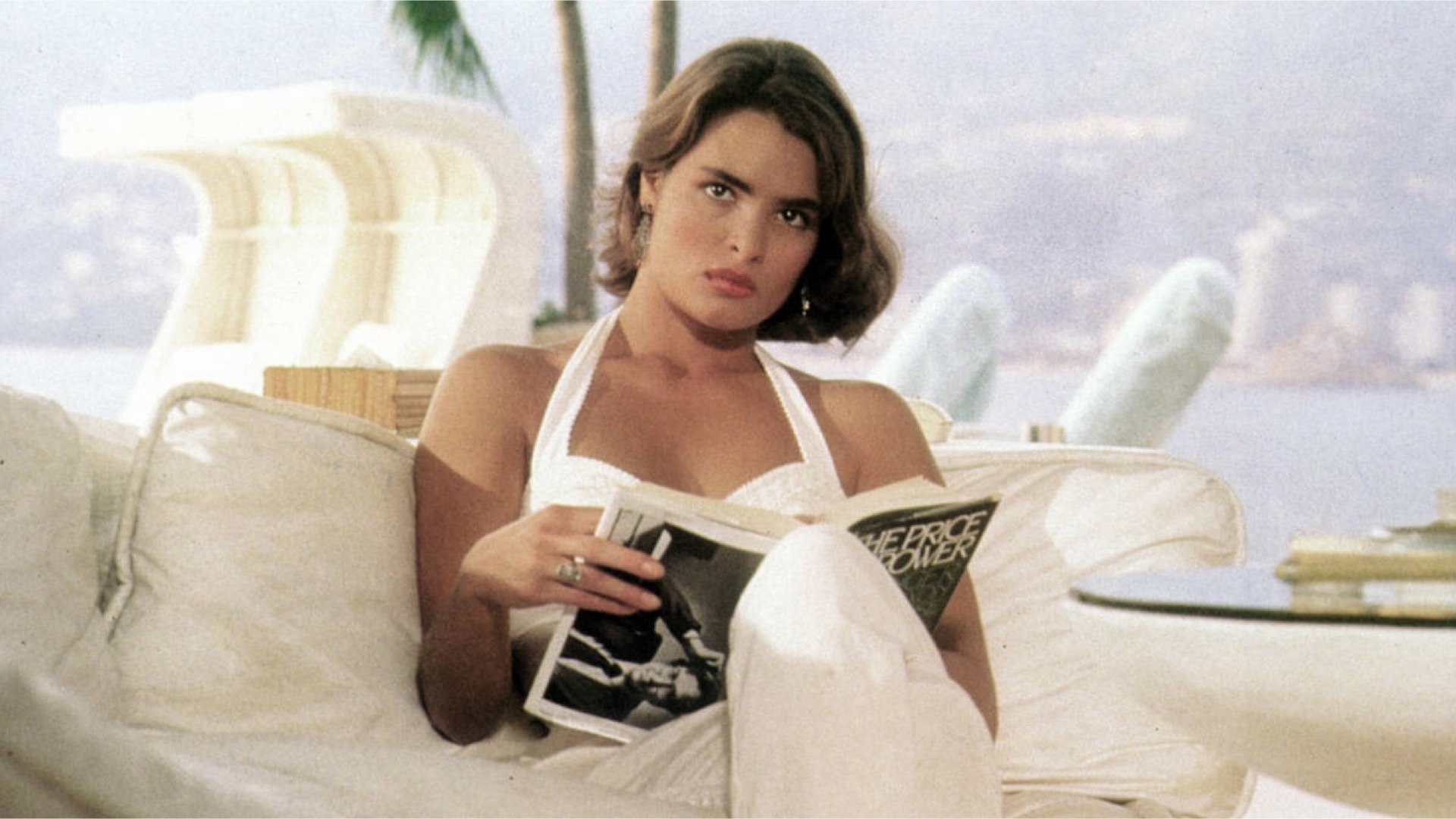
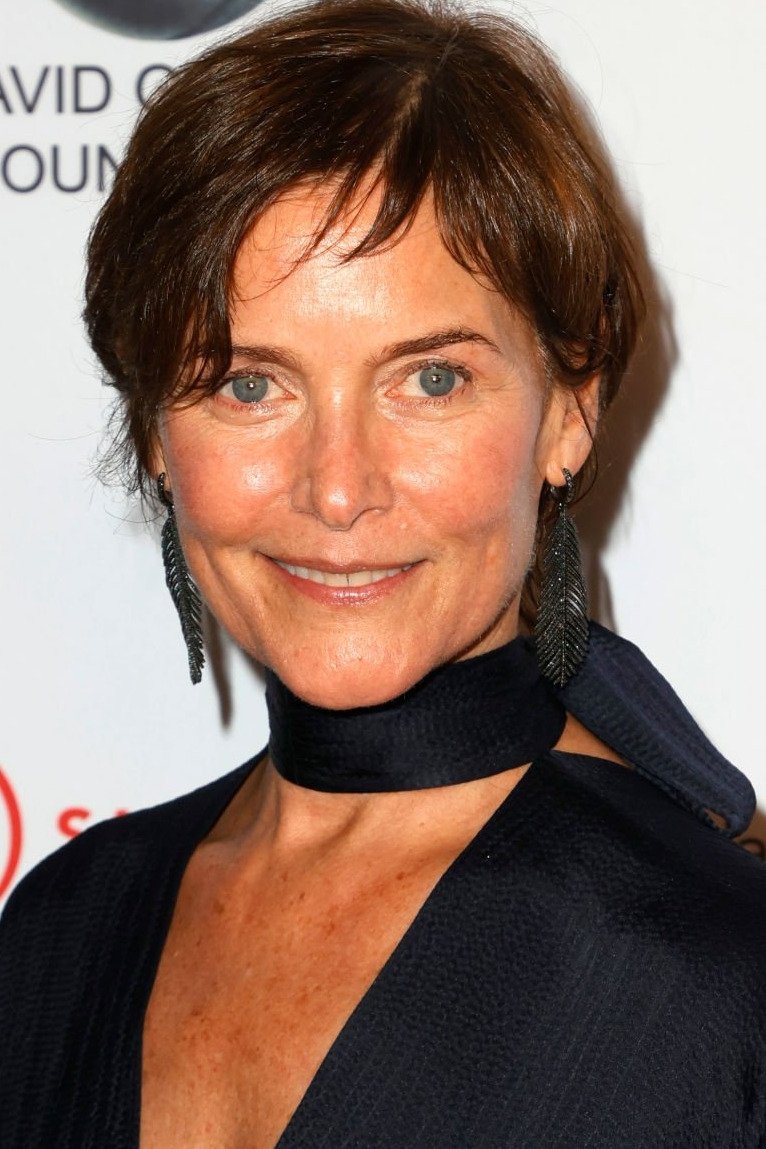
Carey Lowell’s Pam Bouvier is the most capable woman the films had allowed themselves in years, a pilot who saves Bond as often as he saves her, and Lowell plays her with a hard impatience that suits Dalton’s mood. The trouble is that the film cannot quite commit to its own grimness. Desmond Llewelyn’s Q turns up with a suitcase of exploding toothpaste, and it is a pleasure to see him, but every time he arrives the grim film we were watching turns back into the old one. The 15 certificate is earned; the wisecracks feel carried over from the previous film.
Most critics now rate it higher than they did in 1989, on the grounds that it foresaw where the series would go. True, and it does not make the film any better. It is a tough, occasionally clumsy thriller with a lead actor taking it more seriously than anyone around him, and Dalton was not given a third go.
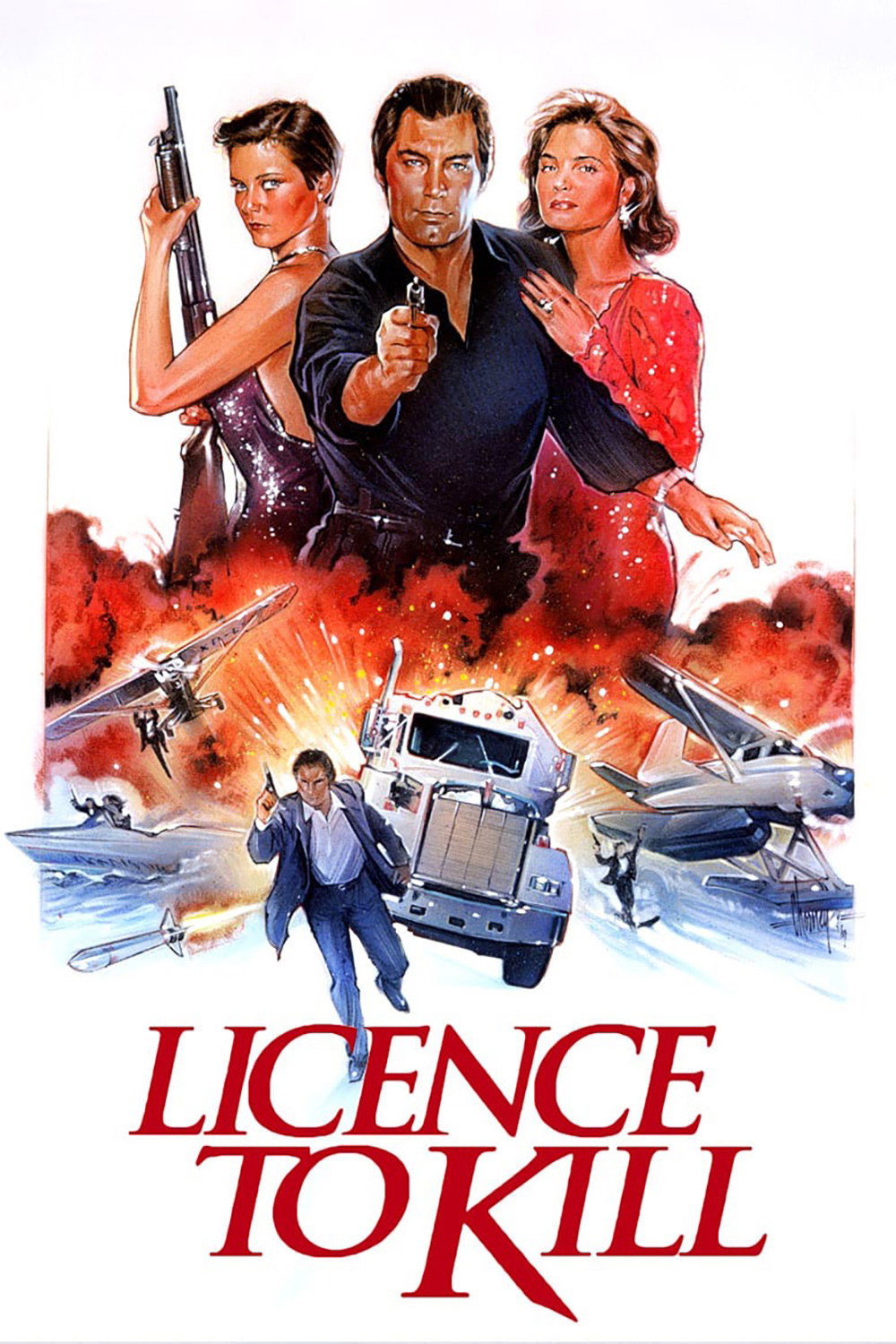
Watch it for Dalton, for Davi and for the tankers. Skip the preacher. It runs 133 minutes, carries a 15, and opened in British cinemas on 13 June 1989.