Brian De Palma’s Scarface is an absorbing, ugly account of criminal ambition, driven by Al Pacino’s ferocious performance. Its 170 minutes include some unnecessary insistence, but the vulgarity has a point.
Scarface is a forceful gangster film whose excess mostly earns its keep, though it repeats itself too often. Brian De Palma and screenwriter Oliver Stone follow Tony Montana, a Cuban refugee in Miami, into the cocaine trade with little interest in making his ambition respectable. Wealth is something he wants without qualification, and Al Pacino makes that wanting uncomfortable to watch. There is little comfort here for anyone who likes a criminal to explain why he had no choice.
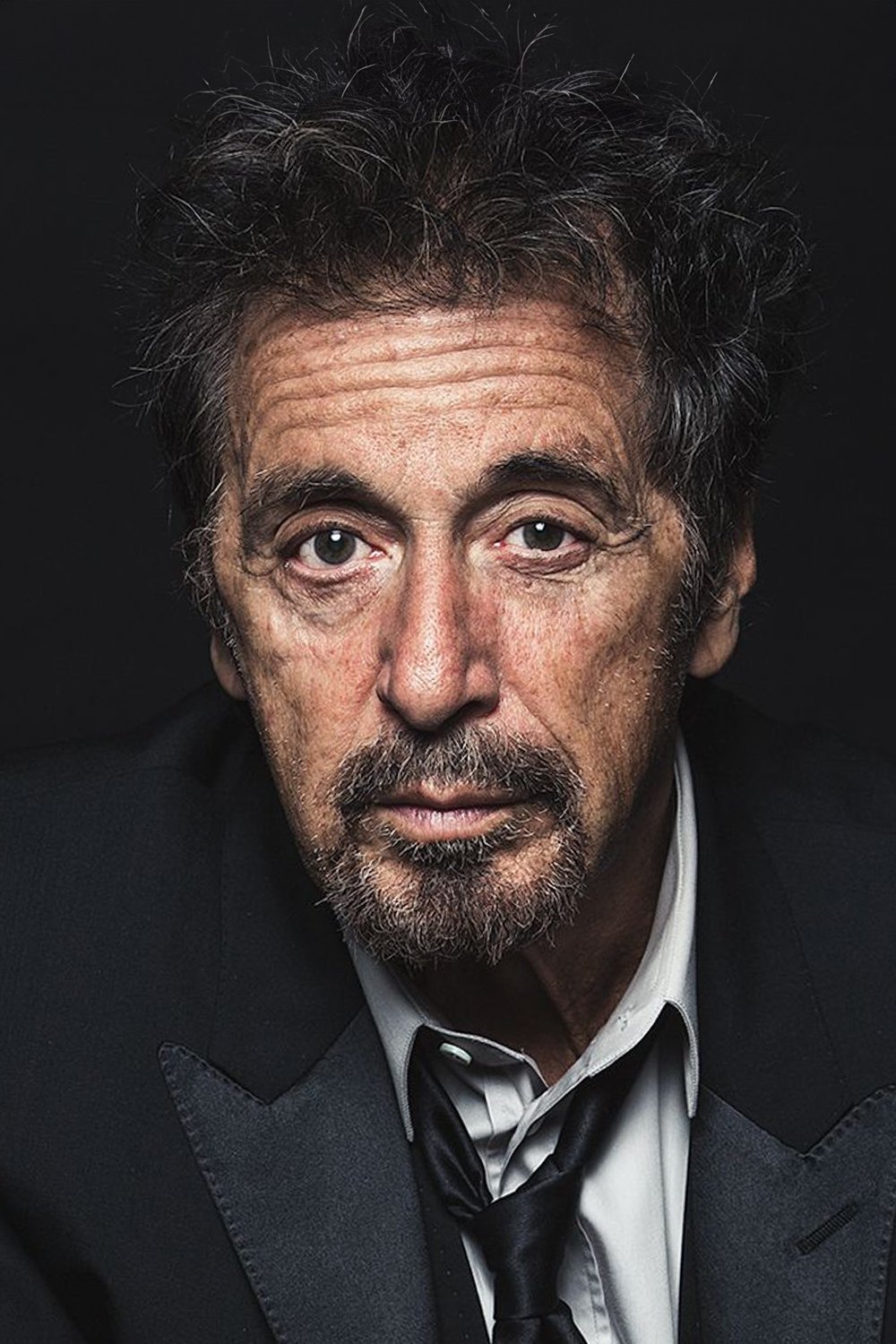
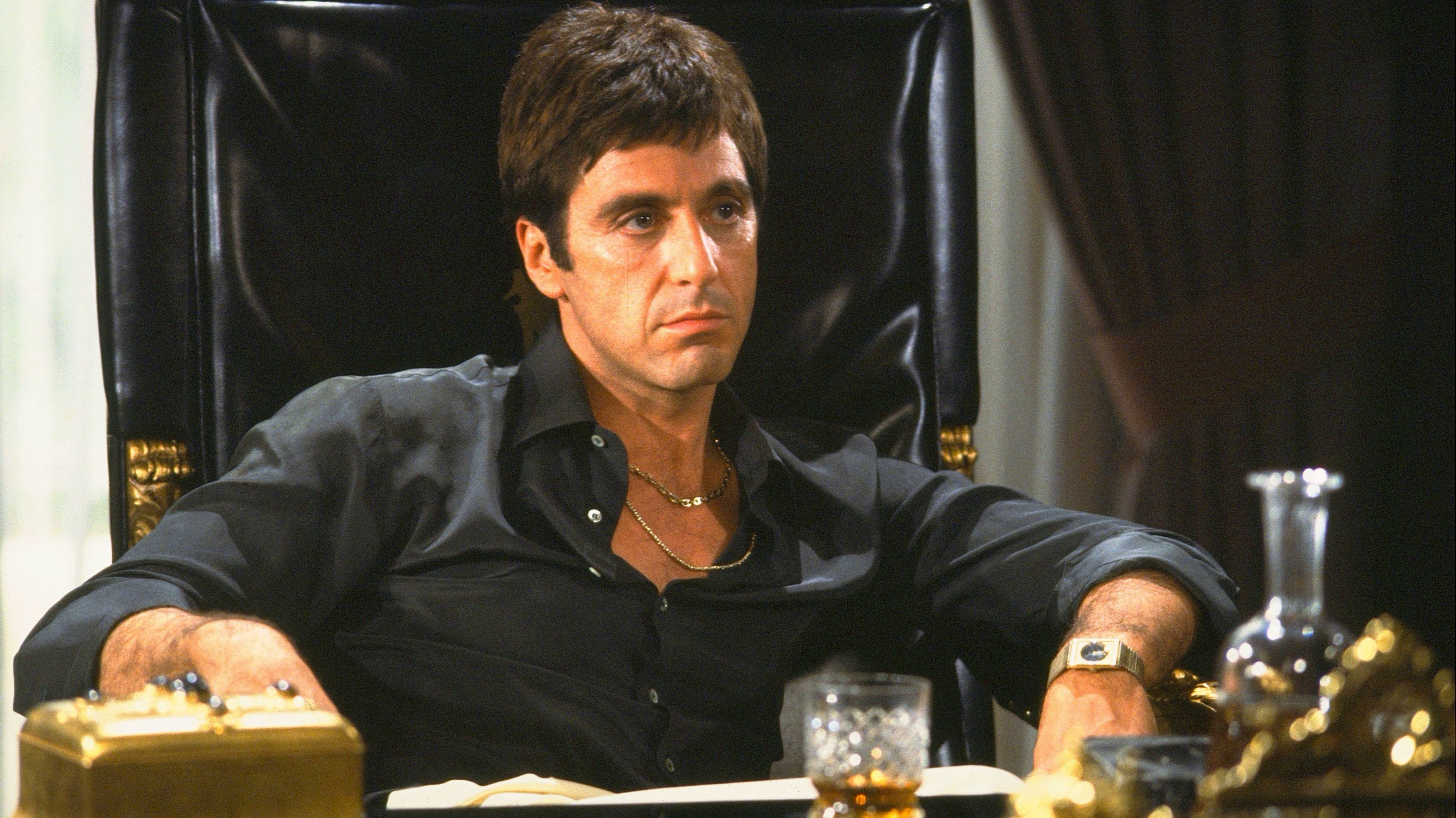
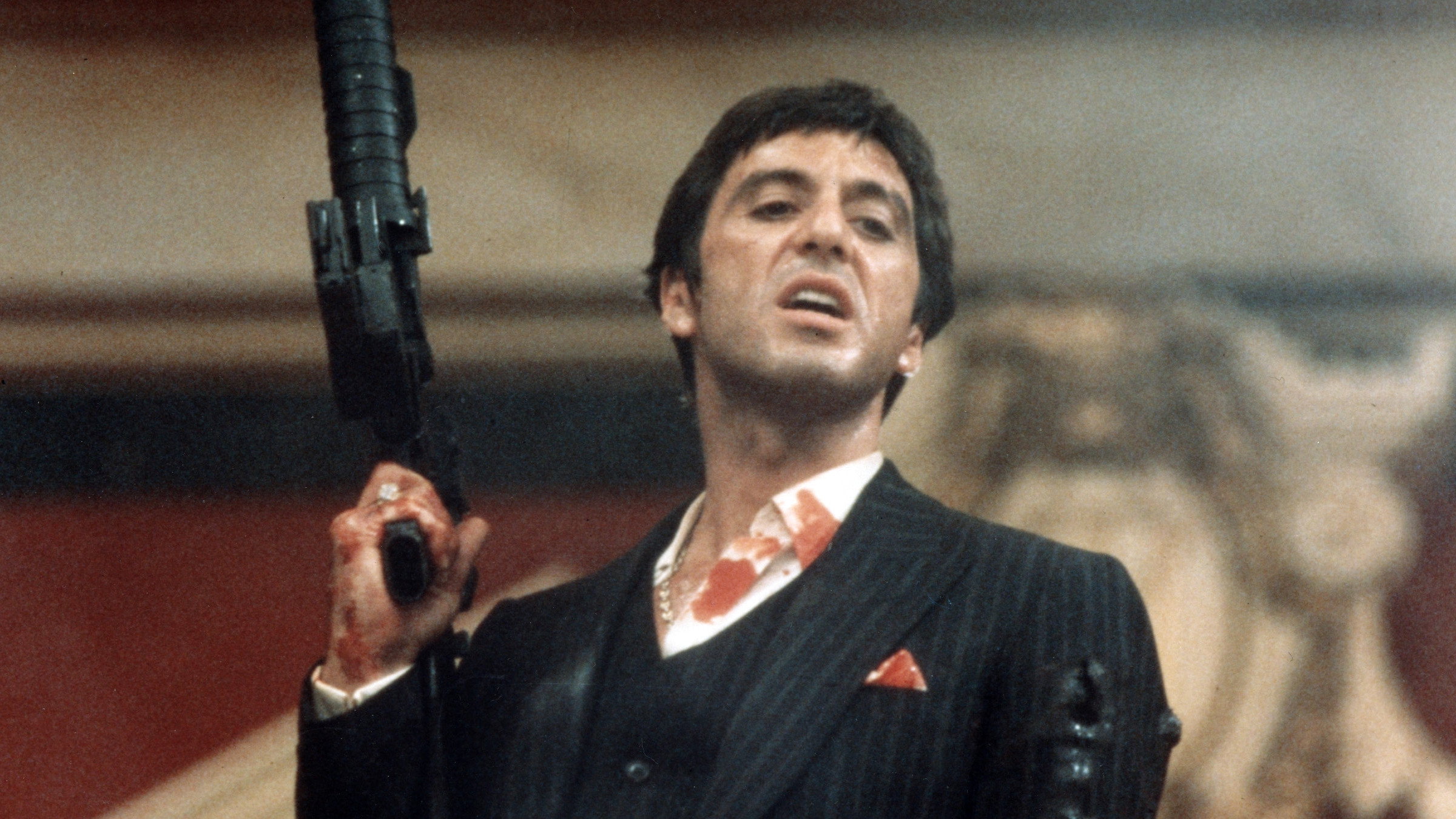
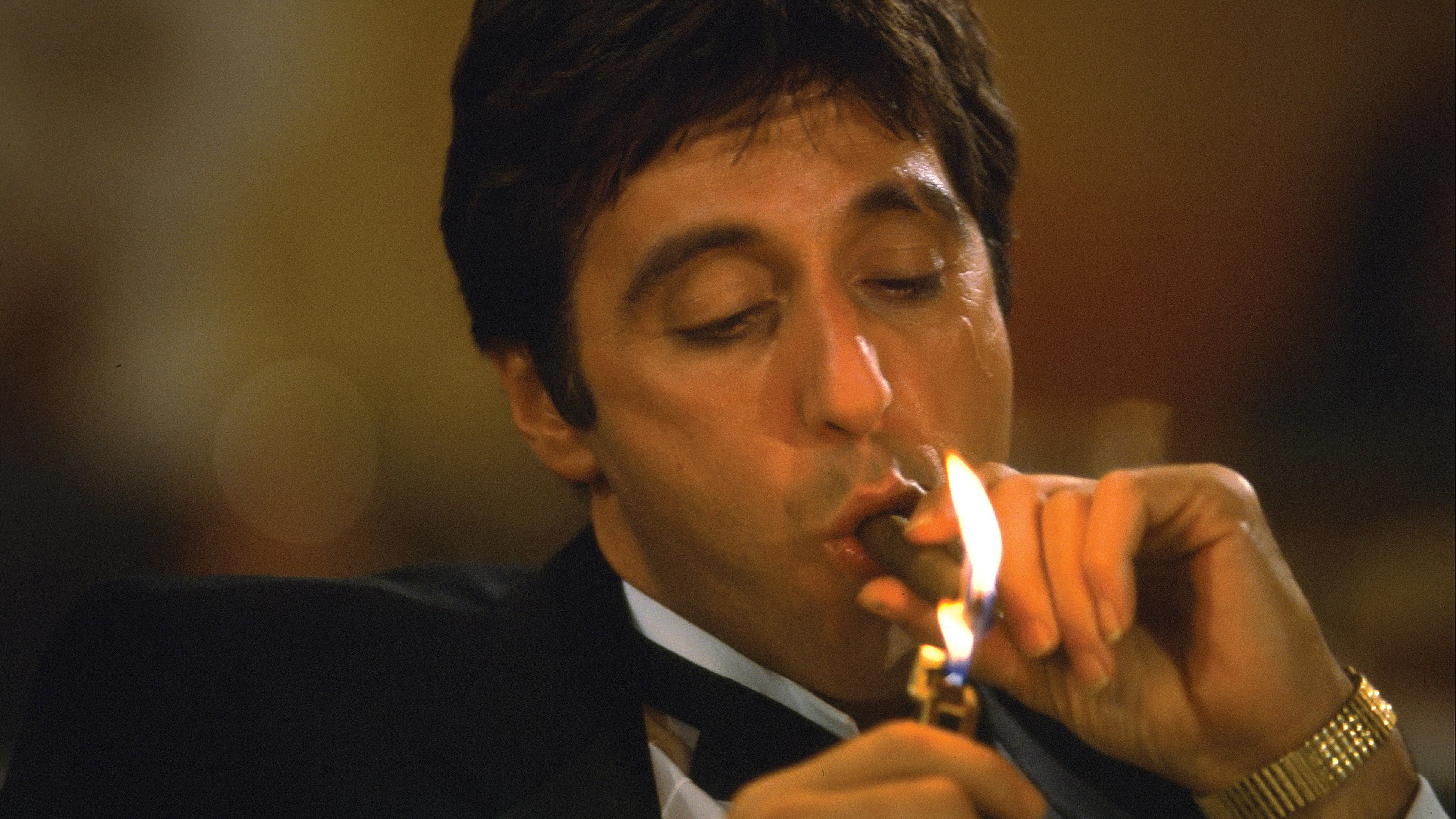
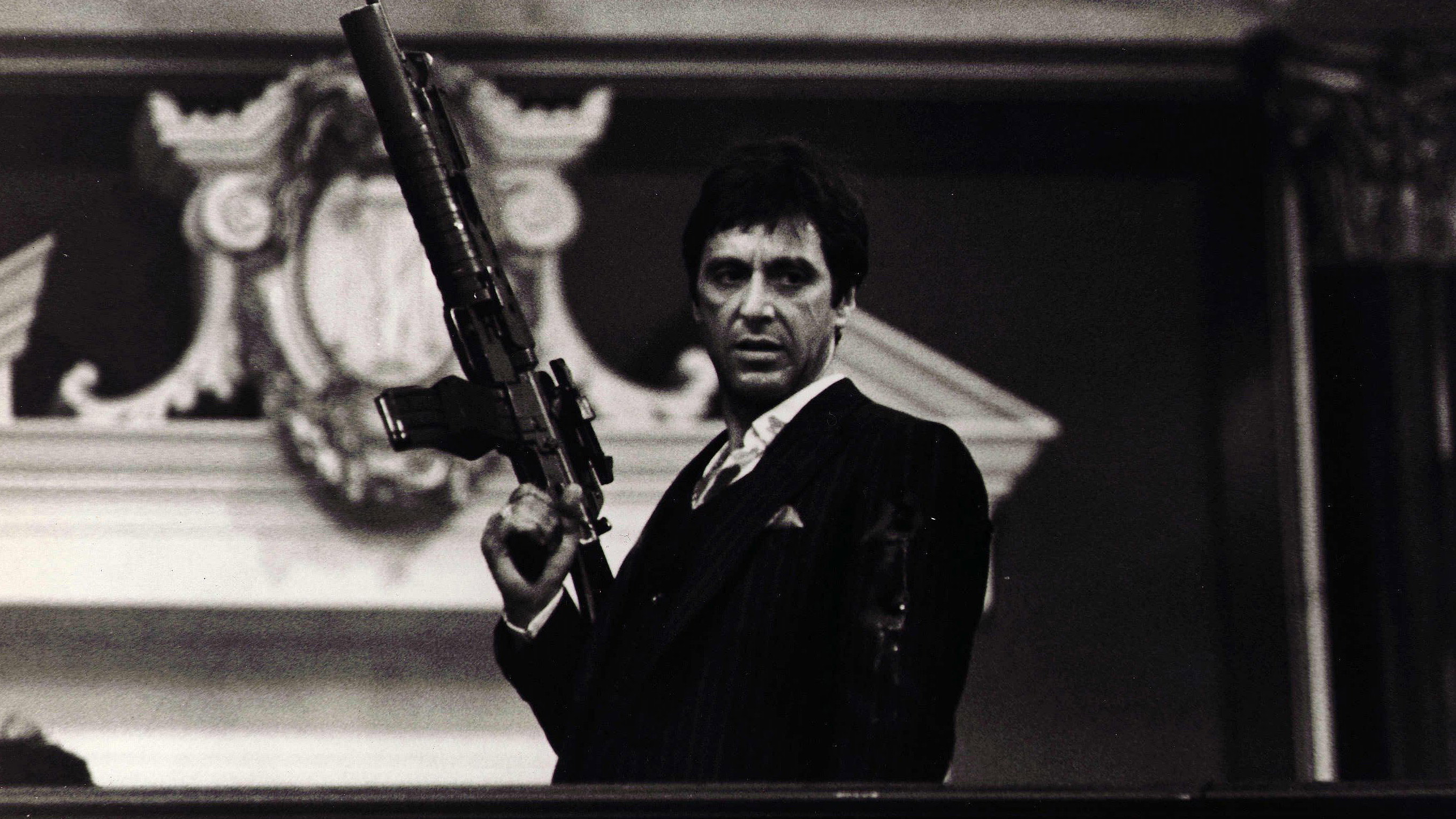
Pacino’s performance is pitched high, but there is thought behind the volume. The swagger has an ugly impatience: Tony seems to regard everyone else’s existence as a delay in his own advancement. That makes him funny in a way that soon becomes unpleasant, and Pacino is willing to stay unpleasant long after a more ingratiating performance might have asked for sympathy. Tony’s desires are easy to recognise, however much his behaviour makes us recoil.
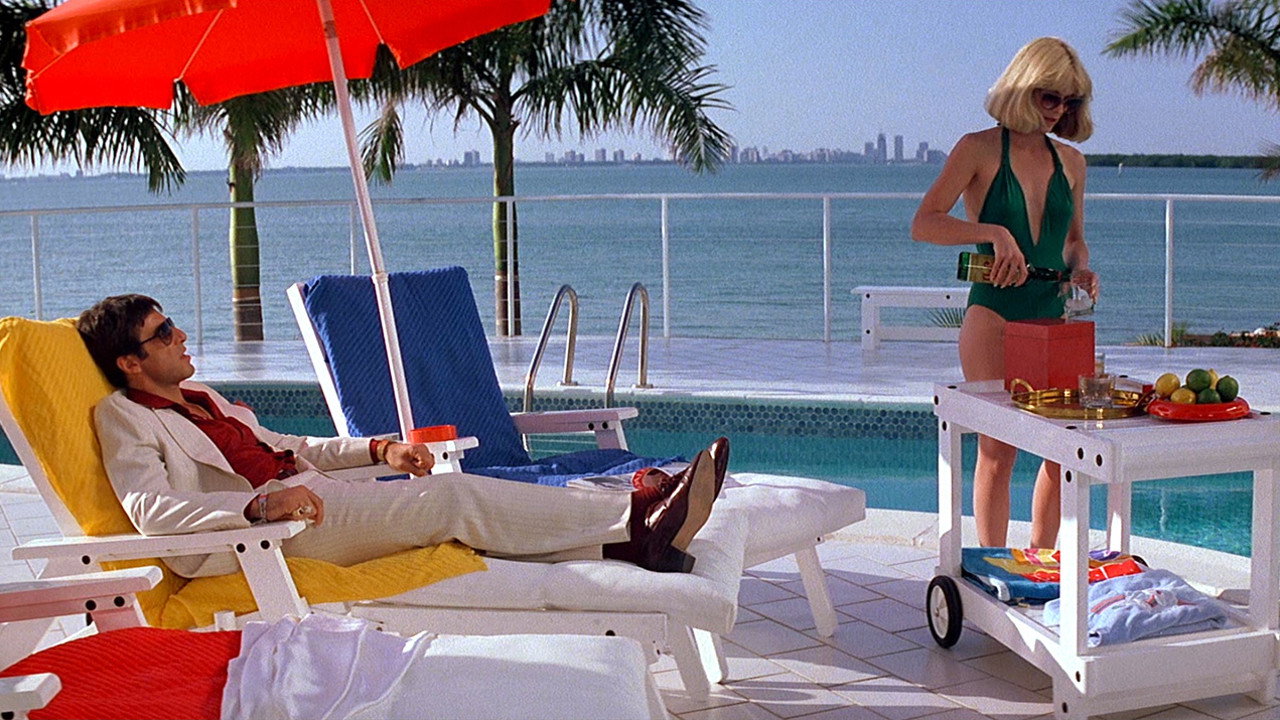
John A. Alonzo’s cinematography gives the gaudy surroundings a harshness that suits Tony, while Ferdinando Scarfiotti’s production design makes the display of wealth feel increasingly oppressive. The decoration looks exhausting, and that seems exactly right for a man with Tony’s appetite. De Palma allows the ugliness to register without constantly competing for our attention. His relative visual restraint matters, because Pacino is already supplying enough aggression to dominate the image.
The chainsaw sequence is where the film’s brutality becomes hardest to stomach. We were horrified by it; the threat of the tool is enough to make the criminal swagger turn sickening. De Palma understands how quickly anticipation can remove the pleasure from watching dangerous people, and the sequence makes violence feel like something to dread. It also complicates the invitation to enjoy Tony’s nerve, which matters in a film so often carried by his confidence.
The weakness is repetition, particularly across a running time of 170 minutes. Editors David Ray and Gerald B. Greenberg give Pacino room to establish Tony’s appetite, then leave him more room to establish it again. Stone’s dialogue can be viciously funny, but the repeated aggression gradually becomes less revealing, and some exchanges continue beyond their usefulness. Giorgio Moroder’s score adds another emphatic presence beside the acting. Its pressure suits the film, although quieter stretches would have given both the music and Pacino more force.
As a gangster film, Scarface is unusually unwilling to offer the consolation of criminal honour. Stone’s interest in acquisitiveness is plain enough, and De Palma gives it a suitably disagreeable setting. There is a limit to how much insight comes from watching a greedy man want still more, which is why the film can feel thinner as it gets longer. Yet the humour and horror make that greed more unsettling than a tidy speech about the American dream would have done.
The reason to stay is Pacino, whose performance remains absorbing even when the writing is repeating its point. De Palma lets us enjoy the force of Tony’s personality while making the violence difficult to dismiss, and the unease survives the film’s lapses of pace. Give it an evening when a long, abrasive crime film sounds appealing; it is poor company for anyone hoping to relax.