Brian De Palma gives suspense time to work, and we rate him for it. His elaborate set-pieces can be easier to follow than his plots; when the physical danger is clear, the showing off earns its keep.
Fi1m perspective
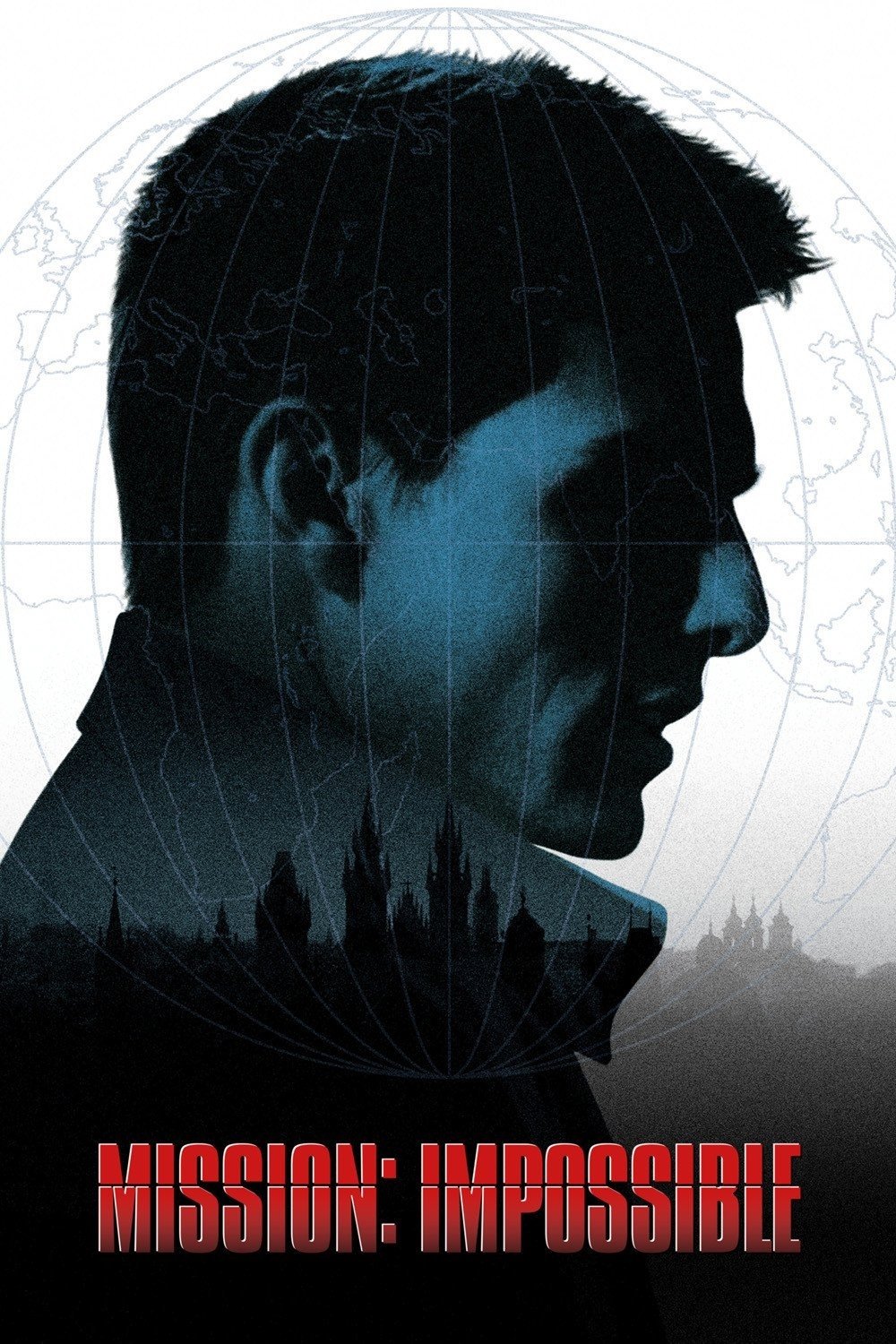
De Palma lets a dangerous job look difficult. In Mission: Impossible (1996), he gives us time to consider it, letting preparation become part of the suspense rather than something to get through before the action. We were tense during the vault burglary because we understood enough of the problem to anticipate a mistake. The scene does not need to hurry to hold us. This is De Palma at his most persuasive: an elaborate piece of staging with a simple reason for us to care.
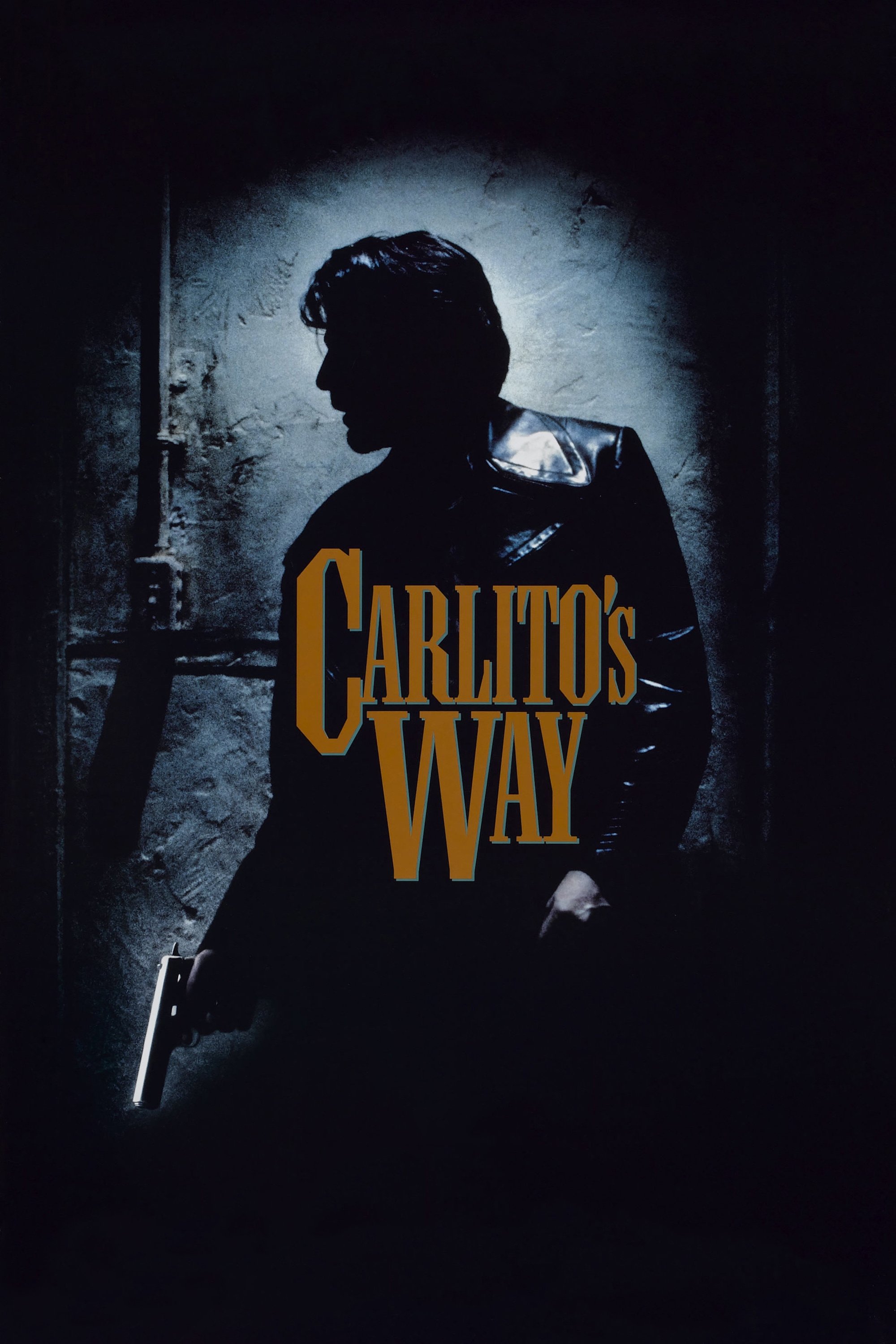
The early independent films, including Greetings (1968), gave way to the horror breakthrough of Carrie (1976). Crime supplied a durable home for his interests in obsession and violence, through Scarface (1983), The Untouchables (1987) and Carlito's Way (1993). Al Pacino leads the last of those, and its fluid camerawork is part of the attraction. The particular pleasure of Mission: Impossible is that such close attention to movement has an immediate use: we need to understand how the job can be done.
Long tracking takes, tilted frames and slow motion make his control conspicuous. Cinematographer Stephen H. Burum and composer Pino Donaggio are recurring collaborators, a useful reminder that this degree of control involves other people's craft. The debt to Hitchcock is plain in his watchful framing and his habit of building suspense through images rather than dialogue. The accusation of pastiche is understandable, but the vault burglary gives those borrowed methods a demanding job to do, and we have little time to spend congratulating ourselves on recognising them.
The caveat is clearest in Mission: Impossible: David Koepp and Robert Towne's screenplay surrounds Ethan Hunt's task of protecting a list of secret agents with more complications than it needs. Tom Cruise keeps those schemes urgent, but urgency cannot make every explanation clear. De Palma's patience with the action is what earns our patience with the plot. Later titles include Femme Fatale (2002) and Domino (2019); we would still send a newcomer to the spy thriller first. Go for the suspense, and do not expect every explanation to help.
Biography
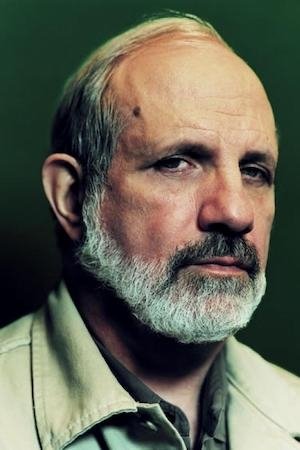
Brian De Palma is an American film director and screenwriter. Born on 11 September 1940 in Newark, New Jersey, he studied physics at Columbia University before earning an MA in theatre from Sarah Lawrence College in 1964. He began making films in the 1960s, collaborating early on with Robert De Niro on projects such as Greetings (1968) and The Wedding Party (1969).
De Palma is known for directing Carrie (1976), Dressed to Kill (1980), Blow Out (1981), Scarface (1983), The Untouchables (1987), Carlito's Way (1993) and Mission: Impossible (1996). His filmography also includes Snake Eyes (1998), Mission to Mars (2000) and The Black Dahlia (2006).