Brian De Palma’s Carrie is frightening because Sissy Spacek makes its bullied schoolgirl matter. We recommend it warmly, with a reservation about a camera that sometimes seems as interested in girls’ bodies as their distress.
Carrie is a gripping horror film that takes a schoolgirl’s wish to belong seriously, with Sissy Spacek giving us good reason to worry about her. Brian De Palma directs Lawrence D. Cohen’s adaptation of the Stephen King novel with a relish for cruelty that is sometimes troubling. Carrie has telekinetic powers, but the ordinary people around her supply plenty of fear without supernatural assistance. The film understands how much can depend on being treated kindly when kindness has been scarce.
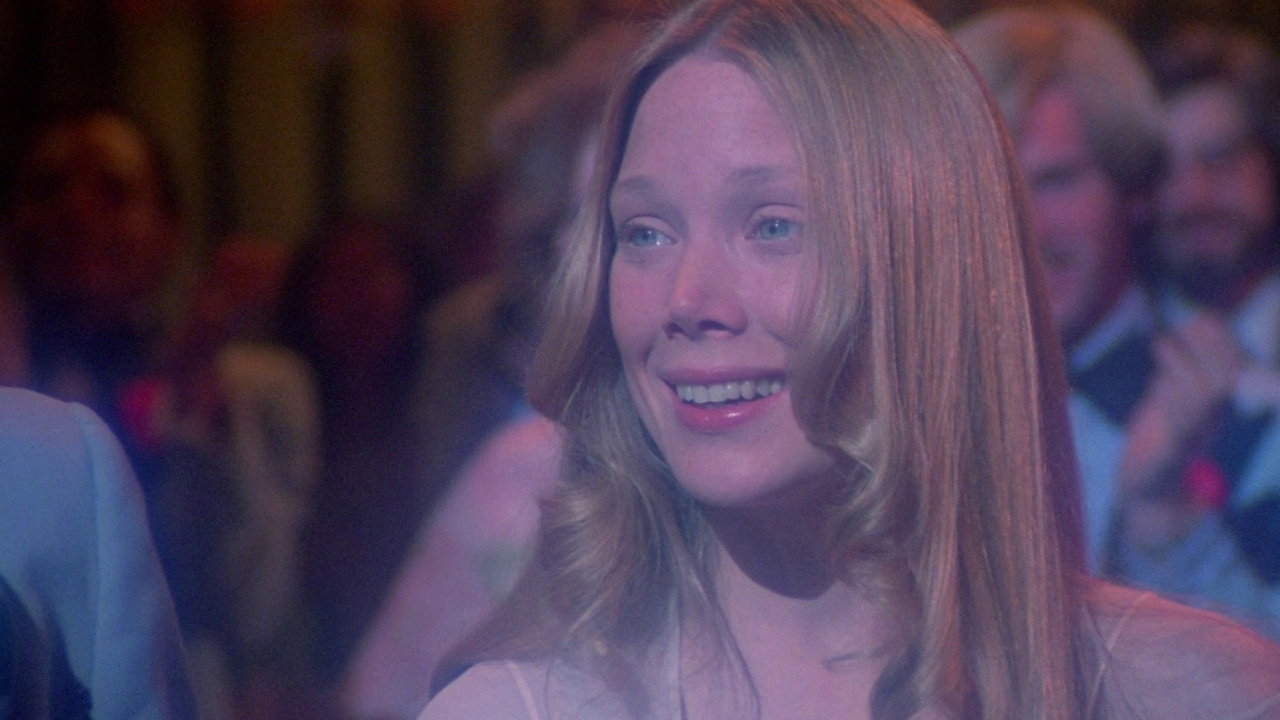
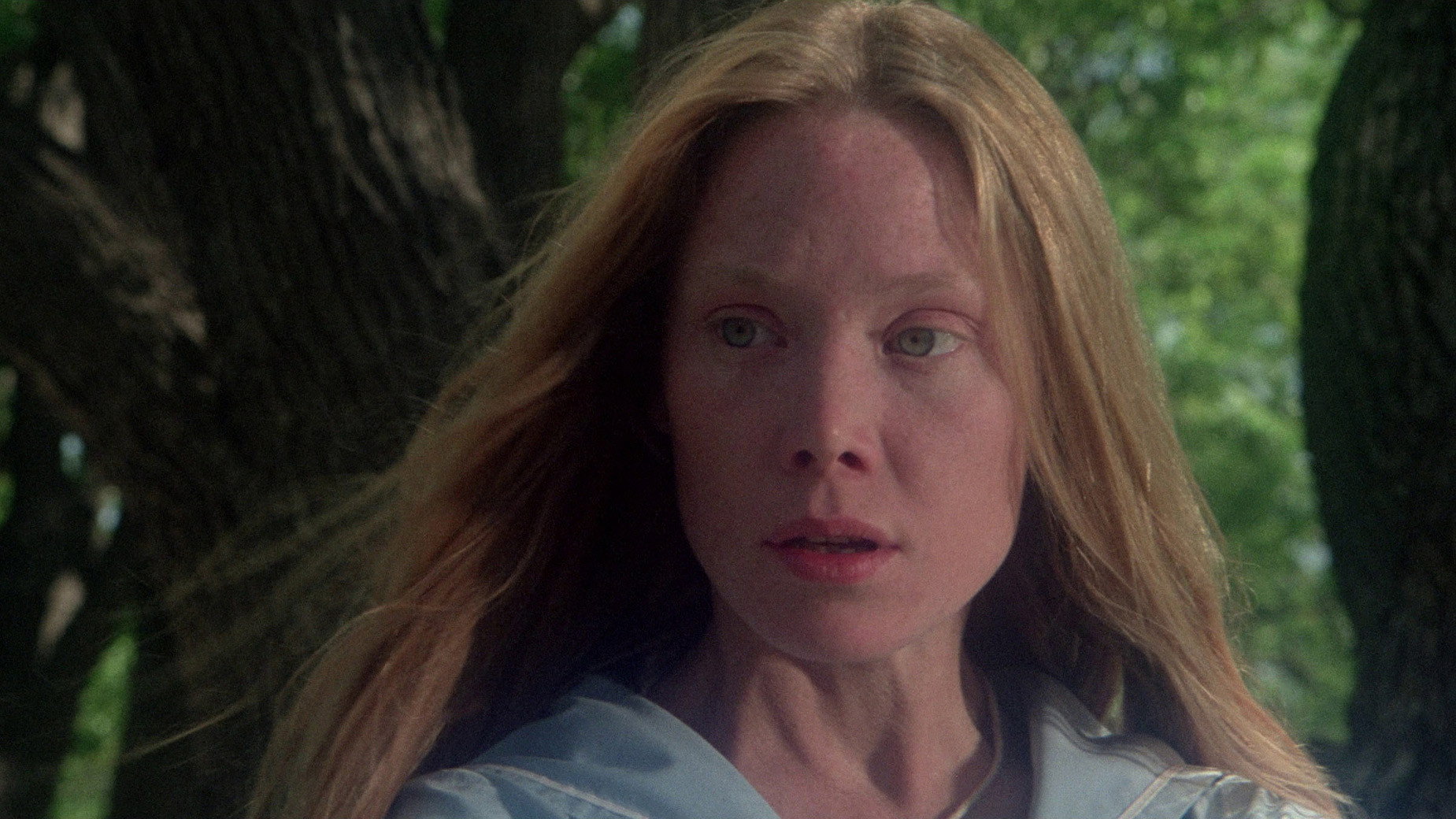
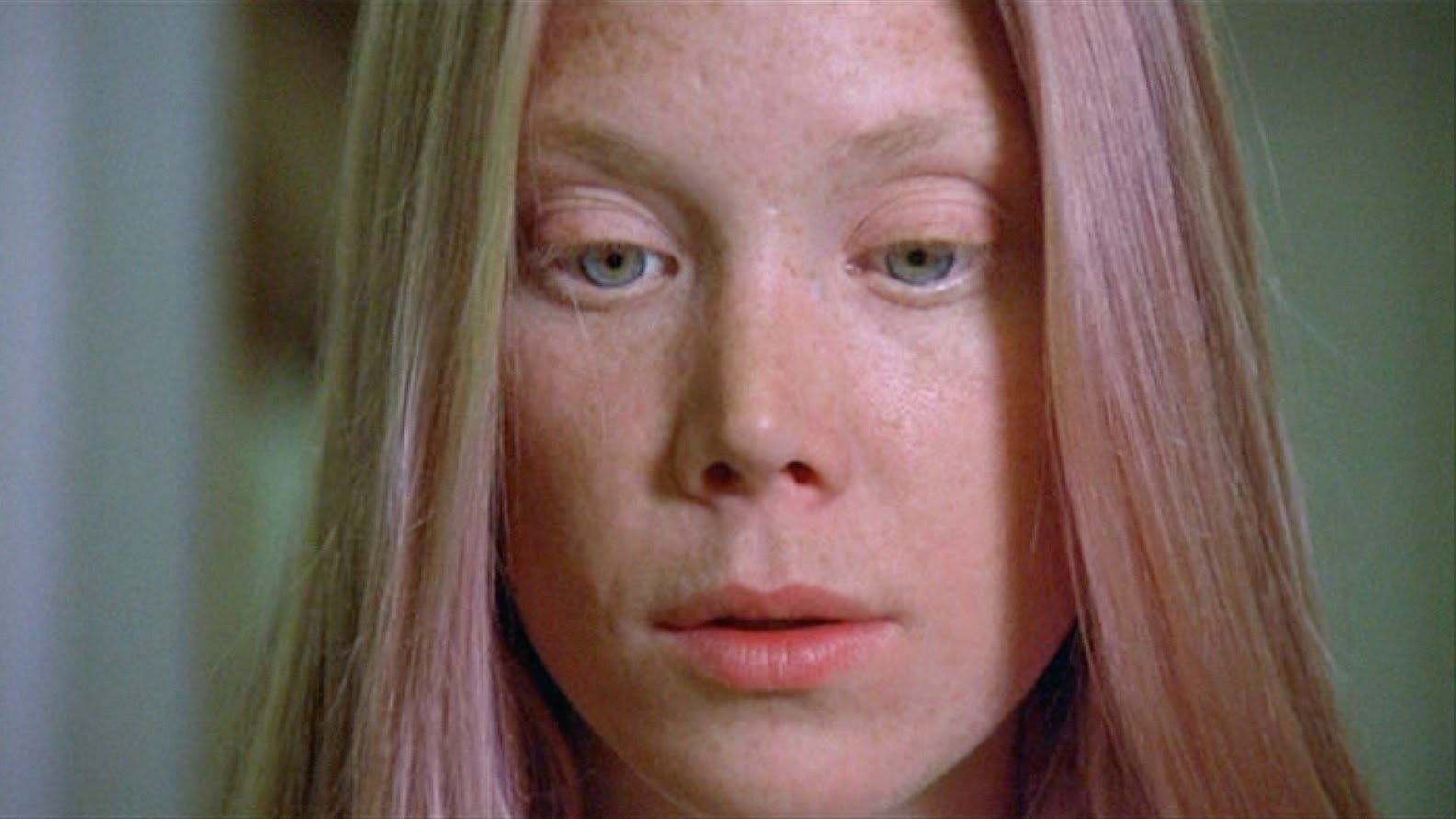
Sissy Spacek makes shyness look exhausting. Her Carrie seems to expect other people to know rules she has never been taught, and the effort of keeping up is painful to watch. We found the shower scene upsetting, because her bewilderment makes the bullying feel like an attack on someone who cannot yet understand what is happening. Spacek also gives her enough stubbornness to keep the performance from becoming a prolonged appeal for pity.
Piper Laurie plays Margaret White with a religious certainty that leaves little space for her daughter. The clashes between them are frightening because Carrie ought to be able to trust the person causing her distress. Laurie can be too emphatic, particularly beside the smaller changes in Spacek’s performance, and Margaret occasionally becomes easier to dismiss than she should. The gothic art direction is suitably oppressive, though these arguments need little help from their surroundings. The relationship remains troubling even when the acting grows broad.
Mario Tosi’s circling camera gives the film a restless elegance. The shower scene is also where the attention to girls’ bodies becomes difficult to defend: the camera lingers in a way that sits awkwardly beside the concern for Carrie’s humiliation. Being looked at can be frightening for this girl, and De Palma clearly understands that, but he spends too long enjoying the view himself. The scene would still hurt if the camera were less intrusive.
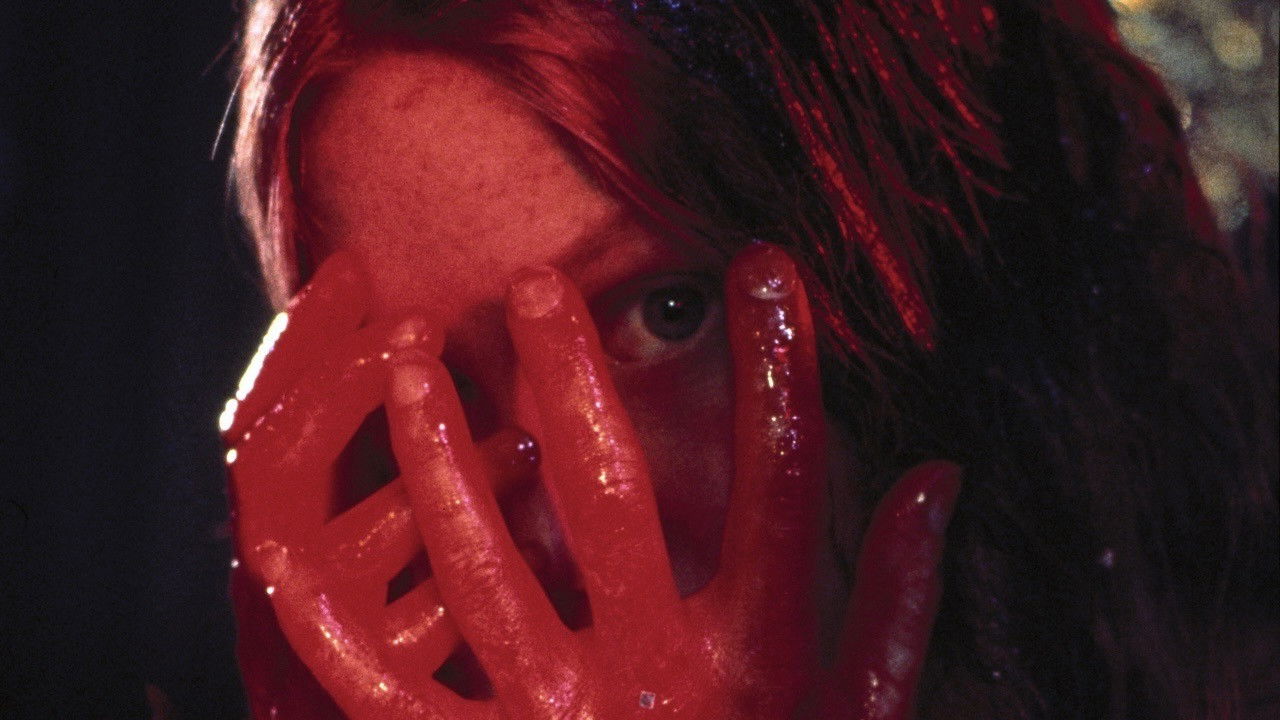
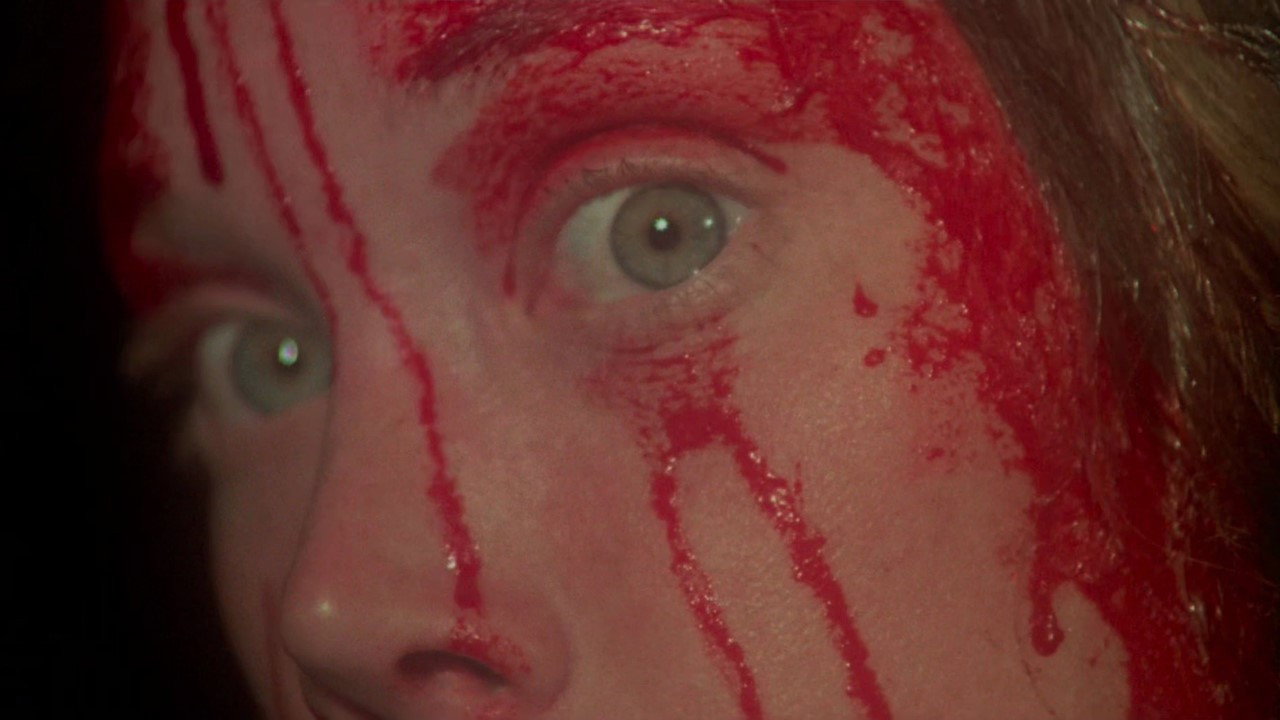
Paul Hirsch’s editing lets anticipation build around the prom, whose events we will not describe. The waiting becomes difficult to bear because the film has made acceptance so important to Carrie; an ordinary school occasion carries more weight than the adults might care to admit. Pino Donaggio’s music has a mischievous streak that helps the humour sit alongside the fear without making either feel misplaced. Those changes of tone are welcome in a film whose central character has so much to endure. Across 98 minutes, the suspense rarely loosens its hold.
Carrie belongs among the coming-of-age horror films that take their teenagers seriously, including the parts of adolescence adults find embarrassing. Spacek gives her curiosity and resolve, and we want to see what she might be like without all this punishment. Even when De Palma is showing off, her performance keeps our attention on what this girl is feeling. Watch it for Spacek, but save it for another evening if school bullying is closer to home than you want horror to come.