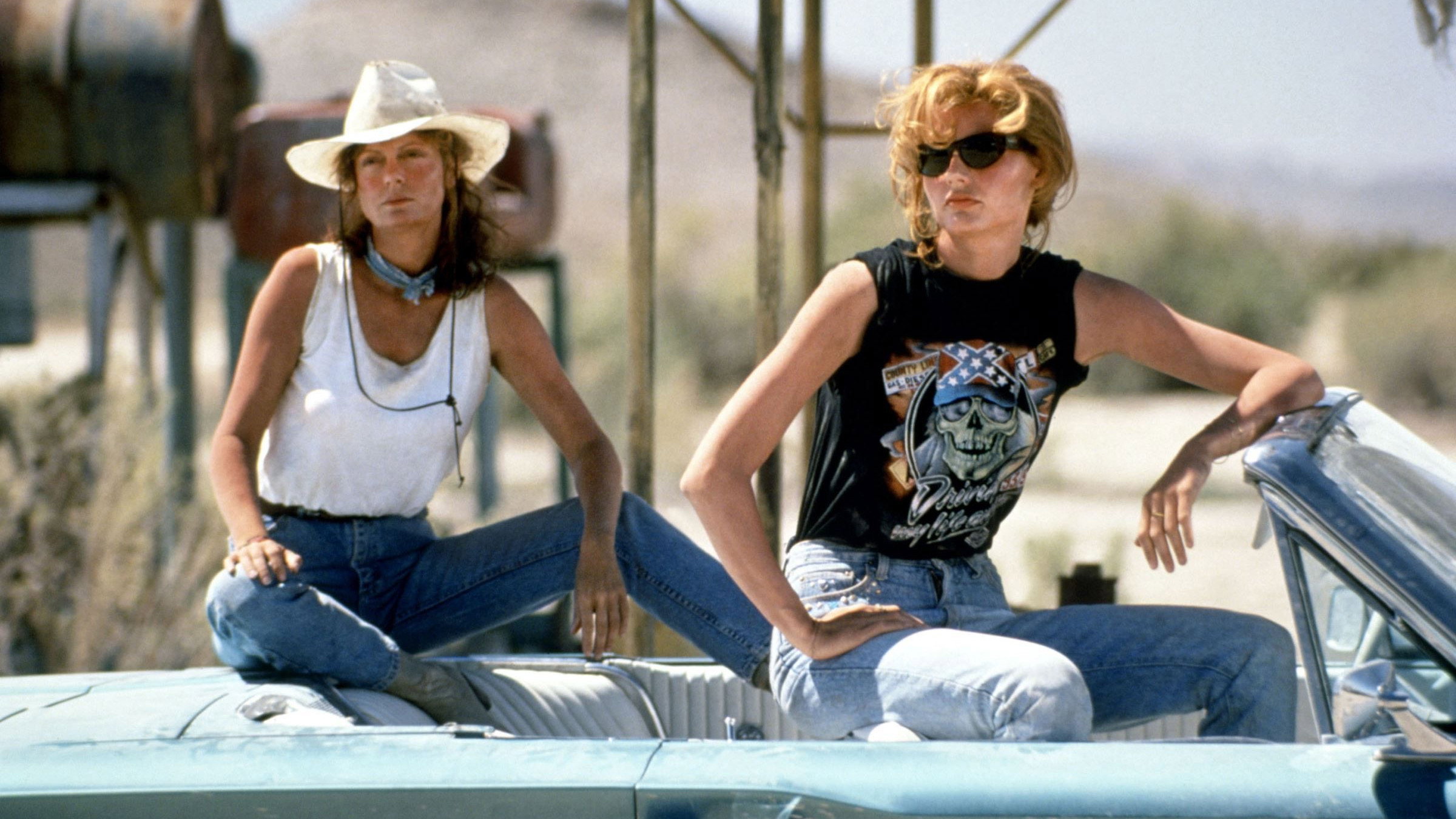
Susan Sarandon and Geena Davis make Ridley Scott’s road film funny, angry and worth your evening. The men can be cartoonishly written, but the friendship has enough life to keep the film from becoming a lecture.
Ridley Scott’s Thelma & Louise is funny, angry and unusually good company. We recommend it warmly, chiefly for Susan Sarandon and Geena Davis, whose shared scenes make us wish the next complication would wait. Callie Khouri’s screenplay gives the women a journey in which friendship matters as much as the freedom to keep moving. Scott gives both actresses room to be playful, even within a crime story that keeps increasing the pressure. The busier plotting is sometimes less interesting than the women talking.
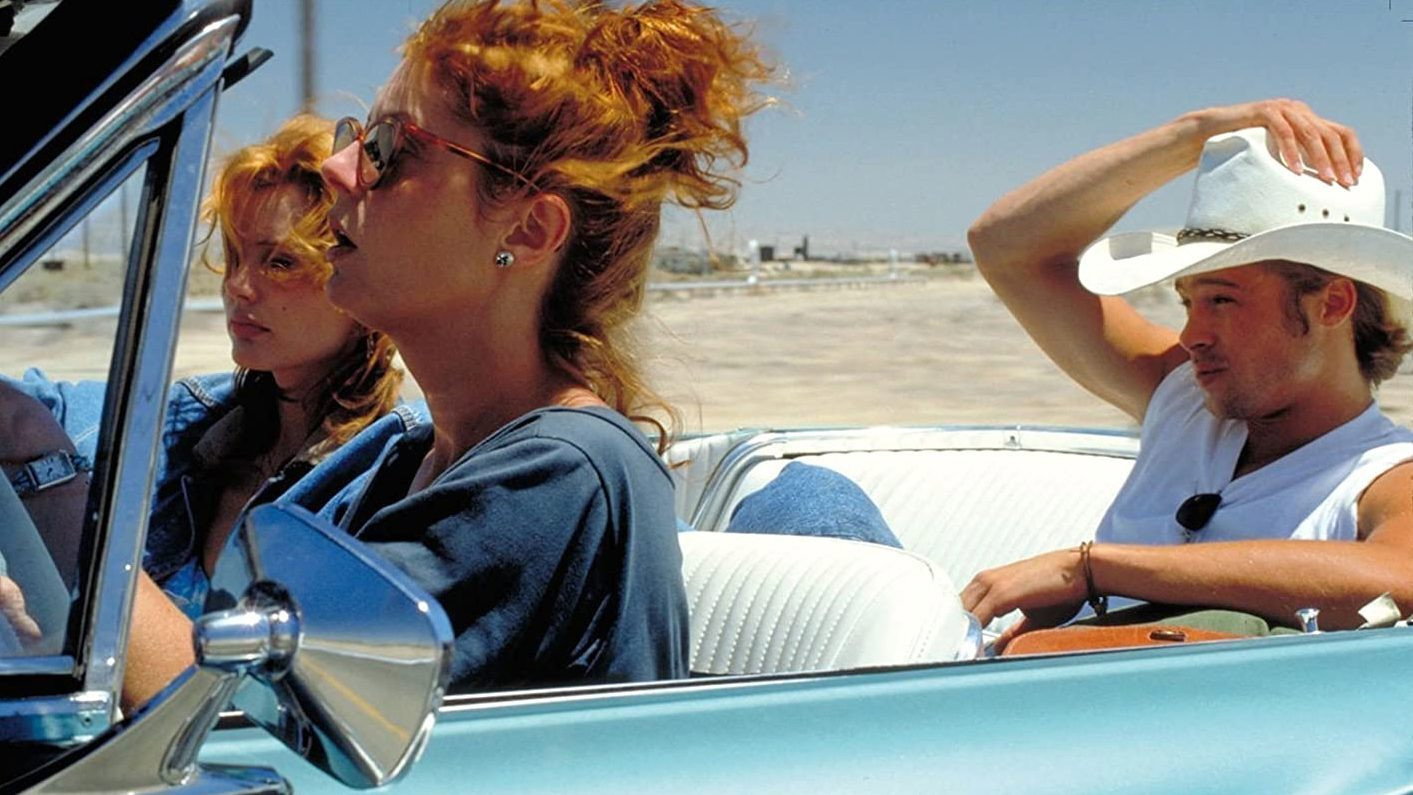
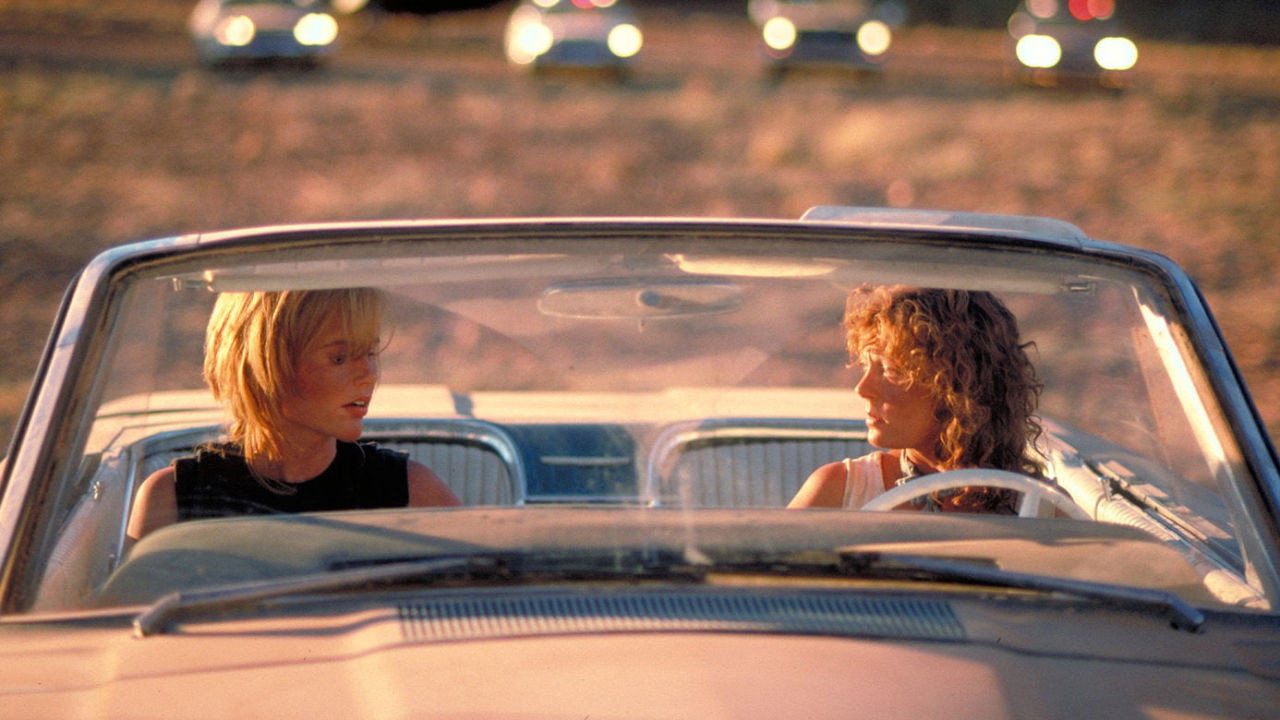
Davis plays Thelma with an openness that makes her excitement easy to share. Sarandon makes Louise’s confidence look like something she has to work at. The pleasure is in how quickly they respond to each other, including when the dialogue has no urgent business to conduct. We laughed most in those casual exchanges, because neither actress rushes to deliver the joke and move on. Khouri has an ear for rude, familiar speech, and the performers leave room for its awkwardness.
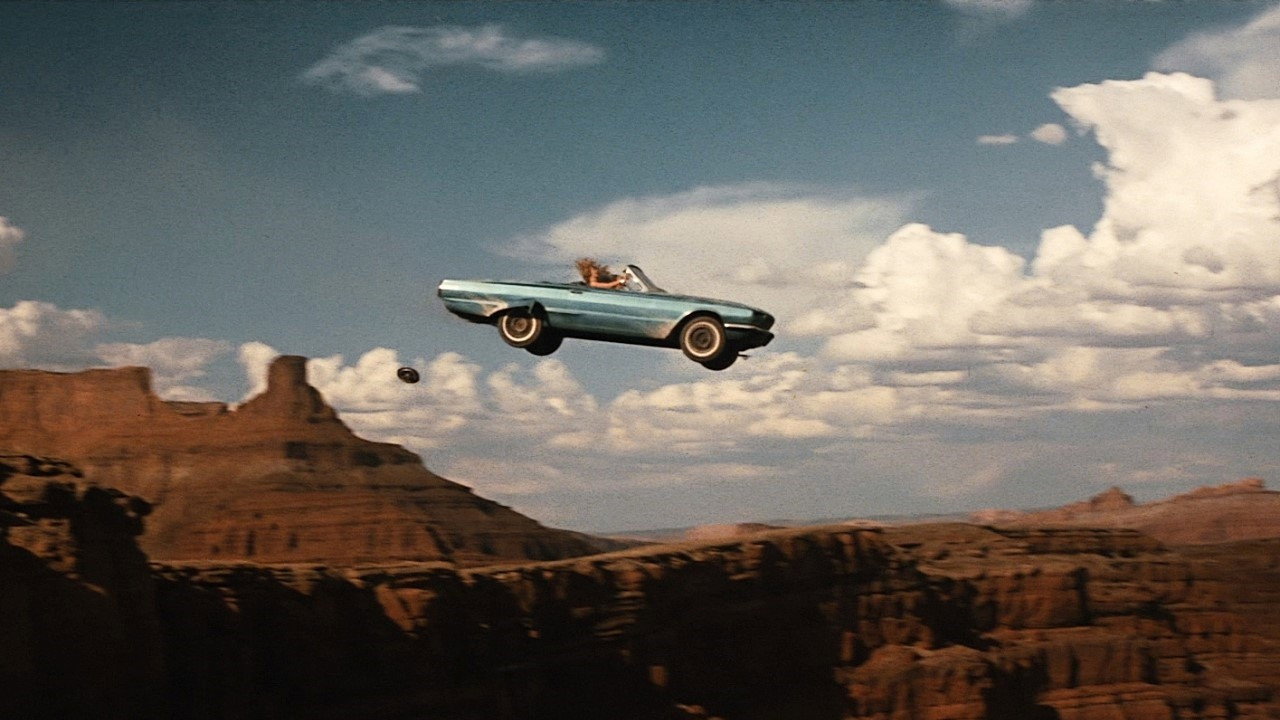
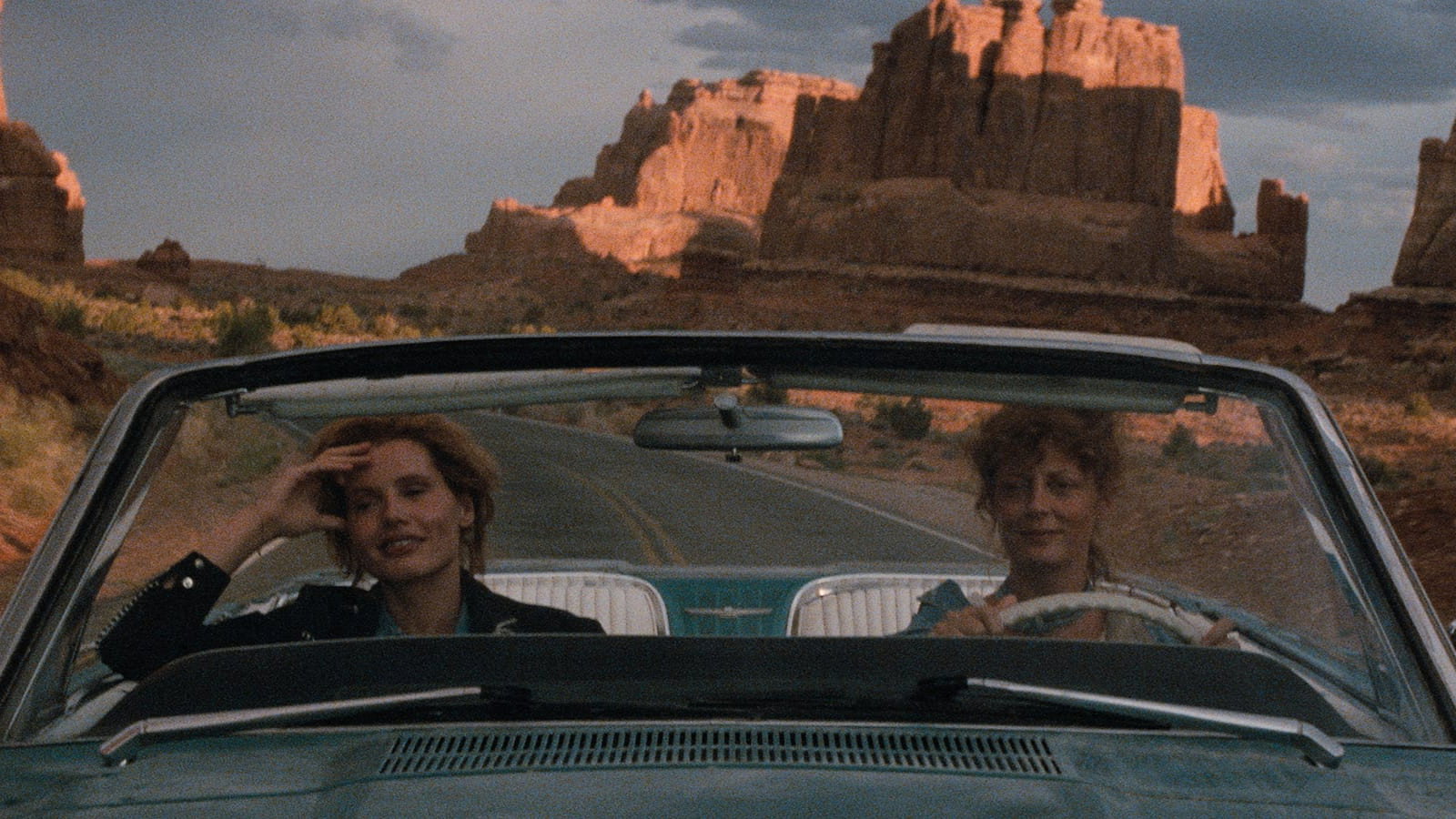
Adrian Biddle’s cinematography gives the journey a welcome sense of space. The night-time desert drive is especially persuasive: there is time simply to look, and the landscape makes the wish to keep travelling understandable. We wanted it to last longer. Production designer Norris Spencer gives the film’s surroundings a comparable polish, which fits Scott’s expansive American imagery. Scott’s taste for grandeur sometimes leaves us wishing these lives looked a little less tidily arranged.
Thom Noble’s editing allows time for those quieter stretches without making the journey dawdle. The film runs 130 minutes, yet the shifts between conversation, comedy and crime rarely make it feel overlong. Hans Zimmer’s music helps keep it moving, though it can press too hard on feelings that the actresses have already made clear. We prefer the stretches when Scott lets a look or a line from the women provide the excitement.
The reservations sit mostly with Khouri’s writing of the men. Several are drawn so broadly that the women hardly need to make a case against them; a little more ordinary plausibility would make the anger sharper. There is also a limit to how much a gun can tell us about someone becoming independent. We understand the thrill Khouri is after, but the reliance on weapons sometimes makes the women’s growing confidence seem too simple. Sarandon and Davis keep finding uncertainty that the louder incidents do not always allow for.
In a buddy road film, the travelling companions have to be worth following even when the car is going nowhere. Scott gets that right, and the stretches that seem least concerned with advancing the crime story are among the most enjoyable. Khouri gives the women enough shared humour for us to understand why this friendship matters to them. The grander passages can try a little too hard to make sure we understand why it matters to everybody else. Watch it for Sarandon and Davis, and allow for a few men who have arrived already labelled.