Stephan Elliott’s drag-performer road comedy is warm, rude and worth the trip, with Terence Stamp giving its quieter moments weight. Some jokes strain, and the sentiment can be overdone, but the company is good.
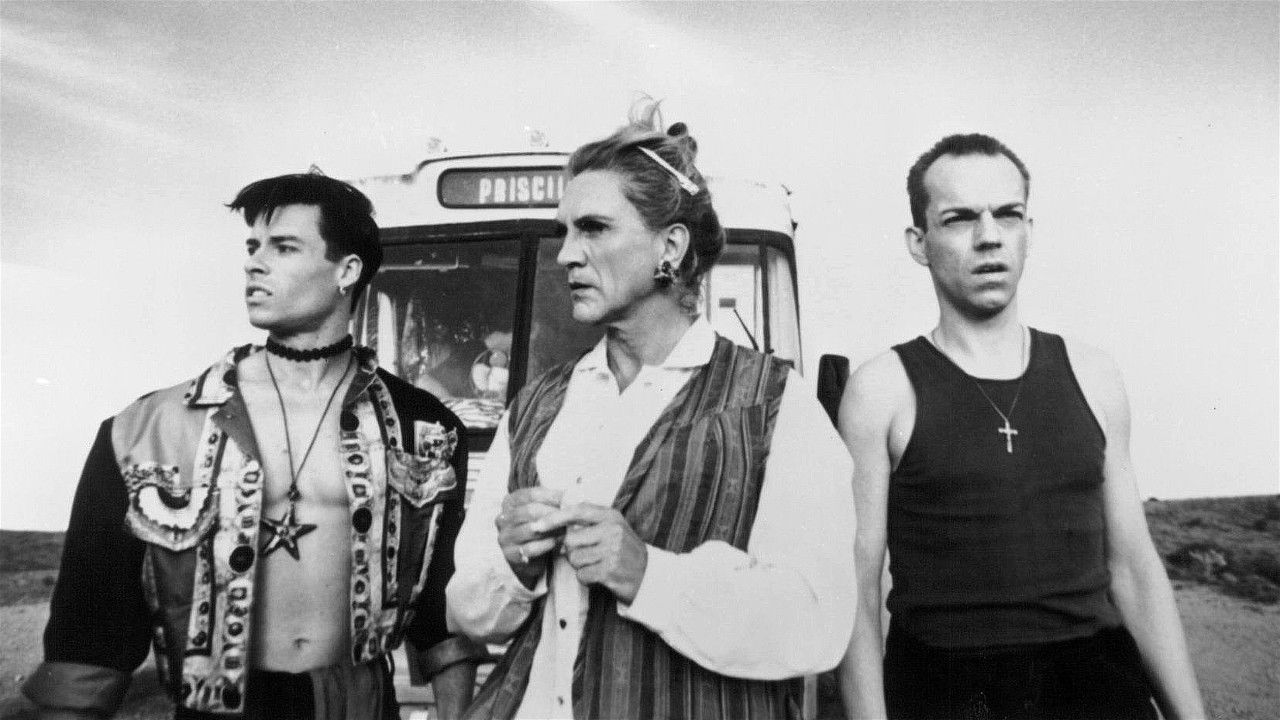
The Adventures of [Priscilla](/film/priscilla), Queen of the Desert is warm, rude and good company, even when the jokes need more help than the performers can give them. Writer-director Stephan Elliott sends drag performers on a bus tour and makes their shared working life worth watching between the musical numbers. The clothes are extravagant and the talk is often competitive, with everyone apparently determined to have the last word. Elliott enjoys that noise, but he also makes room for the fatigue of having to be entertaining.
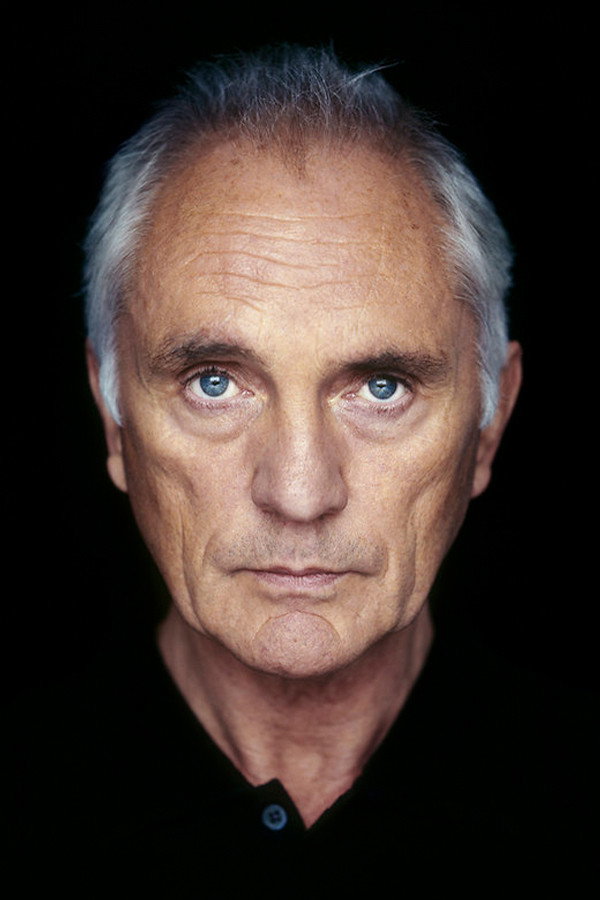
Terence Stamp is particularly good as Bernadette, a middle-aged trans woman and drag performer. We believe that putting on a show has become a job for her, with all the routine irritations that implies. His restraint lets us enjoy her impatience without turning every reaction into another bid for a laugh. Elliott needs that steadiness, especially when he asks the film to become serious, and Stamp supplies it without making Bernadette seem appointed to teach everyone else a lesson.
Hugo Weaving’s Tick and Guy Pearce’s Adam provide livelier company, and the three performances work well together. Weaving helps keep the feeling credible, while Pearce gives the bickering an eager, needling energy. Their exchanges are funniest when the insults sound habitual, tossed away with no expectation of applause. Some of Elliott’s lines are too pleased with themselves, and the delivery cannot always rescue them. A little less insistence would have made the comedy more reliable.
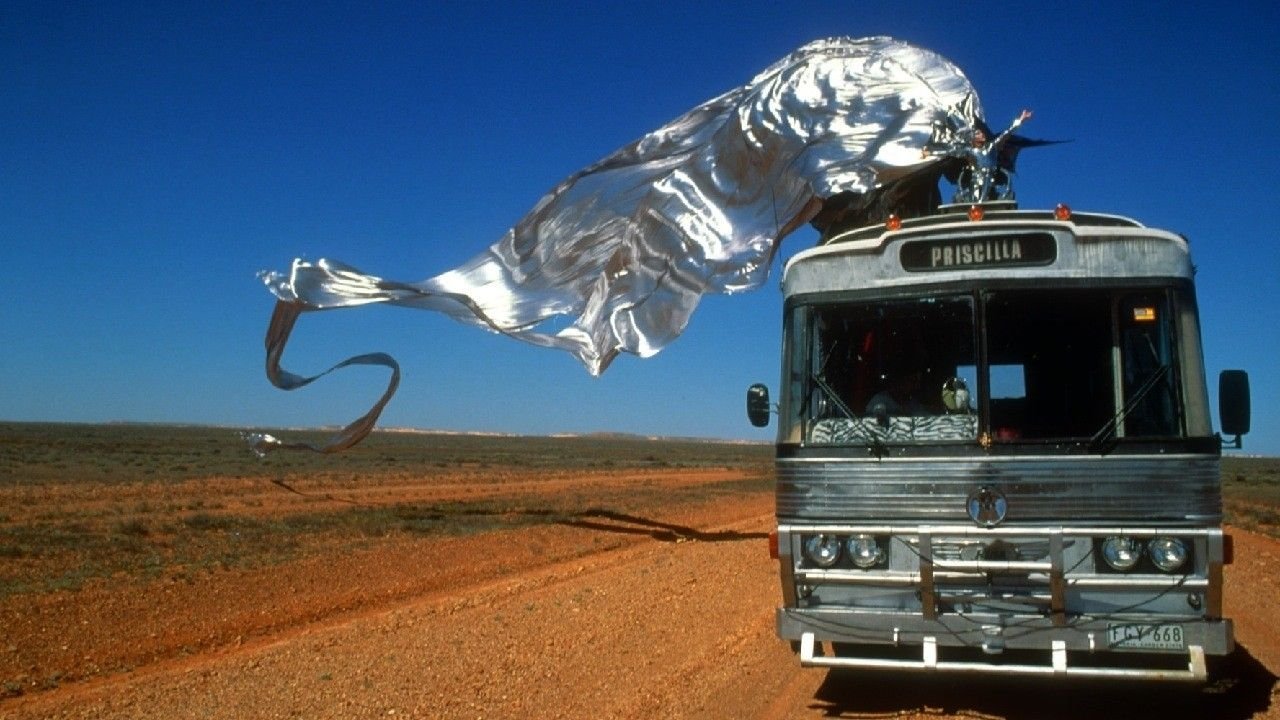
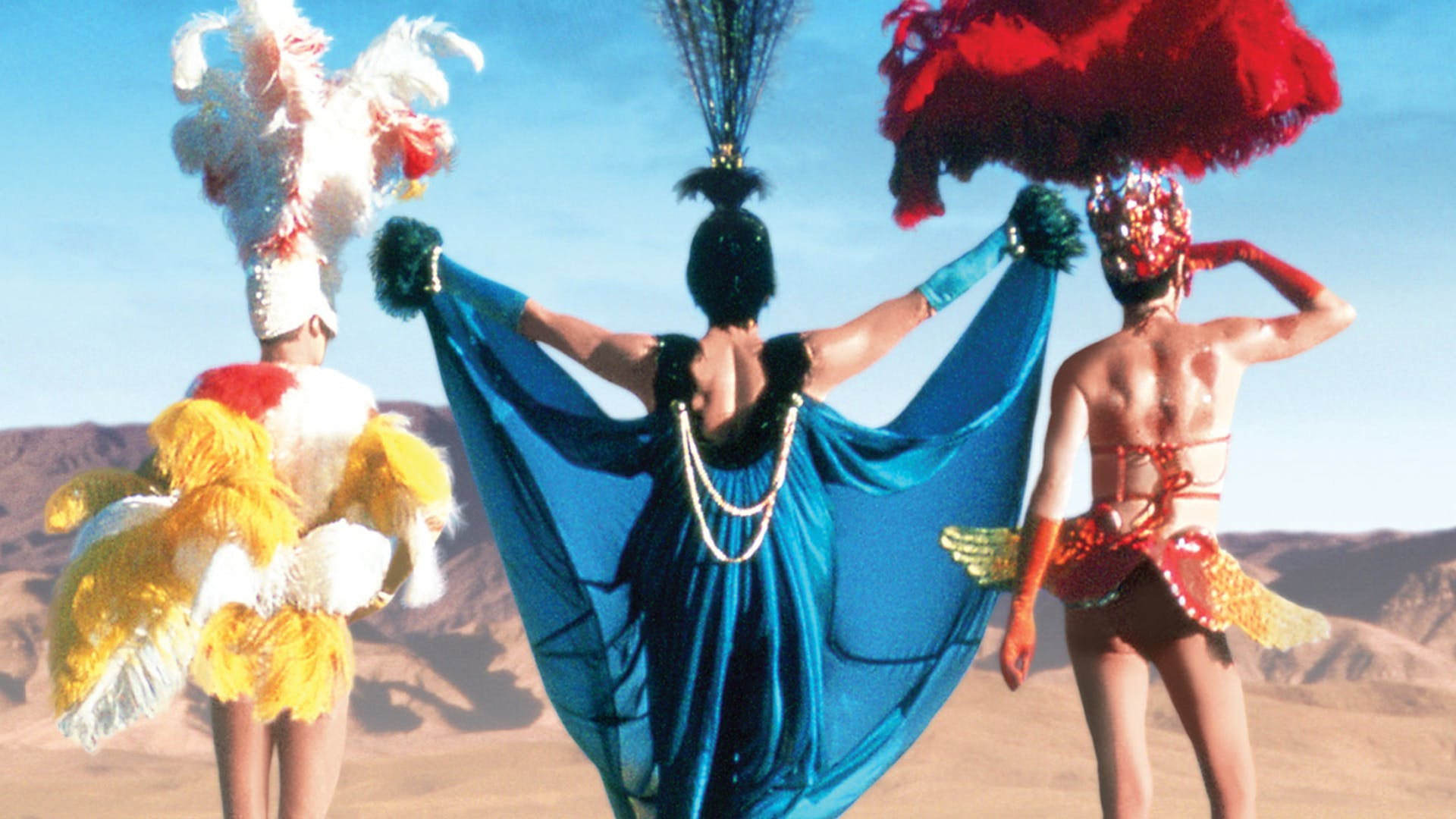
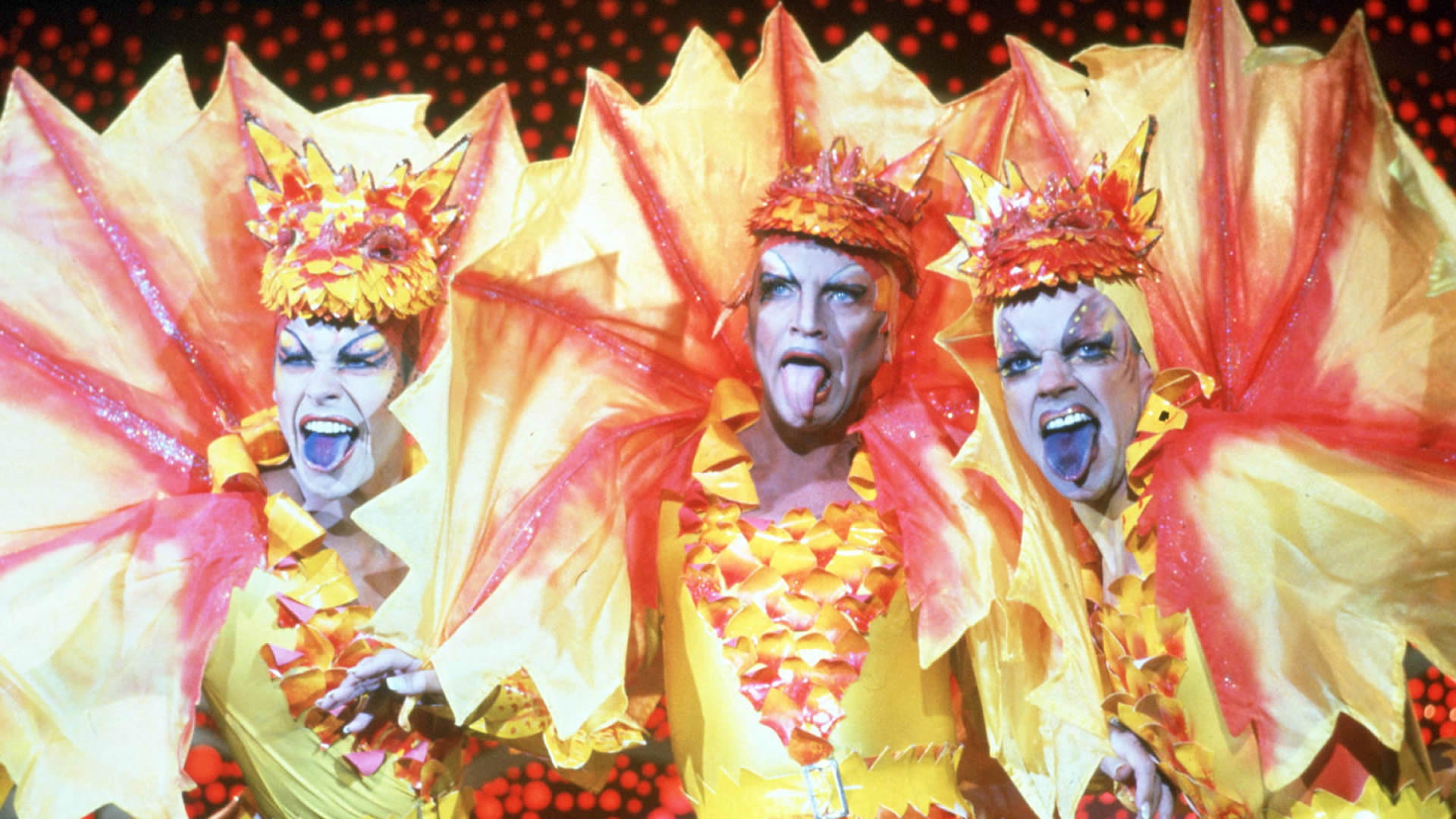
Brian J. Breheny’s photography is especially persuasive when the staging gets ridiculous: the opera performance on top of the bus needs a camera willing to take it seriously. We laughed with pleasure at that sight. A bus roof is an absurd place to put on a show, and the film commits to it so completely that we stop questioning the arrangement. Elliott’s confidence with a large visual joke is sometimes better justified than his faith in a spoken one.
Costume designers Tim Chappel and Lizzy Gardiner give the performers clothes whose extravagance is part of the entertainment. The outfits could easily overwhelm the people inside them, but the actors remain the main attraction. Owen Paterson’s production design joins in the excess, and the amount to look at occasionally distracts from a weak line. Guy Gross supplies the score, though the disco selections do more to keep the journey buoyant. The music is useful company whenever the dialogue has exhausted itself.
Sue Blainey’s editing keeps the trip moving, but the changes from bawdy comedy to serious reflection can still be clumsy. Elliott sometimes adds more sentiment than the performances need, leaving us conscious of how warmly he wants us to feel. That matters in a film whose pleasure depends on enjoying these people without being instructed to approve of them. Yet the quieter passages about Bernadette’s working life deserve their place in a road comedy. We would have kept those passages and trusted Stamp to carry them.
At 103 minutes, the film leaves enough space for its performers without making the journey feel prolonged. The vulgarity is part of the pleasure, so there is little point choosing it in the hope of a decorous evening. Give Stamp as much attention as the costumes.