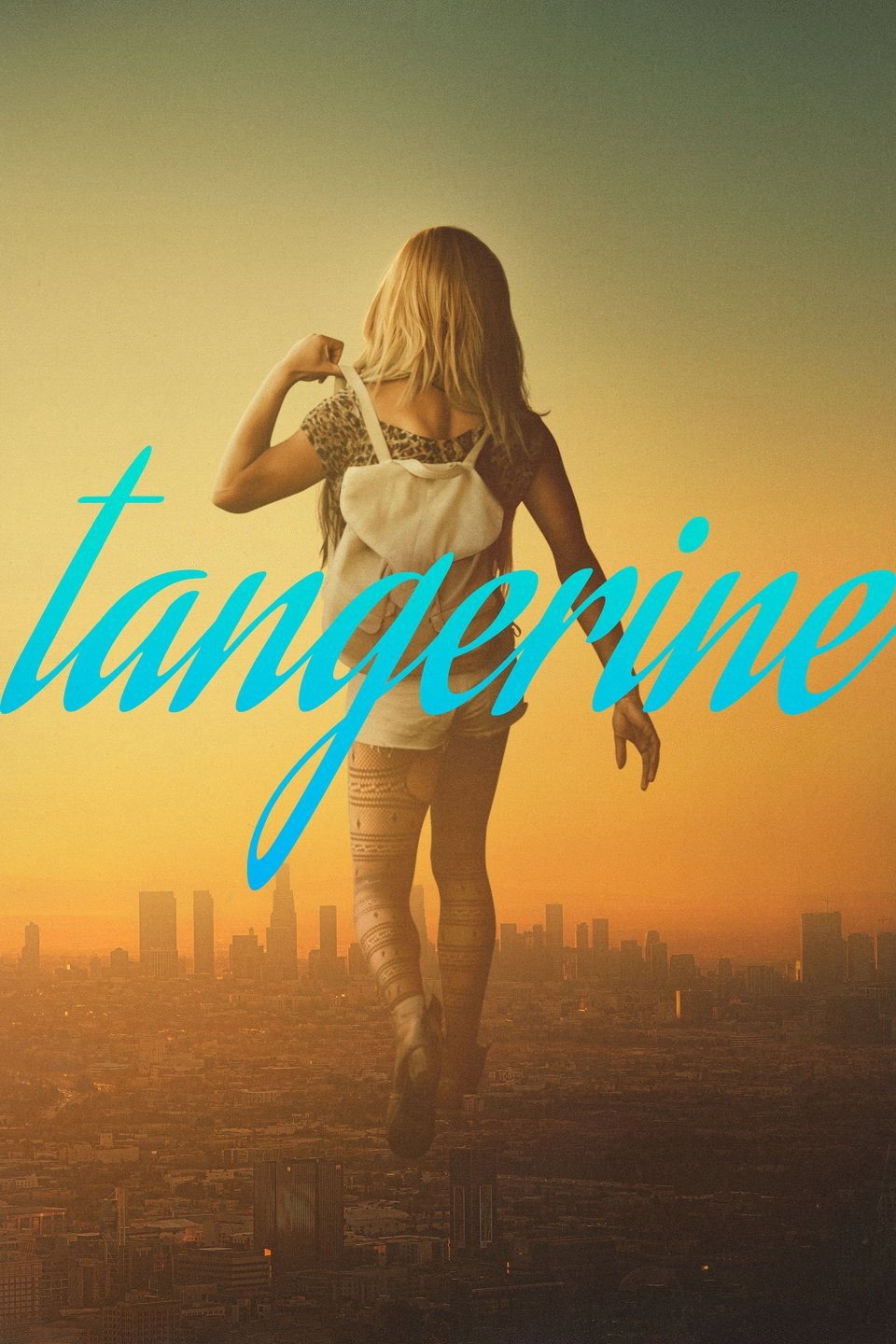
Sean Baker’s street comedy is funny, abrasive and well worth the commotion. Kitana Kiki Rodriguez and Mya Taylor make its friendship convincing, even when the plotting gets a little too tidy.
Sean Baker gives Tangerine the speed of a screwball comedy and lets its two friends be as difficult as they please. On the Hollywood streets on Christmas Eve, Sin-Dee Rella has a grievance to pursue, while Alexandra has the job of keeping up. It is a funny, affectionate film, with a slightly over-organised plot and two performances that make the disorder worth following. Both women are transgender sex workers, and the film lets them get on with their day.
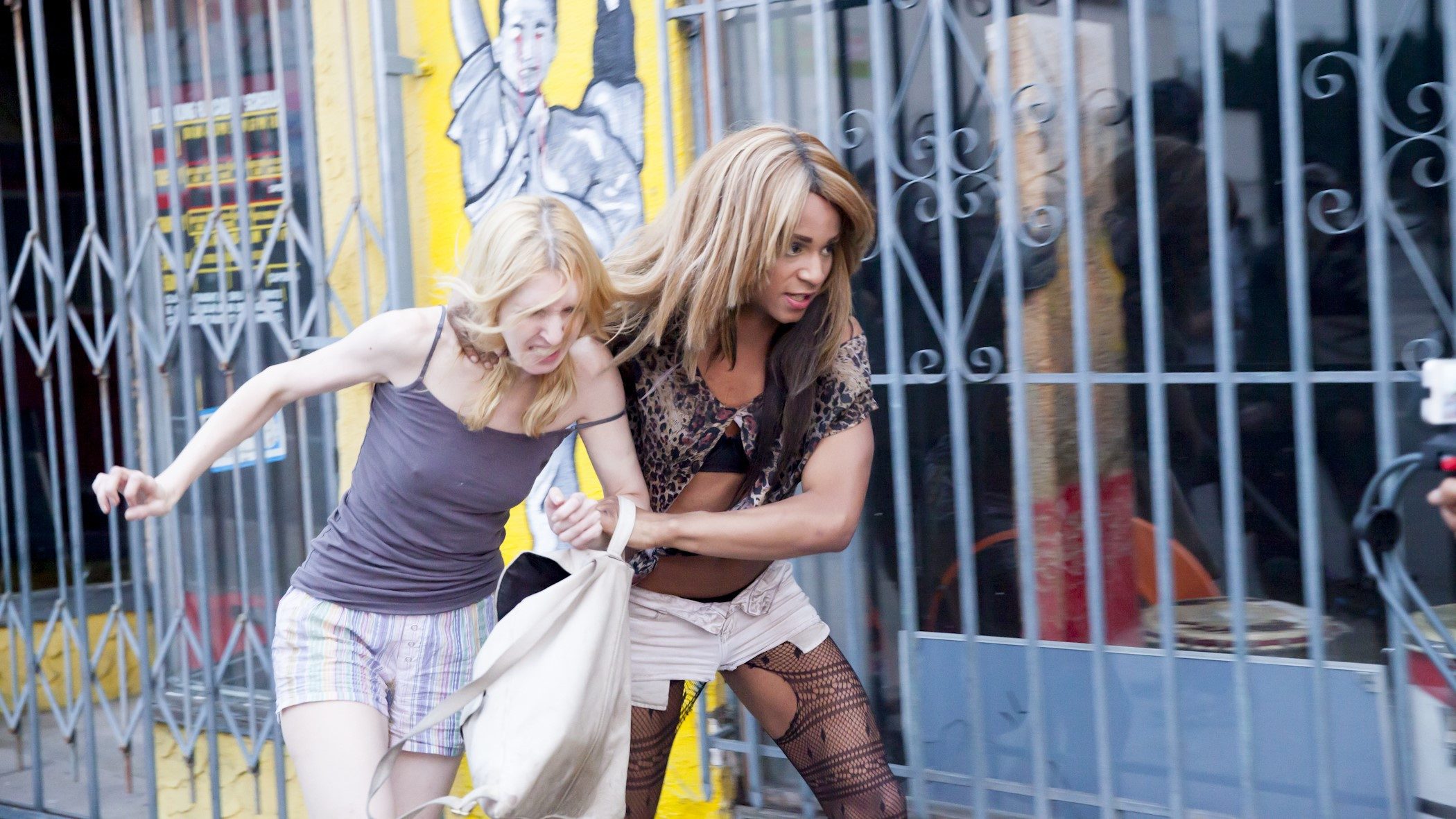
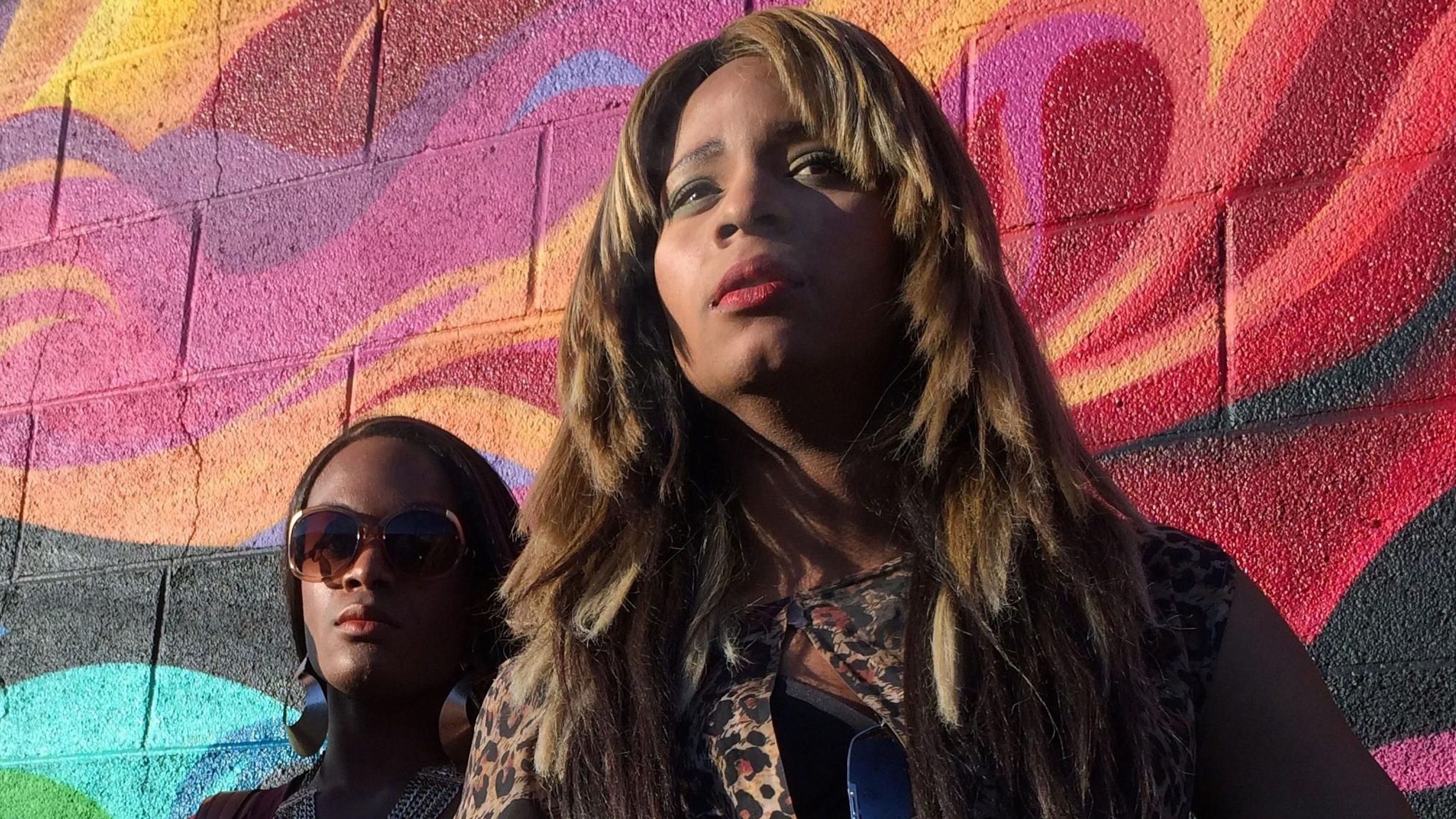
Kitana Kiki Rodriguez plays Sin-Dee Rella with the physical urgency of someone who cannot bear to waste another second. Her anger gives the walk a purpose and the dialogue its pace; an objection is liable to disappear under the next burst of talk. We laughed at the sheer effort she puts into staying furious. The performance makes that effort visible, so the comedy never quite conceals how much getting her own way means to Sin-Dee Rella.
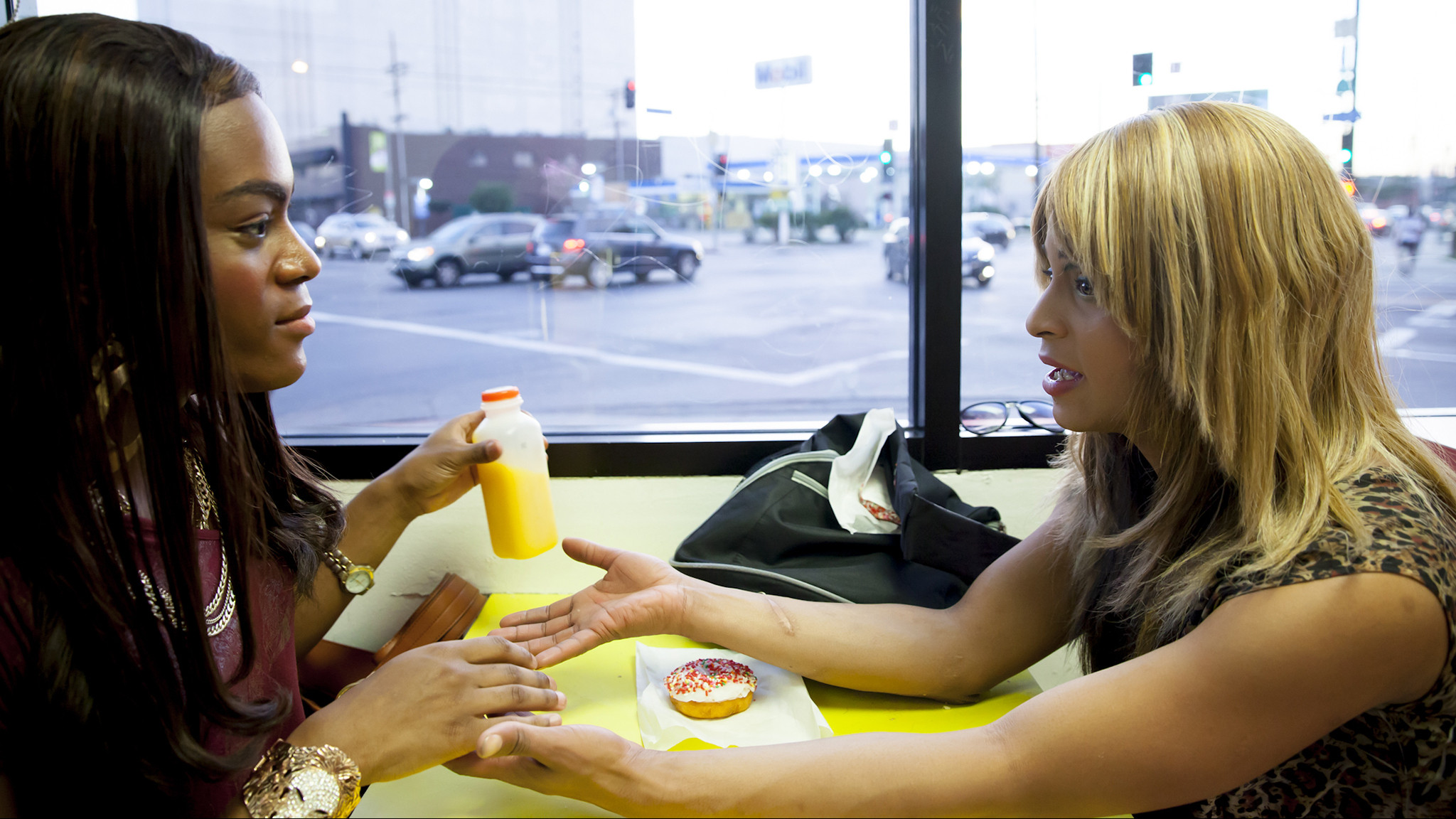
Mya Taylor’s Alexandra makes an equally strong impression without trying to match that speed. She can listen without looking passive, and her steadier presence allows the friendship to contain irritation as well as affection. We believe these women have spent time together before the camera arrived, including time when they would rather have been somewhere else. Sean Baker and co-writer Chris Bergoch give them talk that can be rude, funny and personal within a few breaths, rather than explanatory speeches about their circumstances.
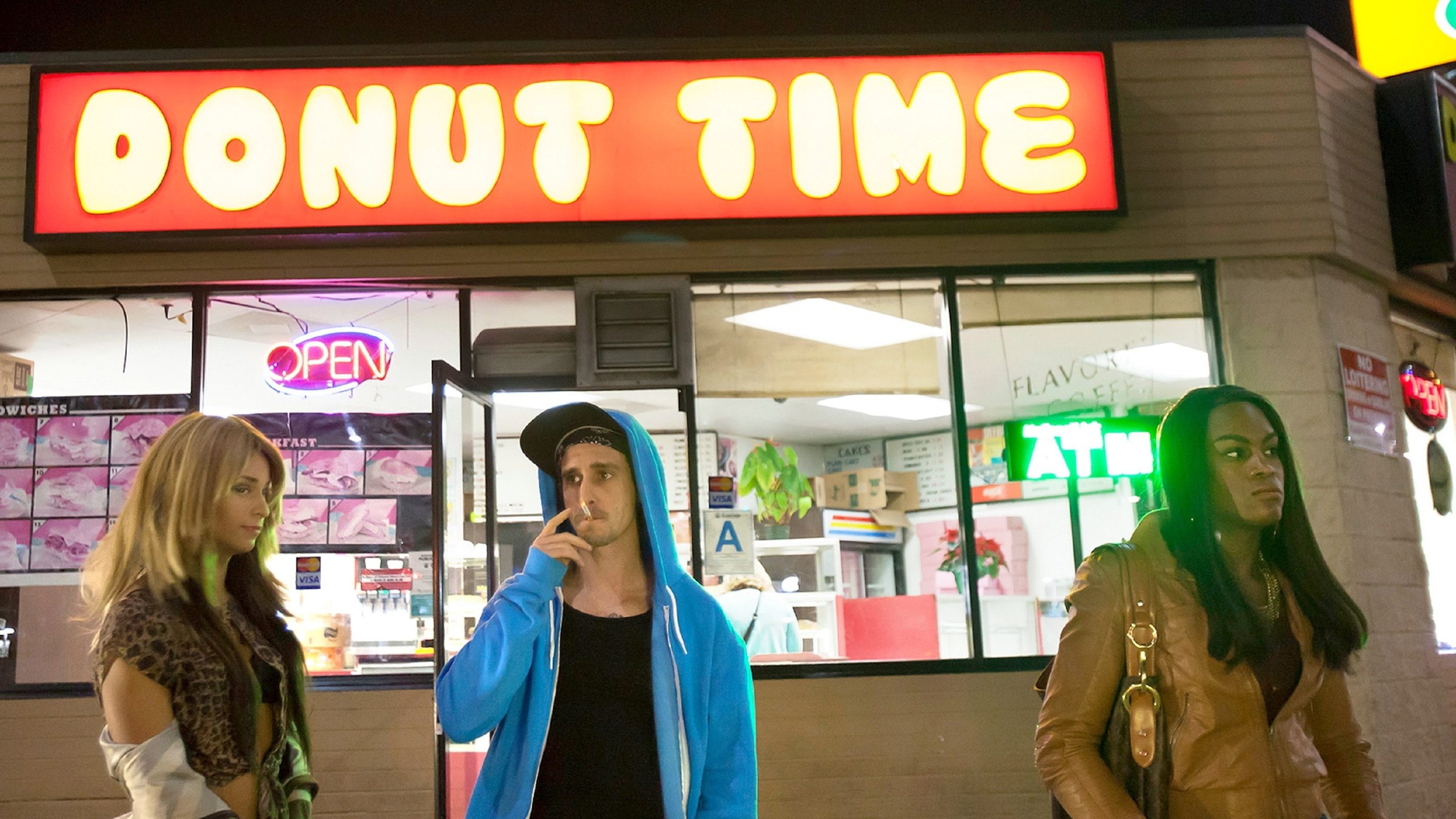
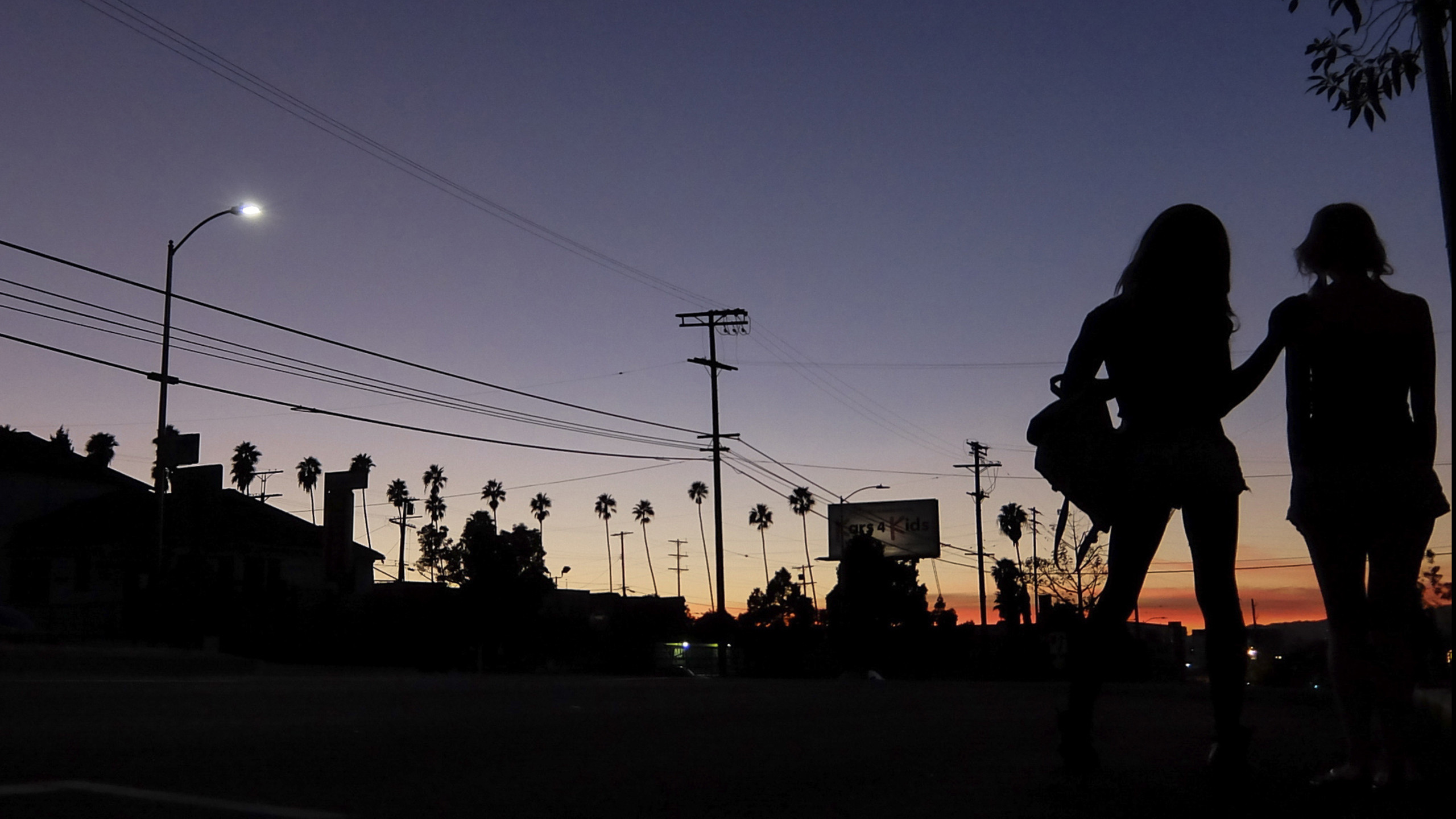
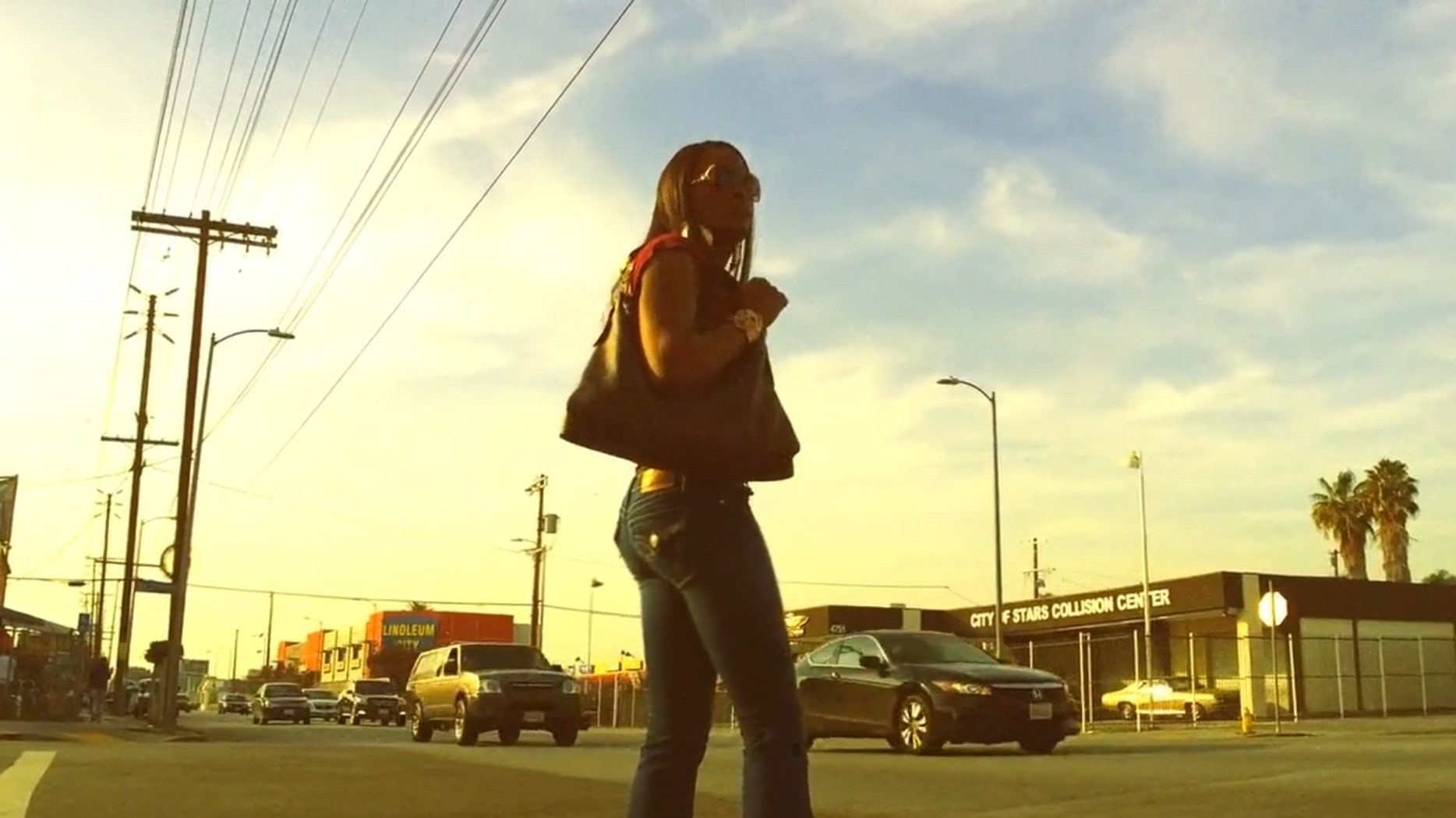
The iPhone photography by Radium Cheung and Sean Baker suits people who keep moving and a city that offers them little privacy. The heavily saturated colour makes the Hollywood streets feel hot and insistently present, rather than picturesque background for an unfortunate life. The image has enough force of its own to stop the camera’s small size becoming the whole discussion. The camera stays close to the performers without making the streets around them disappear.
Sean Baker also edits, and the rapid cutting keeps the comedy brisk without losing the rapport between the leads. At 87 minutes, this is a compact film, though its excursions away from the women can still feel like interruptions. Karren Karagulian brings a welcome ordinariness to Razmik, the Armenian cab driver, but his separate strand does not always justify the time it takes. Returning to the friends restores a tension and intimacy that the wider collection of encounters cannot consistently supply.
The script is also a little too neat. Some of the plotting feels arranged for the convenience of a farce, which briefly jars against the less predictable behaviour of the performers. Yet the screwball approach is mostly a sound choice: money, work and wounded pride can be serious matters without requiring everybody to speak solemnly. The humour permits the women vanity, bad judgement and the pleasure of being funny, qualities a more dutiful social drama might have tidied away.
There is tenderness here, but the director does not keep pointing it out, and the quieter feelings have room to arrive without a warning speech. That restraint is welcome in a comedy so happy to shout, because it leaves the actors to make the changes in mood credible. Give it an evening when polite conversation has begun to seem overrated.