Pedro Almodóvar’s farce is funny, colourful and held together by Carmen Maura’s practical, beleaguered Pepa. The plot occasionally becomes overbusy, but Maura keeps us interested in her even when another complication is the last thing anyone needs.
Women on the Verge of a Nervous Breakdown is a lively, generous farce, and Carmen Maura gives it the firmness it needs. Pedro Almodóvar, writing and directing, lets the complications accumulate around Pepa without asking us to regard her distress as proof that she is ridiculous. That matters when so much of the comedy depends on people being pushed beyond reasonable endurance. We recommend it warmly, with a reservation about the stretches when another complication is less welcome than a little breathing space.
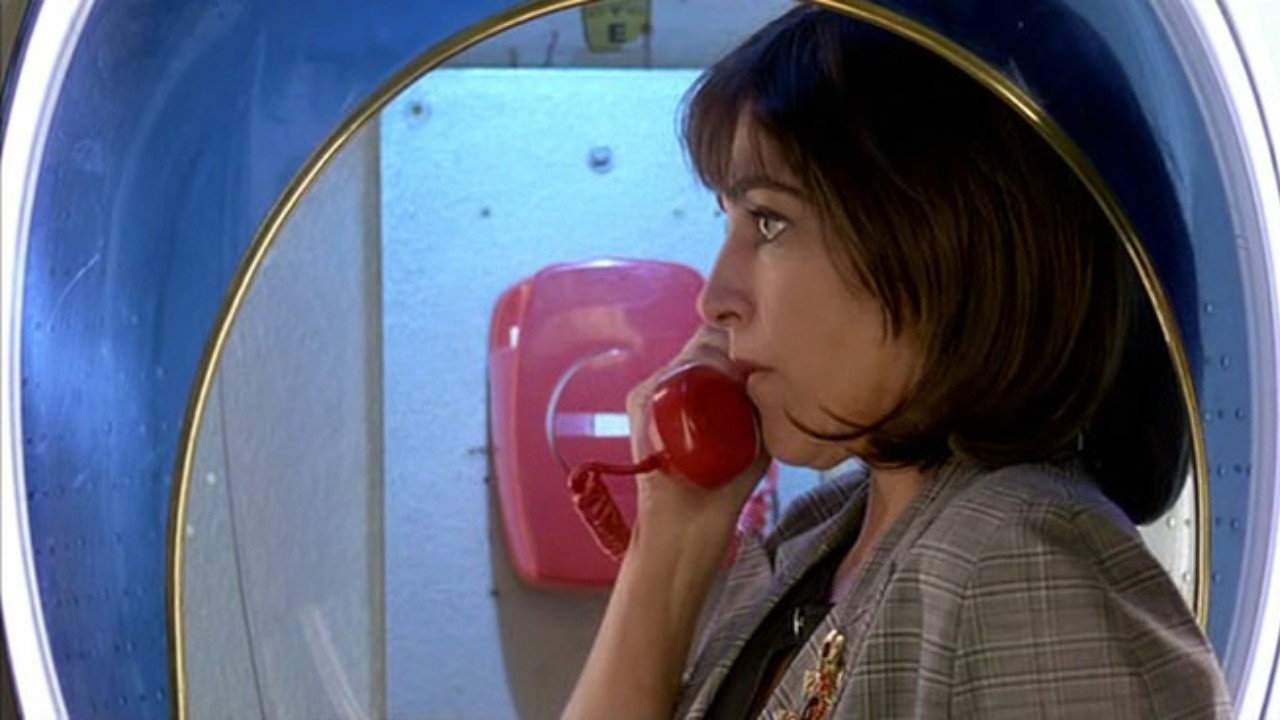
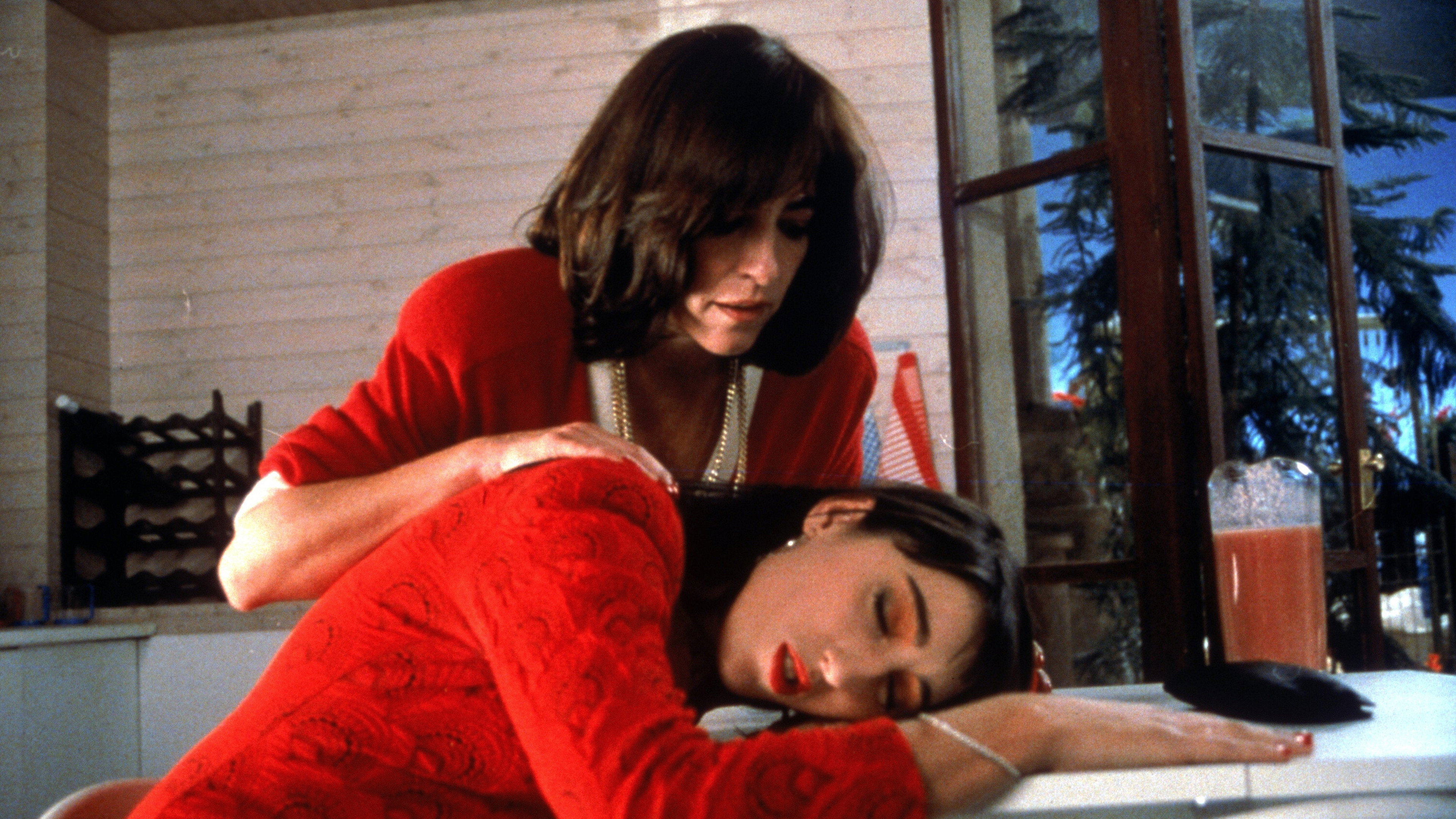
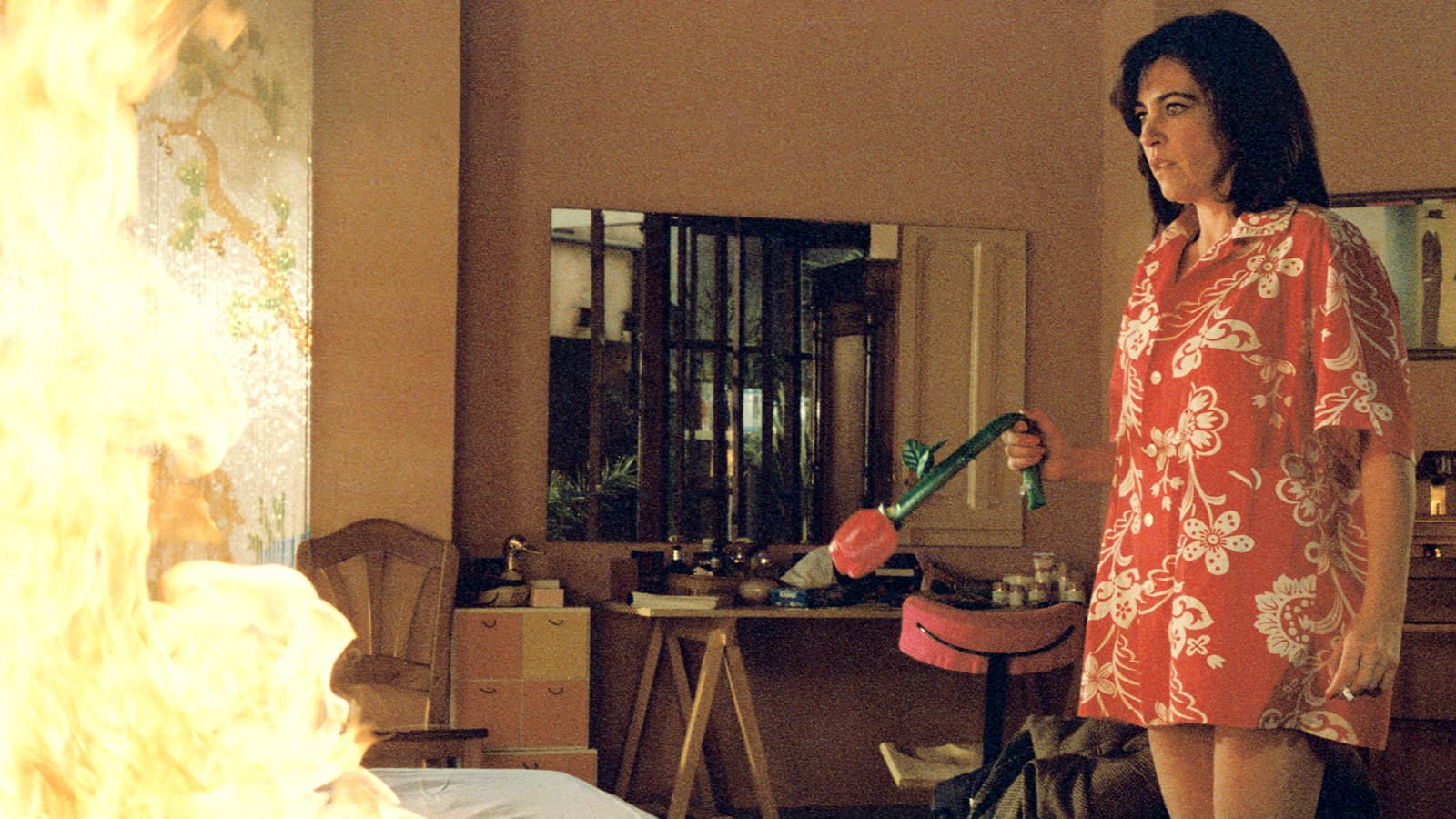
Maura makes Pepa practical enough to earn our sympathy without smoothing away her desperation. She gives the impression of someone who might cope perfectly well if the next problem would only wait its turn, and that makes the growing confusion funnier. We laughed, then felt protective of her. It was Maura’s no-nonsense manner that did it: she holds on to Pepa’s self-respect while everything around her gets more outlandish.
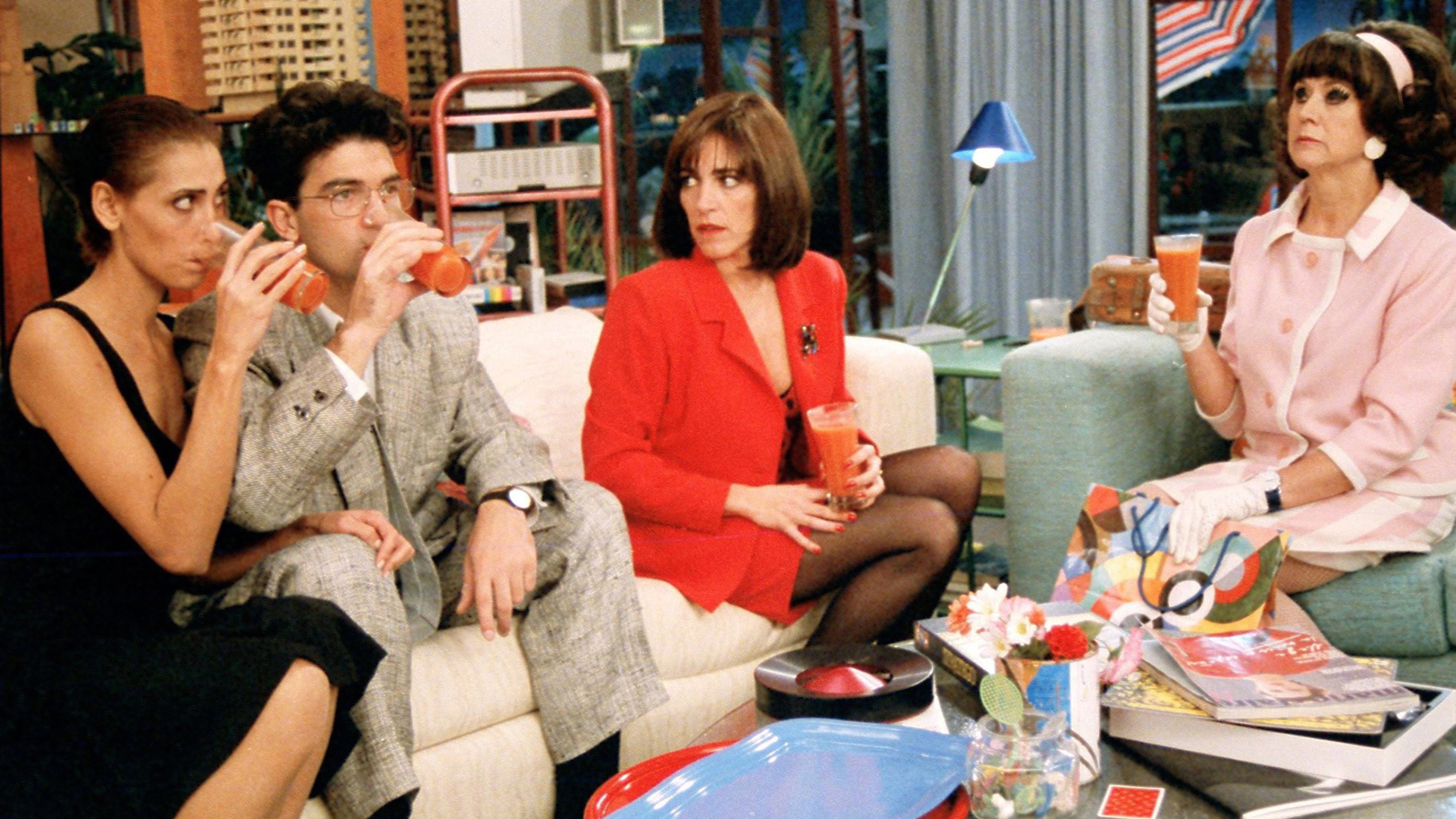
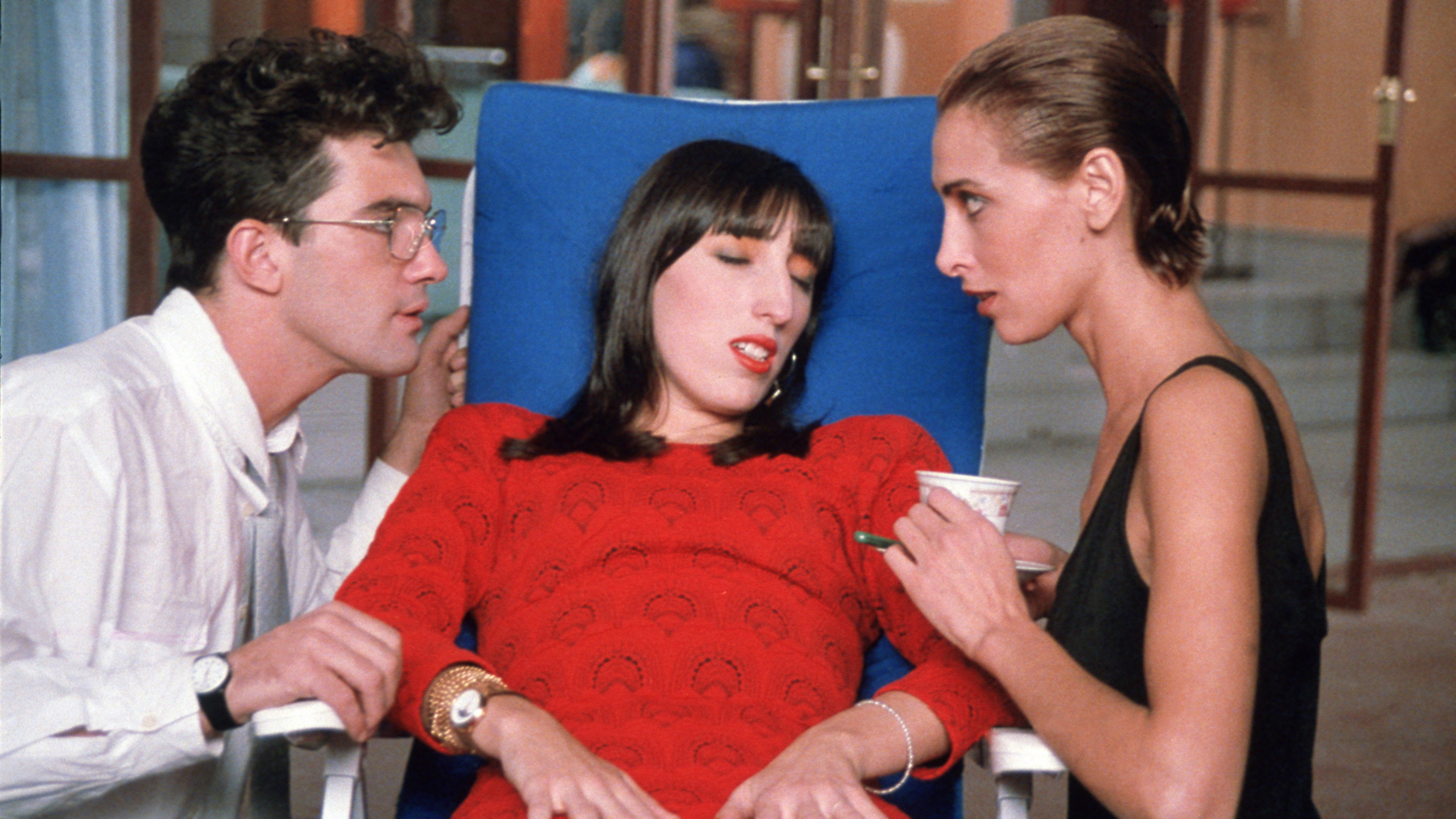
José Luis Alcaine’s cinematography gives the colour a richness that makes even the garish choices pleasurable. The production design has a similar appetite for odd detail, so there is usually something to enjoy beyond the immediate business of the plot. It is a busy look, but the exaggeration suits the performances. A more restrained image would make the characters seem stranded; here their agitation belongs to the same film as their surroundings.
José Salcedo’s editing is important to the film’s speed: the scattered action rarely has time to settle into separate, self-contained episodes. That keeps the company working together, with Antonio Banderas as Carlos, Julieta Serrano as Lucía and María Barranco as Candela contributing to a sense of trouble coming from several directions. Bernardo Bonezzi’s music supports the bustle without demanding much attention of its own. The comic rhythm still comes most clearly from Maura holding firm amid the agitation.
The writing is not equally persuasive throughout. Almodóvar sometimes adds another improbability when the people already in play seem capable of sustaining a scene without help, and the busyness can make an individual predicament harder to care about. Maura’s performance remains clear enough to follow, but some of the surrounding activity registers mainly as another demand on our attention. At 88 minutes, the film hardly overstays its welcome, though the crowded plotting can make it feel longer.
By the usual standards of farce, the sympathetic treatment of Pepa is the distinction worth stressing. The film does not need to punish her for being upset, nor does it require every person around her to become someone we would welcome into our lives. Rossy de Palma’s Marisa belongs to an ensemble whose differences help keep the comedy from becoming monotonous. Maura is the centre, but the film would be much thinner if everyone else simply stood aside for her.
The loose plotting is a caveat, especially for anyone who likes every comic complication to follow neatly from the last. Even so, the ensemble gives the busy stretches enough life to keep the film enjoyable. Choose it for Maura, and allow for rather more company than Pepa seems to want.