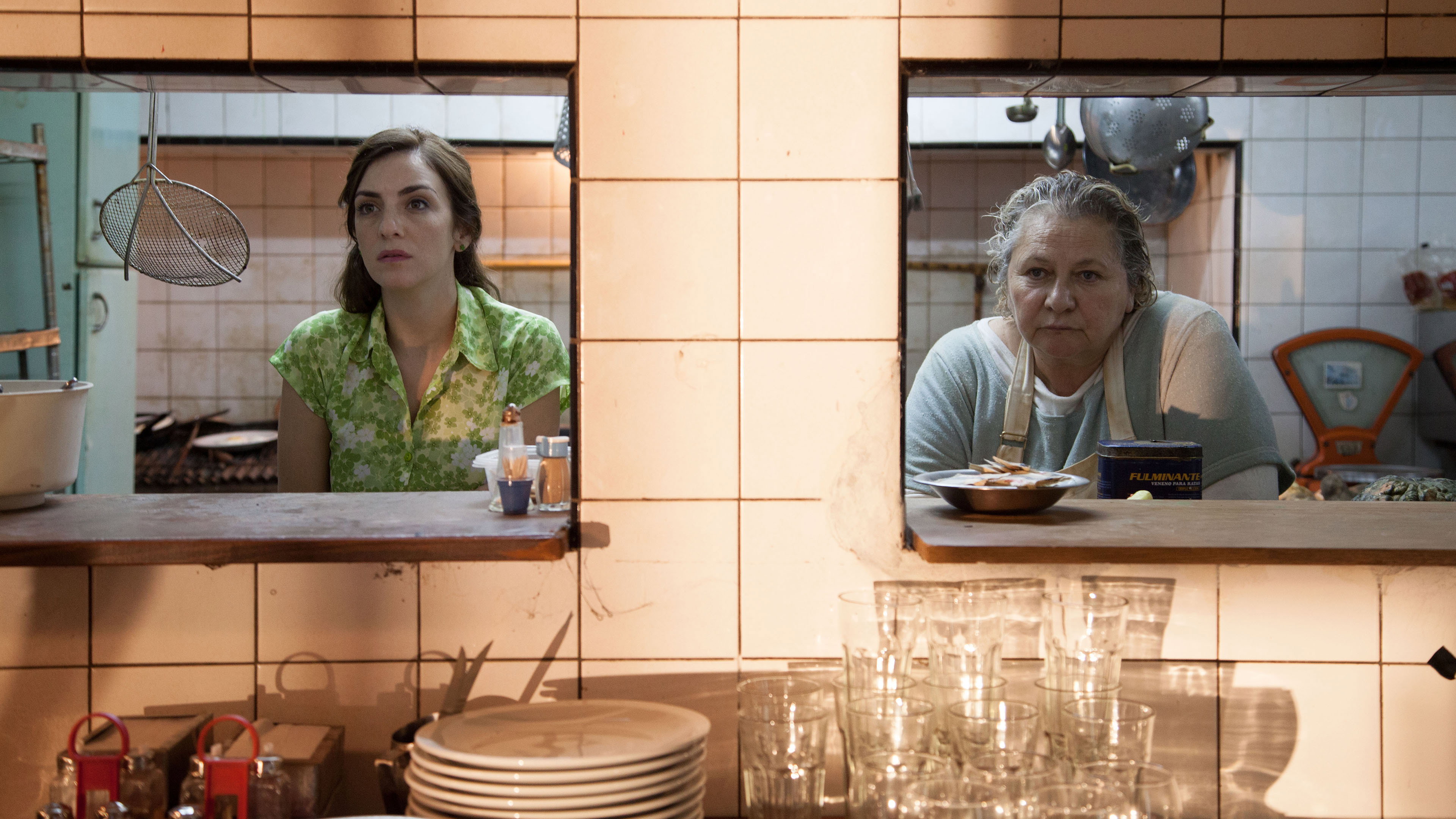
Damián Szifron’s six revenge stories are funny, nasty and unusually well matched for an anthology. A few run beyond their useful length, but the performances keep the anger recognisable even when the behaviour becomes absurd.
Wild Tales is a sharp, generously entertaining black comedy with a slightly repetitive middle, and we recommend it with that small reservation. Writer-director Damián Szifron builds six separate stories around the point at which people stop accepting what has been done to them. Revenge gives the film plenty of opportunities for bad behaviour, but the familiar irritations matter just as much. Bureaucracy, class resentment and wounded pride give the anger somewhere recognisable to start.
The opening plane story establishes how quickly Szifron can get a comic situation moving. He and fellow editor Pablo Barbieri Carrera judge the pace well, allowing each new piece of information to change how we understand the encounter. We have time to register the absurdity without being given time to get ahead of it. This is where the short-story format suits him: there is no obligation to turn a good idea into a full-length plot.
The road-rage episode makes equally good use of a simple dispute. Javier Julia’s cinematography makes the action easy to follow, which matters when each fresh provocation changes how far we are prepared to sympathise. We laughed, then grew uneasy at how much further we wanted the quarrel to go. The anger is familiar enough for us to take sides before we have properly considered what we are cheering on.
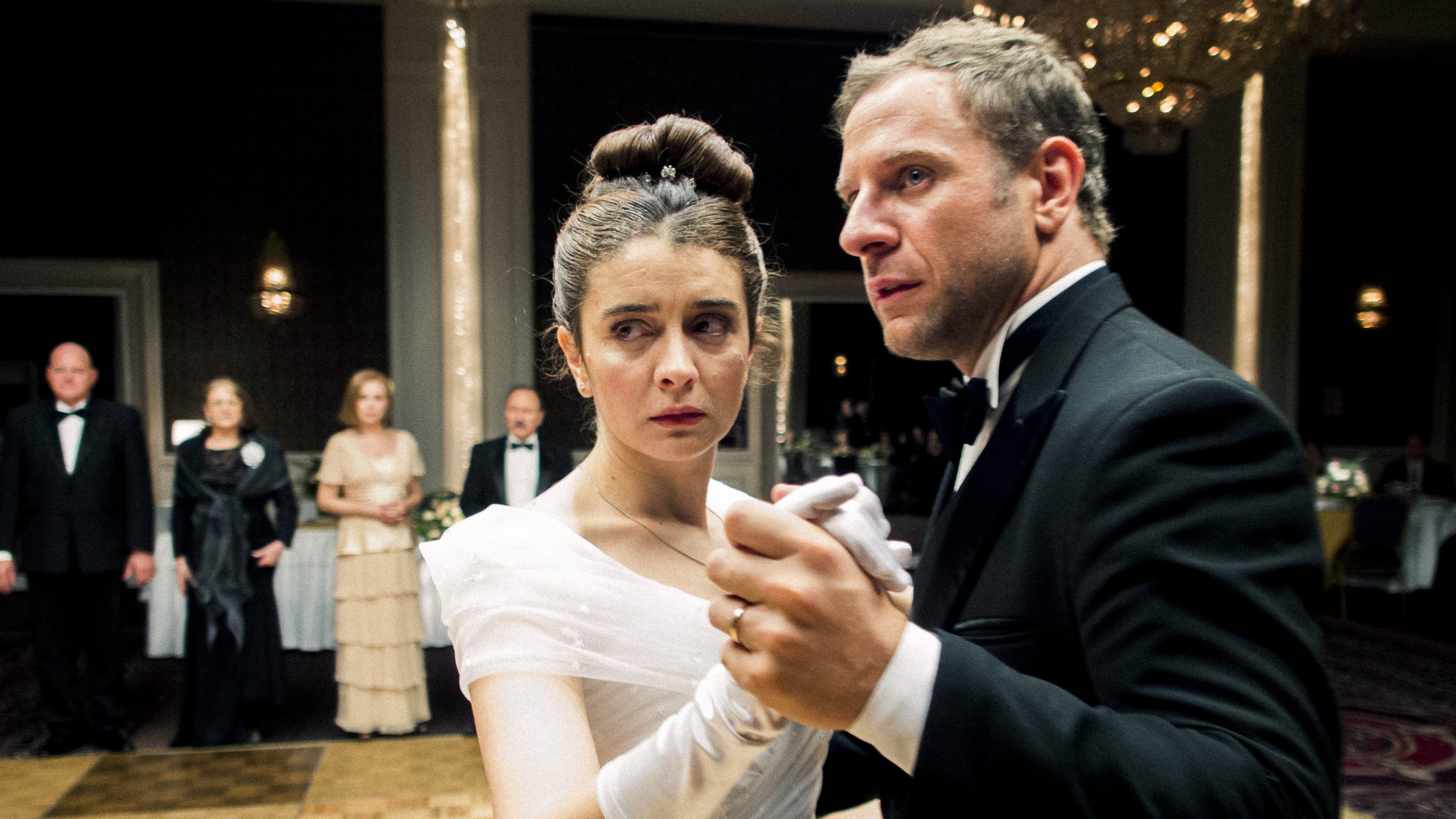
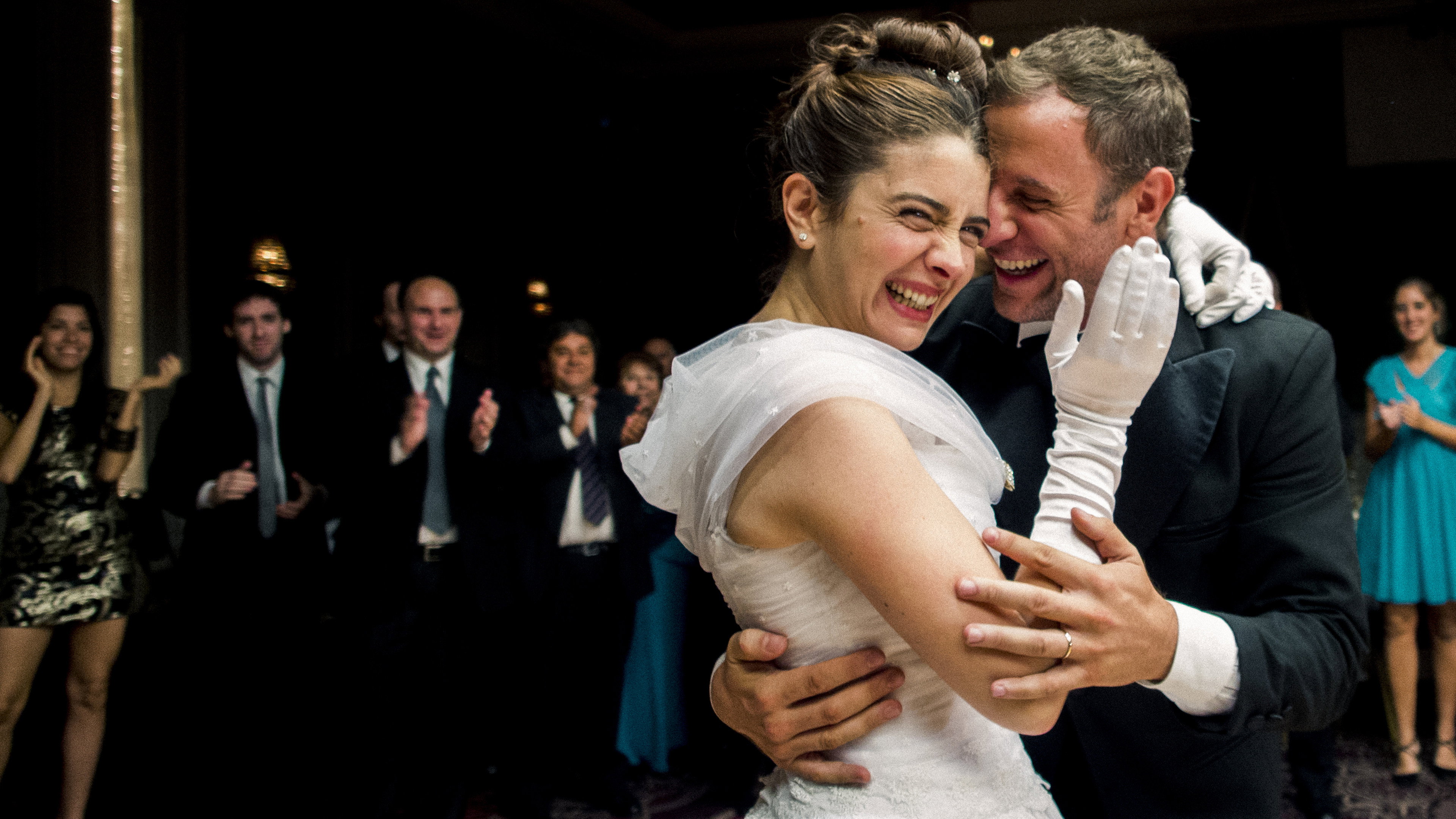
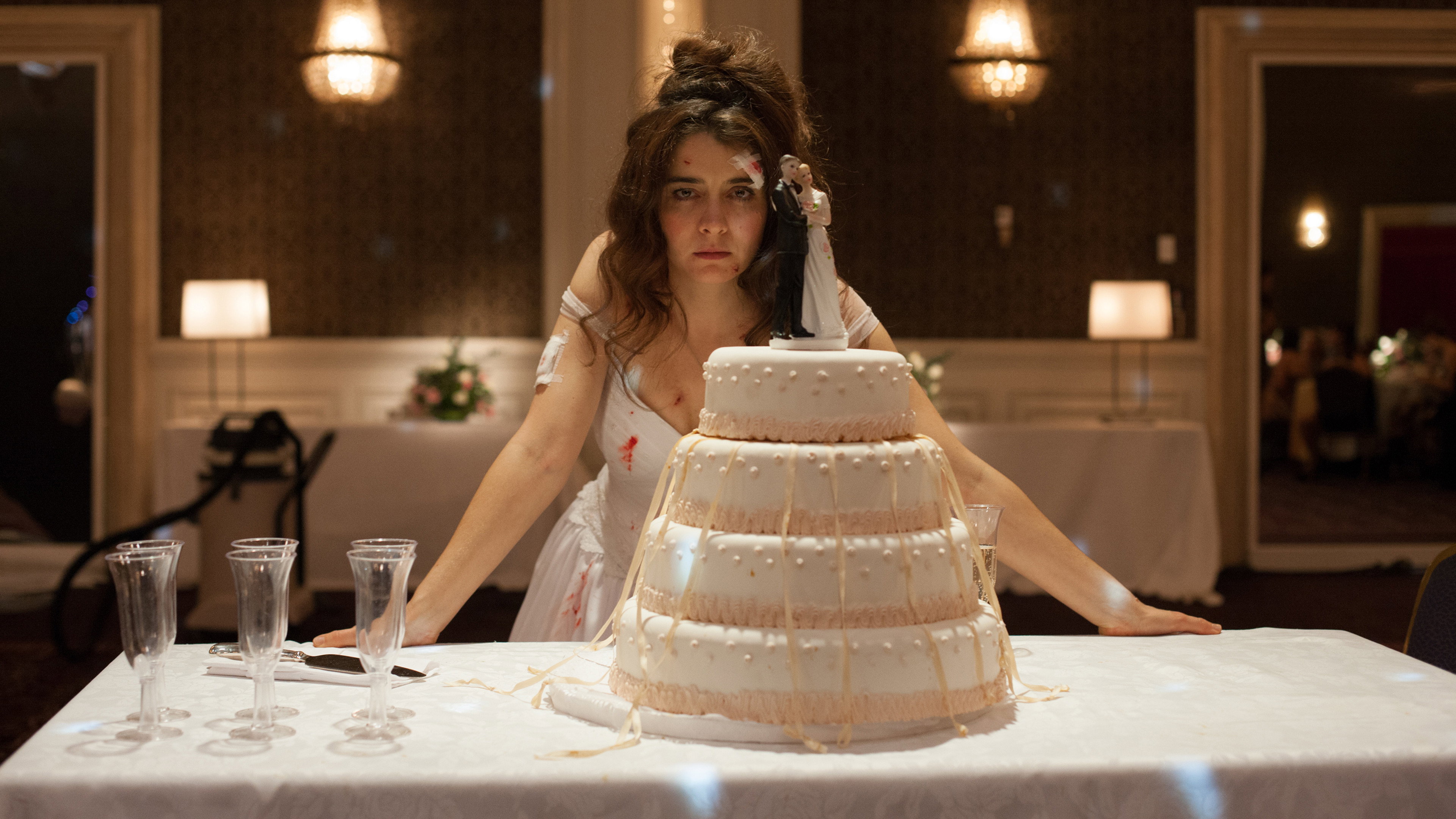
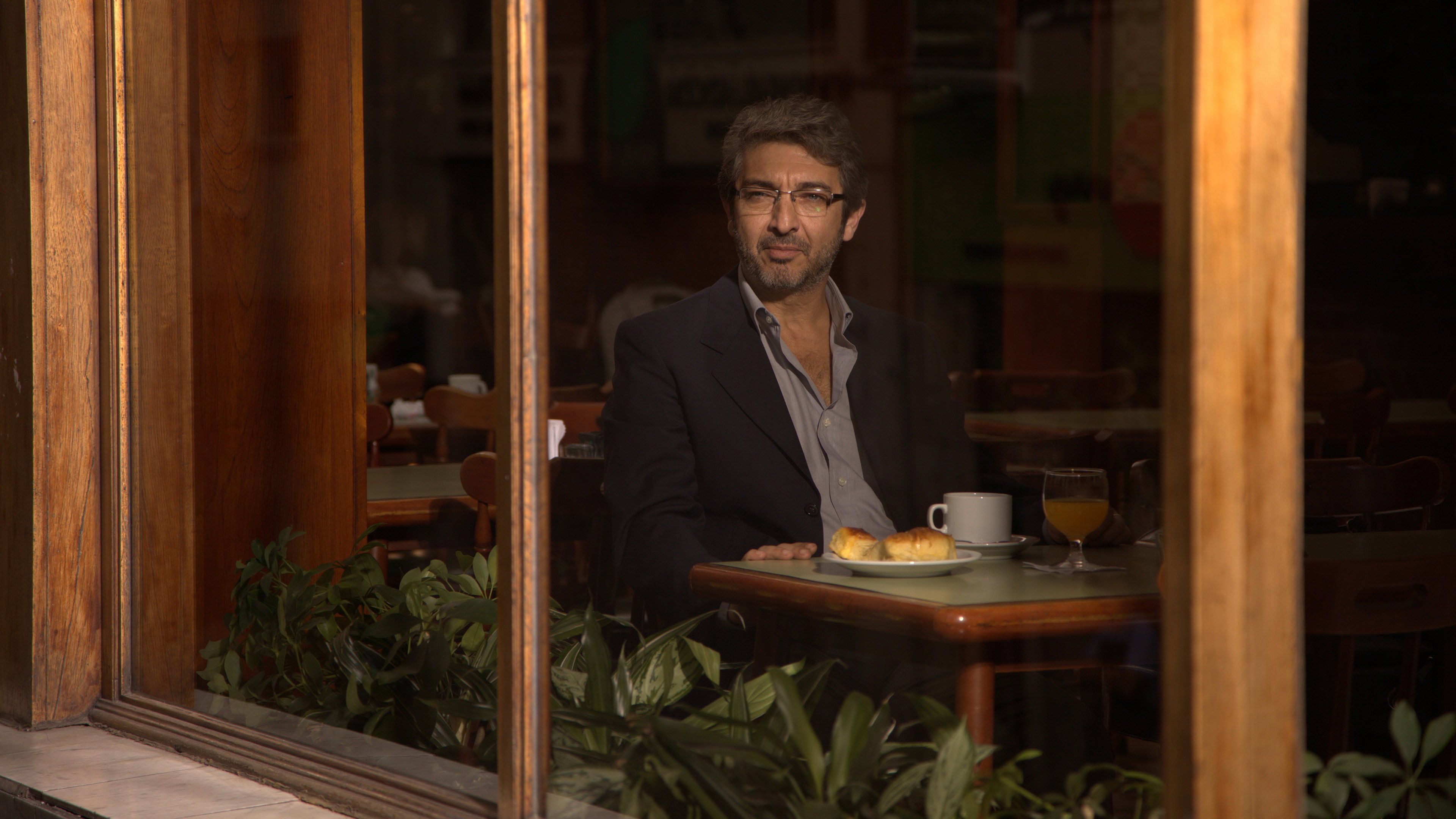
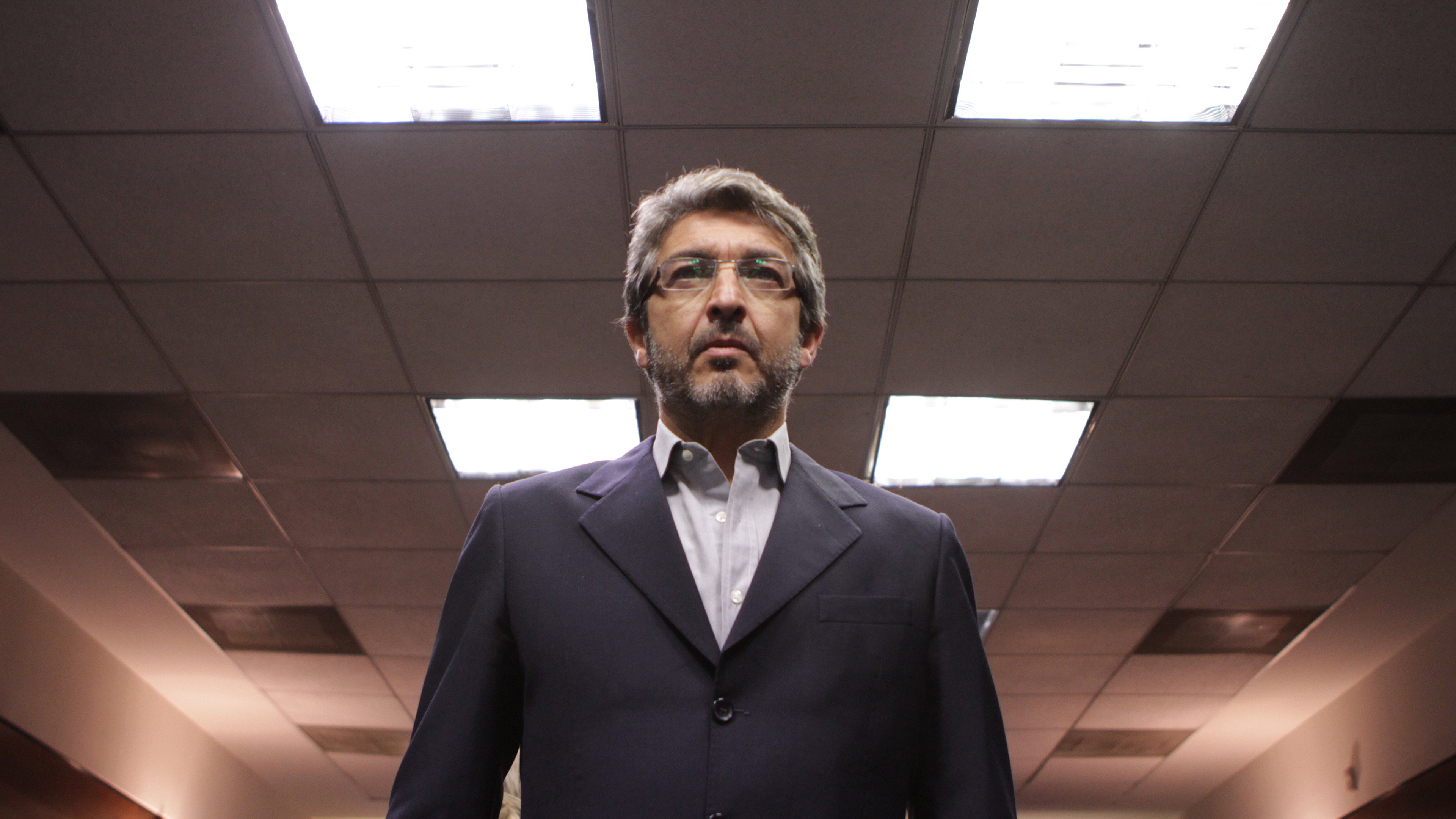
Ricardo Darín gives Simón Fisher the accumulated impatience these stories need; we believe there was a life before the grievance. His performance makes the complaint worth listening to even when Szifron is plainly more interested in the retaliation. Érica Rivas, as Romina, is the more volatile pleasure, keeping the wedding story from settling into a single joke. Her anger feels capable of changing direction, which helps a segment that might otherwise become merely noisy. Both actors make the exaggeration easier to accept.
The wedding also gives production designers María Clara Notari and Josè Massolo the clearest opportunity to make social expectations visible. The setting carries an insistence that this is an important occasion and everyone ought to behave, which makes the breaches of decorum funnier. Gustavo Santaolalla’s music is forceful enough for Szifron’s broad comedy, and its willingness to be conspicuous generally works. Occasionally the emphasis feels unnecessary. The actors are already making the situation quite loud enough.
The weakness is in Szifron’s writing when a story has established its grievance and still has ground to cover. Some of the middle stretches repeat the escalation instead of finding something else in the people involved. We begin waiting for the next outrageous development, and that waiting is less enjoyable than the film seems to think. The point about money and power can also feel settled before the scene is finished. A little less insistence would have made the satire sharper.
By anthology standards, though, this is unusually consistent in tone, even when the individual stories vary in strength. At 122 minutes it asks for more patience than its brisk opening suggests, but it keeps finding actors who can make unreasonable conduct persuasive. Give it an evening when the small indignities have been adding up. Perhaps leave any difficult correspondence until afterwards.