Michael Douglas makes Falling Down a tense, disquieting thriller, with Robert Duvall providing welcome relief from the anger. Joel Schumacher is less persuasive when he asks that anger to explain what is wrong with society.
Falling Down is worth an evening for Michael Douglas and Robert Duvall, though its thriller mechanics are more convincing than its thinking about society. Joel Schumacher follows a man who believes ordinary life has become an unreasonable imposition, and lets that belief become frightening. There is enough familiar irritation here to make his anger understandable. The film is less certain about how far it wants us to share it, which leaves some scenes troubling for reasons Schumacher may not have intended.
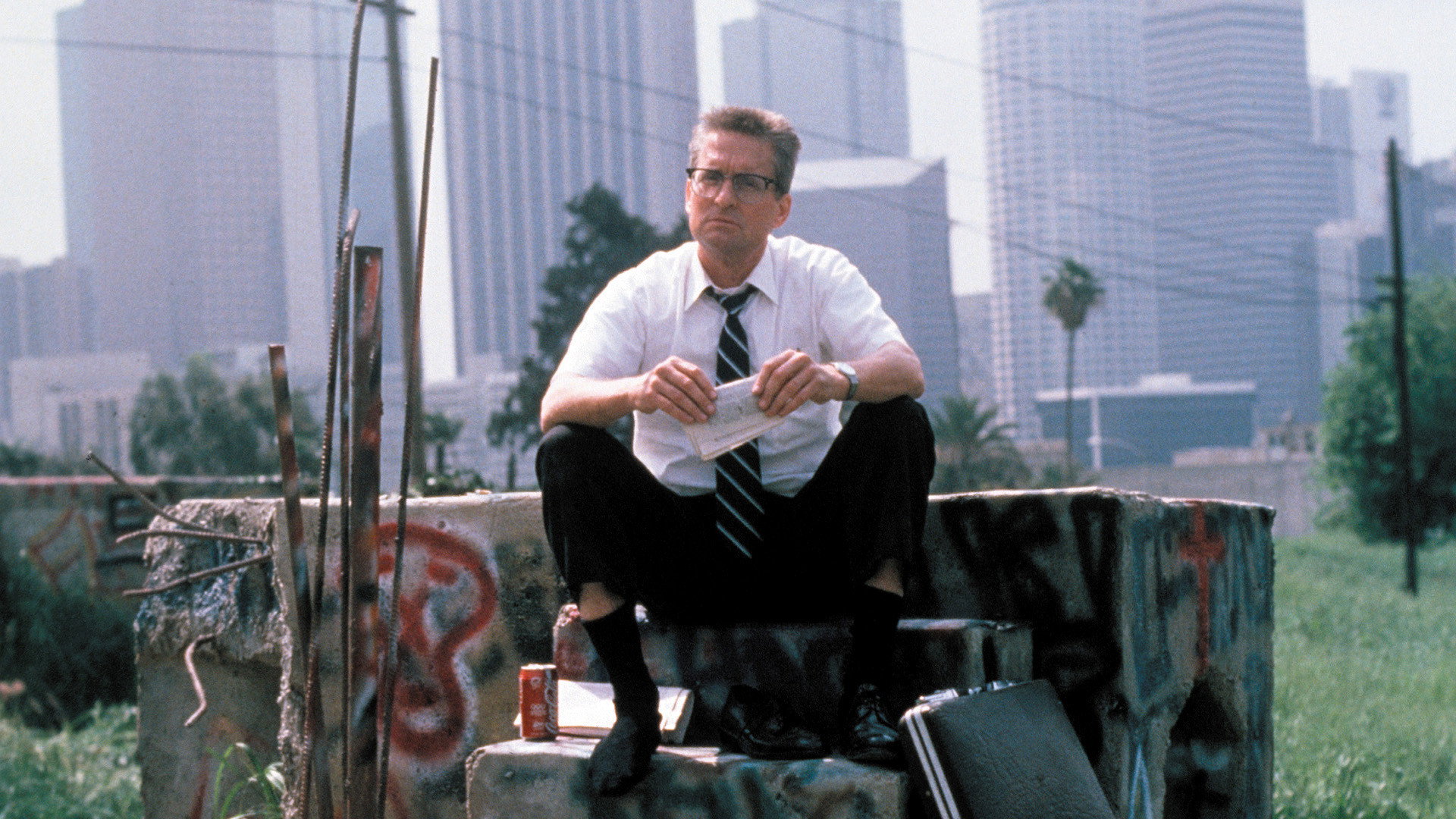
Douglas gives D-Fens the manner of somebody expecting his complaint to be dealt with by a more senior member of staff. He does not need to bellow to make the expectation unpleasant; the restraint makes it harder to dismiss him as somebody safely unlike us. We were unsettled by his composure, particularly the way he makes resentment sound like a patient explanation. He gives us time to recognise the feeling before we can comfortably reject the man expressing it.
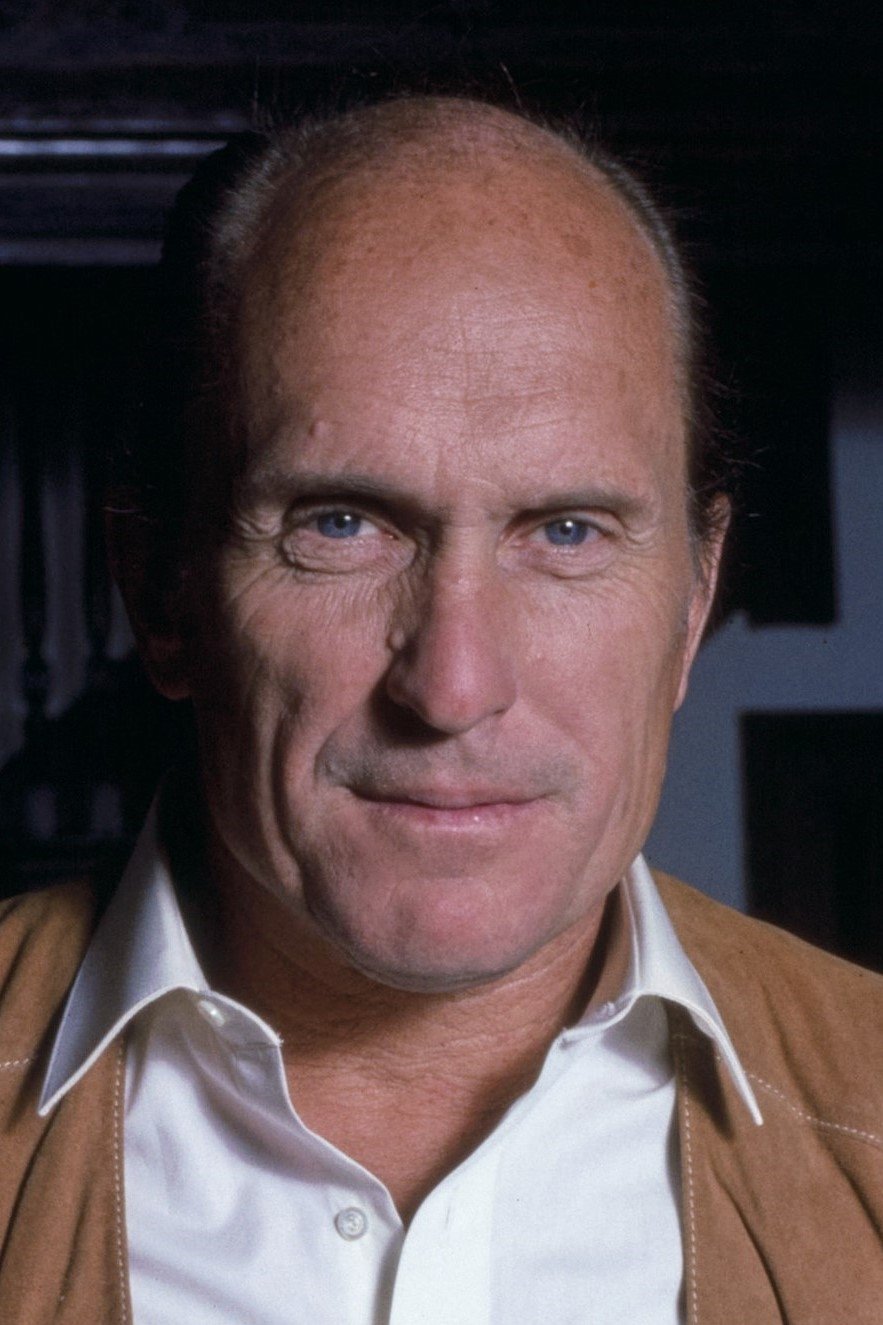
Duvall’s Prendergast gives the film someone else worth watching, a police officer who does not need to dominate every exchange. His quieter presence matters because Schumacher has made D-Fens so forceful a centre of attention. Editor Paul Hirsch keeps the parallel stories moving, cutting between them before the succession of urban grievances can become a repetitive list. This is where Ebbe Roe Smith’s screenplay is strongest: the two men give the thriller a shape that the angry encounters alone would struggle to sustain.
Barbara Ling’s production design makes the city feel arranged to exhaust anybody’s patience, and Andrzej Bartkowiak’s photography gives that hostility a persuasive weight. As an account of how D-Fens sees his surroundings, it works. As a view of a city full of other lives, it is cramped: the people around him too often seem to exist to supply his next complaint. James Newton Howard’s score helps sustain the unease, although Douglas’s controlled delivery needs little help on that front.
Smith also has a difficult habit of making a grievance entertaining before asking us to disapprove of the man airing it. That can be a useful way of catching an audience’s prejudices, and some of the discomfort here is earned. But Schumacher is so pleased with the immediate excitement that the disapproval can feel convenient. We need more scrutiny of what D-Fens believes, rather than another opportunity to enjoy the force with which he believes it.
Against the usual vigilante thriller, the film deserves credit for making its central figure difficult to adopt as a hero. Douglas allows wounded pride and sadness to remain visible inside the anger, and his performance holds our attention when the writing gets clumsy. Yet the social satire is too broad to carry everything Schumacher asks of it. The pace also slackens towards the end, just when the uncertainty ought to be making things more tense.
At 113 minutes, this is a manageable evening’s discomfort, though the talk afterwards may take longer. The performances make it worth the trouble, provided the uncertain handling of D-Fens does not strike you as a way of avoiding a difficult decision. We recommend it to those who like their thrillers difficult to cheer.