Shane Meadows’s revenge thriller is frightening, darkly funny and carried by Paddy Considine’s watchful fury. Its abrupt lurches into brutality expose some thin writing, but the performance makes it worth the discomfort.
Dead Man’s Shoes is a forceful, unsettling revenge thriller with a thinner story than its central performance deserves. Shane Meadows directs, and writes with Paddy Considine, with an eye for the absurd behaviour that can make violent men seem harmless until they act. The Derbyshire setting keeps the threat close to ordinary life, away from the stylish criminal underworld so many thrillers offer. Its thugs are ridiculous often enough that their capacity for cruelty comes as an unpleasant reminder.
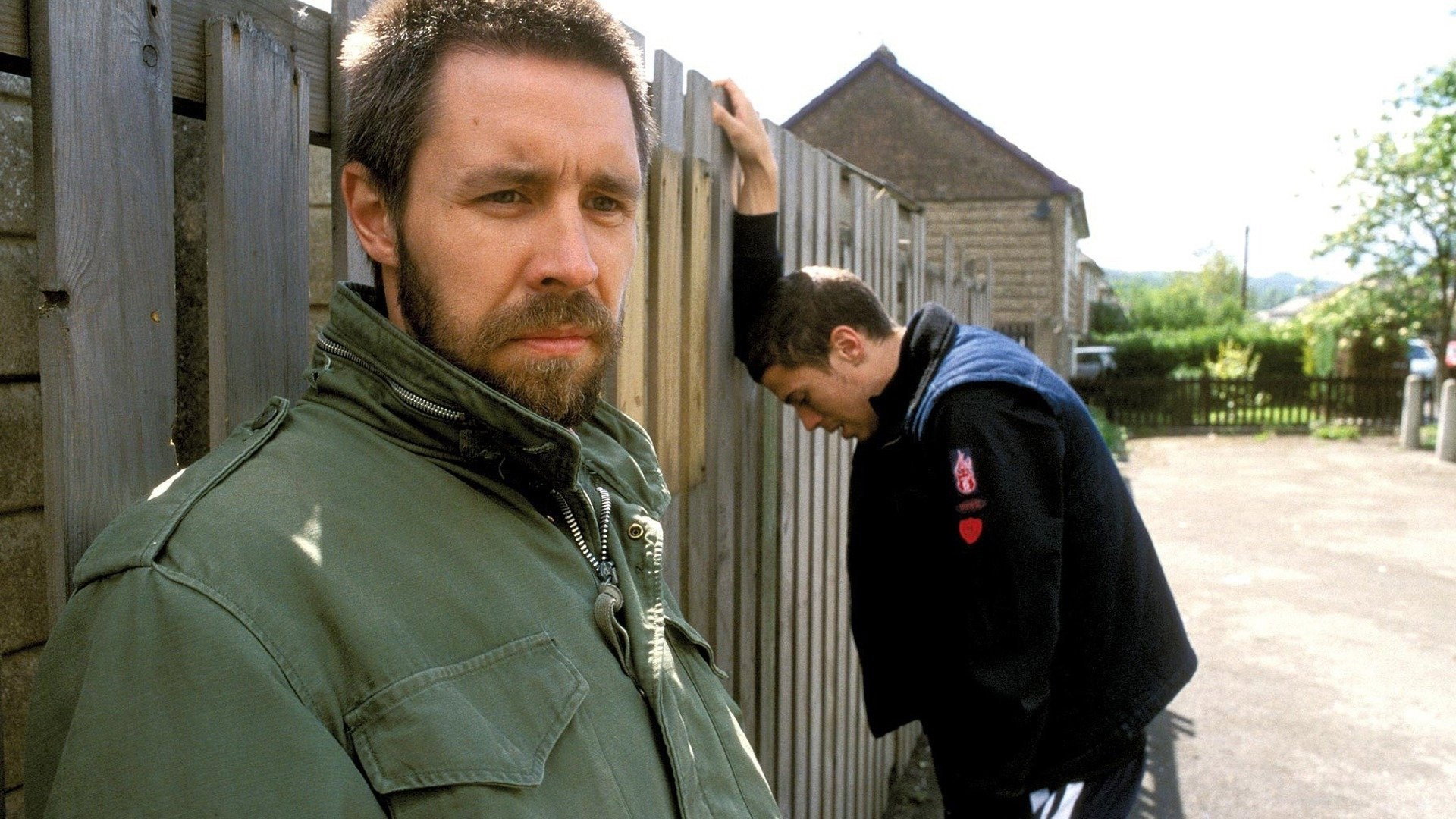
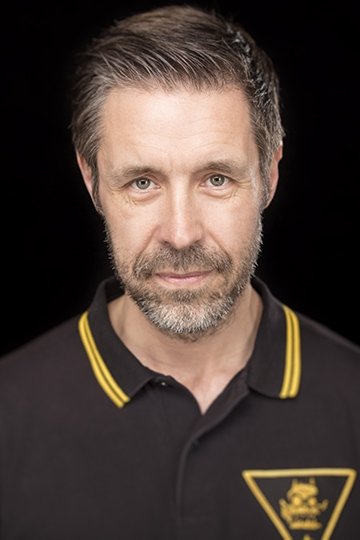
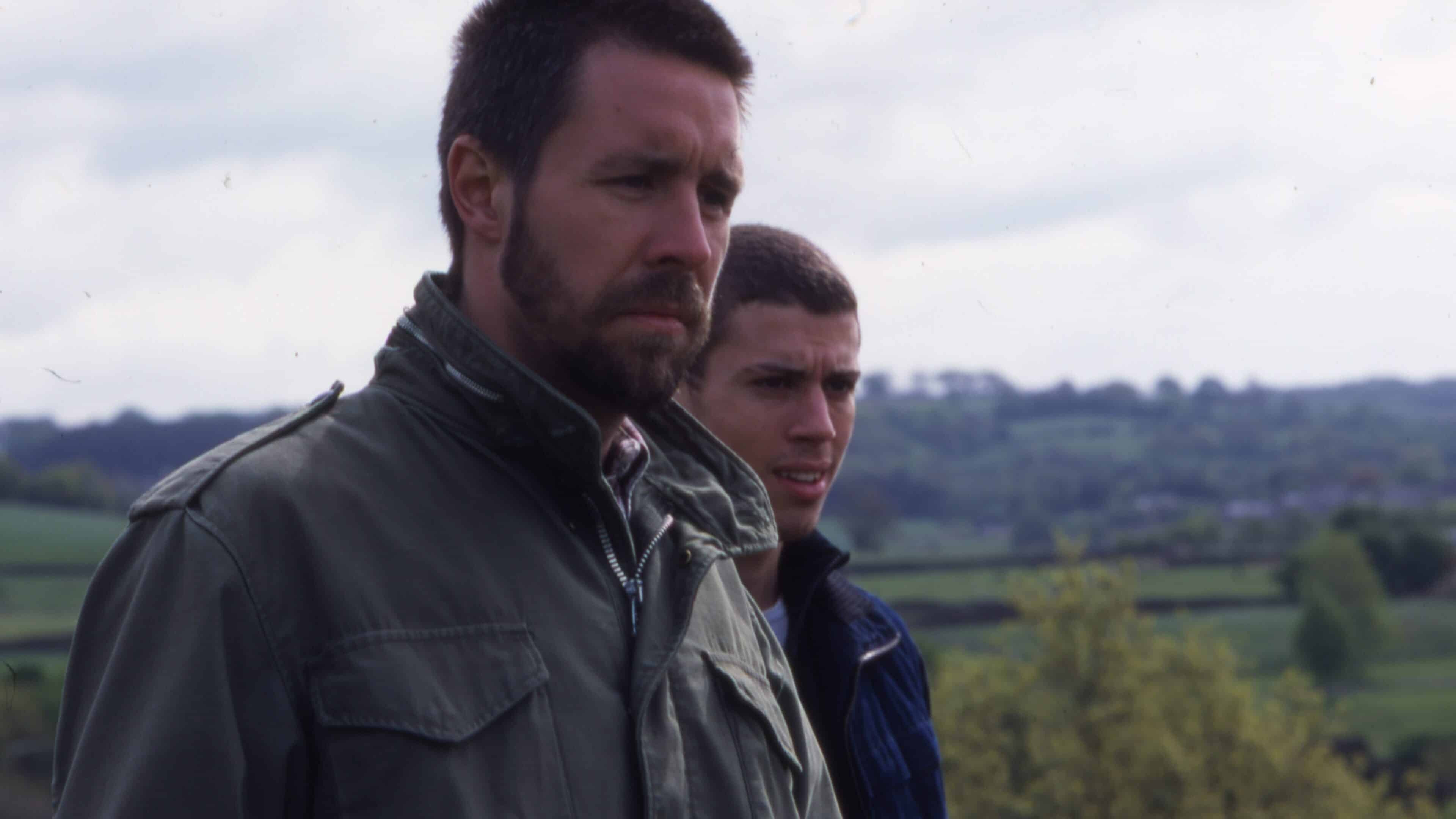
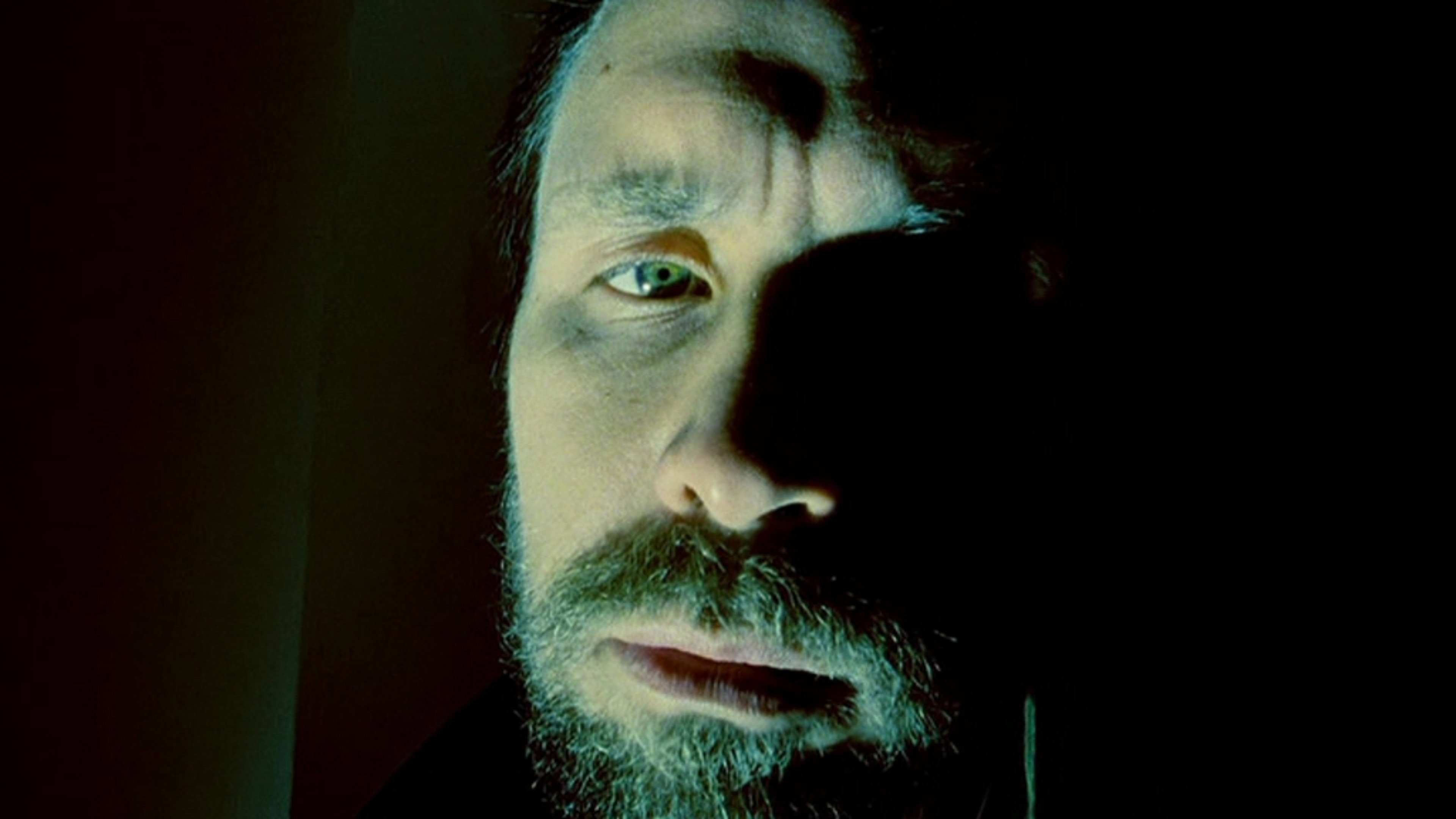
Considine plays Richard, an ex-soldier, with a sensitivity that makes his explosive anger particularly frightening. We were unnerved by his dead-eyed stare, which makes a pause in conversation feel dangerous. He makes the prospect of violence immediate without needing to make every moment loud. Meadows and Considine’s writing leaves parts of Richard’s inner life frustratingly vague, but the performance gives those gaps a weight the dialogue alone could not supply.
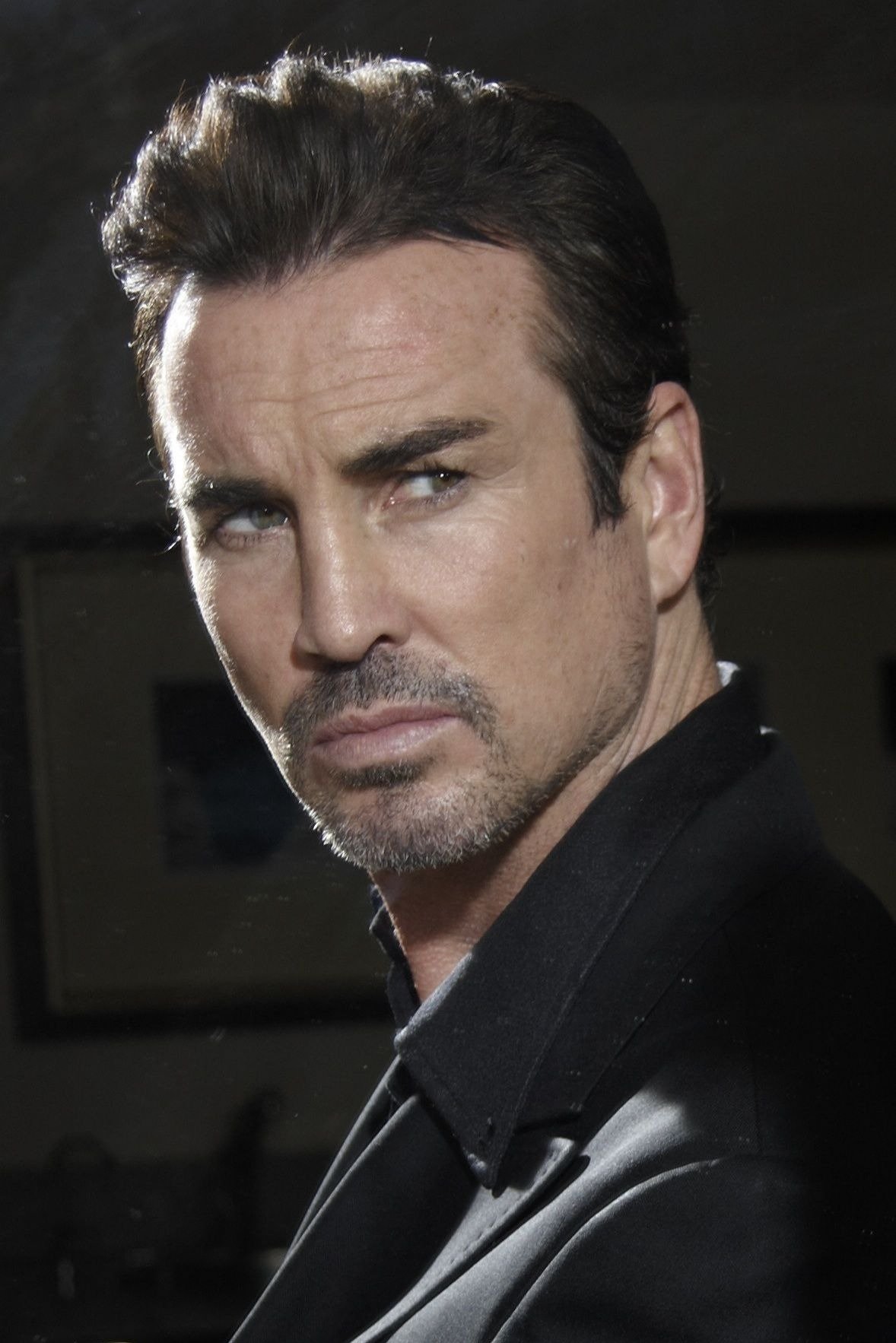
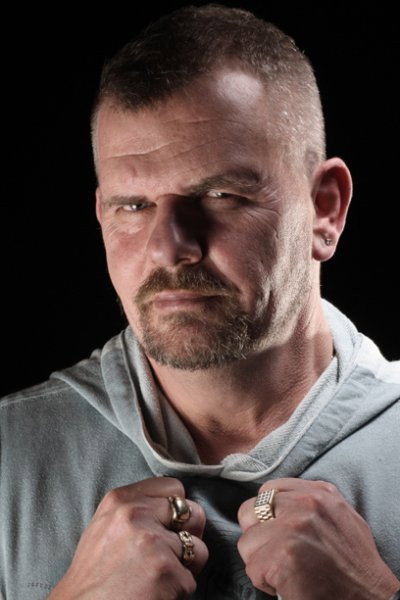
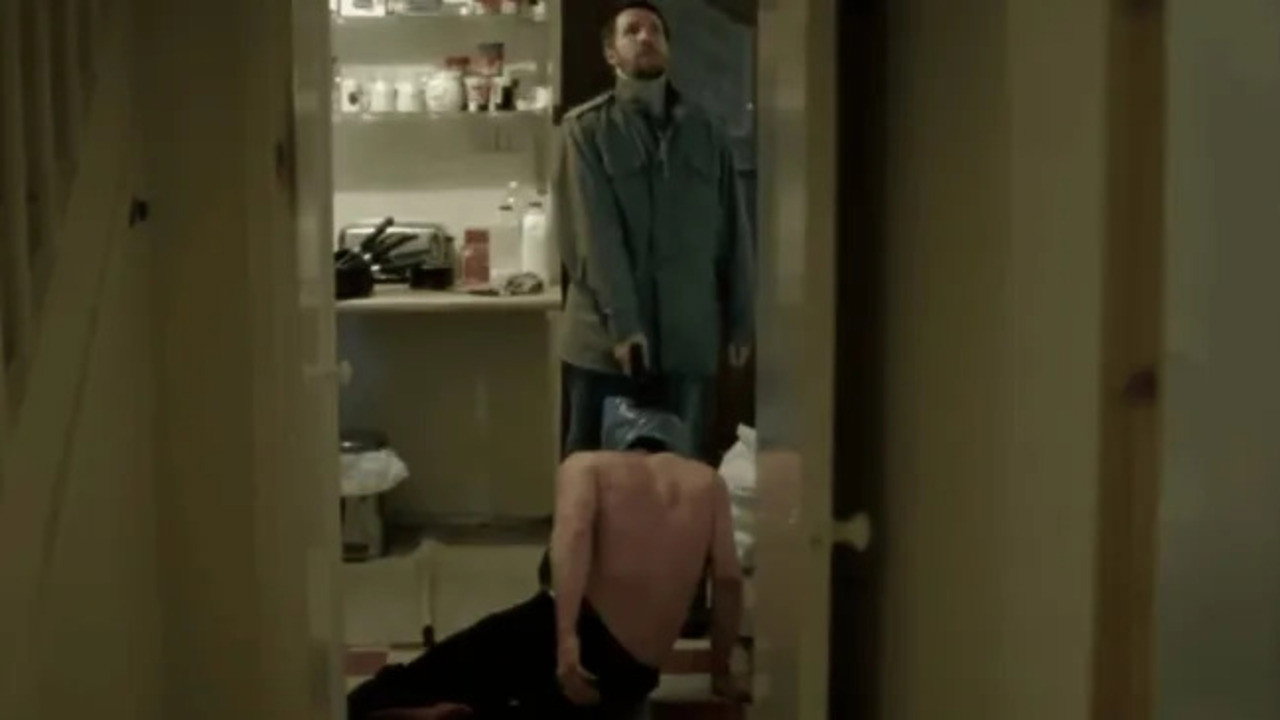
The supporting cast, including Gary Stretch as Sonny and Stuart Wolfenden as Herbie, helps prevent the people around Richard from becoming a row of targets. The gang’s grubby comedy gives the film a convincing social world before the threat begins to dominate. We recognise the habit of laughing with whoever seems strongest. Yet Meadows sometimes relies on our disgust to do the work of characterisation, leaving the supporting figures more sharply observed as a group than understood as individuals.
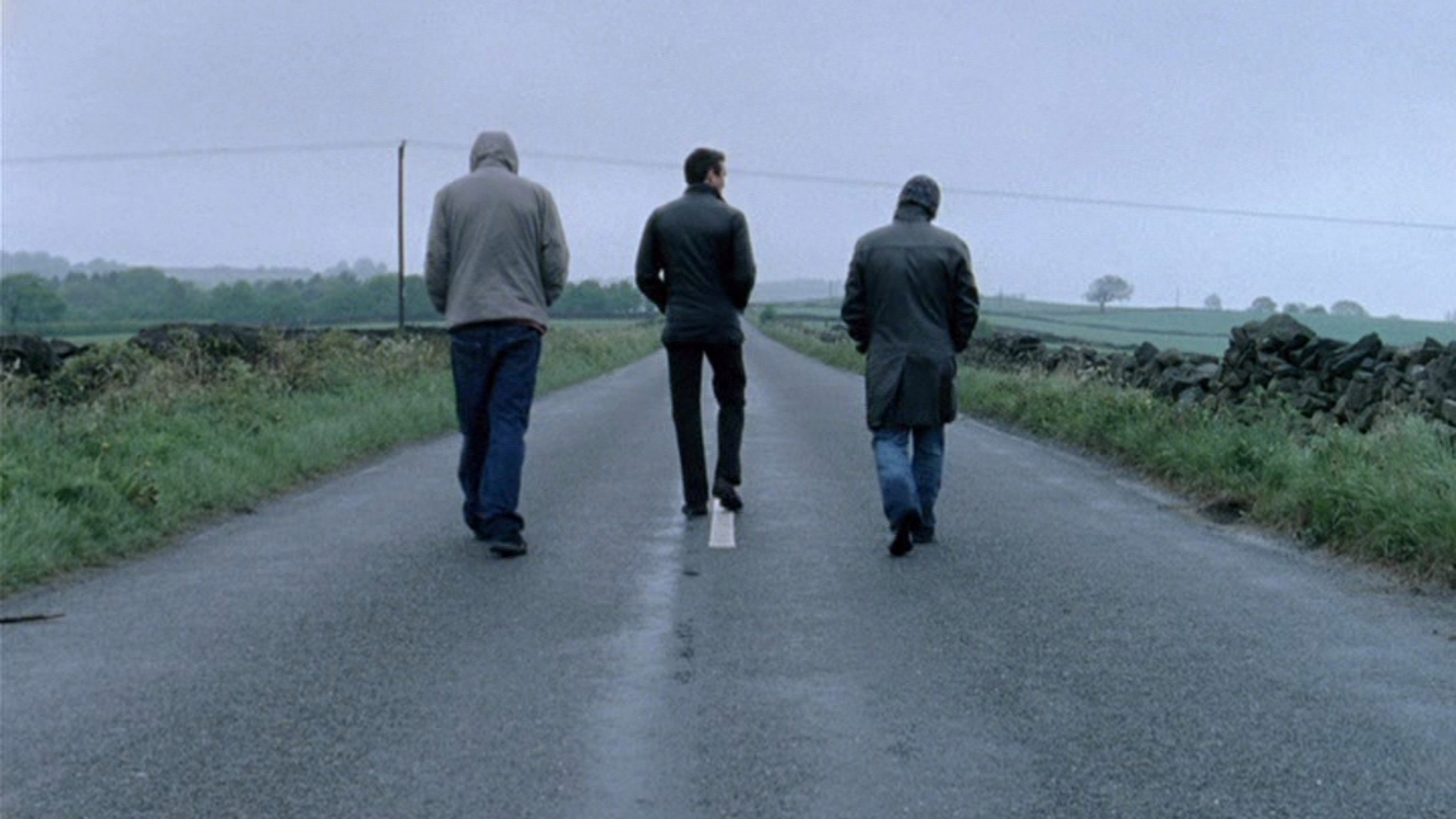
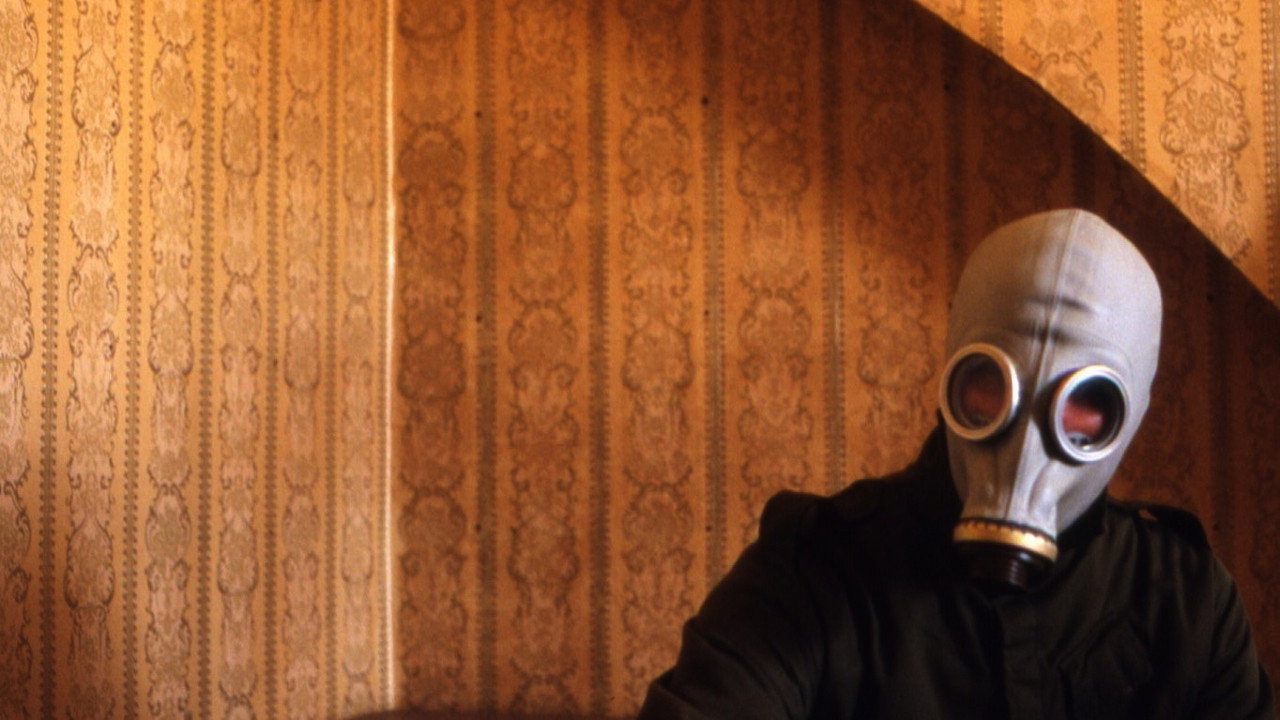
Danny Cohen’s grainy photography makes the Derbyshire countryside look exposed and inhospitable. The image has a roughness that suits the small scale of the story, with little invitation to admire the view. Adam Tomlinson’s production design keeps the criminal surroundings drab and uninviting, denying the gang the glamour that crime films so often lend them. That helps the brutality feel like something happening in a recognisable place, without a reassuring layer of cinematic polish.
The editing by Celia Haining, Chris Wyatt and Lucas Roche keeps the 90 minutes moving, but the change from dark slapstick to grim brutality is too abrupt. Behaviour that needs an extra beat of preparation is pushed through by pace, and the tension sometimes suffers. Aphex Twin’s music is more successful at keeping us uncomfortable, because it does not obediently reproduce the mood of the pictures. That mismatch lets something uneasy persist through the humour, though it cannot repair the jumps in the writing.
As a revenge thriller, it is unusually reluctant to make retaliation reassuring. Meadows gives the slasher film’s attention to threat a recognisable social setting, and the combination works often enough to justify the discomfort. What it lacks is enough curiosity about how Richard thinks: Considine keeps suggesting a person the script does not fully investigate. There are stretches when the film seems content to let his anger explain him.
We recommend it to those drawn to the harsher end of the crime thriller, with reservations about the writing. Meadows gets enough ordinary foolishness and malice into these people to make their company hard to shake off. Choose it for Considine, and give anyone sharing the sofa fair warning.