Blue Ruin is a lean, frightening revenge thriller with an unusually vulnerable lead. Macon Blair makes its clumsy avenger painfully human; the supporting characters could use more of the attention given to his mistakes.
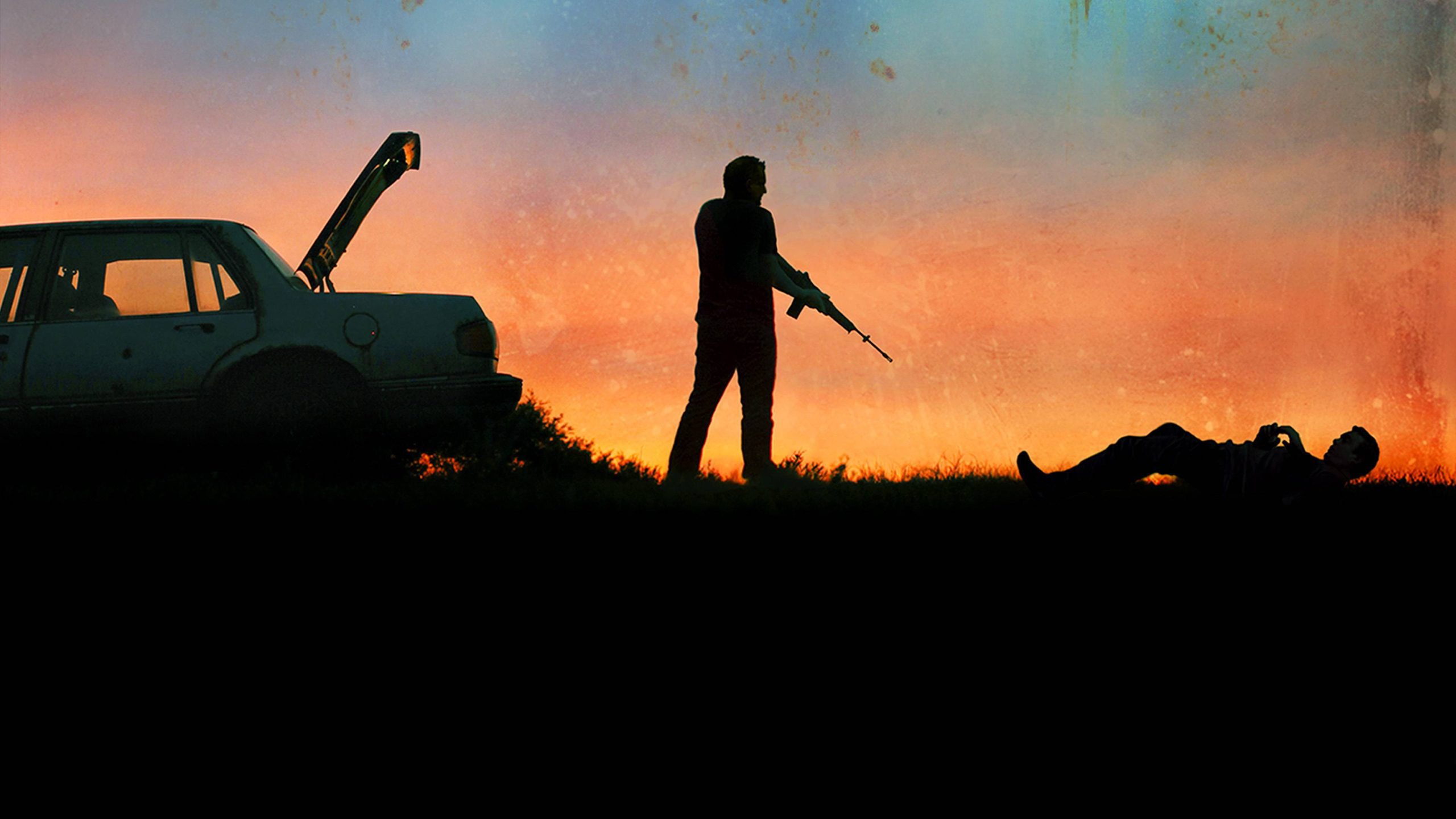
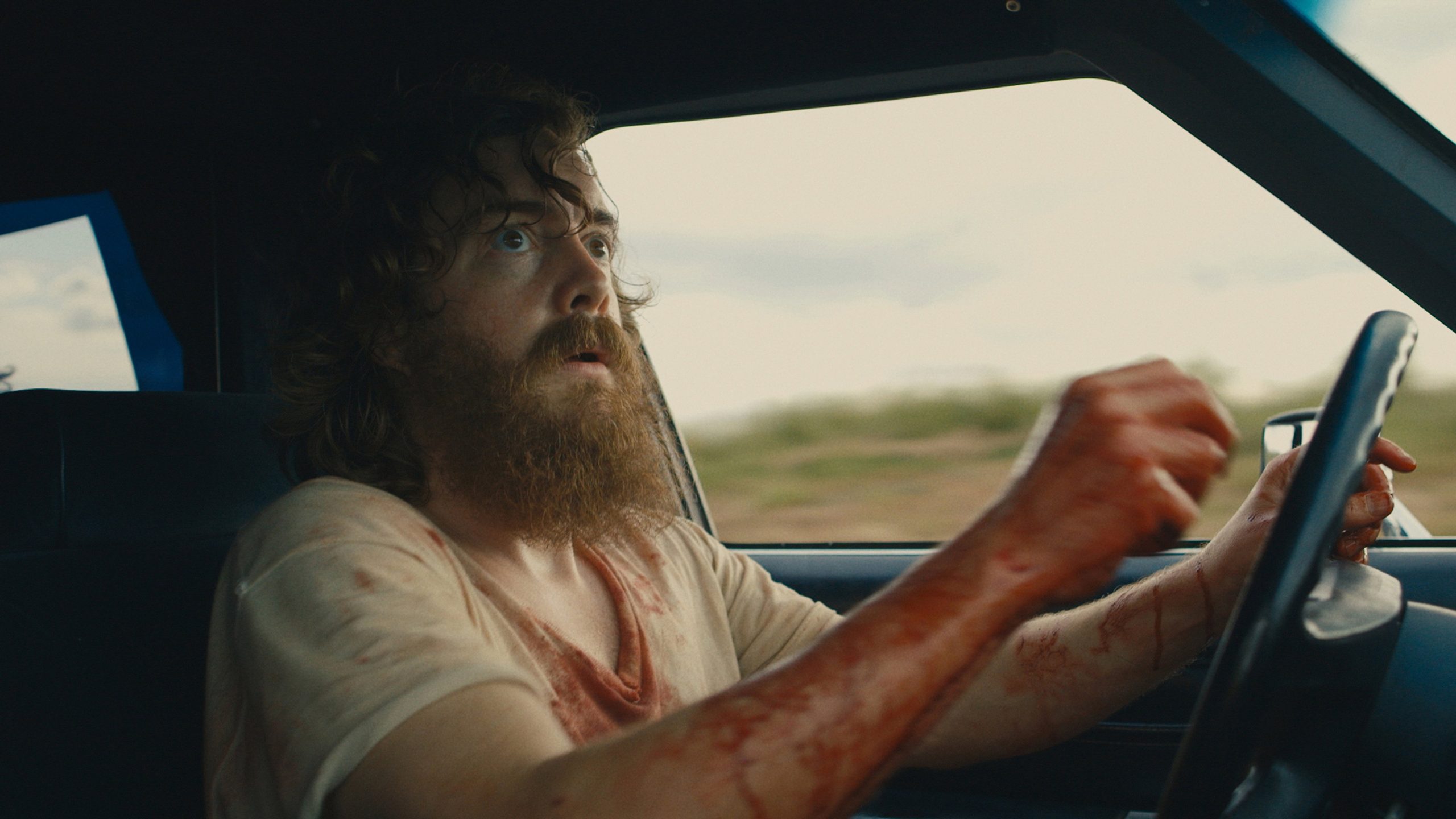
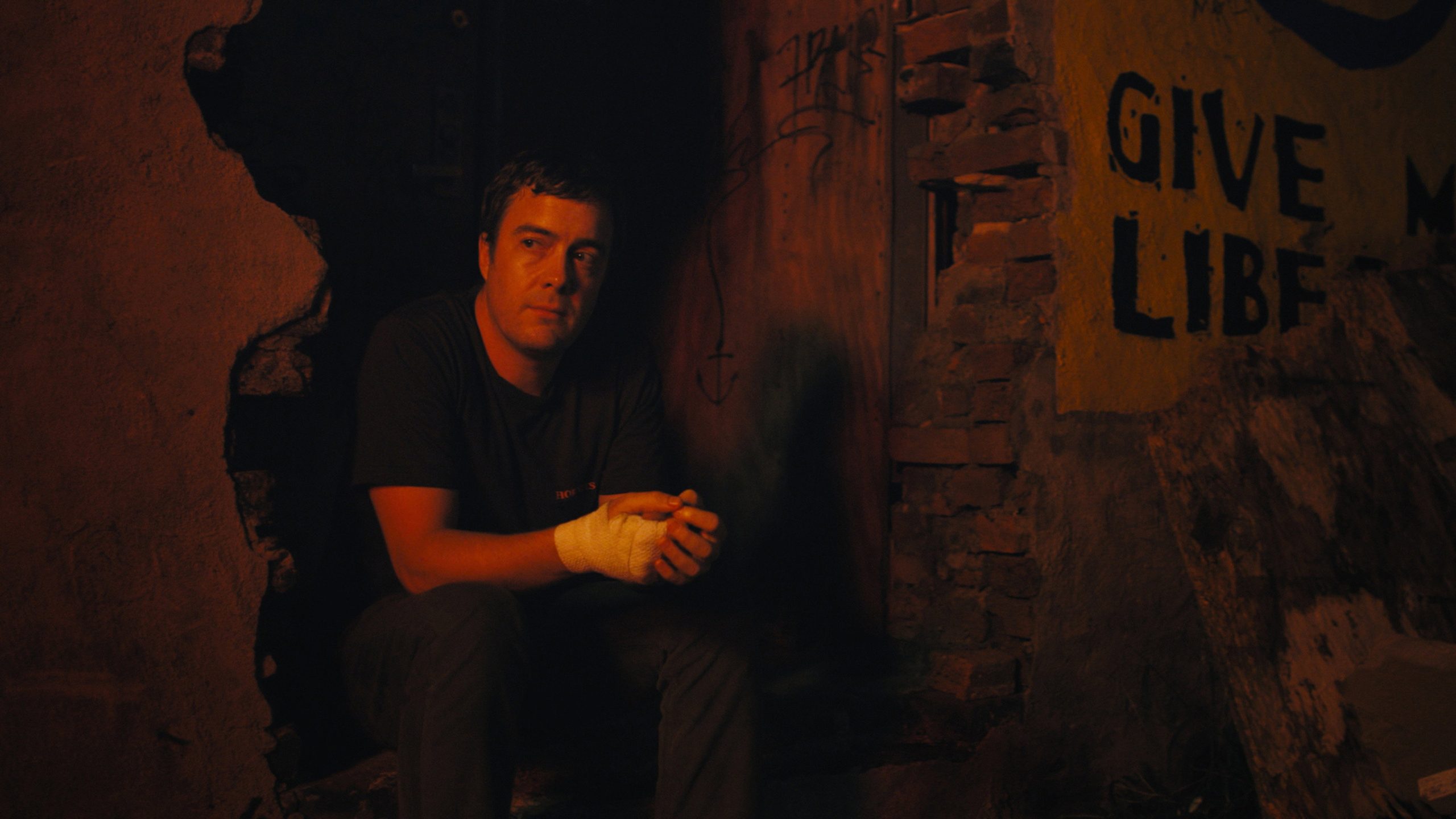
Blue Ruin makes the prospect of getting even seem alarming from the start. Jeremy Saulnier, who writes, directs and photographs, gives us an avenger without the competence that might make his mission reassuring. Dwight Evans is a drifter, played by Macon Blair as a man frightened by the practical demands of violence. It is tense, often grimly funny, and worth seeing for the care with which that fear is made convincing.
The performance gives the film much of its force. Macon Blair lets Dwight look surprised by his own clumsiness, and his nervousness makes even a deliberate action seem liable to go wrong. We felt protective of him because those fumbling attempts to hurt somebody expose how vulnerable he is himself. That is an awkward feeling to have about a man pursuing revenge, and the film gives us time to be uncomfortable with it.
As cinematographer, Jeremy Saulnier makes the opening readable without a running explanation of who everyone is and what has happened to them. We learn to watch behaviour, and to regard a moment of uncertainty as something that could become dangerous. Julia Bloch’s editing helps keep the practical difficulties in view instead of hurrying past them to the next burst of action. At 90 minutes, the film is economical, but its pace still accommodates an amateur’s mistakes.
Kaet McAnneny’s production design feels appropriately unshowy, giving this ugly feud no romantic grandeur. The music by Brooke Blair and Will Blair sustains the unease without making Dwight’s undertaking sound heroic. These contributions work because they keep our attention on the frightened man at the centre. The atmosphere remains oppressive even when the film allows us to laugh at his inability to do what he has set out to do.
The humour matters, partly because it gives the film a way to question revenge without stopping for a speech. Dwight’s clumsiness makes a simple decision to hurt someone look increasingly difficult to put into practice. That can be funny, but the danger stays close enough to prevent his errors becoming harmless entertainment. The screenplay trusts us to recognise the folly in what he is attempting while still taking his distress seriously.
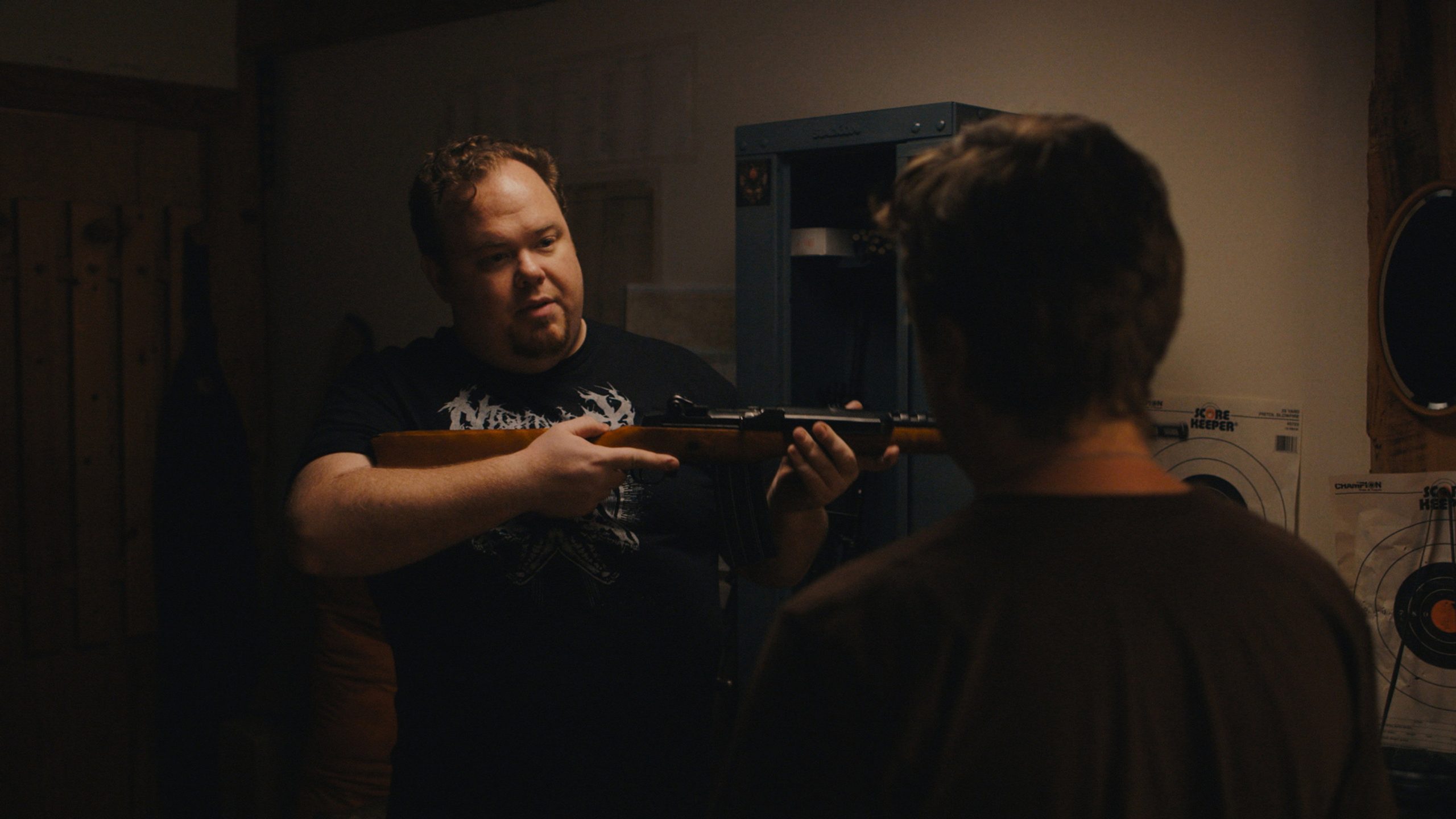
The weakness is how thin some of the people around Dwight remain. Jeremy Saulnier’s screenplay is so attentive to its central character that others can seem present chiefly to keep the feud moving. The supporting performances have a welcome lack of showiness, but naturalistic acting cannot supply everything that sparse writing leaves out. A film concerned with violence spreading through families would benefit from giving those families more life beyond the immediate business of revenge.
Within the revenge thriller, the film distinguishes itself through its sustained attention to fear and incompetence. It does not need to escape the genre to make its familiar business disturbing, though anyone hoping for a fuller account of the people involved may find it narrow. Its strongest scenes make a simple mistake feel dangerous enough to hold our attention without further explanation. Choose it for suspense and Macon Blair, with fair warning that the violence offers little comfortable release.