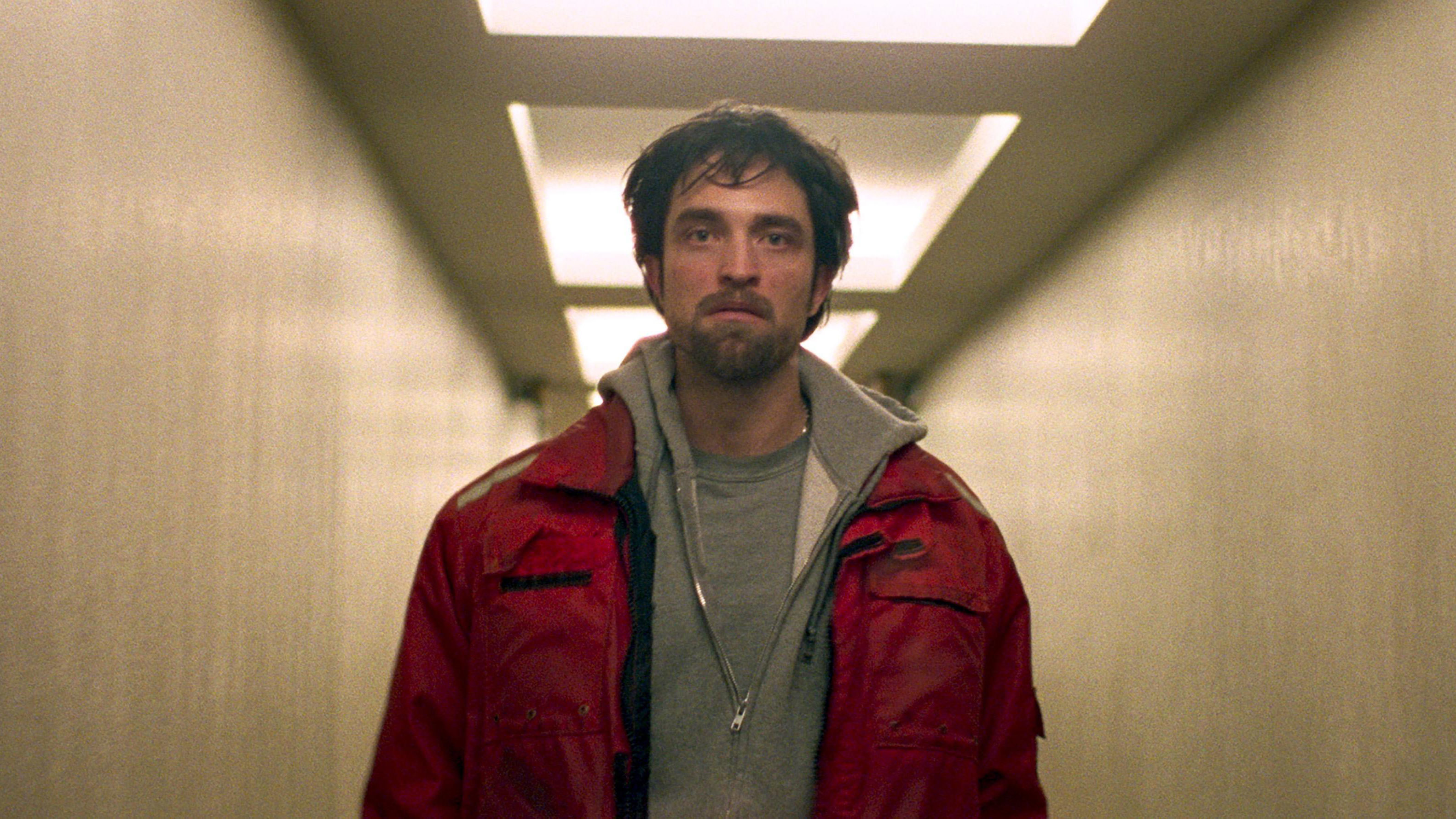
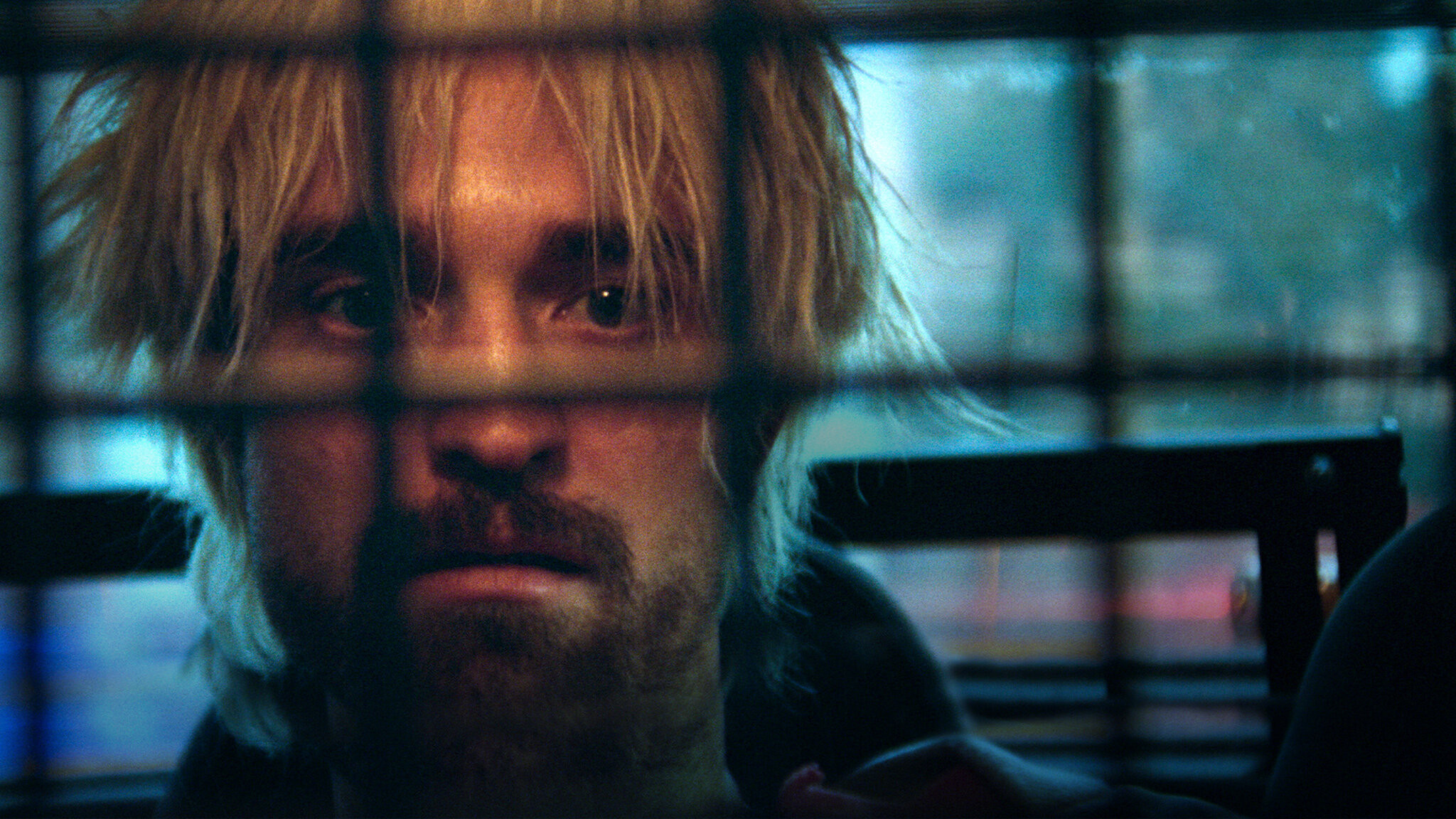
Robert Pattinson makes a desperate crook hard to stop watching in this fast, grubby thriller. Josh Safdie and Benny Safdie keep the pressure on, though the later complications offer less than the early panic promises.
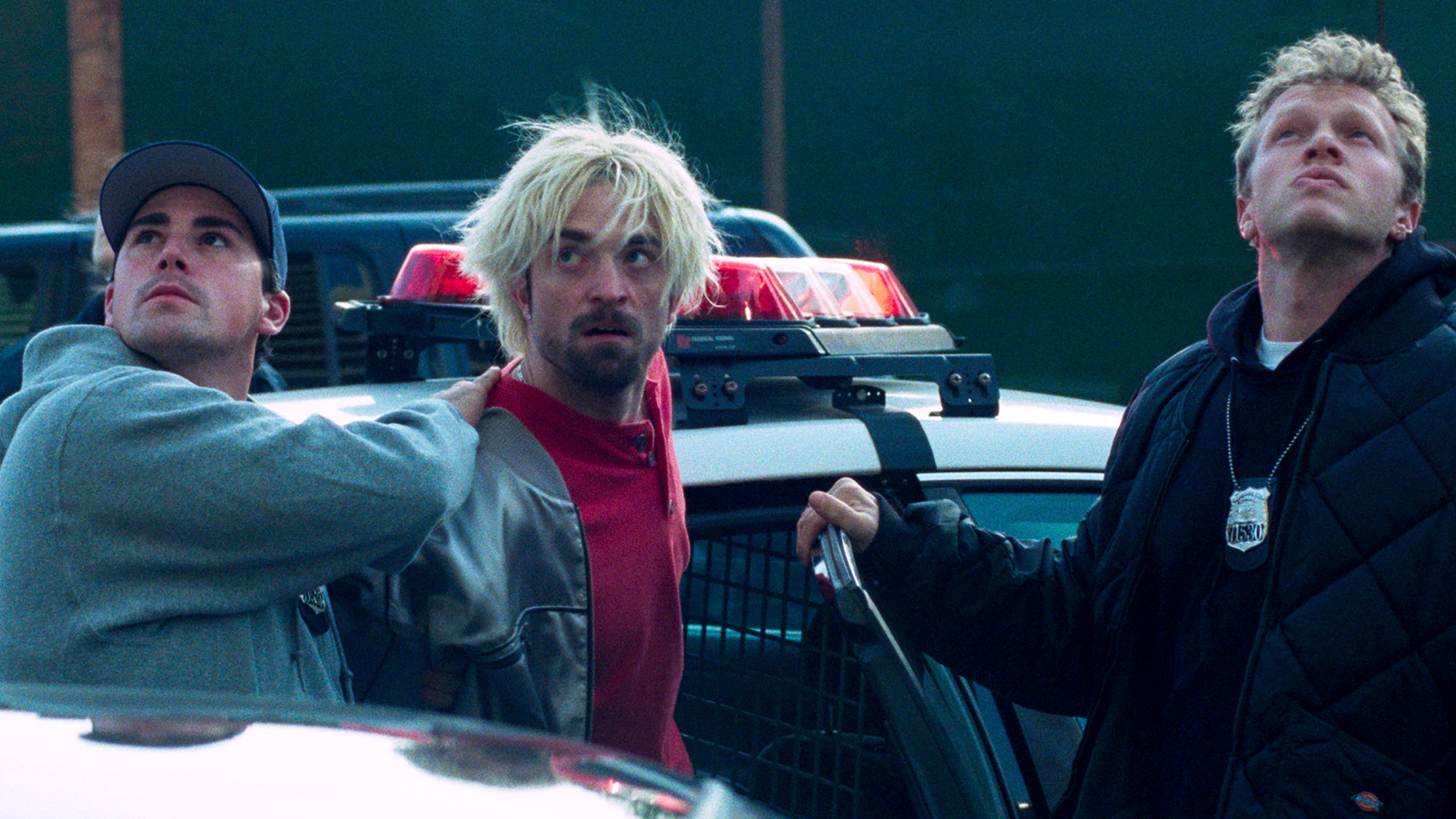
Josh Safdie and Benny Safdie make a bank robbery the start of a longer mess in Good Time. Their thriller follows Connie Nikas, a small-time criminal trying to get his brother out of custody, and asks how much damage can be excused in the name of helping someone. We recommend it for Robert Pattinson’s restless, persuasive performance and the directors’ knack for making another bad decision seem briefly necessary. The later complications are less convincing, but for much of its 102 minutes the pressure is difficult to resist.
Robert Pattinson understands how a man this reckless could still persuade people to listen to him. Connie treats his latest plan as something that ought to be obvious to everyone, however little reason there is to trust it. The black comedy comes from the gap between that confidence and his competence. We laughed at his certainty, then felt uneasy about enjoying it: the man making these dreadful decisions is supposed to be rescuing Nick. The performance lets us understand why people might listen even when we wish they would walk away.
Benny Safdie plays Nick Nikas, the vulnerable brother whose predicament gives Connie his excuse to press on. There is enough affection between them to make the rescue matter, and enough recklessness in Connie to make us doubt his judgement throughout. The directors let his behaviour show how dangerous devotion can become when the person offering it will not stop to think. We remain aware that Nick is the person meant to benefit, even as Connie’s determination takes up more and more of our attention.
Sean Price Williams uses restless framing and harsh colour to make New York feel difficult to settle into. The images keep our attention close to Connie’s agitation, and the lack of visual rest does much of the work of sustaining the panic. Sam Lisenco’s production design supplies grubby surroundings that make this scrambling feel plausible. The city looks used and untidy, with little to encourage the comforting thought that someone responsible might arrive and sort things out.
The editing by Benny Safdie and Ronald Bronstein supplies much of the speed. Each fresh difficulty arrives before there is much time to weigh the previous decision, which puts us in the uncomfortable position of following Connie’s priorities. Daniel Lopatin’s electronic score makes that pressure almost physical, encouraging the feeling that any delay could be disastrous. The insistence is effective, although there are passages where we would rather hear less of it. Robert Pattinson supplies enough nervous energy without every possible reinforcement.
The script, by Ronald Bronstein and Josh Safdie, becomes less satisfying as the complications multiply. Some of the later trouble feels arranged to keep Connie moving, and his ability to draw others into it begins to serve the thriller too conveniently. The supporting characters have enough life to make this worth objecting to: we become interested in them just as Connie needs to move on. For a crime film built around mounting panic, that loss of patience is a meaningful weakness. The final third still moves quickly, but we wanted fewer new obstacles and more time with the people already caught up in his plans.
There is no need to find Connie likeable to be caught up in this, but there is a need to tolerate his company. Robert Pattinson makes that easier than it has any right to be, and the film’s pace allows little time to reconsider. Choose it when being kept on edge sounds like a reasonable use of an evening.