Mathieu Kassovitz’s drama about three friends after suburban riots is angry, funny and worth anyone’s evening. The direction occasionally shows off, but the performances make the friendship matter as much as the hostility surrounding it.
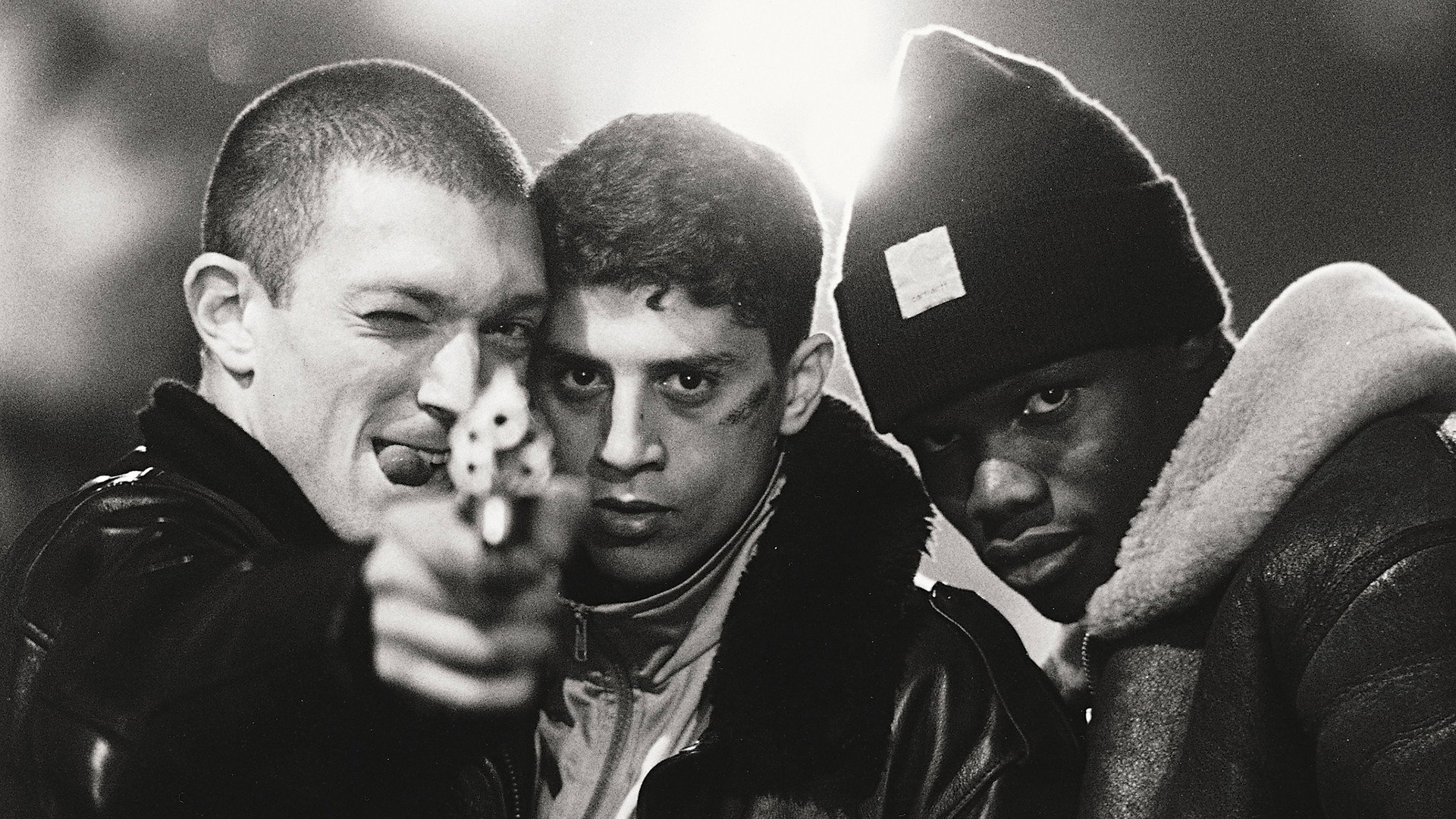
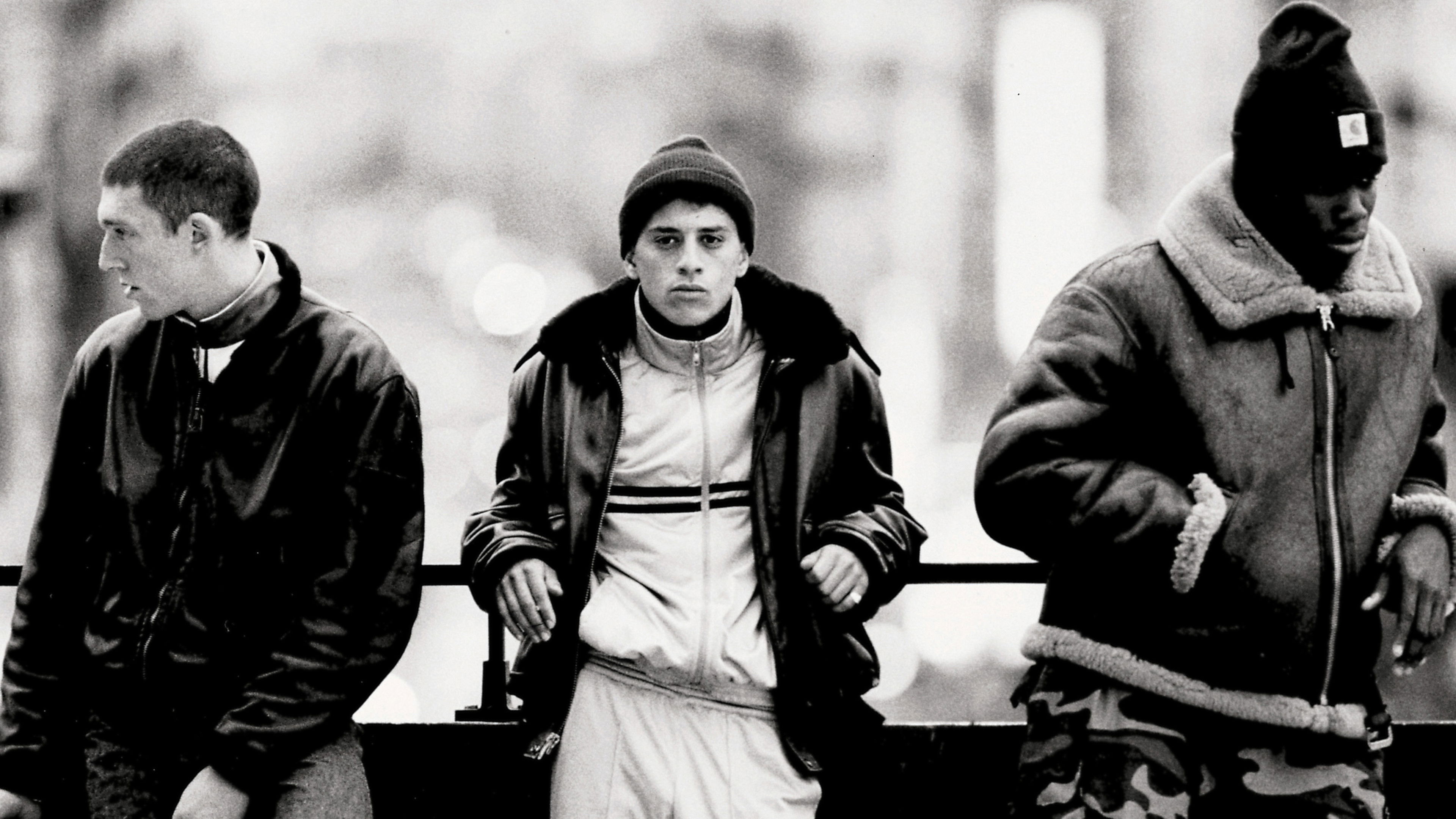
Mathieu Kassovitz’s La Haine is worth seeing for its three friends alone. We would recommend it even to someone with little appetite for a drama about police violence, because the company is so persuasive. Set in the Paris suburbs after a police beating and riots, it follows Vinz, Hubert and Saïd through a restless day with few reasons to expect anything to improve. Kassovitz allows them to be funny and tiresome as well as angry, and that gives us a reason to care about what happens to them.
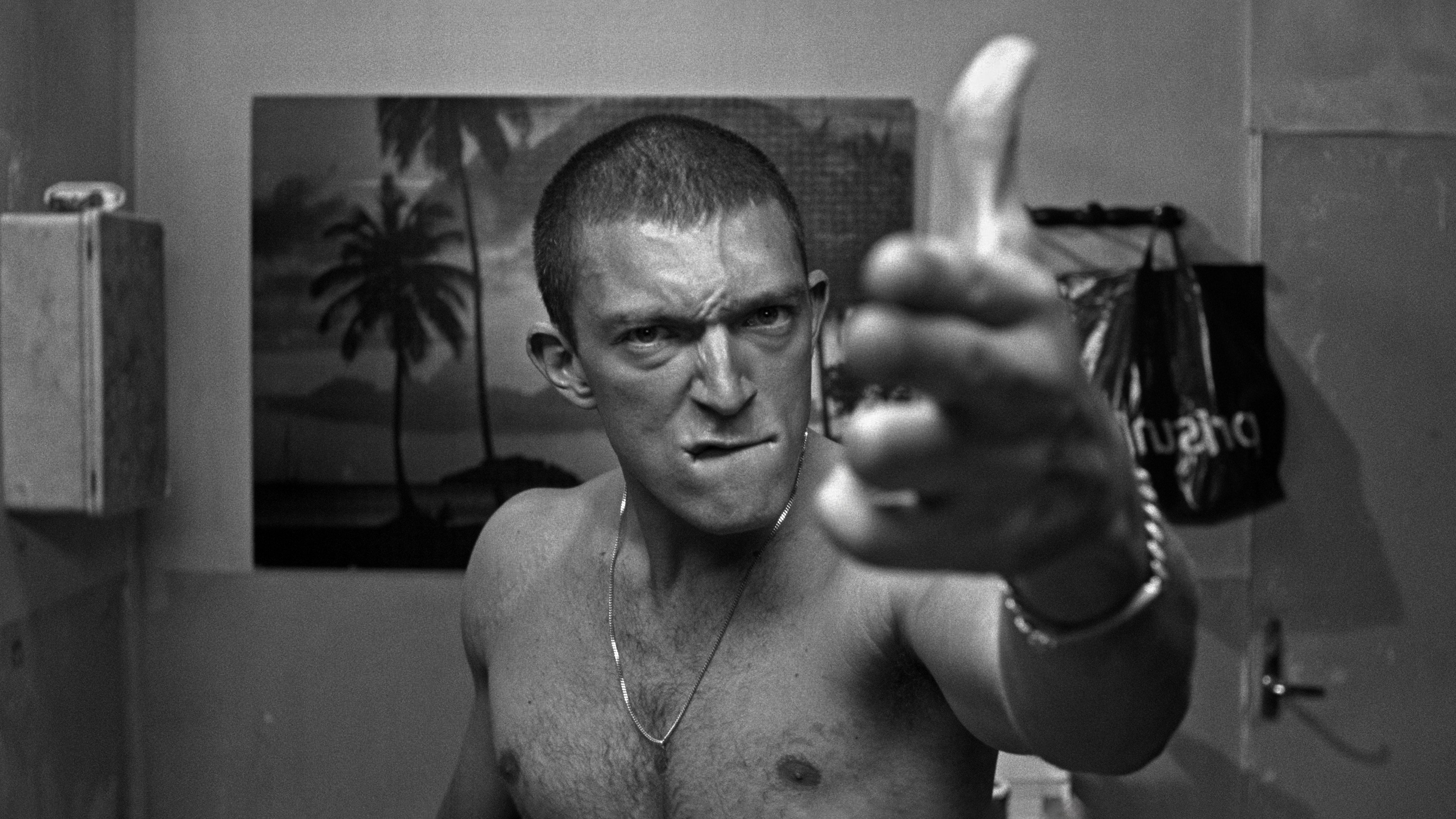
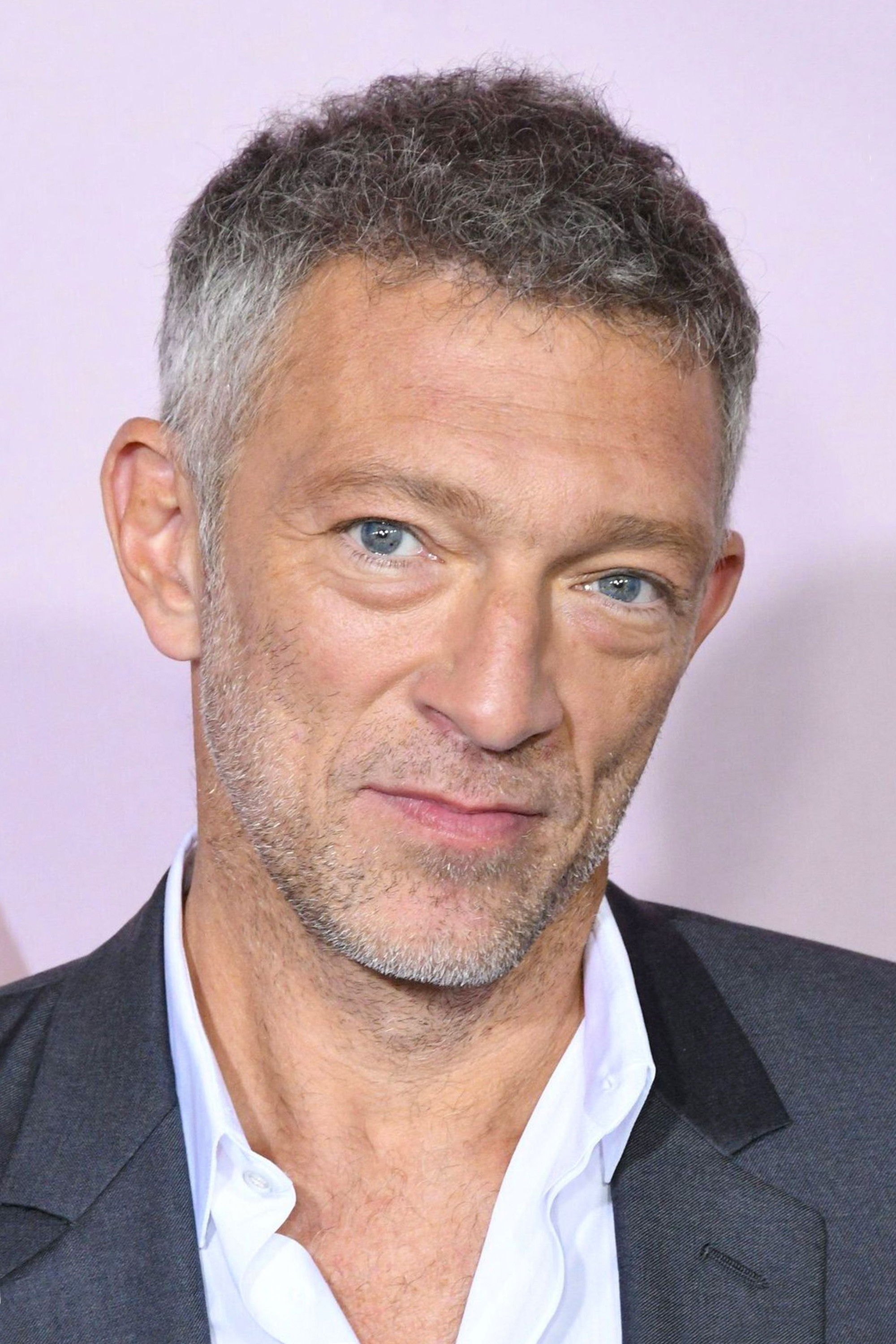
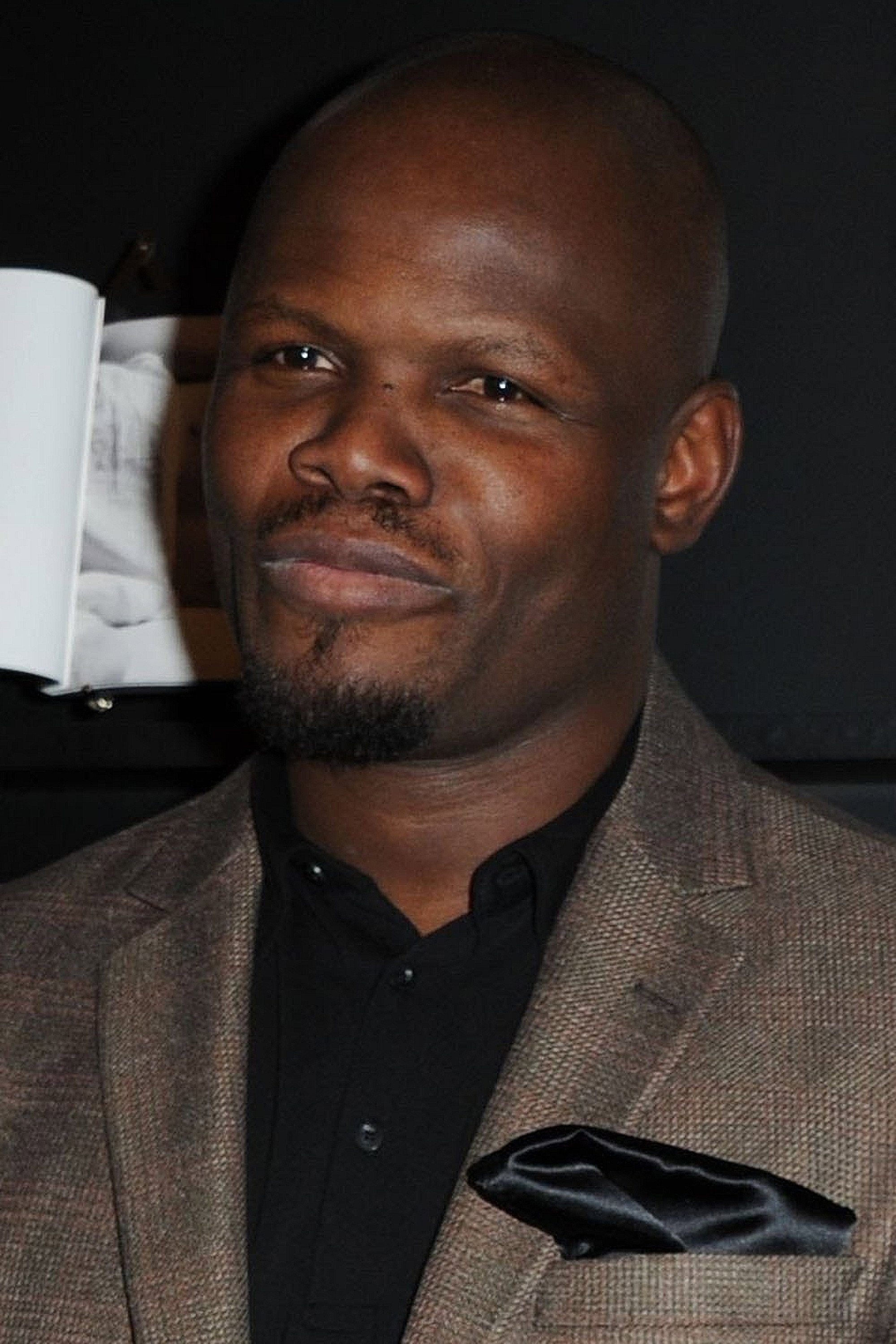
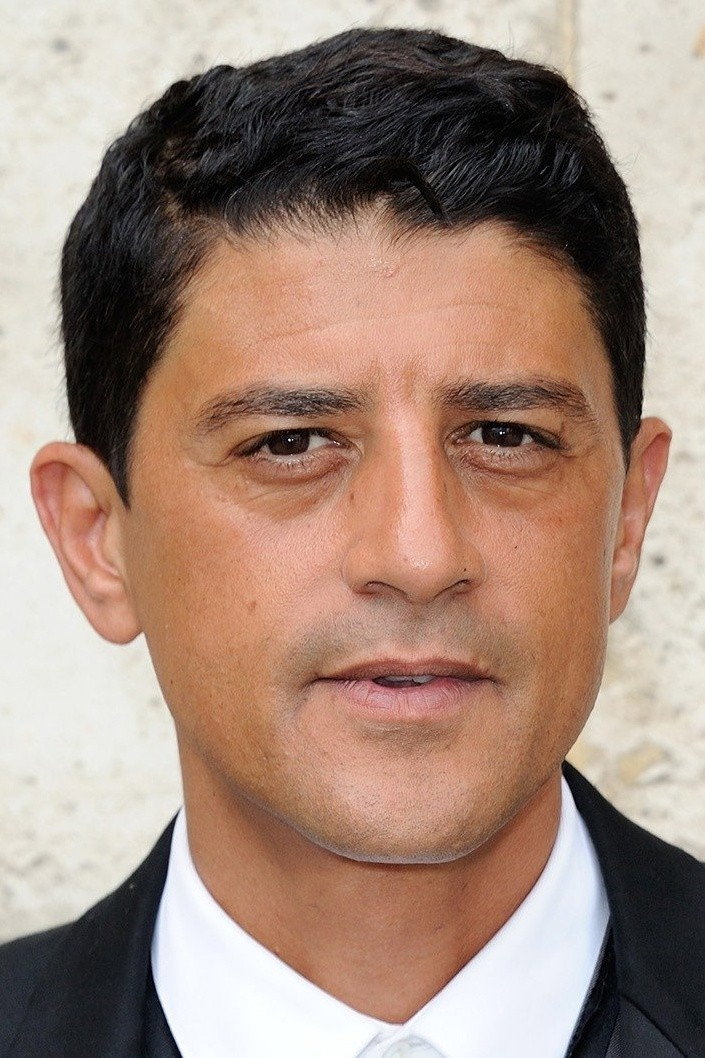
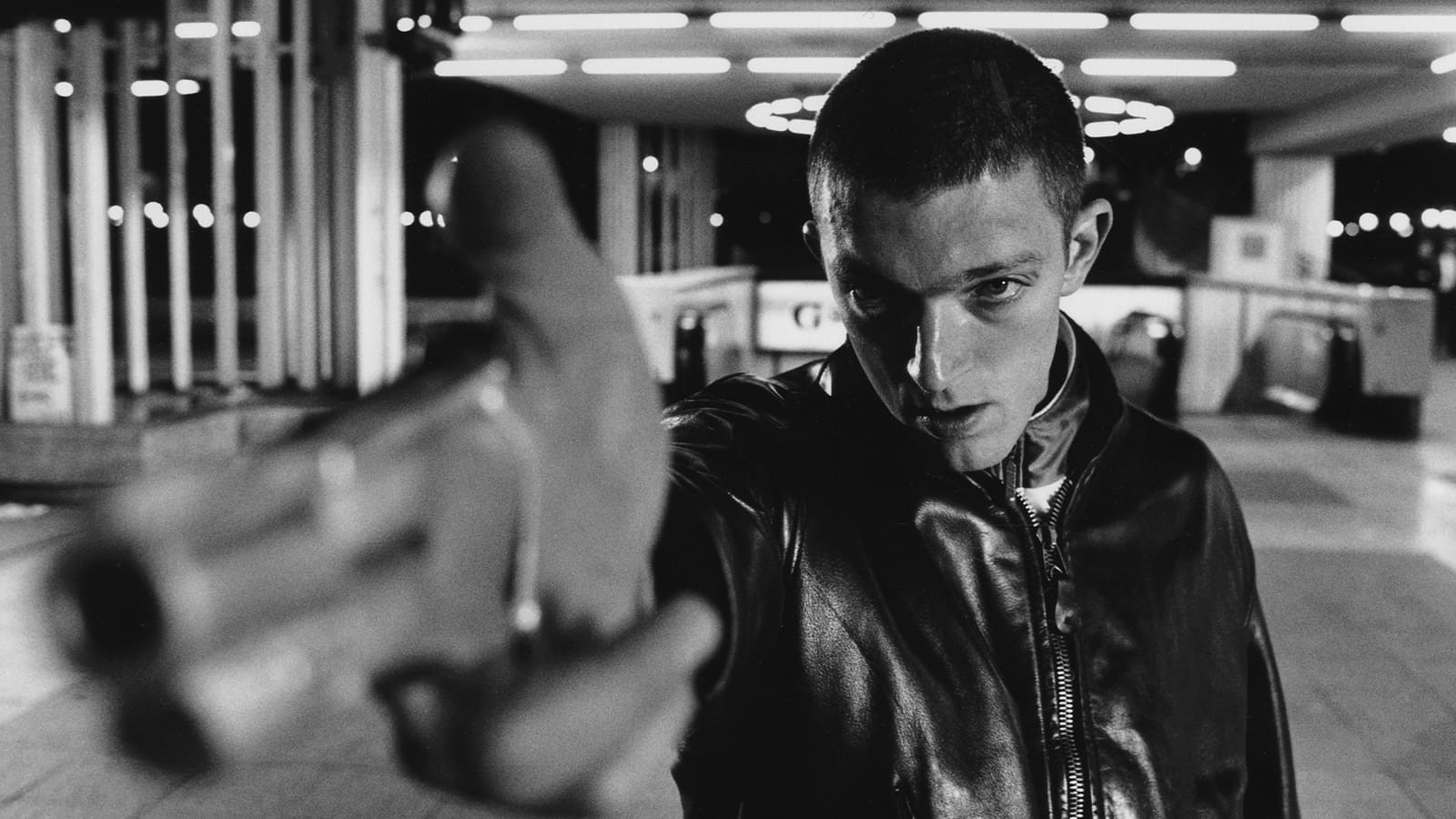
Vincent Cassel’s Vinz is the most immediately arresting presence, his resentment so insistent that we start to feel crowded by it. Hubert Koundé, as Hubert, and Saïd Taghmaoui, as Saïd, make the friendship convincing enough that Cassel never seems to be performing alone. We laughed more than we expected at the friends’ exchanges, because the humour comes from their familiarity rather than a need to lighten the subject. Kassovitz’s dialogue lets us enjoy their company without requiring us to approve of everything they say.
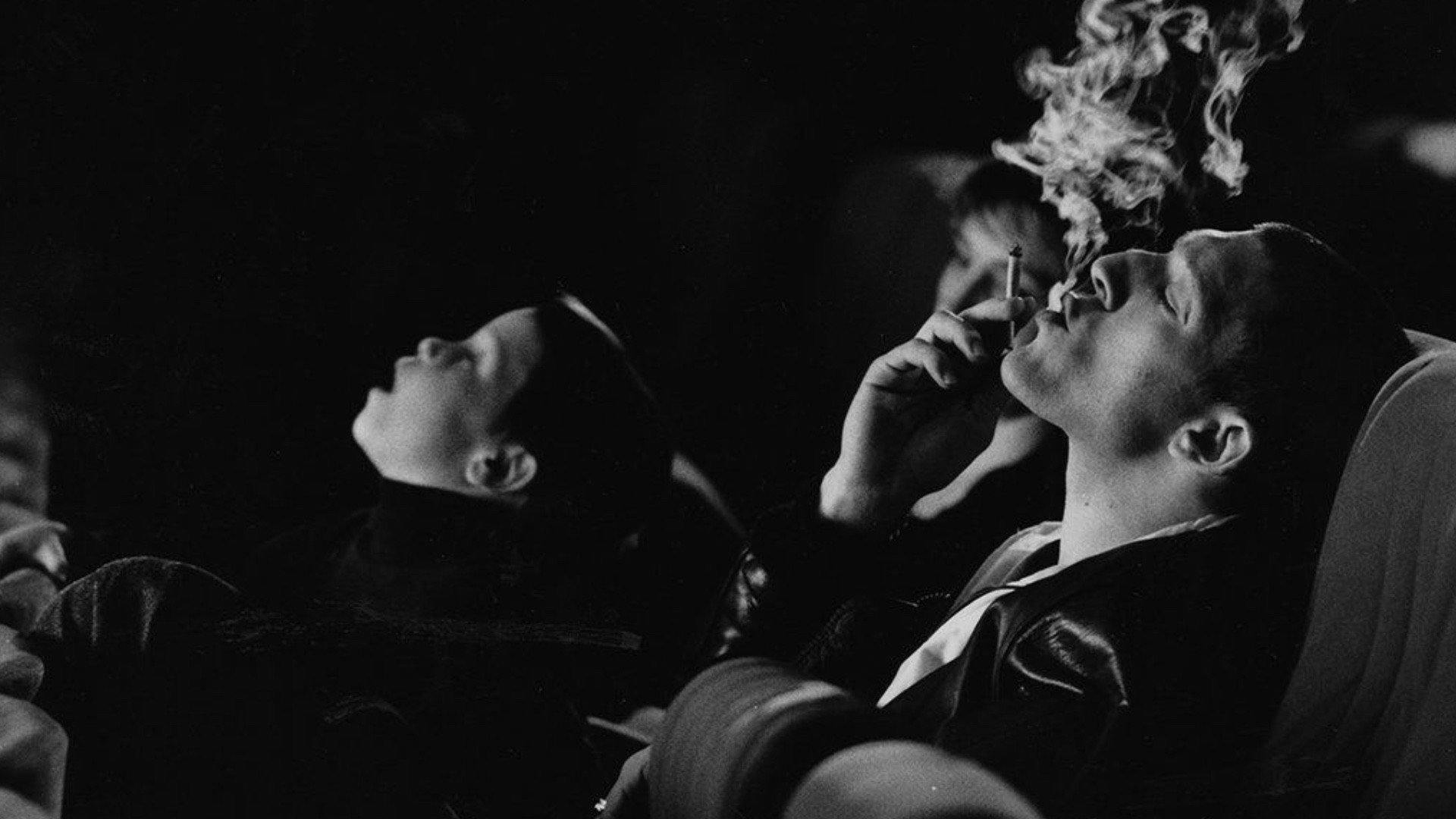
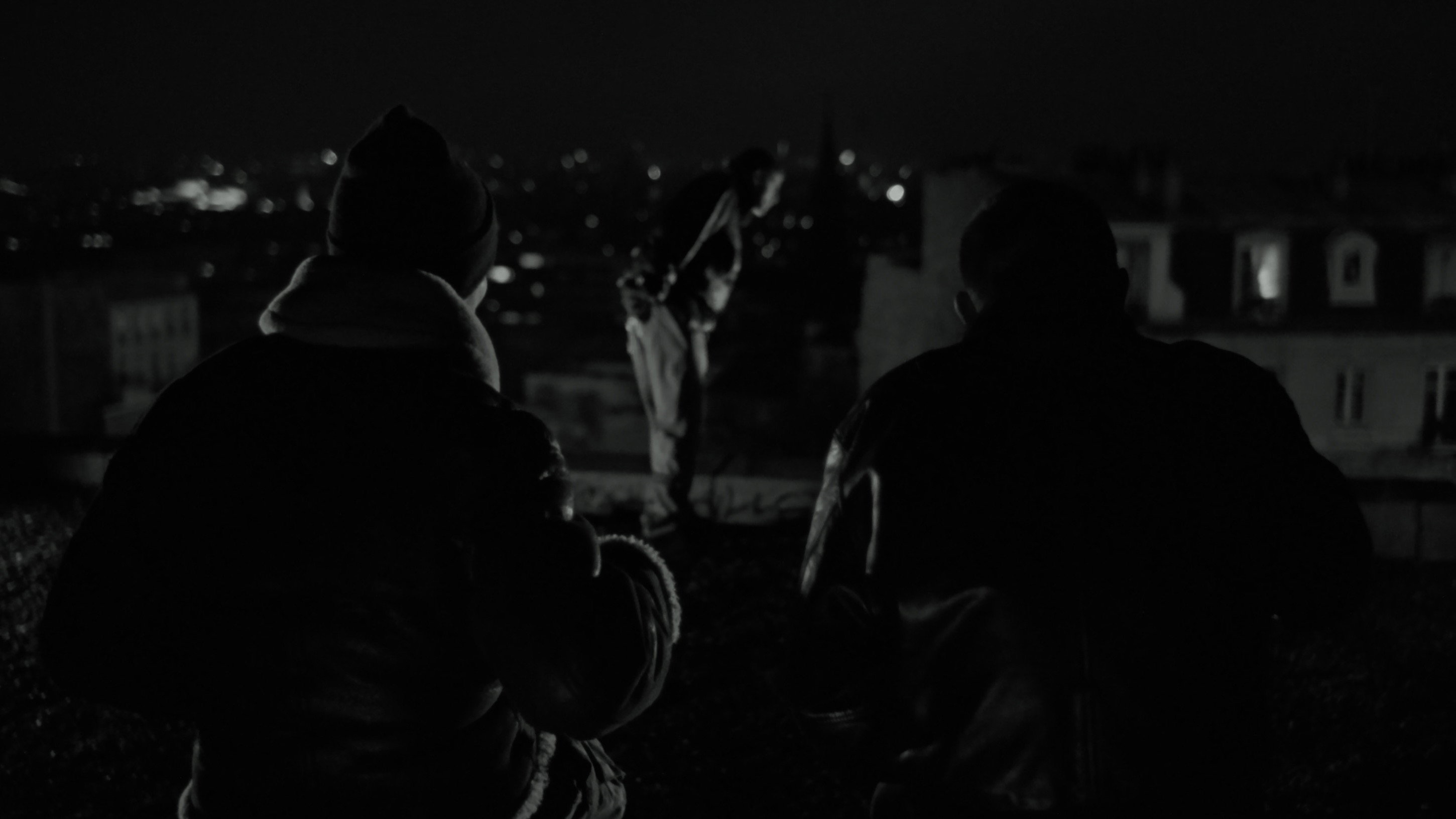
Pierre Aïm’s black-and-white photography makes the suburban spaces feel inhospitable without reducing them to an anonymous backdrop. The amount of space around the friends made us uneasy: they seem exposed, with nowhere welcoming to go. Giuseppe Ponturo’s production design helps make that environment convincing; the place feels inhabited, however unwelcoming it looks. The visual style is assertive, but the isolation remains clear even when we are conscious of how carefully an image has been composed.
Scott Stevenson and Kassovitz edit the day with enough variation that its wandering rarely becomes slack. The encounters have room to develop, while the tension between the police and the young men keeps apparently aimless stretches from feeling disposable. The music credited to Assassin, with its hip-hop energy, suits that restlessness. It gives the film an audible connection to the culture of its characters, which matters when the photography is working so hard to catch our attention.
There are moments when Kassovitz the screenwriter is too plainly arranging an encounter to make a point. A conversation can feel steered towards a useful remark, and the visual flourishes occasionally insist on being noticed when the actors have already secured our attention. We could have done with less of that insistence. The film is most persuasive when it leaves us listening to the friends, with time to notice the affection that survives their anger.
Films about poverty and racial tension can leave their characters with little to do except illustrate the subject. Kassovitz gives these three friends enough personality to make that seem a particularly poor bargain. The hostility between the police and the young men affects how we read the whole day, including stretches when nothing much seems to be happening. The supporting characters receive some of that attention too, so that we remain interested when the friends encounter somebody new.
At 98 minutes, it deserves an uninterrupted sitting, with the phone out of reach. The comedy should not be mistaken for a promise of an easy evening. The police violence warrants a warning, particularly for anyone drawn chiefly by the liveliness of the three leads. Leave some time to talk afterwards.