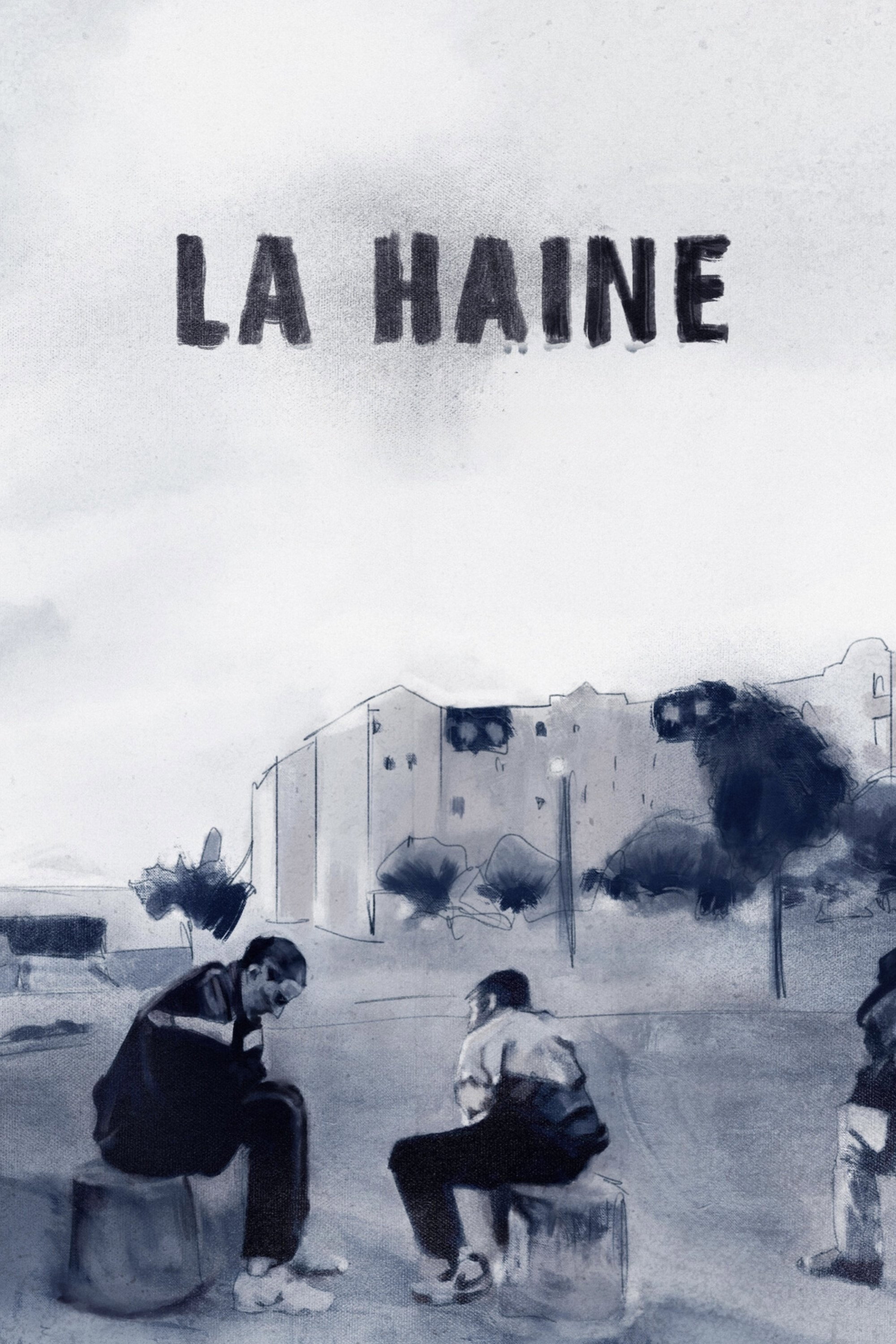
The reviews are unanimously positive, with praise clustering around La Haine’s black-and-white photography, restless energy and humane portrayal of three young men facing racial inequality and police hostility. Most critics find that the visual style makes the suburbs’ isolation and tension palpable, while the dialogue, comedy and friendship give the characters depth beyond the film’s political message. The Guardian singles out Vincent Cassel’s performance for the force of its resentment; several other reviews emphasise the maturity with which the film handles class, race and violence.
The differences are chiefly in enthusiasm rather than fundamental judgement, and reservations are scarce. The AV Club finds some contrived elements and false notes amid the urgency and unpredictable scenes, while The New York Times notes the difficulty of translating the distinctive slang. Neither amounts to a rejection: the consensus values the film’s anger alongside its attention to the people caught up in it.