Film review

City of God

2002 · Directed by Fernando Meirelles · 2h 09m · MPA R

In a sentenceThe boys have guns, and we kept wishing someone would send them home

DramaCrime

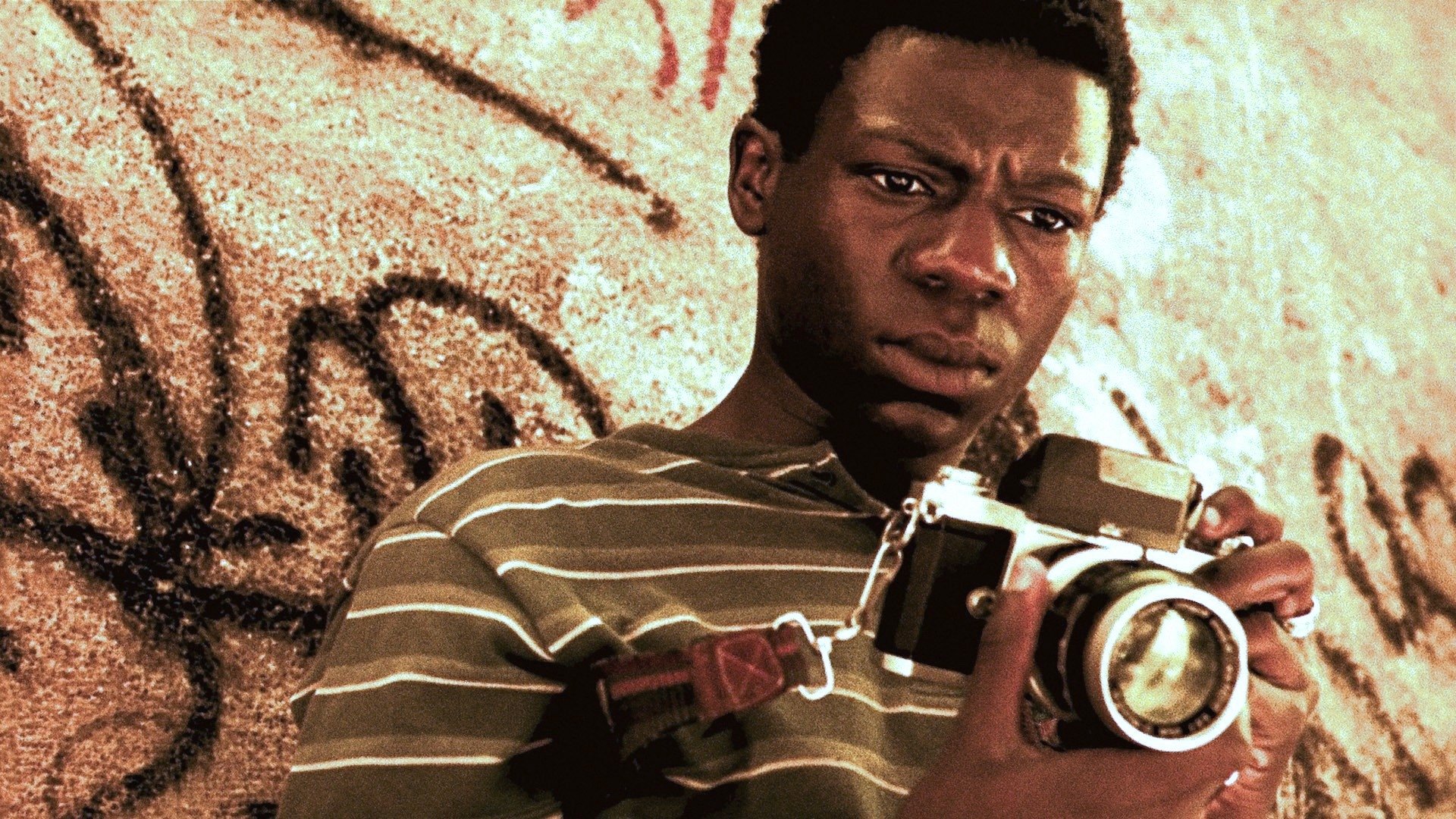
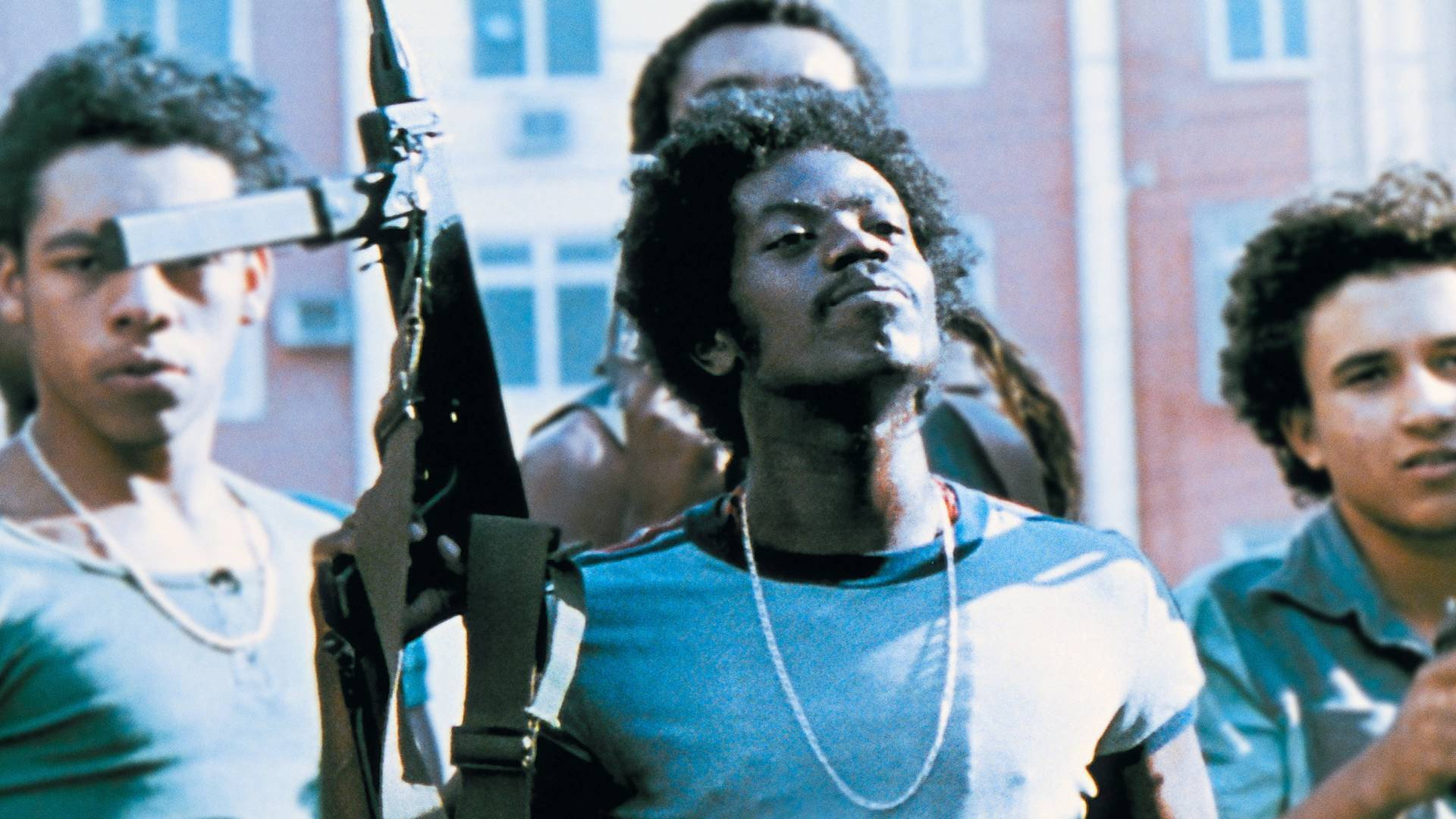
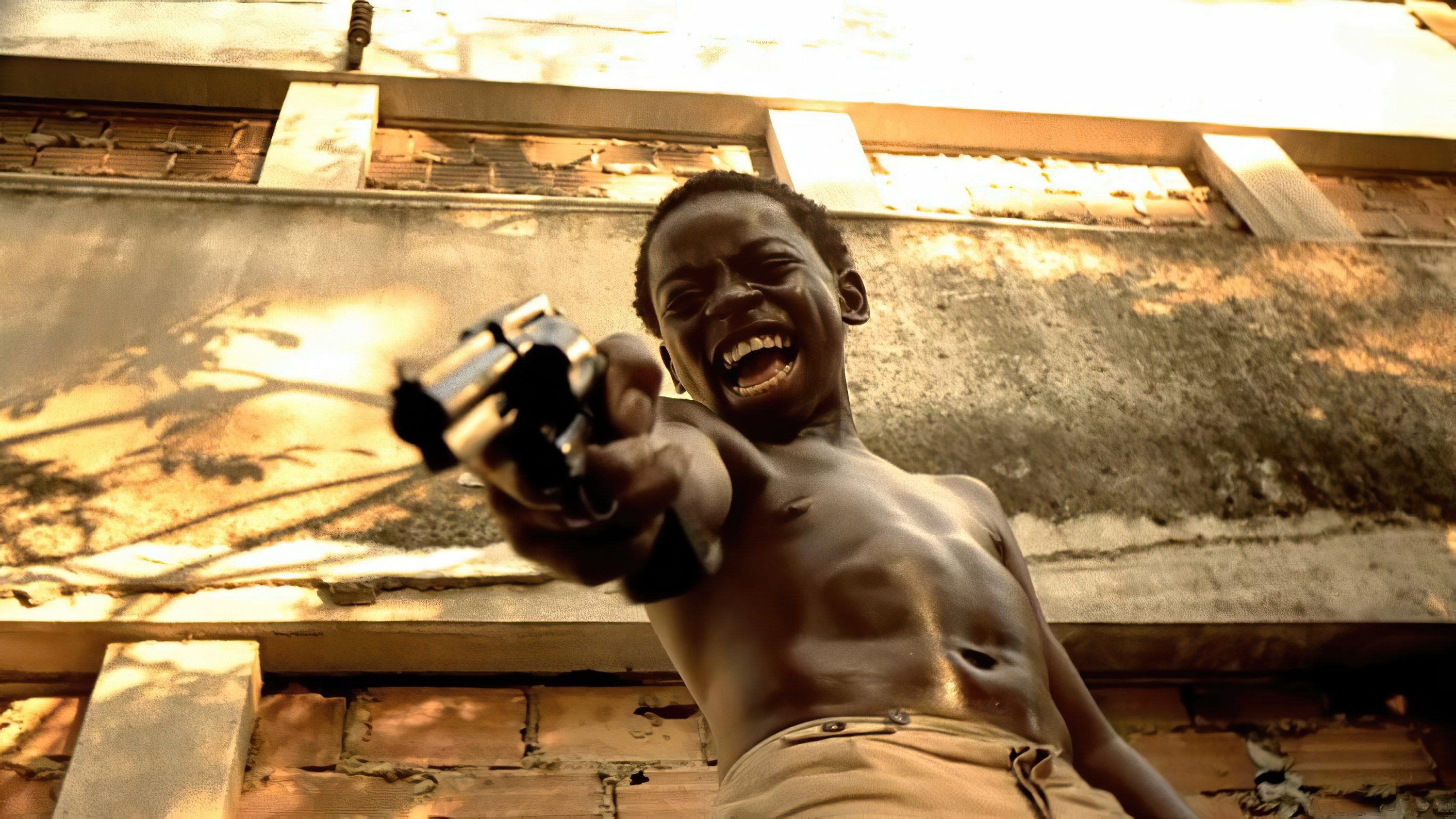
Buscapé (Alexandre Rodrigues) is one of the young people growing up amid the drug trade and gang warfare in a Rio favela. Across several decades, City of God follows the neighbourhood as children enter a criminal life and armed boys come to control its streets. Leandro Firmino plays Zé Pequeno, Douglas Silva plays Dadinho and Phellipe Haagensen plays Bené. The story moves backwards and forwards through their lives, tracing how violence becomes part of growing up. Fernando Meirelles directs, with Bráulio Mantovani adapting a novel by Paulo Lins.

Fi1m review

Fernando Meirelles’s crime film is frightening, humane and told with exceptional clarity at speed. We recommend it warmly, though the cutting and music sometimes make its violence more exciting than the suffering warrants.

City of God is a forceful, frightening crime film, and we recommend it with one reservation: it sometimes makes the violence too easy to enjoy. Fernando Meirelles follows gang warfare in a Rio favela across decades, showing how quickly children learn what a gun can buy them. Bráulio Mantovani’s screenplay, adapted from Paulo Lins’s novel, has a crowded history to tell. It moves between lives and periods without making us feel we have been handed a list of names to memorise.

The opening chicken chase is a fair warning about how Meirelles intends to proceed. Daniel Rezende cuts it with such speed that a small pursuit becomes an event, and the excitement is inseparable from the threat. His editing remains remarkably clear when the story starts moving backwards and forwards in time; we can follow the connections without having every change laboriously explained. That clarity matters in a film with this many people. It leaves us free to notice behaviour rather than spend the next scene working out where we are.

César Charlone’s location photography keeps us close to the movement through the favela, with a restless camera that can make watching feel precarious. The energy works because we can still follow where people are going. Tulé Peak’s production design makes the neighbourhood feel cramped, with little space for people to escape one another. Antonio Pinto and Ed Cortês supply an energetic score that pushes the action along. Together, the camera, cutting and music occasionally make this violent place feel a little too inviting.

Alexandre Rodrigues is valuable as Buscapé because he gives the film a human scale amid all this activity. Leandro Firmino’s Zé Pequeno is frightening without the dignity that crime films so often grant their powerful men, while Phellipe Haagensen brings welcome warmth to Bené. The performances allow room for humour and tenderness without making the brutality seem less severe. We believe in people who might have had quite ordinary lives, which makes watching them become accustomed to violence harder to bear.

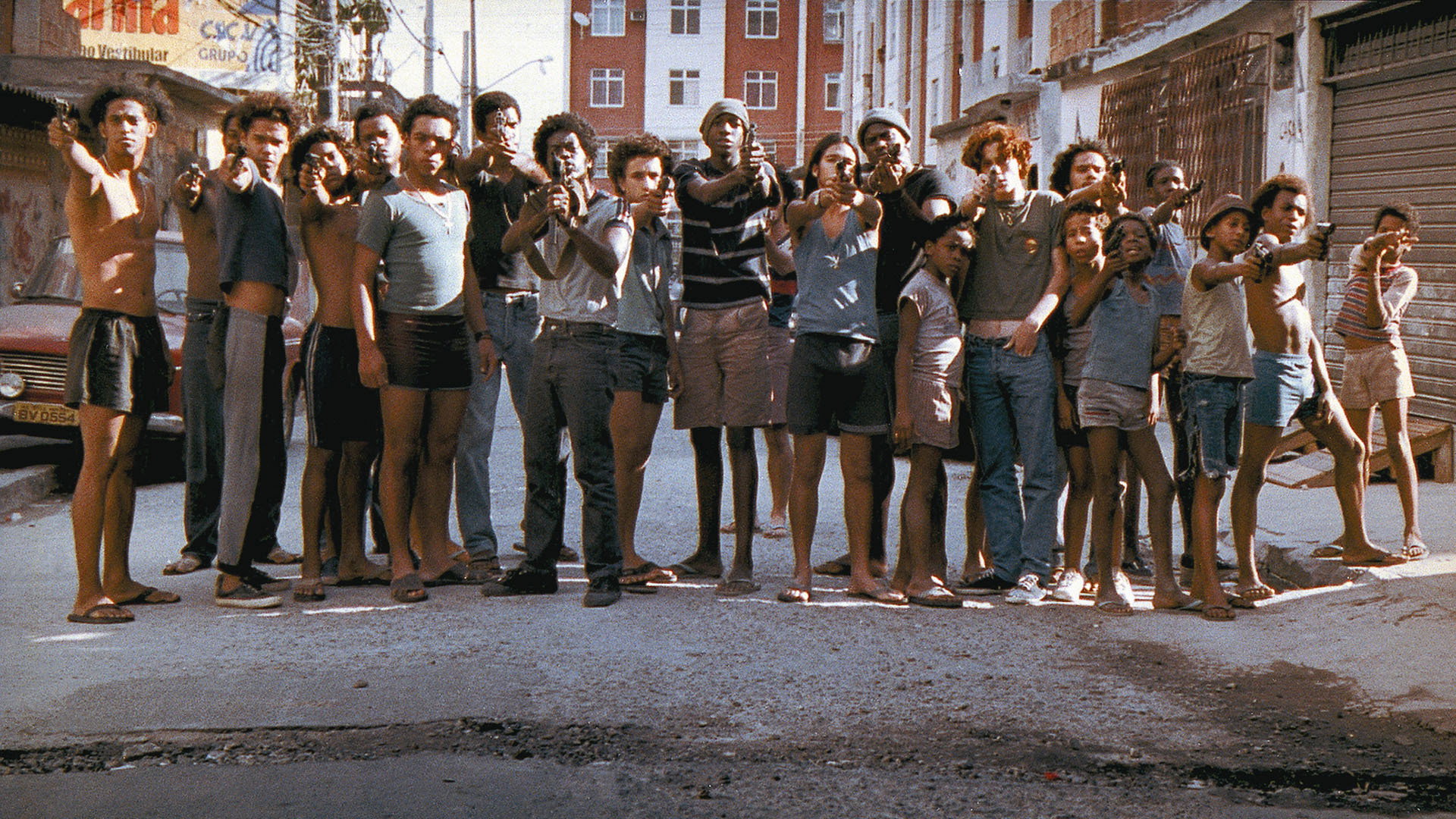
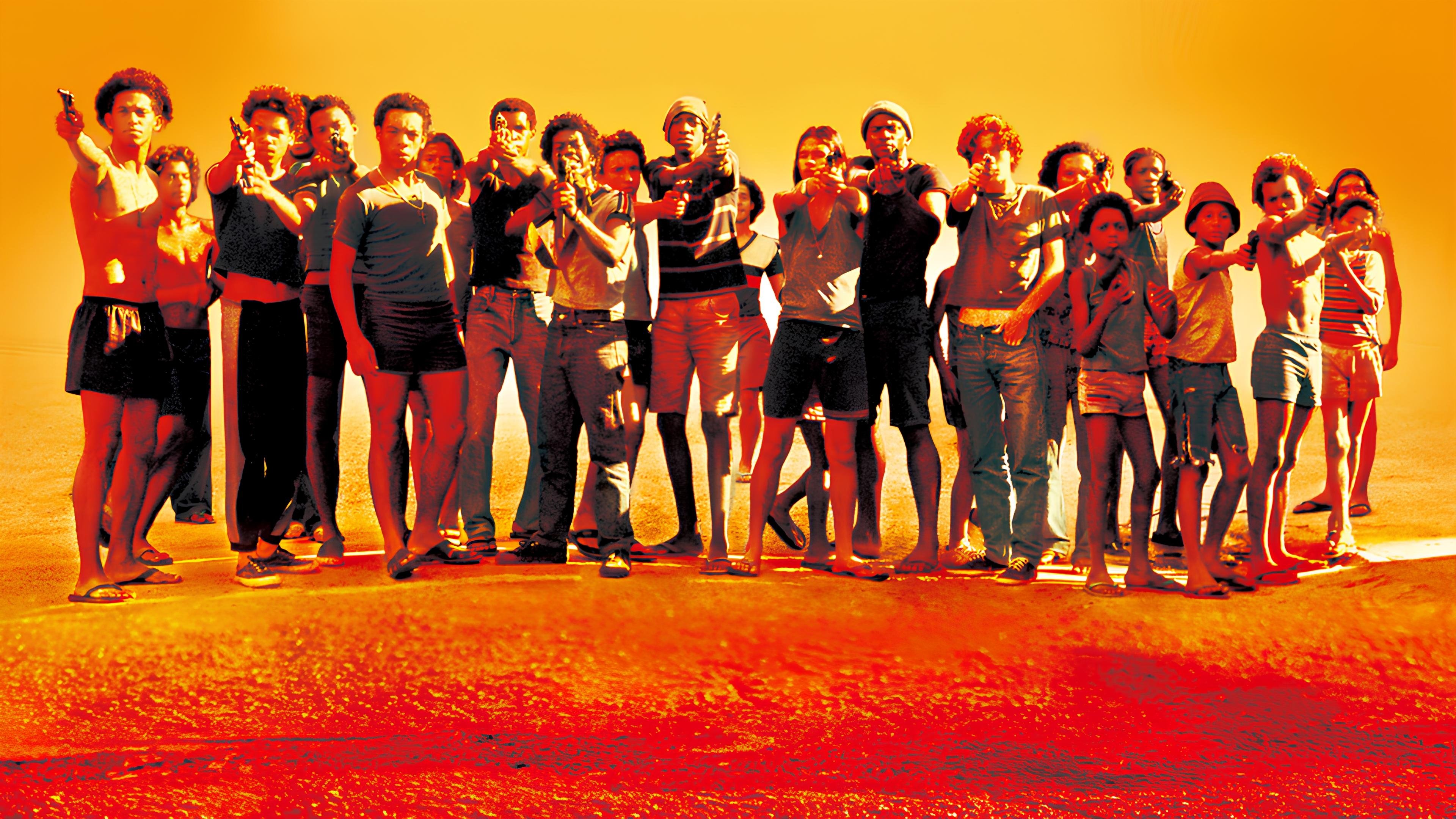
We were horrified by the armed children, because their youth remains so visible even when they are behaving like men who expect obedience. Meirelles does not need to explain what has gone wrong when a boy can command a street with a weapon. The film’s coming-of-age story becomes frightening precisely because we can see what these children are learning. The pace contributes to that fear: violence spreads before anyone has much time to question what they are doing.

The reservation is about how eagerly Meirelles keeps us entertained along the way. A flourish of cutting can arrive before the previous violence has had time to register, and we sometimes wanted the film to stay still with the people it had hurt. Mantovani’s voiceover also supplies emphasis where the images have already done enough. The storytelling is clear, but its insistence on carrying us into the next incident can leave less space for grief or uncertainty than these lives deserve.

Within the gangster film, this is an unusually persuasive account of how early children are drawn into the trade. Its criminals can be funny, sociable and compelling company, and Meirelles understands how that appeal helps violence become familiar. At 129 minutes, the film demands attention without often testing patience, although its relentless pace may exhaust some viewers. See it, but leave time afterwards for something quieter than another crime film.
Critical consensus AI synthesised

81
Positive
7
Mixed
1
Negative
0

Most critics respond strongly to City of God, with praise clustering around Fernando Meirelles’s urgent storytelling, the location photography and the editing’s speed and clarity. The non-professional cast also earns repeated notice for finding tenderness and humour amid the gang violence. Across the positive reviews, the favela emerges as more than a setting: its changing conditions and the children drawn into crime give the film its force.

The main disagreement concerns what the film’s style does to its subject. Sight and Sound sees a clear examination of violence’s causes and consequences, while Variety worries that the slickness sometimes approaches glamour. Slant Magazine admires the storytelling but finds too little moral ambiguity. The New Yorker offers the sharpest reservation, arguing that the energy and violence largely fail to leave a lasting emotional mark. The spread is broadly favourable, then, but the reservations concern more than excessive pace.

RogerEbert.com
24 January 2003 · Roger Ebert
95*

The film is a breathtaking, terrifying plunge into the slum gangs of Rio that announces director Fernando Meirelles as a major talent. It earns comparison to Scorsese’s GoodFellas through its urgent storytelling and visual invention.

Read the full review →
Sight and Sound
· Paul Julian Smith
90*

The critic praises the film's epic sweep across three decades of gang warfare and its clinical depiction of violence's causes and consequences rather than glorifying it. The review singles out the brilliant stylisation, non-professional cast, and how it testifies to the creativity of Brazil's underclass.

Read the full review →
The Guardian
3 January 2003
90*

The critic calls the film an electrifying, overwhelming thriller that is part coming-of-age story and part gang-warfare epic, with all the dials cranked up to 11. They single out its mythic opening chicken-chase sequence and the way it portrays the favela itself as the central character through its grim, inhuman environment.

Read the full review →
The AV Club
27 January 2003 · Keith Phipps
85*

The critic highlights the film's split-second direction, stylistic bravado paired with gritty realism, and non-professional cast performances that reveal tenderness and humor amid brutality. It convincingly portrays urban decay and has prompted real-world policy reassessment.

Read the full review →
Variety
19 May 2002 · festival review · David Rooney
80*

The film delivers a bruising, visceral chronicle of drug trade and gang warfare in Rio’s slums that draws kids into crime as their only option. Its impressive craftsmanship, sharp storytelling, and non-pro cast make the epic fly despite some slickness that borders on glamorizing the setting.

Read the full review →
Slant Magazine
14 November 2002 · Ed Gonzalez
75*

The critic finds the film's MTV-style spectacle urgent but lacking moral ambiguities, with gratuitous voiceover references. Meirelles's storytelling and jittery lyricism are remarkable, evoking Tarantino and Scorsese influences while delivering excitement and crossover appeal.

Read the full review →

Cast

Stills

Awards

Academy Awards, 2004

Nominated
Best Cinematography
Nominated
Best Director
Nominated
Best Film Editing
Nominated
Best Writing, Adapted Screenplay

International Submission to the Academy Awards, 2003

Nominated
International Submission to the Academy Awards

European Film Award for Best Non-European Film, 2002

Nominated
European Film Award for Best Non-European Film

If you liked this, try…

Pixote poster

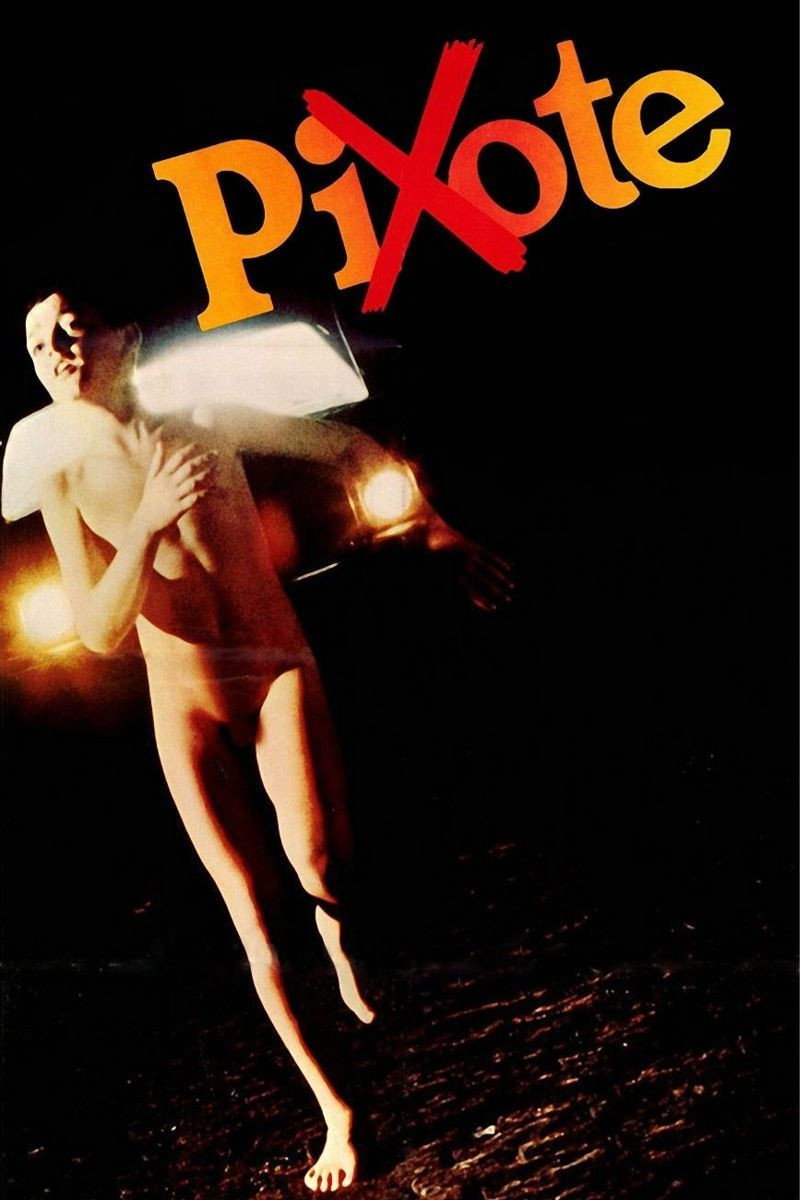
Pixote

1980 · Another Brazilian account of childhood shaped by crime, with even less comfort.

La Haine poster90

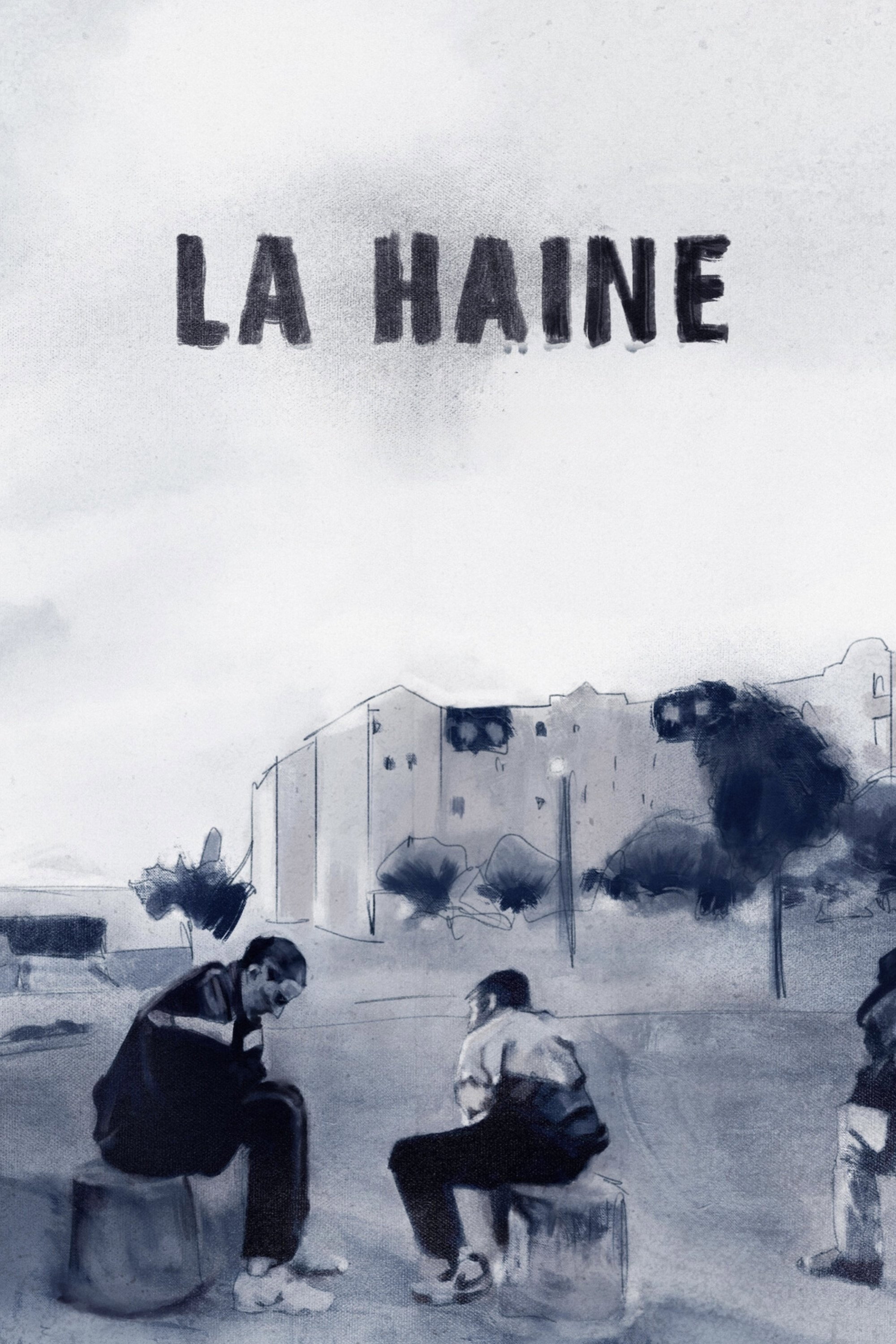
La Haine

1995 · Young men, police pressure and neighbourhood loyalties, with room for idle conversation.

Gomorrah poster

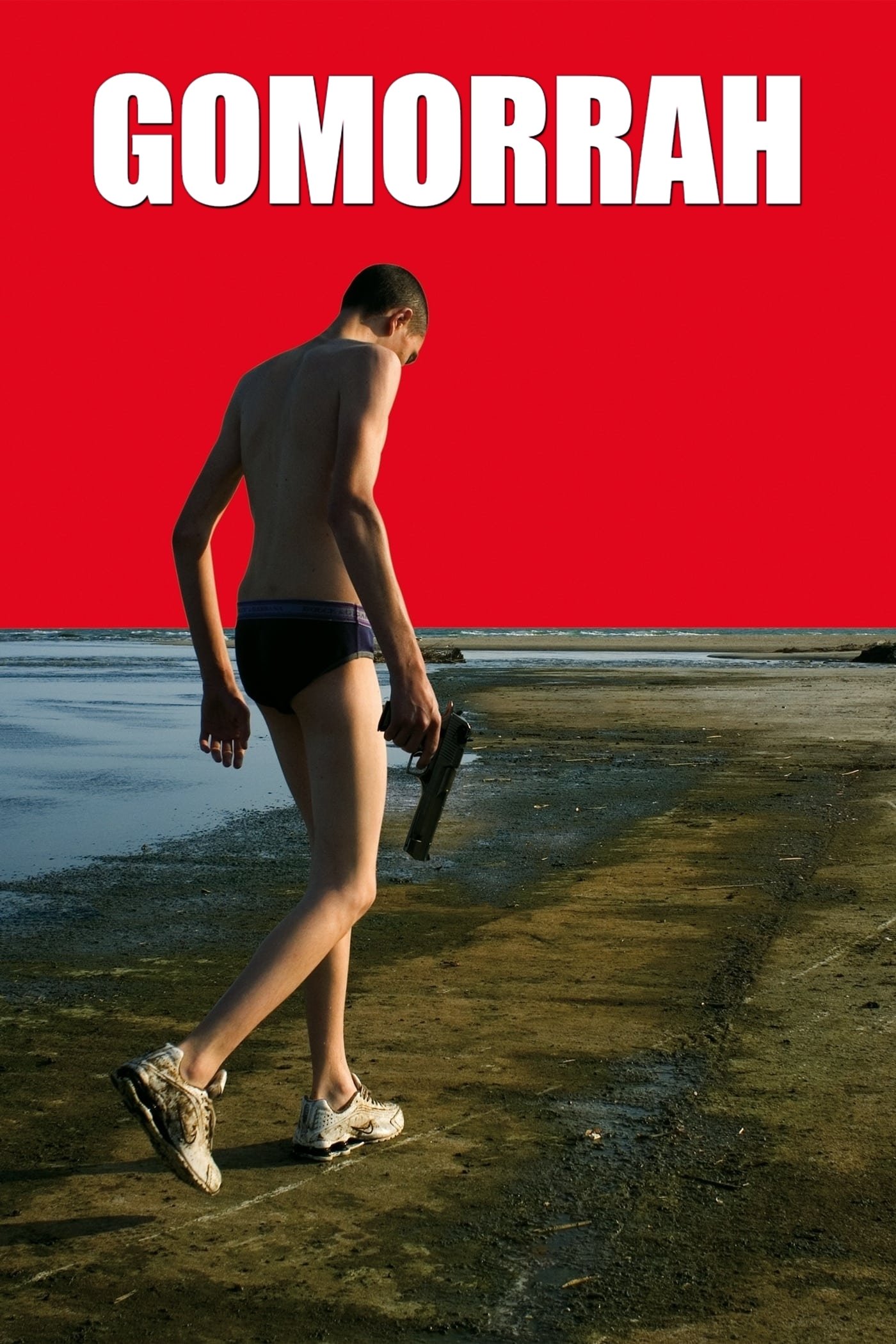
Gomorrah

2008 · Criminal power worked through everyday routines, with the glamour carefully drained away.

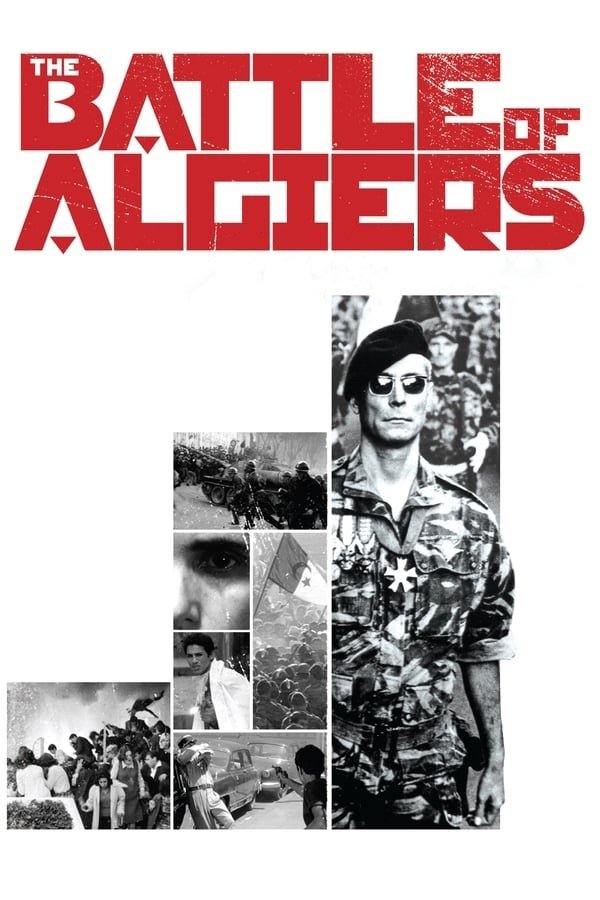
The Battle of Algiers poster93

The Battle of Algiers

1966 · Streets and crowds carry the story, while the violence resists comfortable distance.

Sonatine poster

Sonatine

1993 · Takeshi Kitano gives gangsters long stretches of idleness, making violence feel stranger.