Matteo Garrone’s Gomorrah makes organised crime ugly, ordinary and frightening, with fine performances and no appetite for gangster glamour. The crowded storytelling can leave us struggling to follow, but the film’s anger earns the effort.
Matteo Garrone’s Gomorrah is a crime film worth the effort it asks of us, though anyone expecting a single story to settle into should be warned. Adapted from Roberto Saviano’s book, it follows five strands through the Camorra’s activities in Naples. Garrone pays attention to the people who have to work within this economy, without supplying a commanding gangster to make it all look attractive. Much of the business seems ordinary, and that is what makes it frightening.
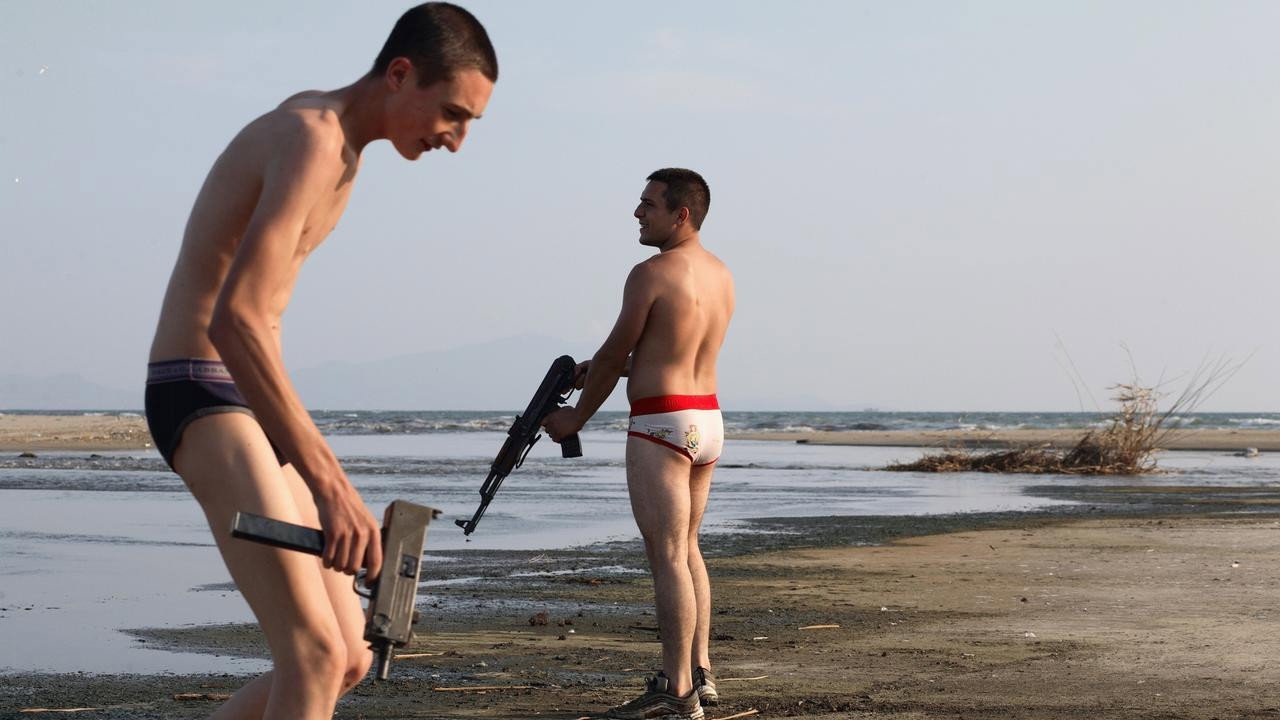
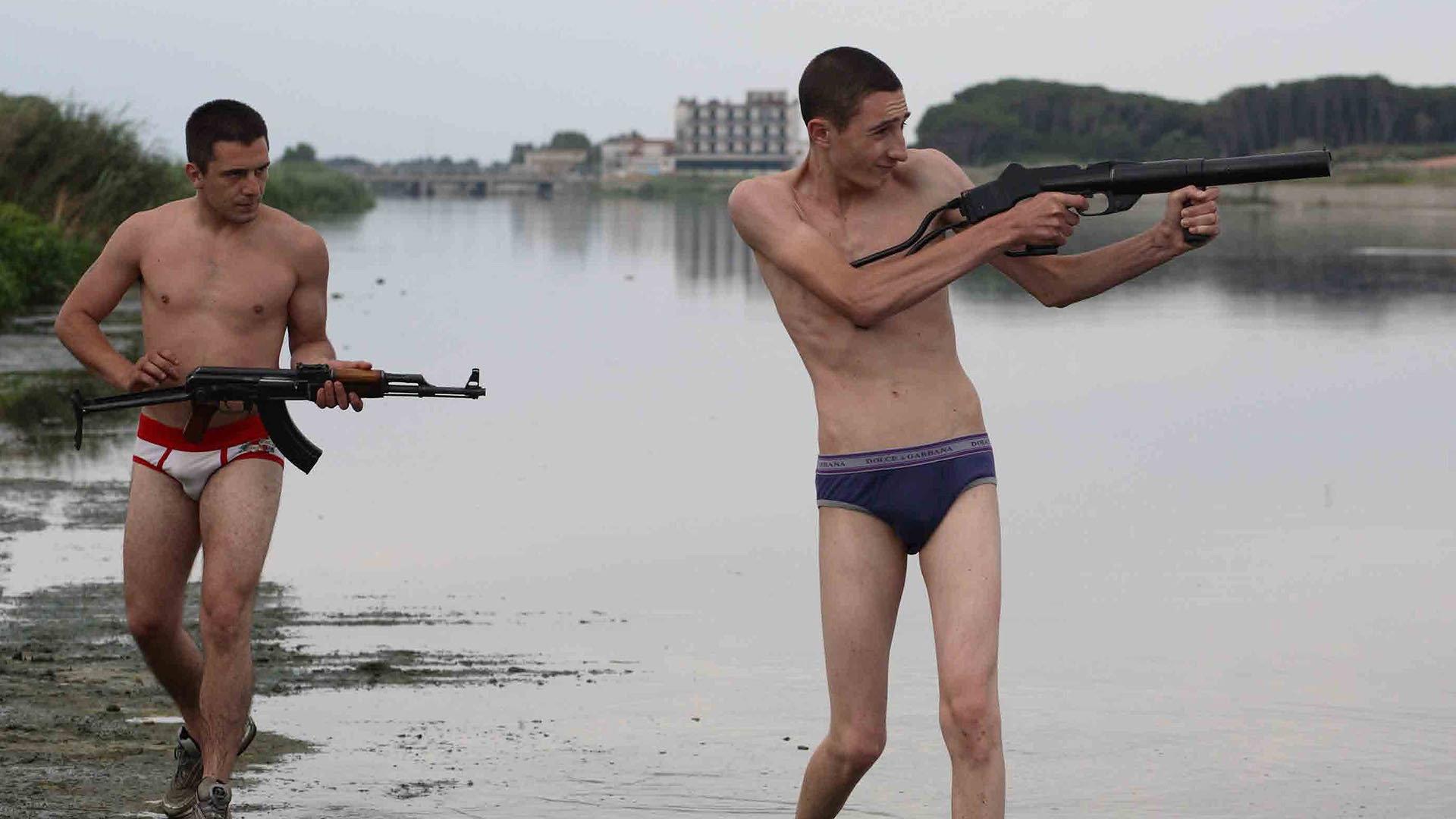
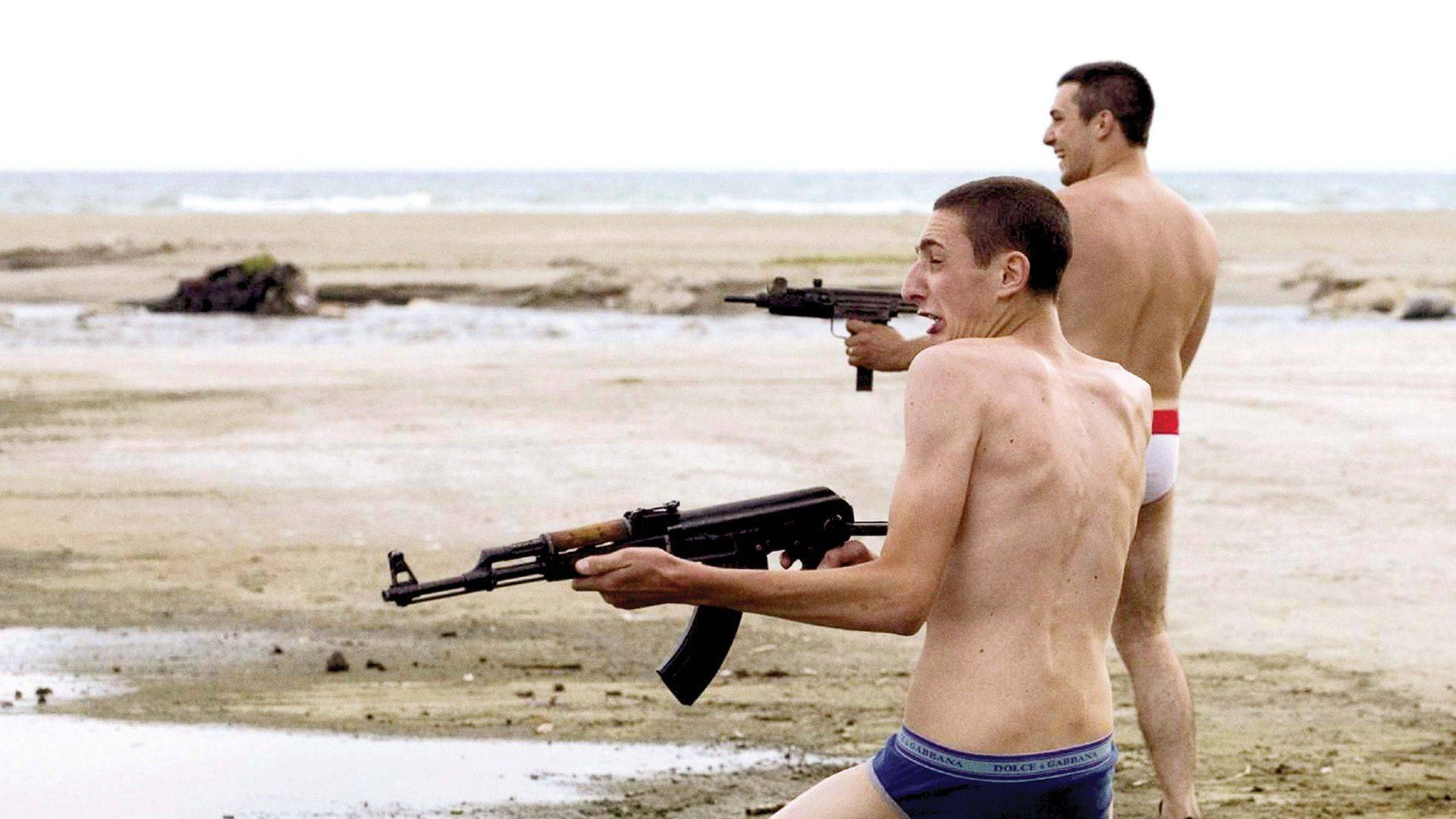
The violence makes that approach count. We were horrified by the gunfire, particularly the reactions of the people nearby. Marco Onorato’s cinematography keeps the surroundings present, so the danger never seems neatly confined to the people doing the shooting. There is little pleasure in watching these scenes, but their bluntness is necessary. A tidier, more exciting version would let us forget the people who have to carry on living there once the shooting stops.
Paolo Bonfini’s production design is effective because the places feel inhabited, rather than prepared for criminal activity. The Scampia locations are ugly without looking usefully sinister; there is no comforting sense that danger stays inside a particular building. The movement between fashion and toxic waste disposal also makes the film harder to dismiss as a report from somewhere safely remote. Garrone spends time on these businesses in a story that could easily have confined itself to men carrying guns.
Salvatore Cantalupo’s Pasquale, a tailor, provides the strongest reason to care about an individual. His work matters, and Cantalupo makes us want to stay with him longer than the crowded structure permits. Elsewhere, the largely non-professional cast gives the film faces that do not look as though they are waiting for their turn to impress us. The performances are unforced, and Garrone’s documentary-like approach benefits from that lack of display. It is easier to believe in the daily routines when nobody seems to be announcing a big scene.
Marco Spoletini’s editing has the difficult task of moving among five stories without making each return feel like a fresh introduction. He does not entirely manage it. We sometimes spend too long working out where we are, and the film supplies too little background to make that confusion worthwhile. This matters because understanding how the Camorra operates is part of what Garrone is attempting. At those points, another demonstration of cruelty tells us less than a clearer account of the business would.
As a gangster film, Gomorrah goes further than simply making its criminals look unappealing. Garrone gives us little opportunity to enjoy their power, and without a reassuring central figure, we keep looking at the lives around them. At 137 minutes, the film asks for concentration and a willingness to sit with cruelty that rarely offers any relief. We recommend it, with the warning that the early confusion takes some patience. Choose an evening when there is enough attention left to spare.