Film review

The Long Good Friday

1980 · Directed by John Mackenzie · 1h 54m · 18

In a sentenceBob Hoskins makes threatening people look like a respectable line of work

CrimeThrillerDrama

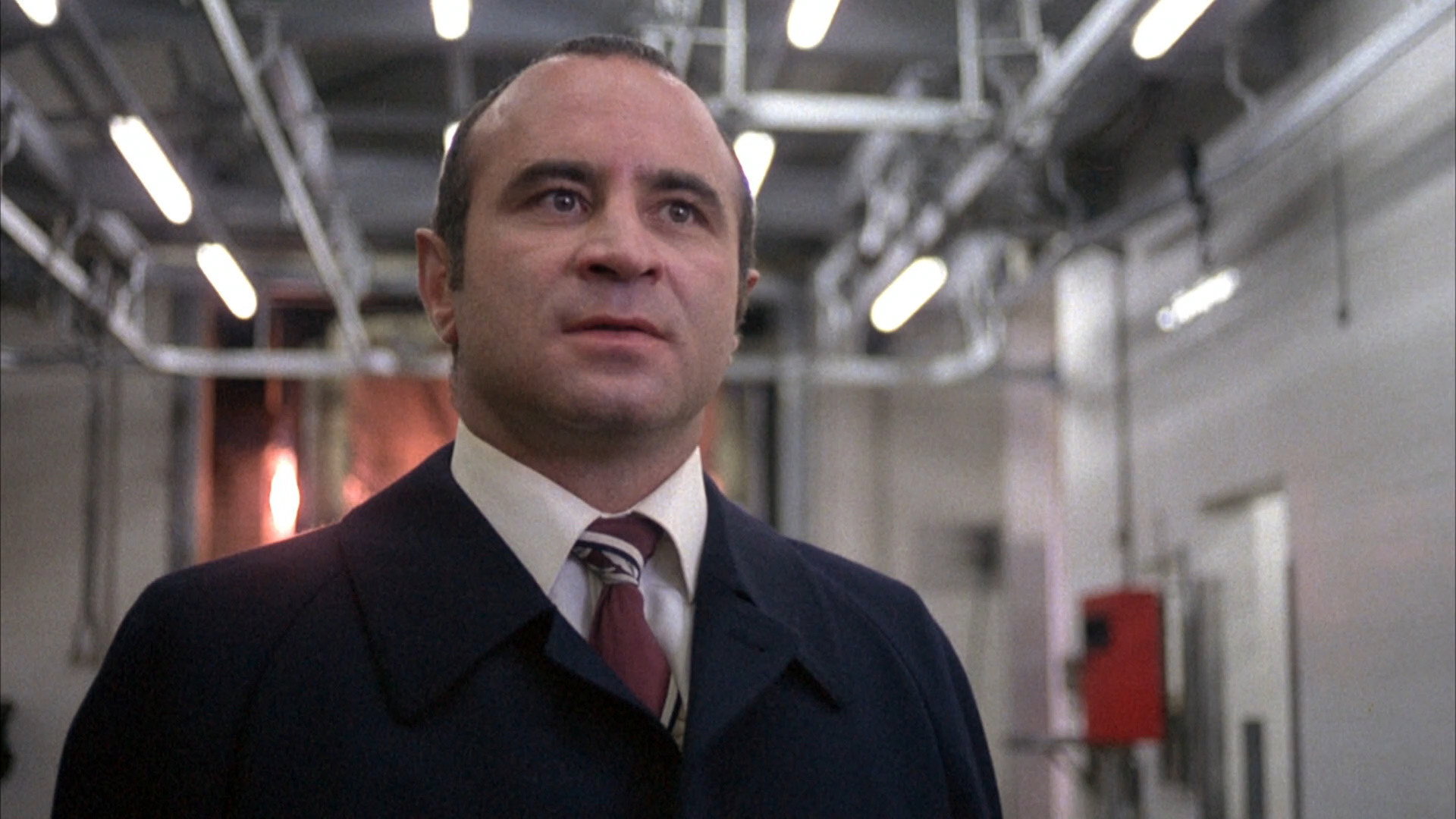
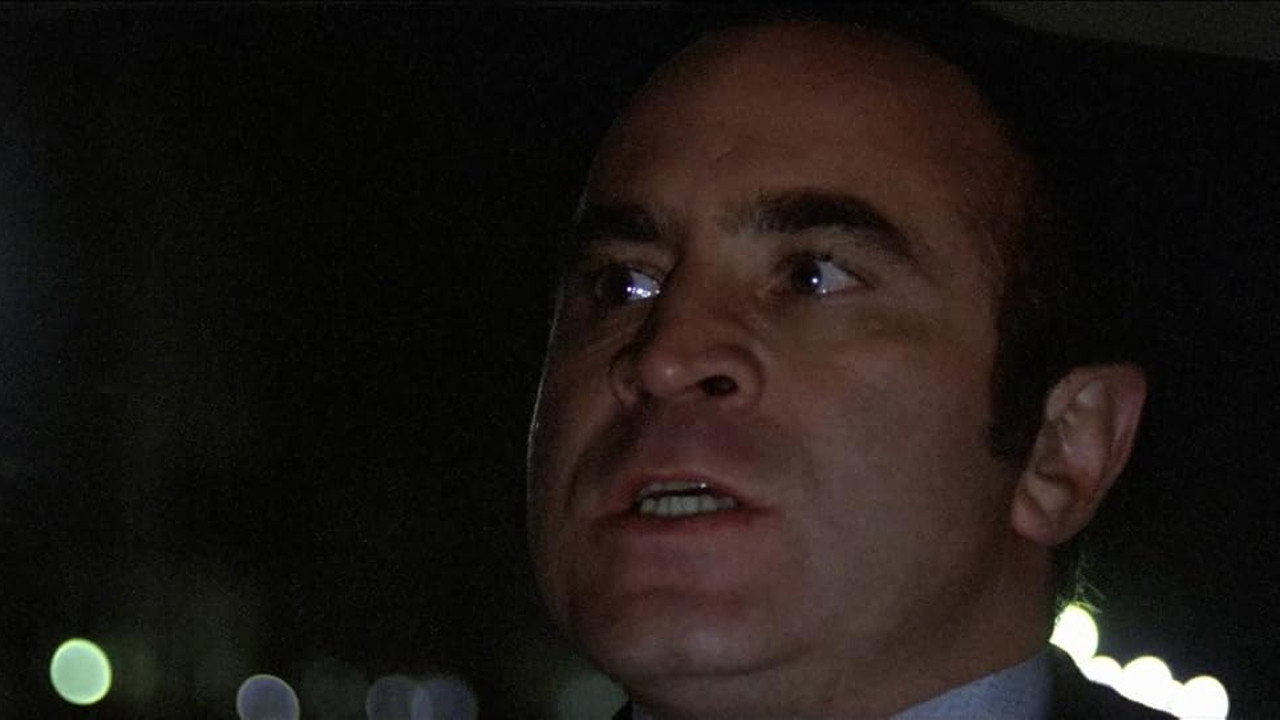
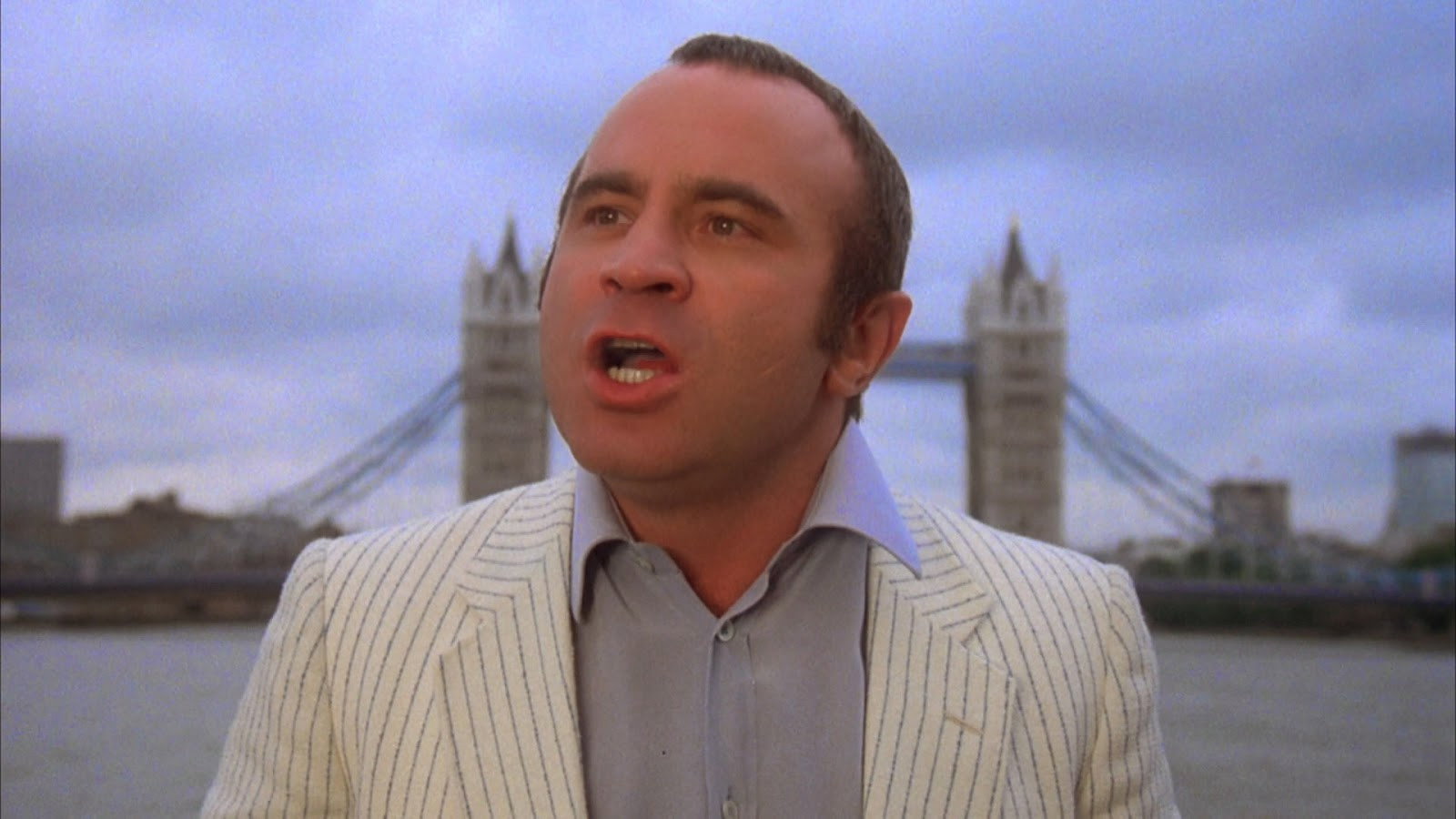
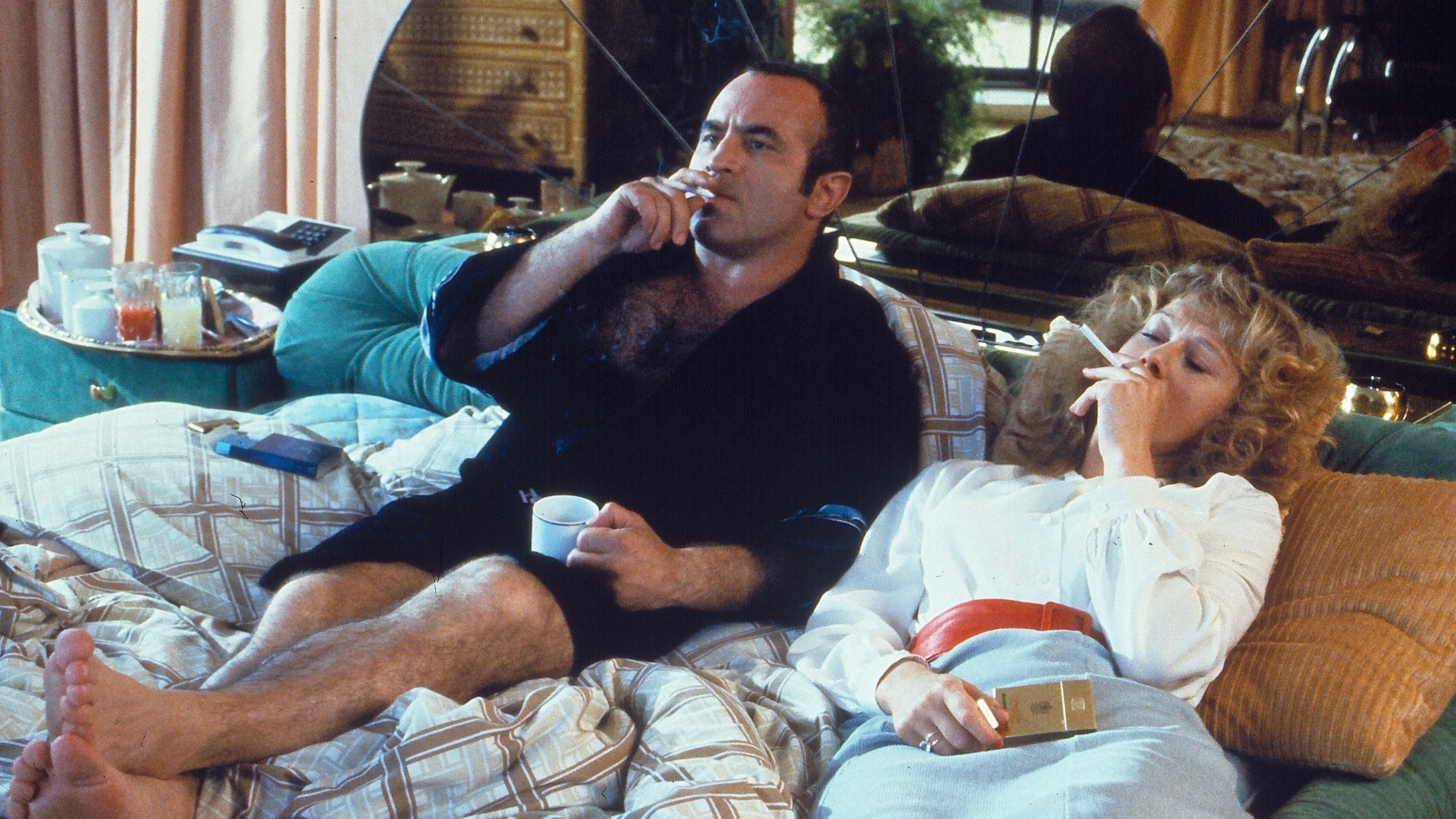
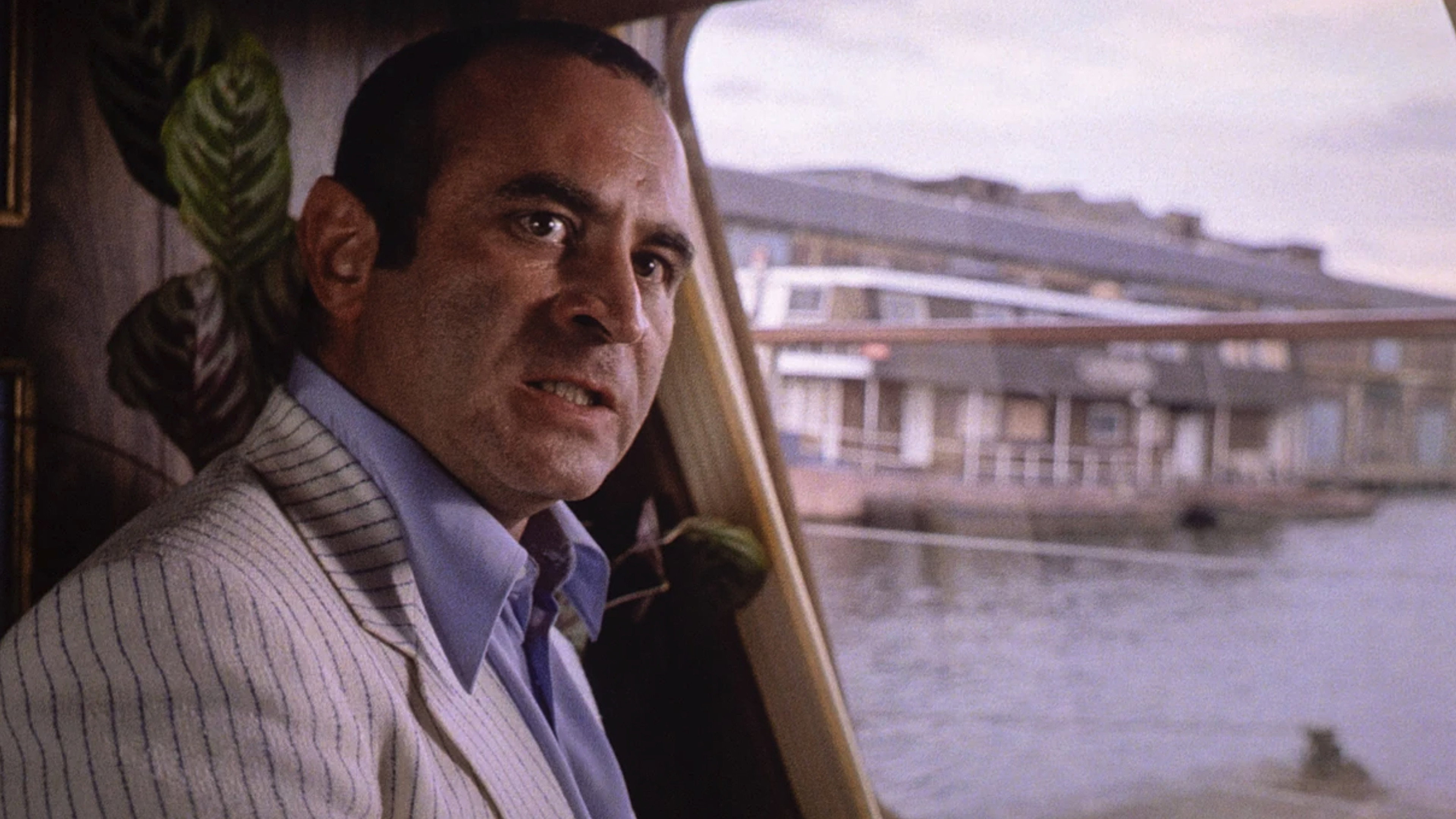
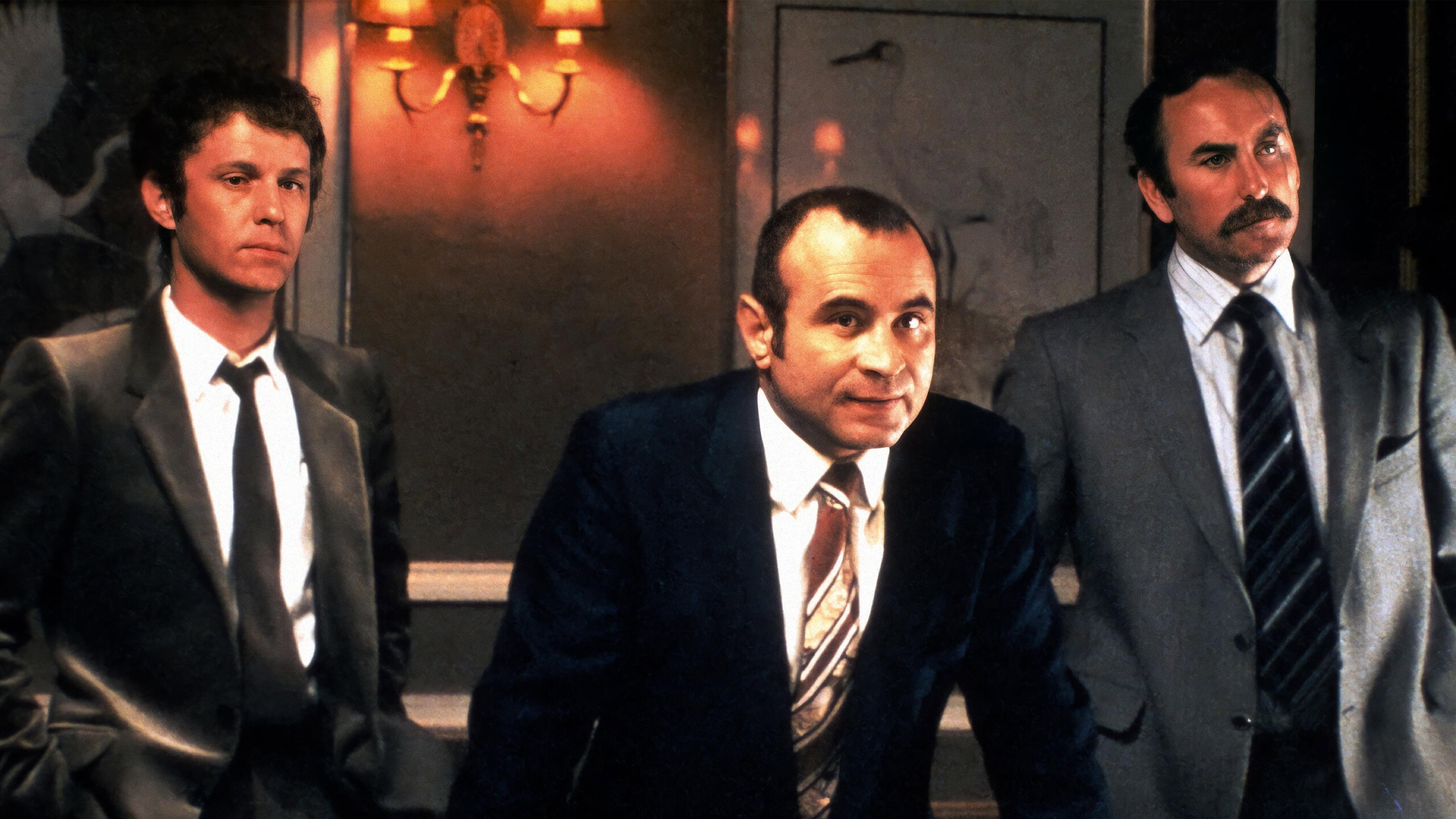
Harold Shand (Bob Hoskins) is a London gangland boss with ambitions for a changing city. When his criminal world comes under threat, the future he imagines becomes entangled with the business of keeping control. His struggle unfolds amid violence and political tensions in London’s underworld, where money and power shape the prospects of those around him. Helen Mirren plays Victoria, with Dave King as Parky, Bryan Marshall as Harris and Derek Thompson as Jeff. Directed by John Mackenzie and written by Barrie Keeffe, the story centres on Harold’s efforts to protect his position.

Plays from YouTube when you press play; nothing loads from them until then.

Fi1m review

Bob Hoskins makes this London crime thriller funny, frightening and worth the occasional struggle with its plot. John Mackenzie’s film has plenty to say about ambition and money, and Helen Mirren gives us another good reason to watch.

John Mackenzie’s The Long Good Friday understands the appeal of a criminal who considers himself an enterprising businessman. It is a forceful, darkly funny thriller, and we recommend it with a small warning about its tangled plotting. Bob Hoskins plays London gangland boss Harold Shand with such conviction that his confidence can briefly seem reasonable. Barrie Keeffe’s script gives Harold the language to make his ambitions sound respectable, even when the violence makes that a difficult proposition.

Hoskins makes the pleasure Harold takes in talking almost as important as what he says. His grand manner is funny, but there is enough aggression in the performance to prevent the humour becoming comfortable. We laughed at Harold’s talk, then felt uneasy about enjoying his company. Hoskins makes that unease sharper by allowing hope into the performance: Harold believes in his future, and the belief gives him something more interesting to defend than his standing among other criminals.

Helen Mirren’s Victoria provides a welcome change of pace without seeming to belong to a gentler film. Mirren has the composure to hold our attention beside Hoskins, whose forcefulness could easily make everyone around him seem incidental. Her performance gives us room to consider Harold without merely waiting for his next eruption. Keeffe’s writing is particularly effective in this company, where the dialogue can be enjoyed for its wit while the actors keep its aggression in view.

Phil Meheux’s photography makes good use of the crumbling London locations. The worn buildings give Harold’s ambitions a practical setting: this is a place in which somebody might see an opportunity to make money, rather than merely somewhere to commit a crime. Some of the images are rather stiff, and Mackenzie does not always find a visual response as lively as the dialogue. The locations nevertheless make the connection between criminal enterprise and a changing city persuasive without requiring a lecture.

Mike Taylor’s editing keeps the densely plotted story moving, though movement does not always bring clarity. There are stretches where the effort of sorting out the criminal business competes with the more absorbing question of what Harold thinks he can achieve. Some loose ends remain, and a little more explanation would have helped without spoiling the pace. Across 114 minutes, however, the film rarely feels idle; even its awkward passages have the benefit of Hoskins making confusion look personally offensive.

Francis Monkman’s synthesiser score supplies a useful restlessness. Its emphatic sound suits the film’s aggression, and gives the comparatively stolid images some extra urgency. There is nothing apologetic about the music, which is appropriate for a story so occupied with confidence and power. It also helps Mackenzie sustain the thriller’s momentum without making every exchange of dialogue carry the entire burden of keeping us alert.

The pleasure of a gangster film like this depends on being drawn towards someone whose behaviour ought to repel us. Mackenzie and Keeffe allow Harold to be entertaining without making his violence seem a qualification for admiration. That judgement, and the space Hoskins finds for contradictory feelings, justify the attention the plotting sometimes demands. Give it an uninterrupted evening, especially if complicated criminal business is not usually your pleasure.
Critical consensus AI synthesised

85
Positive
7
Mixed
0
Negative
0

The consensus is firmly positive, with praise centred on Bob Hoskins’s performance as Harold Shand. Critics repeatedly highlight the contradictions he makes visible in the ambitious gangster: charm alongside brutality, hope alongside despair. Helen Mirren’s supporting performance also draws approval, while the sharp dialogue, violent humour and portrait of a changing Britain give the reviews more to discuss than criminal plotting. London’s locations and the synthesiser score receive particular praise from Time Out.

The differences concern how fully the thriller’s craft matches its central performance, rather than its worth as a whole. The New York Times admires the performances and directorial flair but finds loose ends in the plot. Variety praises the dense, intelligent script while judging the visual style too stolid to deliver the full impact. These are limited reservations within a broadly enthusiastic response; no review supplied amounts to a dissent from the recommendation.

RogerEbert.com
1 January 1981 · Roger Ebert
90*

The film is a masterful and very tough piece of filmmaking that presents a vivid portrait of the central character Harold Shand. It excels due to Bob Hoskins' compelling, contradictory performance and the energy of its filmmaking and violent humor.

Read the full review →
Slant Magazine
24 August 2010 · Glenn Heath Jr.
85*

The critic calls it a classic British gangster film and potent political commentary on Western urbanization. They single out its exploration of political and social tensions, including British/IRA elements, alongside Hoskins's performance.

Read the full review →
Little White Lies
29 June 2015 · 4/4/4 · David Jenkins
80

The critic praises this re-release of the Thatcher-era gangster classic for its strong central performance. Hoskins is singled out for conveying inner conflict between hope and despair in his portrayal of the ambitious crime boss.

Read the full review →
Radio Times
★★★★ · Adrian Turner
80

The critic describes the film as an explosively violent thriller that sharply evokes the enterprise culture of its time. Hoskins' breakout performance as the East End criminal and Mirren's seductive support are highlighted.

Read the full review →
Time Out
15 June 2015 · ★★★★ · Dave Calhoun
80

The review calls the film irresistibly charming despite not being the greatest thriller, crediting its timeliness and Hoskins' fruity dialogue as a likeable crime boss. The critic singles out the synthy score and crumbling London locations for praise.

Read the full review →
The New York Times
2 April 1982 · NYT Critic’s Pick · Janet Maslin

This swift, sharp-edged gangster story in a classic mold has a lot to recommend it, chiefly the fine performances of Bob Hoskins and Helen Mirren. The director shows flair for etching disturbing portraits of modern-day London hoodlums, though the plot has loose ends.

Read the full review →

Cast

Stills

Awards

BAFTA Film Awards, 1982

Nominated
Best Actor in a Leading Role

If you liked this, try…

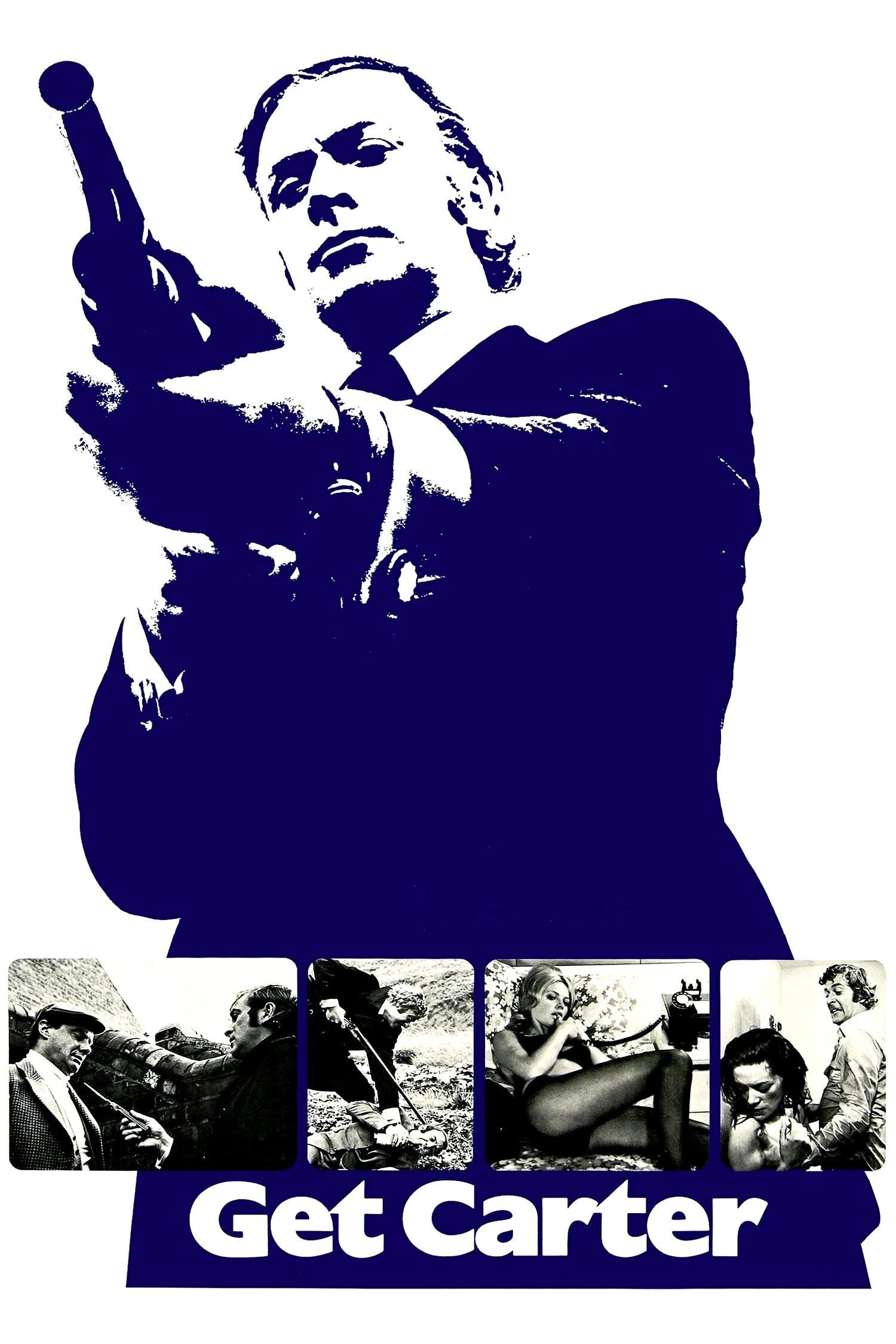
Get Carter poster86

Get Carter

1971 · Another British gangster film that takes violence seriously without admiring its practitioners.

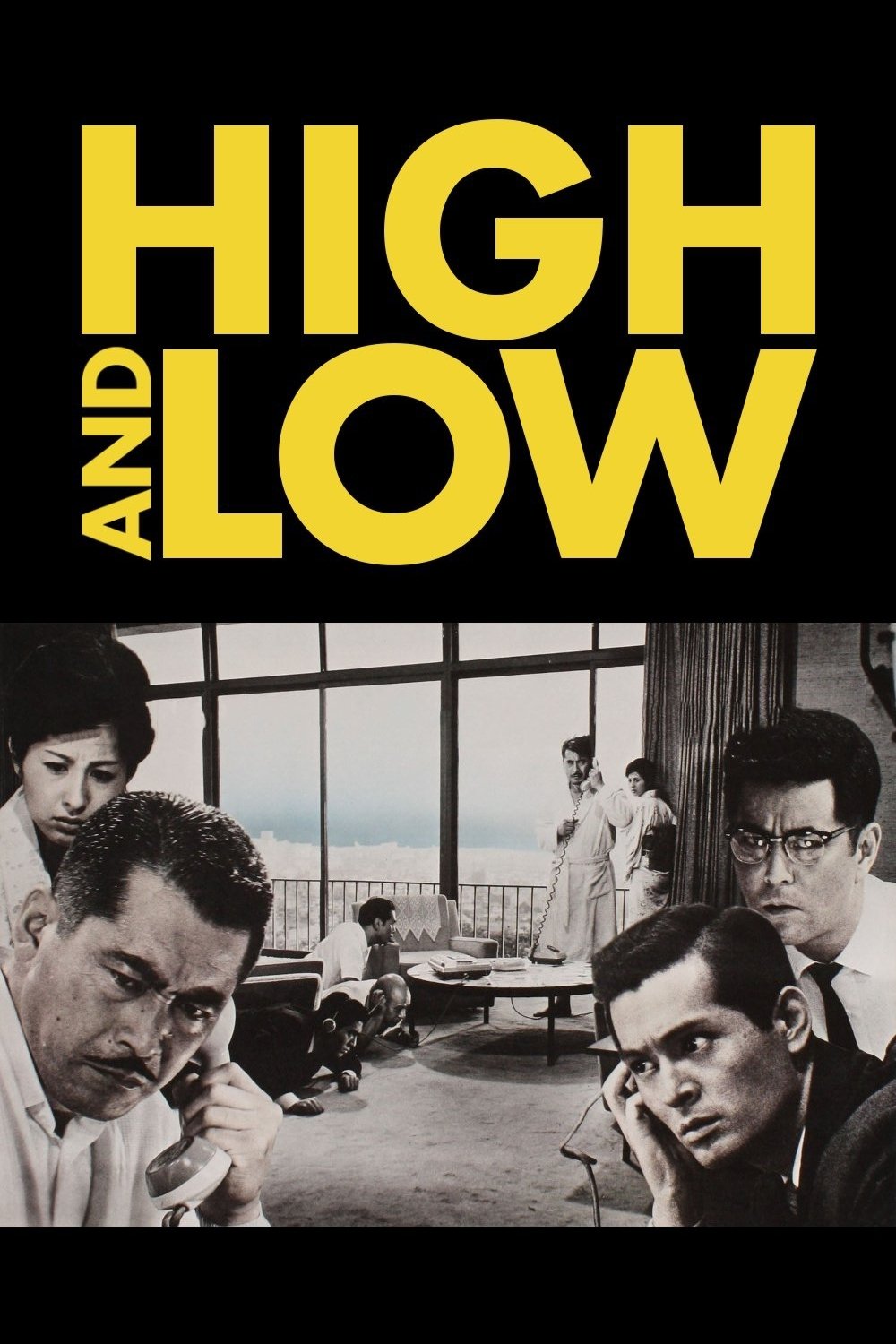
High and Low poster

High and Low

1963 · For crime, money and social standing examined with patience and mounting tension.

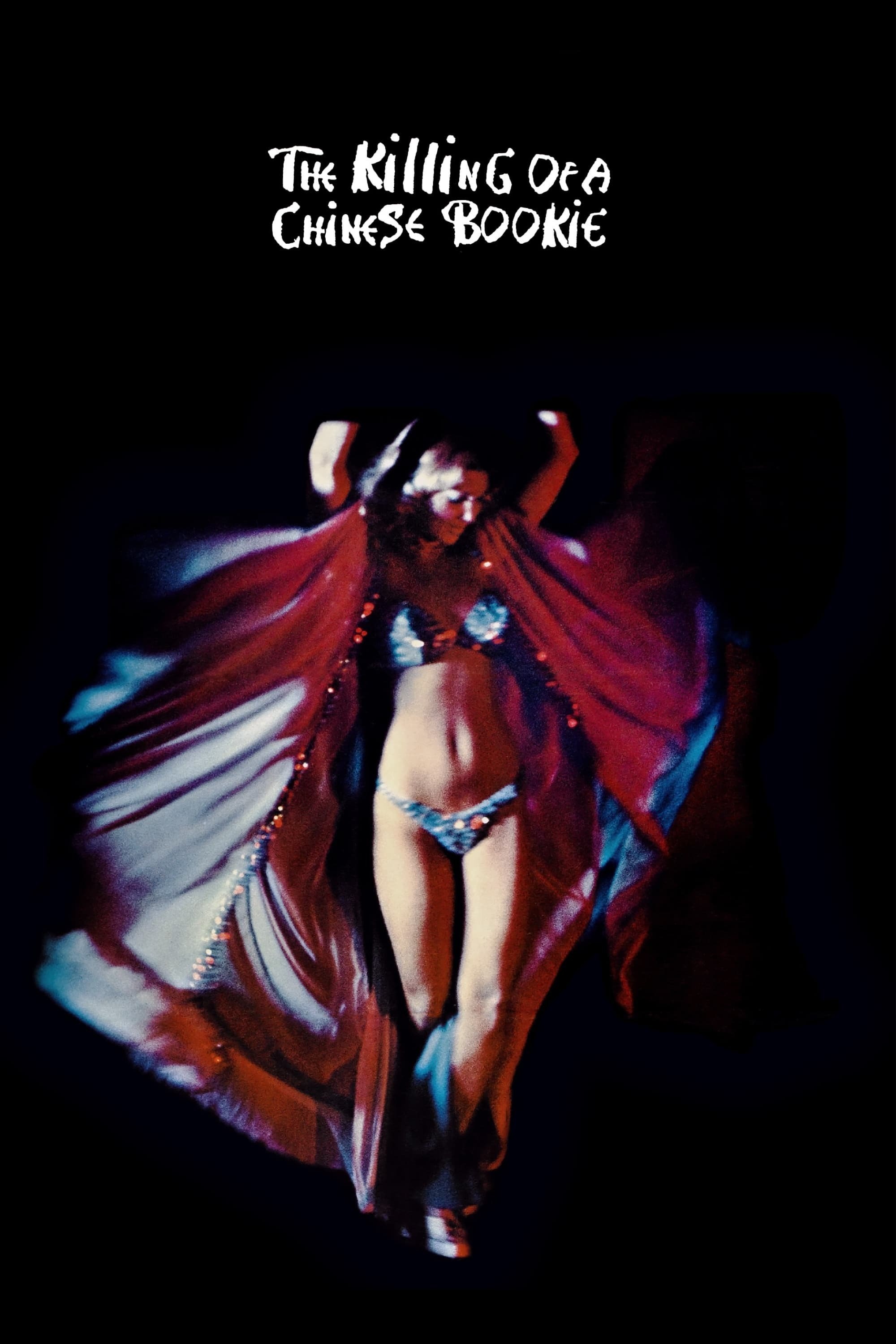
The Killing of a Chinese Bookie poster

The Killing of a Chinese Bookie

1976 · Another criminal discovers how little protection a carefully maintained sense of importance offers.

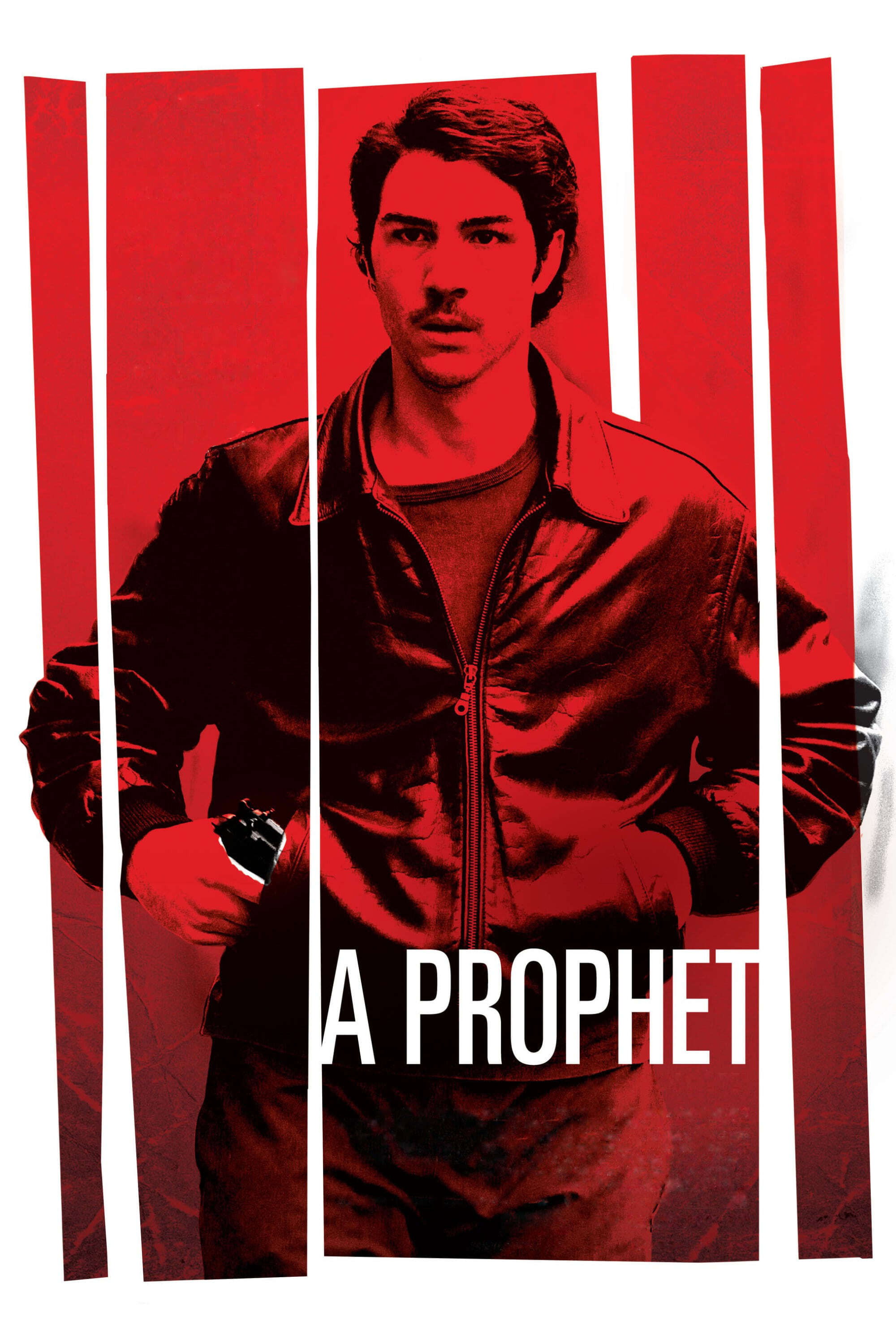
A Prophet poster

A Prophet

2009 · For criminal ambition observed closely, with attention to the compromises that sustain it.

Election poster

Election

2005 · For gangland authority treated as a political problem, with frighteningly practical consequences.