Critics’ reviews

The Long Good Friday (1980)

9 reviews from 9 publications. Critics’ score 85: 7 positive, 0 mixed, 0 negative.

Back to our review of The Long Good Friday

85
Positive
7
Mixed
0
Negative
0

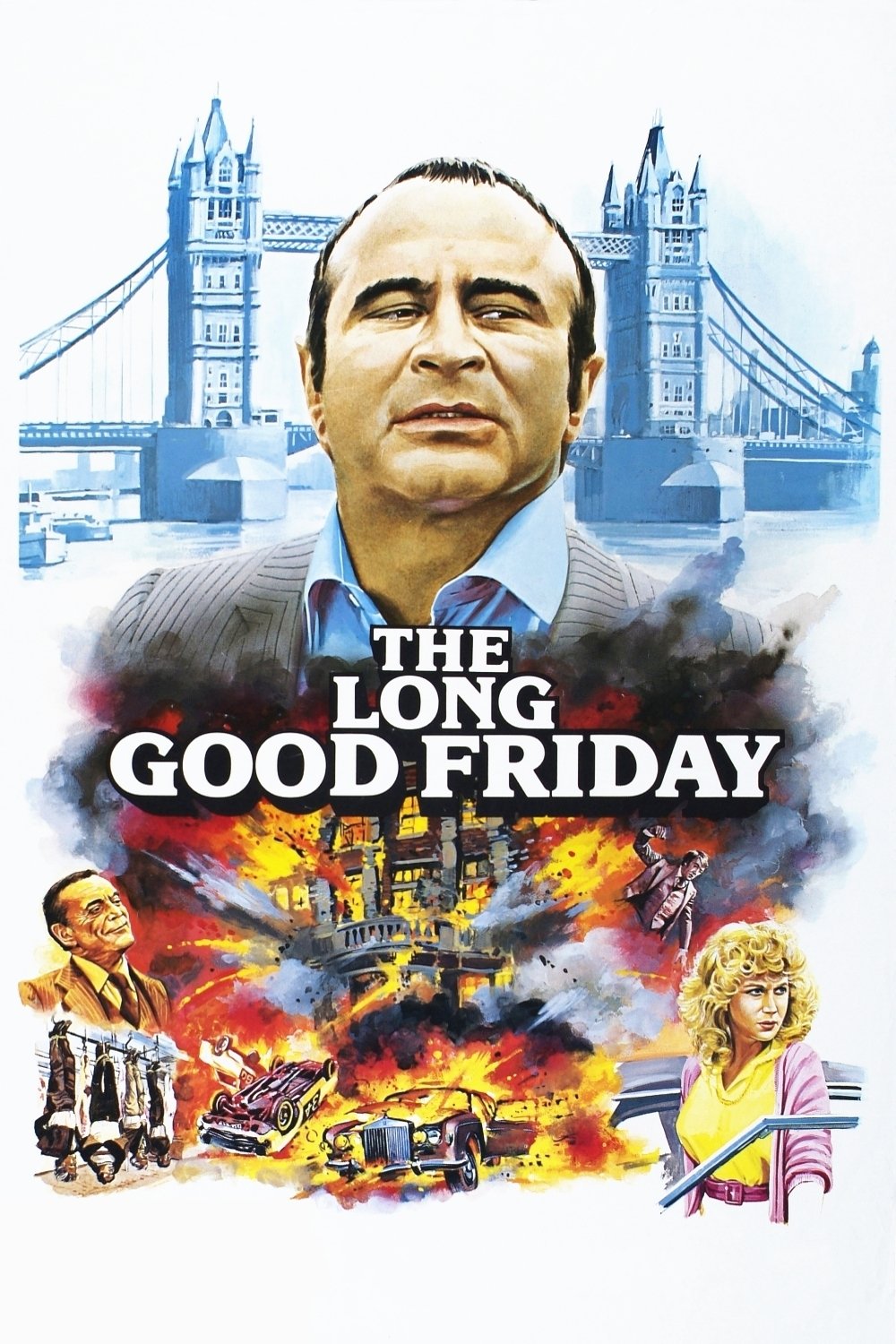
The consensus is firmly positive, with praise centred on Bob Hoskins’s performance as Harold Shand. Critics repeatedly highlight the contradictions he makes visible in the ambitious gangster: charm alongside brutality, hope alongside despair. Helen Mirren’s supporting performance also draws approval, while the sharp dialogue, violent humour and portrait of a changing Britain give the reviews more to discuss than criminal plotting. London’s locations and the synthesiser score receive particular praise from Time Out.

The differences concern how fully the thriller’s craft matches its central performance, rather than its worth as a whole. The New York Times admires the performances and directorial flair but finds loose ends in the plot. Variety praises the dense, intelligent script while judging the visual style too stolid to deliver the full impact. These are limited reservations within a broadly enthusiastic response; no review supplied amounts to a dissent from the recommendation.

RogerEbert.com
1 January 1981 · Roger Ebert
90*

The film is a masterful and very tough piece of filmmaking that presents a vivid portrait of the central character Harold Shand. It excels due to Bob Hoskins' compelling, contradictory performance and the energy of its filmmaking and violent humor.

Read the full review →
Slant Magazine
24 August 2010 · Glenn Heath Jr.
85*

The critic calls it a classic British gangster film and potent political commentary on Western urbanization. They single out its exploration of political and social tensions, including British/IRA elements, alongside Hoskins's performance.

Read the full review →
Little White Lies
29 June 2015 · 4/4/4 · David Jenkins
80

The critic praises this re-release of the Thatcher-era gangster classic for its strong central performance. Hoskins is singled out for conveying inner conflict between hope and despair in his portrayal of the ambitious crime boss.

Read the full review →
Radio Times
★★★★ · Adrian Turner
80

The critic describes the film as an explosively violent thriller that sharply evokes the enterprise culture of its time. Hoskins' breakout performance as the East End criminal and Mirren's seductive support are highlighted.

Read the full review →
Time Out
15 June 2015 · ★★★★ · Dave Calhoun
80

The review calls the film irresistibly charming despite not being the greatest thriller, crediting its timeliness and Hoskins' fruity dialogue as a likeable crime boss. The critic singles out the synthy score and crumbling London locations for praise.

Read the full review →
The New York Times
2 April 1982 · NYT Critic’s Pick · Janet Maslin

This swift, sharp-edged gangster story in a classic mold has a lot to recommend it, chiefly the fine performances of Bob Hoskins and Helen Mirren. The director shows flair for etching disturbing portraits of modern-day London hoodlums, though the plot has loose ends.

Read the full review →
Variety
31 December 1980 · Variety Staff

The film is a densely plotted and intelligently scripted thriller set in London's underworld. Bob Hoskins gives a standout performance as the gangland boss, though the visual style is too stolid to lend full gut-impact.

Read the full review →
Digital Spy
11 May 2014 · Ben Rawson-Jones
90*

The critic calls the film a masterpiece and praises Hoskins' ferocious, complex performance as gangster Harold Shand. They single out the film's prescient snapshot of 1980s British society in transition and the transcendent final silent cab scene showcasing Hoskins' wordless acting.

Read the full review →
Eye for Film
25 March 2009 · Stephen Carty
90*

The critic hails John Mackenzie’s film as the benchmark for British gangster movies, praising its sharp script, brutal violence, quotable dialogue, and Bob Hoskins’ towering performance as Harold Shand. They single out the memorable final scene and the film’s enduring superiority over modern entries in the genre.

Read the full review →

Ordered by the weight we give each publication, then by score. Scores are normalised to 100; * means inferred from an unrated review. Summaries are ours, not quotations; follow the links for the reviews themselves. How we rate