Akira Kurosawa’s crime thriller makes a tycoon’s moral choice painfully absorbing, then gives the police time to work. The change costs it some tension, but Toshirō Mifune and the exact staging make this an easy recommendation.
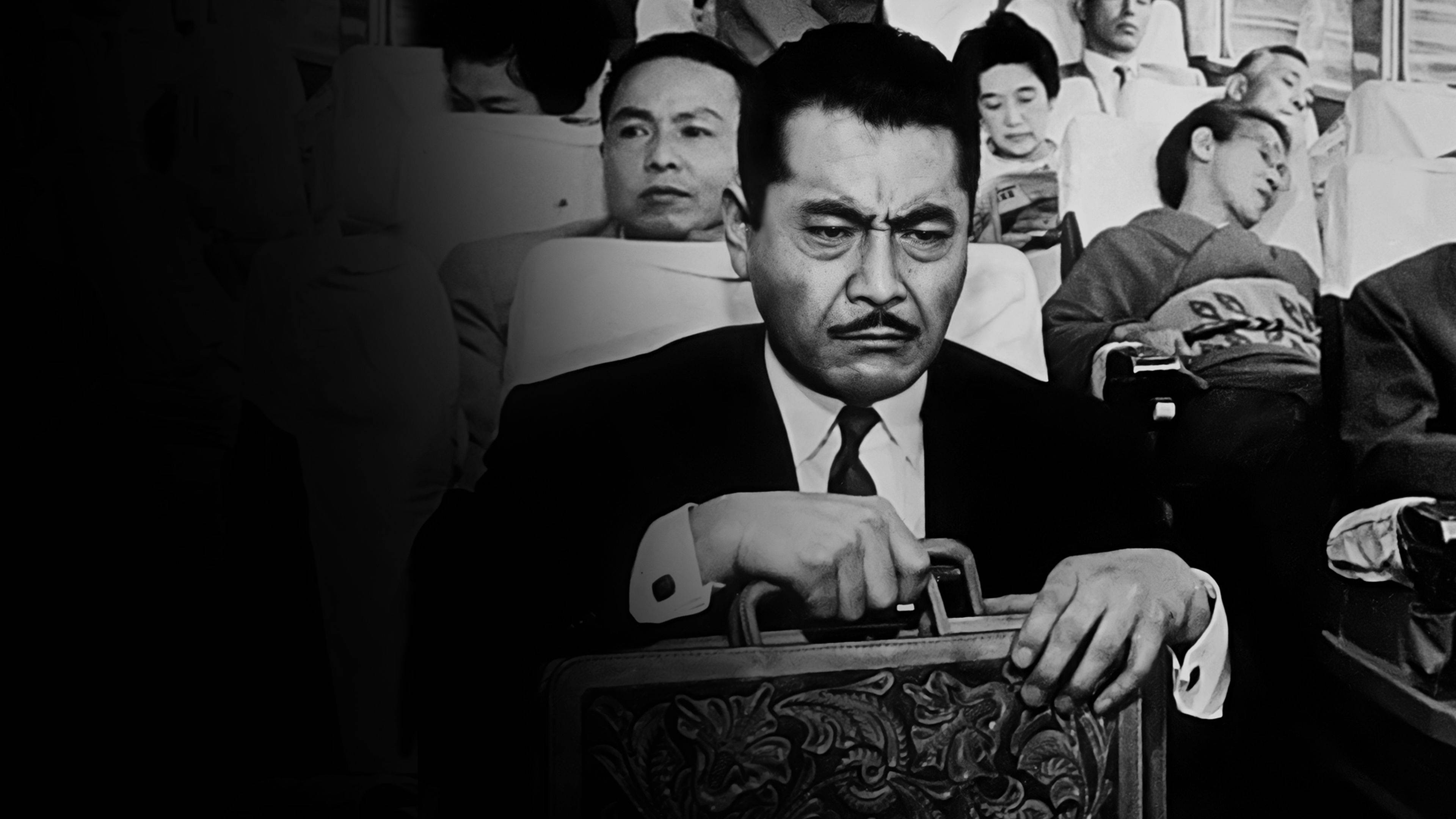
Akira Kurosawa’s High and Low is a crime film we would recommend to someone who usually avoids the genre. Its opening gives a tycoon’s moral choice the attention another thriller might reserve for the crime itself. Kingo Gondo, played by Toshirō Mifune, has to think, and Kurosawa makes us stay in the scene while he does it. That sounds like a modest basis for suspense. It proves enough to make the subsequent shift towards police work feel almost like a chance to breathe.
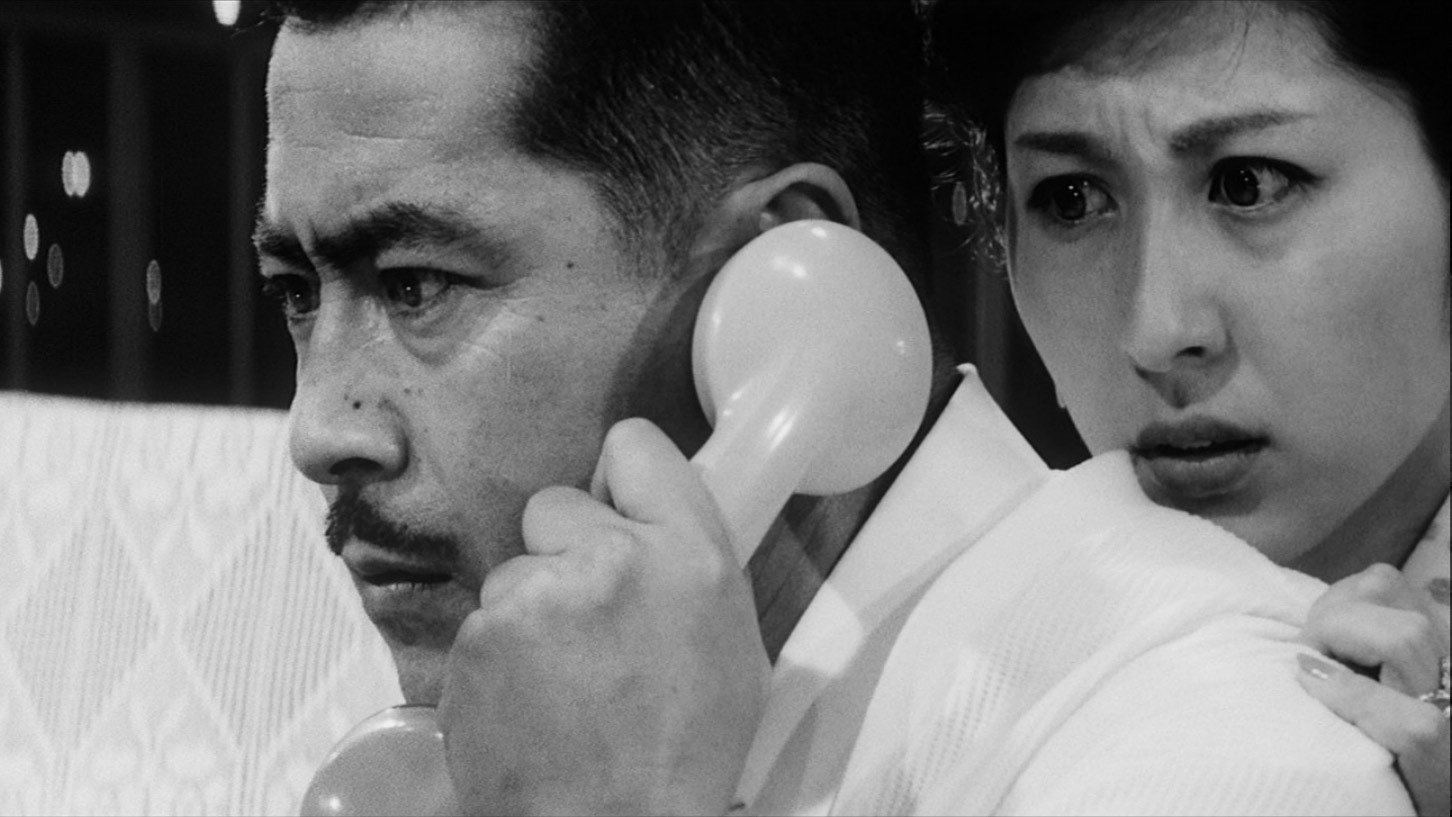
Mifune gives Gondo the assurance of someone accustomed to having his judgement accepted. His deliberation holds us because he does not make a decent choice look easy or automatic. We were unsettled by how readily we began making allowances for him. Mifune makes his hesitation seem reasonable, and Kurosawa lets it continue long enough for that sympathy to become uncomfortable. The performance keeps Gondo recognisably human while allowing us to judge him.
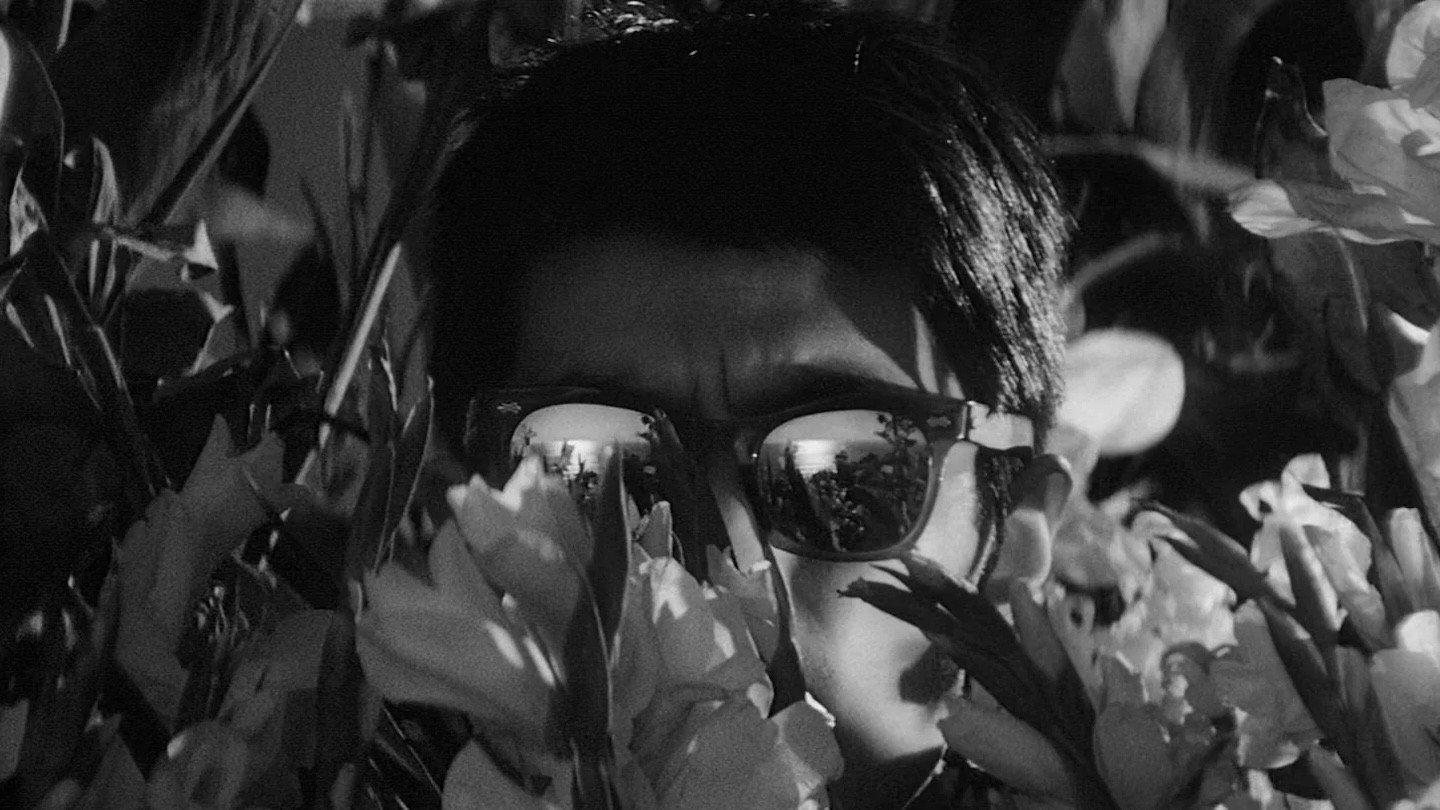
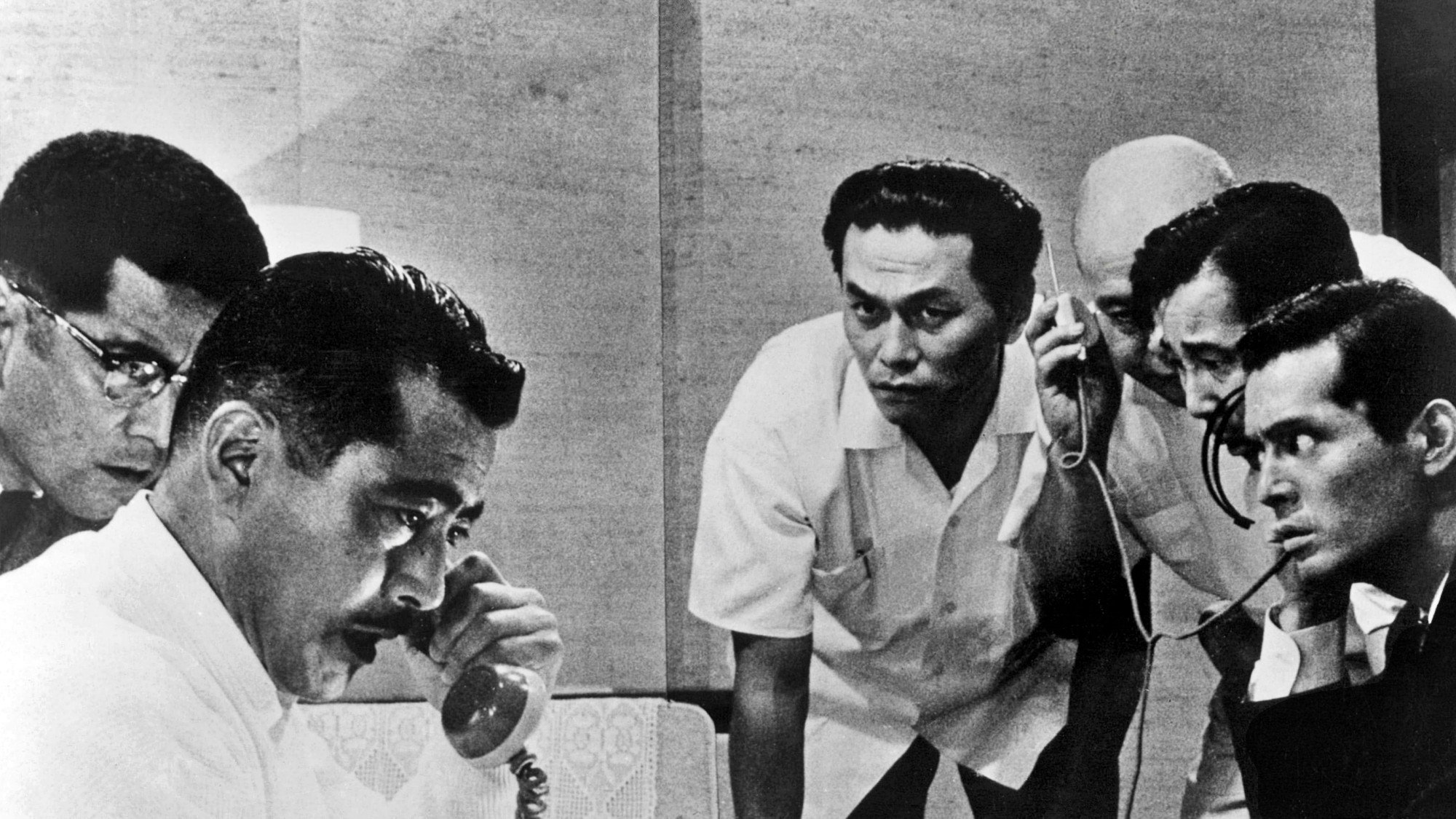
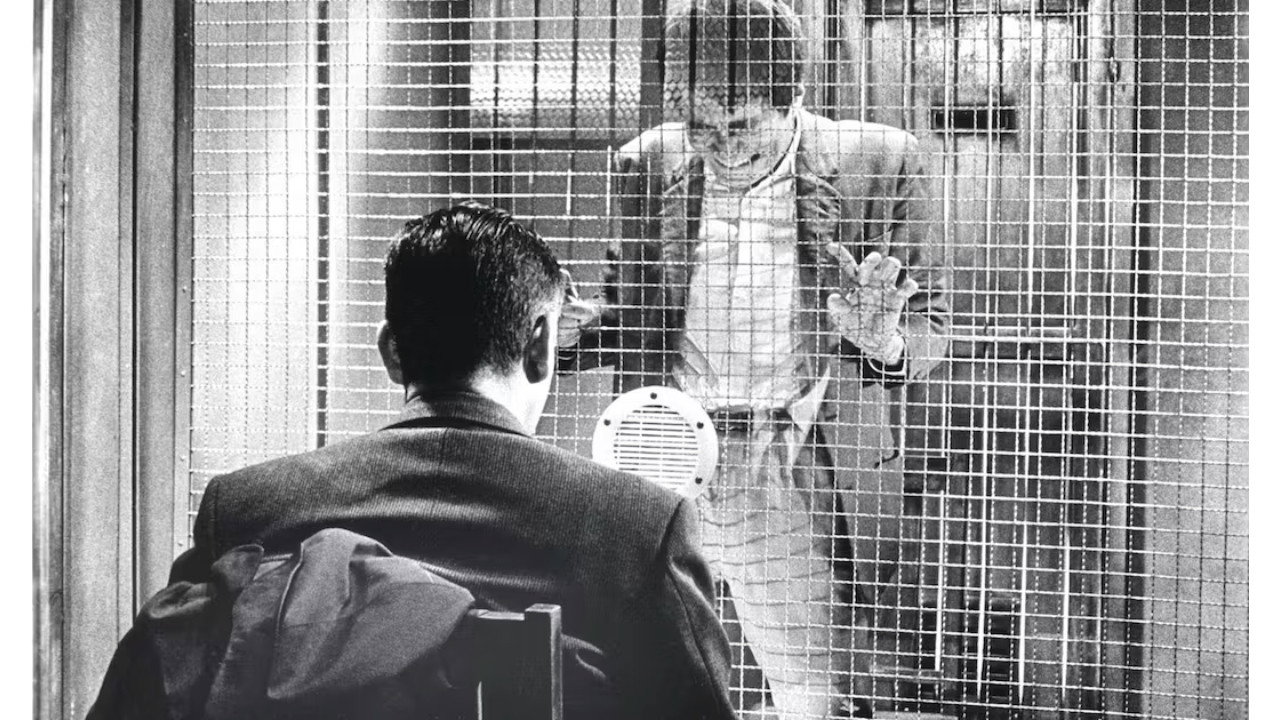
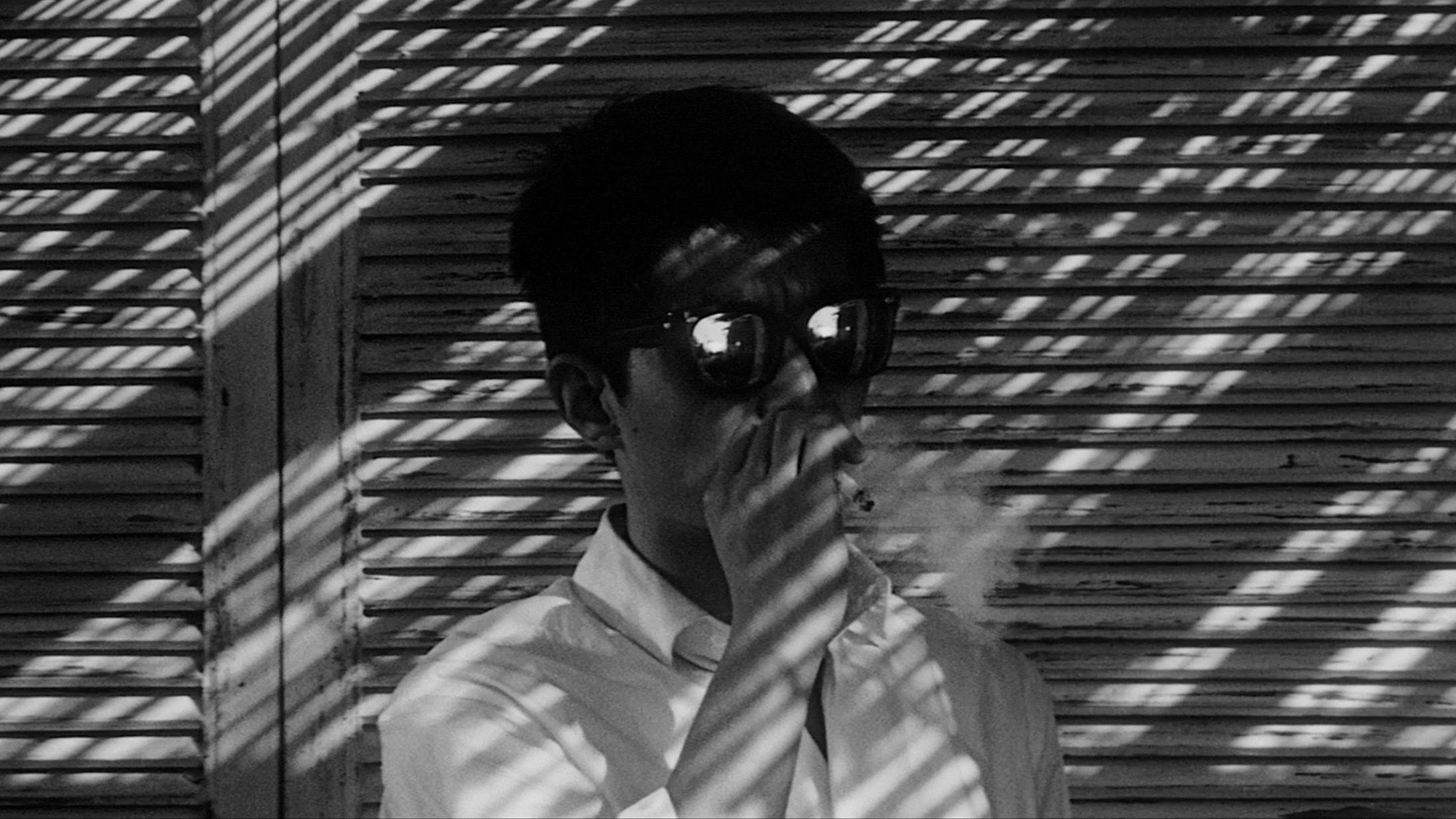
Cinematographers Takao Saitō and Asakazu Nakai deserve much of the credit for making the confined opening so watchable. Their framing makes the differences between the characters easy to feel, even before we have decided where our sympathies belong. Yoshirō Muraki’s production design gives Gondo’s surroundings a convincing sense of his social standing. The setting keeps his wealth present without distracting us from the difficult business of watching him deliberate, and the later contrasts of location give the film’s concern with class a broader reach.
The police investigation brings a different pleasure, with Tatsuya Nakadai as Chief Detective Tokura. Kurosawa is also the editor, and he handles the move from concentrated deliberation to detailed police work with confidence. We are given time to follow the investigation and appreciate the effort involved. Nakadai supplies an authority that needs little display, which suits a film prepared to find drama in professional thoroughness. The detectives’ work receives enough attention to become absorbing in its own right.
The change nevertheless costs the film something. Gondo’s dilemma makes every delay feel consequential, whereas some stretches of the investigation ask us to be satisfied simply because the work is being done properly. Kurosawa’s editing keeps those passages clear, but the tension does ease. A little less procedural patience would have helped, particularly after an opening in which waiting for a decision has proved so difficult.
Masaru Satō’s music helps sustain the thriller’s unease across that change of scale. It is effective support, although the most troubling moments belong to Mifune and the time Kurosawa gives him to deliberate. Detective films often depend on how badly we want a solution, and this one gives us an additional reason to pay attention. We have spent too long considering Gondo’s position to care only about what the police will discover next. Kurosawa makes that investment matter even when Gondo is no longer the immediate focus.
At 142 minutes, the film asks for sustained attention, and earns it. Its slower passages remain worth watching closely for the care taken over the investigation. Set aside the evening, and resist treating the arrival of methodical police work as permission to put the kettle on.