Film review

The Secret in Their Eyes

2009 · Directed by Juan José Campanella · 2h 10m · MPA R

In a sentenceRicardo Darín investigates a murder with considerably more confidence than he approaches his own love life

MysteryThrillerDrama

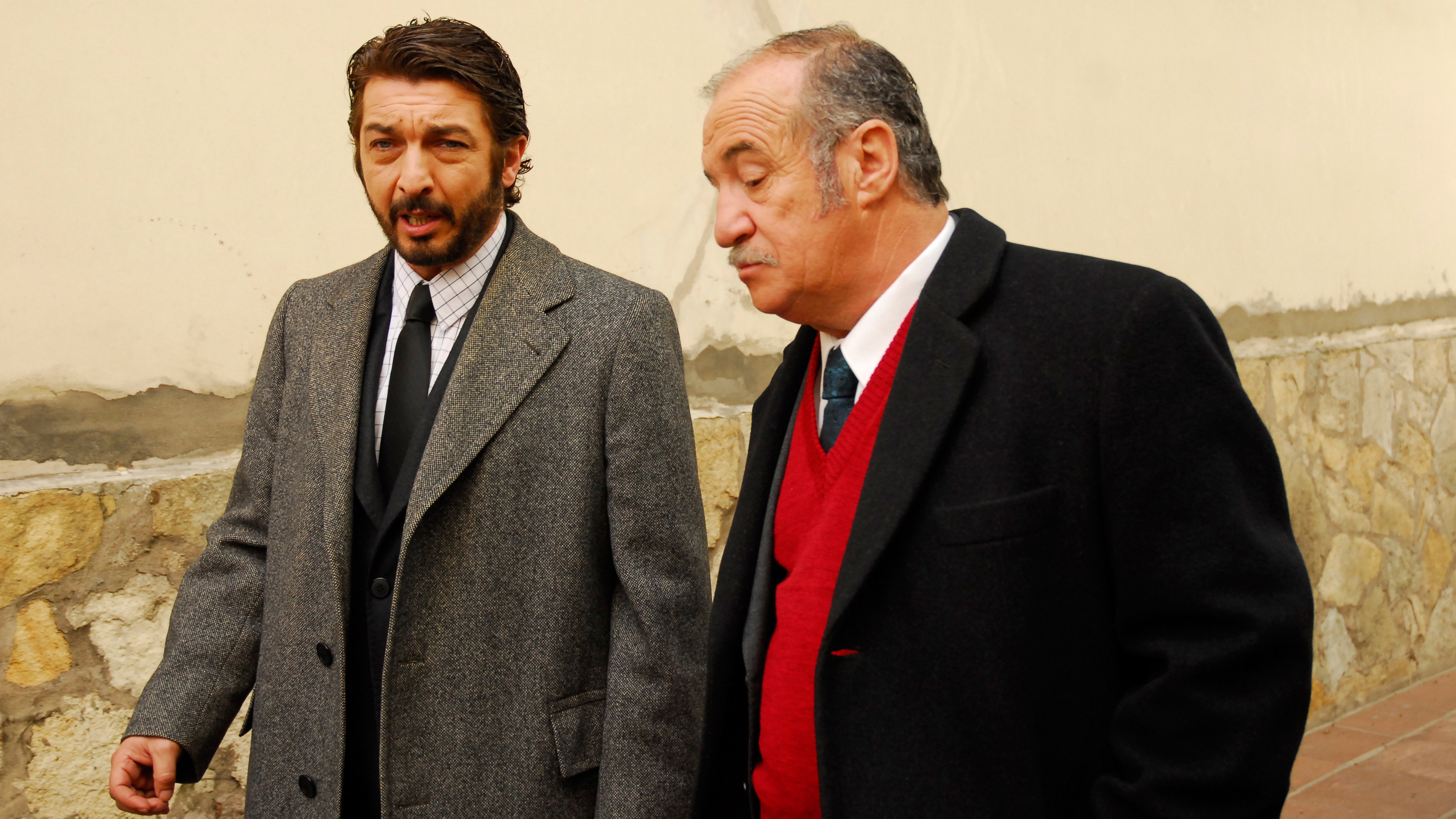
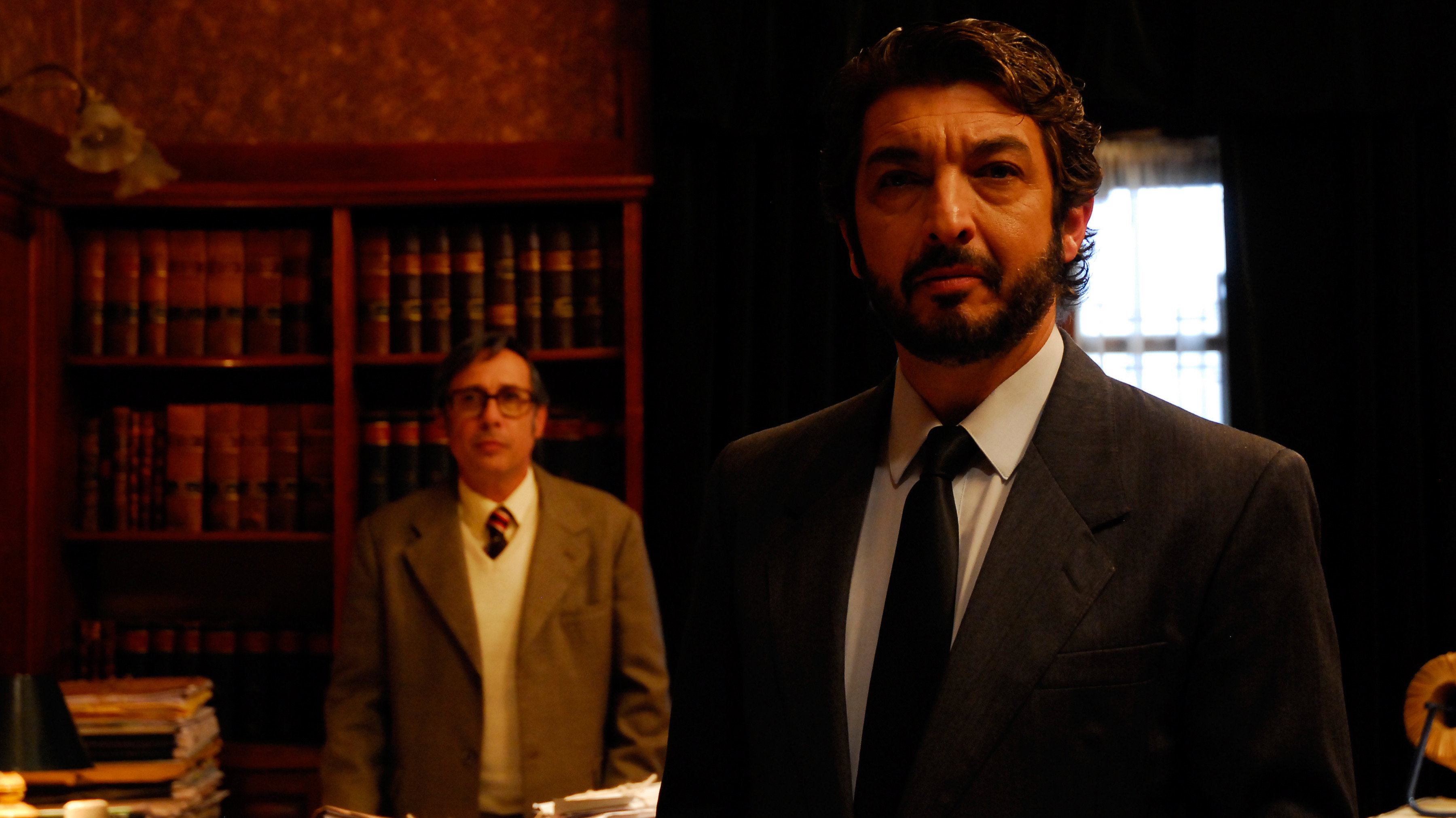
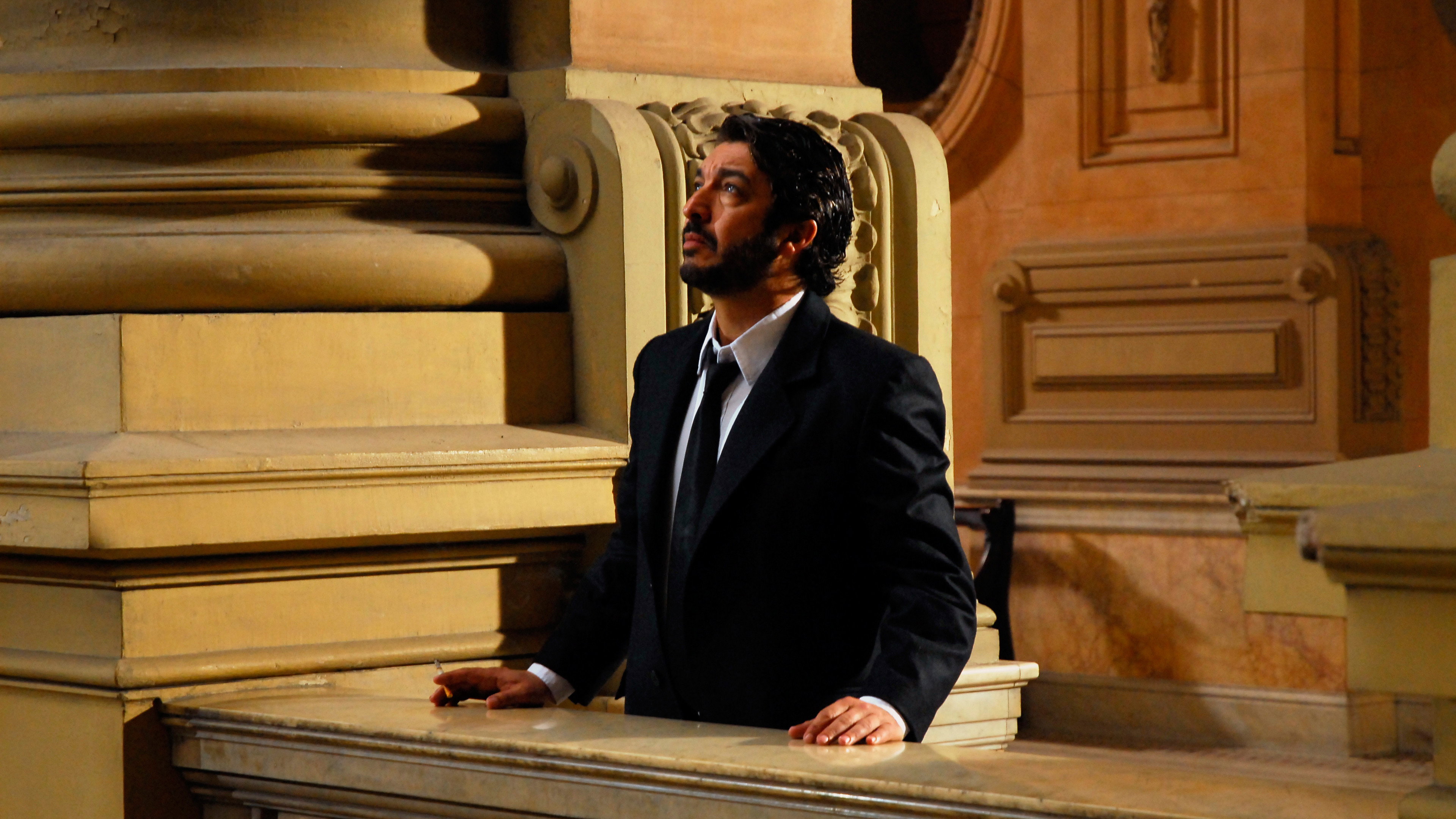
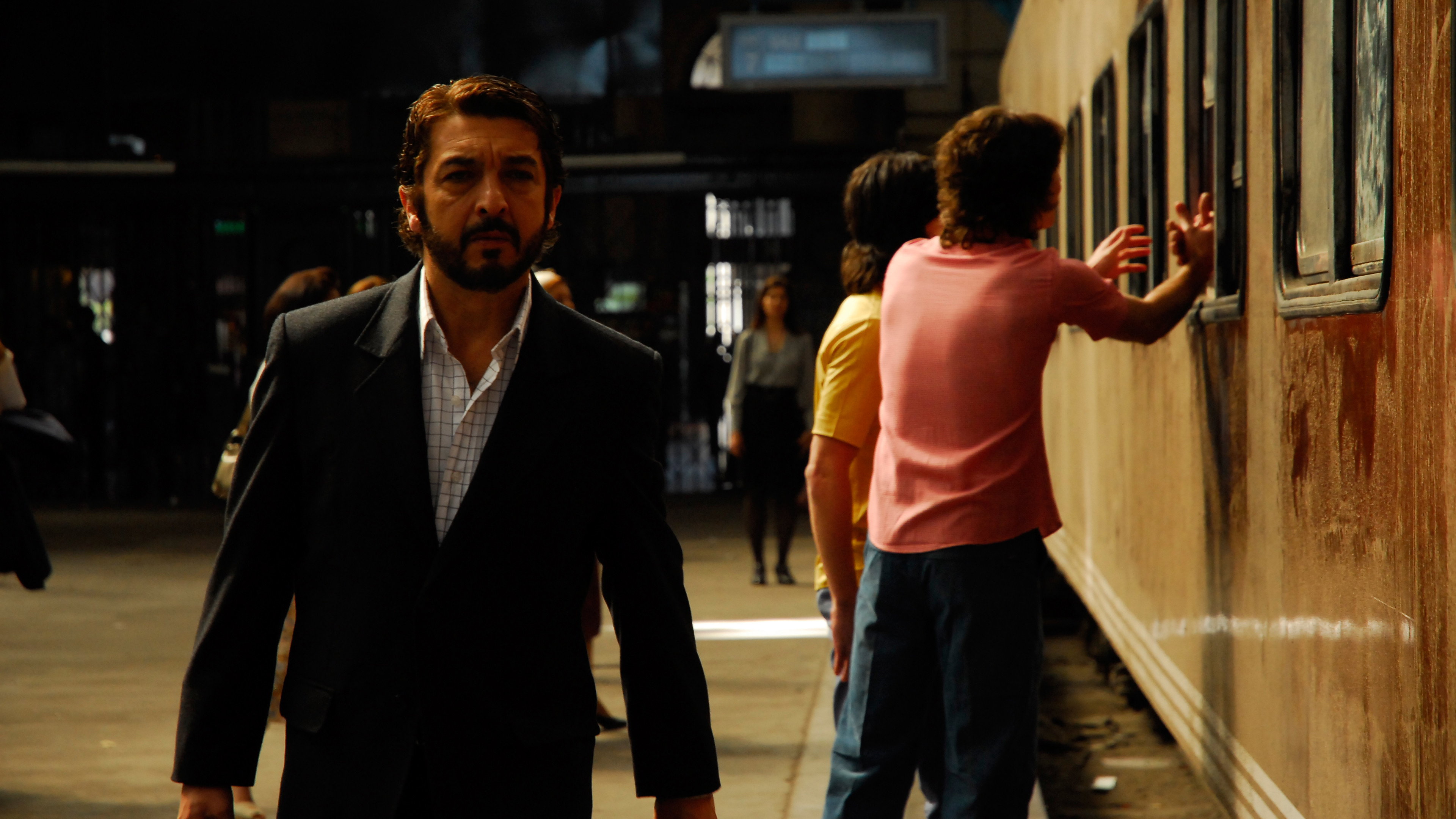
A murder investigation in Argentina draws Benjamín Espósito (Ricardo Darín) into a story of loss, frustrated love and unfinished business. Moving between past and present, the film follows a search for justice that becomes entangled with personal memories and the country’s history of dictatorship. Espósito is one of several people whose private lives remain bound to the case, as the police procedural develops alongside an unrequited romance. Soledad Villamil plays Irene Menéndez Hastings, with Guillermo Francella as Pablo Sandoval and Pablo Rago as Ricardo Morales. Juan José Campanella directs and co-writes with Eduardo Sacheri.

Plays from YouTube when you press play; nothing loads from them until then.

Fi1m review

The Secret in Their Eyes is a satisfying crime drama with performances that make its frustrated romance matter. The middle wanders and the music sometimes insists too hard, but the people hold our attention.

Juan José Campanella’s The Secret in Their Eyes is a good crime drama that gives its unrequited romance enough attention to make both stories matter. The murder inquiry moves between past and present, alongside memories that its characters cannot comfortably put away. Campanella and co-writer Eduardo Sacheri give the investigation room for comedy, grief and political unease. They occasionally ask the plot to carry too much. Still, the people involved remain worth following when the route becomes unnecessarily complicated.

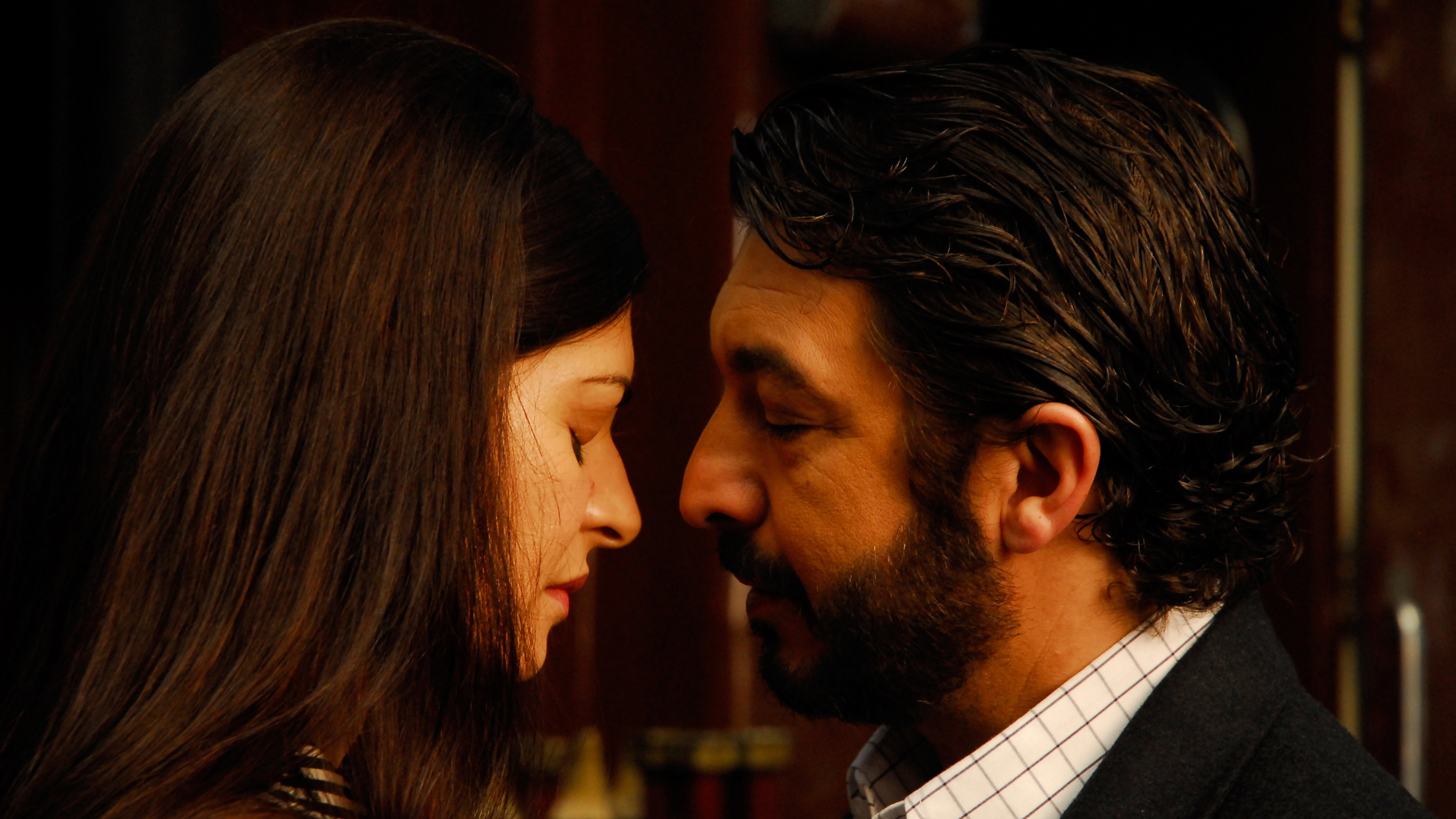
Ricardo Darín plays Benjamín Espósito with a reserve that could easily have made him dull. Instead, the performance suggests the effort involved in keeping an expression under control, especially when feelings threaten to become obvious. Soledad Villamil’s Irene Menéndez Hastings is a strong presence beside him, and their chemistry gives the frustrated love story a reason to occupy so much of the film. We believe in the attraction without needing it announced at every opportunity. The restraint also allows the humour to arrive without making either character seem foolish.

The Argentine setting matters because the search for justice takes place against a history of dictatorship and political violence. The screenplay connects that public history to private lives without requiring every exchange to become a lesson. There is something troubling in how readily a familiar procedural can accommodate such a setting. Institutions that a crime drama might ordinarily ask us to trust cannot simply be taken on their word here. That uncertainty gives the investigation some of its bite.

Cinematographer Félix “Chango” Monti’s football-stadium chase is the conspicuous technical attraction. The continuous shot makes the size of the place a source of suspense, allowing the pursuit to develop without the usual relief of a cut. We were tense watching it, because finding one person in that crowd looks difficult enough before anyone has to catch him. The sequence earns its place as a thriller set piece, though it is also the point at which the film seems most keen to impress. The quieter scenes survive the comparison because the cast remains so watchable.

Campanella also edits, and the shifts in time are generally easier to follow than the changes in tone. The comedy helps these people feel companionable, but the move back towards violence can be abrupt. In the middle, the leisurely pace begins to feel like reluctance to leave material behind, and some of Campanella and Sacheri’s complications are more dutiful than surprising. The film runs 130 minutes; it has enough human interest to justify a substantial length, though not every detour earns its keep. A firmer cut would have helped.

The music by Federico Jusid and Emilio Kauderer is less persuasive when it presses the romance towards melodrama. Darín and Villamil have already supplied the feeling, and the score can make their work seem less delicate than it is. Campanella’s fondness for embellishment extends beyond the soundtrack, particularly when the storytelling becomes emphatic. This does not undo the performances. It does occasionally make us wish he would leave a moment alone and let the actors finish it.

As a mystery, it belongs to the familiar tradition of an investigation becoming personal, and we need not mistake that familiarity for a fault. It asks us to spend time with people whose hesitation matters as much as their ability to solve a case. The performances make that a fair request. We recommend it for an evening when the conversations are as much of a draw as the chase, with some patience reserved for the middle.

Critical consensus AI synthesised

65
Positive
7
Mixed
0
Negative
3

Most critics respond warmly to the film’s blend of murder mystery, frustrated romance and political history, with praise clustering around Ricardo Darín’s restrained performance and the cast’s chemistry. Supporters find the shifts between past and present emotionally involving, and see substance in the treatment of memory, justice and Argentina’s dictatorship. The photography and stadium chase also draw repeated praise, with the latter impressing even some critics who resist the drama around it.

The spread is wide, however, and reservations concern more than occasional implausibility. Several reviews find the plotting loose, the pace leisurely or the sentiment overdone; The Skinny admires Darín and the stylish direction but finds the thriller flabby and unconvincing. The handling of tone is particularly divisive: Eye for Film praises the changes of direction, while The New York Times finds the mood shifts and twists over-embellished. Time Out goes further, judging the themes shallow and the rewards insufficient.

Little White Lies
12 August 2010 · 4/4/4 · Clemmy Manzo
80

A stylish and intelligent Argentine period noir with hardboiled thrills, strong cast chemistry and beautiful cinematography that explores passion, memory, regret and justice. The unrequited love story and murder mystery grip throughout despite some obvious plotting.

Read the full review →
Radio Times
· Alan Jones
80*

A taut thriller and unrequited love story that indicts Argentina's military junta past, with beautifully shaded performances especially from Darín and a suspenseful stadium chase scene in an intelligently touching spellbinder.

Read the full review →
The AV Club
15 April 2010 · B- · Scott Tobias
70

The review finds the film intelligent but conventional, an actor’s showcase with glossy values that is a little too polite and lacks passion and memorable images. It praises the adult puzzle about love, loss, justice, and memory but notes Campanella keeps the material at arm’s length.

Read the full review →
Time Out
10 August 2010 · Dave Calhoun
30*

An enormously pretentious time-hopping police procedural with naff music and shallow themes of injustice and true love that ultimately offers not enough reward despite diverting elements like the stadium chase.

Read the full review →
Slant Magazine
14 April 2010 · ★/4
25

The critic dismisses the film as playing like a Law & Order episode that only passes for high art because it is foreign, calling it a bad film regardless of language. It singles out the formulaic structure, lack of originality, and Academy’s poor judgment in awarding it an Oscar.

Read the full review →
Empire
20 July 2010 · Kim Newman

The critic calls it an enthralling and profoundly human piece of cinema with a heart, comparing it favourably to top Law & Order episodes set in a fascist state. Standout elements include Ricardo Darín’s lead performance and a breathtaking stadium chase sequence.

Read the full review →

Cast

Stills

Awards

Academy Awards, 2010

Won
Best International Feature Film

European Film Award for Best Film, 2010

Nominated
European Film Award for Best Film

International Submission to the Academy Awards, 2010

Nominated
International Submission to the Academy Awards

If you liked this, try…

Brief Encounter poster90

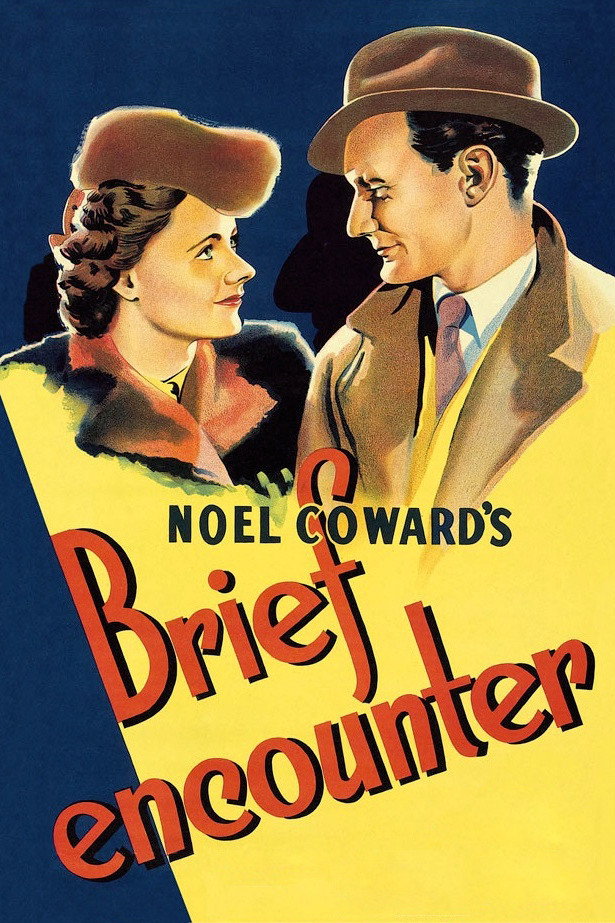
Brief Encounter

1945 · For the aching restraint of people who cannot say what they mean.

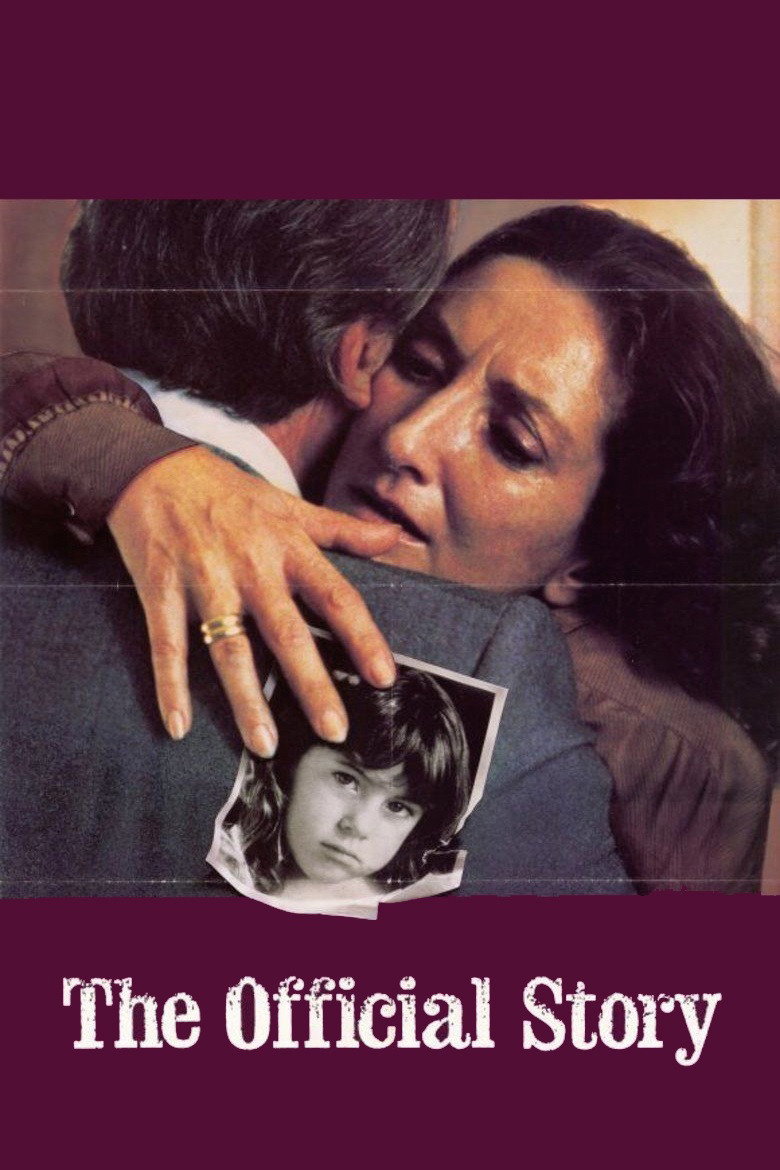
The Official Story poster

The Official Story

1985 · Another Argentine drama in which private lives cannot escape political violence.

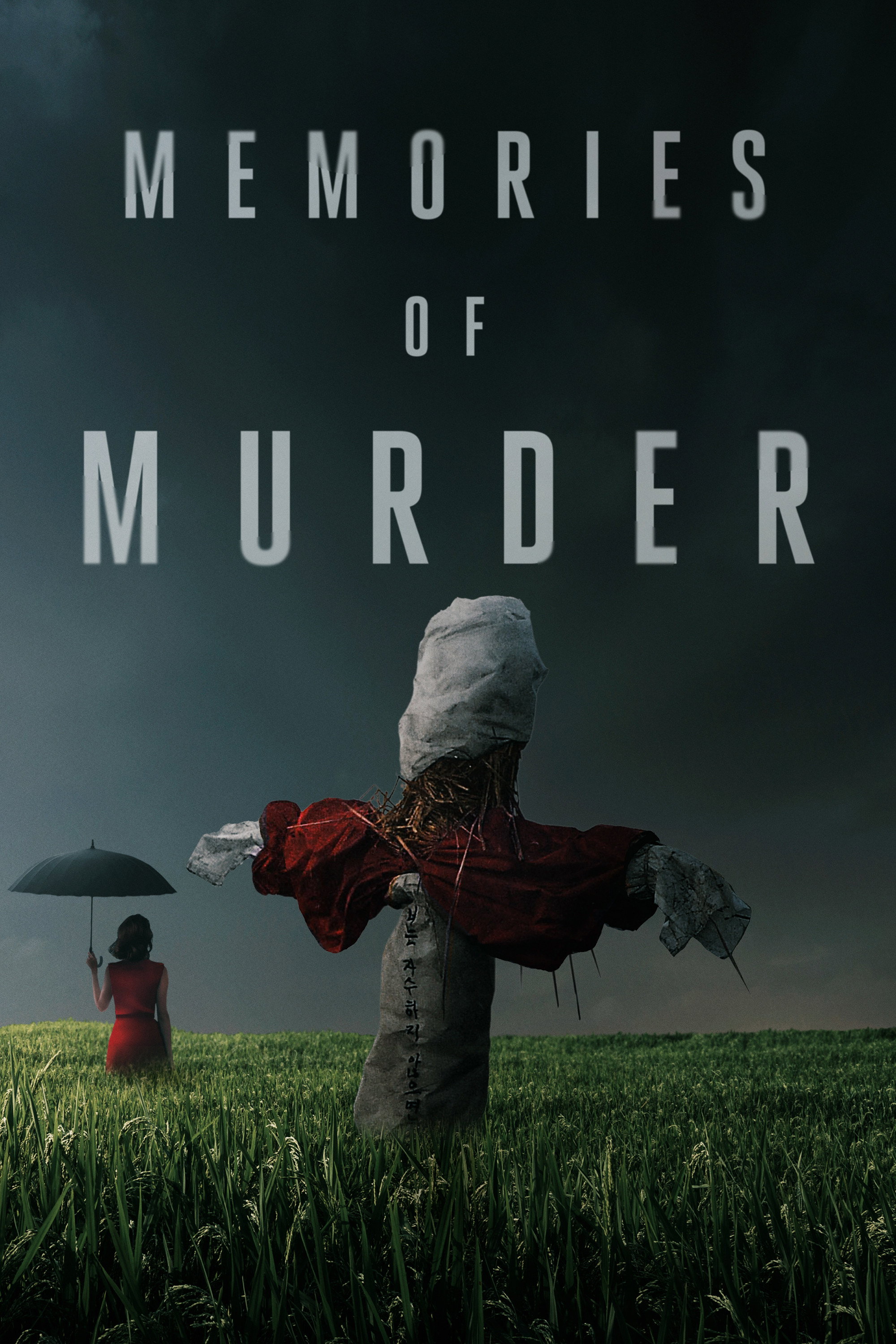
Memories of Murder poster

Memories of Murder

2003 · A murder inquiry with uneasy humour and an increasingly troubling search for certainty.

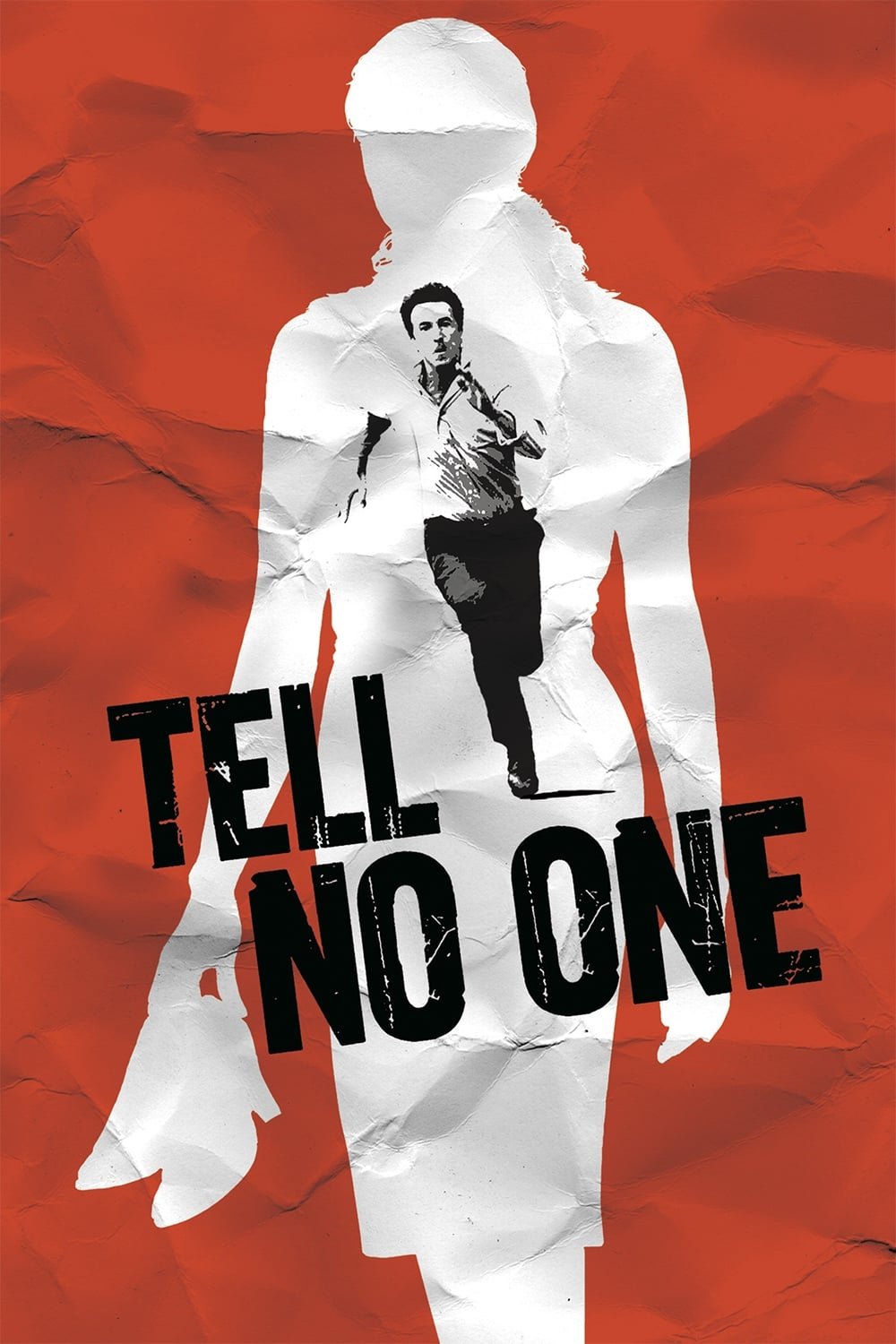
Tell No One poster

Tell No One

2006 · A personal loss drives a mystery whose complications reward close attention.

The Vanishing poster

The Vanishing

1988 · A colder account of the damage done by needing an answer.