Carol Reed’s mystery is gripping, funny and alert to the harm friendship can excuse. Joseph Cotten makes its writer worth caring about, though a few relationships deserve more space amid the intrigue.
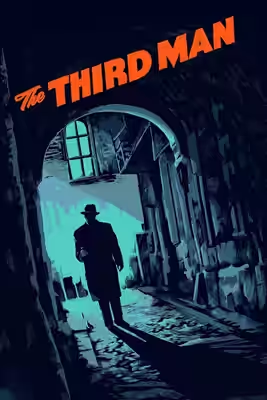
Carol Reed’s The Third Man is a thriller we would recommend even to someone with little patience for mysteries. Graham Greene gives it a pulp writer, Holly Martins, investigating the death of his friend Harry Lime in occupied, post-war Vienna. Writing such stories might seem useful preparation, but it does not make Martins a reliable judge of people. Reed makes the enquiry gripping while keeping us alert to how much Martins wants to believe.
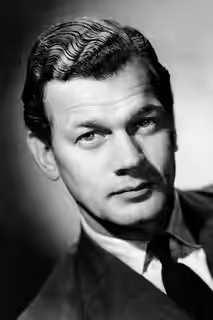
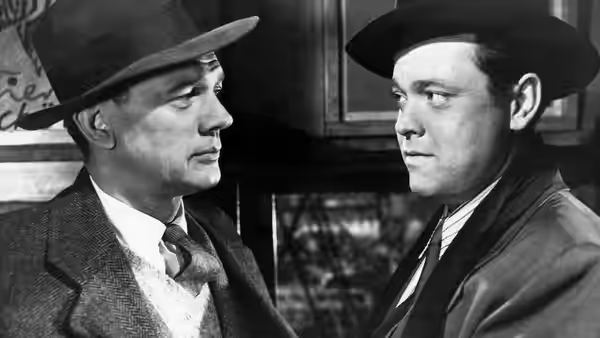
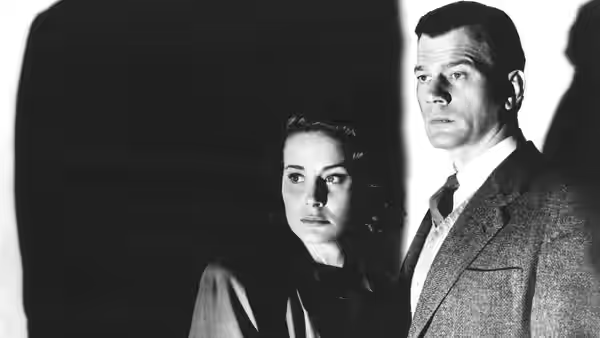
Joseph Cotten is crucial to that balance. His Martins has enough decency for us to care about his investigation and enough misplaced confidence to make us worry about it. Cotten allows the awkwardness to show without asking us to dismiss the man as a fool, which keeps the humour from becoming cruel. Greene’s interest in personal responsibility becomes more troubling because the person doing the asking has a friendship to protect.
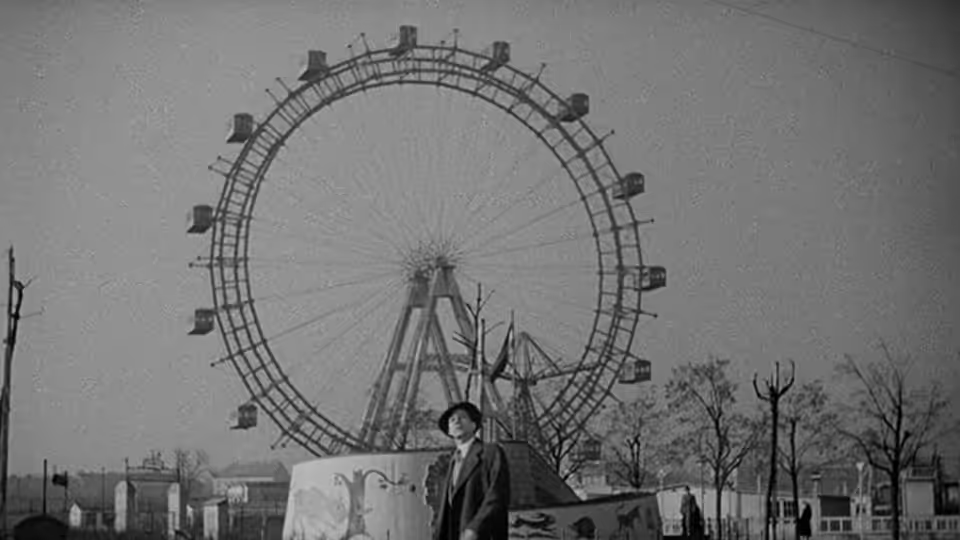
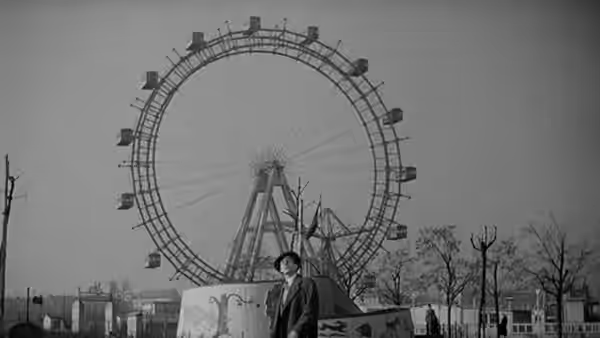
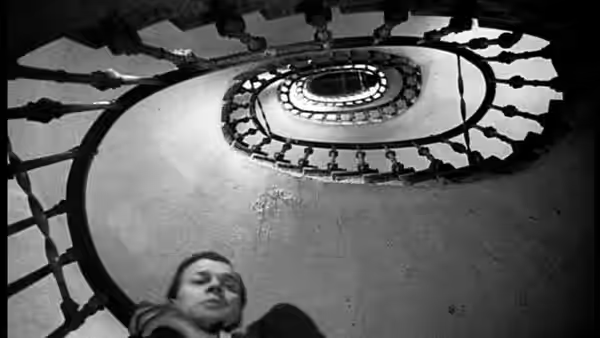
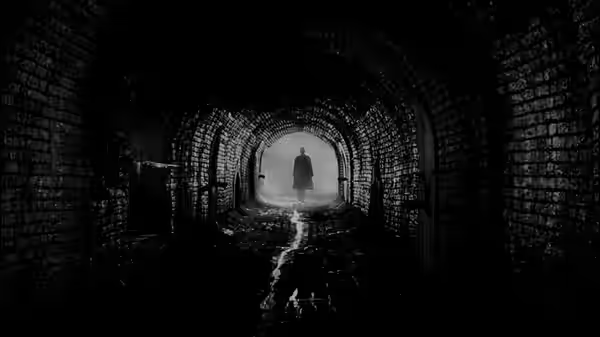
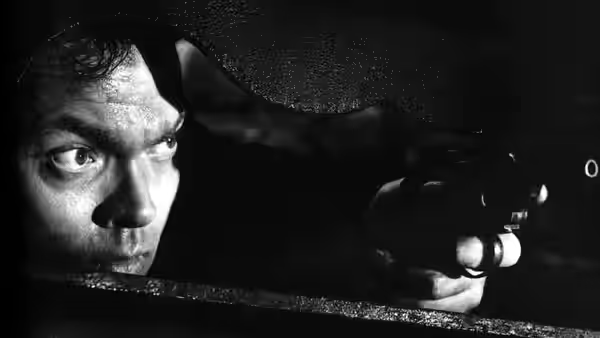
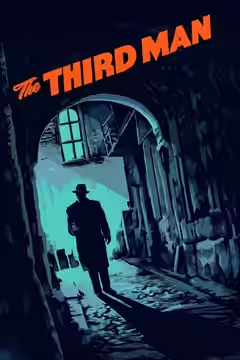
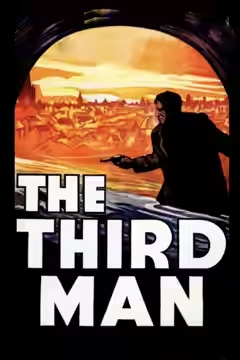
Robert Krasker’s photography gives Vienna a physical menace through tilted views, dark streets and shadows that make the buildings difficult to read. Reed’s location work among real rubble matters just as much as the lighting. The damage is already there, so the film does not need to keep announcing what the city has been through. We can admire the arrangements of light and still believe that people have to live in these streets.
Anton Karas’s zither keeps this from becoming oppressively solemn. It sounds almost indecently cheerful in a city where corruption is part of ordinary life. We were unsettled by that cheerful sound over the ruined streets, because it seemed so comfortable there. The tune can be insistent, but its humour belongs in a film that finds so much comedy in a man’s confidence that he understands the situation.
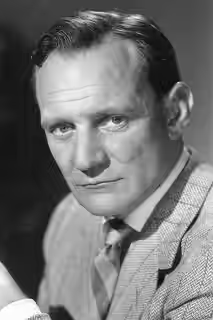
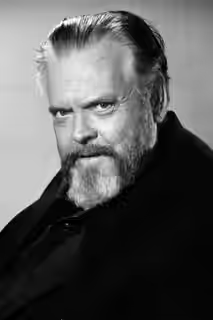
Alida Valli’s Anna Schmidt and Trevor Howard’s Major Calloway make useful company for Cotten because neither performance exists simply to confirm his importance. Howard has a firmness that Cotten’s uncertainty needs, while Valli brings feeling to relationships the screenplay sometimes leaves underdeveloped. That is a limitation: we understand their place in the mystery more fully than their history. Orson Welles, as Harry Lime, supplies the charisma the part requires, and Cotten’s less showy work remains essential.
Oswald Hafenrichter’s editing keeps the investigation clear enough to follow without removing the pleasure of having to pay attention. The pace gives the actors room, and Greene’s tightly plotted screenplay avoids becoming a mere procession of clues. Reed is less restrained about camera angles, some of which make us notice the tilt before we notice the person in the shot. That is a small irritation, but a film this assured hardly needs so many reminders that something is wrong.
The Third Man belongs with the noir thrillers that remain worth watching after the novelty of their mysteries has gone. We keep returning to the people, and to Greene and Reed’s awkward questions about what loyalty excuses and what it ought to demand. At 105 minutes, the film gives those questions room without wearing out its welcome. Give it an uninterrupted evening and leave the plot summaries alone.