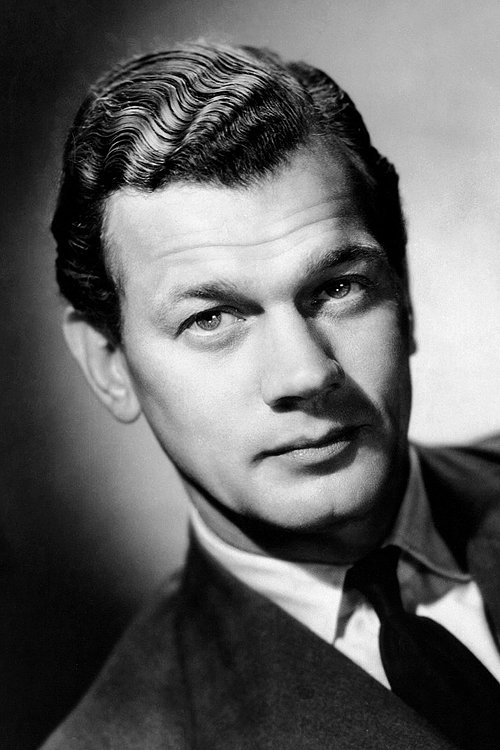
Joseph Cotten can suggest trouble without losing his gentlemanly ease. We rate him most highly as the decent man whose judgement cannot quite be trusted, played with enough warmth that we want him to get things right.
Fi1m perspective
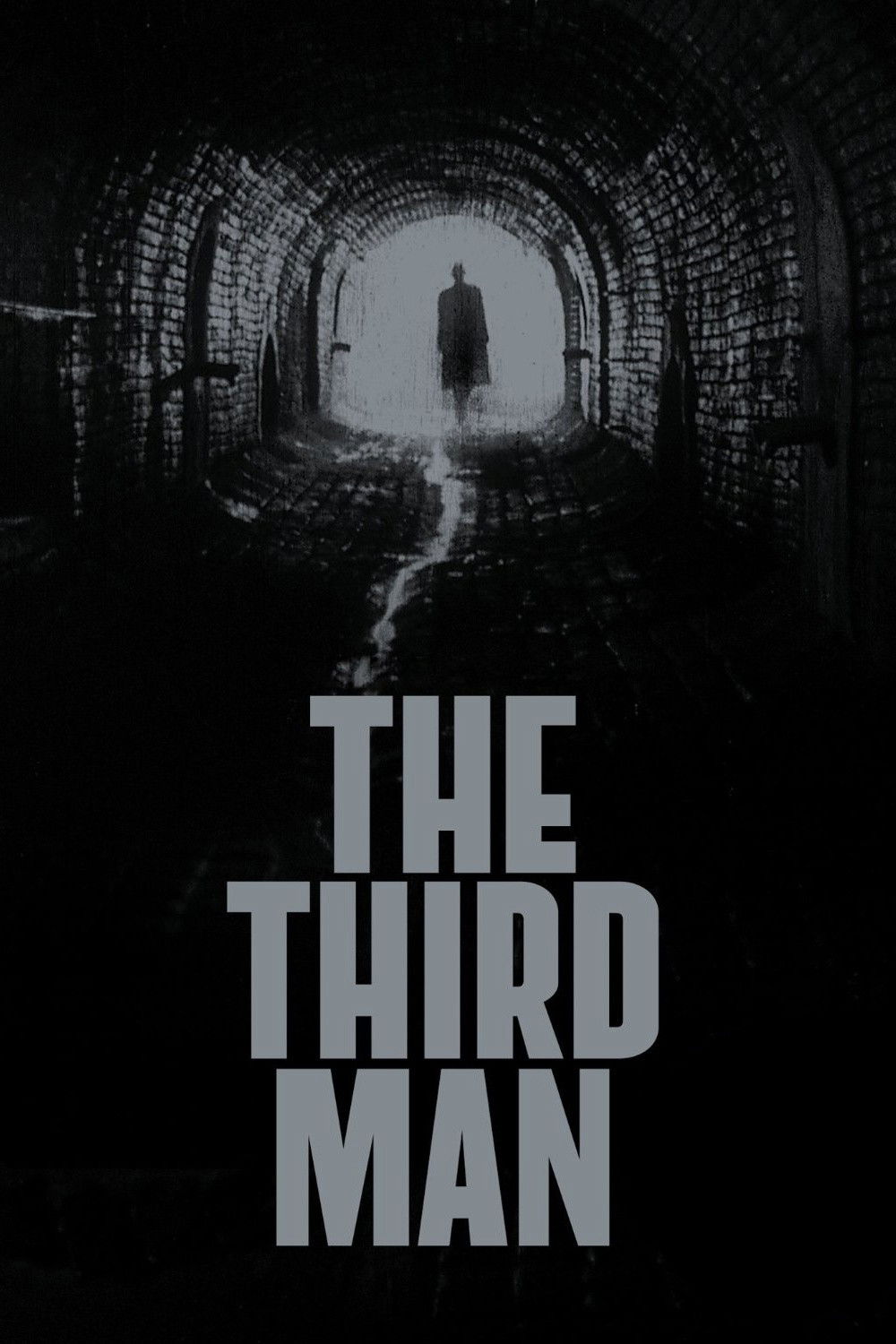
In The Third Man (1949), Joseph Cotten lets Holly Martins’s confidence run ahead of his understanding. The writer’s awkwardness is funny, but Cotten gives him enough decency that we cannot simply enjoy seeing him wrong-footed. We worried about Martins because his investigation matters to him as a friend, and Cotten makes that loyalty recognisable even when his judgement falters. That is where we value Cotten most: he can let a man look mistaken without asking us to stop caring about him.
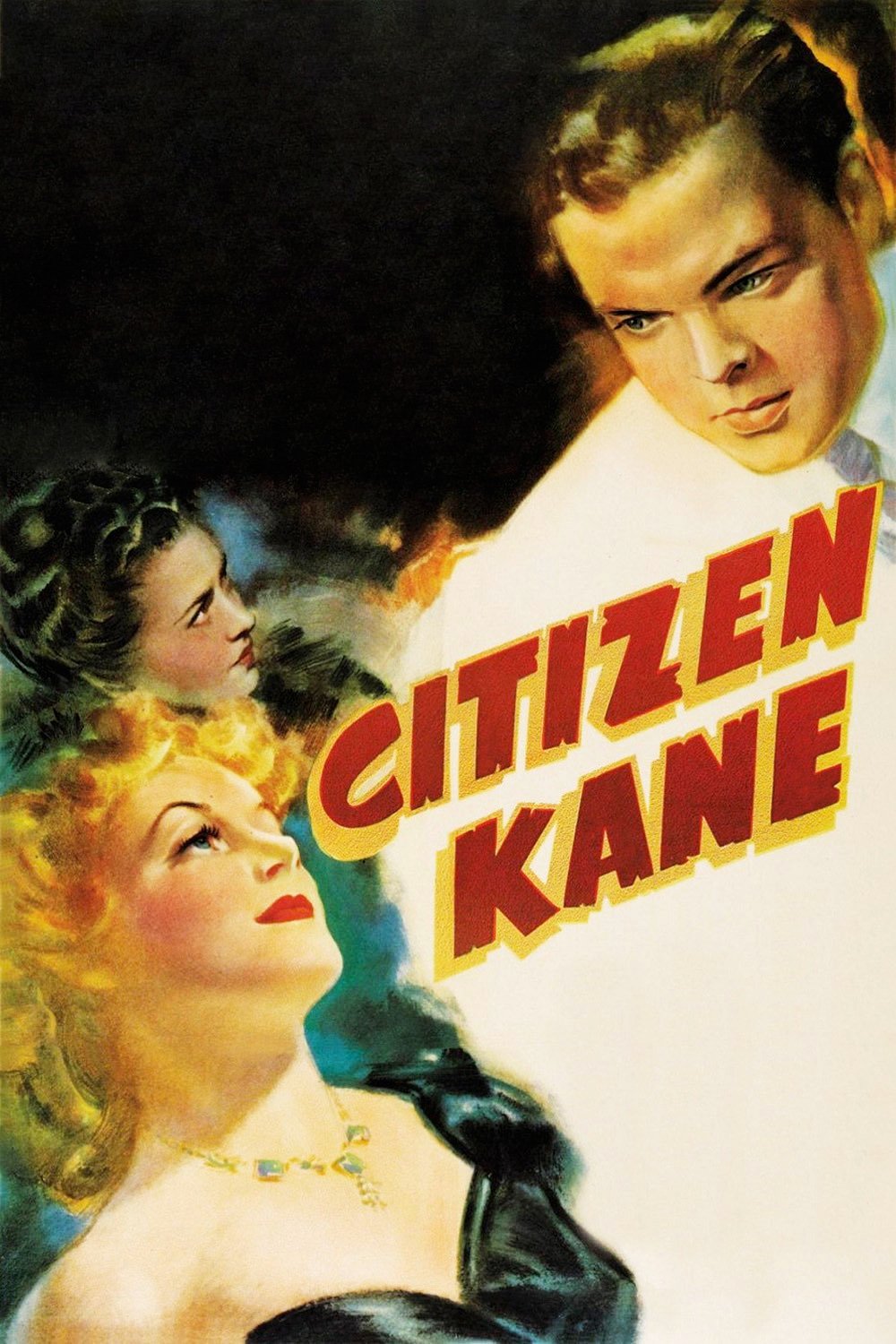
Citizen Kane (1941), his Hollywood debut as Jedediah Leland, began the screen partnership with Orson Welles that helps define his work. They worked together again on The Magnificent Ambersons (1942), with Cotten as Eugene Morgan, before reuniting in The Third Man. His relaxed delivery and trace of Southern inflection suit the friend or observer who need not compete for attention. The leading roles of the 1940s also found other uses for that gentlemanly manner. He was the sinister Uncle Charlie in Alfred Hitchcock’s Shadow of a Doubt (1943) and a romantic lead opposite Jennifer Jones in Portrait of Jennie (1948).
Under Carol Reed’s direction in The Third Man, Cotten’s uncertainty benefits from Trevor Howard’s firmness as Major Calloway. Alida Valli’s Anna Schmidt has feelings that do not exist merely to confirm Martins’s importance, while Welles gives Harry Lime the required charisma. We would give some of those relationships more space; the mystery tells us more about their purpose than their history. Cotten remains essential beside Welles’s showier performance because he makes the questions about responsibility matter to someone with a friendship to protect.
He moved towards character parts and television from the 1950s, with the later films often offering weaker scripts. Reliable acting could not make that material worth the same attention. We would not mistake his ease for a reason to watch everything he appeared in. Start with The Third Man, then try Shadow of a Doubt for a less reassuring use of those good manners.
Biography
Joseph Cotten was an American actor of stage and film. He rose to prominence on Broadway, appearing in the original productions of The Philadelphia Story (1939) and Sabrina Fair (1953). He worked extensively with Orson Welles and the Mercury Theatre, which led to film roles including Jedediah Leland in Citizen Kane (1941) and Holly Martins in The Third Man (1949).
Cotten's other notable screen credits include Eugene Morgan in The Magnificent Ambersons (1942), Uncle Charlie in Shadow of a Doubt (1943), Brian Cameron in Gaslight (1944) and Eben Adams in Portrait of Jennie (1948). He was born on 15 May 1905 in Petersburg, Virginia, and died on 6 February 1994 in Los Angeles, California.