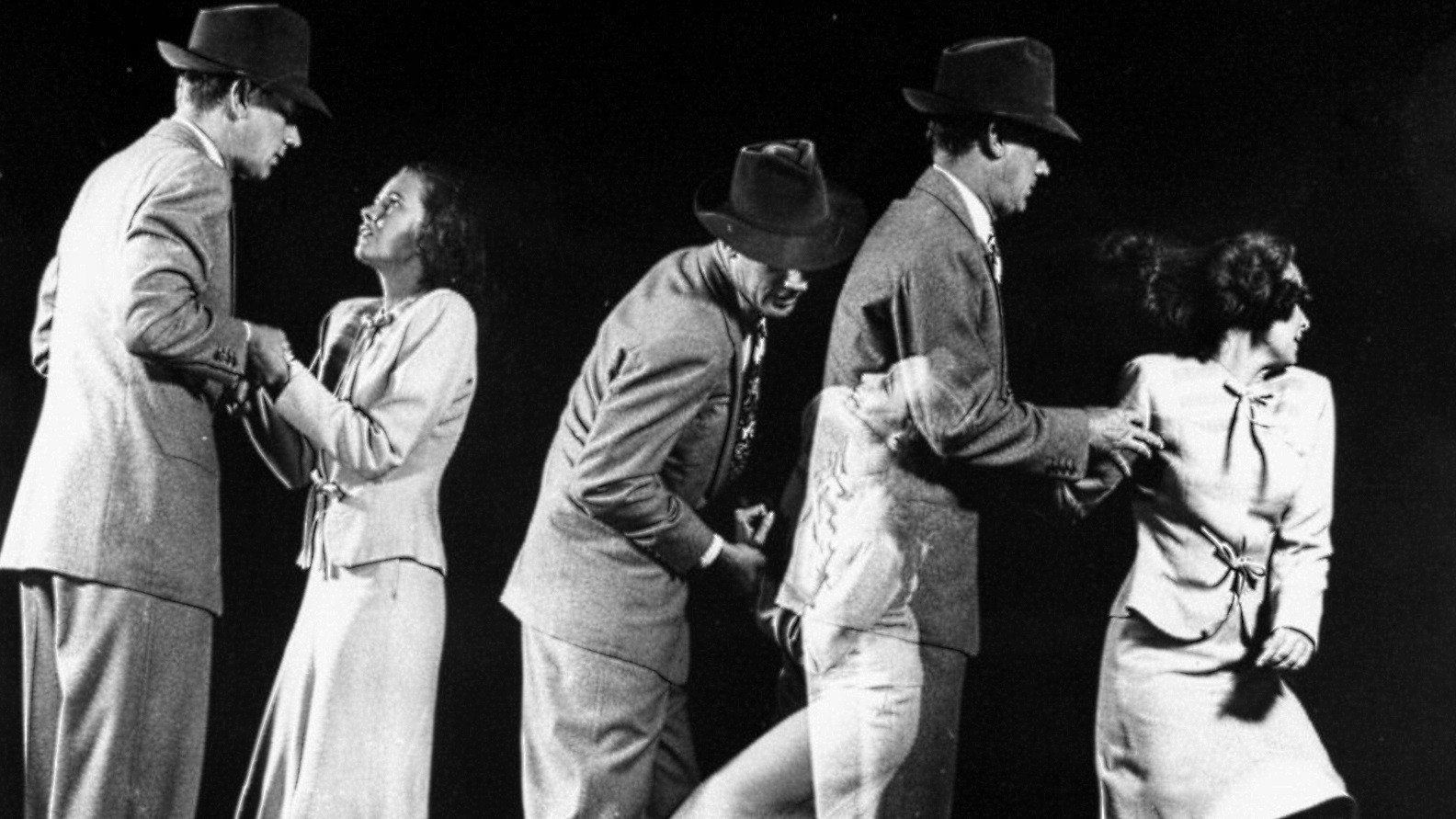
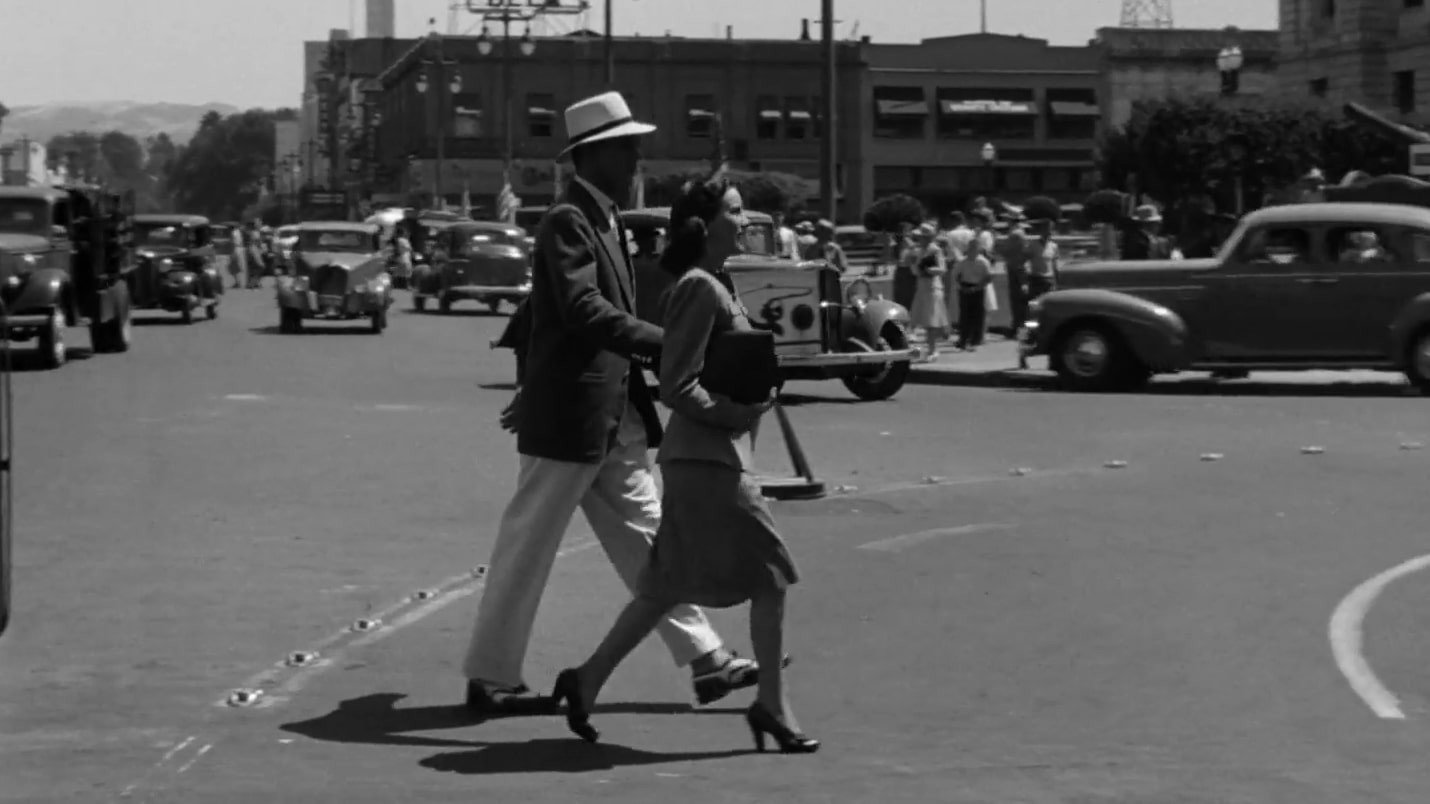
Alfred Hitchcock makes family affection a source of suspense, with Teresa Wright and Joseph Cotten giving the danger an uncomfortable intimacy. A few convenient plot turns matter less than the difficulty of distrusting someone everyone welcomes.
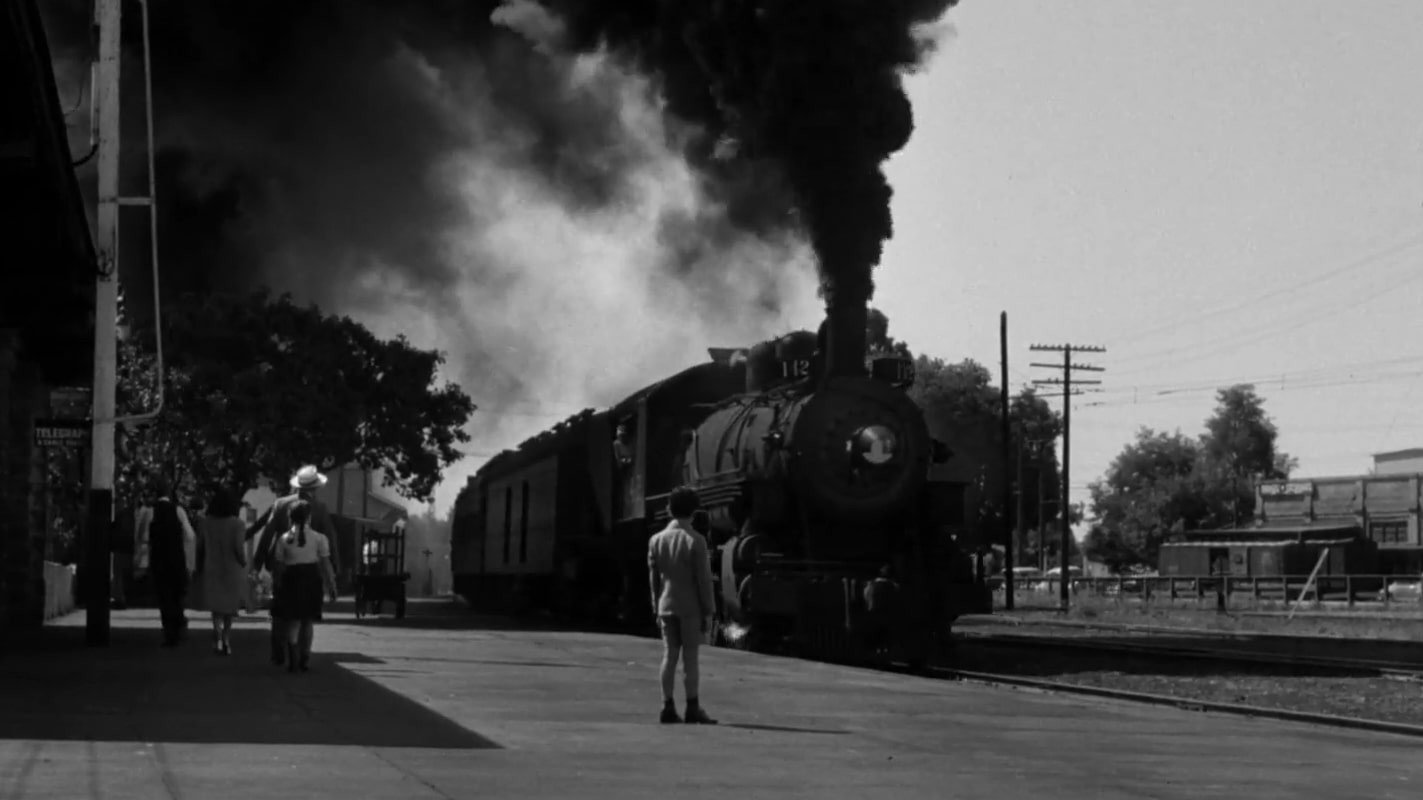
Alfred Hitchcock’s Shadow of a Doubt is an unnerving thriller about the difficulty of suspecting someone the family is pleased to see. We recommend it well beyond the usual audience for murder mysteries, despite some convenient plotting. Its small American town matters because there is so much ordinary goodwill for a charming visitor to take advantage of. The central relationship makes the suspense painful: the niece has to question someone she loves.
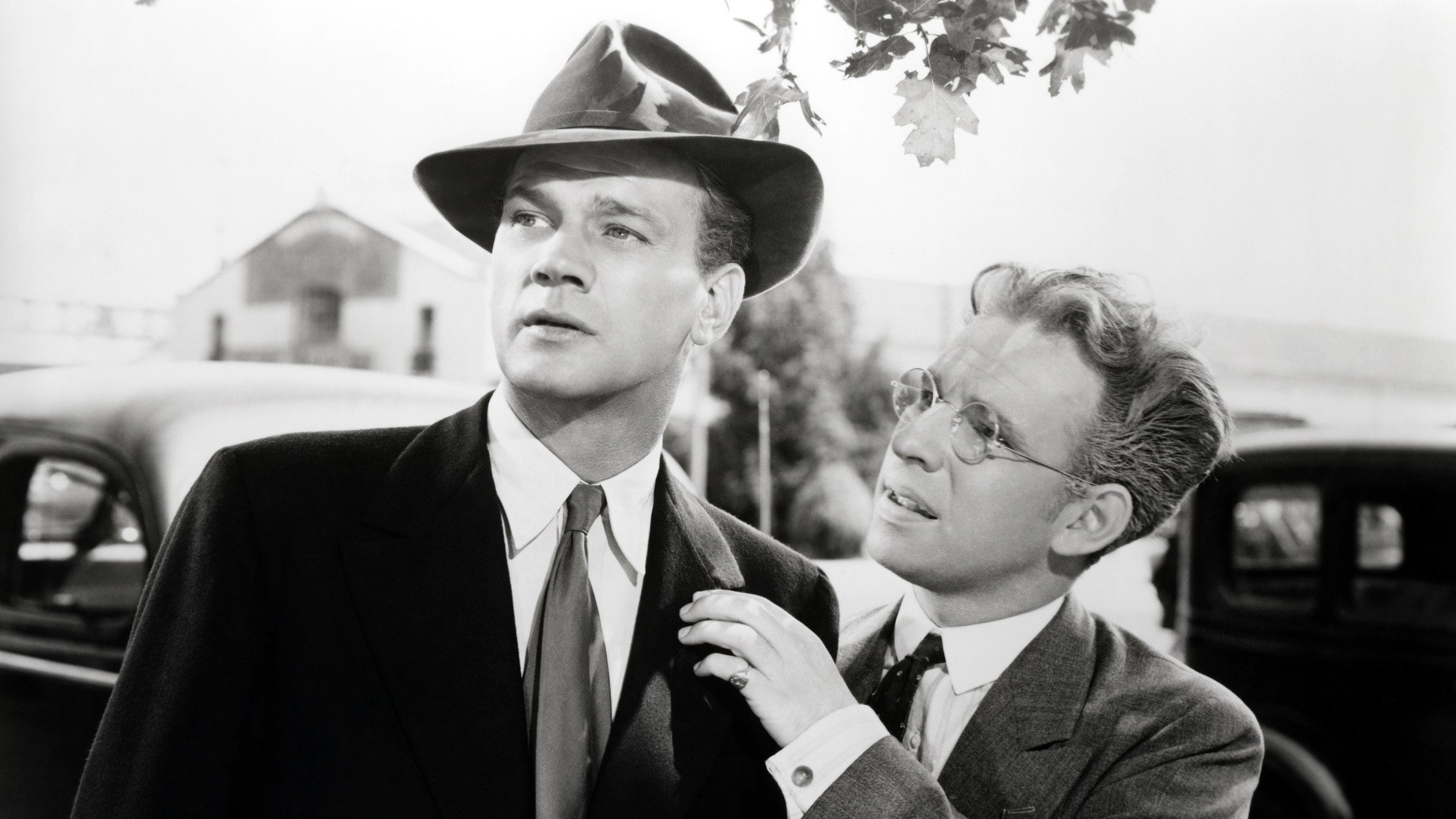
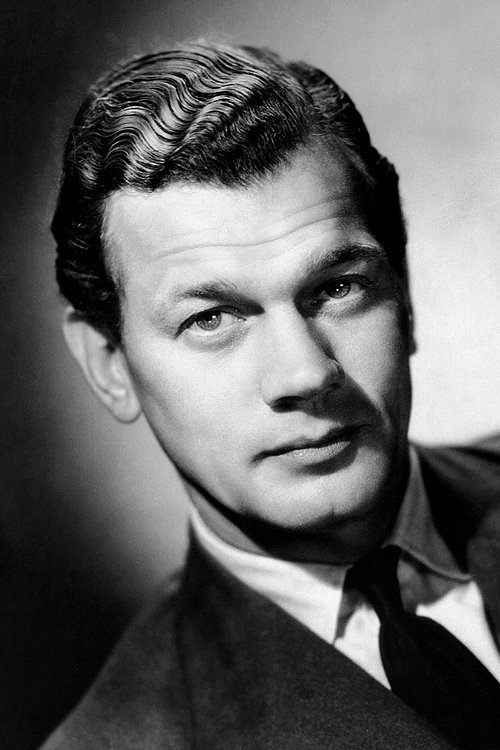
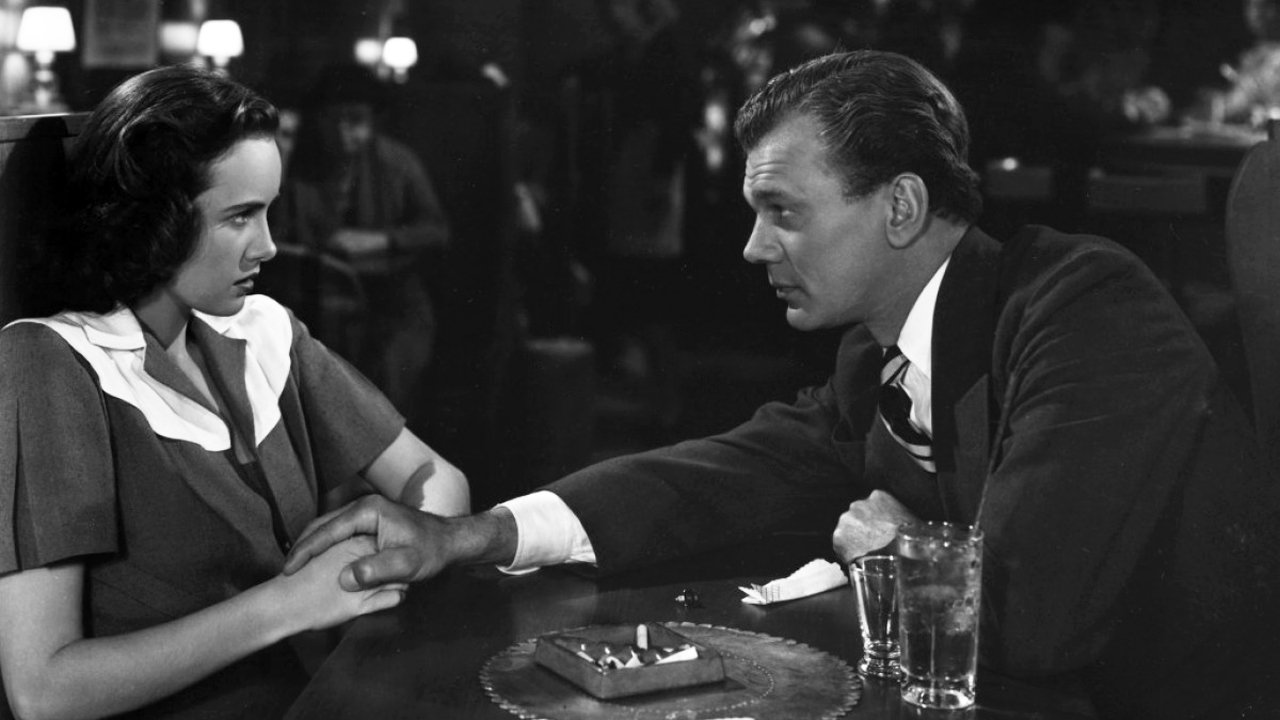
Teresa Wright makes Charlie Newton’s attachment to her uncle believable enough that her doubts hurt. She gives the young woman intelligence without the smugness that sometimes comes with being the person who spots a problem first. We felt uneasy watching Joseph Cotten settle into the family as Charlie Oakley: his charm seems to leave everyone else less room to object. The performance works because the pleasure of his company remains understandable even while we begin to distrust him.
The screenplay by Sally Benson, Alma Reville and Thornton Wilder understands how a family can make suspicion feel like bad manners. An uncle has an advantage over a stranger, since people already have reasons to excuse him. That makes the niece’s predicament more troubling than a straightforward search for a criminal, particularly when affection gets in the way of asking questions. The small-town setting is essential here, since treating people decently can also mean being reluctant to look at them too closely.
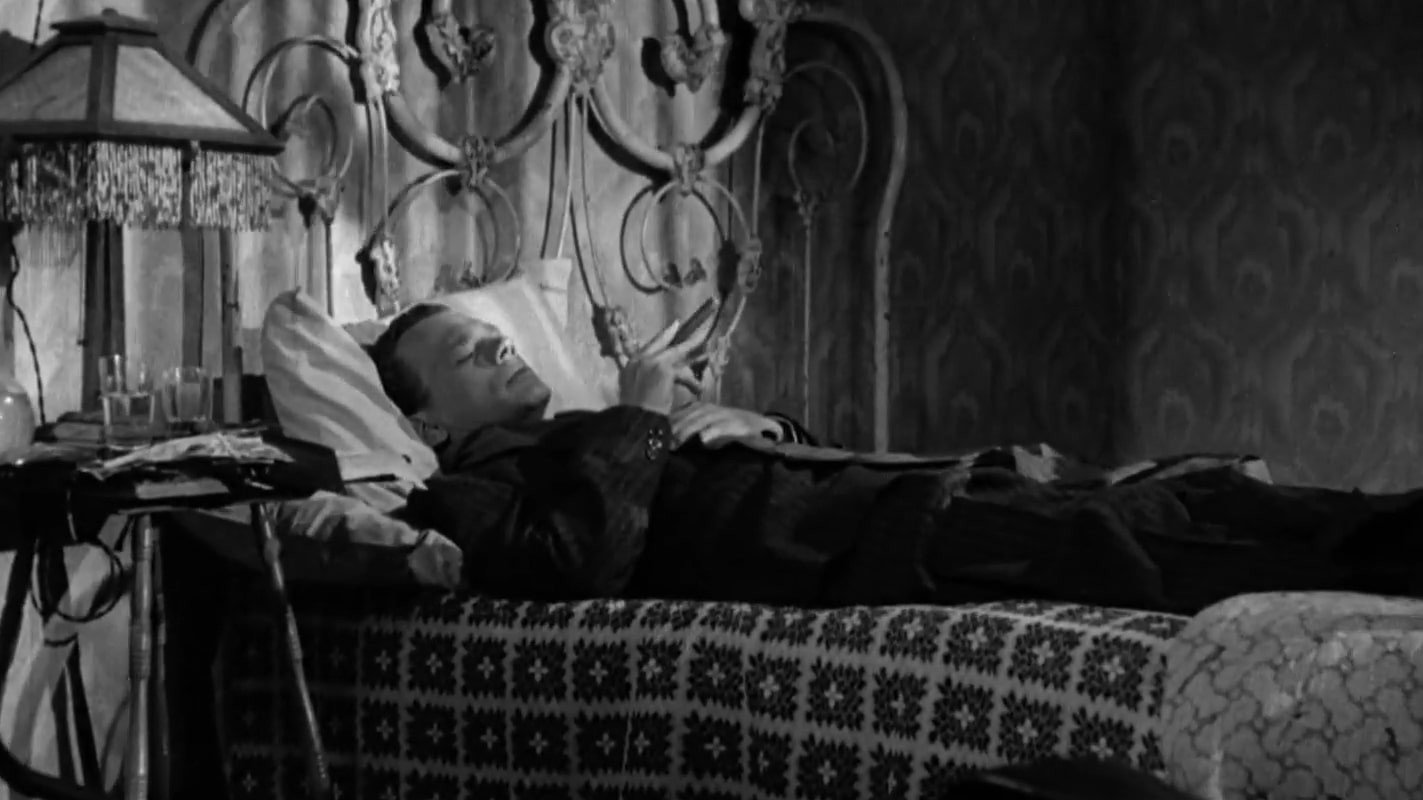
Joseph A. Valentine uses light and the angles of staircases to make familiar domestic space uncomfortable. The house remains recognisably a family home, which makes those changes of viewpoint effective. Close-ups of Joseph Cotten give his charm an unpleasant insistence, allowing us to study a face that the family is happy to accept. Milton Carruth’s editing sustains our attention to the two leads, giving their relationship enough time to make the uncertainty matter.
Dimitri Tiomkin’s music is effective, though sometimes more anxious than the performances need it to be. The actors can make a domestic encounter uncomfortable with little assistance, and occasionally we would prefer to hear less encouragement to worry. More importantly, the plot contains contrivances that become noticeable whenever our attention moves away from the central pair. Some supporting characters are broadly drawn, making the town seem conveniently incurious and weakening the otherwise persuasive account of people overlooking something unwelcome.
When a thriller brings danger into a household, it can treat the relatives as an obstacle to getting the chase started. Here their affection is what makes the situation worth watching. The film asks us to understand why the niece would hesitate, and gives us little cause to congratulate ourselves for distrusting her uncle. That gives Teresa Wright something more difficult to play than innocent alarm, and she keeps the film painful even when the plotting becomes a little too convenient.
Give it the full 108 minutes without treating the mystery as a competition to guess correctly. The performances deserve attention that can get lost when everyone is busy offering a theory. Choose a companion who can keep their deductions to themselves.