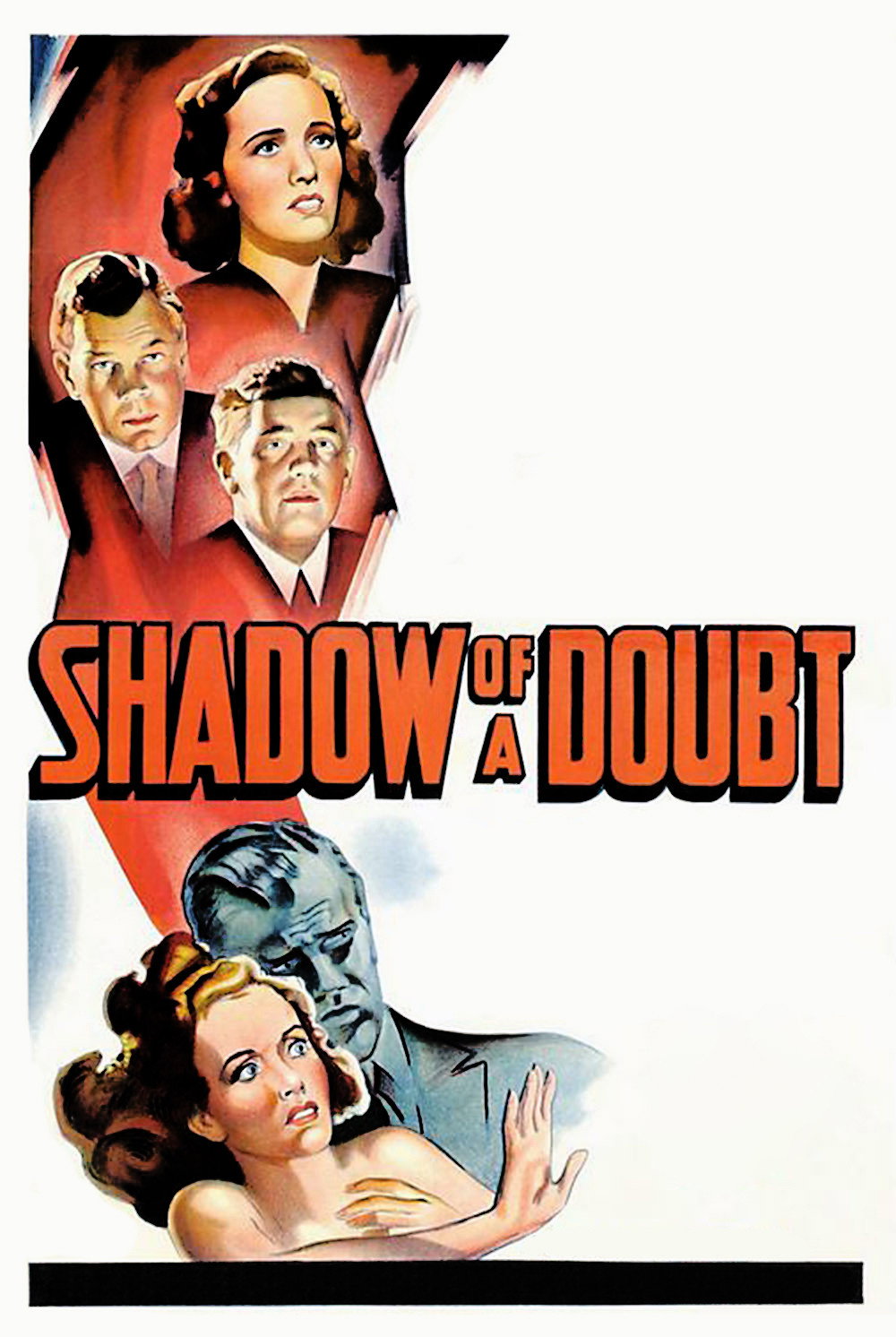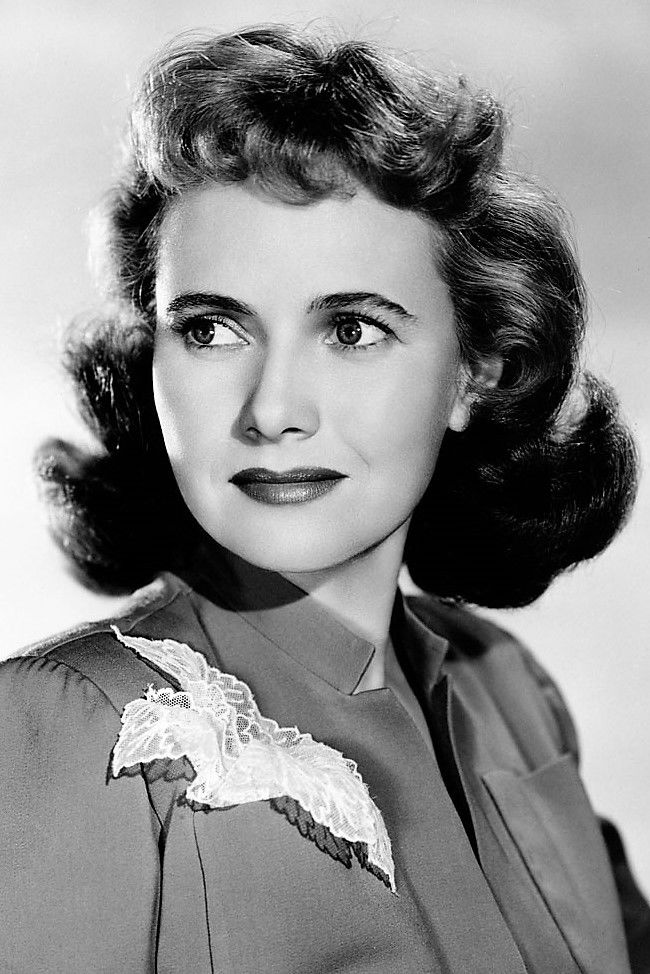
Teresa Wright gives wholesome characters a mind of their own. We value her most when affection complicates their judgement, as in Shadow of a Doubt, where she makes suspicion of a much-loved uncle hurt.
Fi1m perspective
In Shadow of a Doubt (1943), Teresa Wright lets Charlie Newton enjoy her uncle’s company without making her seem foolish. Her intelligence never puts her safely outside the family’s affection for him. We felt uneasy because Wright kept that attachment believable even as Joseph Cotten’s charm began to trouble us. Alfred Hitchcock gives her something harder to play than alarm: the reluctance to distrust someone whose arrival has pleased everyone.
Her film debut in The Little Foxes (1941) began an early run that also included Mrs. Miniver (1942) and The Best Years of Our Lives (1946). She was often cast as wholesome young women who had to find strength or grow wiser. That description can make the parts sound more predictable than Wright’s screen presence suggests. Her unforced warmth gives us a reason to care about these women before they have proved anything, and in Hitchcock’s film it keeps us from treating Charlie as merely the person who has to notice the danger.
Cotten helps by making Charlie Oakley welcome company, rather than a villain the family ought to recognise immediately. Wright does not advertise every doubt as a discovery or invite us to enjoy being wiser than the other relatives. We understand why she hesitates, and that makes the family scenes more uncomfortable than a simple warning could. The plotting sometimes becomes too convenient, a weakness her performance cannot remove. Yet her continued attachment gives the suspense a reason to matter beyond finding out what happens next.
Her later work moved towards supporting and character parts, with television and stage work alongside them. We would be careful about treating the size of those roles as a verdict on the actor. Hitchcock had already shown how much Wright could do with a person reluctant to say what she suspects. Start with Shadow of a Doubt, and resist the temptation to feel cleverer than Charlie.
Biography
Teresa Wright was an American actress. Born Muriel Teresa Wright in New York City on 27 October 1918, she began her career on Broadway, appearing in productions including Our Town and Life with Father. Samuel Goldwyn signed her to a film contract after seeing her stage work.
Her screen debut came in The Little Foxes (1941). She received Academy Award nominations for The Little Foxes (supporting) and Mrs. Miniver (supporting, which she won) and The Pride of the Yankees (leading), all in her first three films. Other notable roles include Charlie Newton in Alfred Hitchcock's Shadow of a Doubt (1943) and Peggy Stephenson in William Wyler's The Best Years of Our Lives (1946). She later worked in television and character parts until the 1990s.
Wright was married to screenwriter Niven Busch and playwright Robert Anderson.