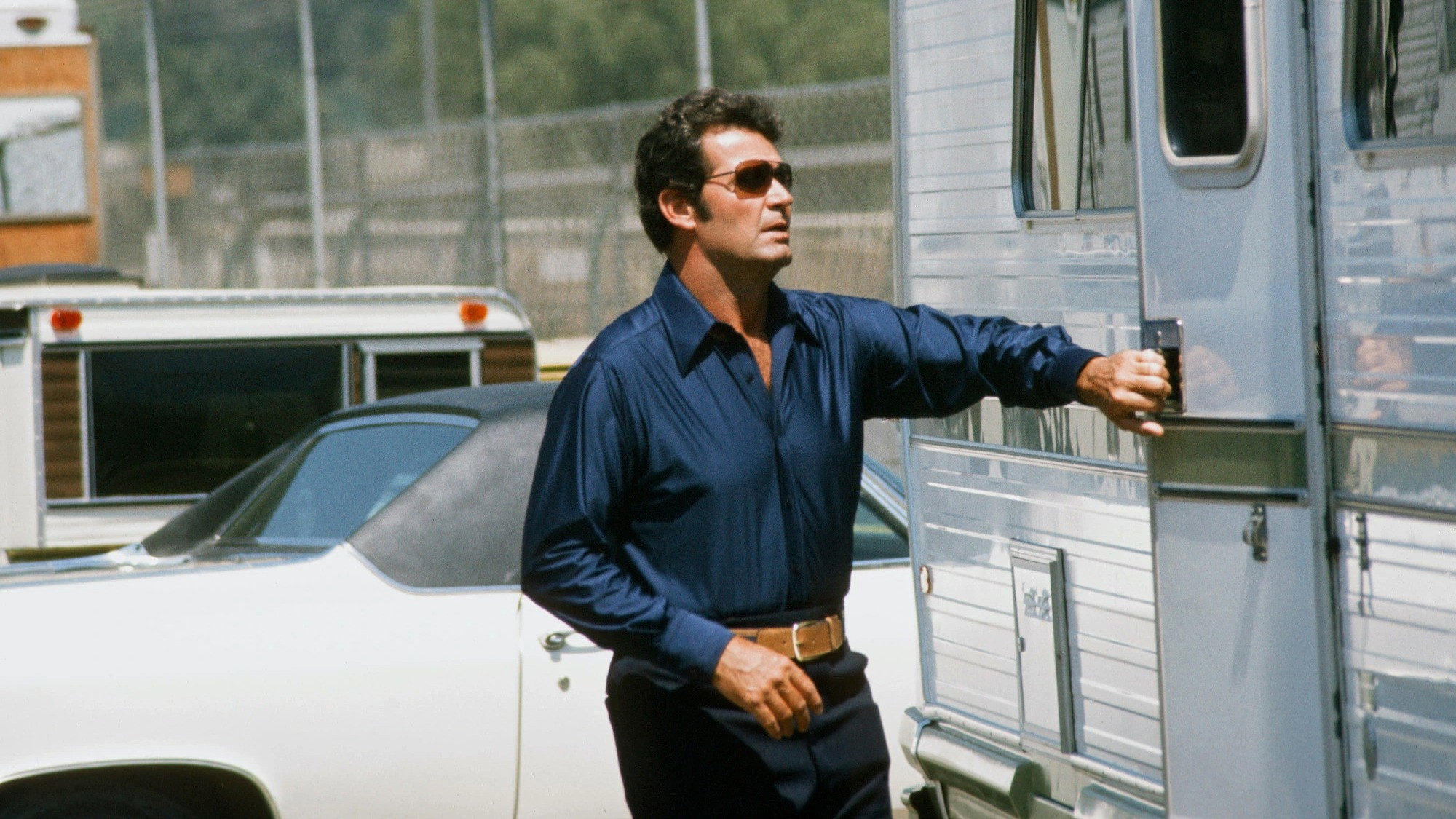
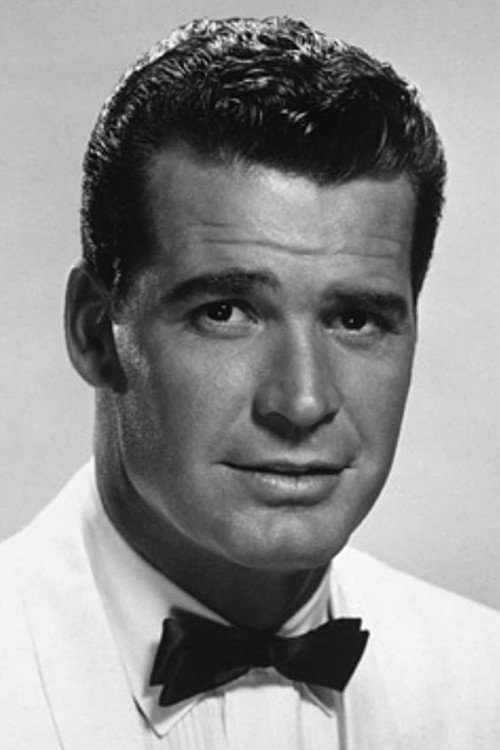
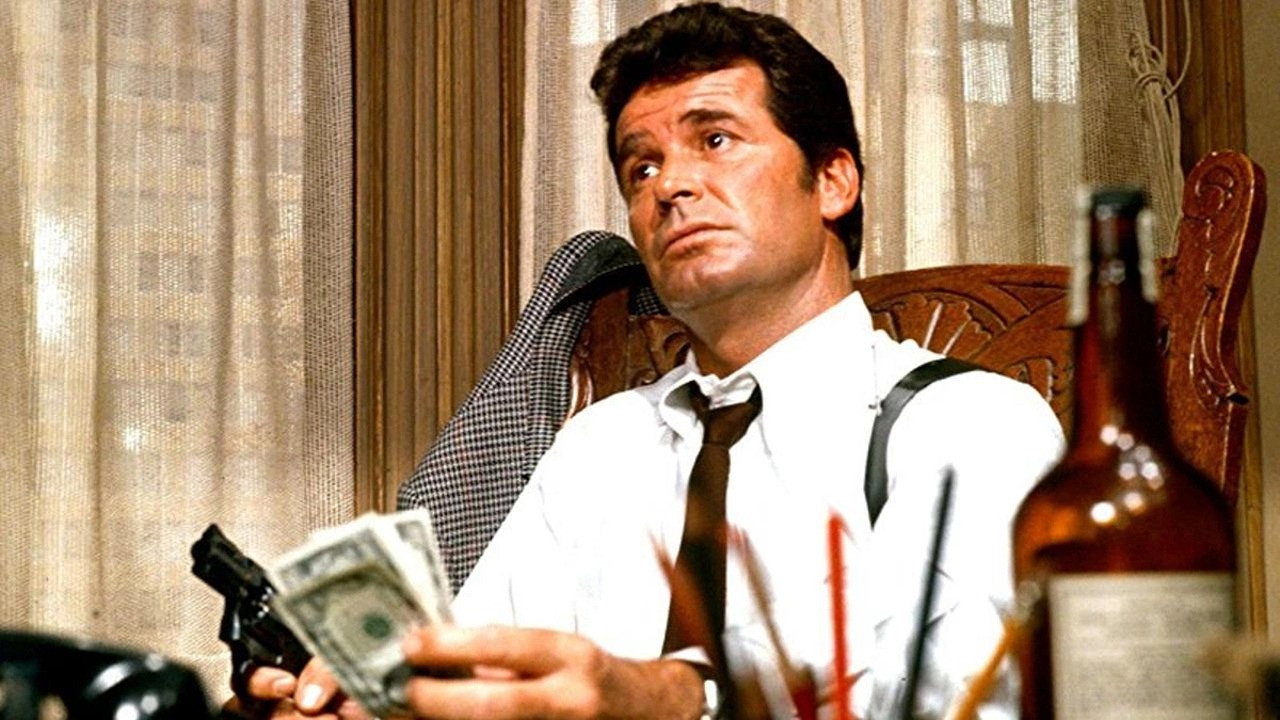
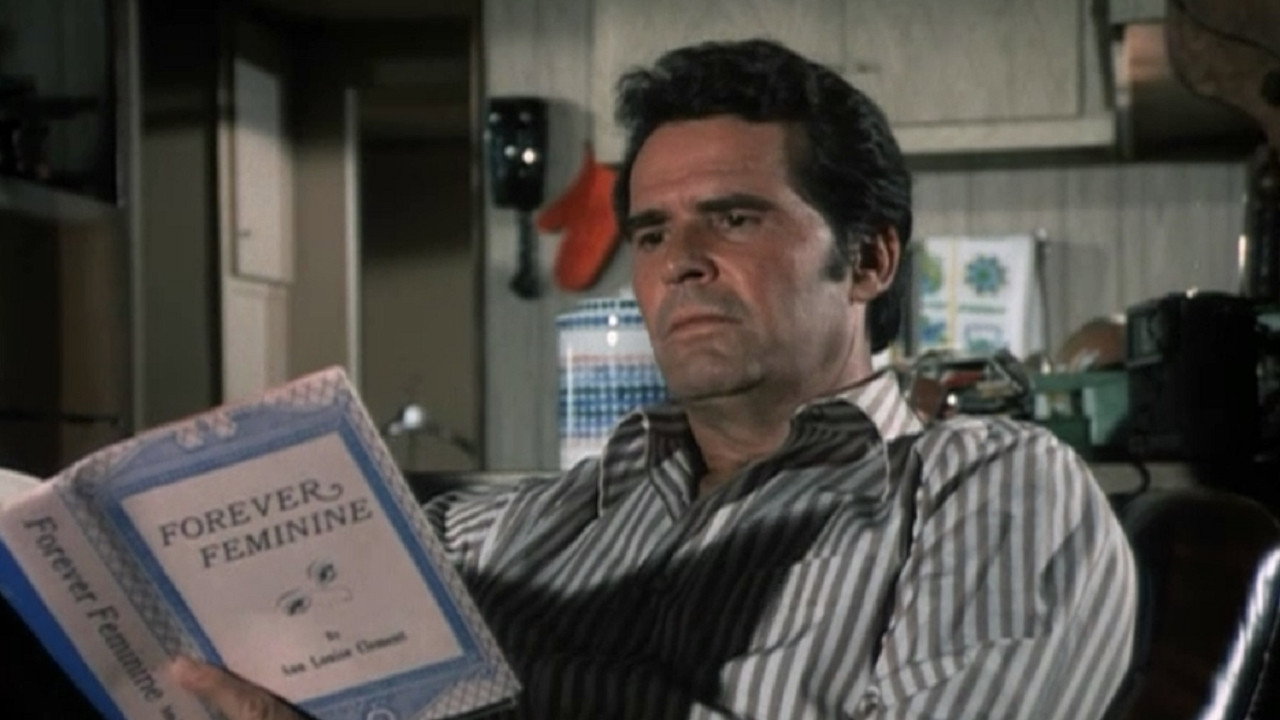
James Garner makes The Rockford Files easy to recommend: a detective series whose humour comes from people worth spending time with. Some mysteries are routine, but the company is consistently good.
We recommend The Rockford Files for James Garner, while accepting that some of the mysteries will need him more than others. Creators Stephen J. Cannell and Roy Huggins give him a part that depends on our enjoying Jim Rockford’s company without needing to be impressed by him. That is a sensible basis for an hour of crime television. A mystery can occupy the attention, but someone has to make us care about spending that hour in it.
The promise to get back to callers who leave a name and message is a useful introduction to the man. There is something reassuringly ordinary about it, and James Garner makes that ordinariness appealing without asking for our admiration. We warmed to him because his weary humour makes dealing with other people seem like enough work for any detective. The performance has room for irritation, but it rarely suggests that the people who cause it are beneath our attention.
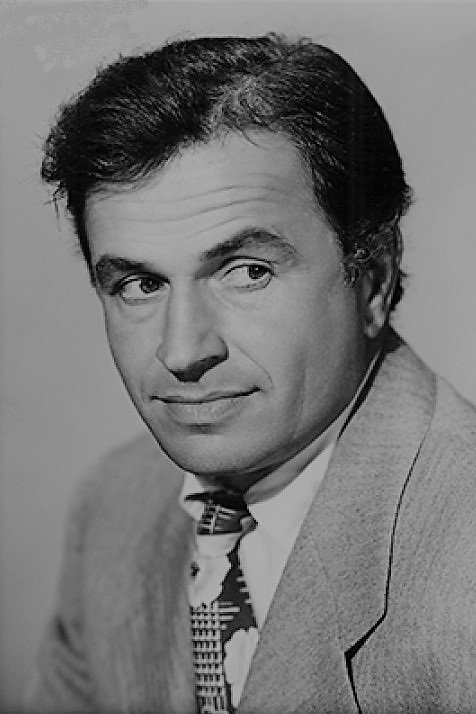
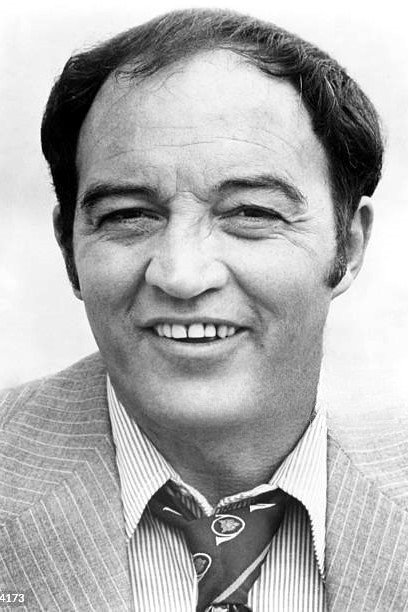
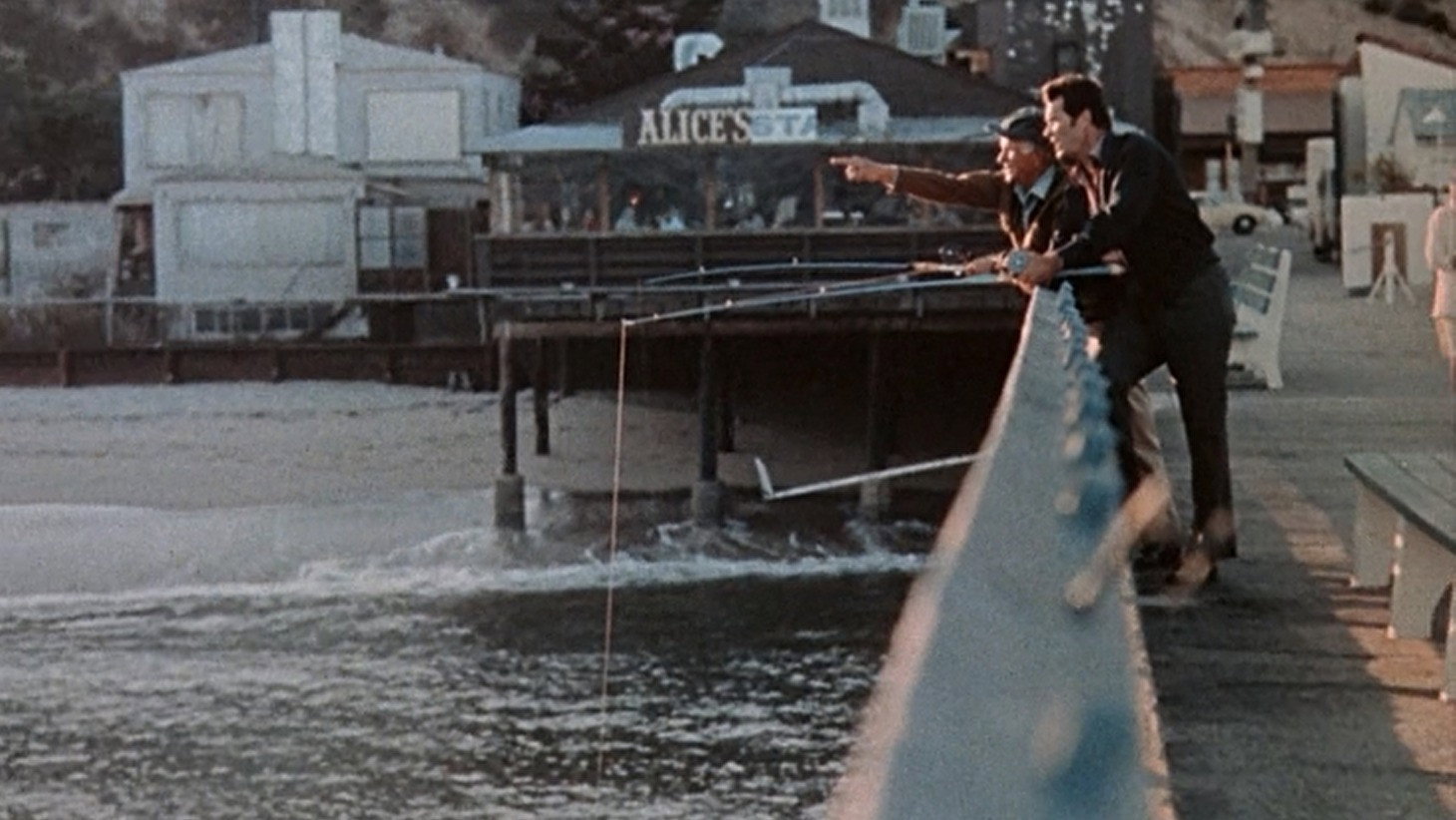
The supporting performances matter because it would be tiring to spend every scene waiting for the lead to speak. Noah Beery Jr. gives Joseph ‘Rocky’ Rockford an appealing lack of fuss, while Joe Santos makes Dennis Becker feel solid enough to resist the lead’s charm. Stuart Margolin’s Angel Martin supplies a less restful presence, and the change of energy is welcome. James Garner leaves room for the others to establish themselves, so their contributions need not be confined to giving him information.
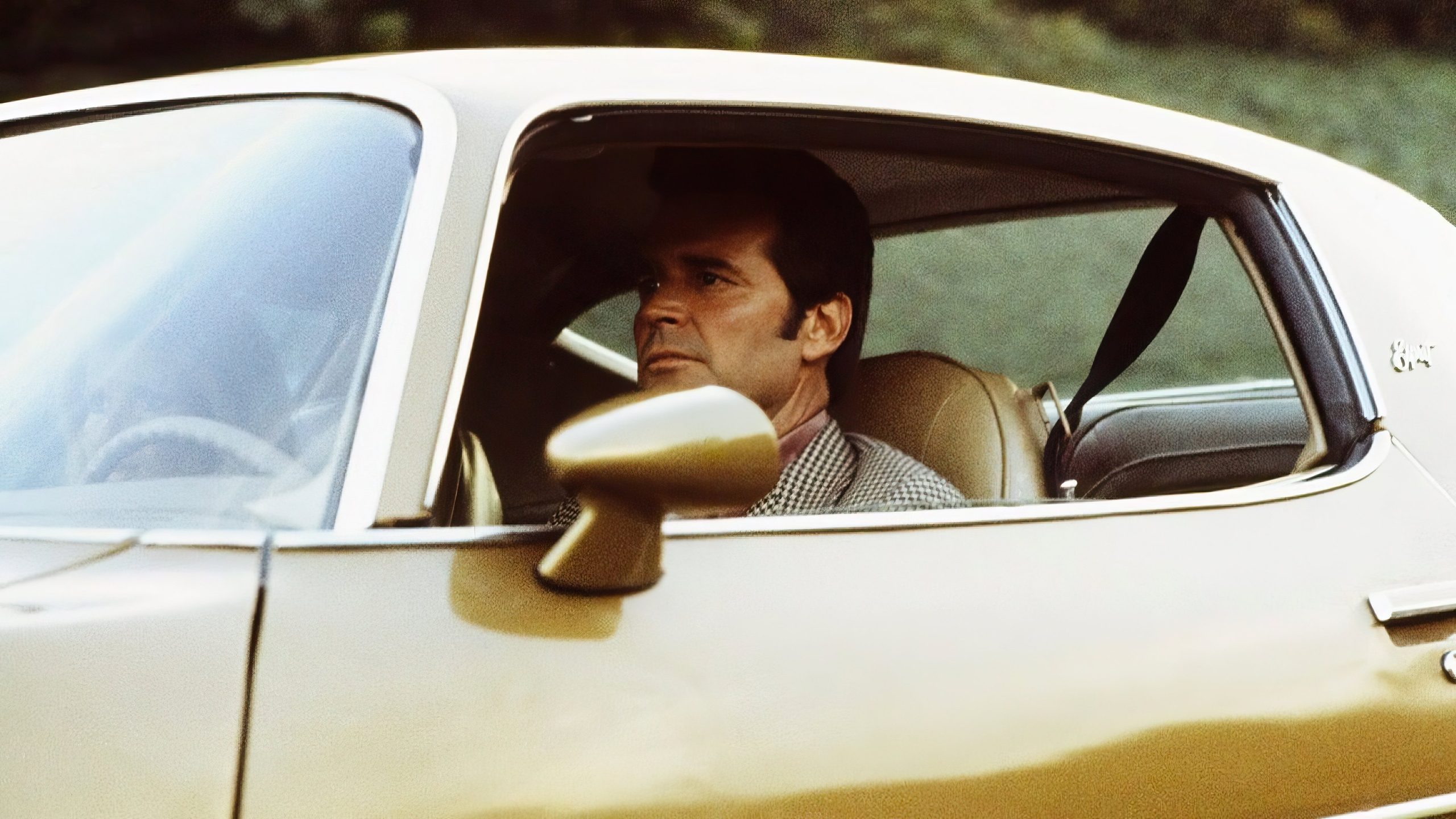
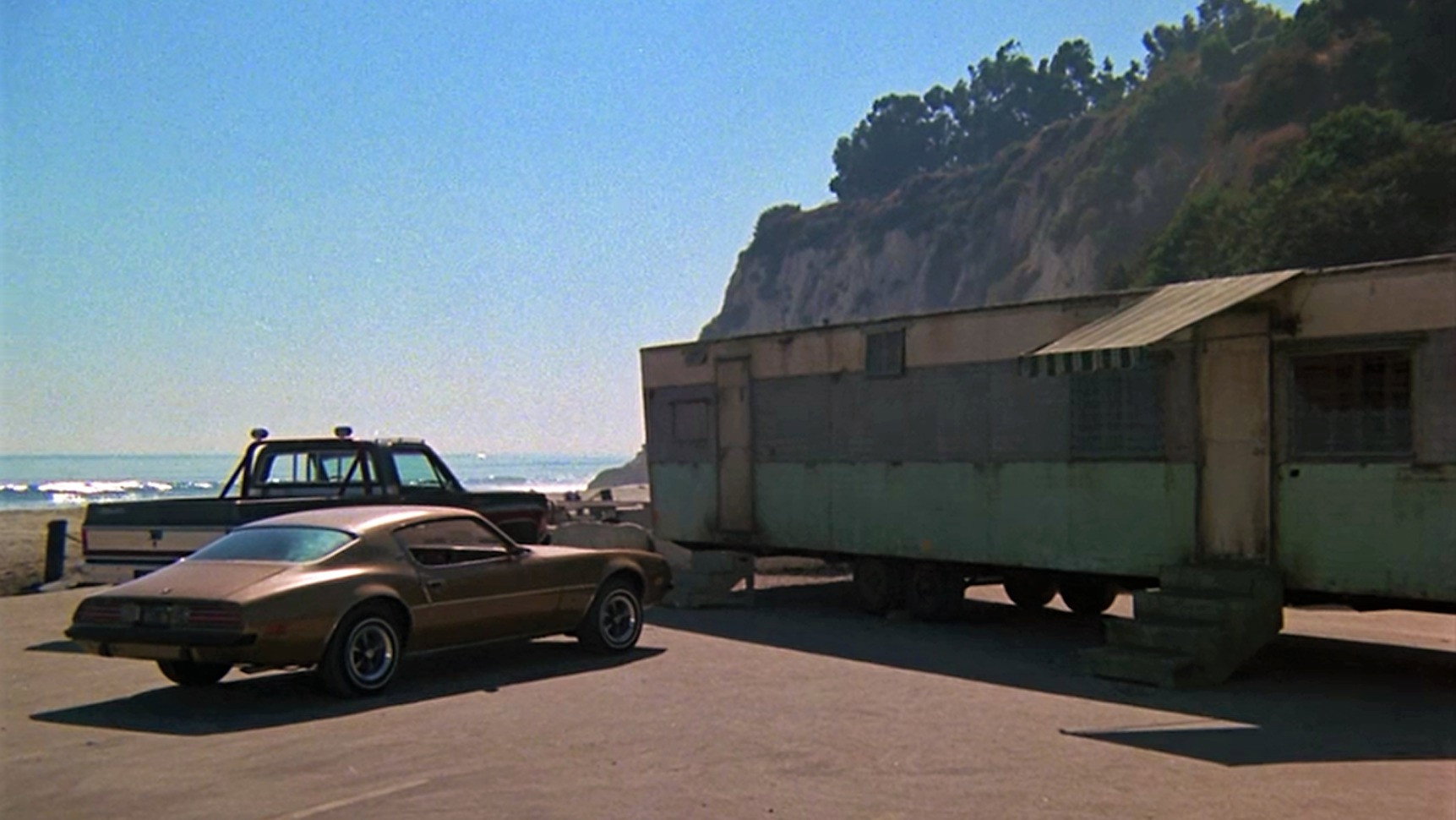
Lamar Boren’s cinematography is rightly content to let the actors be the main attraction. We do not need a detective to be made imposing by every image, and the straightforward photography suits a lead who does not swagger. Editors George R. Rohrs, Fred Baratta and Edward A. Biery give the storytelling a similarly useful clarity. The mysteries are easy to follow, and the humour does not feel as though it has been inserted between the important bits.
Artie Kane, Pete Carpenter and Mike Post supply music that understands how lightly this material needs to be handled. Its buoyancy helps stop Rockford’s weariness becoming oppressive, although the performance would scarcely allow that anyway. There is a risk that a knowing detective series will congratulate itself every time it notices a convention. Here the music and the actors usually keep that knowingness amiable, and the story is allowed to get on with its work.
The weakness is that an agreeable lead can conceal a merely serviceable mystery, and sometimes that is what happens here. James Garner can make the business of getting through a plot enjoyable without making the plot itself much more distinctive. The hour-long format also leaves room for stretches in which familiarity has to do too much of the work. We would not pretend that every case deserves the same attention, or that a fondness for Rockford makes the routine passages disappear.
Within the private-eye genre, the pleasure here is a capable man who is allowed to sound fed up with the work. His reluctance makes him approachable, and the humour gives us a reason to stay interested beyond finding out who did what. We would happily return for the conversations even if we had forgotten the particulars of a case. Try an episode for James Garner, and give the mystery a little leeway.