Film review

The Long Goodbye

1973 · Directed by Robert Altman · 1h 52m · MPA R

In a sentenceElliott Gould looks as though solving a crime might seriously interfere with a nap

MysteryDramaCrime

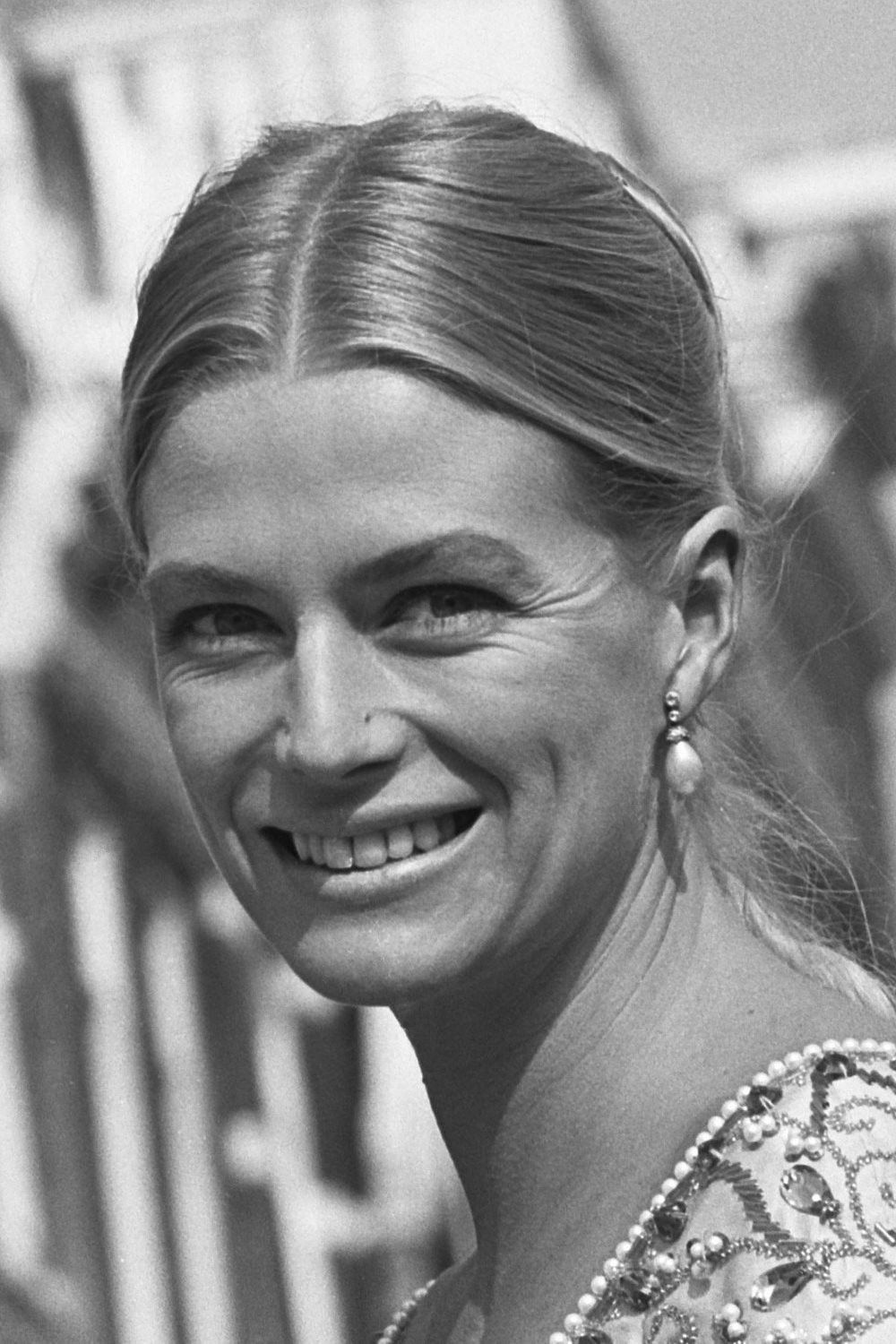
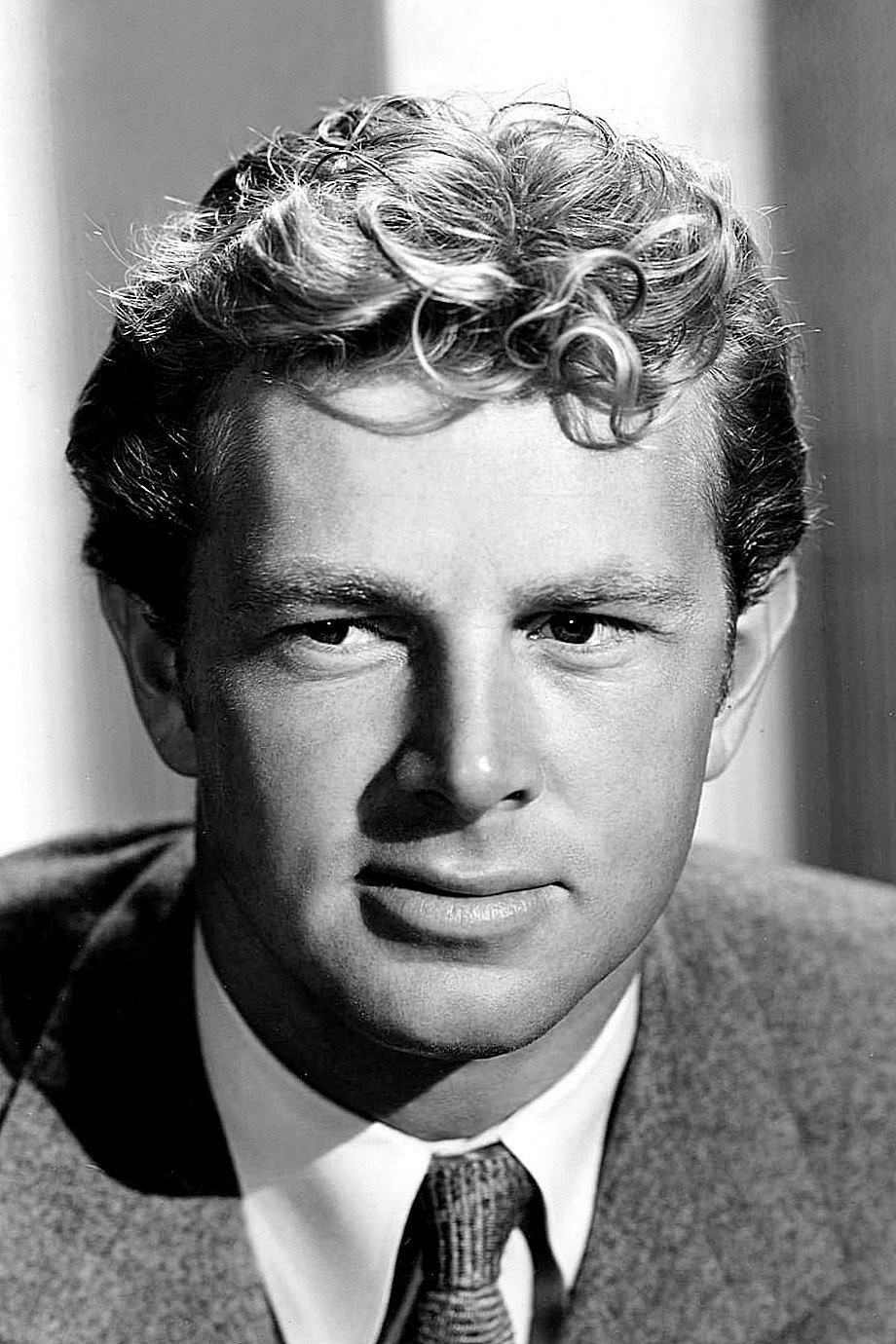
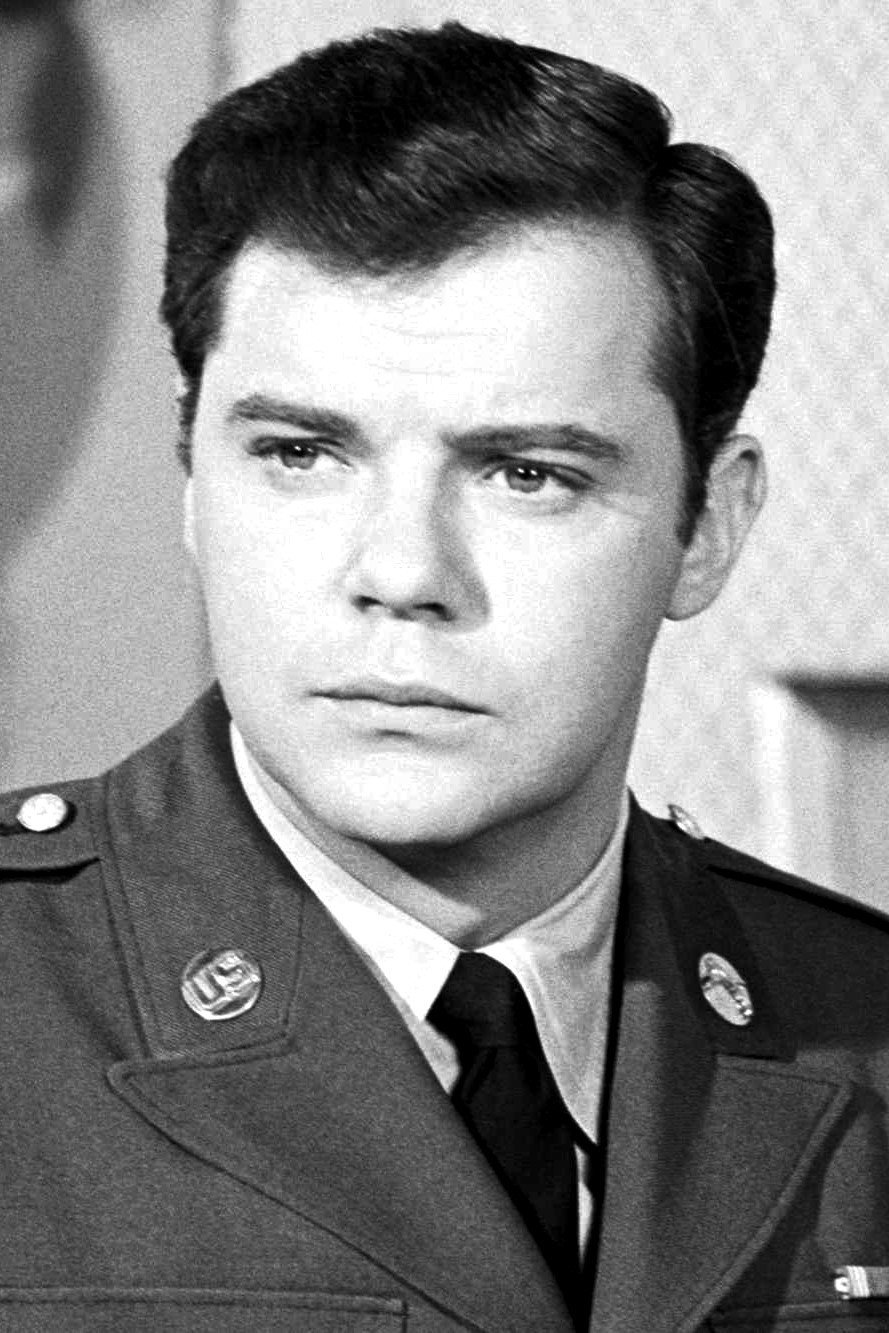
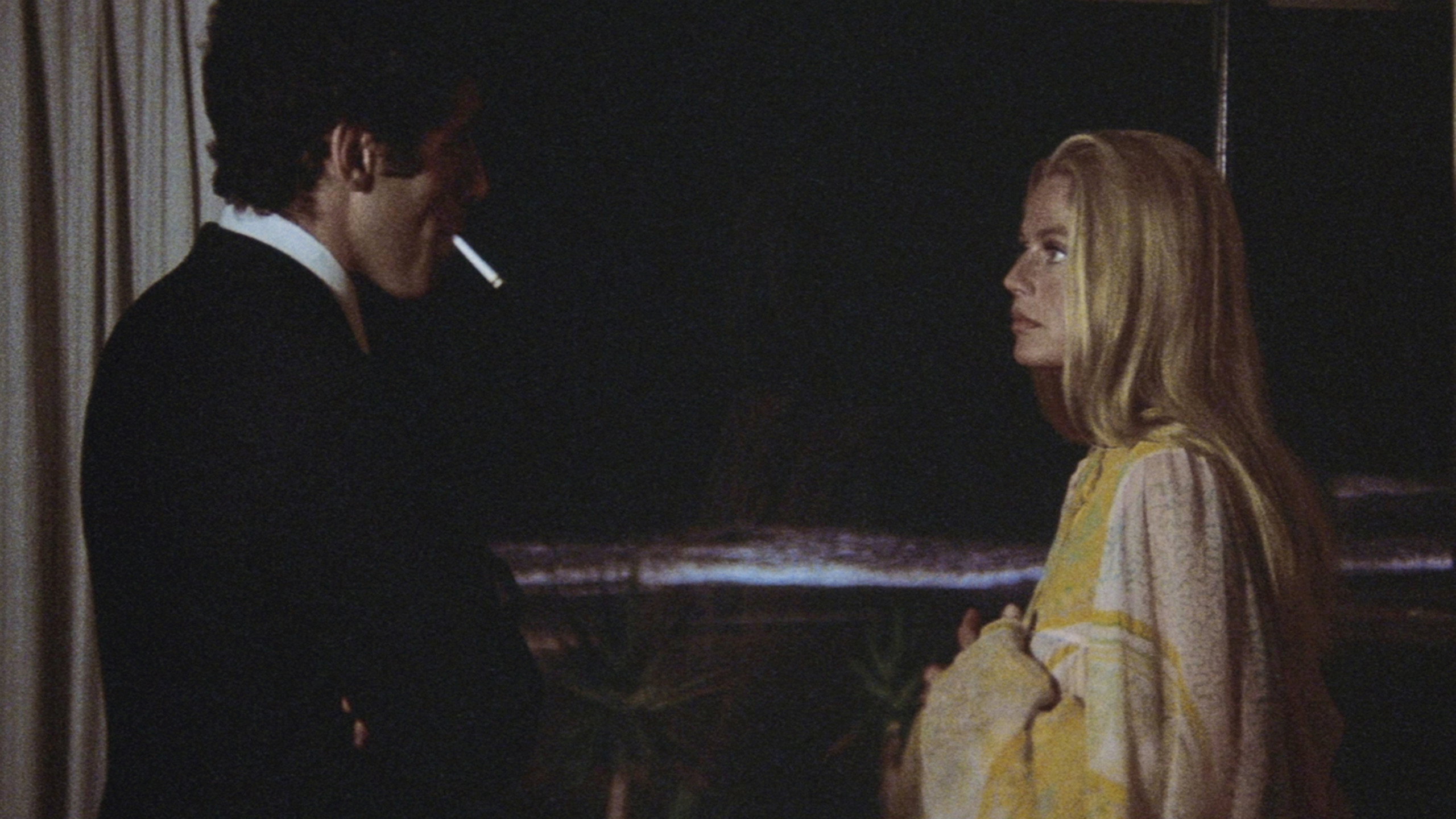
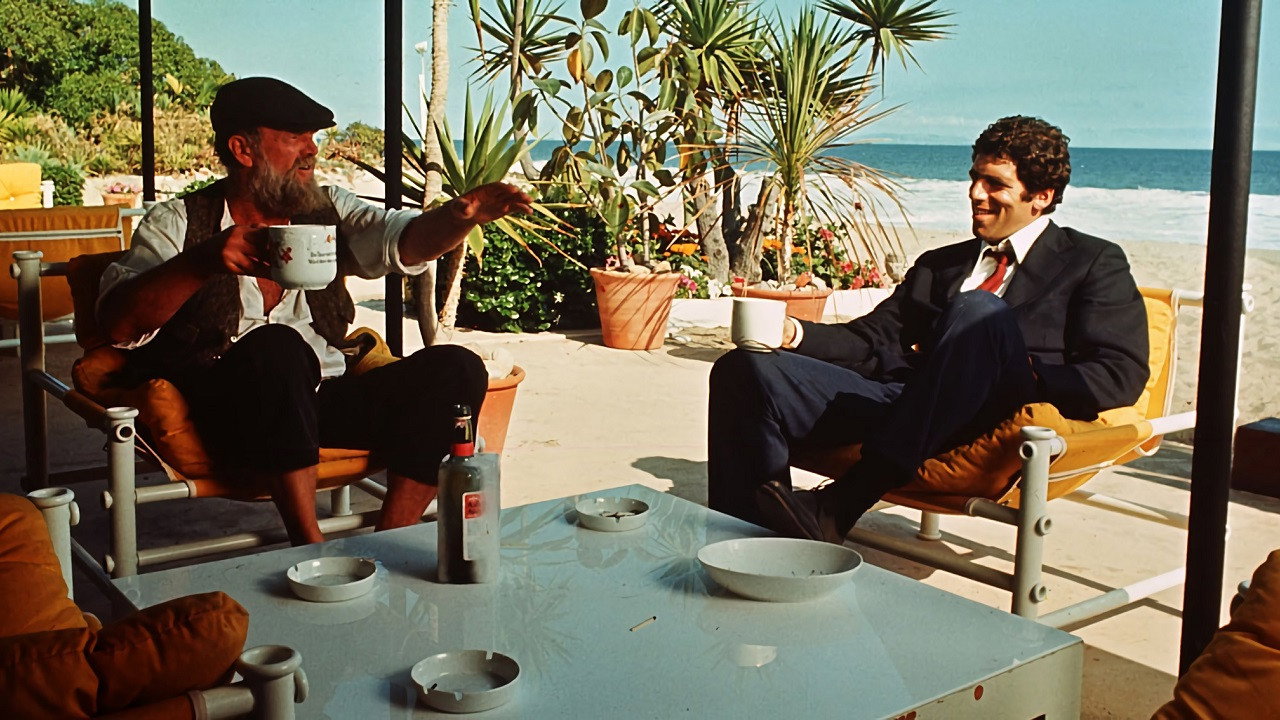
In 1970s Los Angeles, private detective Philip Marlowe (Elliott Gould) keeps to a code of loyalty that the people around him no longer seem to recognise. A cat occupies his attention before the investigation gets under way. The people he encounters include Terry Lennox (Jim Bouton), Eileen Wade (Nina van Pallandt) and Roger Wade (Sterling Hayden). Marlowe wants to make sense of what is happening without abandoning his own rules. Around him, casual manners conceal corruption, and his persistence offers no guarantee that he understands the people he is dealing with.

Plays from YouTube when you press play; nothing loads from them until then.

Fi1m review

Robert Altman gives Philip Marlowe a funny and quietly painful encounter with the 1970s. Elliott Gould makes the detective’s stubborn decency worth caring about, even when the mystery becomes harder to follow than it needs to be.

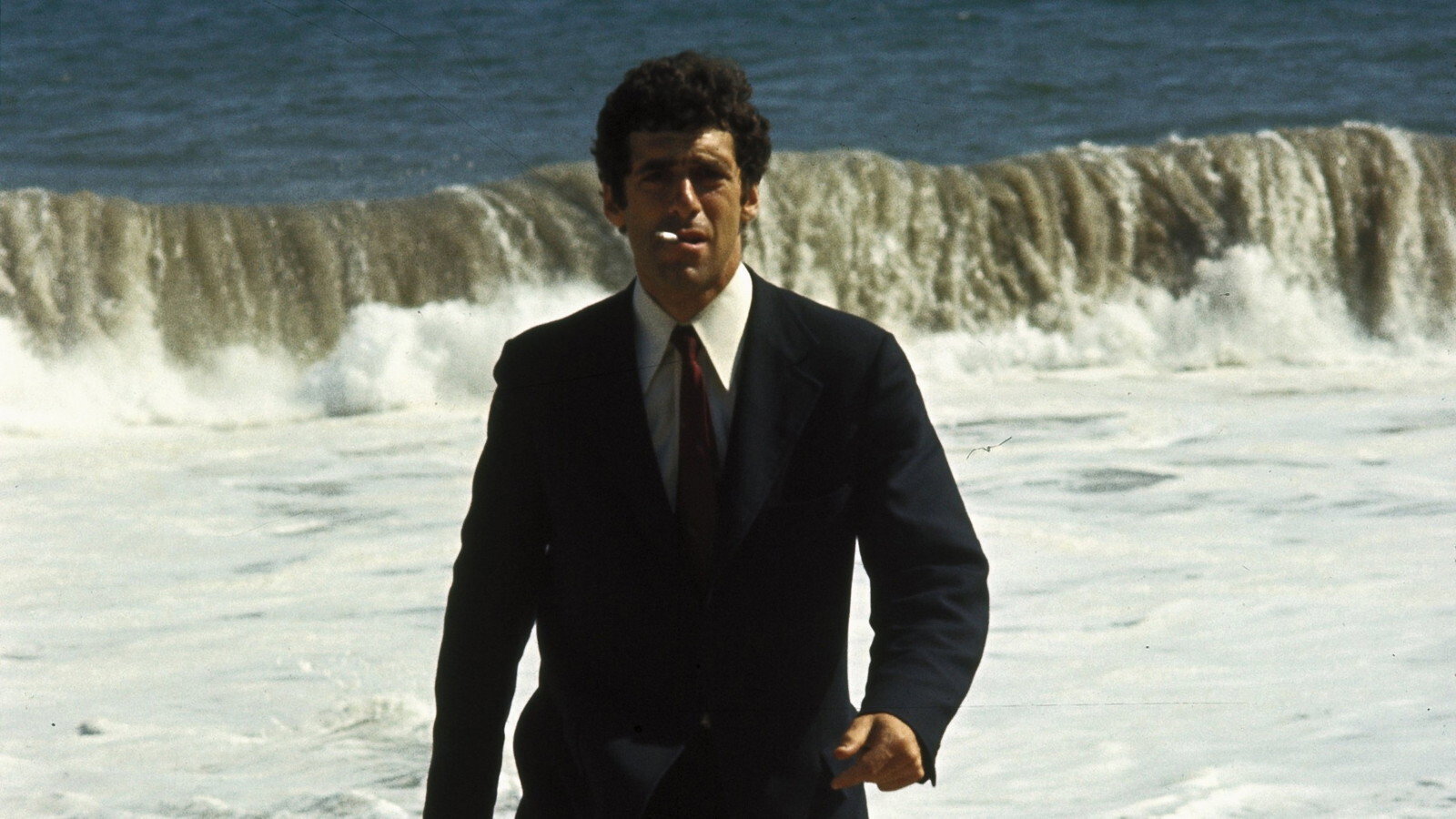
Robert Altman’s The Long Goodbye is a funny, unsettling crime film that gets more from its detective than from the case he is trying to solve. Adapting Raymond Chandler with screenwriter Leigh Brackett, Altman puts Philip Marlowe in 1970s Los Angeles and lets his old-fashioned loyalties become a practical disadvantage. Elliott Gould plays him with so little outward command that it takes a while to notice how firmly he holds his ground. The plotting can wander, but the man is worth following.

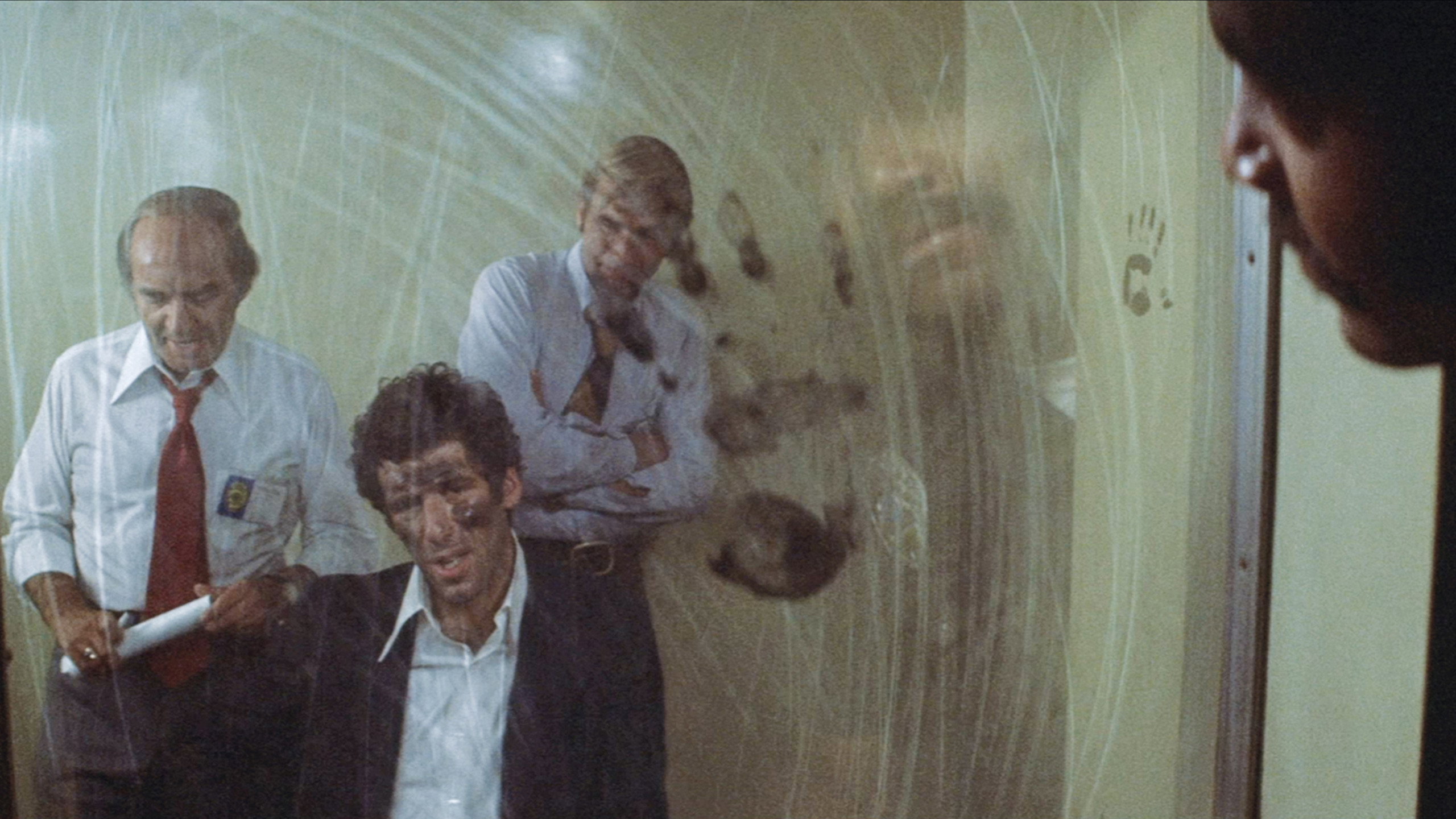
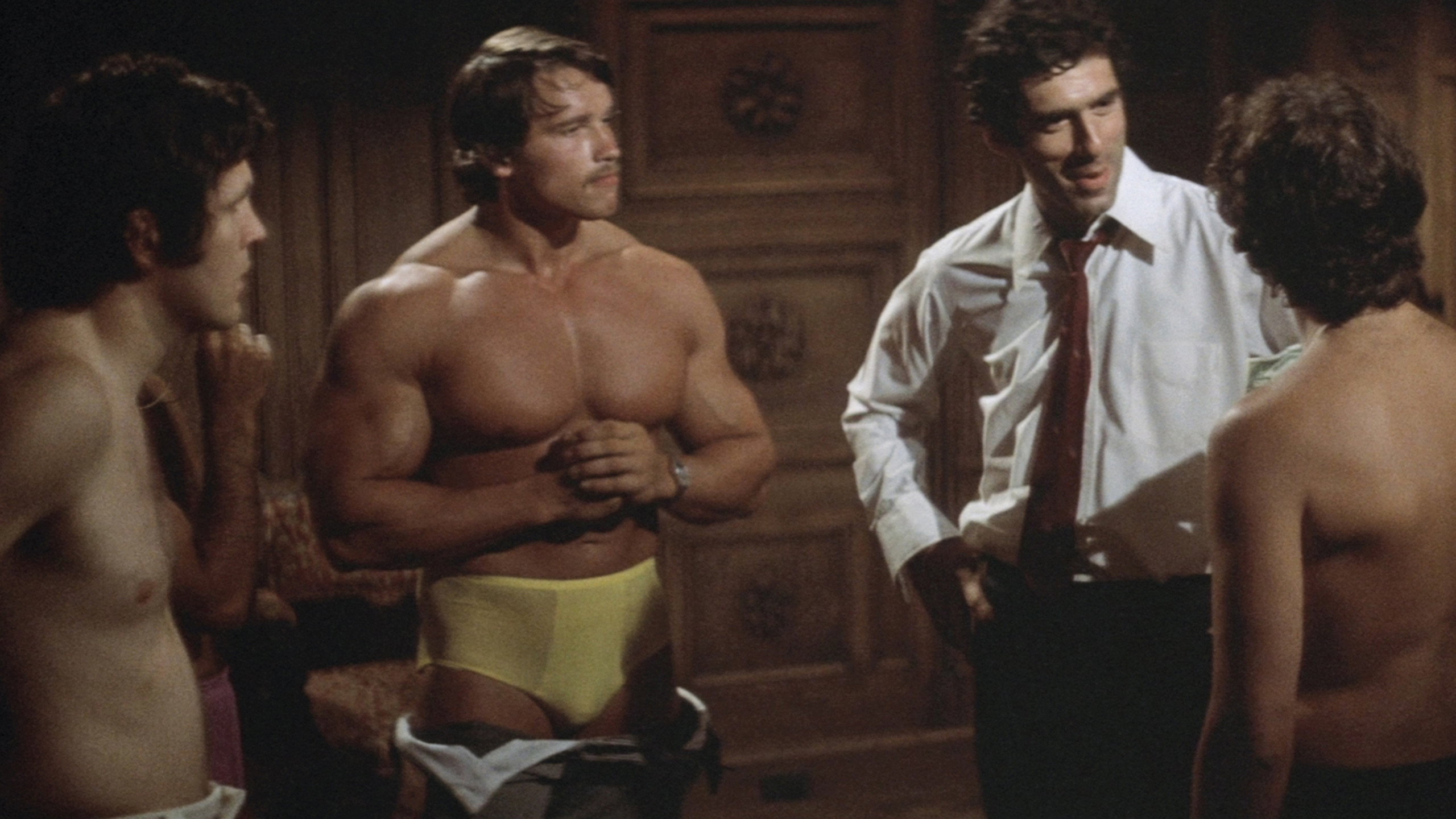
Gould’s mumbling matters because it denies Marlowe the pleasure of sounding like the cleverest person present. He seems to be keeping himself company, carrying on even when nobody much cares to listen. We laughed at the opening with the cat: Gould makes a private detective’s lack of authority funny without making him contemptible. That scene gives us a reason to like him before the film asks us to consider how badly his habits fit the city.

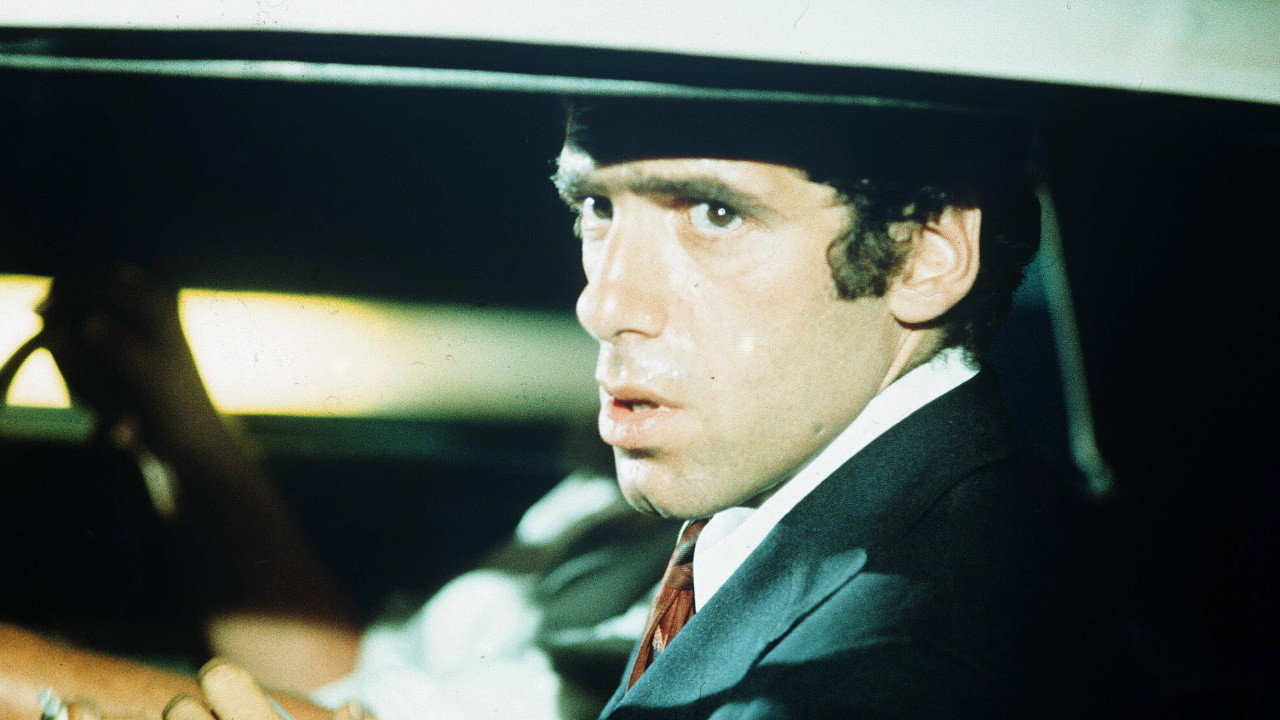
Vilmos Zsigmond’s fluid camerawork is particularly well suited to a detective who never quite seems to have caught up with his surroundings. The camera keeps moving, and the sunlit Los Angeles setting denies us the comforting expectation that danger will announce itself with darkness. Earth tones make the place look ordinary enough to inhabit. The images encourage us to look around Marlowe rather than simply concentrate on him, which suits a film in which the detective’s understanding is open to question.

Brackett’s screenplay preserves the attraction of a man who takes loyalty seriously while allowing his judgement to look questionable. It corrects the detective story’s habit of treating stubbornness as proof of intelligence. Marlowe can be decent and still fail to understand the people around him; Gould lets that possibility sit there without making a conspicuous show of confusion. The humour does not require us to regard him as a fool, although Altman sometimes comes close to doing so.

The freedom has a cost. Lou Lombardo’s editing allows the film to keep its rambling pace, and there are passages when the case becomes difficult to follow without becoming more intriguing. Some of that uncertainty belongs to Marlowe’s predicament, but some feels like insufficient attention to how one development leads to another. Altman is so interested in the detective’s awkward presence that the mechanics of his work occasionally seem beneath the film’s notice.

John Williams’s music helps the film remain funny without making it feel safe. Yet Gould’s muttering is the sound that most closely governs our sense of its pace, and Altman gives that odd performance room to settle. There is little pressure to make Marlowe more briskly heroic or more obviously ridiculous. That patience with the performance helps compensate for the loose storytelling: we stay interested in how this particular man will respond.

As a reworking of the private-eye film, this succeeds because we remain concerned about Marlowe after the jokes have exposed his limitations. There is something painful in watching a man continue to behave decently in company that has little use for it. The film gives that persistence enough weight to make its mockery uncomfortable, and Gould never asks for our sympathy outright. See it for him, with the understanding that the investigation will take its time.
Critical consensus AI synthesised

82
Positive
11
Mixed
0
Negative
0

The reviews are unanimously positive, with praise centred on Altman’s relocation of Chandler’s detective to 1970s Los Angeles and Elliott Gould’s loose, mumbling Marlowe. Most critics find the update intelligent and purposeful, using the detective’s outdated manners and moral code to expose the corruption around him. The camerawork, inventive individual scenes and supporting performances also draw praise, while the humour helps make the revision of the private-eye genre entertaining.

The differences concern enthusiasm and interpretation more than outright objections. The Hollywood Reporter admires the wit and cast but finds careless plotting prevents the drama from fully cohering, the clearest reservation in this selection. The Guardian admires the film’s chilliness and deliberate heartlessness, while The AV Club sees Marlowe’s persistence as affirming a surviving core of honour. The consensus therefore allows for different readings of how much faith Altman retains in his detective, with no review here turning against the film.

The New Yorker
14 April 2016 · Pauline Kael
90*

Altman turns Chandler's story into a high-flying, whirling sideshow that kisses off the private-eye genre with vitality and originality; Gould gives a loose, woolly performance as the gallant fool in a corrupt world.

Read the full review →
The New York Times
29 October 1973 · Vincent Canby
90*

Altman and Elliott Gould successfully transport Philip Marlowe to the 1970s as an original, eccentric character; the film is richly complex and entertaining with inventive details and strong performances.

Read the full review →
The Times
26 November 2021 · ★★★★☆ · Kevin Maher
90*

Altman's hard-boiled noir is an ambitious and artful reinvention of Chandler, boosted by the inspired shift to 1970s Los Angeles and Elliott Gould's discomfited Marlowe.

Read the full review →
Time Out
5 January 2015 · GA
90*

The critic calls this one of the most intelligent screen adaptations of Chandler’s work, alongside Hawks’ The Big Sleep. Altman’s ironic updating of the story and characters is singled out for praise, along with the steely camerawork, script and performances, making it one of the finest films of the 1970s.

Read the full review →
Little White Lies
7 March 2018 · Sam May
85*

The piece praises Altman’s revisionist take on the hard-boiled genre, highlighting how Marlowe’s outdated moral code clashes with 1970s LA society and how the director uses visuals, casting and the famous ending to satirise Hollywood and the detective mythos.

Read the full review →
The Guardian
22 December 2013 · Philip French
85*

Altman's 1973 film is a chilly, elegant and deliberately heartless masterpiece that relocates Chandler's story to the 1970s and exposes the era's decadence and amorality.

Read the full review →

Cast

Stills

If you liked this, try…

The Big Sleep poster

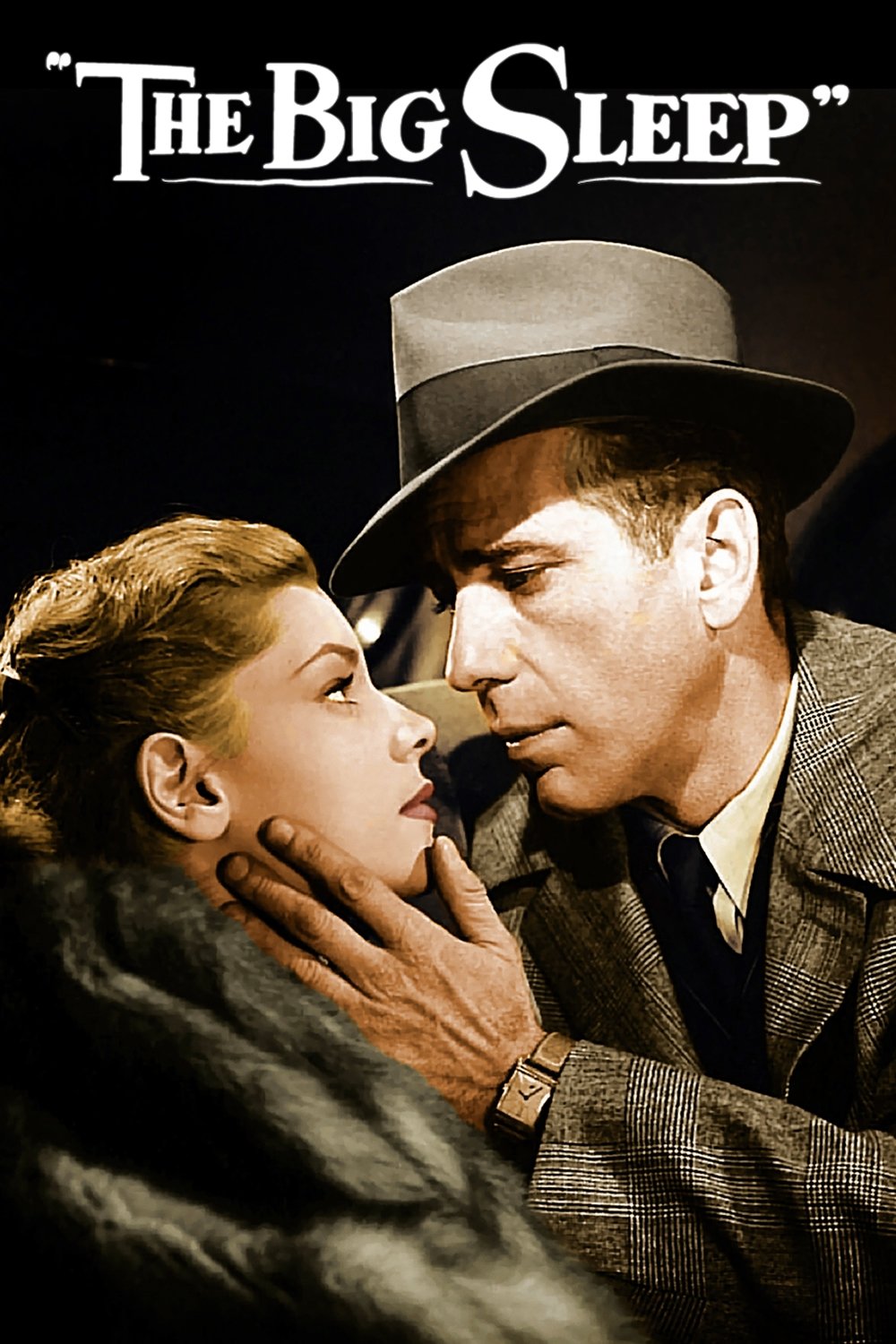
The Big Sleep

1946 · For another detective who stays watchable when the case becomes difficult to untangle.

Night Moves poster

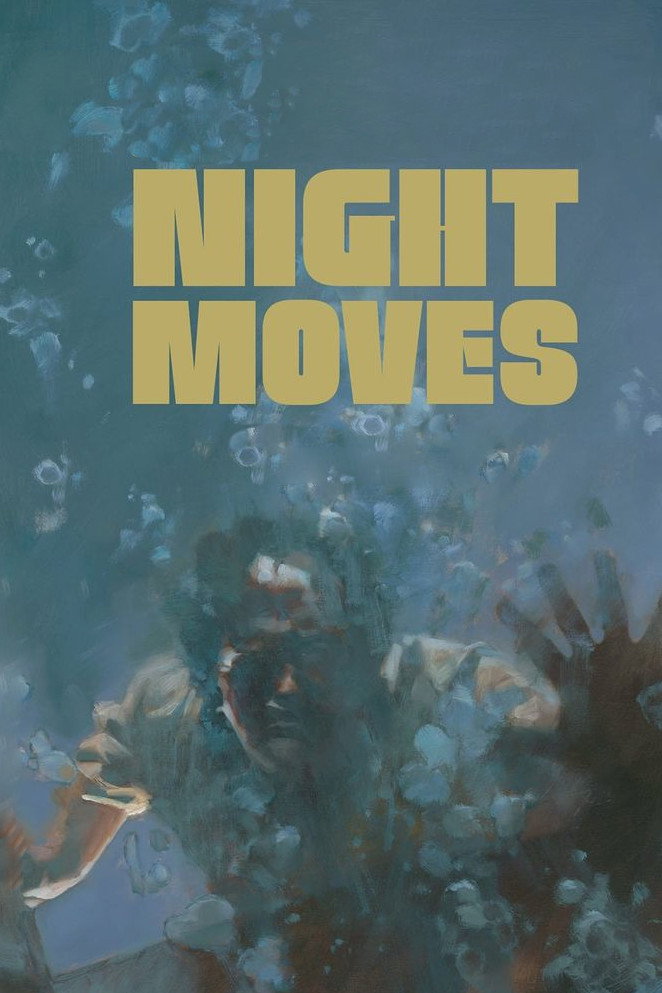
Night Moves

1975 · Another private investigator discovers how little competence helps when everybody holds something back.

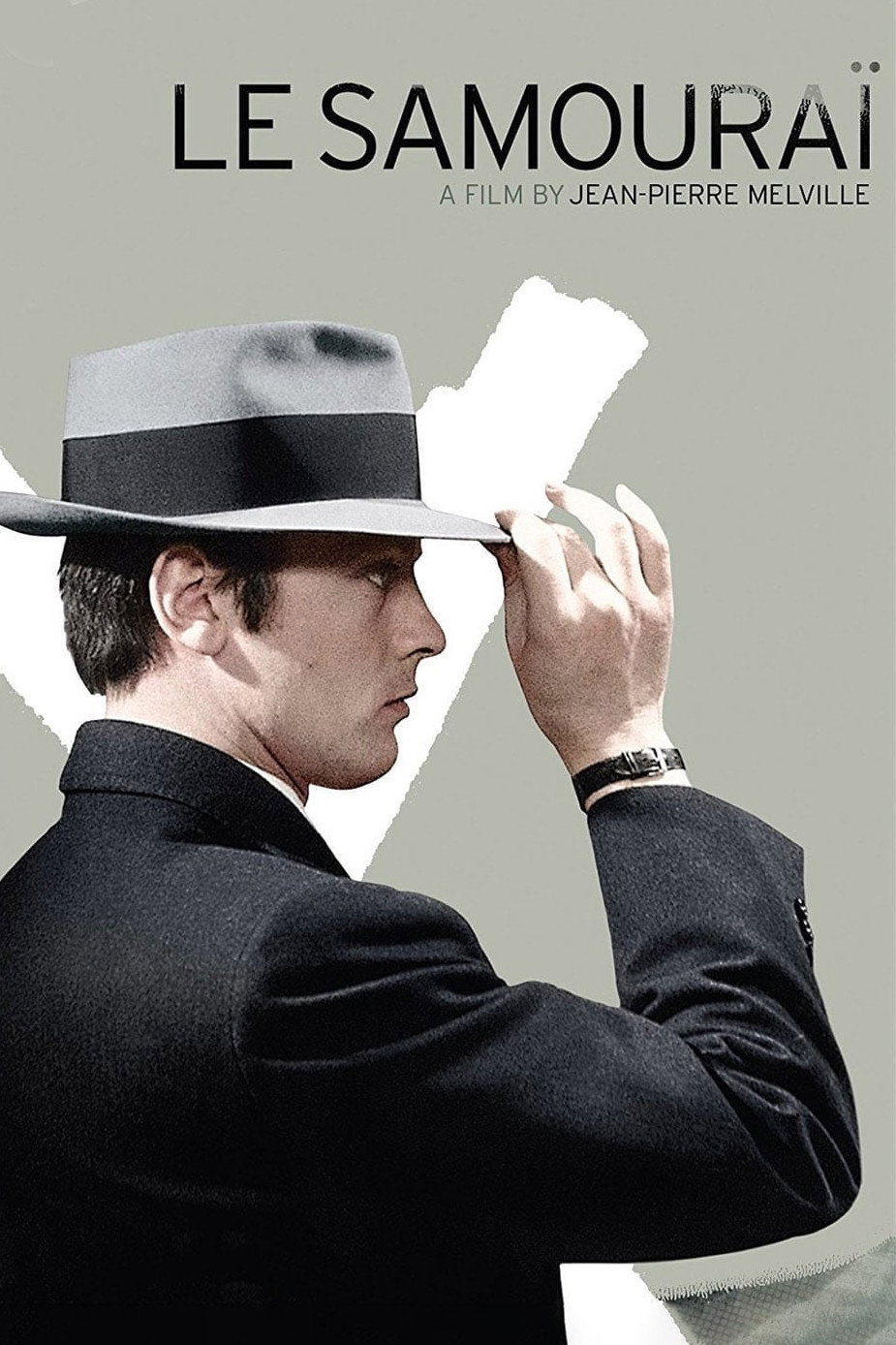
Le Samouraï poster

Le Samouraï

1967 · For a lonelier crime film about a man stubbornly observing his own rules.

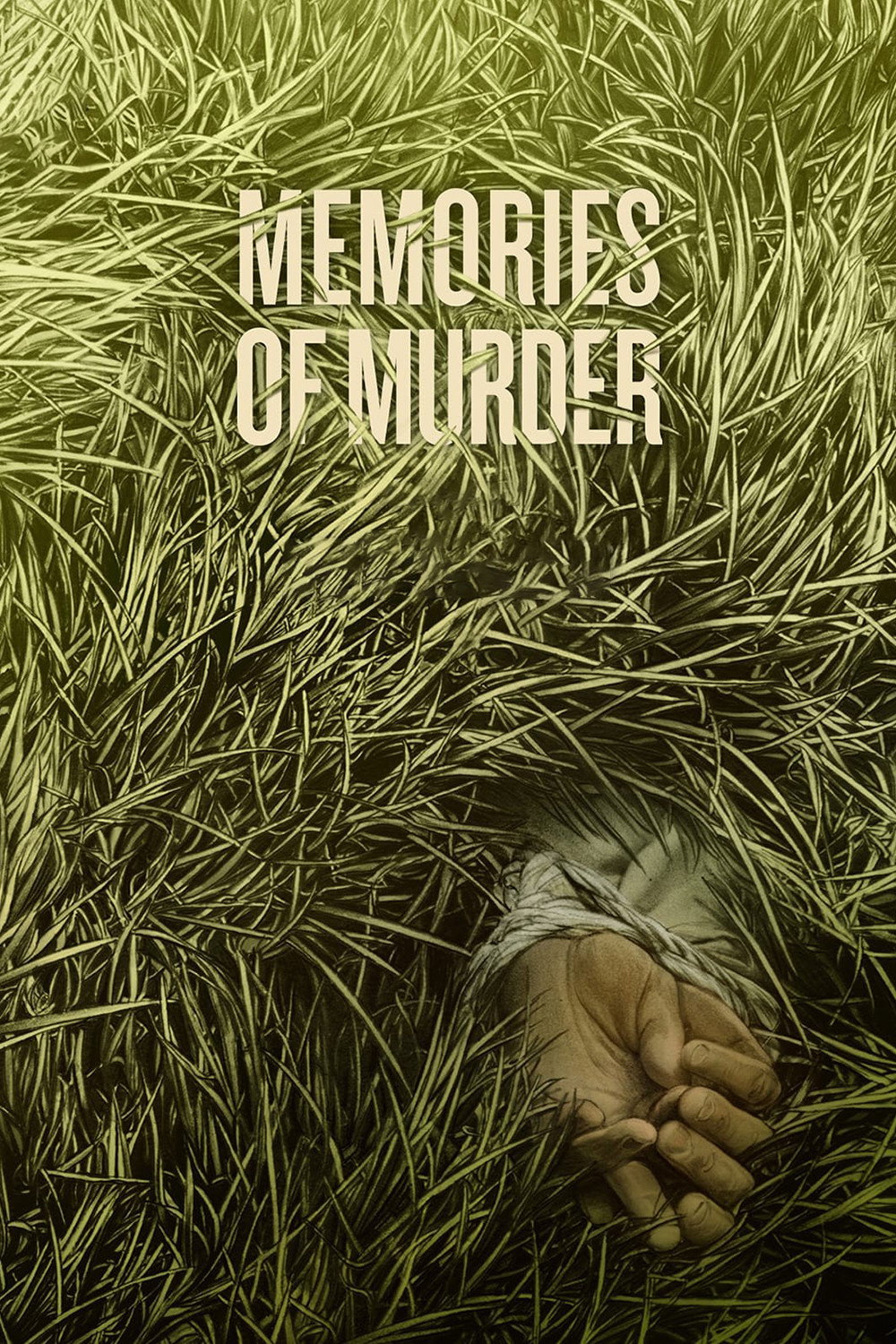
Memories of Murder poster

Memories of Murder

2003 · For detectives whose muddled investigations expose rather more than their professional shortcomings.

The Kid Detective poster

The Kid Detective

2020 · A small-town investigator finds that persistence does not quite compensate for arrested development.