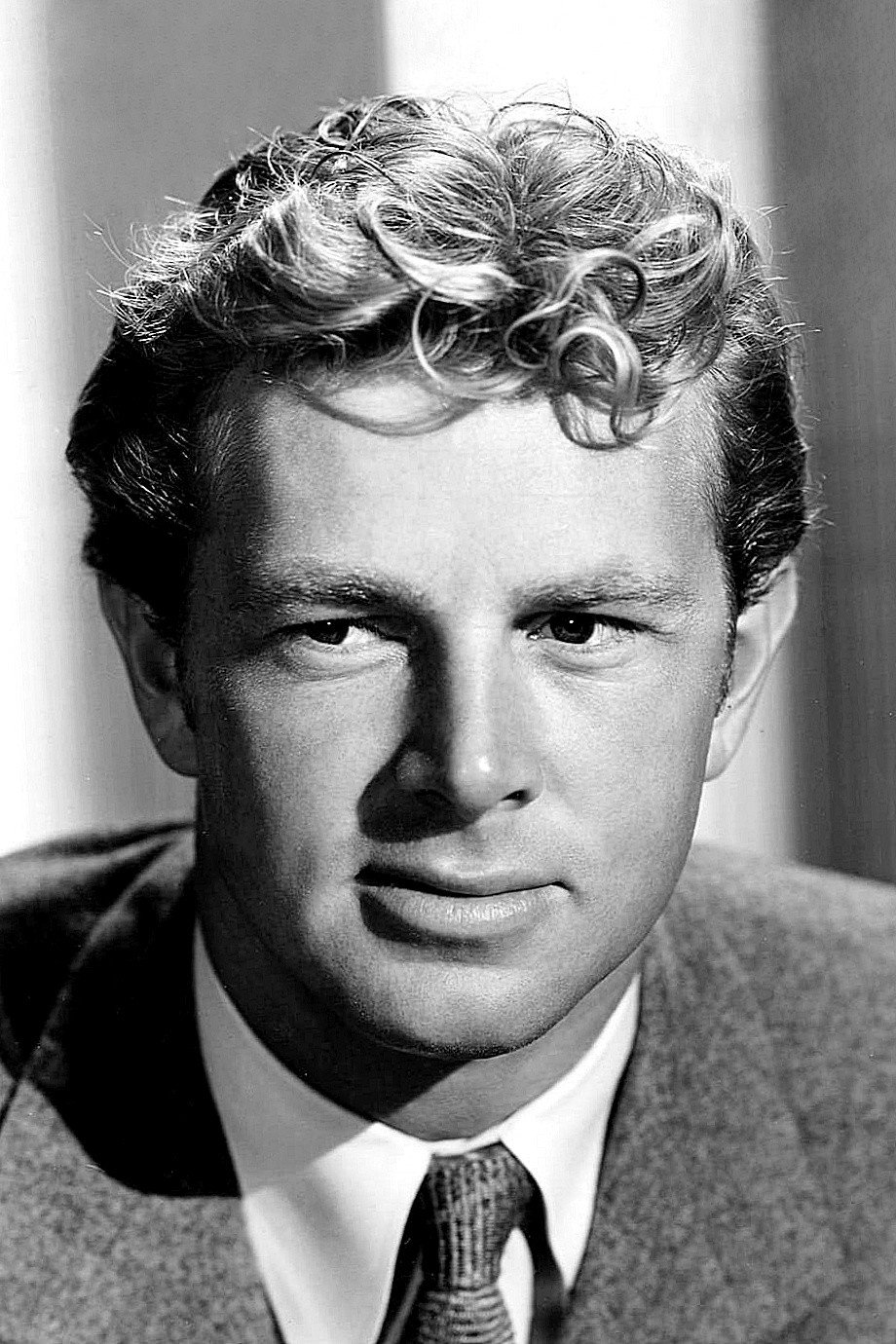
Sterling Hayden makes men accustomed to obedience convincing, especially when their certainty becomes dangerous or absurd. We rate him most highly when directors question that authority, as Stanley Kubrick does with his frighteningly assured General Ripper.
Fi1m perspective
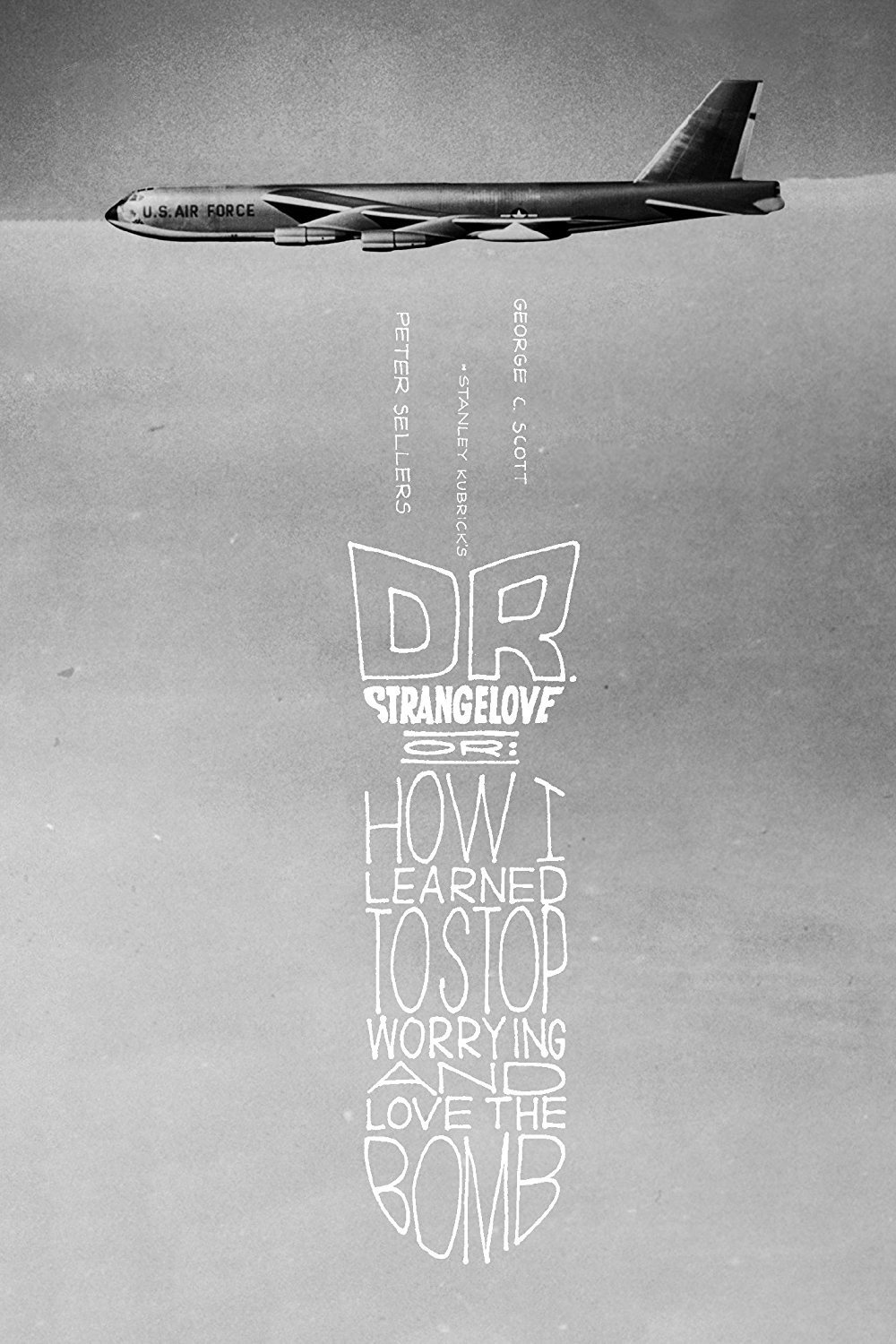
In Dr. Strangelove (1964), Sterling Hayden's Brigadier General Jack D. Ripper appears to have ruled out being wrong. His rigidity makes the general funny, but Hayden never gives us the comfort of a man who knows he is ridiculous. We laughed at his certainty, then felt uneasy, because he makes it so easy to believe that this man would be obeyed. Stanley Kubrick gets the most from him by trusting that conviction rather than asking him to compete with George C. Scott's more demonstrative General Buck Turgidson.
The earlier leading roles relied on his toughness, with Dix Handley in The Asphalt Jungle (1950) establishing him in noir. In the Western Johnny Guitar (1954), he brought his commanding presence to a role opposite Joan Crawford. Kubrick's The Killing (1956) made use of his rapid delivery and stoicism as Johnny Clay, the hard-boiled lead in a heist film. The baritone and the imposing build made such casting understandable, though repeated tough-guy assignments could leave little for him to work on.
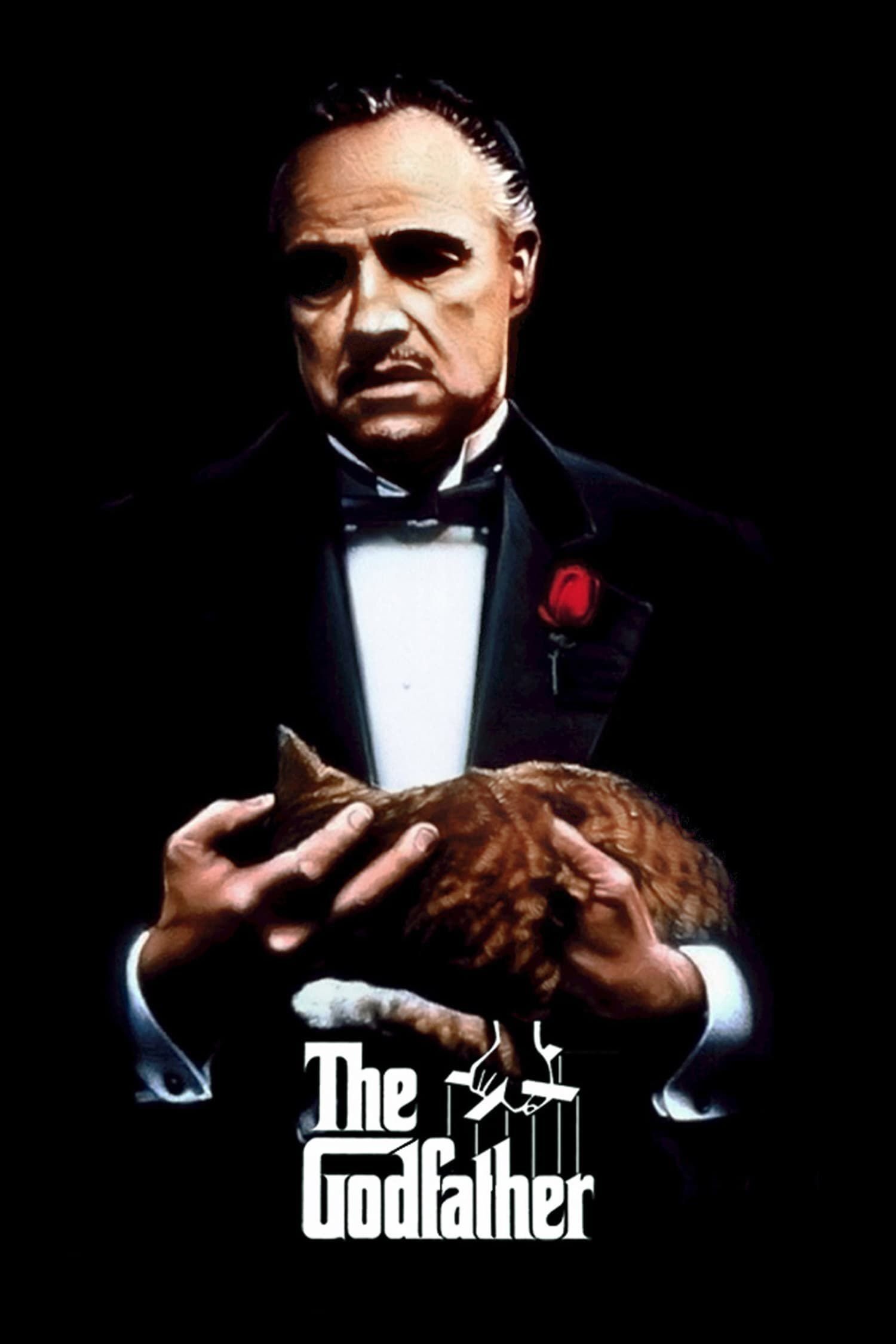
The move towards character parts in the 1960s gave that familiar authority more interesting uses. His Captain McCluskey in Francis Ford Coppola's The Godfather (1972) is a corrupt policeman, and a brief part rather than another leading-man assignment. In a film we value for its patient storytelling and disturbingly attractive criminal authority, Hayden supplies an official who offers no reassuring alternative.
The Long Goodbye (1973) gave him another sort of troubled man in Roger Wade, the novelist in Altman's film. The roughness of that later character work is worth seeking out, though the career also contains undemanding parts that settle for his ability to look formidable. We would choose the director as carefully as the title: Hayden benefits from someone who has a use for all that authority. Start with Dr. Strangelove, and resist the temptation to dismiss Ripper as merely a fool.
Biography
Sterling Hayden was an American actor. Born Sterling Relyea Walter on 26 March 1916 in Upper Montclair, New Jersey, he was adopted by his stepfather and renamed Sterling Walter Hayden. He left high school at 16 and worked at sea, becoming a ship's captain before entering films via a Paramount contract in the early 1940s.
Hayden appeared in more than 70 films and television productions between 1941 and 1982. He is known for roles including Dix Handley in The Asphalt Jungle (1950), Johnny 'Guitar' Logan in Johnny Guitar (1954), Johnny Clay in The Killing (1956), Brigadier General Jack D. Ripper in Dr. Strangelove or: How I Learned to Stop Worrying and Love the Bomb (1964), Captain McCluskey in The Godfather (1972), Roger Wade in The Long Goodbye (1973) and Russell Tinsworthy in Nine to Five (1980). He served as a Marine and OSS agent during the Second World War.
Hayden wrote the autobiography Wanderer (1963) and the novel Voyage (1976). He died of cancer on 23 May 1986 in Sausalito, California.