Film review

Dr. Strangelove or: How I Learned to Stop Worrying and Love the Bomb

1964 · Directed by Stanley Kubrick · 1h 35m · PG

In a sentenceThe men in charge of the bomb would be exhausting company even without the bomb

ComedyWar

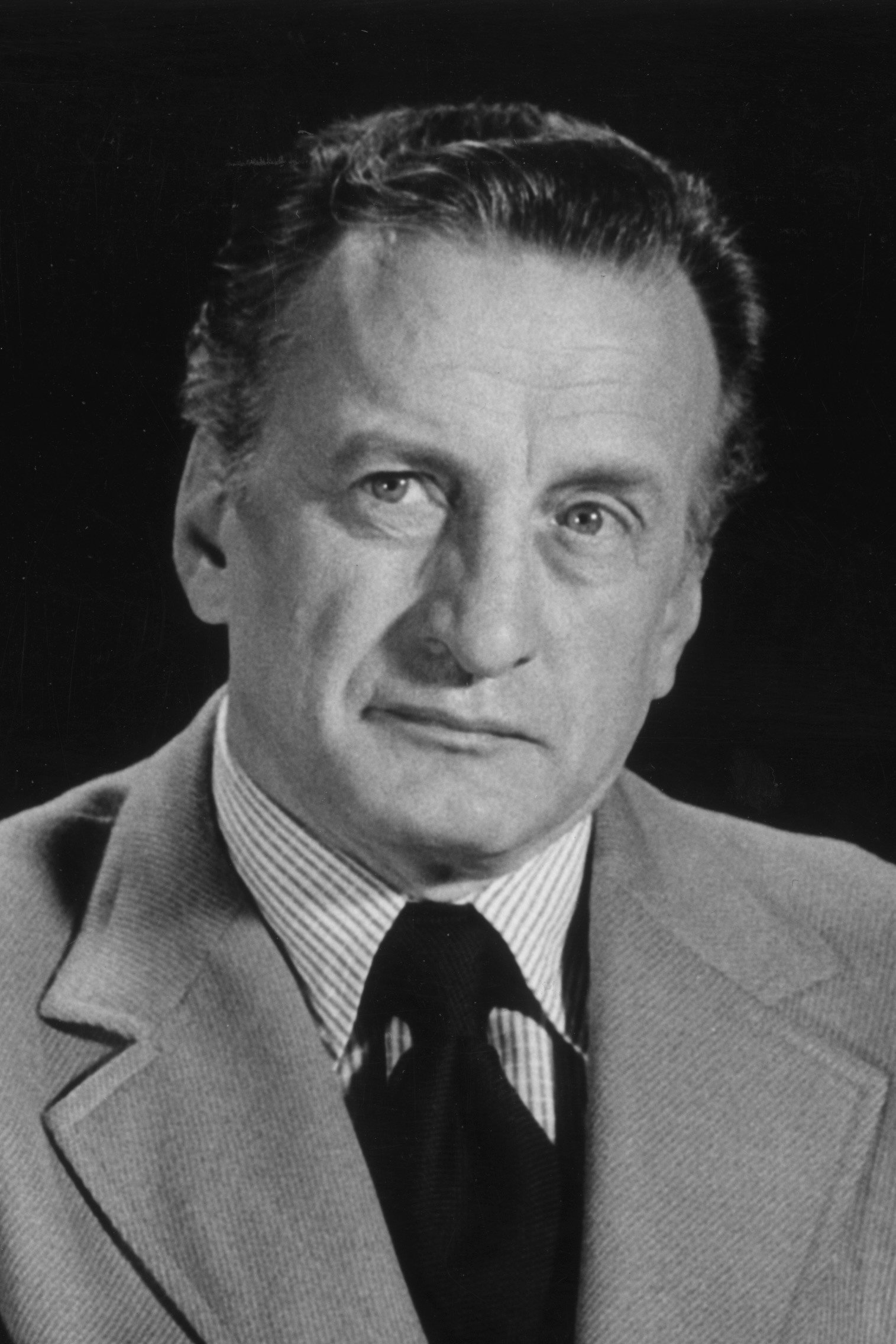
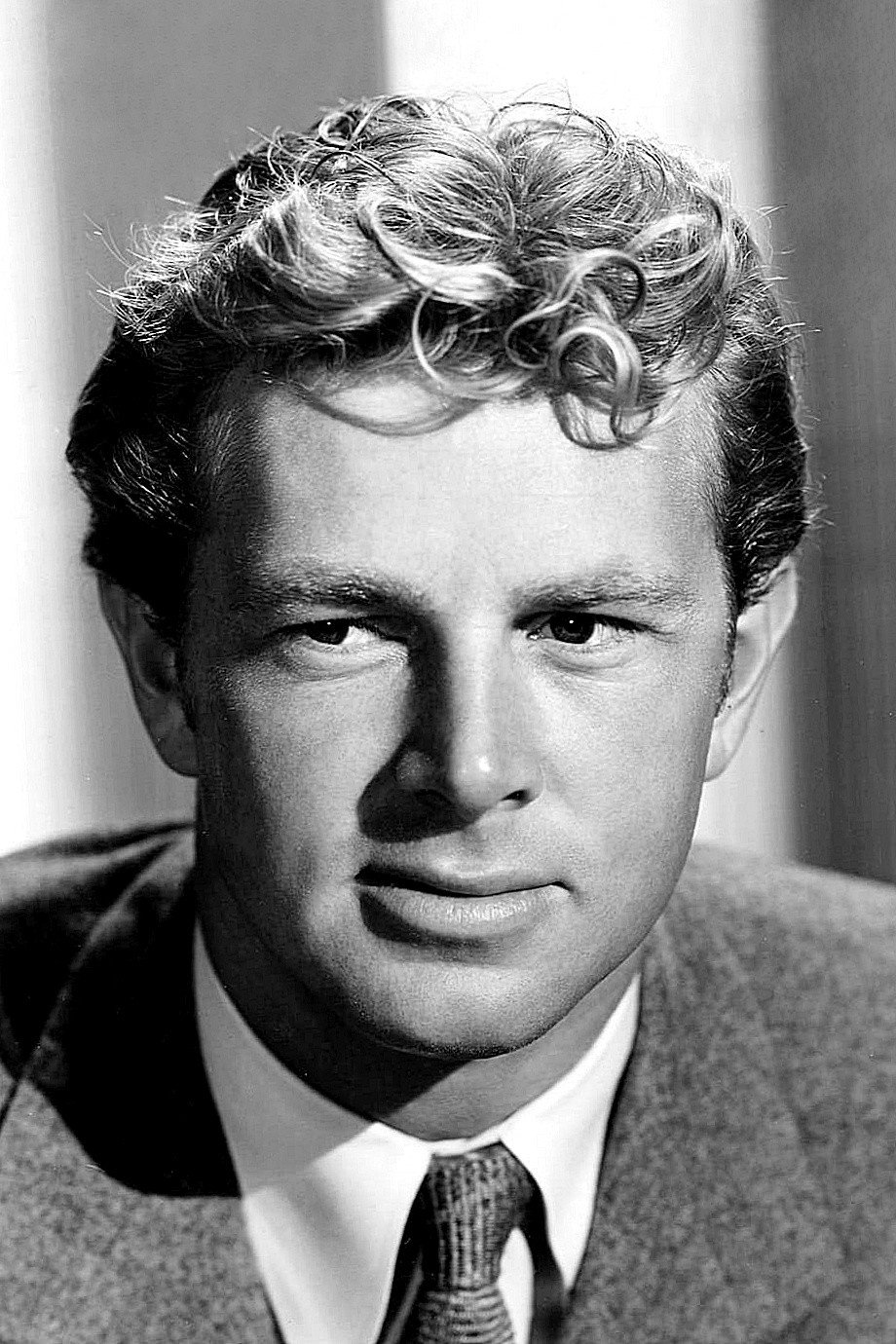
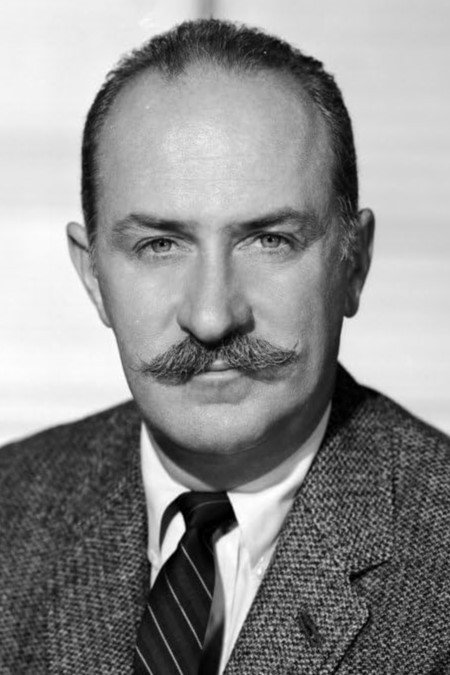
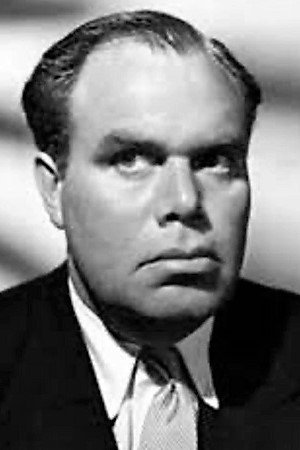
Military officers, politicians and advisers confront the prospect of nuclear catastrophe in Stanley Kubrick’s Cold War comedy. Peter Sellers plays three men caught up in the crisis: Group Captain Lionel Mandrake, President Merkin Muffley and Dr. Strangelove. George C. Scott’s General ‘Buck’ Turgidson and Sterling Hayden’s Brigadier General Jack D. Ripper represent the military leadership, with Slim Pickens as Major ‘King’ Kong. The story moves through the worlds of command and diplomacy, where professional pride, warlike enthusiasm and competing ideas of reason shape the response to the danger.

Plays from YouTube when you press play; nothing loads from them until then.

Fi1m review

Stanley Kubrick’s nuclear satire is ruthlessly funny and properly frightening, with Peter Sellers finding three distinct ways to be absurd. The broadest clowning sometimes crowds the sharper jokes, but the people in charge remain horribly recognisable.

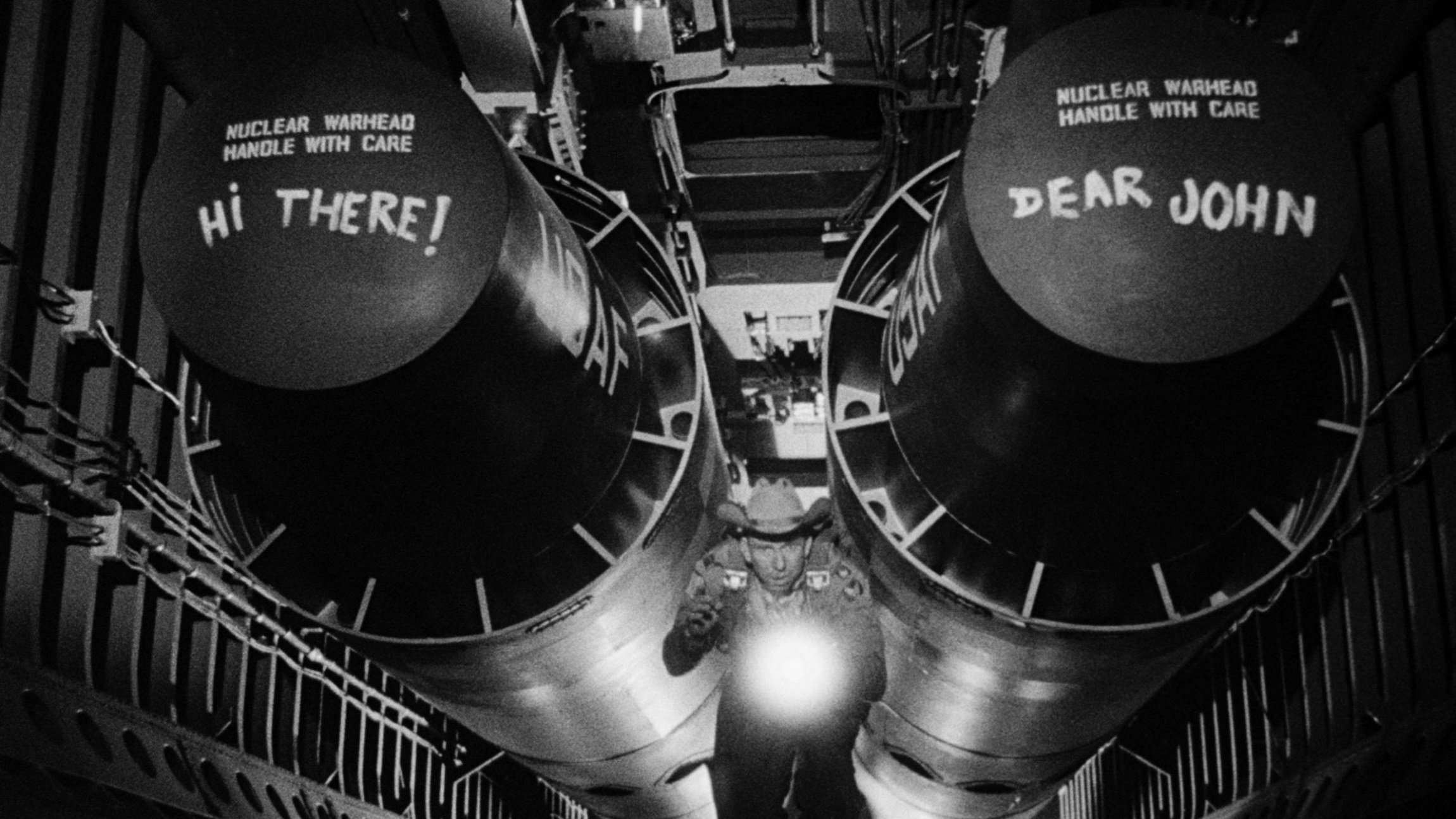
Stanley Kubrick’s Dr. Strangelove is a ferociously funny film about nuclear war, and the laughter makes the danger harder to dismiss. The people entrusted with decisions appear to enjoy the authority rather more than they understand the responsibility. Kubrick, Peter George and Terry Southern’s screenplay makes military vanity and diplomatic good manners equally useful to the comedy. There is suspense here, but we are also watching powerful men become distracted by the pleasure of sounding important.

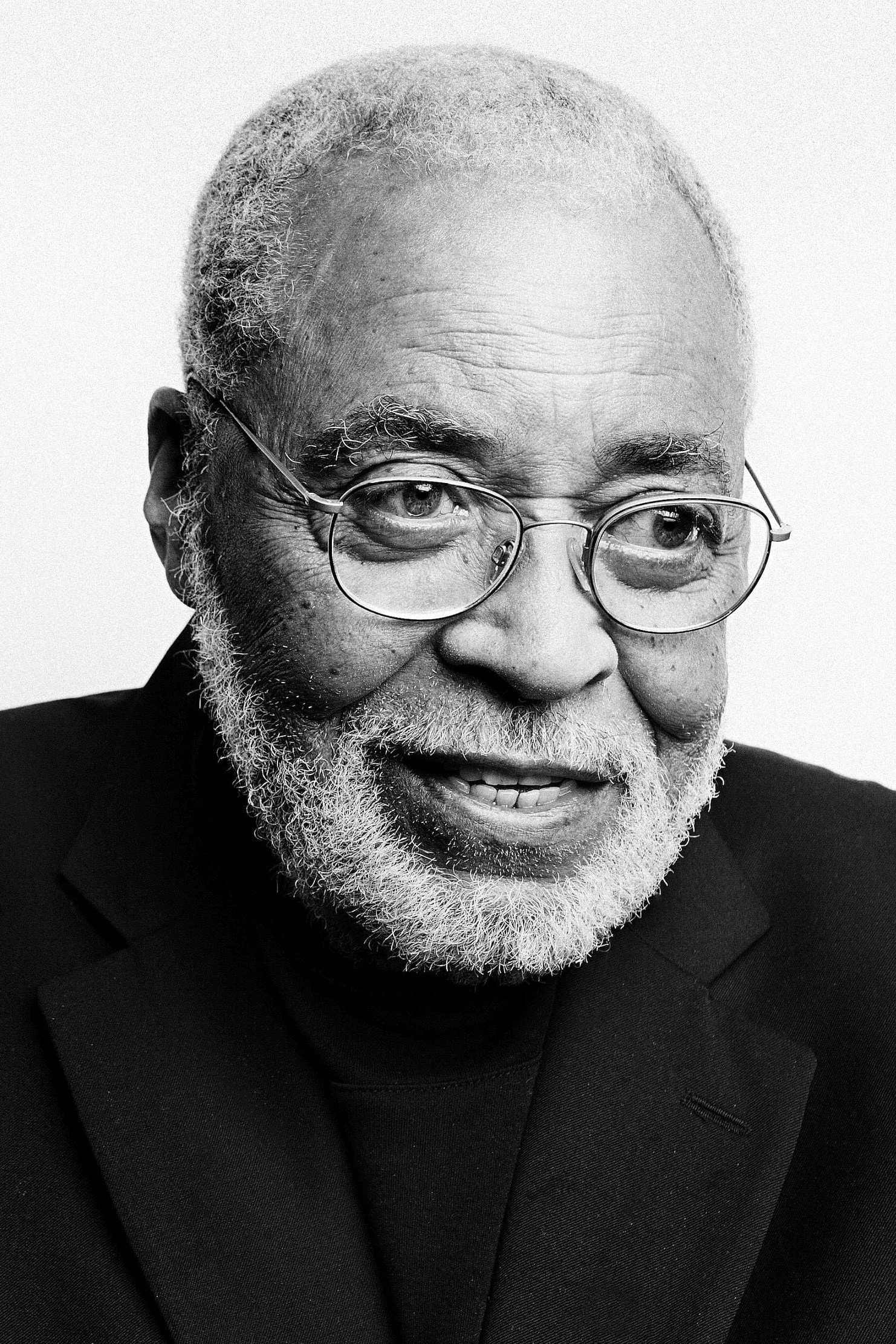
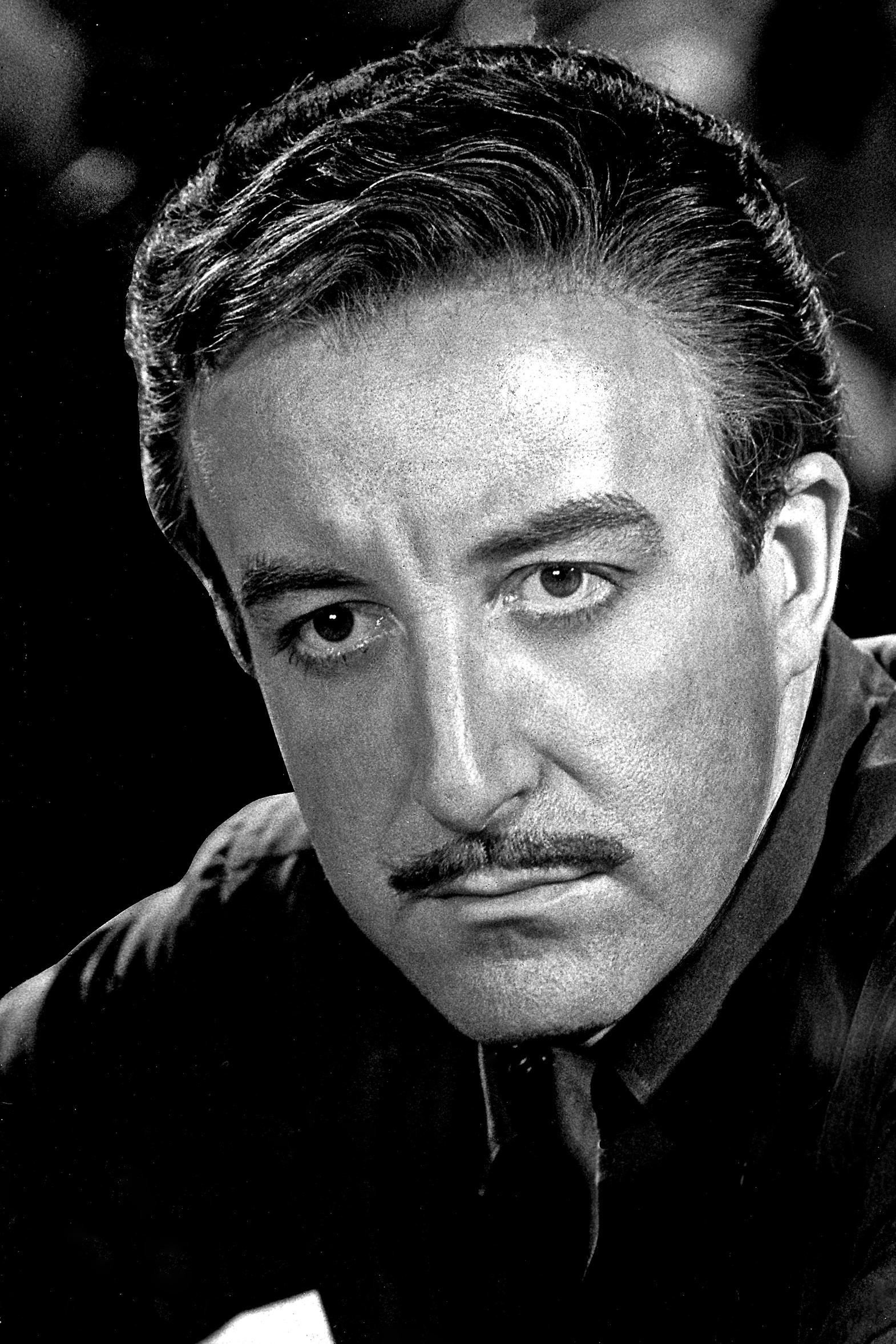
Peter Sellers supplies three performances, as Group Captain Lionel Mandrake, President Merkin Muffley and Dr. Strangelove, and the pleasure is in how differently each man handles absurdity. Mandrake’s restraint and Muffley’s concern give the film room to breathe around its more extravagant behaviour. We laughed at Muffley’s attempts to sound reasonable, then felt uncomfortable about how reassuring we found him. Sellers makes basic decency seem a considerable qualification for high office, which tells us how far the surrounding military confidence has lowered our expectations.

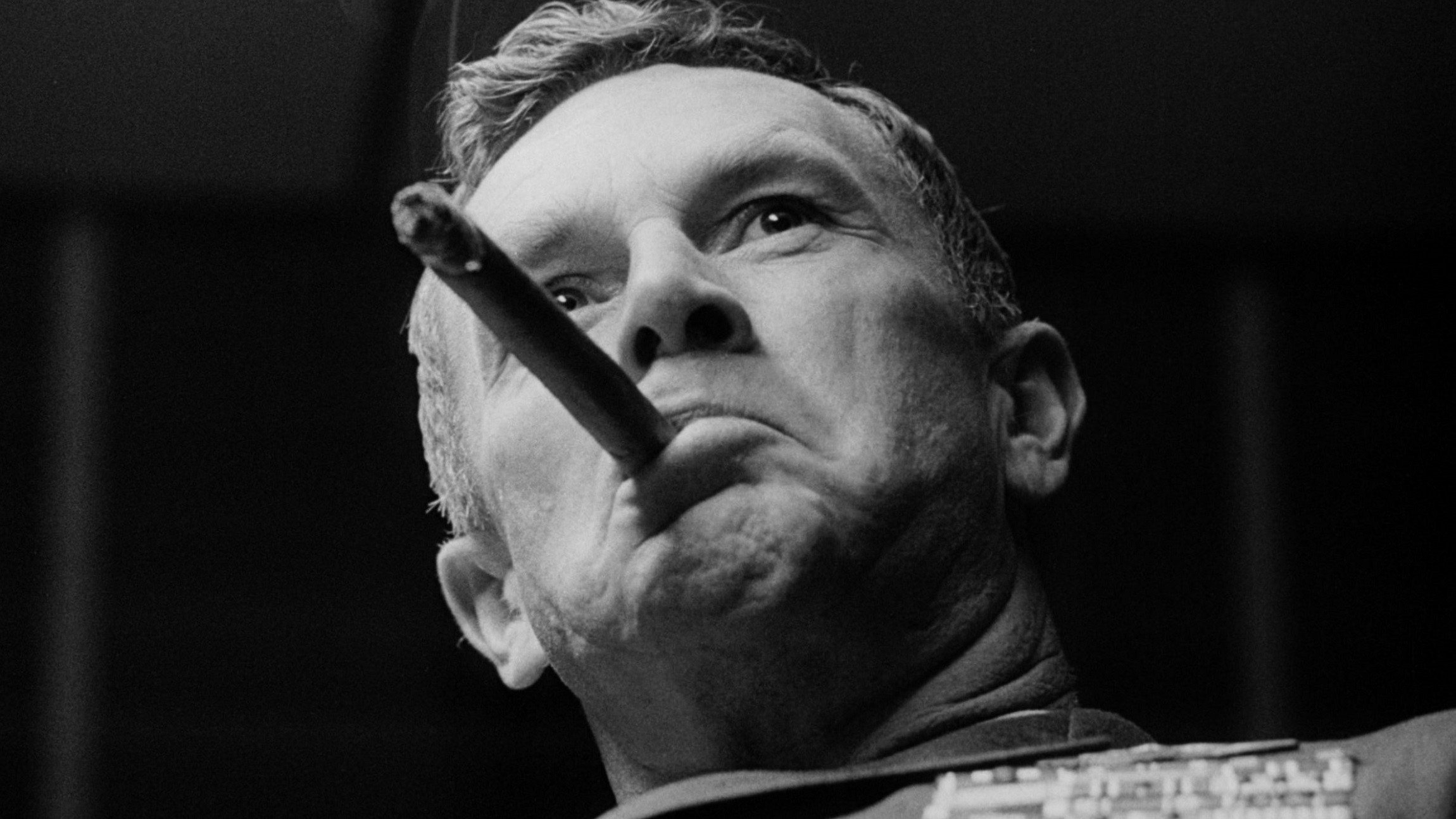
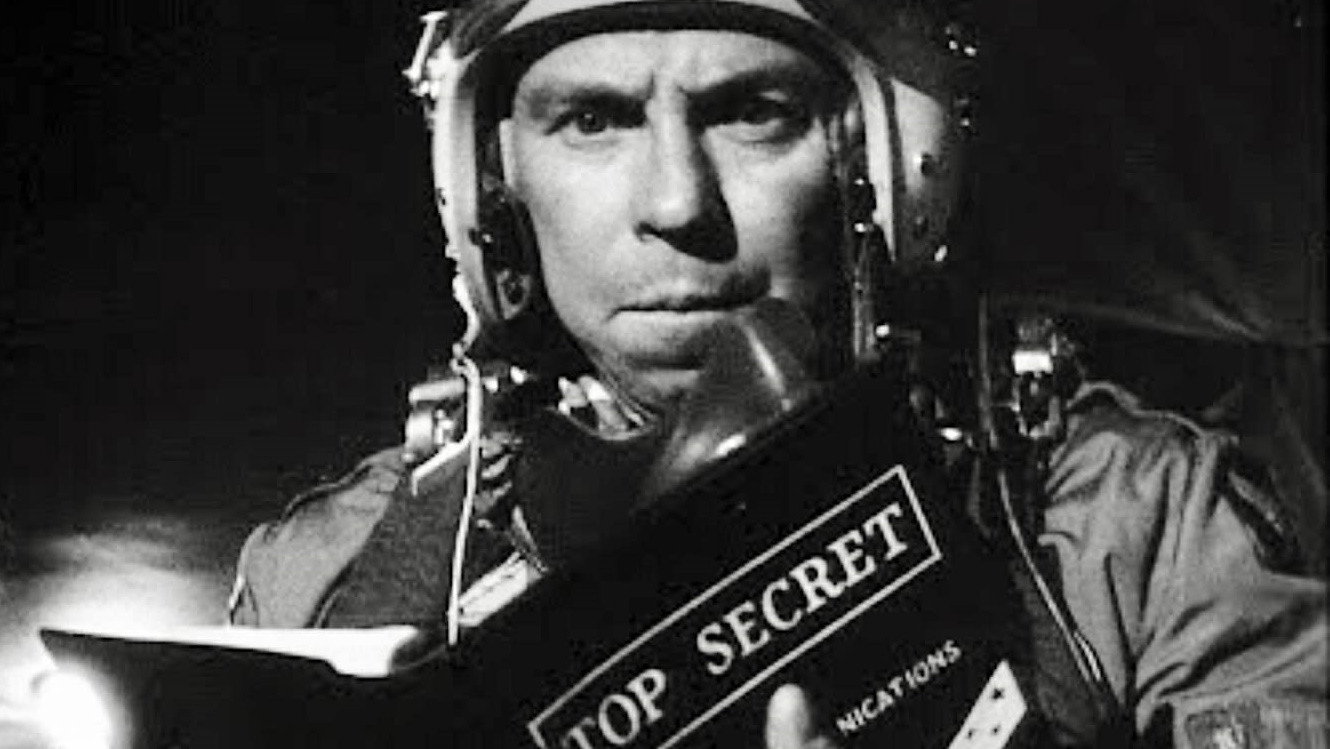
George C. Scott gives General ‘Buck’ Turgidson such relish for military business that the enthusiasm itself becomes alarming. Sterling Hayden’s Brigadier General Jack D. Ripper is more rigid, and his conviction is funny until we consider what conviction permits a man in uniform to do. Both performances make the film’s disgust with warmongering easy to understand without anyone explaining the lesson. Scott occasionally pushes a reaction beyond what the joke needs, and those moments make Turgidson easier to dismiss than such a man ought to be.

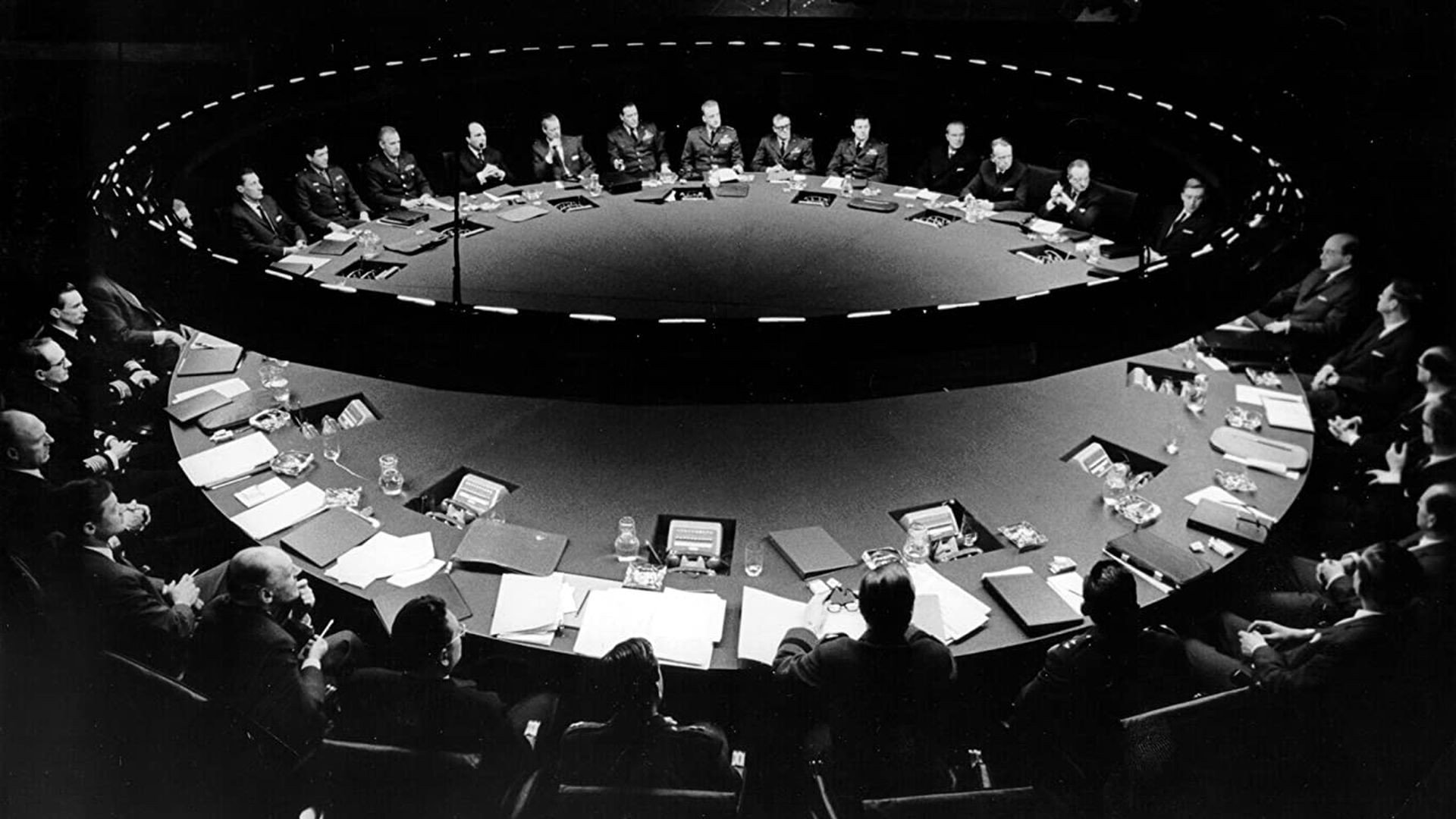
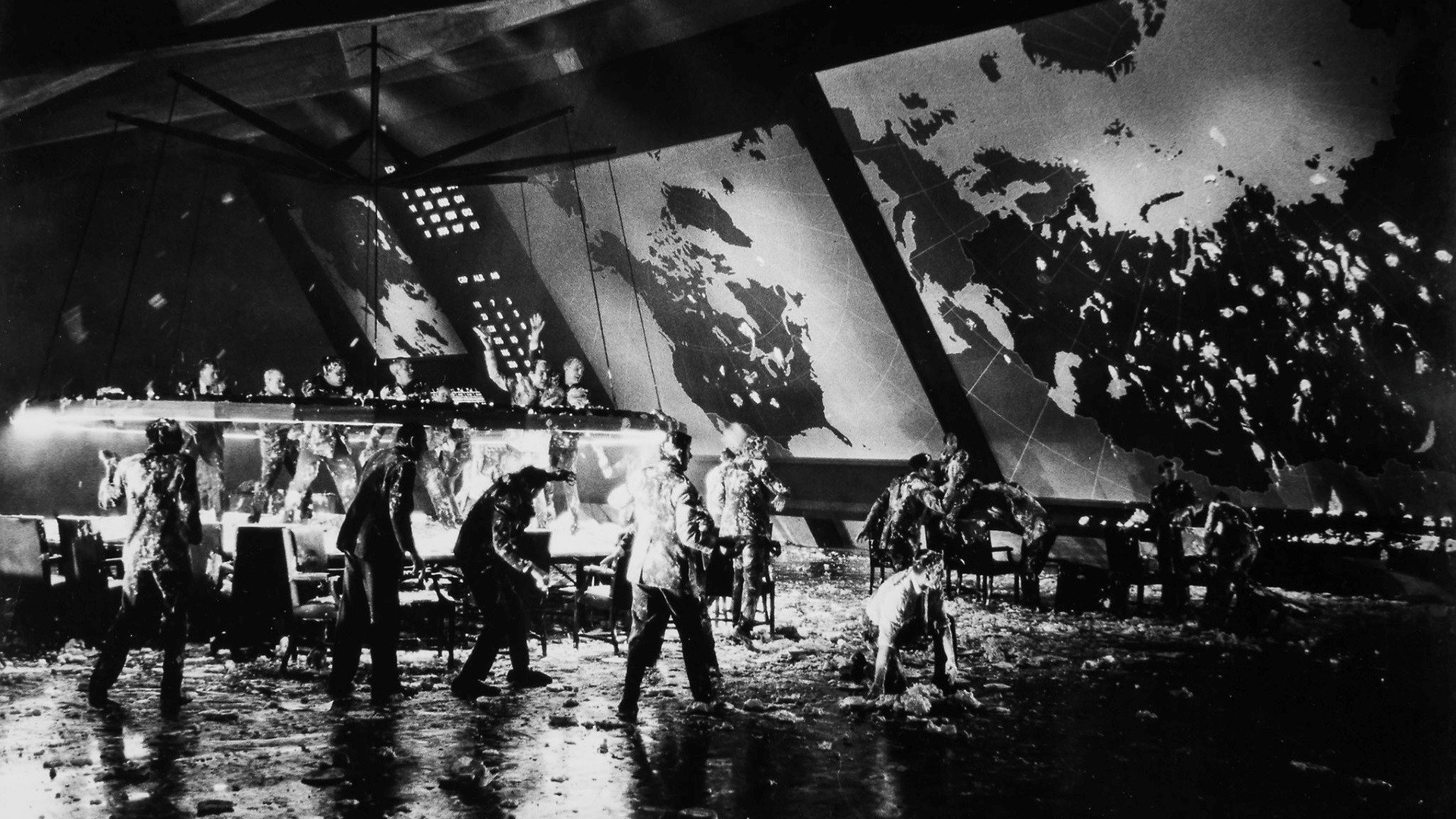
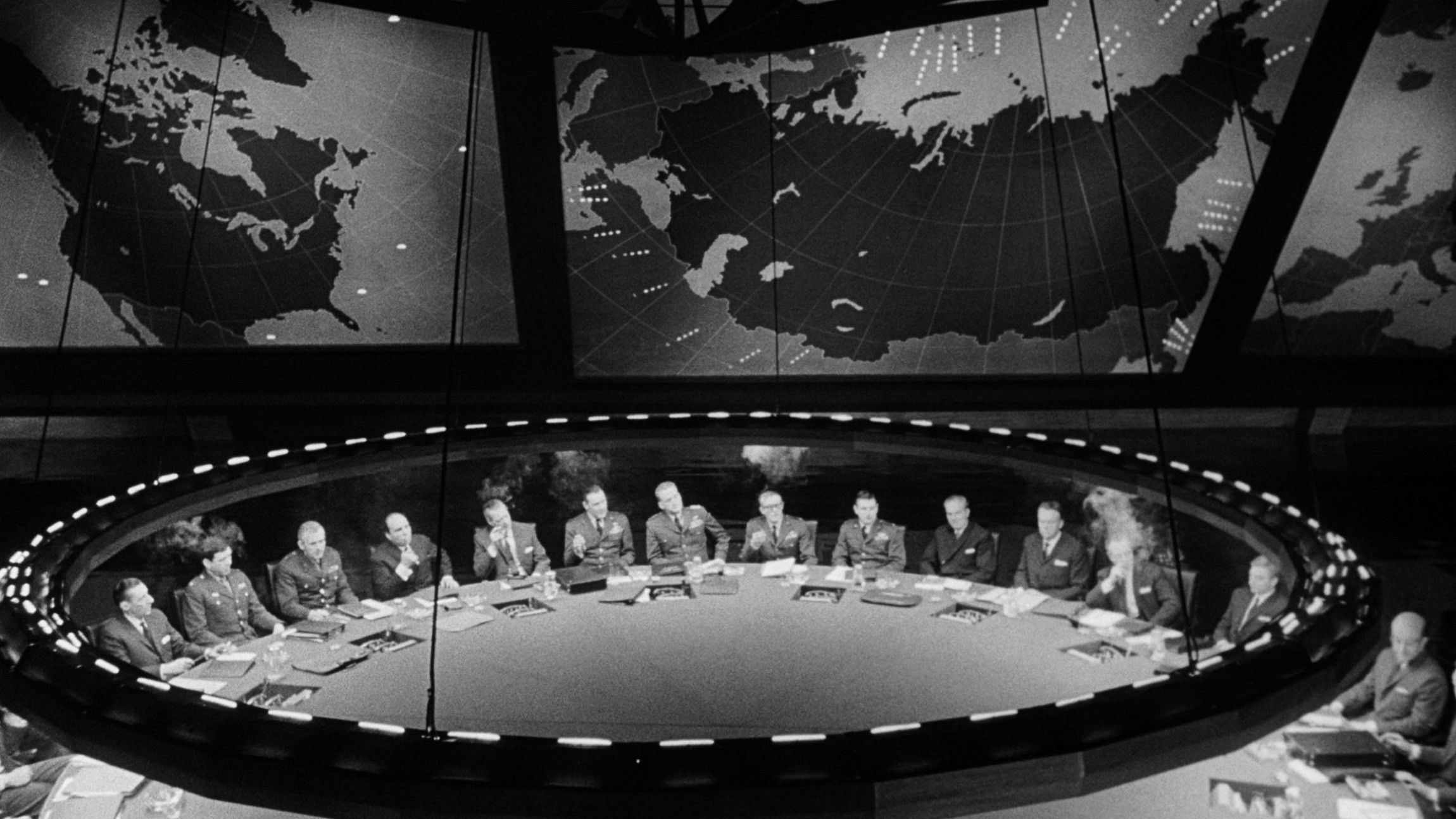
Gilbert Taylor’s photography makes the war room look like a place where the men expect to be taken seriously. Ken Adam’s production design gives their deliberations enough grandeur to make the foolishness uncomfortable. Neither contribution begs for a laugh, and that restraint is crucial when the actors are so willing to supply one. The surroundings help us understand why these men might trust their own importance.

Anthony Harvey’s editing keeps the performances from becoming separate comic turns. The 95-minute running time is well judged: there is space to enjoy Sellers without allowing the whole film to become a vehicle for him. Laurie Johnson’s music gives the military proceedings a purposefulness we have little reason to share. The score’s seriousness helps the jokes, although Harvey’s timing does more to keep the danger present between them.

The film is harsher than the kind of war comedy that lets us blame everything on a single pompous officer. Kubrick, George and Southern spread the appetite for power too widely for that, and the sexual innuendo keeps exposing the childishness beneath the uniforms. We need not think every one of these men a fool to be frightened by the arrangements that put them in charge. Give it an evening when laughter does not have to make things feel better.
Critical consensus AI synthesised

4 of 6
Positive
4
Mixed
0
Negative
0
Radio Times
★★★★★ · Tom Hutchinson
100

Kubrick's ferocious Cold War satire makes viewers smile through gritted teeth as it spirals from gentle humour to surreal horror. Sellers' performances and the unsparing disgust with warlike instincts make it grimly comic.

Read the full review →
Time Out
21 October 2016 · ★★★★★
100

Kubrick's most perfectly realised film weds his cynical vision of technology and human stupidity with sparkling comedy. The result is scary, hilarious and nightmarishly beautiful, far more effective than anti-nuke documentaries.

Read the full review →
The Hollywood Reporter
15 January 1964 · James Powers
90*

The critic calls the film baleful and brilliant, predicting it will enthrall most viewers as a huge success for its truthful humor about nuclear anxiety. Kubrick is praised for skillfully using comedy to convey a serious point, with standout performances from Peter Sellers in three roles and strong technical contributions.

Read the full review →
Slant Magazine
16 June 2009 · Eric Henderson
85*

The review affirms the film's lasting status as a confirmation of Kubrick's reputation and the arrival of irreverent satire, highlighting its zippy, ruthless portrait of diplomatic insanity. It singles out the savage satire of the military-industrial complex through character performances and the iconic phallic imagery of the bomb-riding scene.

Read the full review →
Empire
1 January 2000 · Dorian Lynskey

The critic praises Kubrick's decision to treat the absurd logic of nuclear deterrence as black comedy rather than earnest thriller, highlighting the film's lewd satire, innuendo and Peter Sellers' three standout performances. It notes the boldness of the bad taste even decades later and calls the result the film the subject deserved.

Read the full review →
Sight and Sound
15 May 2019 · Tom Milne

The critic calls the film a very tough yet hilariously funny and nightmarish work that makes no concessions. Kubrick is praised as a cunning director whose vision exposes the madness behind sane exteriors in power politics and ends with a bitter warning.

Read the full review →

Cast

Stills

Awards

Academy Awards, 1965

Nominated
Best Actor
Nominated
Best Picture
Nominated
Best Writing, Adapted Screenplay

BAFTA Film Awards, 1965

Nominated
Best British Screenplay
Won
Best British Film
Won
Best Film

Hugo Awards, 1965

Won
Best Dramatic Presentation

United Nations Awards, 1965

Won
United Nations Awards

Bodil Award for Best Non-American Film, 1964

Won
Bodil Award for Best Non-American Film

Directors Guild of America Award for Outstanding Directing – Feature Film, 1964

Nominated
Directors Guild of America Award for Outstanding Directing – Feature Film

New York Film Critics Circle Award for Best Director, 1964

Won
New York Film Critics Circle Award for Best Director

If you liked this, try…

Fail Safe poster

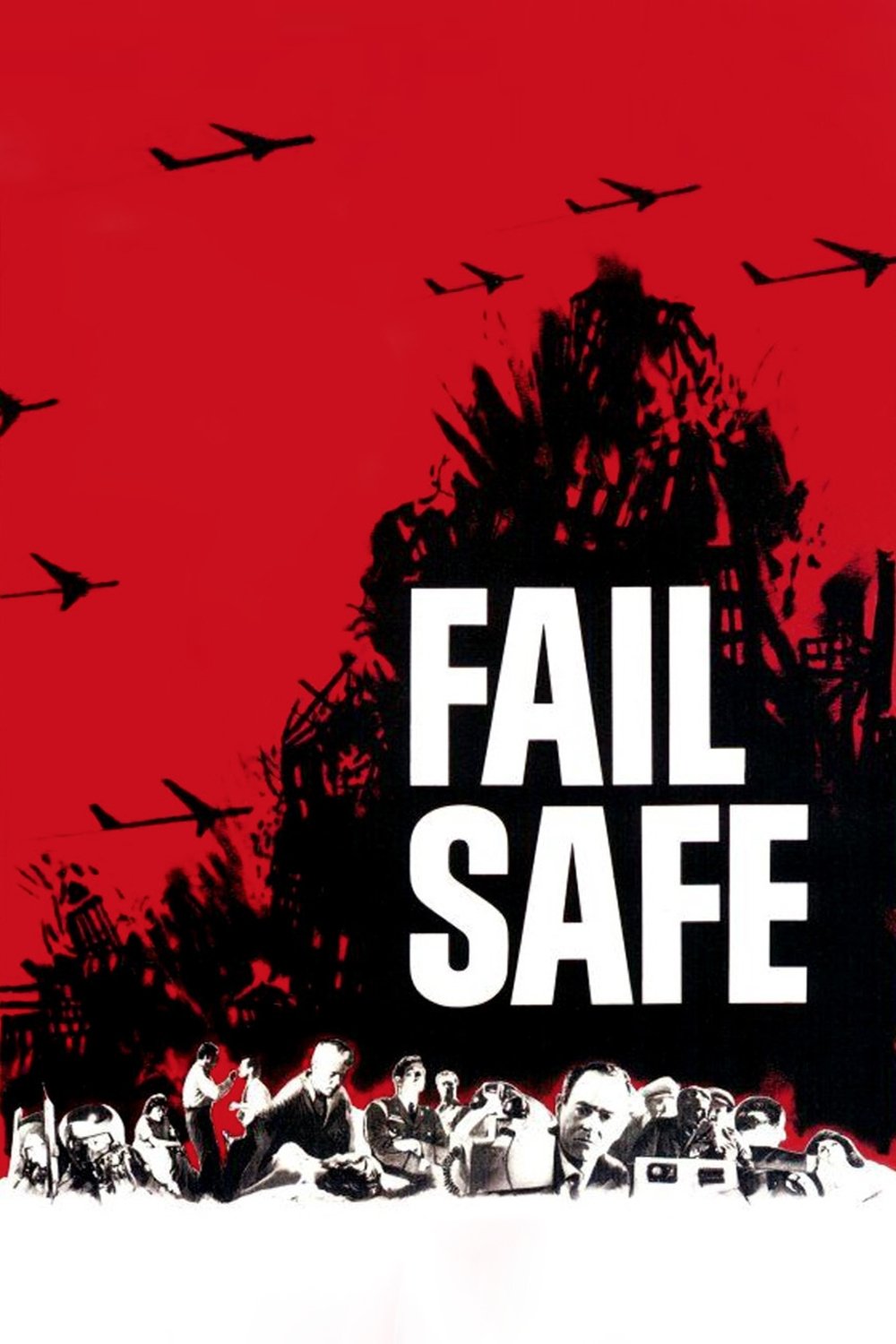
Fail Safe

1964 · The nuclear nightmare played straight, for anyone who wants the laughter removed.

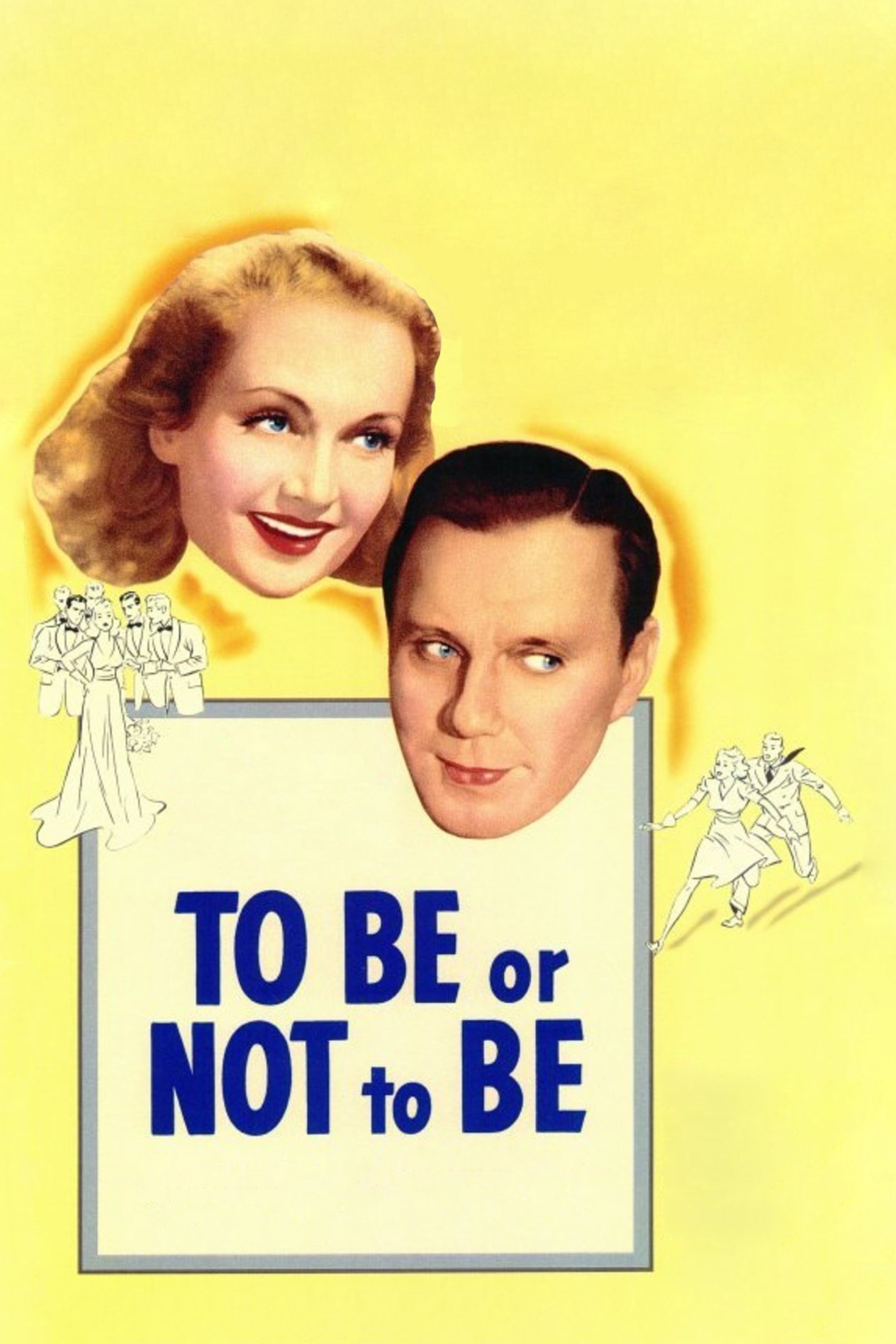
To Be or Not to Be poster

To Be or Not to Be

1942 · Wartime deception and theatrical vanity make dangerous company in another unsentimental comedy.

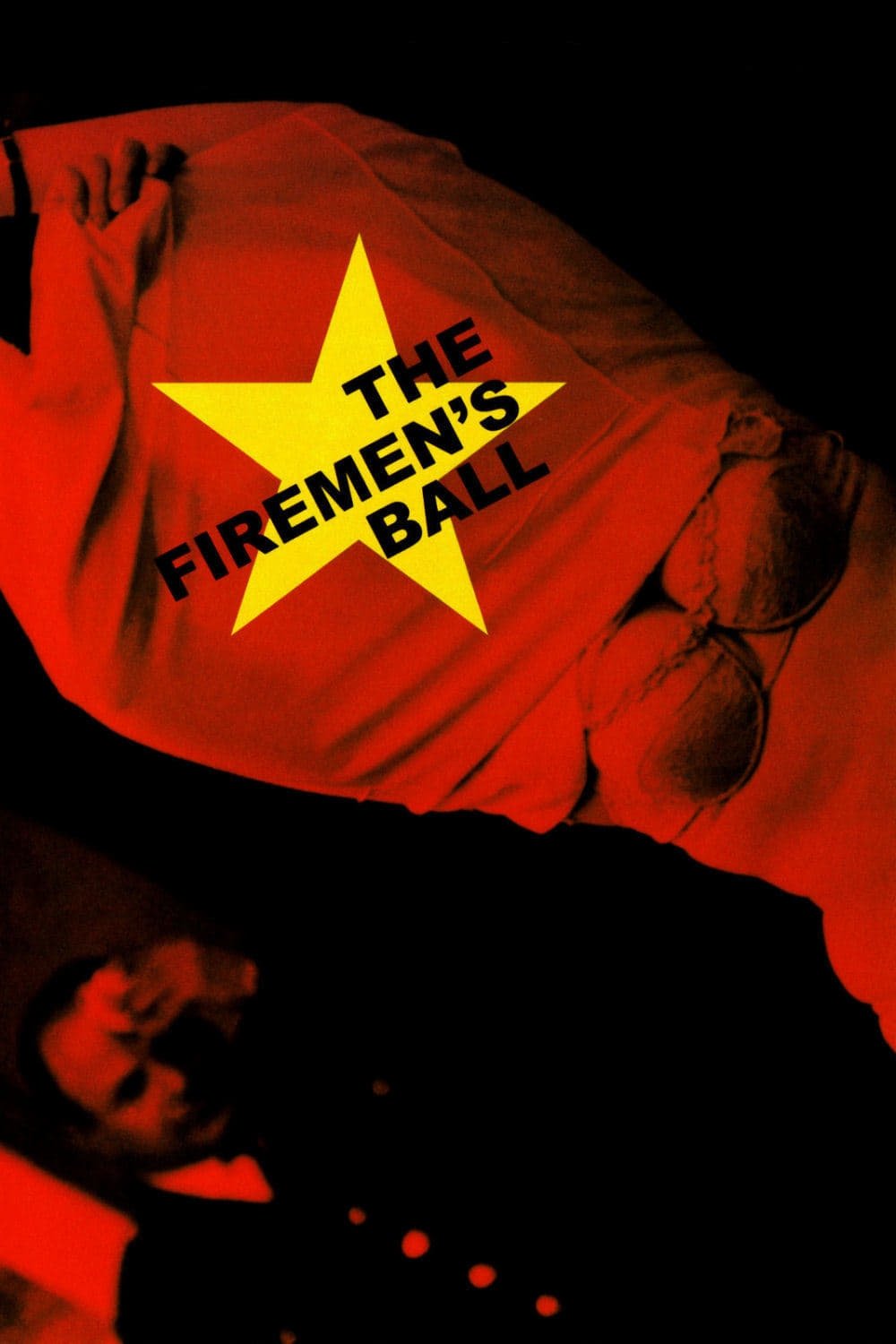
The Firemen's Ball poster

The Firemen's Ball

1967 · A Czech committee demonstrates how efficiently collective authority can produce collective embarrassment.

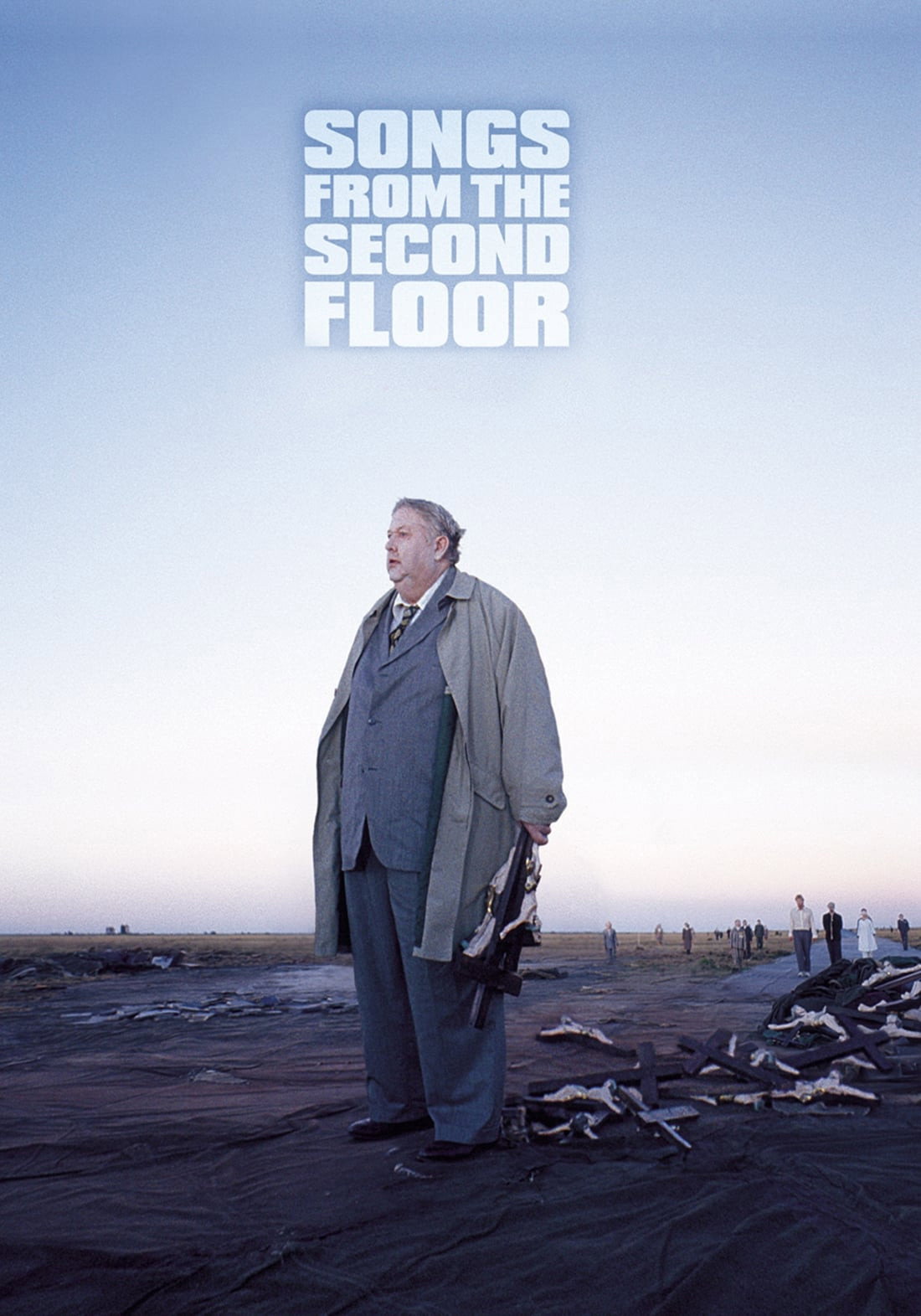
Songs from the Second Floor poster

Songs from the Second Floor

2000 · Swedish deadpan turns everyday institutions into something both ridiculous and quietly appalling.

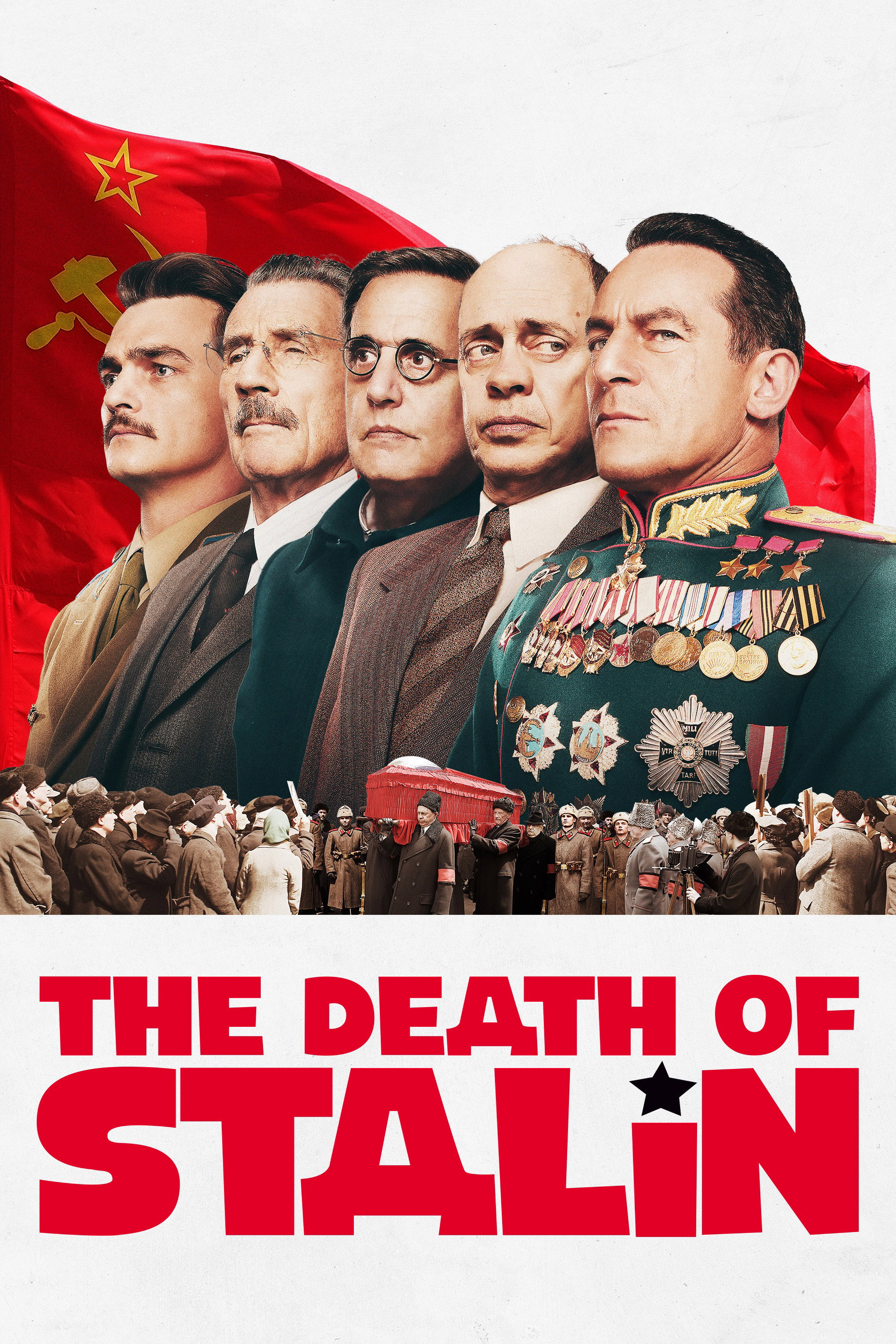
The Death of Stalin poster

The Death of Stalin

2017 · Officials pursue advancement while terror makes even the smallest social mistake dangerous.