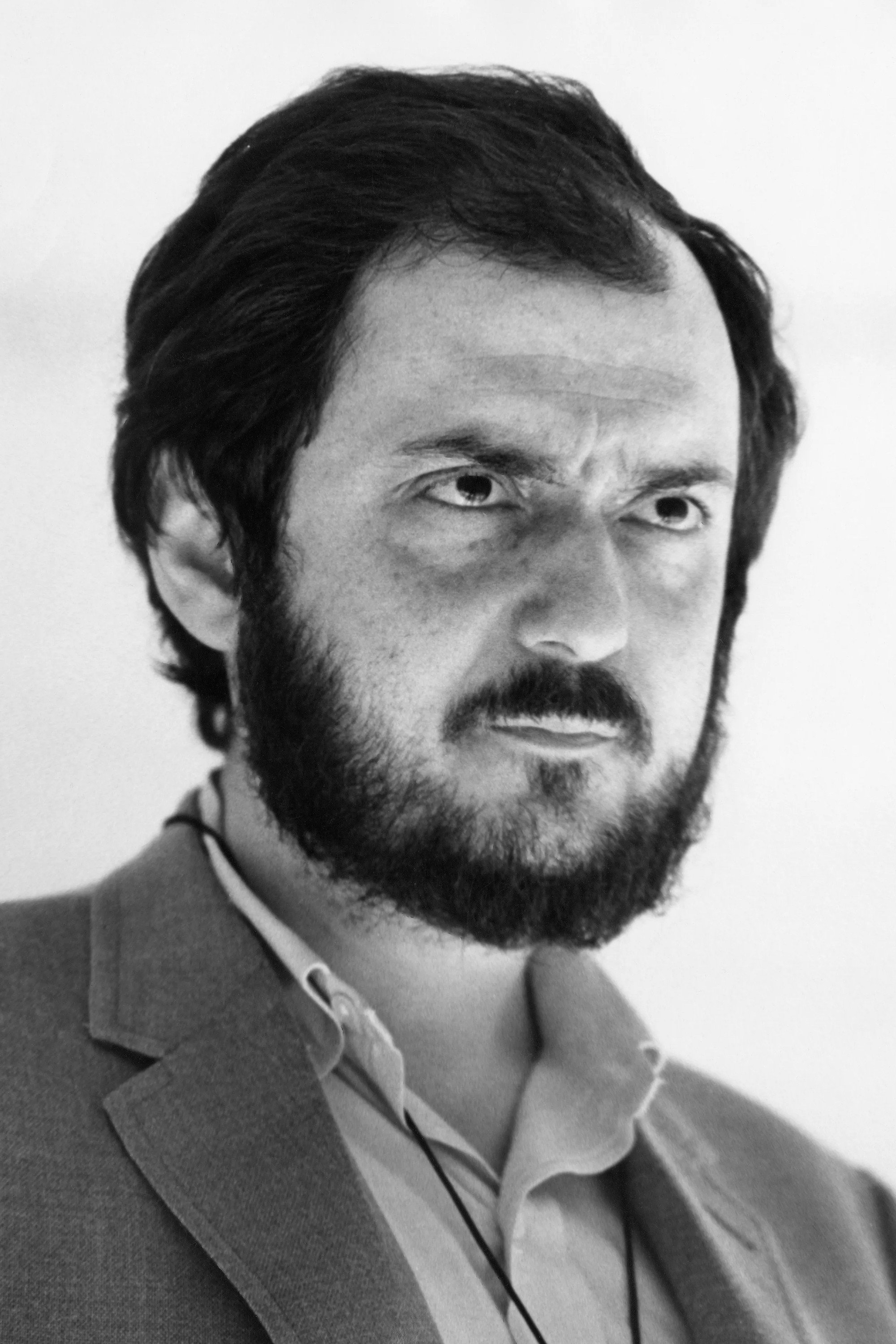
Stanley Kubrick makes us look longer than we expect, and usually rewards the attention. We rate his patience and precision highly, while recognising how often the people in his films can feel kept at a distance.
Fi1m perspective
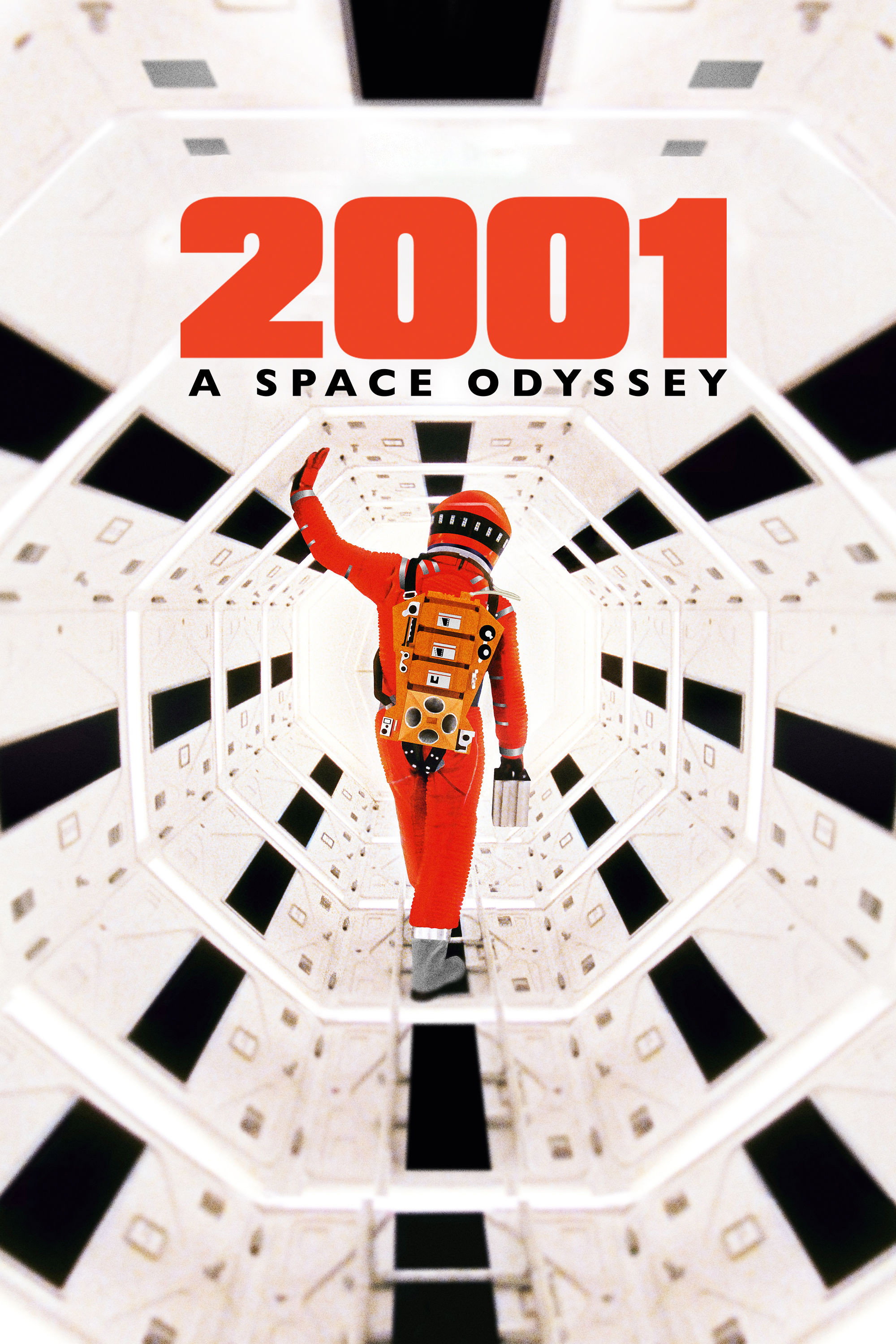
The ape-men at the start of 2001: A Space Odyssey (1968) are given time that another film might save for its stars. The passage is long and wordless, and Kubrick expects us to watch without an explanation. We felt uneasy watching its machines later on, because he holds our attention on them long enough for looking to stop feeling routine. That patience is central to what we admire in him, though even here the prehistoric opening occasionally feels stretched.
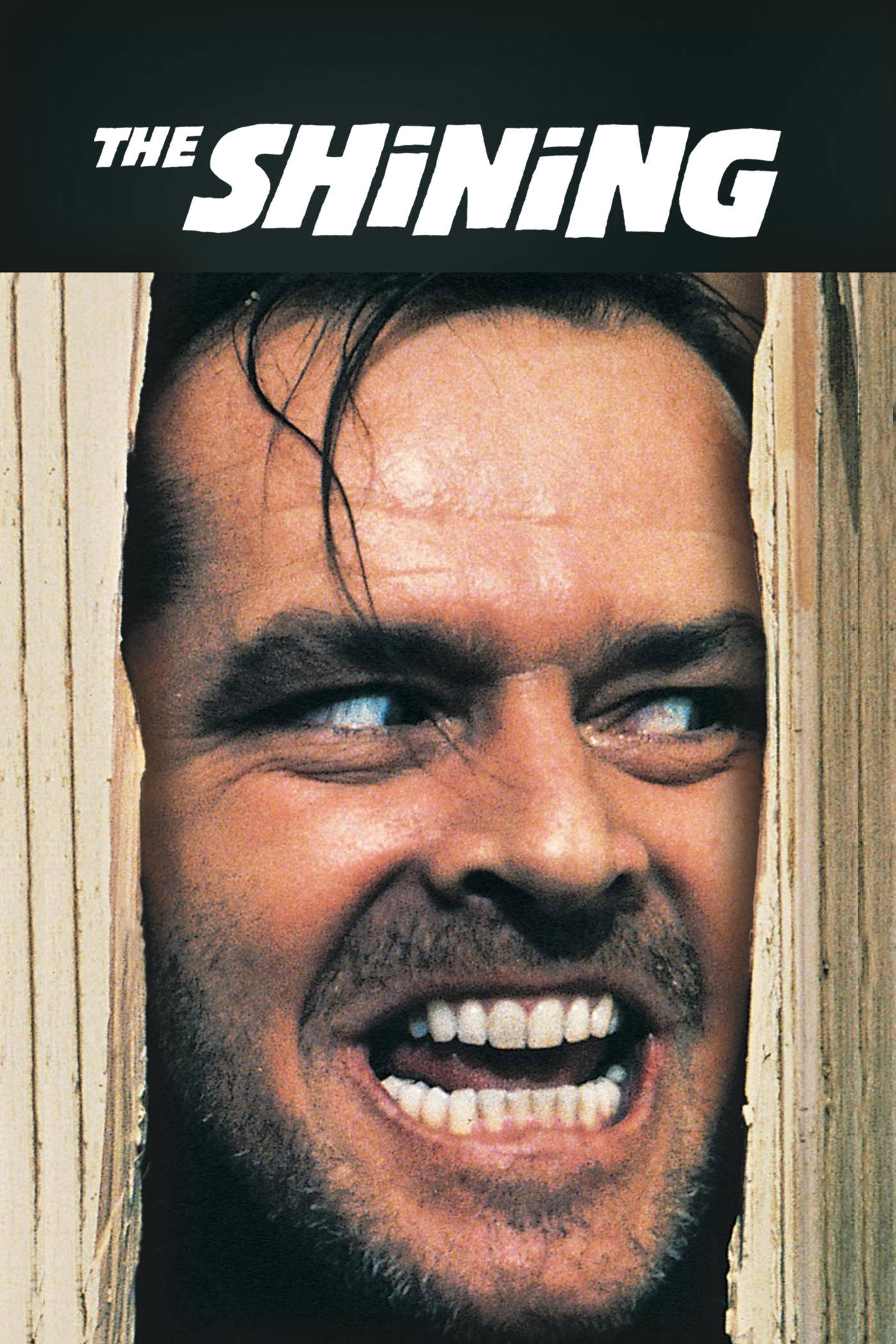
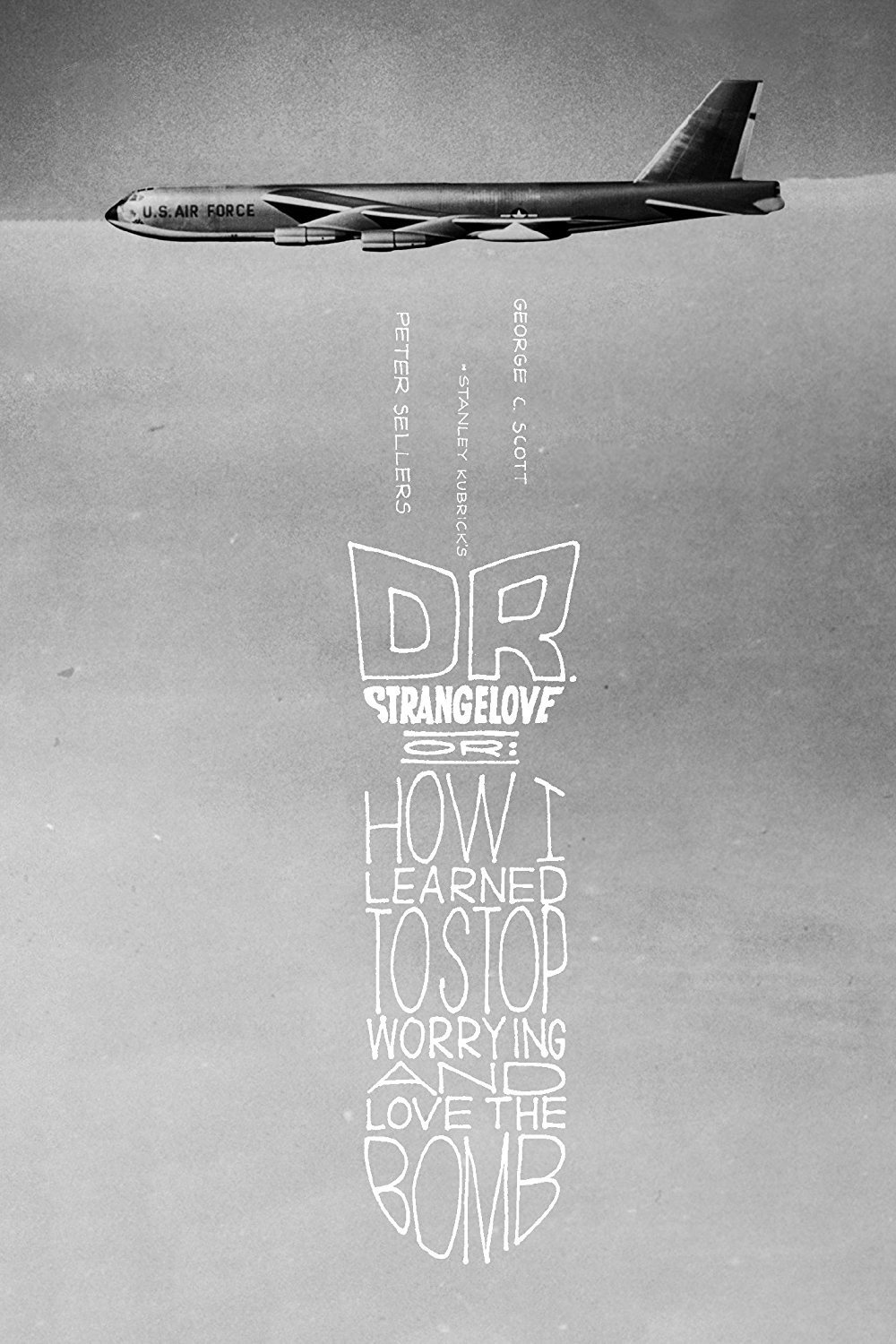
The Killing (1956) and Paths of Glory (1957) established the mature filmmaker before the black comedy of Dr. Strangelove (1964). After 2001 came the period drama of Barry Lyndon (1975), then the horror of The Shining (1980). The natural light of the former and the slow tracking shots of the latter show how differently his visual precision could work. The recurring symmetry never meant that every film had to look the same. He was still changing genres with his final film, the erotic thriller Eyes Wide Shut (1999).
Cinematographer John Alcott and editor Ray Lovejoy were recurring collaborators in films whose effects depend heavily on the framing and duration of a shot. Kubrick wrote 2001 with Arthur C. Clarke, and together they make human origins and humanity’s future feel worth a long evening’s attention. The long pauses work because the images keep giving us something to attend to. Questions remain unanswered, but the technical care makes us willing to stay with them.
It can be difficult to care about the people in 2001, and the dialogue does little to help. Kubrick and Clarke give humanity’s future more attention than the individuals facing it. We would not pretend that every minute earns its place, or that technical care automatically makes a film moving. We would still recommend it to those who generally avoid science fiction. Give it a large screen and an evening without interruptions; there is no need to bring a theory.
Biography
Stanley Kubrick was an American film director, producer and screenwriter. Born in New York City on 26 July 1928, he began his career as a photographer for Look magazine before directing his first feature film in 1953.
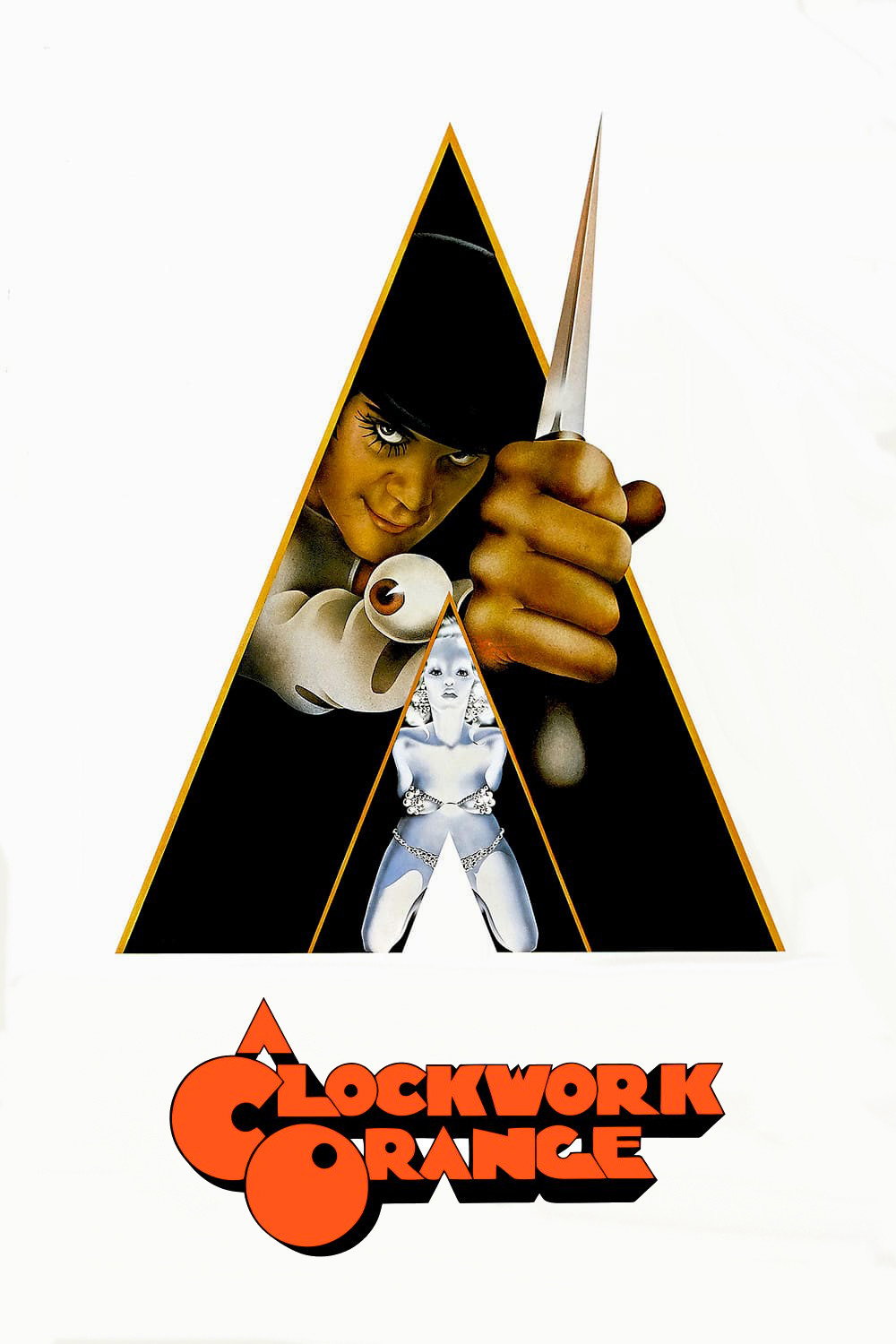
He directed, produced and co-wrote several films, including Dr. Strangelove or: How I Learned to Stop Worrying and Love the Bomb (1964), 2001: A Space Odyssey (1968), A Clockwork Orange (1971) and The Shining (1980). Kubrick moved to England in the 1960s and lived there for the rest of his life. He died on 7 March 1999.