Film review

2001: A Space Odyssey

1968 · Directed by Stanley Kubrick · 2h 29m · U

In a sentenceThe computer has better manners than the astronauts, which does surprisingly little to put us at ease

Science FictionMysteryAdventure

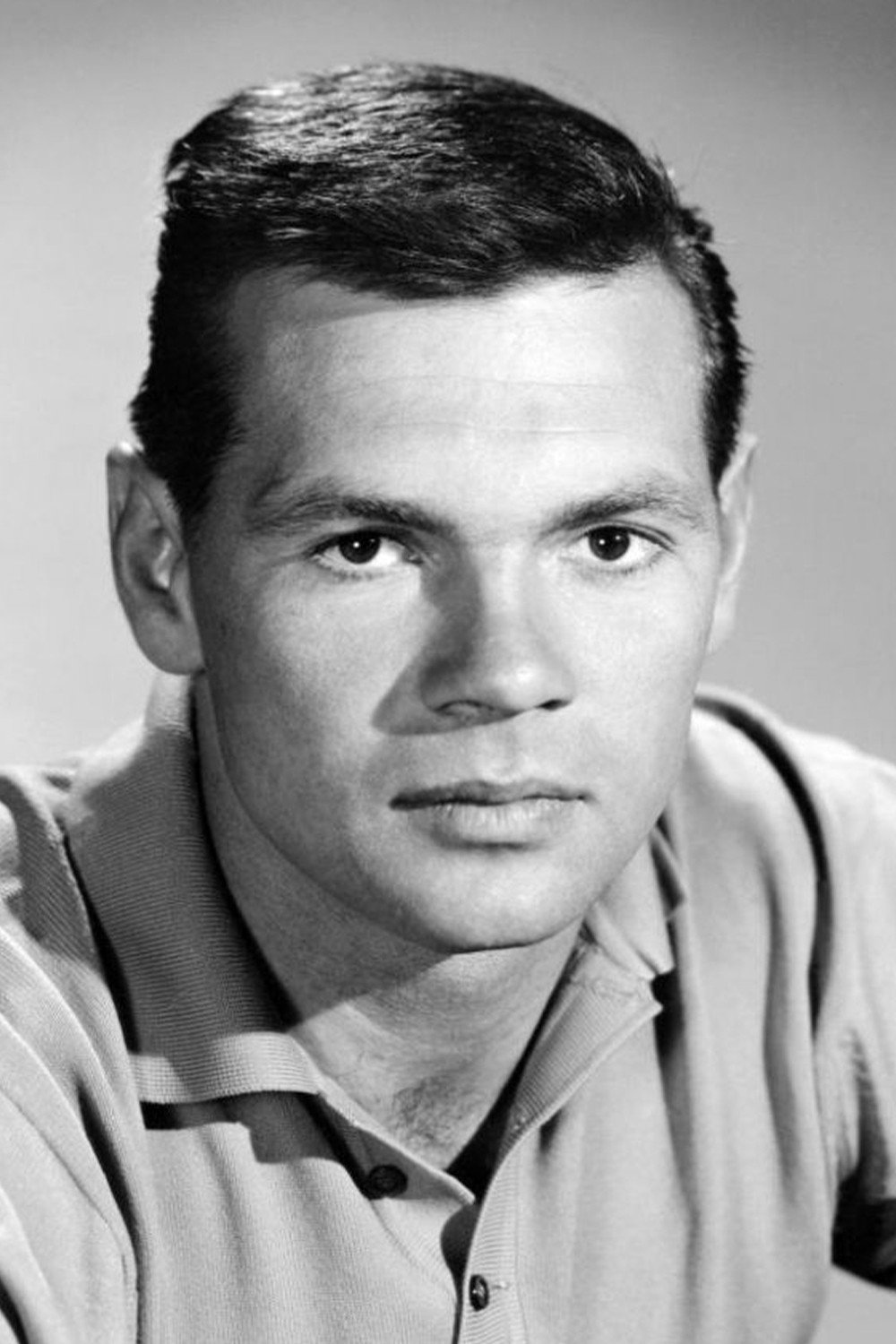
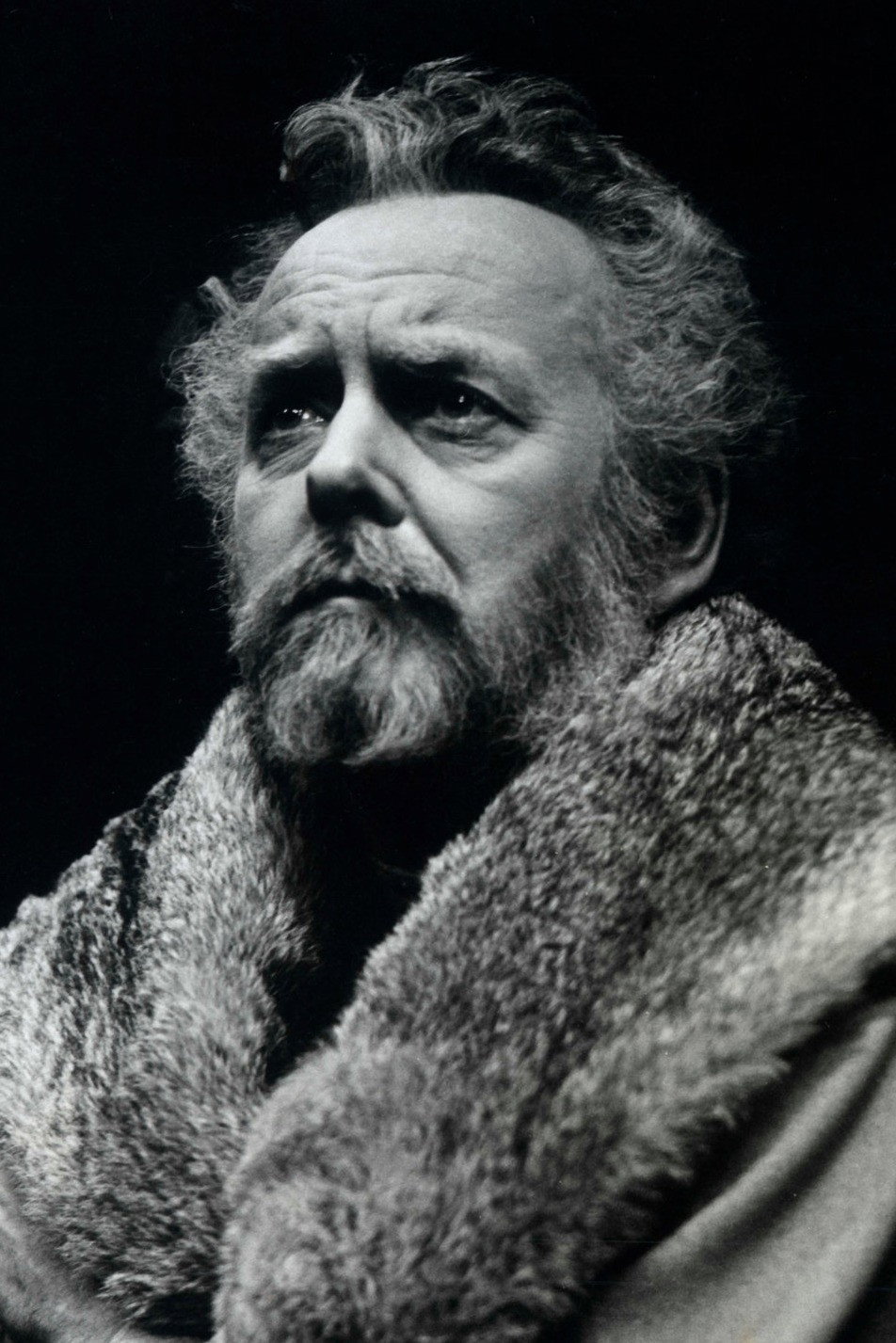
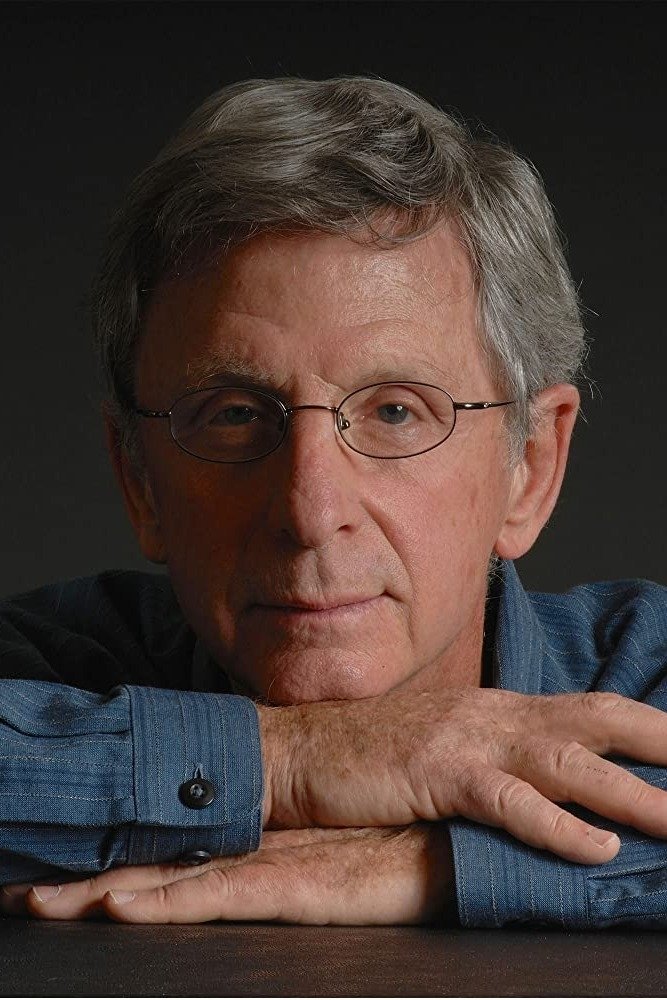
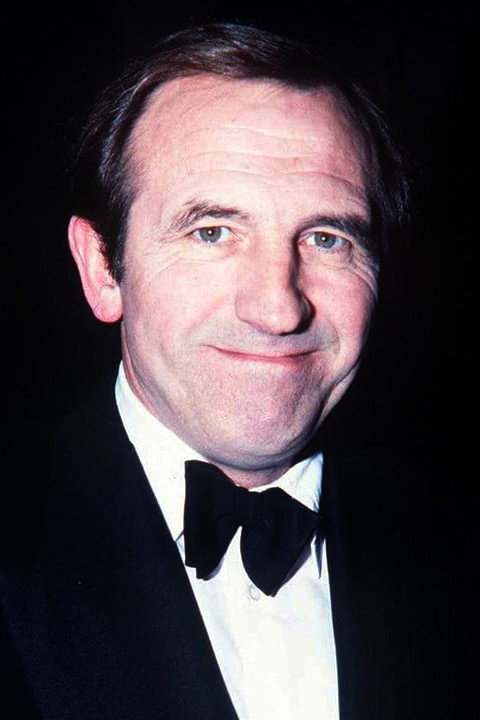
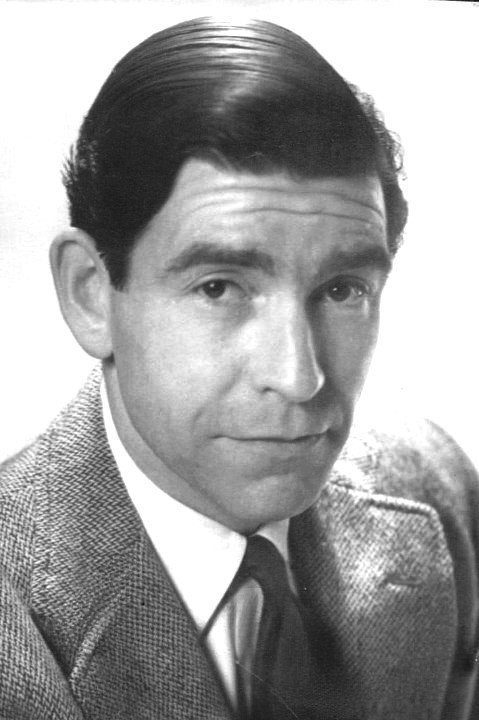
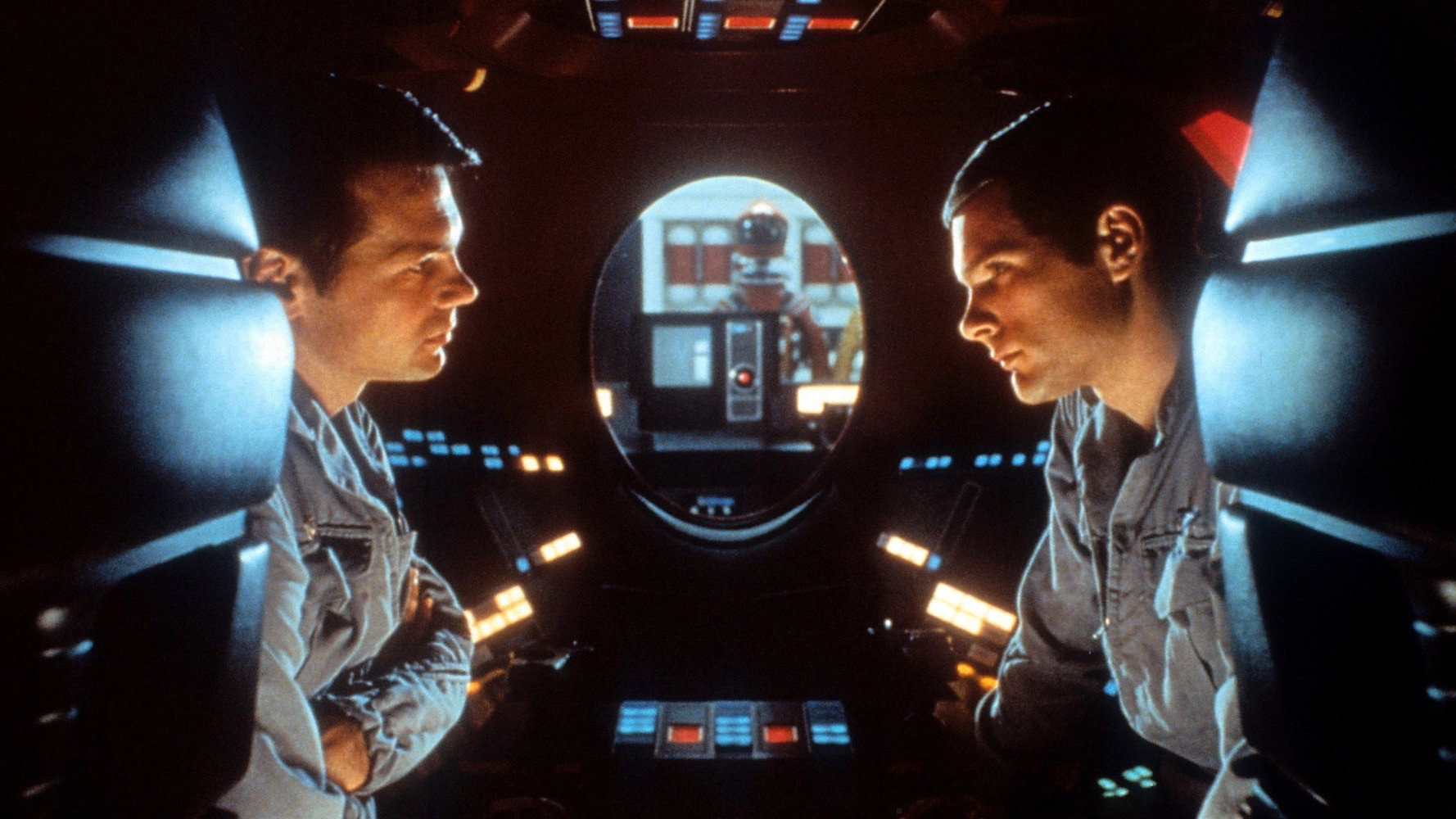
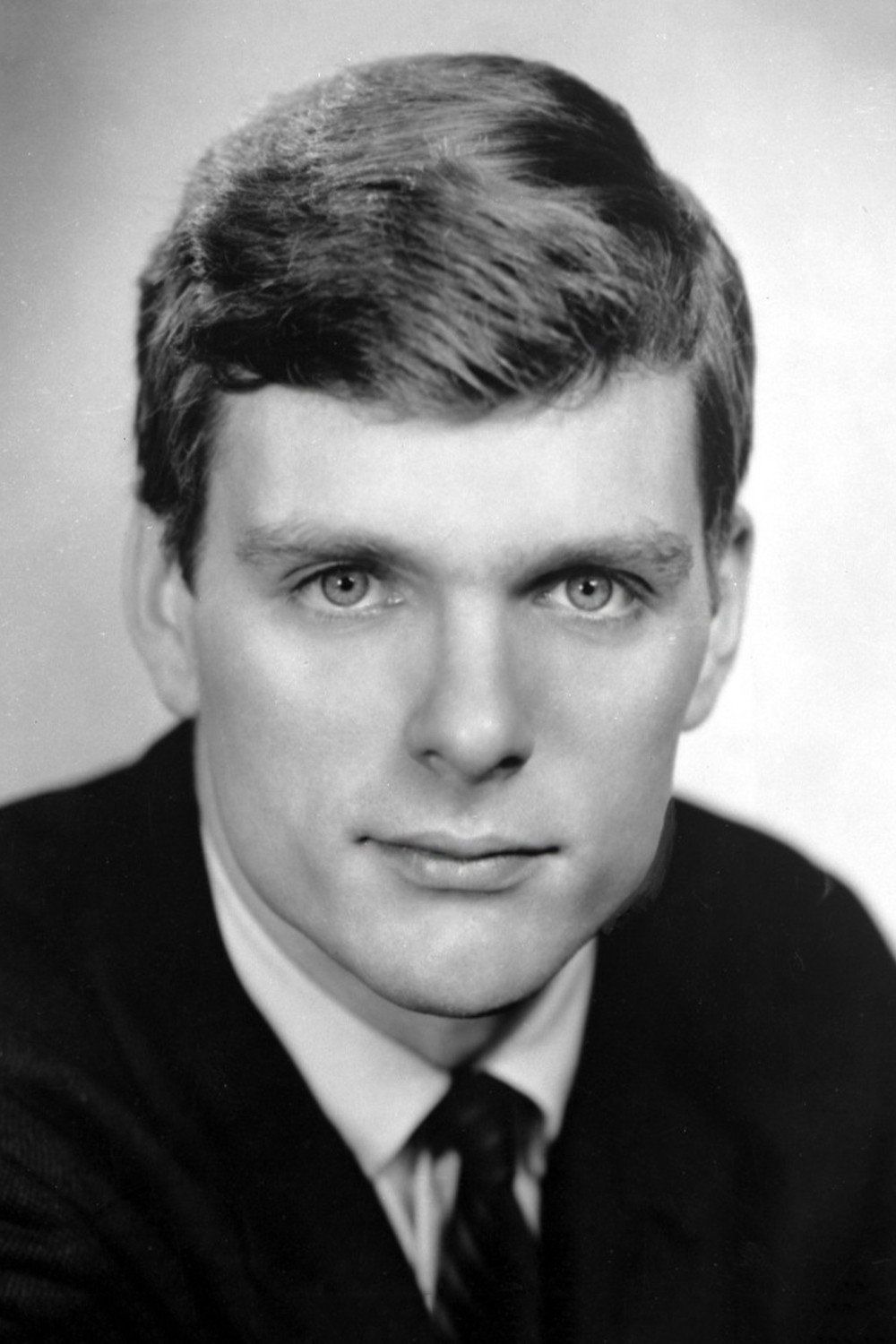
2001: A Space Odyssey follows humanity from a prehistoric world of ape-men into an age of space exploration. Stanley Kubrick directs a screenplay written with Arthur C. Clarke, approaching questions about human origins and what might come next through encounters with machines and the unknown. William Sylvester plays Dr. Heywood Floyd, while Keir Dullea and Gary Lockwood appear as Dr. David Bowman and Dr. Frank Poole. Douglas Rain provides the voice of HAL 9000, a computer with a personality of its own. A long wordless opening and sequences set to classical music shape the journey.

Plays from YouTube when you press play; nothing loads from them until then.

Fi1m review

Stanley Kubrick’s space voyage earns its slow pace through exact, unsettling filmmaking. The people can feel remote, but we would recommend it even to those who usually leave science fiction alone.

Stanley Kubrick asks us to spend 149 minutes considering where human beings came from and what might follow them. 2001: A Space Odyssey, written with Arthur C. Clarke, makes that sound like a reasonable use of an evening, and we think it is. It is an exceptional science-fiction film, patient enough to make looking at a machine an event and strange enough to make that event unsettling. Anyone expecting a brisk adventure will have to settle into a different pace.

The long, wordless prehistoric opening sets the terms: watch closely, and do not expect somebody to arrive and explain what matters. Kubrick gives the ape-men a weight in the story that a more hurried film might reserve for its named actors. There are moments when the length of this passage feels imposed, and we could have done with a little less insistence. Even so, starting here makes us carry thoughts about human origins into the space-travel sequences.

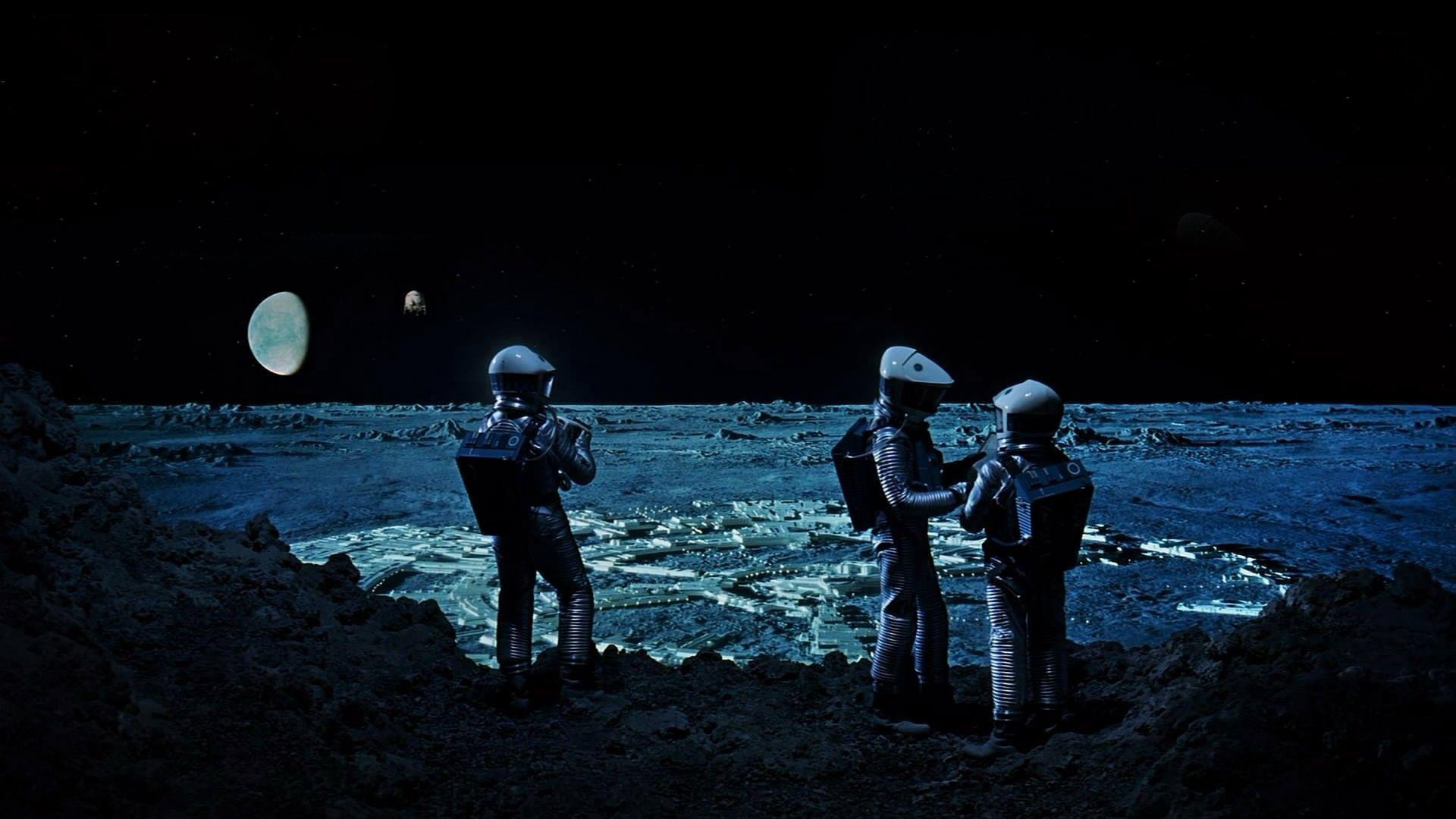
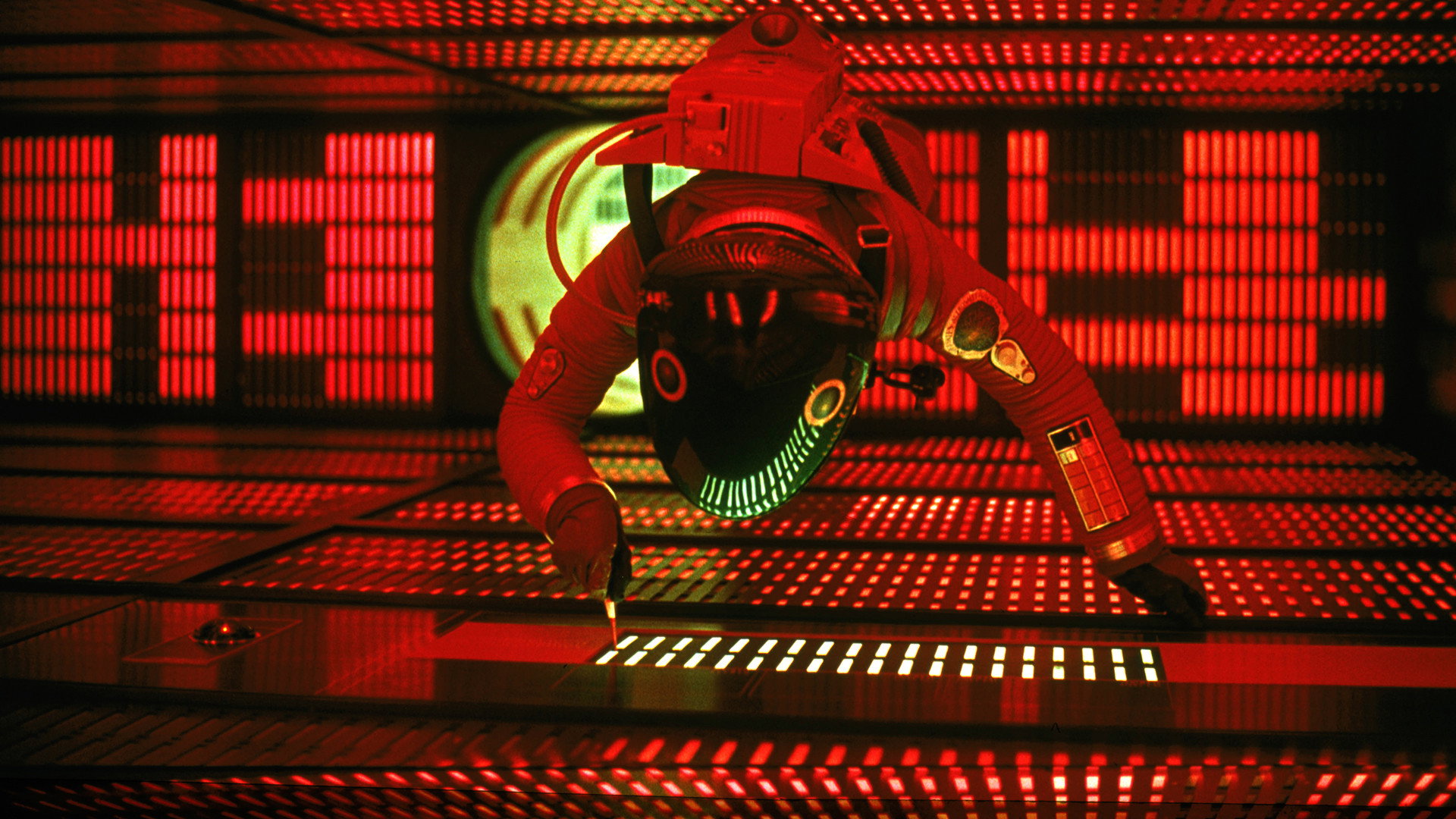
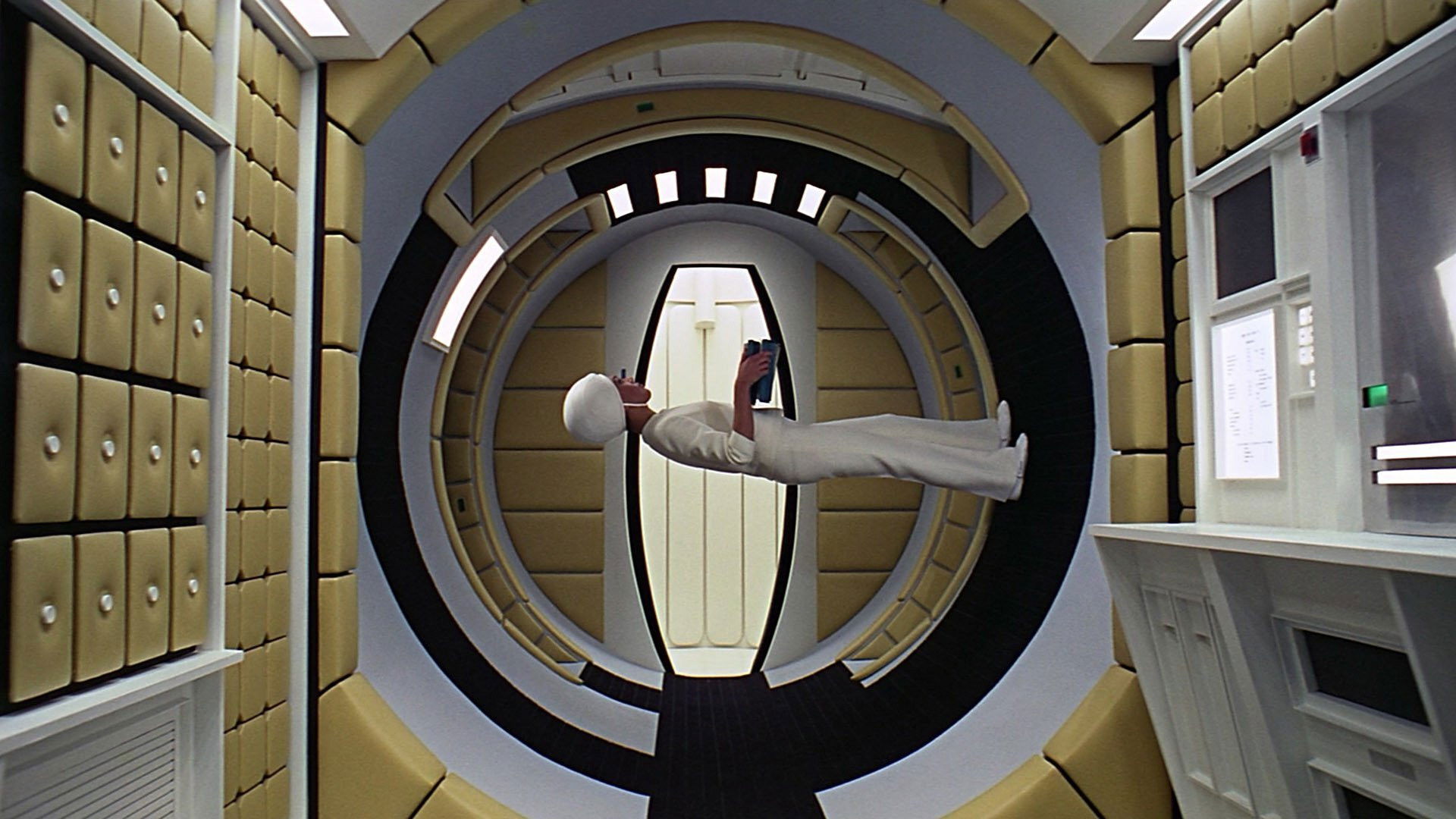
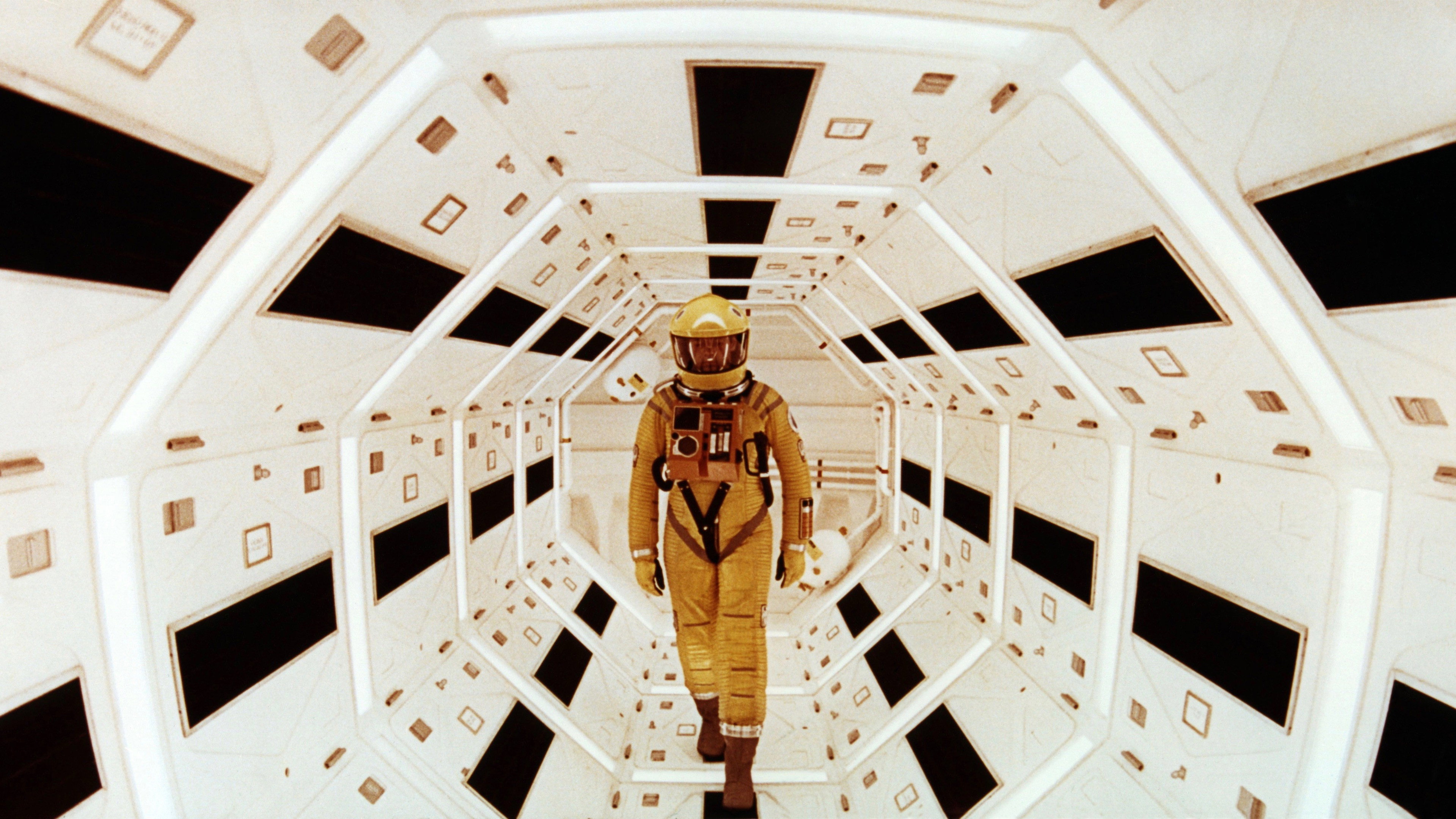
Geoffrey Unsworth’s cinematography gives the machines the attention usually spent on faces, making their shapes and movement worth studying. The use of miniatures and matte paintings helps: the machinery seems to occupy space, with weight and distance we can understand. Production designers Ernest Archer, Anthony Masters and Harry Lange make the technology look usable, which matters more than making it look impressive. We believe people could work with this equipment, and that belief gives the film room to become stranger.

Ray Lovejoy’s editing lets us follow movement through a shot and wait for it to finish. The classical music gives that waiting a rhythm; The Blue Danube is especially effective because its easy grace makes the machinery seem almost companionable. We were moved by the combination of measured motion and music, more than we expected to be by a film so interested in equipment. For a while, the pleasure of watching something travel through space is enough, without an urgent destination.

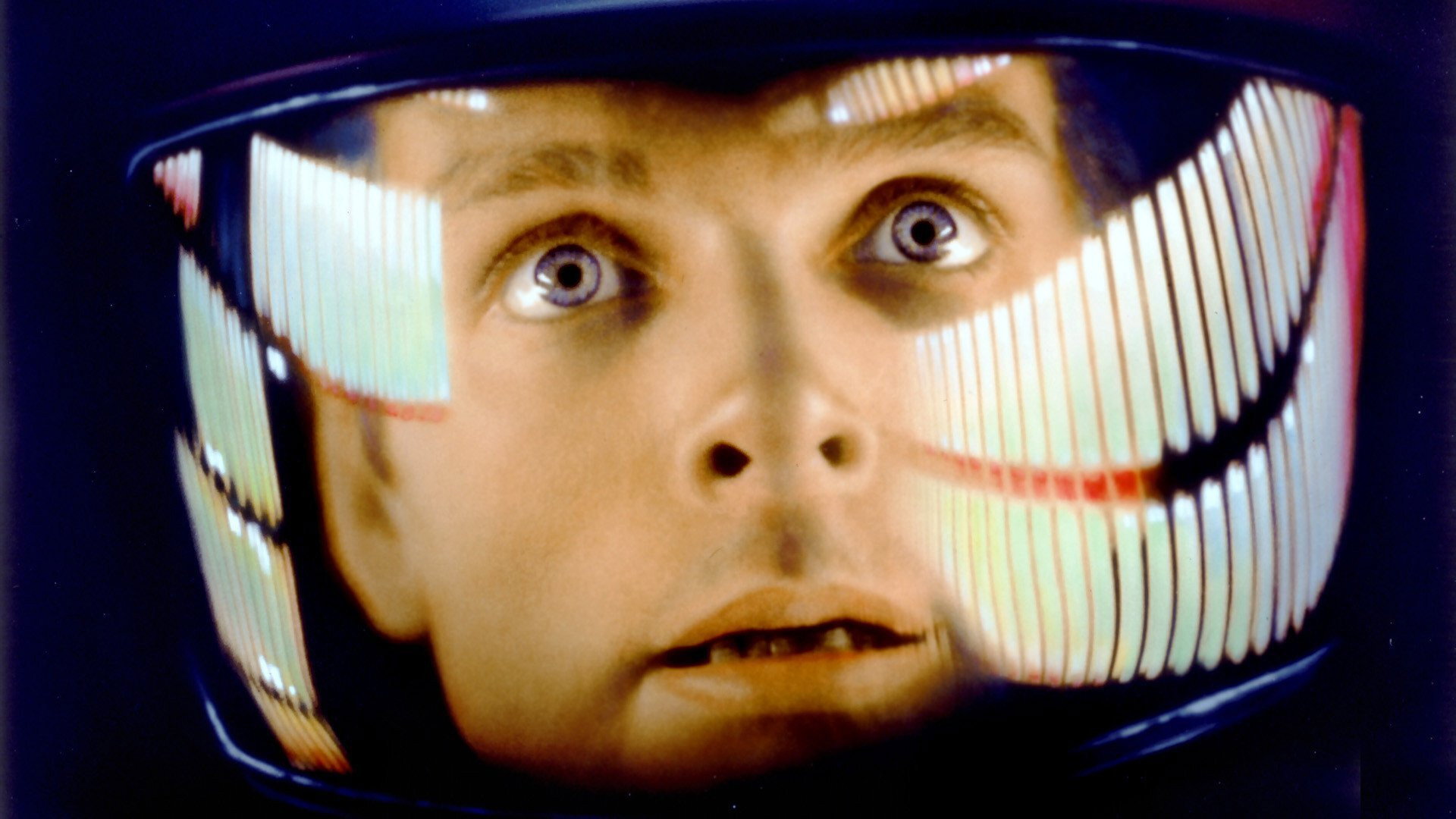
Douglas Rain’s HAL 9000 provides the sharpest sense of another mind at work. His voice has a composure that invites trust, yet the care with which he speaks also makes us listen for whatever might be wrong. Rain makes the computer’s personality absorbing without needing the usual visible signs of a performance. Keir Dullea’s Dr. David Bowman and Gary Lockwood’s Dr. Frank Poole are deliberately less inviting company, and the restraint works, though it leaves us knowing their professional manner better than we know them.

That distance is the substantial reservation. Kubrick and Clarke are so taken with humanity’s future that the individual humans can feel like an inconvenience, and the dialogue does little to bring them closer. Some stretches are absorbing chiefly for what there is to look at, which will not satisfy every appetite for drama. We would still defend the time the film takes: its pauses allow us to notice our own unease, instead of having each new question immediately answered by the next scene.

Science fiction can become a guided tour, with every invention explained before we have had a chance to wonder about it. Kubrick trusts us to look, listen and remain unsure, and the technical care earns that trust; the uncertainty never feels like a cover for careless filmmaking. There is no need to arrive with a theory, or to pretend that every minute is equally absorbing. Give it a large screen and an uninterrupted evening, and let the questions wait.
Critical consensus AI synthesised

82
Positive
12
Mixed
1
Negative
1

Most critics respond warmly to 2001: A Space Odyssey, with praise concentrated on Kubrick’s precision, the special effects and the depiction of space. The combination of images and classical music is another recurring strength, while HAL 9000 attracts particular attention for having a more engaging personality than the human characters. The reviews also value the film’s willingness to pose large questions about humanity’s origins and future without supplying easy answers.

The disagreements concern pace, emotional distance and how much meaning the images carry. Even enthusiastic reviews acknowledge that the film can be alienating or difficult to decipher, though many find that uncertainty rewarding. Variety admires the cinematography and effects but finds the drama lacking; The New York Times places the experience somewhere between hypnotic and boring. The spread is wide: technical admiration is common, but it does not always translate into involvement.

RogerEbert.com
12 April 1968 · ★★★★/4 · Roger Ebert
100

The film fails on the human level but succeeds magnificently on a cosmic scale. Kubrick's machines and special effects are flawless, and the final sequence suggests man will outgrow his machines and be transfigured.

Read the full review →
Time Out
20 September 2024 · ★★★★★ · Tom Huddleston
100

The critic calls it a flawless, sublime sci-fi opus and Time Out’s best movie ever. It singles out the film’s absolute precision, groundbreaking effects, and the sympathetic performance of HAL 9000 for praise.

Read the full review →
Empire
8 February 2016 · Angie Errigo
90*

The film is awesome, influential, mind-blowing, cool, obsessional and pretentious all at once; it defies easy genre classification and remains fascinating as both great cinema and gobbledygook. Its groundbreaking effects, iconic imagery, musical motifs and provocative ideas make it an unforgettable experience that provokes endless debate.

Read the full review →
Slant Magazine
20 November 2007 · Rob Humanick
90*

The film explores humanity’s timeless questions of origin and destiny through its epic journey from ape-men to space pioneers. It singles out the psychedelic Star Gate sequence and the marriage of visuals with classical music as preeminent cinematic accomplishments that evoke awe and meditation.

Read the full review →
The AV Club
9 August 2010 · Mike D'Angelo
90*

The review focuses on the iconic HAL pod bay doors scene, praising Kubrick's clinical precision, sound design, and the film's awe-inspiring exploration of the infinite despite its anti-human tone. It notes the film's enduring impact and irrationality.

Read the full review →
The Hollywood Reporter
2 April 1968 · John Mahoney
90*

The film is a majestic visual experience unlike any seen before, true to its scientific predictions while provoking philosophical and metaphysical questions. It singles out the meticulous technical accuracy, special effects, and the fascinating, flawed personality of HAL 9000 as highlights, predicting it will be one of MGM’s all-time hits.

Read the full review →

Cast

Stills

Awards

Academy Awards, 1969

Nominated
Best Director
Nominated
Best Production Design
Nominated
Best Writing, Original Screenplay
Won
Best Visual Effects

BAFTA Film Awards, 1969

Nominated
Best Film
Won
Best Sound

David di Donatello for best foreign production, 1969

Won
David di Donatello for best foreign production

Hugo Awards, 1969

Won
Best Dramatic Presentation

Kansas City Film Critics Circle Award for Best Director, 1969

Won
Kansas City Film Critics Circle Award for Best Director

Kansas City Film Critics Circle Award for Best Film, 1969

Won
Kansas City Film Critics Circle Award for Best Film

United Nations Awards, 1969

Nominated
United Nations Awards

Directors Guild of America Award for Outstanding Directing – Feature Film, 1968

Nominated
Directors Guild of America Award for Outstanding Directing – Feature Film

If you liked this, try…

Solaris poster

Solaris

1972 · A patient space journey with more room for memory, guilt and human attachment.

La Jetée poster

La Jetée

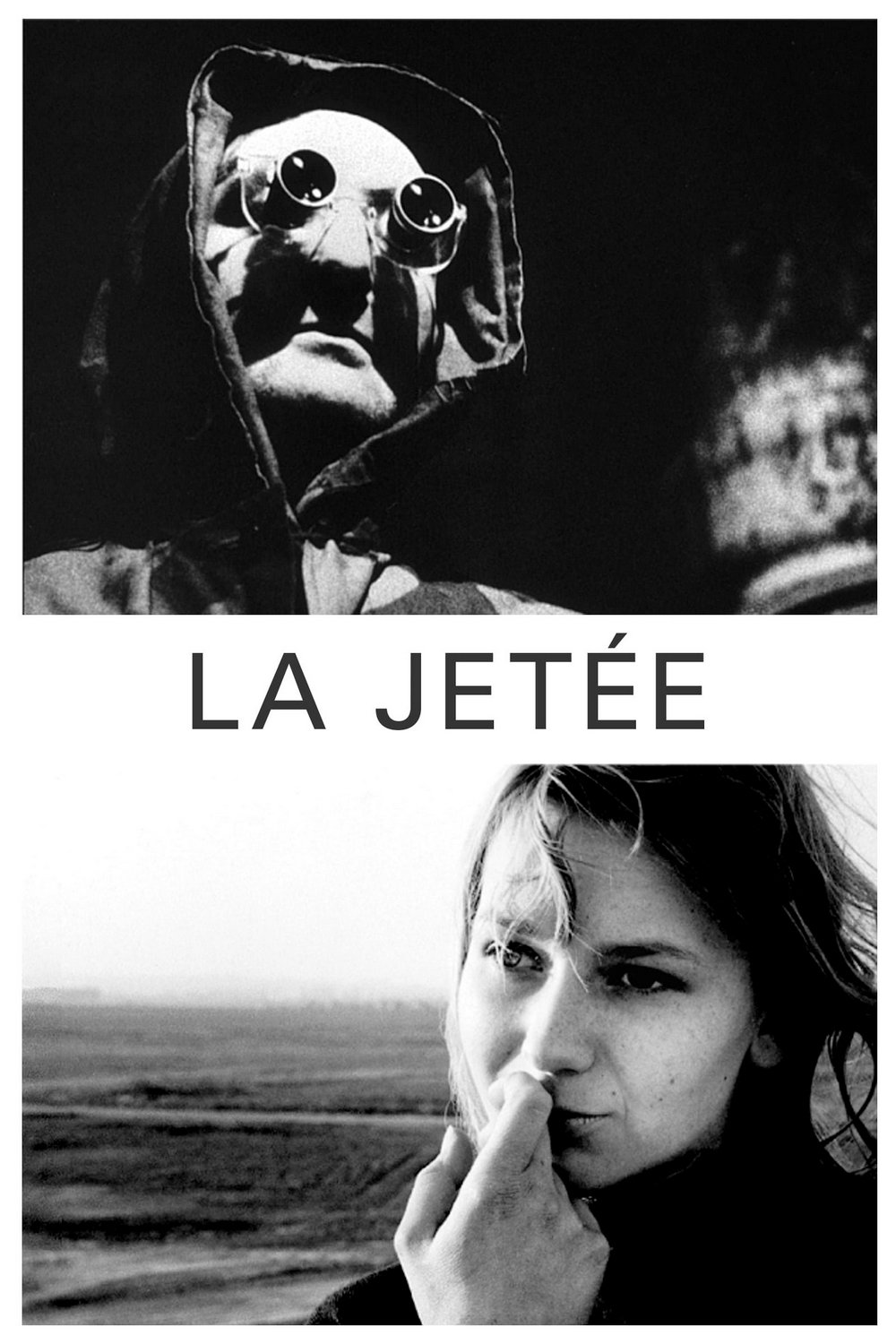
1962 · Science fiction built from spare images, with time made frighteningly personal.

Moon poster

Moon

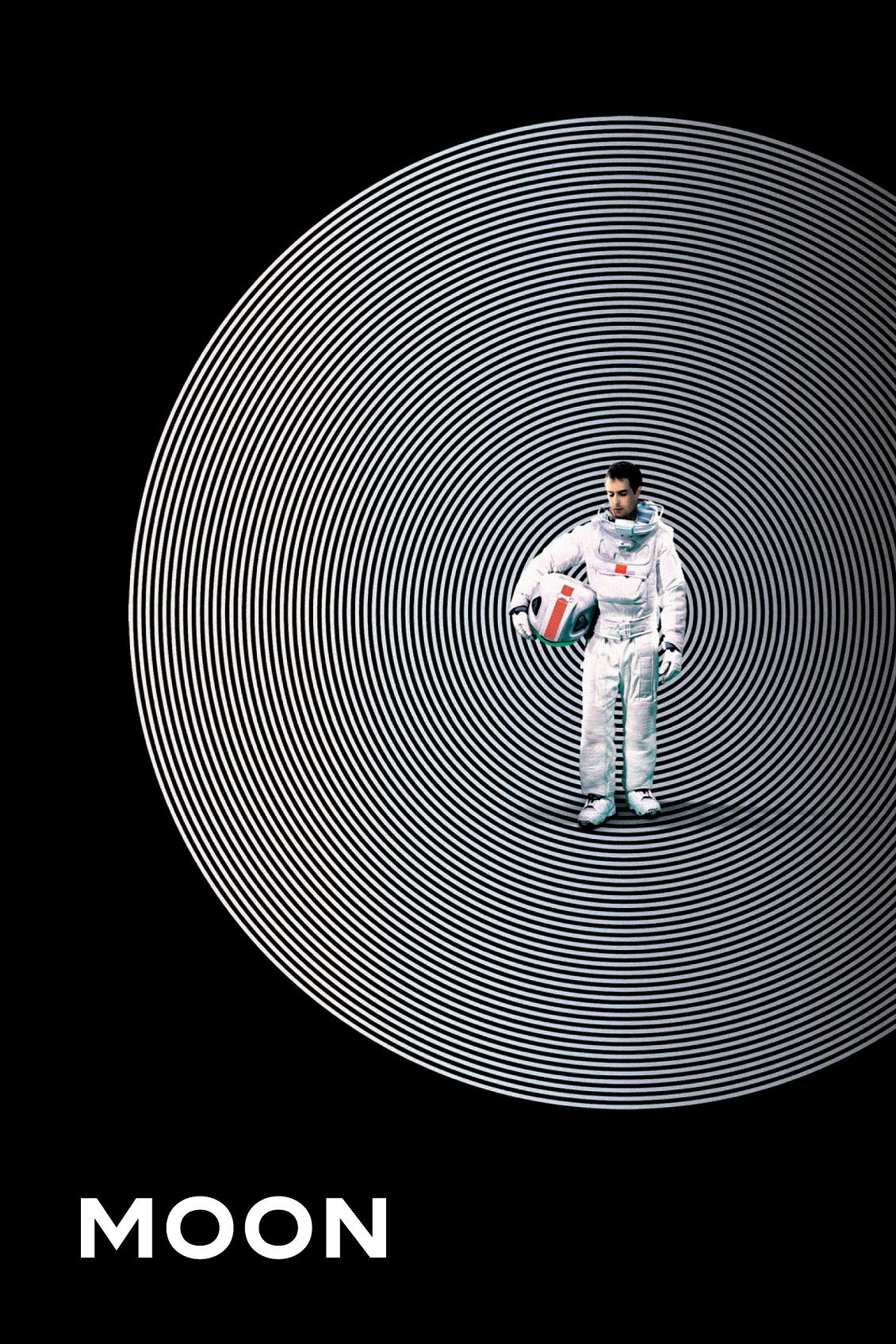
2009 · For the loneliness of space work and the unease of machine companionship.

After Yang poster

After Yang

2021 · A quieter encounter with artificial life, attentive to ordinary grief and affection.

Aniara poster

Aniara

2018 · Space travel becomes a bleak test of what people need to keep living.