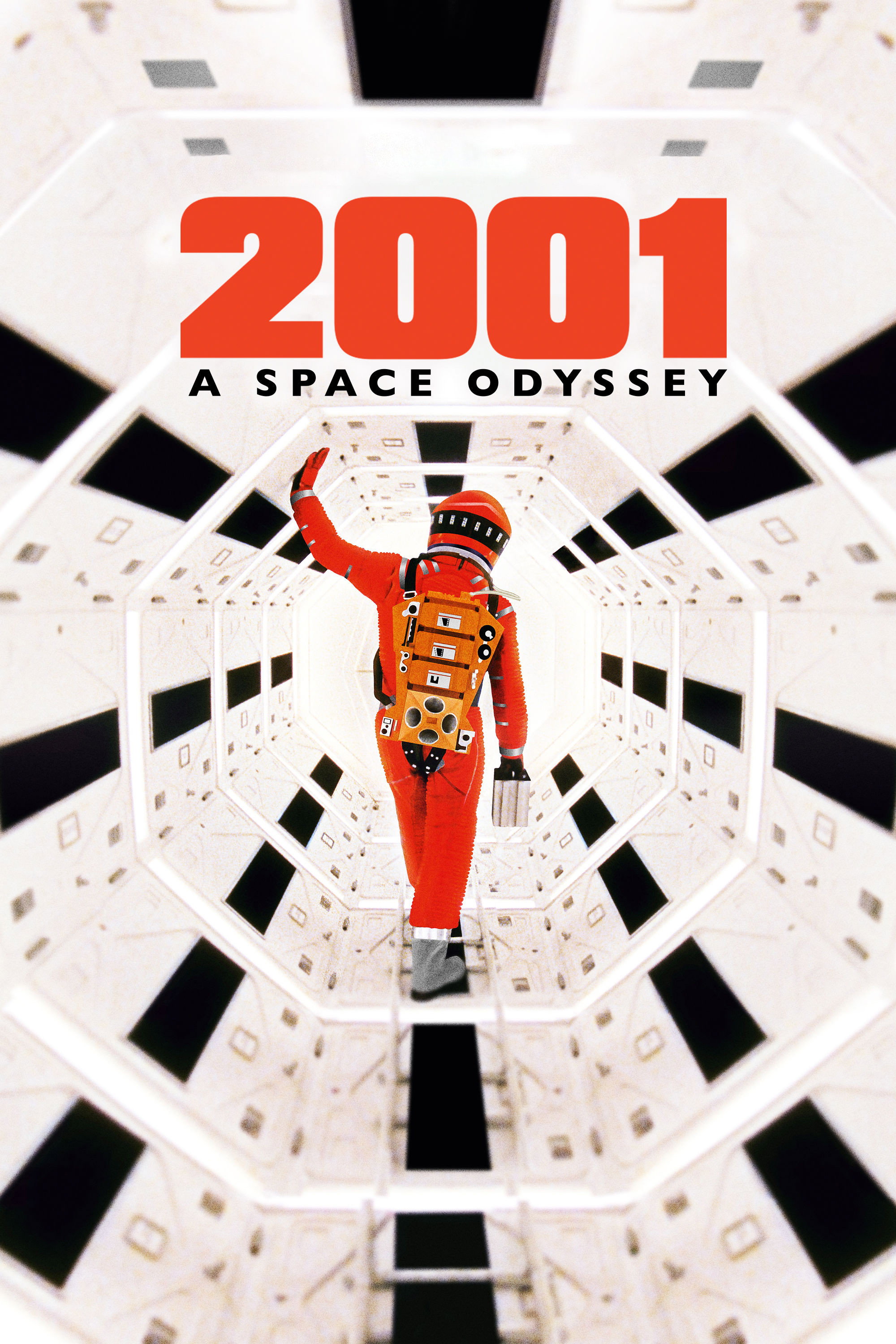
Most critics respond warmly to 2001: A Space Odyssey, with praise concentrated on Kubrick’s precision, the special effects and the depiction of space. The combination of images and classical music is another recurring strength, while HAL 9000 attracts particular attention for having a more engaging personality than the human characters. The reviews also value the film’s willingness to pose large questions about humanity’s origins and future without supplying easy answers.
The disagreements concern pace, emotional distance and how much meaning the images carry. Even enthusiastic reviews acknowledge that the film can be alienating or difficult to decipher, though many find that uncertainty rewarding. Variety admires the cinematography and effects but finds the drama lacking; The New York Times places the experience somewhere between hypnotic and boring. The spread is wide: technical admiration is common, but it does not always translate into involvement.
R
RogerEbert.com
12 April 1968 · ★★★★/4 · Roger Ebert
100
The film fails on the human level but succeeds magnificently on a cosmic scale. Kubrick's machines and special effects are flawless, and the final sequence suggests man will outgrow his machines and be transfigured.
Read the full review →T
Time Out
20 September 2024 · ★★★★★ · Tom Huddleston
100
The critic calls it a flawless, sublime sci-fi opus and Time Out’s best movie ever. It singles out the film’s absolute precision, groundbreaking effects, and the sympathetic performance of HAL 9000 for praise.
Read the full review →E
Empire
8 February 2016 · Angie Errigo
90*
The film is awesome, influential, mind-blowing, cool, obsessional and pretentious all at once; it defies easy genre classification and remains fascinating as both great cinema and gobbledygook. Its groundbreaking effects, iconic imagery, musical motifs and provocative ideas make it an unforgettable experience that provokes endless debate.
Read the full review →S
Slant Magazine
20 November 2007 · Rob Humanick
90*
The film explores humanity’s timeless questions of origin and destiny through its epic journey from ape-men to space pioneers. It singles out the psychedelic Star Gate sequence and the marriage of visuals with classical music as preeminent cinematic accomplishments that evoke awe and meditation.
Read the full review →A
The AV Club
9 August 2010 · Mike D'Angelo
90*
The review focuses on the iconic HAL pod bay doors scene, praising Kubrick's clinical precision, sound design, and the film's awe-inspiring exploration of the infinite despite its anti-human tone. It notes the film's enduring impact and irrationality.
Read the full review →H
The Hollywood Reporter
2 April 1968 · John Mahoney
90*
The film is a majestic visual experience unlike any seen before, true to its scientific predictions while provoking philosophical and metaphysical questions. It singles out the meticulous technical accuracy, special effects, and the fascinating, flawed personality of HAL 9000 as highlights, predicting it will be one of MGM’s all-time hits.
Read the full review →N
The New Yorker
6 April 1968 · Penelope Gilliatt
90*
The critic thinks it is some sort of great film and an unforgettable endeavor, praising its technical and imaginative achievements, poetic sci-fi qualities, and how it explores dehumanization. Singles out the handling of the computer HAL and the metaphysical elements for their impact.
Read the full review →E
Evening Standard
28 November 2014 · Derek Malcolm
85*
The piece recommends the masterpiece for its marvellous sequences and visuals that changed concepts of space, noting it is a blast to watch though sometimes hard to decipher completely.
Read the full review →L
Little White Lies
28 November 2014 · 5/4/4 · David Jenkins
80
Kubrick’s seminal sci-fi towers like a monolith with top marks for craftsmanship and awe-inspiring imagery. It remains ineffably alienating and slightly off on revisits despite its majesty.
Read the full review →This seminal sci-fi is an interesting, innovative product of the 1960s whose memorable images and haunting combination of music and visuals continue to intrigue and perplex; it is a must-see for its philosophical take on humanity’s origins and destiny.
Read the full review →The review highlights the film's landmark status in cinema history as sci-fi came of age, praising its visuals, effects, mystical subtext, and status as the ultimate trip.
Read the full review →V
Variety
2 April 1968 · Robert B. Frederick
50*
The critic finds it a major achievement in cinematography and special effects but lacking in dramatic appeal and not a cinematic landmark, comparing it unfavorably to previous sci-fi films in humanity and imagination. Praises the special effects and technical work.
Read the full review →N
The New York Times
4 April 1968 · Renata Adler
40*
The film is a very complicated, languid movie absorbed in its own problems of color, space and science-fiction detail, somewhere between hypnotic and immensely boring.
Read the full review →The review hails the film as the most ambitious and generally successful science-fiction film ever made. It singles out Kubrick’s astonishing special effects and gadgetry for particular praise while noting minor faults like a prolonged prehistoric episode.
Read the full review →The film is beautiful to look at with plausible special effects and striking images, but ultimately fails as little more than a series of gorgeous images without coherent construction or depth. It ends as an interstellar shaggy dog story whose speculation and ambiguity do not succeed on a visceral level.
Read the full review →D
Digital Spy
29 November 2014 · Simon Reynolds
90*
The critic calls it the greatest sci-fi movie ever made and a pioneering space epic that every subsequent film in the genre owes a debt to. They single out its visually stunning depiction of space using matte paintings and miniatures, along with the breathtaking Star Gate sequence, as key to its cinematic power despite a glacial pace.
Read the full review →E
Eye for Film
30 March 2001 · Nicola Osborne
The critic praises the film as a true classic that remains fresh and dazzlingly beautiful. They single out the long wordless opening sequence and its choreography to classical music (especially the Blue Danube Waltz) as one of the most beautiful on film.
Read the full review →Ordered by the weight we give each publication, then by score. Scores are normalised to 100; * means inferred from an unrated review. Summaries are ours, not quotations; follow the links for the reviews themselves. How we rate