Film review

Moon

2009 · Directed by Duncan Jones · 1h 37m · MPA R

In a sentenceEven with a talking computer, Sam Rockwell looks like a man badly in need of a conversation

Science FictionDrama

Sam Rockwell plays Sam Bell, a man facing isolation in space and questions about his own identity. Kevin Spacey voices GERTY, the computer whose presence offers Sam a form of company. As the mystery of Sam’s circumstances develops, memory and the need for human contact become central to his efforts to understand himself. Directed by Duncan Jones from a screenplay by Nathan Parker, Moon keeps its science-fiction story close to one man’s experience of loneliness, uncertainty and psychological strain.

Plays from YouTube when you press play; nothing loads from them until then.

Fi1m review

Duncan Jones’s Moon is thoughtful, affecting science fiction, held together by Sam Rockwell’s sharply judged performance. The suspense slackens once the puzzle becomes clearer, but the loneliness remains painfully convincing.

Moon is affecting, carefully made science fiction, with Sam Rockwell giving its questions about identity a recognisable human urgency. Duncan Jones keeps the drama close to Sam Bell, isolated in space and increasingly uncertain about himself. We recommend it, with a reservation about how steadily it moves once its puzzle begins to yield answers. Its 97 minutes leave room for a patient performance and a few welcome jokes.

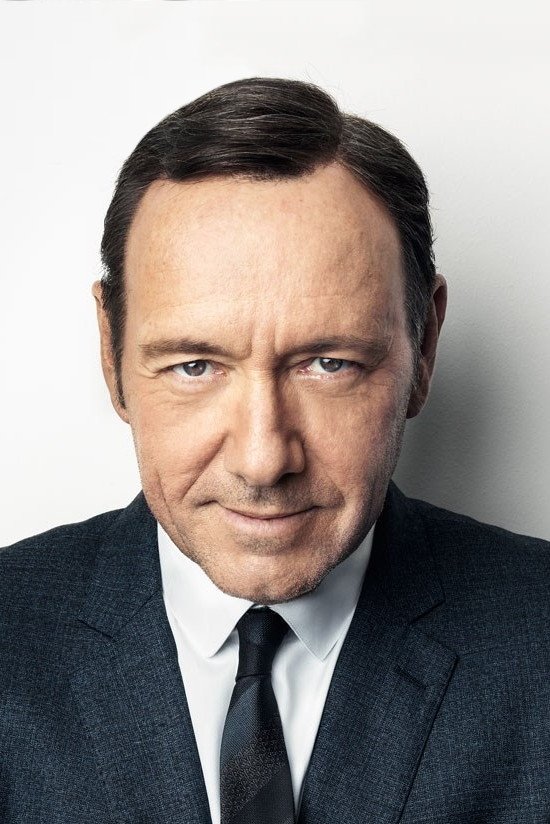
Rockwell is convincing because he does not make loneliness look noble. There is low-key humour in his performance, along with a need for company that can be awkward to watch. We were moved by his exchanges with GERTY, the computer voiced by Kevin Spacey. Rockwell makes the effort of talking to a machine feel painfully necessary, while Spacey’s eerie delivery leaves us unsure how much comfort such company can provide.

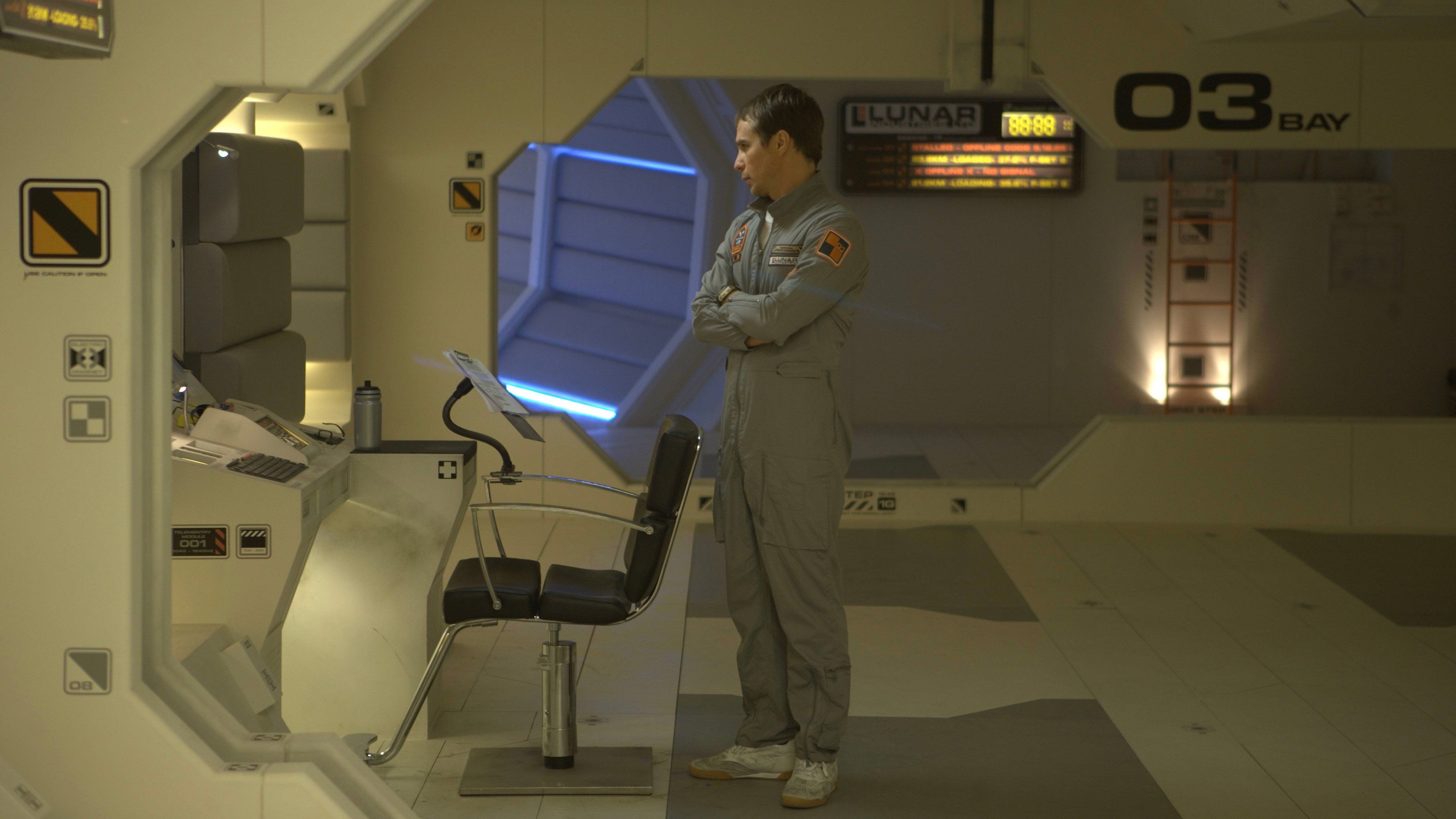
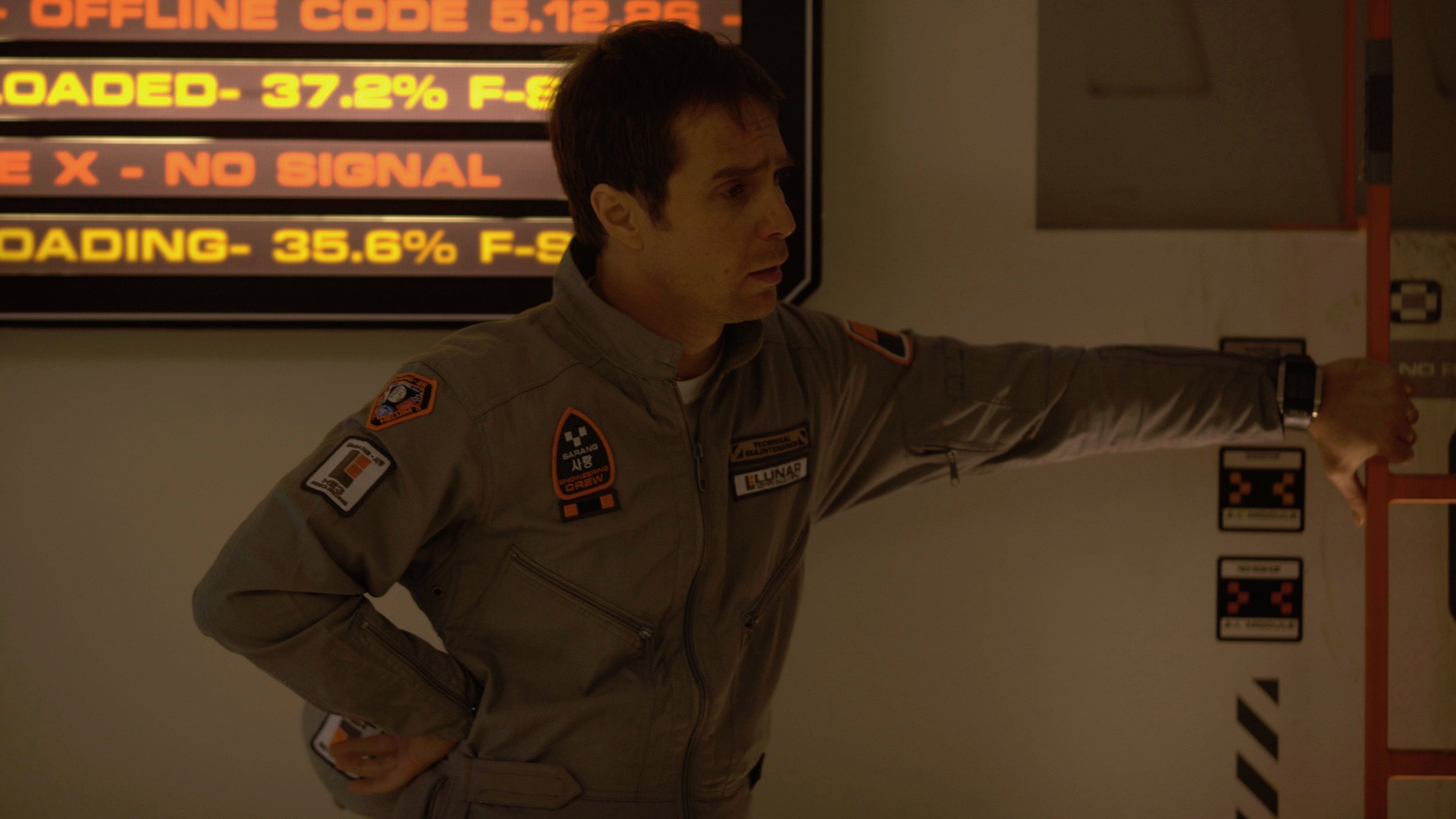
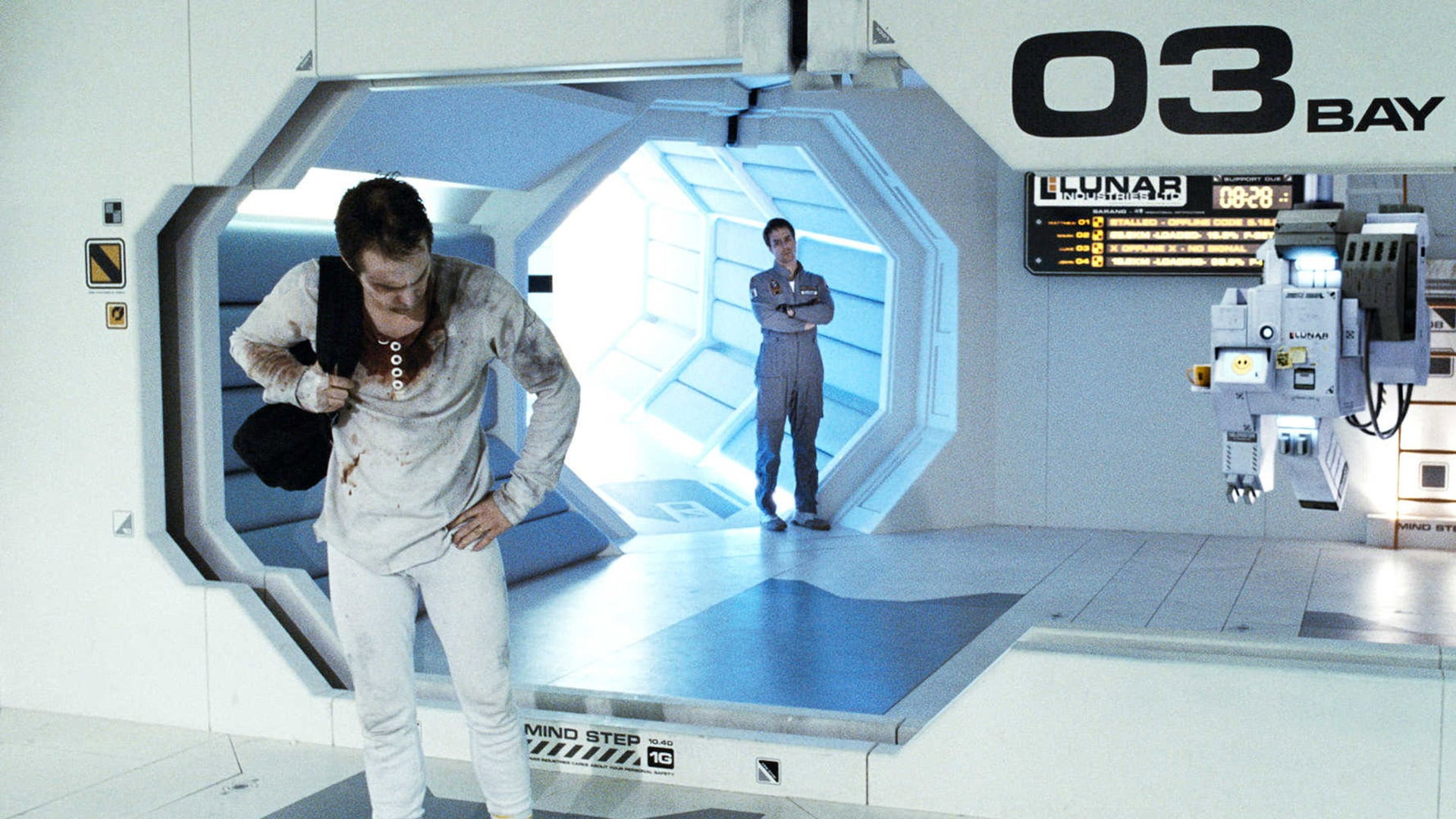
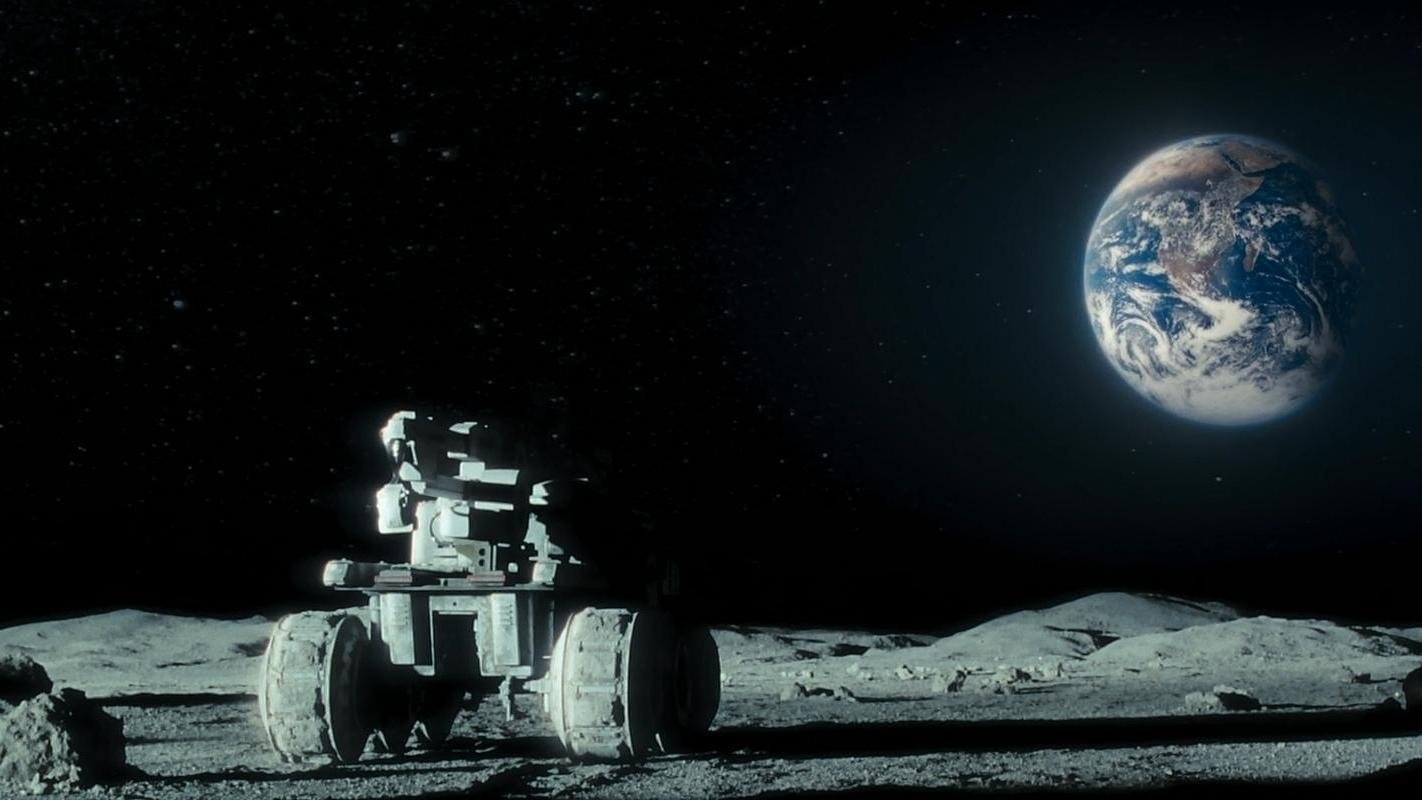
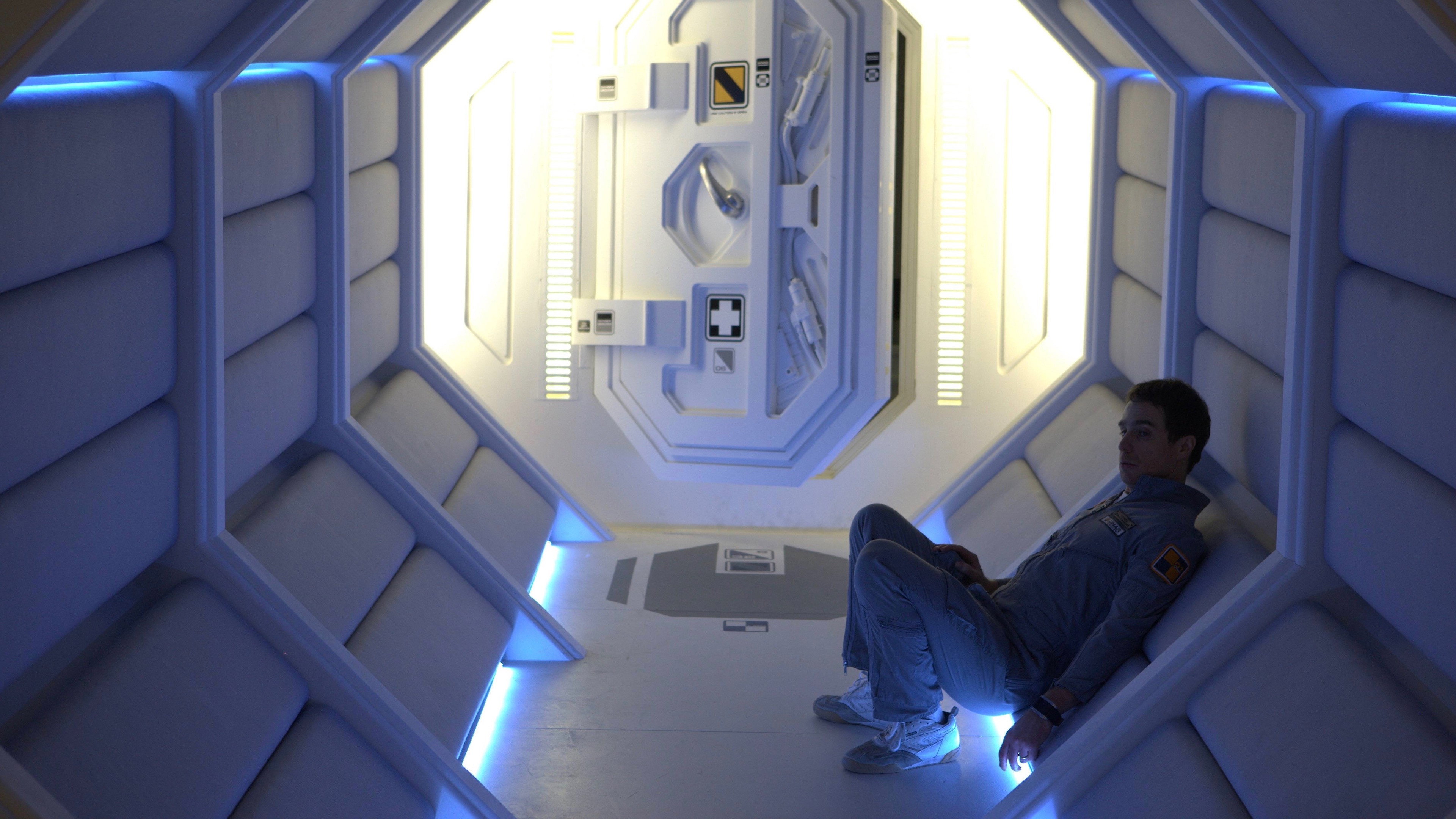
Gary Shaw’s cinematography gives the confined setting an oppressive feel, even when there is little physical action. Tony Noble’s production design uses a familiar screen version of the future, which is useful here: we can accept the surroundings without pausing to admire each invention. The place feels capable of wearing someone down. Anyone hoping for a new idea of what space might look like will find plenty they recognise, but the setting serves this particular man’s loneliness well.

Nathan Parker’s screenplay benefits from its dry humour, which gives Rockwell something to play besides distress. The dialogue is sharp enough to keep the contained drama from turning into a succession of questions about existence. Nicolas Gaster’s editing allows the performance room, although the pace becomes less assured as the mystery clears. Clint Mansell’s score helps make that slower stretch affecting, keeping our attention on Sam’s distress when the plot offers less suspense.

The slackening is the main fault, and it matters because the film initially encourages us to expect a tightly sustained mystery. Once Sam’s situation becomes clearer, Jones and Parker do not always find an equally compelling reason to move into the next scene. The dialogue remains engaging, but several stretches feel as though they are waiting for the plot to catch up. We would have welcomed more suspense in these passages, without wanting the film to abandon its quiet approach.

Moon belongs to the thoughtful, enclosed sort of science fiction associated with Solaris and 2001: A Space Odyssey. The computer’s voice alone is enough to invite comparisons with the latter. Those resemblances can become distracting when the pace drops and we have more time to notice them. Jones has chosen influences that suit his story, though, and Rockwell’s vulnerability stops the discussion of identity becoming remote.

A quiet evening suits Moon. It asks for enough attention that a running conversation over the top of it would be a waste of Rockwell’s work. The modest scale is part of the pleasure, although anyone wanting sustained thrills should adjust their expectations. Put the phones aside for this one.

Critical consensus AI synthesised

82
Positive
8
Mixed
2
Negative
0

Most critics respond warmly to Moon’s small-scale, thoughtful science fiction, with praise clustering around Sam Rockwell’s performance and the film’s treatment of loneliness and identity. The reviews repeatedly credit Rockwell with giving the philosophical questions an emotional weight, while the restrained direction and enclosed setting make isolation felt without relying on spectacle. Its debts to earlier science fiction are widely recognised, but most find enough feeling and intelligence to keep the familiar surroundings interesting.

Reservations centre on plotting and momentum, with responses ranging from enthusiastic praise to qualified approval. The Guardian finds that the story discloses too much too soon, while The AV Club wants more sustained suspense as it develops. Time Out questions the internal logic, and several reviews find the later stretches less absorbing than the opening, though these objections generally temper rather than overturn the praise for the acting and atmosphere.

Slant Magazine
3 May 2009 · ★★★★/4 · Nick Schager
100

The critic praises the assured, mesmerizing tale of loneliness and self-inquiry that warmly embraces influences like 2001 while creating a haunting puzzle about identity. Singles out Sam Rockwell’s dual performance and the film’s lyrical understatement and empathetic grace as highlights.

Read the full review →
The AV Club
11 June 2009 · B+ · Noel Murray
83

The critic finds it a smart, enjoyable genre riff that mixes low-key humor and philosophical soul-searching effectively in its early sections. Notes the strong lead performance and familiar but never hackneyed futuristic backdrop, though it could have used more suspense after the twist.

Read the full review →
IndieWire
10 June 2009 · Eric Kohn
80*

The critic highlights how the film nails the appeal of low-key, thoughtful sci-fi with strong performances and existential themes. Notes its intimate focus on identity and isolation as a standout strength.

Read the full review →
The Guardian
17 July 2009 · Peter Bradshaw
75*

The critic finds Moon a heartfelt if derivative drama of loneliness and isolation in space, evoking classic 1960s-70s sci-fi. Rockwell's performance stands out, though the film reveals its central twist too early, limiting dramatic impact.

Read the full review →
Little White Lies
16 July 2009 · 3/3/3 · Matt Bochenski
60

The review finds Moon a thoughtful but imperfect sci-fi alternative to summer blockbusters, noting it stretches a low budget effectively in the first half before losing momentum. Jones is praised for achieving ambition with limited resources and delivering a low-key British sci-fi thriller.

Read the full review →
Time Out
14 July 2009 · ★★★ · Dave Calhoun
60

The critic gives a qualified endorsement of Jones's feature debut as a thoughtful, good-looking and well-acted 1970s-style sci-fi throwback focused on isolation and identity. The contained drama and beautiful visuals are highlighted, though the film is noted as not entirely logical.

Read the full review →

Cast

Stills

Awards

Hugo Awards, 2010

Won
Best Dramatic Presentation, Long Form

Sitges Film Festival Best Actor award, 2009

Won
Sitges Film Festival Best Actor award

Sitges Film Festival Best Feature-Length Film award, 2009

Won
Sitges Film Festival Best Feature-Length Film award

Sitges Film Festival Best Screenplay award, 2009

Won
Sitges Film Festival Best Screenplay award

If you liked this, try…

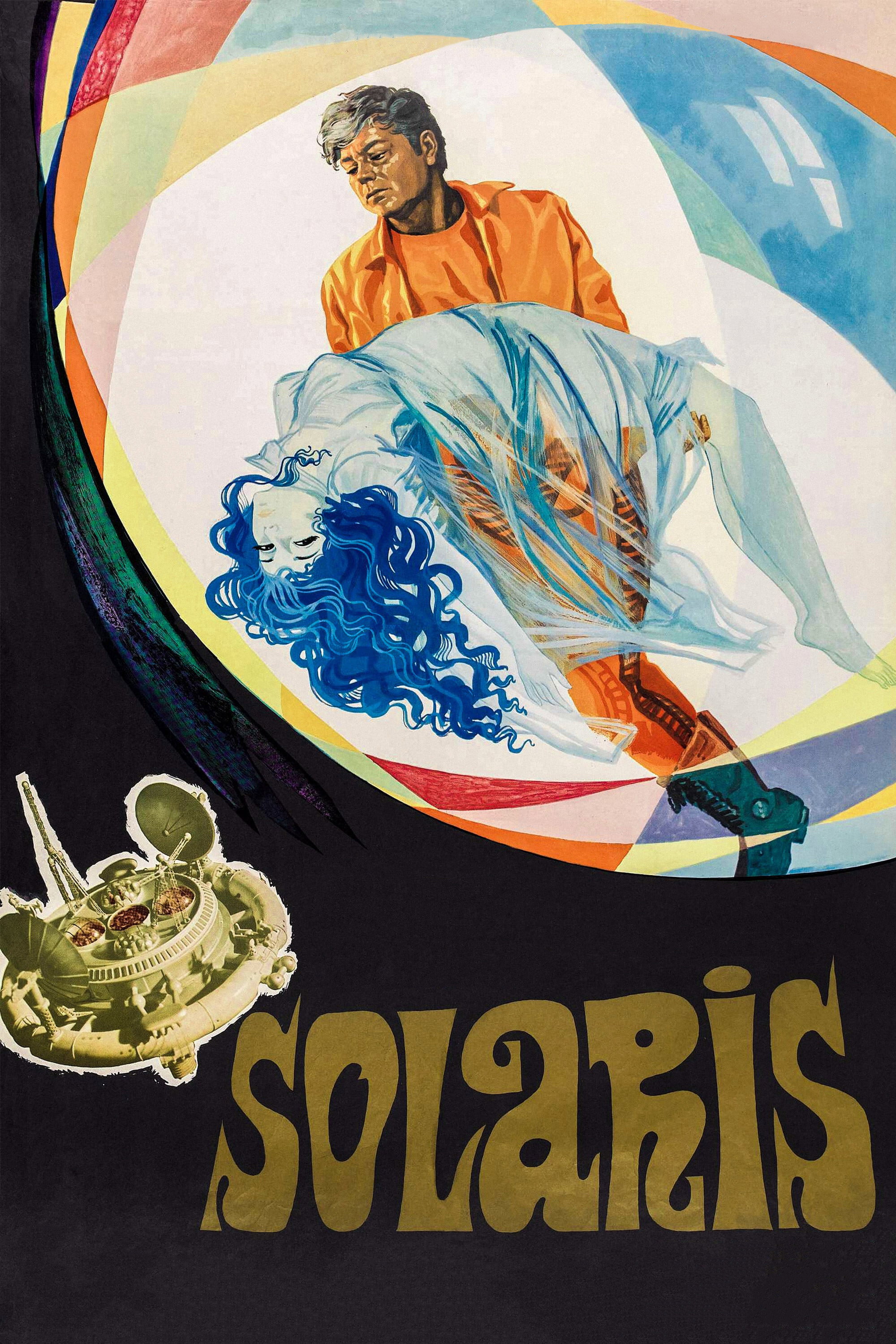
Solaris poster

Solaris

1972 · For more isolation in space, and memories that make human company complicated

Seconds poster

Seconds

1966 · Another unsettling look at identity, with less comfort in its science fiction

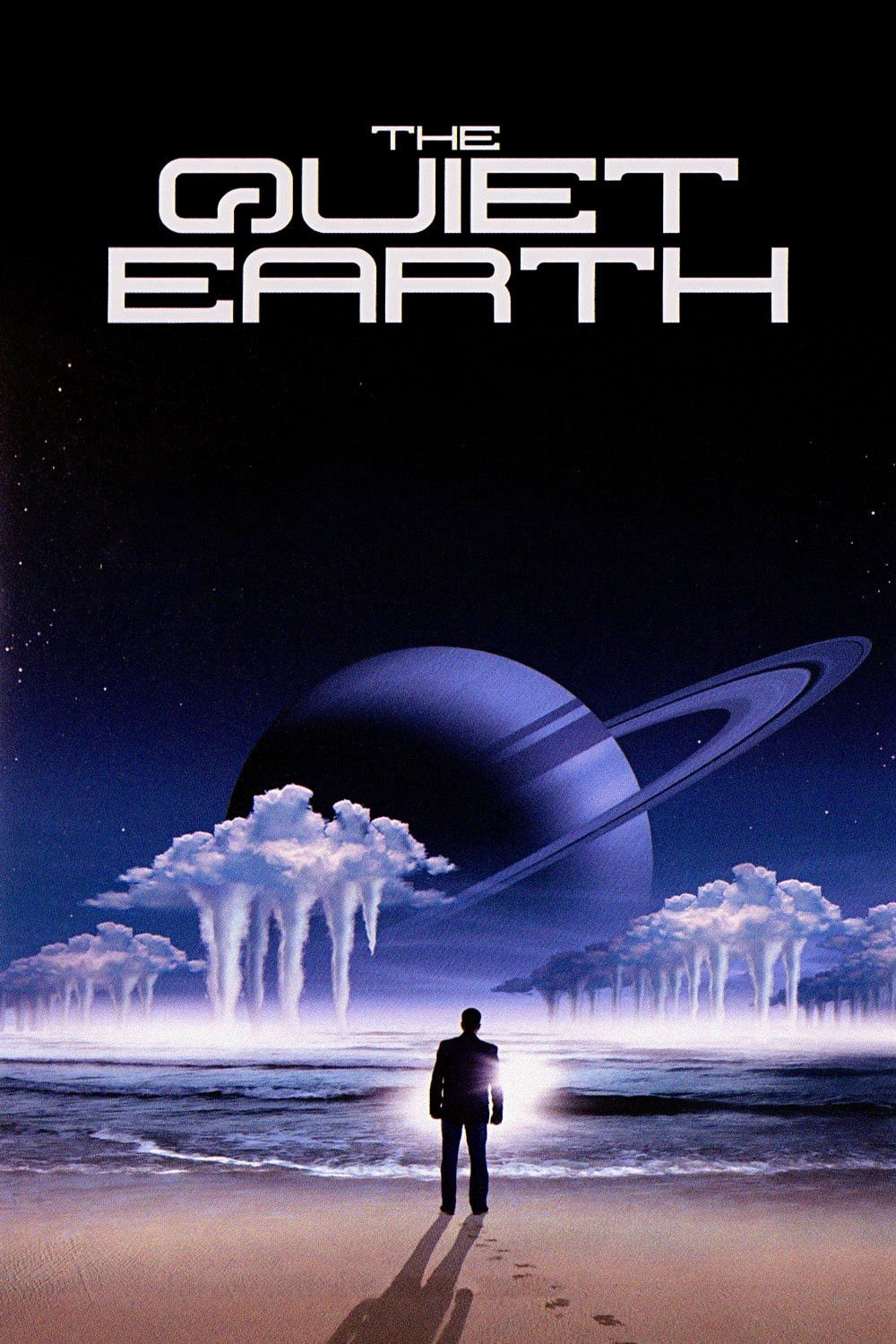
The Quiet Earth poster

The Quiet Earth

1985 · Loneliness becomes a practical problem in science fiction that keeps its scale human

The Double Life of Véronique poster86

The Double Life of Véronique

1991 · For the same curiosity about identity, pursued through music, coincidence and feeling

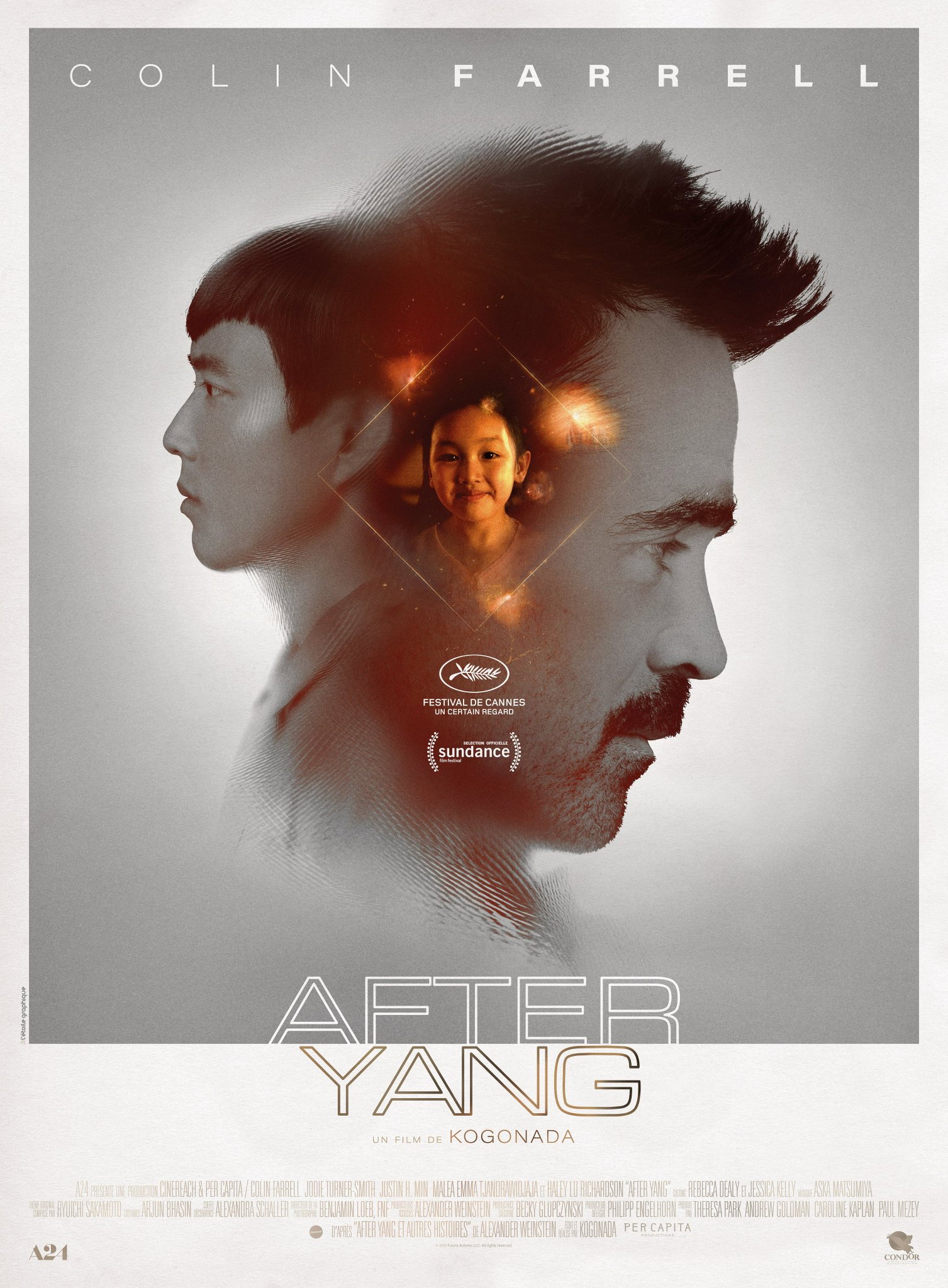
After Yang poster

After Yang

2021 · A quieter study of memory and artificial companionship, patient enough to make grief felt